
What Is Cardiopulmonary Resuscitation? A Complete Guide to CPR, AEDs, and Life-Saving Skills in 2026 October
What is cardiopulmonary resuscitation? Learn CPR steps, AED use, infant CPR, ACLS algorithm basics, and how to save a life in 2026 October. ✅
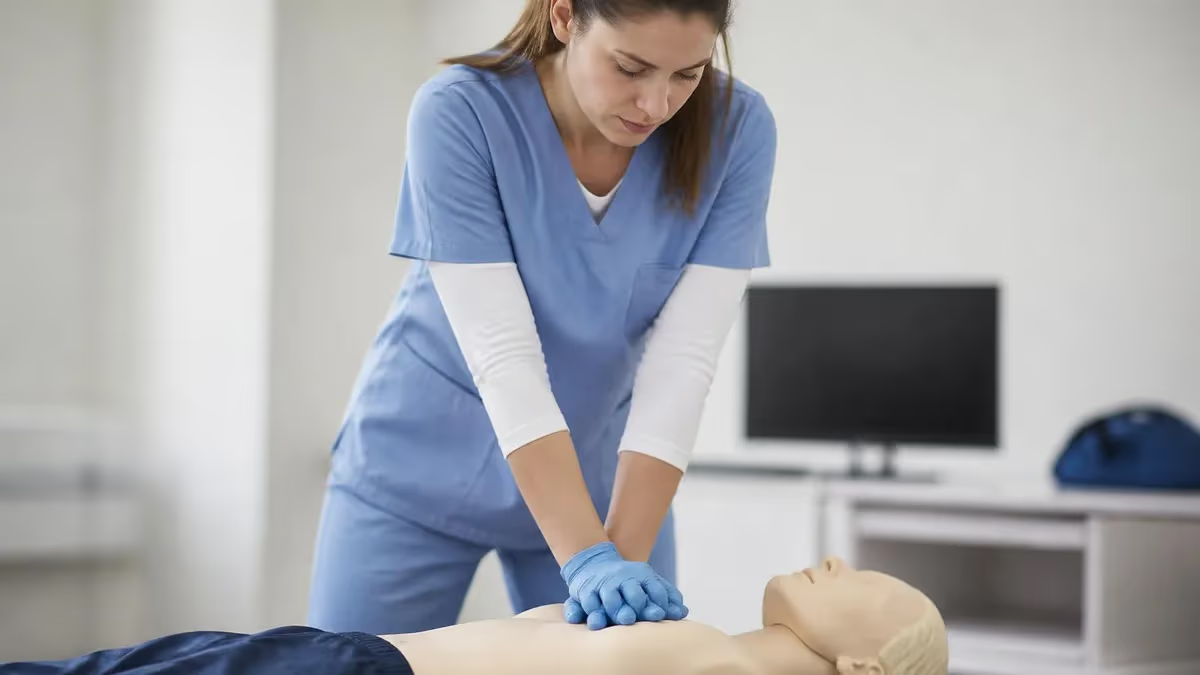
What is cardiopulmonary resuscitation? Cardiopulmonary resuscitation, universally known as CPR, is an emergency lifesaving procedure performed when someone's breathing or heartbeat has stopped. The technique combines chest compressions with rescue breaths to manually circulate oxygenated blood to the brain, heart, and other vital organs until advanced life support arrives. Without CPR, brain damage can begin within four minutes of cardiac arrest, and death typically occurs within ten. Knowing how to perform high-quality CPR transforms ordinary bystanders into the most critical link in the chain of survival.
Every year in the United States, more than 350,000 cardiac arrests occur outside hospital settings, and roughly nine out of ten victims do not survive. The single greatest factor influencing survival is whether a bystander immediately starts compressions. When CPR is performed promptly and correctly, survival rates can double or even triple. That is why community-wide training initiatives, workplace certifications, and school-based programs have become essential pillars of public health policy in cities across the country.
CPR is not a single technique frozen in time — it is an evolving body of science maintained by organizations like the American Heart Association, the Red Cross, and the normal respiratory rate for adults reference resources used by clinicians. Guidelines are reviewed every five years to incorporate the latest resuscitation research, including changes to compression depth, rate, ventilation ratios, and the integration of automated external defibrillators (AEDs) into bystander response.
The procedure works through a simple but powerful mechanism. Forceful, rhythmic compressions of the chest squeeze the heart between the sternum and spine, ejecting blood into the arteries. When the chest recoils, blood refills the heart's chambers. Combined with rescue breathing — or hands-only compressions in many adult scenarios — this artificial circulation sustains oxygen delivery to the brain long enough to bridge the gap until paramedics, defibrillation, or hospital care can take over.
Modern CPR training emphasizes accessibility. Hands-only CPR, taught to millions of laypeople, removes the barrier of mouth-to-mouth contact and focuses entirely on high-quality compressions at 100 to 120 beats per minute. For healthcare professionals, advanced courses such as ACLS (Advanced Cardiovascular Life Support) and PALS (Pediatric Advanced Life Support) layer on medications, rhythm interpretation, and team dynamics to handle complex resuscitation scenarios.
This guide covers everything you need to understand cardiopulmonary resuscitation: its history, the science behind compressions, step-by-step technique for adults, children, and infants, AED operation, the ACLS algorithm, common myths, legal protections under Good Samaritan laws, and how to choose the right certification. Whether you are a parent, teacher, healthcare worker, or simply a concerned neighbor, mastering CPR is one of the most consequential skills you can ever acquire.
By the end of this article, you will know how to recognize cardiac arrest, activate emergency services, deliver effective compressions, use an AED with confidence, and place an unresponsive but breathing victim into the recovery position. You will also understand how CPR fits into the broader system of life support and where to find reputable practice quizzes to test your knowledge before taking a hands-on certification course.
CPR by the Numbers

The Chain of Survival
Quickly identify cardiac arrest by checking for unresponsiveness and absent or abnormal breathing. Call 911 immediately or have someone else do it while you begin CPR.
Begin chest compressions within seconds of identifying arrest. High-quality compressions are the single most important intervention before advanced help arrives on scene.
Use an automated external defibrillator as soon as one is available. Shockable rhythms like ventricular fibrillation respond best when defibrillated within three to five minutes.
Paramedics and ACLS-trained providers administer medications, secure airways, and follow the ACLS algorithm to restore spontaneous circulation in the field.
In-hospital care includes targeted temperature management, cardiac catheterization, and neurological support to maximize meaningful survival and quality of life.
Understanding how CPR works requires a brief look at the cardiovascular system. The heart is a four-chambered muscular pump that drives oxygenated blood from the lungs to every tissue in the body. When the heart stops effectively pumping — whether due to ventricular fibrillation, asystole, pulseless electrical activity, or another cause — oxygen delivery ceases. Within seconds, consciousness is lost. Within minutes, irreversible damage begins to accumulate in the brain, which is the most oxygen-hungry organ in the body.
Chest compressions mechanically substitute for the heart's pumping action. When you press down on the lower half of the sternum, you compress the heart and increase intrathoracic pressure, forcing blood out of the chest and into the systemic circulation. When you release, the chest wall recoils and creates negative pressure, drawing venous blood back into the heart. This cycle — done at 100 to 120 compressions per minute, to a depth of two to 2.4 inches in adults — generates roughly 25 to 33 percent of normal cardiac output.
That sounds low, but it is enough to keep brain and heart tissue viable for a critical window. The quality of compressions matters enormously. Shallow compressions, slow rates, incomplete recoil, frequent interruptions, and leaning on the chest all reduce blood flow. This is why cpr machine devices, also called mechanical CPR devices, are sometimes used in clinical and field settings to maintain consistent depth and rate during long resuscitations or transport.
Rescue breaths add oxygen to the blood being circulated. In conventional CPR, two breaths follow every 30 compressions in adults. Each breath should last about one second and produce visible chest rise. For trained rescuers working on children and infants, ventilation is even more important because pediatric arrests are more often respiratory in origin rather than primarily cardiac, meaning oxygen delivery — not just circulation — is often the limiting factor.
Hands-only CPR is a simplified approach endorsed by the AHA for untrained bystanders responding to adult cardiac arrest. It eliminates rescue breaths and focuses entirely on continuous compressions. Studies have shown hands-only CPR is as effective as conventional CPR in the first few minutes of witnessed adult arrest, partly because residual oxygen in the lungs and bloodstream can sustain tissues briefly without active ventilation.
The science also recognizes the importance of minimizing interruptions. Every pause in compressions causes blood pressure to drop and requires several compressions to rebuild perfusion pressure. That is why modern guidelines emphasize compression fraction — the percentage of resuscitation time spent actively compressing — and aim for 80 percent or higher. Pulse checks, rhythm analysis, and intubation attempts should be brief and coordinated.
Finally, CPR is a bridge, not a cure. Compressions alone rarely restart a stopped heart. The definitive treatment for shockable rhythms is defibrillation, and for non-shockable rhythms, it is reversing the underlying cause — hypoxia, hypovolemia, hyperkalemia, hypothermia, tension pneumothorax, tamponade, toxins, thrombosis. CPR buys time for those interventions to be delivered.

CPR Practice Test Questions
Prepare for the CPR Cardiopulmonary Resuscitation Practice exam with our free practice test modules. Each quiz covers key topics to help you pass on your first try.
CPR Basic CPR
CPR Exam Questions covering Basic CPR. Master CPR Test concepts for certification prep.
CPR and First Aid
Free CPR Practice Test featuring and First Aid. Improve your CPR Exam score with mock test prep.
CPR (Cardiopulmonary Resuscitation) Adult ...
CPR Mock Exam on (Cardiopulmonary Resuscitation) Adult CPR and AED Usage. CPR Study Guide questions to pass on your first try.
CPR (Cardiopulmonary Resuscitation) Airway...
CPR Test Prep for (Cardiopulmonary Resuscitation) Airway Obstruction and Choking. Practice CPR Quiz questions and boost your score.
CPR (Cardiopulmonary Resuscitation) Cardio...
CPR Questions and Answers on (Cardiopulmonary Resuscitation) Cardiopulmonary Emergency Recognition. Free CPR practice for exam readiness.
CPR (Cardiopulmonary Resuscitation) Child ...
CPR Mock Test covering (Cardiopulmonary Resuscitation) Child and Infant CPR. Online CPR Test practice with instant feedback.
CPR (Cardiopulmonary Resuscitation) High-P...
Free CPR Quiz on (Cardiopulmonary Resuscitation) High-Performance Team Dynamics. CPR Exam prep questions with detailed explanations.
CPR (Cardiopulmonary Resuscitation) Legal ...
CPR Practice Questions for (Cardiopulmonary Resuscitation) Legal and Ethical Considerations. Build confidence for your CPR certification exam.
CPR for Specific Populations
CPR Test Online for for Specific Populations. Free practice with instant results and feedback.
CPR Airway & Breathing Management
CPR Exam Questions covering Airway & Breathing Management. Master CPR Test concepts for certification prep.
CPR Assessment & Recognition of Cardiac Ar...
Free CPR Practice Test featuring Assessment & Recognition of Cardiac Arrest. Improve your CPR Exam score with mock test prep.
CPR Chest Compressions & Defibrillation
CPR Mock Exam on Chest Compressions & Defibrillation. CPR Study Guide questions to pass on your first try.
CPR Post-Resuscitation Care & Recovery
CPR Test Prep for Post-Resuscitation Care & Recovery. Practice CPR Quiz questions and boost your score.
Infant CPR, Child CPR, and Adult CPR Compared
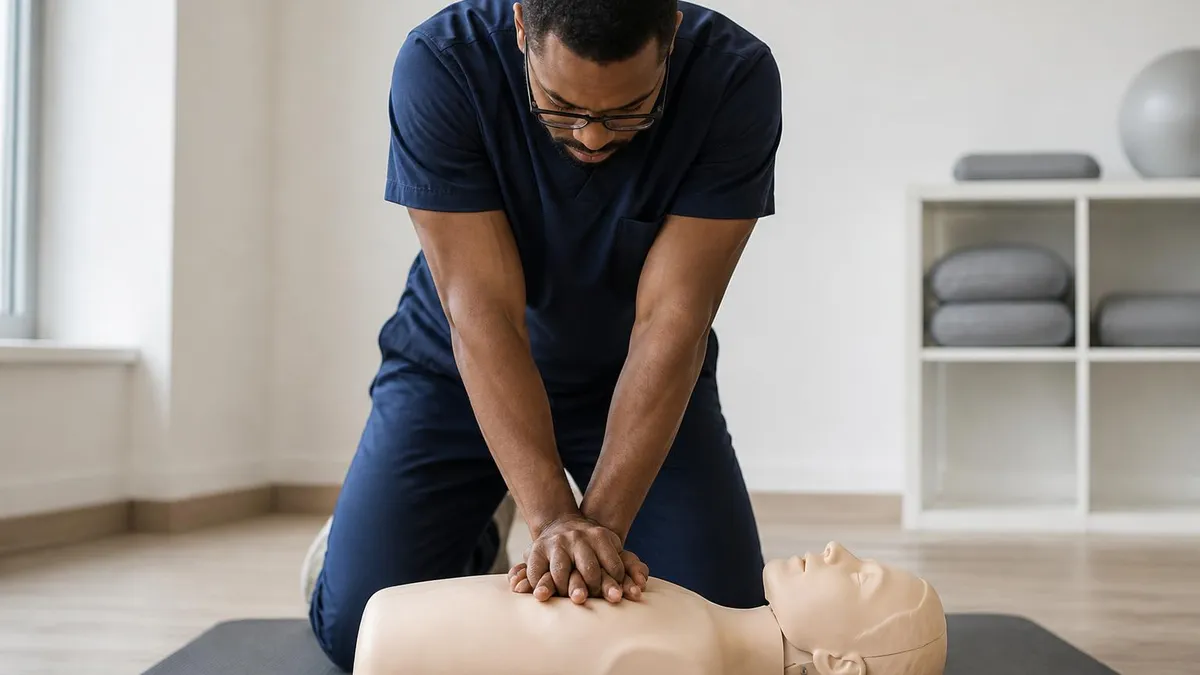
Adult CPR applies to victims who have reached puberty. Place the heel of one hand on the lower half of the sternum, layer the other on top, interlock fingers, and compress at least two inches but no more than 2.4 inches deep at a rate of 100 to 120 per minute. Allow full chest recoil between compressions. After 30 compressions, deliver two rescue breaths if trained, otherwise continue hands-only compressions until help arrives.
The most common cause of adult cardiac arrest is a primary cardiac event such as a heart attack triggering ventricular fibrillation. Because of this, defibrillation is often the most time-critical intervention. Attach an AED as soon as one is available, follow voice prompts, and resume compressions immediately after any shock. Monitor the victim's adult normal respiration patterns once spontaneous circulation returns.
Hands-Only CPR vs Conventional CPR: Which Should You Use?
- +Hands-only CPR is easier for untrained bystanders to remember and perform under stress
- +Eliminates hesitation caused by reluctance to give mouth-to-mouth to strangers
- +Equally effective as conventional CPR in the first few minutes of adult witnessed arrest
- +Maximizes compression fraction by removing pauses for breaths
- +Endorsed by the American Heart Association for laypeople responding to adults
- +Can be taught in under 60 seconds via video or in-person demonstration
- −Not appropriate for infants, children, or victims of drowning or drug overdose
- −Less effective in prolonged arrests where oxygen reserves become depleted
- −Cannot replace conventional CPR for healthcare providers in clinical settings
- −Provides no ventilation support, which limits utility in respiratory-cause arrests
- −May give the public a false sense that ventilation is never important
- −Requires the same physical effort and risks the same rescuer fatigue without rotation
Step-by-Step CPR Checklist for Adults
- ✓Ensure the scene is safe for you and the victim before approaching
- ✓Check responsiveness by tapping the shoulders and shouting loudly
- ✓Look for normal breathing for no more than 10 seconds — gasping does not count
- ✓Call 911 immediately or instruct a specific bystander to call and find an AED
- ✓Place the heel of your hand on the lower half of the sternum, between the nipples
- ✓Deliver compressions at 100-120 per minute and 2-2.4 inches deep with full recoil
- ✓Give two rescue breaths after every 30 compressions if trained and willing
- ✓Attach AED pads as soon as the device arrives and follow voice prompts
- ✓Continue CPR cycles until the victim moves, EMS takes over, or you are exhausted
- ✓Place a breathing but unresponsive victim into the recovery position on their side
Compression quality is the strongest predictor of survival
Research consistently shows that compression depth, rate, and minimal interruptions predict survival more than any other variable. Push hard, push fast, allow full recoil, and rotate compressors every two minutes to prevent fatigue-induced quality drop-off.
An automated external defibrillator (AED) is a portable device that analyzes a victim's heart rhythm and, if a shockable rhythm is detected, delivers an electrical shock designed to restore an organized heartbeat. What does AED stand for? Automated External Defibrillator. The word "automated" is key — modern AEDs are designed for laypeople, with voice prompts that walk users through every step from pad placement to shock delivery. No prior medical training is required to operate one safely.
AEDs target two specific shockable rhythms: ventricular fibrillation (VF) and pulseless ventricular tachycardia (pVT). In VF, the heart's electrical activity becomes chaotic and the ventricles quiver instead of pumping. Defibrillation depolarizes the entire heart muscle simultaneously, allowing the heart's natural pacemaker to potentially resume a coordinated rhythm. The earlier the shock is delivered, the higher the chance of return of spontaneous circulation — survival drops roughly 7 to 10 percent for every minute defibrillation is delayed.
Modern AEDs are remarkably user-friendly. After turning on the device, the rescuer applies adhesive pads to the victim's bare chest — one on the upper right and one on the lower left side. The AED then analyzes the rhythm, which takes about 5 to 15 seconds. If a shock is advised, it instructs everyone to stand clear and either delivers the shock automatically or prompts the rescuer to press a button. CPR resumes immediately after, and the cycle repeats every two minutes.
Public access defibrillation programs have transformed cardiac arrest survival in many U.S. communities. AEDs are now mandated in airports, gyms, schools, casinos, sports venues, and many office buildings. In places like Las Vegas casinos and Chicago's O'Hare Airport, survival from witnessed VF arrest can exceed 50 percent thanks to dense AED placement combined with trained on-site responders. Mobile apps like PulsePoint AED help bystanders locate the nearest device during emergencies.
Special situations require minor adjustments. For pediatric patients under eight years old or 55 pounds, use pediatric pads or a pediatric attenuator if available; otherwise, adult pads positioned anteroposteriorly are acceptable. For victims with implanted pacemakers or defibrillators, place pads at least one inch away from the device. For wet chests, water surfaces, or transdermal medication patches, wipe the chest dry and remove patches before applying pads.
Many people fear they could harm someone by using an AED incorrectly. The reality is that AEDs will not deliver a shock unless a shockable rhythm is detected. If the victim is breathing normally or has a non-shockable rhythm, the device will refuse to discharge. This safety logic is why the National CPR Foundation, the American Heart Association, and the Red Cross all encourage untrained bystanders to grab and use any AED they can find — the device essentially refuses to make a fatal mistake.
Integrating AED use with high-quality CPR is the single most powerful combination available to bystanders. Studies from communities with aggressive public access defibrillation show survival rates triple when both interventions occur within the first five minutes. Position recovery, post-shock care, and continued CPR between rhythm analyses all contribute to the success of an integrated response.
If you are alone with an adult victim and no AED is in immediate reach, start CPR first and continue compressions while help is summoned. Sending a second bystander to locate an AED is ideal, but a solo rescuer should never abandon compressions for more than the briefest pause. Every second of delay reduces survival probability.
Certification in CPR comes in several tiers, each designed for a specific audience. The most common entry-level certification is the AHA Heartsaver CPR AED course or the Red Cross Adult and Pediatric CPR/AED course, both designed for laypeople, teachers, childcare workers, and the general public. These courses run about three to four hours and combine video instruction, hands-on skills practice with manikins, and a written or skills evaluation. Certification is typically valid for two years.
For healthcare providers — nurses, paramedics, respiratory therapists, dentists, and physicians — the standard certification is Basic Life Support (BLS) for Healthcare Providers. BLS expands on lay CPR by adding two-rescuer techniques, bag-mask ventilation, special team dynamics, and the integration of CPR within a healthcare setting. This certification is required at virtually every hospital, clinic, and EMS agency in the United States and is renewed every two years.
Beyond BLS, healthcare providers working in higher-acuity environments pursue Advanced Cardiovascular Life Support (ACLS). The acls algorithm framework guides providers through systematic management of cardiac arrest, bradycardia, tachycardia, acute coronary syndromes, and stroke. ACLS courses cover rhythm interpretation, vasopressors and antiarrhythmics, advanced airway placement, team leadership, and post-cardiac-arrest care. Most emergency departments, ICUs, and cath labs require active ACLS certification.
For providers caring for children, Pediatric Advanced Life Support (PALS) certification is essential. PALS certification mirrors ACLS but applies to infants and children, covering pediatric assessment, respiratory distress and failure, shock, cardiac arrhythmias, and resuscitation team dynamics. Pediatric emergency physicians, pediatric ICU nurses, anesthesiologists, and pediatric transport teams typically maintain current PALS credentials alongside BLS and often ACLS.
Choosing a training provider matters. The American Heart Association, the American Red Cross, and the American Safety and Health Institute are the three nationally recognized organizations whose cards are accepted by virtually every employer. The National CPR Foundation and similar online providers offer convenience but are not accepted by all hospitals and employers, especially for clinical roles. Always verify that your certification will be recognized by your specific employer or licensing board before paying for a course.
Hands-on skills practice is non-negotiable. Pure online courses without a live skills check are not accepted for healthcare credentials such as BLS, ACLS, or PALS. Blended learning — online cognitive content followed by an in-person skills evaluation — is widely accepted and often the most efficient pathway for busy professionals. Practicing on a real manikin with quality feedback is what builds the muscle memory needed to perform effectively during a real emergency. For students preparing for certification, the malibu cpr style preparation programs offer comprehensive overviews.
Whether you are pursuing PALS certification for a new pediatric ICU role, refreshing your BLS card for nursing license renewal, or simply learning CPR for the first time to protect your family, the investment of a few hours of training pays lifelong dividends. Recertification cycles every two years ensure that skills stay sharp and that you are familiar with the latest evidence-based guideline updates.
Beyond formal certification, there are practical steps every person can take to be better prepared for a cardiac emergency. Learn the location of AEDs at your workplace, gym, church, and children's school. Download a public AED locator app like PulsePoint to your phone. Talk with family members about emergency action plans — who calls 911, who starts compressions, who retrieves the AED. Place CPR reference cards near medication cabinets and in vehicle glove boxes for quick reference.
If you have older relatives or family members with known cardiovascular disease, consider taking a refresher course annually rather than every two years. Knowing infant CPR is especially valuable for new parents, grandparents, babysitters, and daycare staff. Many hospitals offer free or low-cost infant CPR classes specifically targeted at new families, and these short sessions can be the difference between tragedy and survival in choking or near-SIDS events.
Maintain your physical readiness as well. CPR is physically demanding — sustained compressions on an adult can exhaust even fit rescuers within two minutes. That is why guidelines recommend rotating compressors every two minutes when multiple rescuers are available. Building general cardiovascular endurance and upper-body strength makes high-quality compressions easier to sustain. Even modest fitness improvements translate to better resuscitation performance under real-world stress.
Mental preparation matters as much as physical readiness. Mentally rehearse what you would do if you witnessed an arrest at home, in a restaurant, or on a sports field. Visualize calling 911, starting compressions, and giving clear directions to bystanders. This mental rehearsal — used by emergency responders, athletes, and military personnel — drastically reduces freeze responses when a real emergency occurs. Studies show that bystanders who have mentally rehearsed are far more likely to act promptly.
Watch your respiratory rate awareness too. Recognizing abnormal breathing — agonal gasps, irregular patterns, very fast or very slow respiratory rate — is the gateway to early CPR. Many bystanders mistake agonal breathing for normal breathing and delay compressions. Train yourself to assume that any irregular, gasping, or labored breathing in an unresponsive adult is a sign of cardiac arrest until proven otherwise. The cost of starting compressions on someone who turns out to be breathing is minimal; the cost of failing to start on someone in arrest is catastrophic.
Finally, understand the legal protections that exist for lay rescuers. Every U.S. state has some form of Good Samaritan law that shields bystanders acting in good faith from civil liability when providing emergency care. These laws are designed to encourage action rather than hesitation. You cannot make a cardiac arrest victim worse by attempting CPR — they are clinically dead until you intervene. The legal risk of acting is essentially zero; the moral and statistical risk of inaction is enormous.
Pass this knowledge forward. Teach your teenagers basic CPR. Encourage your workplace to host an annual training day. Push your child's school board to add CPR to the high school curriculum, as more than half of U.S. states now require. Every newly trained bystander expands the safety net that protects every member of your community from sudden cardiac death.
CPR Questions and Answers
CPR Card Lookup: How to Verify, Replace, and Access Your CPR Certification in 2026
AHA CPR: What It Is, Which Course You Need, and How to Get Certified
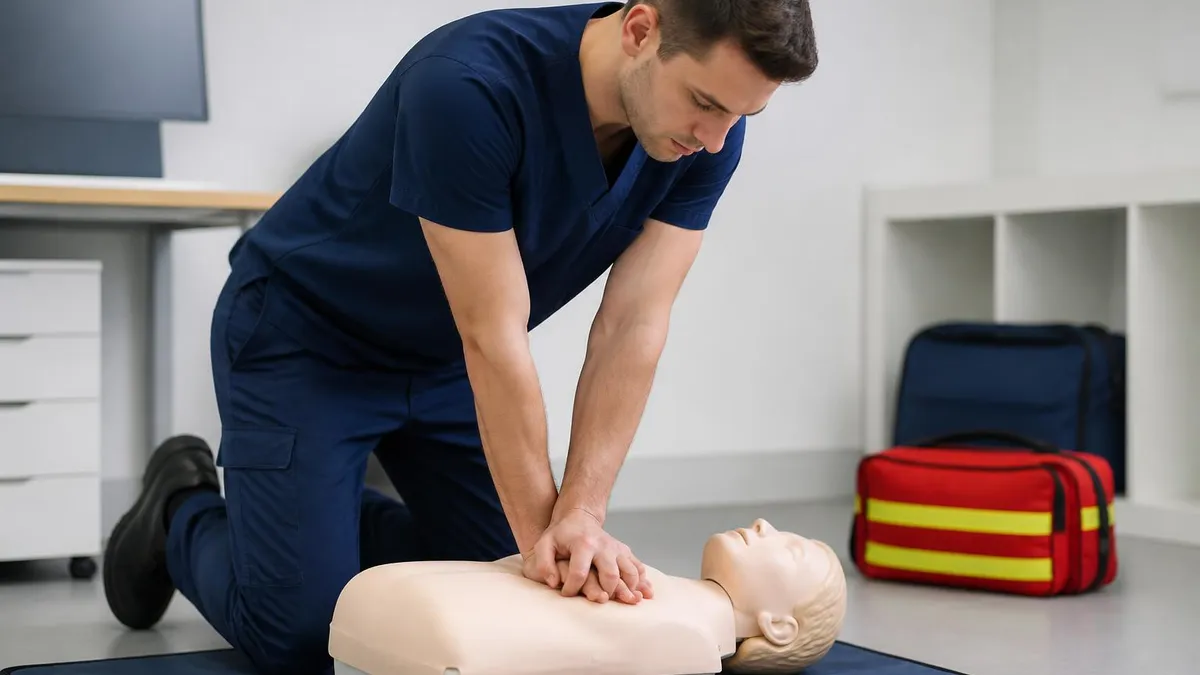
Adult CPR: Complete Step-by-Step Guide to Hands-Only and Standard CPR in 2026
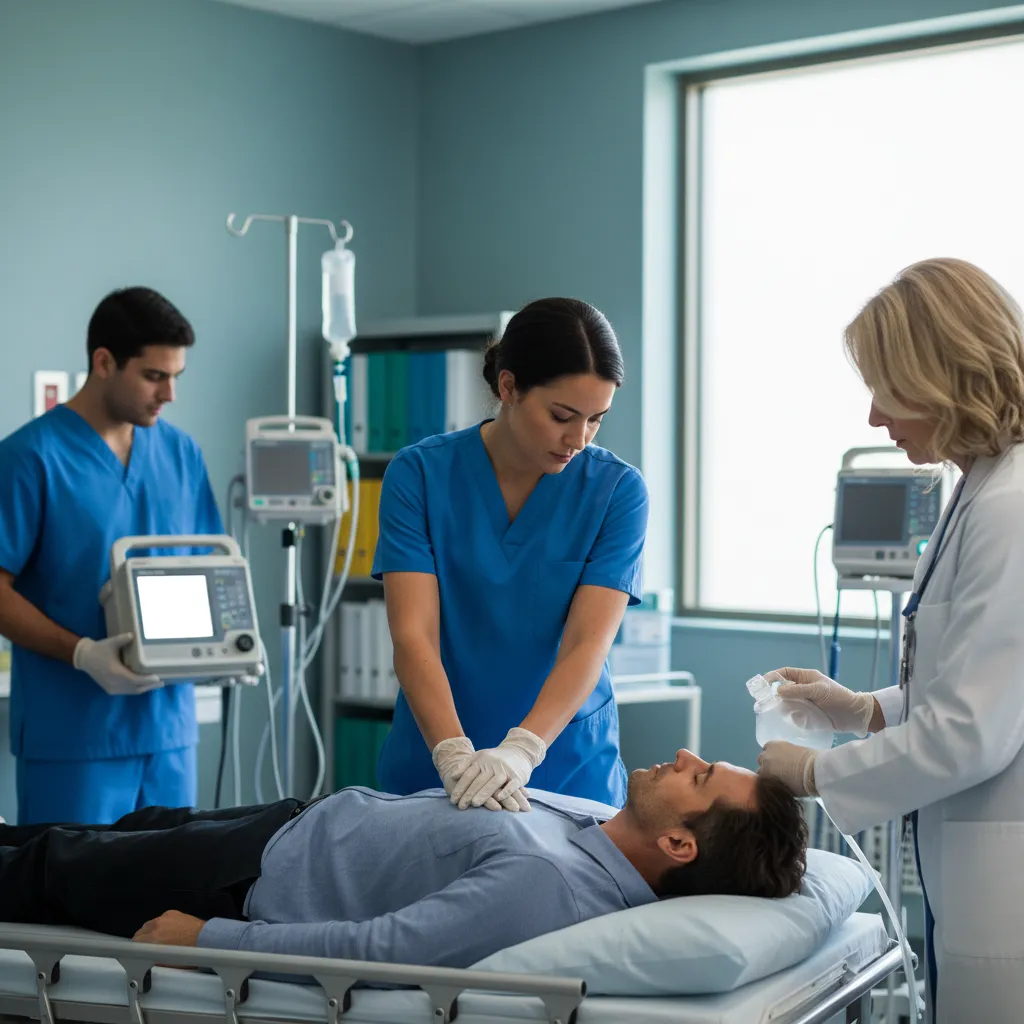
CPR - Cardiopulmonary Resuscitation: Complete Study Guide 2026
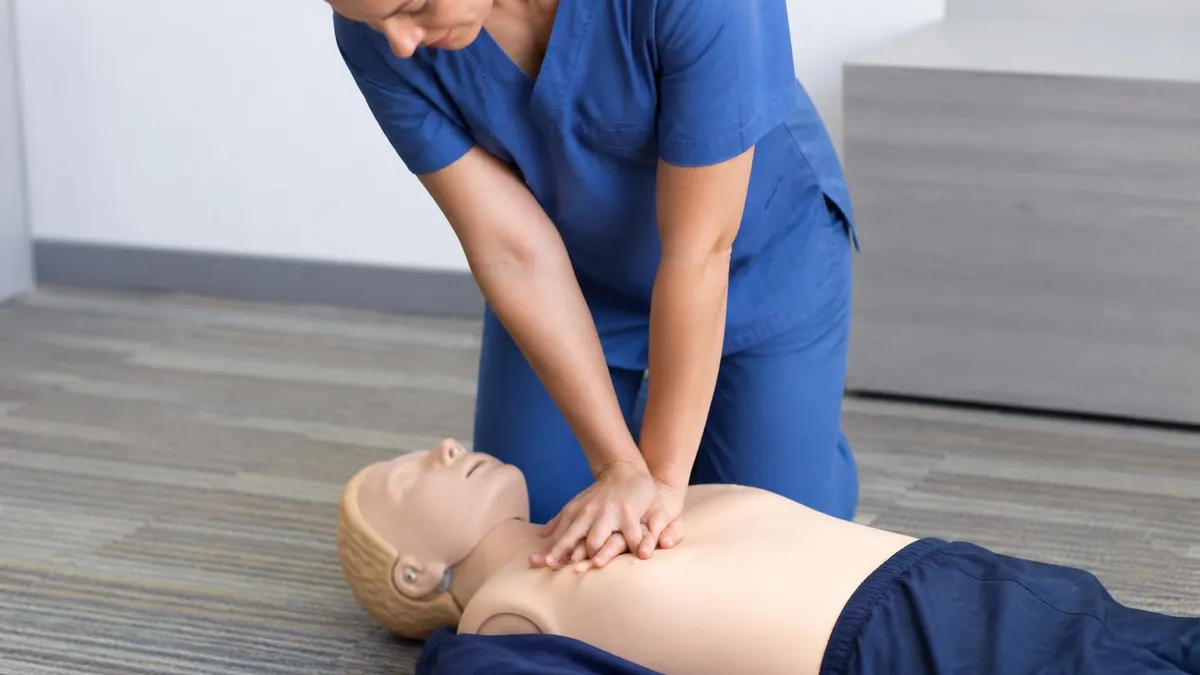
Inappropriate CPR Songs: What Not to Play, Why It Matters, and Better Beat-Per-Minute Alternatives
About the Author

Registered Nurse & Healthcare Educator
Johns Hopkins University School of NursingDr. Sarah Mitchell is a board-certified registered nurse with over 15 years of clinical and academic experience. She completed her PhD in Nursing Science at Johns Hopkins University and has taught NCLEX preparation and clinical skills courses for nursing students across the United States. Her research focuses on evidence-based exam preparation strategies for healthcare certification candidates.
Join the Discussion
Connect with other students preparing for this exam. Share tips, ask questions, and get advice from people who have been there.
View discussion (5 replies)