
Is National CPR Association Legit? How to Verify CPR Certification Providers in 2026 October
💯 Is National CPR Association legit? Evaluate ACLS algorithm training, certification providers, and employer acceptance before enrolling in 2026 October.
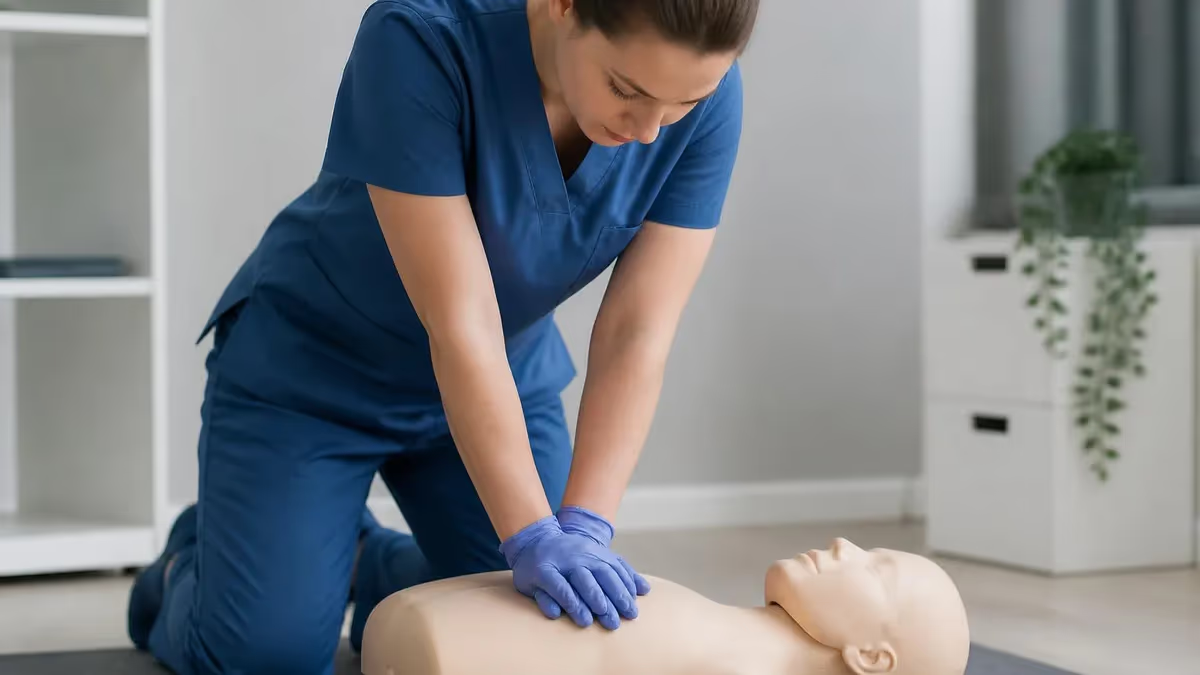
One question that surfaces repeatedly among healthcare students, workplace safety officers, and concerned parents is whether the National CPR Association is legit and whether certifications earned through online-only providers carry genuine weight with employers, hospitals, and state regulatory agencies. As demand for ACLS algorithm proficiency and general life support training continues growing across the United States, online certification platforms have multiplied dramatically, making it harder than ever to distinguish credible programs from those selling credentials of questionable value.
The National CPR Foundation has gained significant visibility through aggressive online marketing, offering certifications in CPR, AED usage, basic life support, and advanced cardiac life support. Their website promises convenient, entirely self-paced training that appeals to busy professionals needing to fulfill workplace requirements quickly and affordably. However, convenience alone does not guarantee legitimacy or employer acceptance. Evaluating any certification provider requires examining whether their courses meet rigorous guidelines established by authoritative organizations such as the American Heart Association, the American Red Cross, or the International Liaison Committee on Resuscitation.
When exploring PALS certification options or basic life support credentials, professionals must distinguish between nationally recognized accreditation and organizational self-certification that lacks independent verification. Some online providers create their own accreditation bodies or claim affiliations with obscure organizations, misleading students into believing their credentials carry the same weight as those from established institutions. Employers in healthcare settings, including hospitals, outpatient clinics, and emergency medical services, typically require certifications from specific providers outlined in institutional policies and state regulatory frameworks.
The respiratory rate monitoring protocols, infant CPR techniques, and recovery position procedures taught in legitimate courses follow evidence-based guidelines updated every five years by international consensus panels comprising hundreds of resuscitation scientists. These periodic updates ensure that healthcare providers deliver care based on current scientific evidence. Any certification program worth pursuing must demonstrate alignment with these updated standards and provide skills verification through practical assessment components, not merely multiple-choice examinations completed entirely online without instructor supervision or observation.
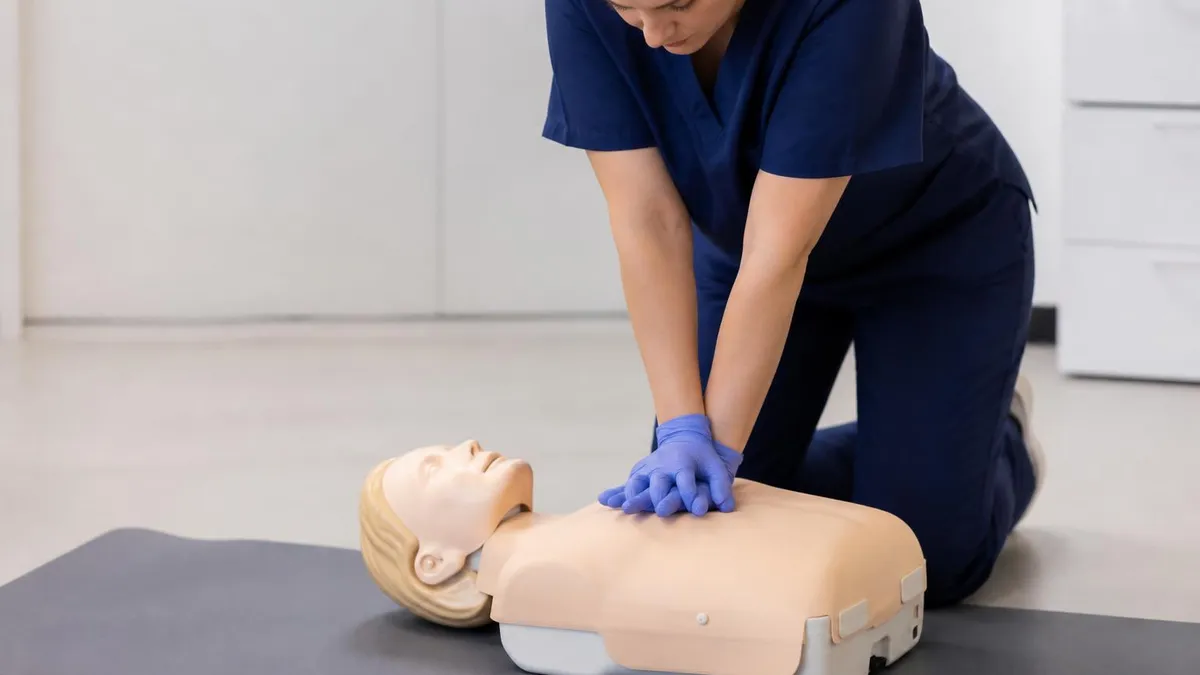
Understanding what does AED stand for—automated external defibrillator—represents just the beginning of competency-based life support training. Legitimate certification programs build upon foundational knowledge by incorporating hands-on skills practice with training manikins, scenario-based learning exercises simulating real emergencies, and competency evaluations conducted by qualified instructors. The distinction between theoretical knowledge and demonstrated practical skill proficiency separates credible certification programs from those that may leave graduates unprepared for real-world emergency situations where every second of response time matters critically.
Throughout this comprehensive guide, we examine the specific legitimacy markers that separate credible CPR certification providers from questionable alternatives in an increasingly crowded marketplace. We analyze accreditation structures, employer acceptance patterns, curriculum quality standards, and practical assessment requirements that collectively define quality life support training in the United States. Whether you are a healthcare professional maintaining credentials, a teacher fulfilling district mandates, or a parent seeking first-time certification, this analysis equips you with the knowledge to make informed decisions.
The stakes involved in CPR certification extend far beyond professional credentialing into genuine public safety outcomes. Research consistently demonstrates that individuals trained through rigorous, evidence-based programs with hands-on practice perform significantly better during actual cardiac emergencies compared to those who completed abbreviated online-only courses. Choosing a legitimate provider directly impacts your ability to save lives when confronted with cardiac arrest, choking emergencies, or respiratory failures requiring immediate intervention outside hospital settings.
CPR Certification Industry by the Numbers

Key Legitimacy Markers for CPR Certification Providers
Confirm the provider holds accreditation from recognized medical education bodies such as CAPCE or state EMS offices. Self-created accreditation bodies that cannot be independently verified represent a significant red flag for consumers.
Legitimate providers align course content with current AHA and ILCOR guidelines, including updated compression depths, ventilation ratios, and the full ACLS algorithm sequence. Outdated curriculum suggests inadequate training development.
Credible certification programs require demonstrated psychomotor competency through supervised practice with manikins and training AED devices. Online-only exams cannot verify the physical skills essential for effective emergency response.
Verify that target employers, licensing boards, and regulatory agencies accept the certification before enrolling. Request written confirmation to prevent discovering credential rejection after completing training and paying fees.
Legitimate providers maintain searchable verification databases accessible to employers. Test the verification portal before enrolling by checking whether existing certificate numbers can be confirmed through the official system.
The National CPR Foundation operates as an online certification platform providing training in basic life support, advanced cardiac life support, pediatric advanced life support, and first aid. Their business model centers on delivering entirely web-based instruction followed by online examinations, which distinguishes them from traditional providers that incorporate mandatory in-person skills assessment components. This operational approach has generated considerable debate within the healthcare training community regarding whether purely online certifications adequately prepare individuals for performing physically demanding life-saving procedures under extreme pressure.
Employer acceptance represents the most practical and reliable measure of any CPR certification provider's legitimacy. Major healthcare systems, including HCA Healthcare, Kaiser Permanente, and the Department of Veterans Affairs, typically specify American Heart Association or American Red Cross certifications in their employment requirements. While some non-clinical employers in corporate offices, fitness facilities, or retail environments may accept certifications from alternative providers like the National CPR Foundation, healthcare facilities overwhelmingly require credentials from organizations whose programs include supervised hands-on skills evaluation and competency verification.
State regulatory agencies add another complex layer to the legitimacy question. Many states have specific requirements for healthcare provider CPR certification that reference particular training organizations by name. Nursing boards in California, Texas, New York, and Florida frequently specify that acceptable CPR certifications must come from providers whose curricula include psychomotor skills testing with instructor observation. Online-only certifications, regardless of the issuing organization, may not satisfy these regulatory requirements, creating potential compliance issues for licensed healthcare professionals seeking renewal.
The curriculum content offered by the National CPR Foundation covers standard topics including chest compression techniques, rescue breathing protocols, recovery position placement, and AED operation procedures for adults and children. However, the depth and pedagogical sophistication of instruction varies enormously between providers. Established organizations invest heavily in curriculum development, engaging medical researchers, emergency physicians, and resuscitation scientists in creating evidence-based training materials updated on systematic five-year review cycles informed by international research.
Cost comparisons between the National CPR Foundation and traditional providers reveal significant price differences warranting careful analysis. Online-only courses typically range from twenty-five to sixty dollars, while American Heart Association classroom courses cost between fifty and one hundred fifty dollars depending on location and instructor fees. The lower cost appeals to budget-conscious consumers, but the price differential often reflects differences in instructional resources, instructor qualifications, skills practice equipment, and the comprehensive rigor of competency evaluations provided.
Customer reviews of the National CPR Foundation present a mixed picture that prospective students should evaluate carefully. Positive reviews frequently praise the convenience and speed of completing certifications online, while negative reviews describe difficulties with employer rejection of certificates, challenges obtaining refunds, and concerns about training depth. Better Business Bureau and Trustpilot ratings for various online CPR providers fluctuate considerably, making it essential to research current standing rather than relying on outdated assessments from previous years.
The fundamental question of legitimacy extends beyond accreditation status to encompass educational effectiveness and practical utility. A certification that technically exists as a document but fails to prepare its holder for actual emergency response provides limited genuine value regardless of the provider's corporate registration status. Prospective students must weigh convenience against competency, cost against quality, and speed against thoroughness when selecting a CPR certification pathway that truly serves both their professional requirements and their genuine ability to save lives.

CPR Practice Test Questions
Prepare for the CPR Cardiopulmonary Resuscitation Practice exam with our free practice test modules. Each quiz covers key topics to help you pass on your first try.
CPR Basic CPR
CPR Exam Questions covering Basic CPR. Master CPR Test concepts for certification prep.
CPR and First Aid
Free CPR Practice Test featuring and First Aid. Improve your CPR Exam score with mock test prep.
CPR (Cardiopulmonary Resuscitation) Adult ...
CPR Mock Exam on (Cardiopulmonary Resuscitation) Adult CPR and AED Usage. CPR Study Guide questions to pass on your first try.
CPR (Cardiopulmonary Resuscitation) Airway...
CPR Test Prep for (Cardiopulmonary Resuscitation) Airway Obstruction and Choking. Practice CPR Quiz questions and boost your score.
CPR (Cardiopulmonary Resuscitation) Cardio...
CPR Questions and Answers on (Cardiopulmonary Resuscitation) Cardiopulmonary Emergency Recognition. Free CPR practice for exam readiness.
CPR (Cardiopulmonary Resuscitation) Child ...
CPR Mock Test covering (Cardiopulmonary Resuscitation) Child and Infant CPR. Online CPR Test practice with instant feedback.
CPR (Cardiopulmonary Resuscitation) High-P...
Free CPR Quiz on (Cardiopulmonary Resuscitation) High-Performance Team Dynamics. CPR Exam prep questions with detailed explanations.
CPR (Cardiopulmonary Resuscitation) Legal ...
CPR Practice Questions for (Cardiopulmonary Resuscitation) Legal and Ethical Considerations. Build confidence for your CPR certification exam.
CPR for Specific Populations
CPR Test Online for for Specific Populations. Free practice with instant results and feedback.
CPR Airway & Breathing Management
CPR Exam Questions covering Airway & Breathing Management. Master CPR Test concepts for certification prep.
CPR Assessment & Recognition of Cardiac Ar...
Free CPR Practice Test featuring Assessment & Recognition of Cardiac Arrest. Improve your CPR Exam score with mock test prep.
CPR Chest Compressions & Defibrillation
CPR Mock Exam on Chest Compressions & Defibrillation. CPR Study Guide questions to pass on your first try.
CPR Post-Resuscitation Care & Recovery
CPR Test Prep for Post-Resuscitation Care & Recovery. Practice CPR Quiz questions and boost your score.
Life Support Certification Pathways Compared
The American Heart Association remains the gold standard for life support certification across the United States, recognized universally by healthcare employers, state regulatory agencies, and professional licensing boards. Their Basic Life Support, Advanced Cardiovascular Life Support, and Pediatric Advanced Life Support programs incorporate rigorous curriculum development informed by international resuscitation science guidelines updated on regular five-year cycles based on comprehensive systematic evidence reviews conducted by hundreds of researchers.
AHA certification courses require both cognitive assessment through written examinations and psychomotor skills evaluation through hands-on practice with certified instructors using standardized training equipment. The HeartCode blended learning option provides online cognitive preparation followed by mandatory in-person skills sessions, combining scheduling flexibility with training rigor. Completion cards are verifiable through the AHA eCard system, providing employers instant digital credential confirmation.
Online CPR Certification vs. Traditional Training: Weighing Your Options
- +Significantly lower cost ranging from twenty-five to sixty dollars compared to classroom courses
- +Flexible scheduling allows completion at any time of day or night from home
- +Accessible from any location with internet connectivity without travel requirements
- +Self-paced learning accommodates different study speeds and personal schedules
- +Immediate digital certificate delivery upon successful course completion
- +Convenient simplified process for recertification and credential renewal
- −Limited employer acceptance especially in healthcare and clinical settings
- −No hands-on skills practice with manikins or AED training devices
- −Cannot verify physical competency in chest compressions or rescue breathing
- −May not satisfy state licensing board requirements for healthcare professionals
- −Reduced training effectiveness compared to blended programs with practice components
- −Potential difficulty obtaining refunds if employer rejects the issued credentials

CPR Provider Verification Checklist: From Infant CPR to ACLS Algorithm Training
- ✓Confirm the provider holds accreditation from a recognized, independently verifiable medical education organization
- ✓Verify curriculum alignment with current American Heart Association and ILCOR resuscitation guidelines
- ✓Check whether the certification includes mandatory hands-on skills assessment with instructor evaluation
- ✓Contact your employer HR department to confirm the specific certification will be accepted in writing
- ✓Review your state licensing board requirements for approved CPR certification providers listed by name
- ✓Research current customer reviews on Better Business Bureau, Trustpilot, and Google Reviews
- ✓Test the provider certificate verification system by requesting a sample verification before enrolling
- ✓Compare total costs including hidden fees for physical cards, shipping, or verification services
- ✓Confirm recertification requirements, renewal frequency, and associated pricing for ongoing maintenance
- ✓Verify instructor qualifications and whether instructors hold active provider-level certifications
Employer Verification Is the Ultimate Legitimacy Test
Before investing time and money in any CPR certification program, contact your employer's human resources department and request written confirmation that the specific provider's credentials will be accepted. This single step prevents the most common complaint associated with online CPR certifications: discovering after course completion that the credential does not satisfy workplace or regulatory requirements for your specific role.
Verifying the legitimacy of any CPR certification provider requires systematic investigation across multiple dimensions rather than accepting marketing claims at face value. Begin by examining the organization's accreditation status through independent verification rather than relying on self-reported credentials displayed on their website. Legitimate accreditation bodies such as the Commission on Accreditation for Pre-Hospital Continuing Education maintain searchable databases where consumers can confirm whether specific training providers hold current, valid accreditation that has been independently evaluated and formally granted.
Curriculum alignment with current American Heart Association guidelines represents another critical legitimacy indicator. The most recent guidelines, incorporating updates through 2025, specify precise compression depths, ventilation ratios, medication protocols, and the complete ACLS algorithm sequence that all credible training programs must teach. Compare the provider's published course objectives and learning outcomes against these established guidelines to identify potential gaps or outdated content. Legitimate providers transparently publish curriculum frameworks and demonstrate clear alignment with internationally recognized resuscitation science standards.
Instructor qualifications provide significant insight into program quality and legitimacy. Reputable certification organizations require instructors to hold active provider-level certifications, complete instructor training courses with practical teaching evaluations, and maintain ongoing professional development requirements. Investigate whether the provider discloses instructor qualification standards and whether their instructors hold credentials from recognized medical education organizations. Programs lacking transparent instructor requirements or employing individuals without demonstrated expertise may deliver substandard training that fails to build genuine clinical competency in emergency response.
The skills assessment methodology employed by a certification provider serves as perhaps the most reliable indicator of training quality. Programs requiring demonstrated psychomotor competency through hands-on skills testing with manikins and training AED devices provide substantially more rigorous preparation than those relying exclusively on online examinations. The American Heart Association explicitly emphasizes that cognitive knowledge alone is insufficient for CPR certification, requiring students to demonstrate physical competency in chest compressions, ventilations, and AED operation under direct instructor observation.
Certificate verification systems offer practical legitimacy testing any consumer can perform. Contact the provider's verification department and request confirmation of a certification number to test their administrative infrastructure. Legitimate organizations maintain strong verification databases that employers can access to confirm credential validity instantly. Providers lacking functional verification systems or unable to confirm certification status upon request demonstrate organizational weaknesses that may extend to their training programs and overall quality of educational delivery.
Professional organization endorsements provide additional credibility signals worth investigating. Research whether medical professional associations, state health departments, or emergency medical services organizations recognize the certification provider. Some providers claim endorsement through affiliation with obscure or self-created organizations lacking genuine authority within the medical education community. Verify any claimed endorsements directly through the endorsing organization rather than accepting the provider's representation on their own marketing materials and website pages.
Refund policies and complaint resolution processes reveal important information about organizational integrity. Legitimate certification providers maintain clear, accessible refund policies and responsive customer service channels. Investigate complaint patterns through the Better Business Bureau, state attorney general consumer protection databases, and online review platforms. Consistent patterns of unresolved complaints regarding certificate acceptance, refund difficulties, or misleading advertising warrant serious concern and should factor prominently into your certification provider selection decision before spending any money.
Licensed healthcare professionals including nurses, paramedics, EMTs, and physicians should verify CPR certification requirements directly with their state licensing board before enrolling in any online-only program. Many state boards explicitly require certifications from specific providers that include hands-on skills evaluation, and non-compliant certifications may jeopardize license renewal or employment eligibility at clinical facilities.
The landscape of CPR certification in the United States encompasses a spectrum from fully in-person classroom training through hybrid models combining online learning with hands-on skills sessions to entirely web-based programs requiring no physical attendance. Each model offers distinct advantages and limitations that align differently with various learner needs and professional requirements. Understanding the structural differences between these training delivery methods enables informed decision-making that balances accessibility against training quality requirements and employer acceptance realities across different professional contexts.
The American Heart Association's HeartCode program exemplifies the hybrid training model, providing online cognitive learning components followed by required in-person skills sessions with certified instructors. This approach captures the convenience benefits of online learning while preserving the critical hands-on assessment component ensuring psychomotor competency in chest compressions, rescue breathing, and AED operation. Healthcare employers overwhelmingly accept this blended format because it satisfies both knowledge assessment and practical skills verification requirements mandated by institutional policies and regulatory frameworks governing clinical staff.
The American Red Cross similarly offers blended learning options combining online coursework with in-person skills evaluations, providing flexibility without sacrificing training rigor. Their certification programs carry wide employer recognition across healthcare, education, fitness, and childcare industries. The organization's longstanding reputation, established since its founding in 1881, provides institutional credibility that newer online-only providers cannot easily replicate. This historical trust factor influences employer acceptance patterns significantly, with many organizations specifically naming the Red Cross as an approved provider in their policies.
Online-only CPR certification providers, including the National CPR Foundation and similar organizations, occupy a controversial position within the training landscape. Proponents argue these platforms democratize access to life-saving education by removing geographic and scheduling barriers that prevent some individuals from attending in-person classes. Critics counter that eliminating hands-on practice and instructor evaluation fundamentally undermines training effectiveness, producing certificate holders who possess theoretical knowledge but lack the physical skills and muscle memory necessary for effective CPR during actual emergencies where performance quality determines survival.
Research published in resuscitation science journals consistently demonstrates that hands-on practice significantly improves CPR performance quality compared to knowledge-only training. Studies measuring compression depth, compression rate, and recoil adequacy show measurable performance differences between individuals trained with manikin practice and those completing online-only programs. These findings carry important implications for certification legitimacy because training methodology directly impacts life-saving capability, which represents the ultimate purpose of any CPR certification program regardless of provider or format.
For non-healthcare professionals seeking CPR certification for personal preparedness rather than professional compliance, the calculus may differ from clinical requirements. Community members, parents, teachers, and coaches wanting basic emergency response awareness may find value in online courses as introductory education, even if these programs would not satisfy healthcare employer requirements. However, even for lay responders, supplementing online learning with hands-on practice through community training events or local fire department classes significantly enhances genuine emergency response capability and confidence under pressure.
The evolving regulatory landscape surrounding online CPR certification continues developing as state licensing boards, OSHA, and professional organizations update policies to address technology-enabled training. Some jurisdictions have begun establishing minimum standards for online certification programs, including requirements for video-based skills demonstration.
Selecting a legitimate CPR certification provider begins with clearly defining your specific professional requirements before comparing available options. Contact your employer's human resources department, professional licensing board, or state health department to obtain written documentation of acceptable certification providers and training formats. This preliminary research prevents wasted time and money pursuing certifications that may not satisfy your particular compliance requirements, ensuring that every training investment directly advances your professional standing and regulatory compliance objectives effectively.
When evaluating any CPR certification program, request detailed information about the course curriculum including learning objectives, content modules, assessment methods, and instructor qualification requirements. Legitimate providers readily share this information because transparency demonstrates confidence in their training quality and organizational integrity. Be cautious of organizations providing vague descriptions of training content or resisting requests for specific details about competency assessment and verification procedures. Comprehensive course information enables meaningful comparison based on substantive training quality rather than marketing presentations alone.
Consider the recertification requirements associated with different certification providers before making your initial selection. Most CPR certifications require renewal every two years, creating an ongoing relationship with your chosen provider. Evaluate whether the recertification process includes updated content reflecting current guidelines, whether skills reassessment is required, and whether renewal costs are reasonable and clearly disclosed upfront. Choosing correctly the first time avoids the costly disruption of switching providers mid-career when you discover your initial choice lacks adequate employer acceptance or regulatory approval.
Group training options offer significant advantages for workplaces, community organizations, and families seeking CPR certification together. Many established providers offer on-site training classes where certified instructors bring equipment and conduct full certification courses at your location. This approach combines customized scheduling convenience with the quality assurance of hands-on instruction and supervised skills practice using professional-grade training equipment. Group discounts frequently reduce per-person costs substantially, making premium provider certifications more financially accessible compared to individual enrollment pricing structures.
Technology continues transforming CPR education through virtual reality simulations, augmented reality overlays, and advanced feedback manikins that measure compression quality in real time with digital precision. These innovations enhance training effectiveness within established certification programs while maintaining the hands-on practice component essential for developing physical competency and muscle memory. Emerging technologies should supplement rather than replace physical skills practice, and the most forward-thinking certification providers integrate these tools into comprehensive programs that use technology to improve educational outcomes.
Community resources for CPR training often go underutilized despite offering high-quality, affordable certification options. Fire departments, hospitals, community colleges, and civic organizations frequently host American Heart Association or Red Cross certification courses at reduced costs or sometimes entirely free of charge. Some communities provide free CPR training through public health initiatives aimed at increasing bystander response rates during cardiac emergencies in their neighborhoods. Investigating local training opportunities before defaulting to online alternatives may reveal accessible options providing superior training through established, nationally recognized providers.
Ultimately, the legitimacy question surrounding any CPR certification provider resolves through practical testing against real-world acceptance criteria. Before enrolling, confirm with your intended employer, licensing authority, or regulatory body that the specific certification will be accepted for your role and setting. Document this confirmation in writing to protect yourself against future policy interpretation disputes. Investing this verification effort upfront ensures your certification delivers both the credential recognition and the genuine emergency response competency that legitimate CPR training is designed to provide for individuals and communities alike.
CPR Questions and Answers
CPR Card Lookup: How to Verify, Replace, and Access Your CPR Certification in 2026
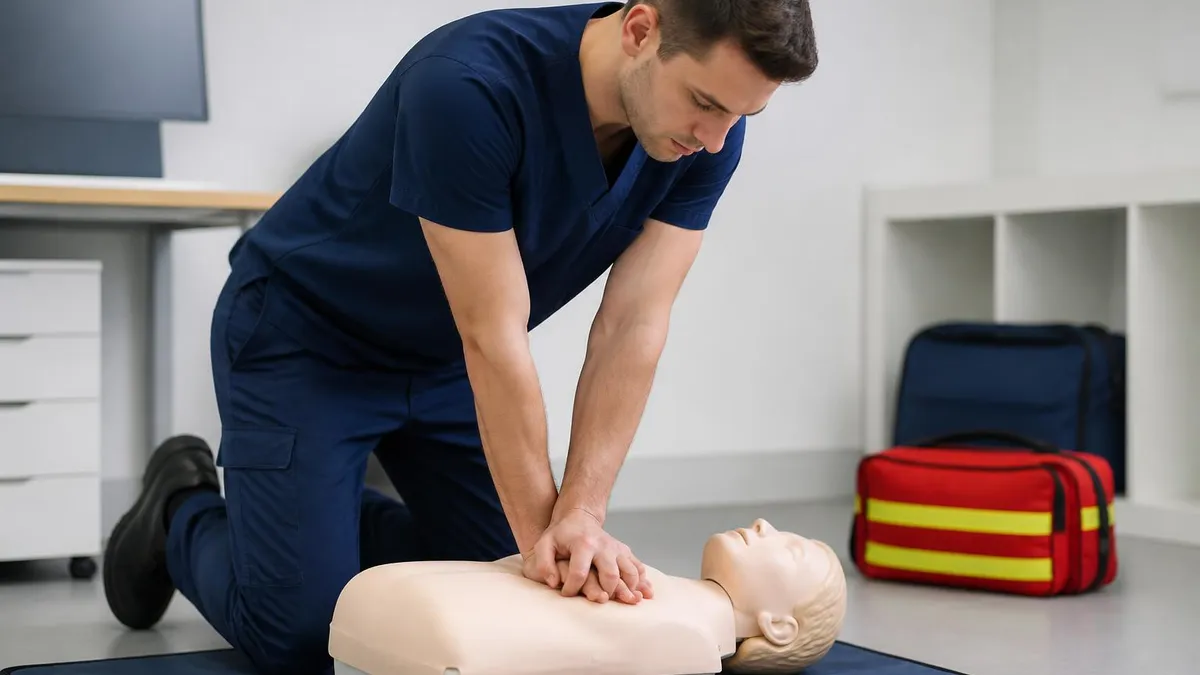
Adult CPR: Complete Step-by-Step Guide to Hands-Only and Standard CPR in 2026

CPR - Cardiopulmonary Resuscitation: Complete Study Guide 2026
Inappropriate CPR Songs: What Not to Play, Why It Matters, and Better Beat-Per-Minute Alternatives
AHA CPR Recertification: How to Recertify CPR Online with the American Heart Association in 2026
About the Author

Registered Nurse & Healthcare Educator
Johns Hopkins University School of NursingDr. Sarah Mitchell is a board-certified registered nurse with over 15 years of clinical and academic experience. She completed her PhD in Nursing Science at Johns Hopkins University and has taught NCLEX preparation and clinical skills courses for nursing students across the United States. Her research focuses on evidence-based exam preparation strategies for healthcare certification candidates.
Join the Discussion
Connect with other students preparing for this exam. Share tips, ask questions, and get advice from people who have been there.
View discussion (5 replies)