
Can I Perform CPR While Pregnant? Complete Guide to CPR Procedures, Safety, and Step-by-Step Techniques in 2026 October
🧠 Can I perform CPR while pregnant? Complete CPR procedure guide covering ACLS algorithm, infant CPR, AED use, recovery position, and pregnancy safety.
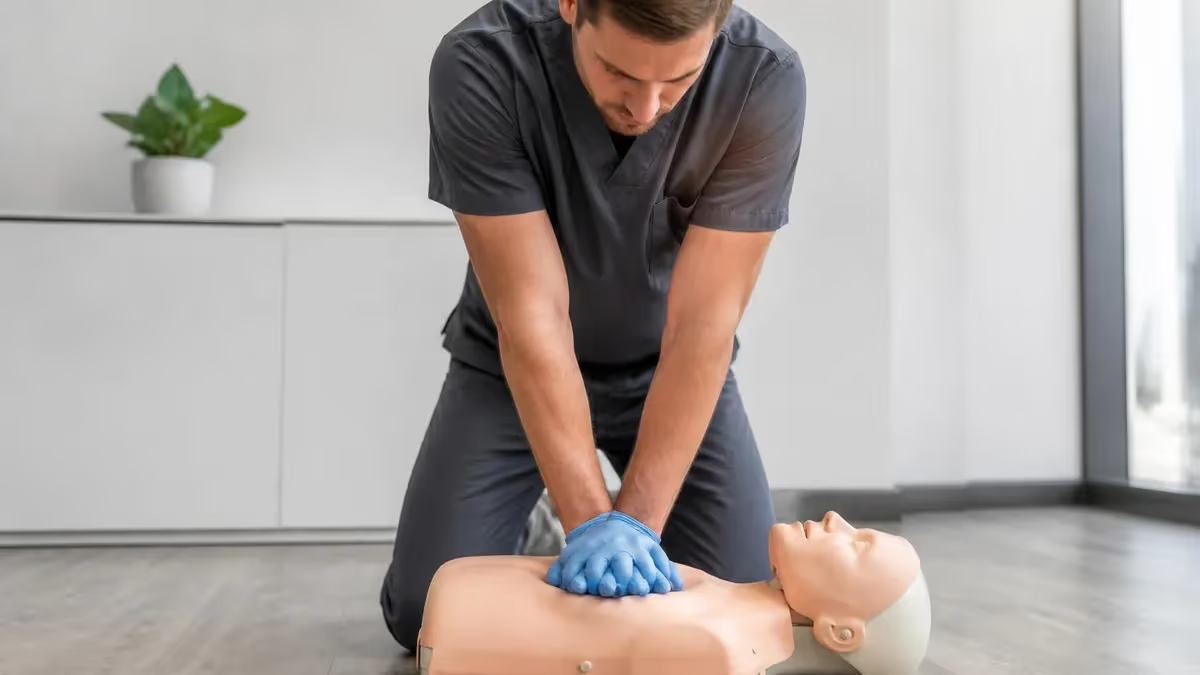
Can I perform CPR while pregnant is one of the most searched questions among expectant healthcare workers, lifeguards, teachers, and parents who want to be ready in a cardiac emergency. The short answer is yes — pregnancy does not disqualify you from delivering high-quality chest compressions, rescue breaths, or operating an automated external defibrillator. Your body is remarkably capable of performing the mechanical work CPR requires, and bystander resuscitation saves roughly 45 percent more lives when started immediately than when responders wait for paramedics.
That said, performing CPR while pregnant requires a few practical adjustments. Your center of gravity has shifted, your cardiovascular load is higher, and prolonged kneeling on a hard floor places additional stress on your knees, low back, and pelvis. Understanding correct hand placement, compression depth, and the role of the acls algorithm helps you deliver effective compressions without injuring yourself or your developing baby. This guide walks through every consideration so you can act with confidence.
Beyond pregnancy, this article tackles the broader universe of CPR procedure questions that confuse new rescuers — from what does aed stand for, to how respiratory rate factors into rescue breathing, to when you should roll a victim into the recovery position. We cover adult, child, and infant cpr, then layer in the advanced life support framework used by paramedics and hospital teams so you understand the full chain of survival.
The national cpr foundation, American Heart Association, and American Red Cross all agree on the fundamental sequence: assess scene safety, check responsiveness, call 911, begin compressions, and apply an AED as soon as one is available. Whether you hold pals certification, are studying for your first basic life support card, or simply want to be the helpful neighbor when something goes wrong, the principles below will serve you in any setting.
This article is about the medical procedure that restarts hearts, not screen replacements. If you came looking for device repair, you are in the wrong place, but stick around anyway. You may save a life one day with what you learn here.
Throughout the article we reference real protocols, real timing windows, and real adjustments that work in real emergencies. The information aligns with the 2025 AHA Guidelines for CPR and Emergency Cardiovascular Care and the most current resuscitation science. For a deeper structural overview, the CPR - Cardiopulmonary Resuscitation: Complete Study Guide 2026 walks through certification pathways and skill testing in detail.
By the end of this guide you will know exactly how to perform CPR safely during pregnancy, how to modify technique for children and infants, when to switch rescuers, how to use an AED on a wet or hairy chest, and what the most common mistakes are that even certified responders make under stress. Let us start with the numbers that frame the urgency.
CPR by the Numbers
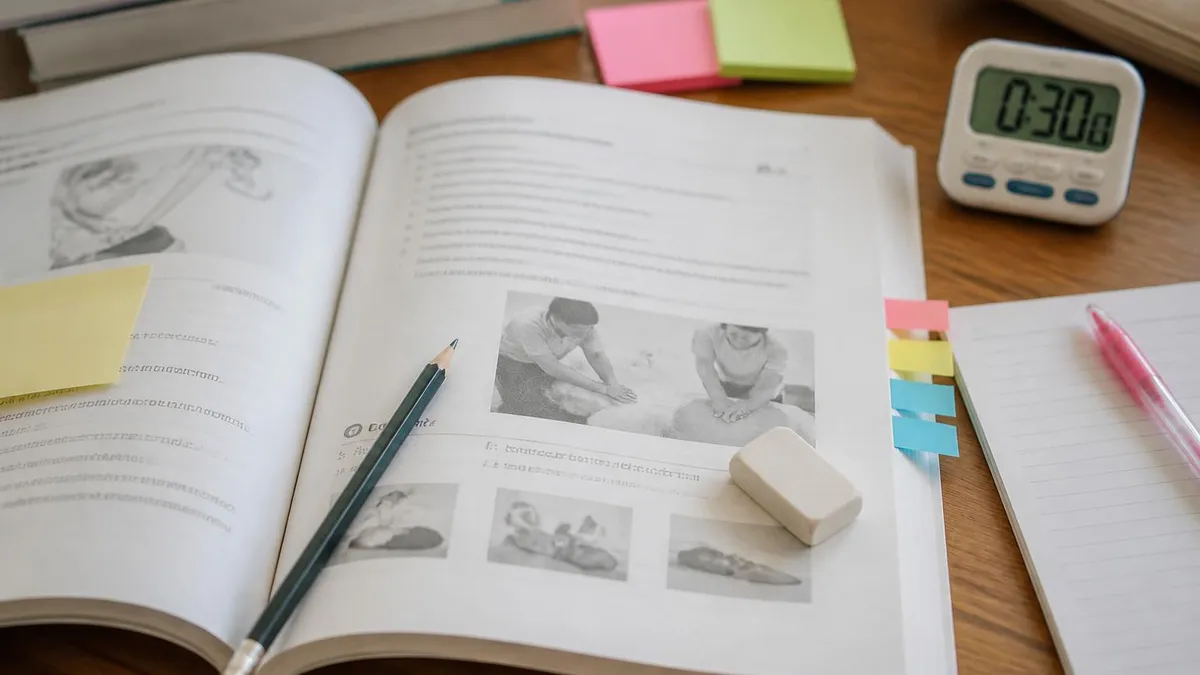
Step-by-Step CPR Procedure
Scene Safety & Responsiveness
Call 911 and Get an AED
Begin Chest Compressions
Deliver Rescue Breaths (if trained)
Apply AED Immediately
Continue Until Help Arrives
Performing CPR while pregnant is not only allowed — it is encouraged whenever a bystander is the closest capable person to a cardiac arrest victim. The American Heart Association explicitly states that pregnancy is not a contraindication to delivering chest compressions. Your uterus and the fetus inside are well-protected by the abdominal wall, amniotic fluid, and the strong muscular layers that surround your growing baby. Mechanical chest work poses essentially no risk to a normal pregnancy.
The bigger consideration is your own safety. As pregnancy progresses, your blood volume increases by up to 50 percent and your resting heart rate climbs by 15 to 20 beats per minute. This means you fatigue faster during compressions. The fix is simple: rotate every two minutes with another rescuer if one is available, or take micro-pauses of three to five seconds to reposition without abandoning the victim. Kneeling on a folded jacket reduces knee strain during prolonged efforts.
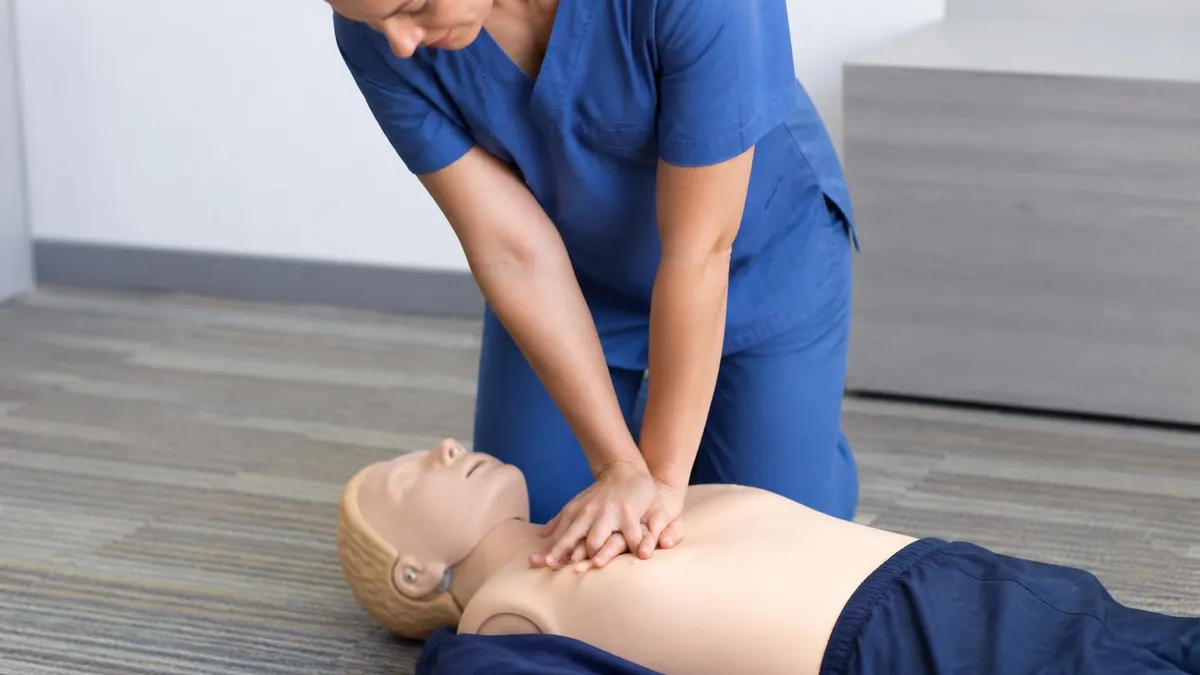
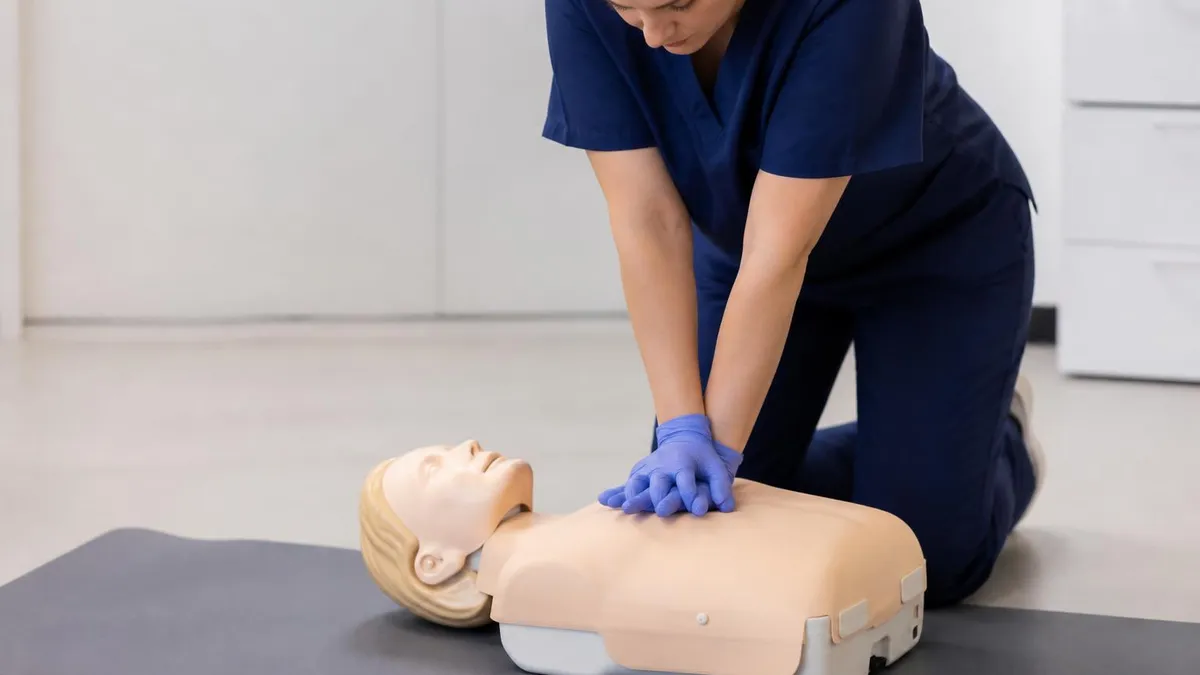
Body mechanics matter more when pregnant. Position yourself perpendicular to the victim with your shoulders directly above your hands so gravity does the work, not your back muscles. Locking your elbows and using your upper body weight rather than arm strength is the single most important technique adjustment. This same principle is taught in every basic life support and pals certification course, but it becomes critical when your spine is already adapting to extra weight up front.
If you yourself were the patient — a pregnant woman in cardiac arrest — the protocol changes. Rescuers should perform manual left uterine displacement by gently pushing the uterus to the patient's left side, which relieves pressure on the inferior vena cava and improves blood return to the heart. This single intervention can double survival odds for both mother and fetus. After 20 weeks gestation, perimortem cesarean delivery within four to five minutes of arrest is also considered to improve outcomes.
Hands-only CPR is fully appropriate for pregnant rescuers responding to adults. Skipping rescue breaths means you avoid the additional effort of repositioning and breathing, conserving energy for what matters most: high-quality compressions. Research published in Circulation shows that for witnessed adult cardiac arrest, compression-only CPR produces equivalent outcomes to compressions plus breaths during the first several minutes of resuscitation.
What about using an AED while pregnant? Yes, absolutely. The electrical current passes between the two pads on the chest and does not reach the abdomen or uterus in any meaningful dose. AEDs have been used safely on pregnant patients in countless documented cases and are recommended without modification. If you are operating one, simply follow the voice prompts — the device handles the analysis and delivery for you. For background on certification refresh cycles, see the AHA CPR Recertification guide.
The bottom line: do not let pregnancy stop you from acting. The likelihood that someone in cardiac arrest survives drops by roughly 10 percent for every minute without CPR. Your willingness to start compressions immediately — even with modified mechanics — can be the difference between a person walking out of the hospital and never waking up. Your body is built for this, and your baby is safer than you think.

CPR Practice Test Questions
Prepare for the CPR Cardiopulmonary Resuscitation Practice exam with our free practice test modules. Each quiz covers key topics to help you pass on your first try.
CPR Basic CPR
CPR Exam Questions covering Basic CPR. Master CPR Test concepts for certification prep.
CPR and First Aid
Free CPR Practice Test featuring and First Aid. Improve your CPR Exam score with mock test prep.
CPR (Cardiopulmonary Resuscitation) Adult ...
CPR Mock Exam on (Cardiopulmonary Resuscitation) Adult CPR and AED Usage. CPR Study Guide questions to pass on your first try.
CPR (Cardiopulmonary Resuscitation) Airway...
CPR Test Prep for (Cardiopulmonary Resuscitation) Airway Obstruction and Choking. Practice CPR Quiz questions and boost your score.
CPR (Cardiopulmonary Resuscitation) Cardio...
CPR Questions and Answers on (Cardiopulmonary Resuscitation) Cardiopulmonary Emergency Recognition. Free CPR practice for exam readiness.
CPR (Cardiopulmonary Resuscitation) Child ...
CPR Mock Test covering (Cardiopulmonary Resuscitation) Child and Infant CPR. Online CPR Test practice with instant feedback.
CPR (Cardiopulmonary Resuscitation) High-P...
Free CPR Quiz on (Cardiopulmonary Resuscitation) High-Performance Team Dynamics. CPR Exam prep questions with detailed explanations.
CPR (Cardiopulmonary Resuscitation) Legal ...
CPR Practice Questions for (Cardiopulmonary Resuscitation) Legal and Ethical Considerations. Build confidence for your CPR certification exam.
CPR for Specific Populations
CPR Test Online for for Specific Populations. Free practice with instant results and feedback.
CPR Airway & Breathing Management
CPR Exam Questions covering Airway & Breathing Management. Master CPR Test concepts for certification prep.
CPR Assessment & Recognition of Cardiac Ar...
Free CPR Practice Test featuring Assessment & Recognition of Cardiac Arrest. Improve your CPR Exam score with mock test prep.
CPR Chest Compressions & Defibrillation
CPR Mock Exam on Chest Compressions & Defibrillation. CPR Study Guide questions to pass on your first try.
CPR Post-Resuscitation Care & Recovery
CPR Test Prep for Post-Resuscitation Care & Recovery. Practice CPR Quiz questions and boost your score.
Adult, Child, and Infant CPR Differences
Adult CPR applies to anyone past puberty and uses the heel of one hand reinforced by the other on the lower half of the sternum. Compression depth is 2 to 2.4 inches at 100 to 120 per minute with full recoil between pushes. Use a 30:2 compression-to-breath ratio if trained, or continuous hands-only compressions if untrained or solo on an unwitnessed arrest involving an adult.
For adult arrest, the most common rhythm is ventricular fibrillation, which means an AED is your best friend. Apply it within three minutes of collapse whenever possible. Maintaining a steady rhythm matching the beat of a song at 100 to 120 BPM dramatically improves the consistency of your compressions and the perfusion pressure they generate.
Hands-Only CPR vs. Conventional CPR with Breaths
- +Easier to remember and perform under stress without prior training
- +Eliminates concerns about disease transmission from mouth-to-mouth contact
- +Produces equivalent outcomes for witnessed adult sudden cardiac arrest
- +Allows continuous compressions which maintain coronary perfusion pressure
- +Encourages more bystanders to act, increasing overall survival rates nationally
- +Reduces rescuer fatigue compared to switching between compressions and breaths
- −Not appropriate for drowning, drug overdose, or pediatric respiratory arrests
- −Provides no oxygenation for victims who arrest from asphyxia or hypoxia
- −Inappropriate for infant or child resuscitation where breaths are essential
- −Less effective after the first 6-10 minutes of arrest when oxygen reserves deplete
- −May not meet workplace BLS or healthcare provider certification requirements
- −Skips ventilation in patients who would benefit from immediate oxygen delivery
Pros and Cons at a Glance
| Pros | Cons |
|---|---|
| Easier to remember and perform under stress without prior training | Not appropriate for drowning, drug overdose, or pediatric respiratory arrests |
| Eliminates concerns about disease transmission from mouth-to-mouth contact | Provides no oxygenation for victims who arrest from asphyxia or hypoxia |
| Produces equivalent outcomes for witnessed adult sudden cardiac arrest | Inappropriate for infant or child resuscitation where breaths are essential |
| Allows continuous compressions which maintain coronary perfusion pressure | May not meet workplace BLS or healthcare provider certification requirements |
| Encourages more bystanders to act, increasing overall survival rates nationally | Skips ventilation in patients who would benefit from immediate oxygen delivery |

Pre-CPR Safety and Setup Checklist
- ✓Confirm the scene is safe from traffic, fire, electrical hazards, or violence before approaching.
- ✓Tap the victim's shoulder firmly and shout to assess responsiveness within ten seconds.
- ✓Scan for normal breathing — agonal gasping does not count as breathing.
- ✓Call 911 immediately or delegate the call using direct eye contact and pointing.
- ✓Send a second bystander to retrieve the nearest AED while you begin compressions.
- ✓Remove or cut away clothing covering the chest to allow proper hand placement.
- ✓Position yourself on your knees beside the victim, perpendicular to their torso.
- ✓Lock elbows straight and stack shoulders directly over the heels of your hands.
- ✓Place a barrier device or pocket mask if available before delivering rescue breaths.
- ✓Switch compressor roles every two minutes or sooner if quality begins to degrade.
Push Hard, Push Fast, Allow Full Recoil
Studies show that 60 percent of bystander compressions are too shallow and over 30 percent fail to allow full chest recoil. Both errors cut survival nearly in half. Aim for 2 inches deep, 110 per minute, and lift your weight completely off the chest between each compression. Quality beats quantity every single time.
An automated external defibrillator is the single most powerful tool a bystander can deploy during sudden cardiac arrest. So what does aed stand for? Automated External Defibrillator — a portable, computerized device that analyzes the heart's electrical rhythm and delivers a shock when ventricular fibrillation or pulseless ventricular tachycardia is detected. AEDs are designed for use by anyone, regardless of medical training, with clear voice prompts guiding each step from pad placement through shock delivery.
The defibrillator will not shock a victim who does not need it. The internal algorithm — closely related to the acls algorithm used by paramedics and emergency physicians — analyzes the rhythm and will only charge if a shockable pattern is detected. This means you cannot accidentally harm someone by attaching an AED to a victim with a normal pulse. The safest action when faced with an unresponsive person not breathing normally is always to turn the device on and follow its instructions.
Pad placement matters. The standard adult configuration is the anterolateral placement: one pad on the upper right chest just below the collarbone, the other on the lower left side of the chest a few inches below the armpit. For children under eight or under 55 pounds, use pediatric pads if available. If only adult pads exist, place one on the front of the chest and one on the back, ensuring they do not touch each other on a small body.
What if the chest is wet, hairy, or has a medication patch? Quickly towel-dry a wet chest before applying pads — water disperses electrical current. Shave excessive chest hair with the razor included in most AED kits, or rip off the first set of poorly-adhered pads to remove hair and apply a fresh set. Remove any medication patches with gloved hands and wipe the area clean. Avoid placing pads directly over implanted pacemakers or defibrillators — shift the pad an inch or two to the side.
Once pads are attached, stand clear during the analysis and shock phase. Visually confirm no one is touching the patient before pressing the shock button. Immediately after the shock is delivered, resume chest compressions without checking for a pulse — the brain and heart need that perfusion pressure restored as fast as possible. The AED will re-analyze every two minutes and prompt you accordingly.
Public access AEDs are now installed in airports, schools, gyms, government buildings, and many workplaces. Federal law in all 50 states provides Good Samaritan immunity for bystanders who use them in good faith. The national cpr foundation and AHA both maintain registries to help locate nearby devices, and many smartphones now include AED locator apps that map devices within a one-mile radius of your location.
For comprehensive walkthroughs of adult compression mechanics and pad placement nuances, our Adult CPR step-by-step guide covers every detail with photo references and timing benchmarks. Understanding the AED is not optional — it is the bridge between bystander compressions and definitive medical care, and in most cardiac arrests it is what actually restarts the heart.
If an AED is not immediately visible, do not waste seconds searching. Begin chest compressions and have a bystander hunt for the device. Every minute without compressions reduces survival by roughly 10 percent. Compressions buy time — the AED finishes the job. Never let the search for equipment delay the start of life-saving chest compressions.
The recovery position — sometimes searched as position recovery — is what you place a victim in once they have regained spontaneous breathing and circulation but remain unconscious. The purpose is to protect the airway from collapsing and to allow fluids like vomit, blood, or saliva to drain from the mouth rather than pool in the throat. Without the recovery position, an unconscious supine patient can asphyxiate on their own secretions within minutes, undoing all the work of successful resuscitation.
To place someone in the recovery position, kneel beside them and extend the arm nearest to you above their head. Bend the far knee up so the foot is flat on the ground. Pull gently on the far shoulder and knee to roll the body toward you onto its side. Tilt the head back slightly to open the airway and rest the upper hand under the cheek for cushioning. The body should look like a relaxed sleeping pose, stable enough that they will not roll back onto their back.
Monitor breathing continuously. Normal respiratory rate for a resting adult is 12 to 20 breaths per minute. A rate below 8 or above 30 in someone recently resuscitated is a red flag — restart CPR if breathing stops or becomes agonal again. Trauma patients with suspected spinal injuries should not be moved into the recovery position unless they are vomiting or their airway is otherwise compromised. In those cases, log-roll with multiple rescuers maintaining cervical spine alignment.
Post-arrest care is critical. Even after pulse returns, the brain remains vulnerable for the first 72 hours. Hospital teams will likely initiate targeted temperature management, cooling the body to 32 to 36 degrees Celsius to reduce neurological injury. Your role as a bystander ends when EMS arrives, but the information you provide — when the arrest occurred, how long compressions ran, how many shocks were delivered — becomes part of the medical record and directly informs treatment decisions in the emergency department.
Documentation in your head matters. Note the time of collapse, the time CPR began, the number of AED shocks, and any medications the victim was known to be taking. If you have access to a phone, have a bystander record vital information. This handoff data improves continuity of care and gives the receiving hospital the best chance of preserving brain function and full neurological recovery.
For rescuers, the emotional weight of a cardiac arrest is real. Whether the outcome is survival or death, bystanders frequently report symptoms of acute stress and intrusive memories in the days following. Critical incident stress debriefing is available through many EMS agencies and is encouraged for anyone who performs CPR on a stranger. You did the right thing by acting — the outcome is never entirely in your hands.
For a refresher on how songs help maintain proper compression cadence, the Inappropriate CPR Songs guide walks through which tracks hit the 100-120 BPM target and which to absolutely avoid. The recovery position and post-CPR care are skills you hope to never need, but knowing them transforms a successful resuscitation into a fully recovered patient.
Practical preparation separates rescuers who freeze from those who act. The first tip is to take an in-person or blended-learning CPR course at least every two years. Hands-on skill testing with a certified instructor catches bad habits — shallow compressions, slow rate, leaning on the chest — that videos and online modules cannot detect. The AHA, Red Cross, and Health & Safety Institute all offer courses for under $100 with same-day card delivery in many cities.
Second, rehearse mentally. Visualize the sequence: scene safety, responsiveness check, call 911, compressions, AED. Run through it in elevators, parking lots, and crowded restaurants. This kind of mental modeling, used by airline pilots and surgeons, dramatically reduces freeze response when the real event happens. Athletes call it rehearsal; psychologists call it implementation intention. Both research traditions show that pre-planned action sequences fire faster under stress.
Third, know where the AEDs are in your daily environment. Walk through your gym, office, school, or place of worship and locate the nearest device. Many states require AEDs to be posted on a building map at the main entrance. Apps like PulsePoint AED let users crowdsource AED locations, and some 911 dispatch centers can direct you to the nearest device by GPS in real time when you place an emergency call.
Fourth, build a personal CPR kit. A compact pocket mask with a one-way valve costs under $15 and fits on a keychain. Gloves protect both you and the patient from bloodborne pathogens. A pair of trauma shears cuts through clothing in seconds. Keep one kit in your car, one at home, and one in your work bag. Equipment readiness eliminates the friction that keeps trained bystanders from acting.
Fifth, practice on a manikin annually even if your certification is current. Compression skills decay within three to six months of training without practice. Many fire stations, EMS agencies, and community centers offer free skill check-in sessions on manikins with real-time feedback devices. Twenty minutes of practice every six months keeps your depth, rate, and recoil within target ranges when it counts most.
Sixth, learn the differences between adult, child, and infant cpr cold. The compression depth, hand position, and breath ratios are not interchangeable. Mixing up infant technique on an adult or vice versa reduces effectiveness dramatically. Flashcards or app-based quizzes during commutes are an effortless way to keep the distinctions sharp without needing to schedule a full review session.
Finally, talk about cardiac arrest with the people you live and work with. Make a household plan: who calls 911, who starts compressions, where the AED is. Cardiac arrest survival doubles in households where bystanders have rehearsed roles versus those who have not. The fewer decisions you have to make at the moment of crisis, the faster the right actions happen — and faster actions save more lives, period.
CPR Questions and Answers
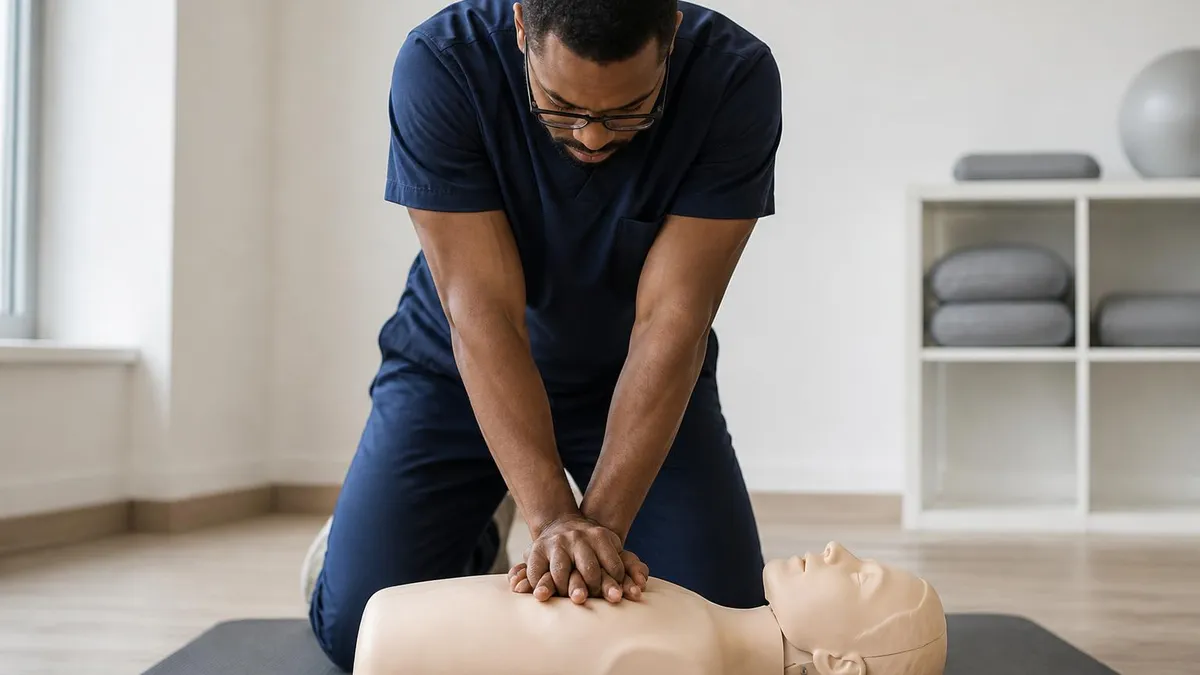
CPR Card Lookup: How to Verify, Replace, and Access Your CPR Certification in 2026
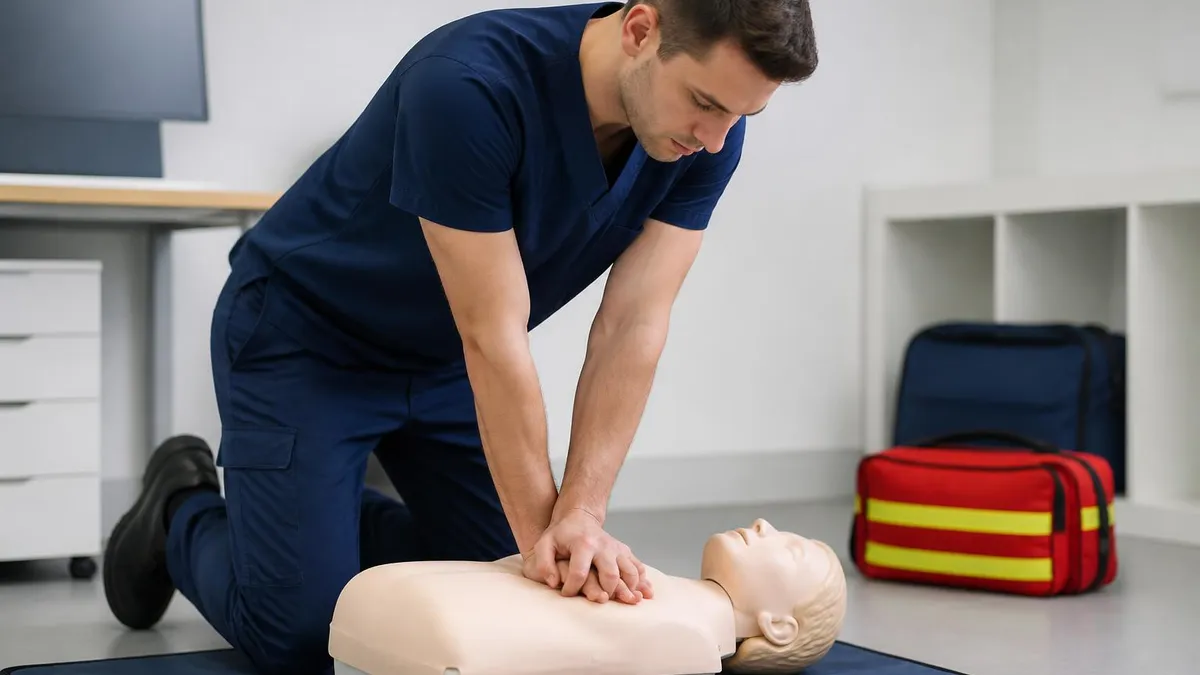
Adult CPR: Complete Step-by-Step Guide to Hands-Only and Standard CPR in 2026

CPR - Cardiopulmonary Resuscitation: Complete Study Guide 2026
Inappropriate CPR Songs: What Not to Play, Why It Matters, and Better Beat-Per-Minute Alternatives
AHA CPR Recertification: How to Recertify CPR Online with the American Heart Association in 2026
About the Author

Registered Nurse & Healthcare Educator
Johns Hopkins University School of NursingDr. Sarah Mitchell is a board-certified registered nurse with over 15 years of clinical and academic experience. She completed her PhD in Nursing Science at Johns Hopkins University and has taught NCLEX preparation and clinical skills courses for nursing students across the United States. Her research focuses on evidence-based exam preparation strategies for healthcare certification candidates.
Join the Discussion
Connect with other students preparing for this exam. Share tips, ask questions, and get advice from people who have been there.
View discussion (5 replies)