
CPR Classes Fort Lauderdale: Complete Training Guide for 2026 September
Find the best CPR classes Fort Lauderdale offers in 2026 September. ACLS algorithm, infant CPR, AED training & certification guide. 🎯 All levels covered.

Finding the right CPR classes in Fort Lauderdale can mean the difference between life and death when a cardiac emergency strikes nearby. South Florida's dense population, active tourism industry, and year-round outdoor lifestyle create consistent demand for trained bystanders who can provide immediate life support before paramedics arrive. Whether you are a healthcare professional pursuing ACLS algorithm mastery or a parent wanting infant CPR skills, Fort Lauderdale's training landscape offers courses to match every need and schedule.
Fort Lauderdale sits at the heart of Broward County, a metropolitan area with over 1.9 million residents and millions of annual visitors. Cardiac arrest affects approximately 356,000 Americans outside of hospitals each year, and survival rates nearly double when a bystander initiates CPR within the first few minutes. The city's hospitals, schools, hospitality sector, and marine industry all maintain rigorous requirements that local training centers are equipped to fulfill quickly and affordably.
When you explore cpr classes fort lauderdale options, you will encounter a range of certifying bodies including the American Heart Association, the American Red Cross, the National CPR Foundation, and others. Each organization sets its own curriculum standards, recertification timelines, and course formats. Understanding these differences before you register can save you time and money while ensuring you receive a credential that your employer or licensing board will accept without question.
The ACLS algorithm is a structured decision-making framework that guides healthcare providers through systematic interventions during cardiac arrest, including rhythm recognition, medication dosing, and team coordination. Fort Lauderdale's hospitals and urgent care facilities require that nurses, physicians, paramedics, and respiratory therapists hold current ACLS certification, making local renewal courses extremely popular. Many training centers offer blended learning models where you complete the cognitive portion online before attending a shorter in-person skills session.
Beyond advanced certification, basic life support courses cover the fundamentals that every adult should know: chest compression depth and rate, rescue breathing techniques, how to use an automated external defibrillator, and the recovery position. These skills are equally relevant in Fort Lauderdale's waterfront parks, hotel pools, golf courses, and crowded festivals where AED devices are stationed but trained users may be scarce during a critical moment.
PALS certification addresses the unique physiological considerations that arise when treating pediatric patients in emergency settings. Fort Lauderdale's pediatric hospitals, emergency departments, and outpatient surgery centers all require PALS-certified staff. The course covers respiratory rate assessment for children at different developmental stages, pediatric arrhythmia algorithms, vascular access techniques, and post-resuscitation care — all essential competencies for professionals who work with young patients daily.
This guide walks you through every aspect of selecting, scheduling, and succeeding in your CPR training in Fort Lauderdale. You will find details on course types, costs, provider comparisons, what to expect during skills testing, and how to maintain your certification over time. Whether you need a two-hour heartsaver class or a full two-day ACLS renewal course, the information below will help you make a confident, informed choice.
CPR Training in Fort Lauderdale by the Numbers

CPR Certification Levels Available in Fort Lauderdale
Designed for lay rescuers, teachers, coaches, and workplace first responders. Covers adult, child, and infant CPR, AED use, and choking relief. No medical background required. Completion typically takes 4–6 hours and yields a two-year credential.
The foundational course for nurses, EMTs, medical assistants, and dental hygienists. Covers single and two-rescuer CPR, bag-mask ventilation, and team-based resuscitation scenarios. Accepted by hospitals and clinics throughout Broward County.
Required for physicians, NPs, PAs, RNs in critical care, and paramedics. Covers the ACLS algorithm, rhythm interpretation, pharmacology, and megacode simulations. Initial courses run 13–16 hours; renewal courses typically take 6–8 hours.
Mandatory for pediatric and emergency healthcare workers. Addresses respiratory rate norms by age, pediatric arrhythmias, fluid resuscitation, and family communication. Builds on BLS skills with age-specific algorithms for infants through adolescents.
Enables qualified individuals to teach AHA or Red Cross CPR courses independently. Requires completion of a provider-level course, an instructor essentials module, and a monitored teach-back. Instructors must renew every two years to maintain teaching authority.
Fort Lauderdale is home to a robust network of CPR training providers, each offering distinct advantages in terms of scheduling flexibility, class size, instructor expertise, and price point. The American Heart Association maintains a searchable training center locator that identifies authorized sites throughout Broward County. When comparing providers, always verify that the training center holds current AHA Training Center status, because classes offered by unauthorized instructors may not produce valid credentials that hospitals or licensing boards will honor.
The National CPR Foundation has grown in popularity because it offers accredited online courses followed by an optional skills check that can be completed at partner sites. This hybrid model appeals to busy healthcare professionals in Fort Lauderdale who cannot commit to a full-day in-person class on short notice. However, many Broward County hospital systems still require a hands-on skills session to accompany any online learning module before they will accept the certification for employment purposes, so always confirm your employer's specific policy before enrolling.
Community colleges and vocational schools across Fort Lauderdale, including Broward College, frequently offer CPR and first aid courses at subsidized rates for enrolled students and community members. These courses often run on evenings or weekends to accommodate working adults, and they sometimes bundle CPR with broader first aid or medical terminology modules that are valuable for students pursuing healthcare careers. Check current course schedules directly with each institution, as enrollment periods and pricing change each semester.
Private training companies operating out of Fort Lauderdale medical plazas and office parks cater primarily to corporate clients who need group training for hotel staff, lifeguards, theme park employees, and construction crews. These providers can often deploy an instructor to your facility, eliminating employee travel time and reducing the per-person cost when training groups of ten or more. Corporate group rates typically range from $25 to $45 per person for basic heartsaver courses, compared to $60 to $85 per person for individual enrollment.
Hospital-based training programs at Broward Health and Memorial Healthcare System offer BLS, ACLS, and PALS courses primarily to their own staff but sometimes extend enrollment to external healthcare workers at competitive rates. These programs use the same simulation equipment found in clinical settings, giving participants a realistic environment that mirrors the actual resuscitation scenarios they will encounter on the job. Attending a hospital-based program also provides valuable networking opportunities with local clinicians across multiple specialties.
Online-only CPR certifications have proliferated in recent years, but their acceptance remains inconsistent. Most Florida state licensing boards for nurses, paramedics, and respiratory therapists require a hands-on skills component alongside any online learning. The Florida Department of Health does not maintain a blanket prohibition on online CPR courses, but individual employer policies and accreditation standards for healthcare facilities frequently impose stricter requirements. Always read your employer's HR policy or your board's renewal guidelines before choosing a fully online option to avoid having to repeat the course.
When evaluating any Fort Lauderdale CPR training provider, ask four critical questions before paying: Is the instructor currently certified as an AHA or Red Cross instructor? Will I receive a physical or digital card valid for two years? Does your training center maintain malpractice and liability insurance? And does the course satisfy the hands-on requirement of my specific employer or licensing board? Affirmative answers to all four questions give you reasonable assurance that your investment will produce a credential with real-world utility.
ACLS Algorithm, Infant CPR & AED Training Explained
The ACLS algorithm is a systematic, evidence-based protocol published by the American Heart Association that guides advanced providers through cardiac arrest management. It begins with immediate recognition of cardiac arrest, followed by high-quality CPR at 100–120 compressions per minute with a depth of 2–2.4 inches, early defibrillation for shockable rhythms such as ventricular fibrillation and pulseless ventricular tachycardia, and rapid establishment of IV or IO access for vasopressor administration. Rhythm checks occur every two minutes without interrupting compressions for more than 10 seconds.
Fort Lauderdale ACLS renewal courses spend considerable time on the H's and T's — the reversible causes of cardiac arrest including hypovolemia, hypoxia, hydrogen ion excess, hypo/hyperkalemia, hypothermia, tension pneumothorax, tamponade, toxins, and pulmonary thrombosis. Providers learn to identify and treat these causes simultaneously with ongoing resuscitation. Megacode simulations at local training sites place participants in team leader or team member roles, assessing both clinical decision-making and closed-loop communication skills that are critical in real resuscitation events.
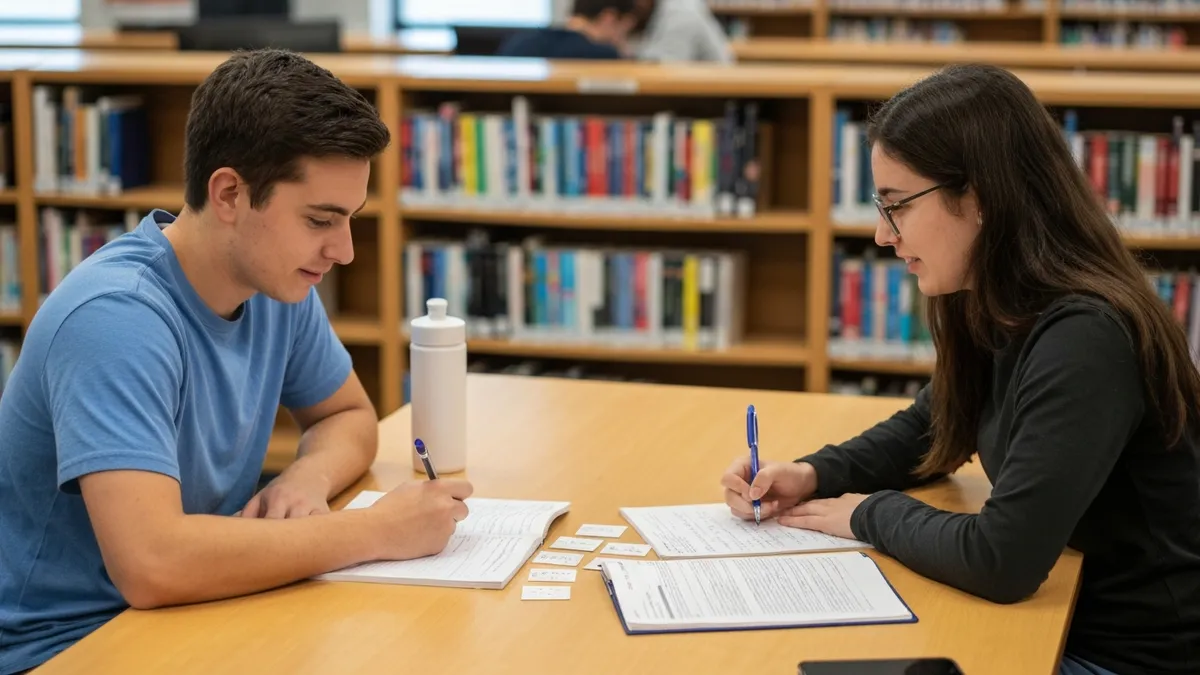
In-Person vs. Online CPR Classes: Which Is Right for You?
- +Hands-on mannequin practice builds real muscle memory for correct compression depth and hand placement
- +Immediate instructor feedback corrects technique errors that online video cannot detect
- +In-person classes fulfill hands-on requirements for hospital employment and Florida state licensure
- +Group scenarios simulate real resuscitation team dynamics, improving communication under pressure
- +Direct access to ask questions about the ACLS algorithm, respiratory rate assessment, or pediatric protocols
- +Physical certification card issued same day, eliminating delays waiting for digital verification links
- −Fixed class schedules may conflict with shift workers' rotating hours in Fort Lauderdale's hospitality sector
- −Per-person cost of $60–$120 is higher than many online-only options advertised at $15–$30
- −Travel time to a training site adds 30–90 minutes to an already full workday
- −Class sizes can be large at busy training centers, reducing individual instructor attention time
- −Rescheduling if you miss a class may require waiting weeks for the next available session
- −Some providers require proof of prerequisite certifications before allowing enrollment in advanced courses
CPR Class Preparation Checklist for Fort Lauderdale Students
- ✓Confirm your chosen training center is an authorized AHA or Red Cross Training Site before paying
- ✓Check with your employer or licensing board that the specific course format satisfies their requirements
- ✓Wear comfortable, loose-fitting clothing that allows you to kneel and lean forward for compressions practice
- ✓Bring a government-issued photo ID and your previous certification card if enrolling in a renewal course
- ✓Review the ACLS algorithm, respiratory rate charts, and pediatric weight-based dosing tables the night before
- ✓Arrive 15 minutes early to complete any required paperwork and adjust mannequin height before class begins
- ✓Eat a light meal beforehand — full-day BLS and ACLS courses involve physical activity that can cause lightheadedness on an empty stomach
- ✓Download the AHA Heart Code or Red Cross First Aid app in advance to access digital study materials during breaks
- ✓Bring a bottle of water since hands-on skills labs generate physical exertion, especially during megacode simulations
- ✓Ask the instructor at the end of class how to access your digital certification card and how to add it to your hospital's employee system
Florida Law Requires AED Access in Public Buildings — Know Where They Are
Florida Statute 765.1065 mandates that AEDs be available in specific public facilities including health clubs, golf courses, and schools. As a CPR-certified individual in Fort Lauderdale, locate the nearest AED in every building you frequent — during a cardiac arrest, retrieval time under 60 seconds is the single biggest factor separating survival from death.
Understanding the true cost of CPR certification in Fort Lauderdale requires looking beyond the advertised class fee to consider the total investment of time, travel, and potential retesting. Basic heartsaver CPR plus AED courses typically cost between $55 and $85 per person at established training centers. BLS for Healthcare Providers courses range from $65 to $110, while initial ACLS courses run $150 to $280 depending on whether the provider includes the student workbook, online cognitive modules, and megacode practice simulations in a single bundled price.
PALS certification costs in Fort Lauderdale follow a similar pattern, with initial courses priced between $175 and $300 and renewal courses priced at $120 to $200. These fees reflect the greater instructor preparation time required for pediatric scenarios, the cost of age-specific mannequins ranging from newborn to school-age sizes, and the complexity of pharmaceutical calculations that participants must demonstrate during the skills evaluation. Some hospital training departments offer PALS at internal cost-recovery pricing for affiliated providers, which can reduce fees substantially.
Group discounts represent the most reliable way to reduce per-person costs for organizations that need to certify multiple employees simultaneously. Most Fort Lauderdale training companies apply tiered pricing that drops the per-person rate by 15 to 25 percent when ten or more participants enroll together. Hotels, resort properties, construction firms, and marina operators frequently arrange quarterly group sessions to keep their entire workforce current. Some providers will deploy a mobile training unit to your premises, setting up mannequins and AED trainers on-site, which eliminates employee transportation costs and minimizes productivity loss.
Scholarship and grant funding for CPR training is available in Broward County through several channels. The Florida Department of Health occasionally funds community CPR training initiatives, particularly in underserved neighborhoods where bystander CPR rates are statistically lower. The American Heart Association's Heartsaver Hero program has distributed free training materials and subsidized course fees to community organizations in Fort Lauderdale. Local fire departments and EMS agencies also periodically host free community CPR events, typically in response to local cardiac arrest data or public health campaigns focused on life support awareness.
Scheduling logistics matter as much as cost for busy Fort Lauderdale residents. Training centers near the downtown business district, Fort Lauderdale-Hollywood International Airport corridor, and the Las Olas Boulevard area offer the most convenient access during weekday hours. Weekend and evening classes are available but fill faster, particularly in January through April when Fort Lauderdale's seasonal population swells with snowbirds and tourists who also want to obtain or renew their credentials before heading home. Book your class at least two to three weeks in advance during peak season to secure your preferred date and time.
Many Fort Lauderdale residents wonder what to expect during the actual skills testing portion of their CPR course. The skills station assessment is not a formal written exam — it is a performance-based evaluation where the instructor watches you demonstrate a complete resuscitation sequence on a mannequin.
For BLS, you will be asked to recognize unresponsiveness, activate the emergency response system, begin chest compressions at the correct rate and depth, deliver appropriate ventilations, and attach and operate an AED trainer. Instructors use standardized checklists and will guide you through any steps you miss, with a remediation opportunity if your first attempt falls short of competency.
The digital certification card has become the standard delivery format for most AHA and Red Cross courses since 2022. After completing your course, the training center uploads your completion data to a national registry, and you receive an email with a link to download or print your card.
Hospital credentialing departments and Florida licensing boards can verify your certification through the AHA's Verification Lookup Tool or the Red Cross digital badge system, reducing administrative friction significantly compared to the older paper card era. Save a screenshot of your card in your phone's camera roll as a backup in case you need to present it on short notice.
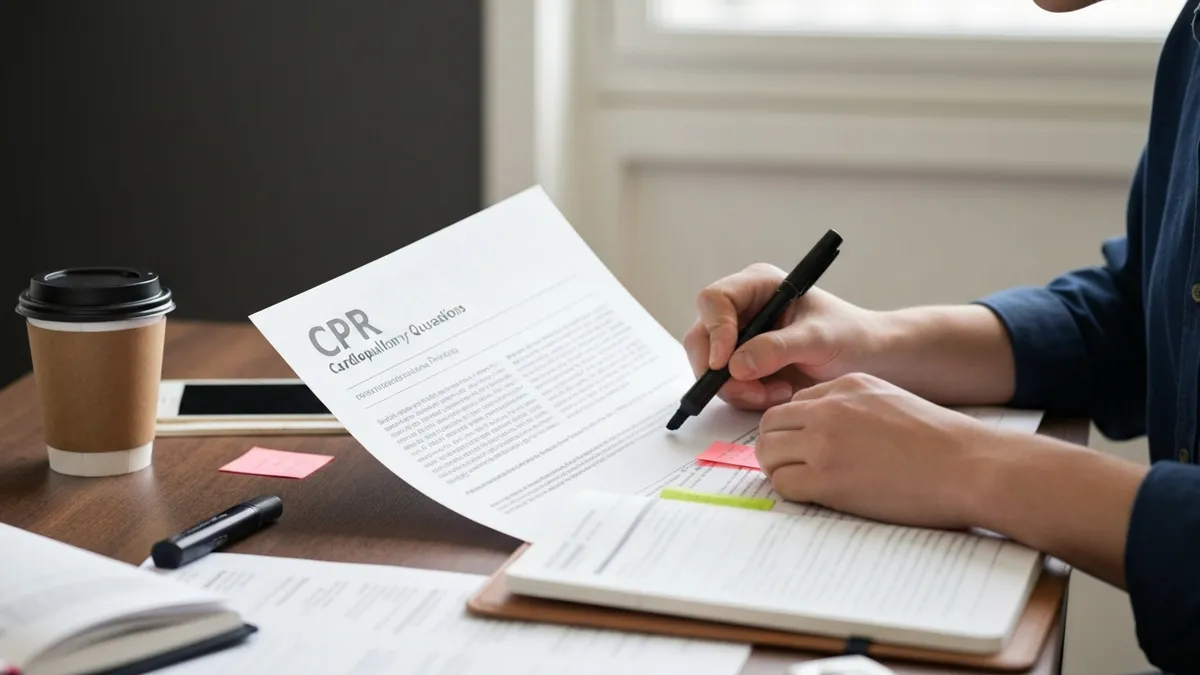
Several Fort Lauderdale hospitals and Broward County healthcare employers have explicitly stated they will not accept CPR certifications earned through fully online courses with no hands-on skills component. Before purchasing any online-only course, obtain written confirmation from your HR department or licensing board that the format is acceptable — repeating the course at full cost is an avoidable expense.
Maintaining your CPR certification over time requires understanding renewal timelines and building a personal reminder system that accounts for the fact that certification cards do not send automatic expiration alerts. The standard validity period for AHA BLS, ACLS, and PALS credentials is exactly two years from the date of course completion. Florida's Board of Nursing, Board of Emergency Medical Services, and other health-related boards all track certification expiration as part of their license renewal review, and an expired CPR card during a license audit can trigger a corrective action notice that delays your renewal by weeks.
Renewal courses are structured differently from initial certification courses and are considerably shorter. An ACLS renewal course in Fort Lauderdale typically runs six to eight hours, compared to thirteen to sixteen hours for an initial ACLS course, because the renewal curriculum assumes you already possess foundational knowledge and focuses instead on algorithm updates, case-based learning stations, and a megacode evaluation.
Similarly, a BLS renewal course takes two to three hours versus four to six hours for an initial course. Taking a renewal course before your card expires — ideally thirty to sixty days before expiration — ensures you maintain continuous certification without a gap.
If your CPR certification expires before you complete a renewal course, you will generally be required to take a full initial course rather than a shorter renewal course. Most AHA Training Centers in Fort Lauderdale follow the guideline that expired cards older than thirty days disqualify the holder from the abbreviated renewal curriculum. This distinction matters financially: an initial ACLS course costs $150 to $280 while a renewal course costs $90 to $160, so letting your card lapse even briefly results in a meaningful additional expense beyond the inconvenience of a longer class day.
The AHA updates its CPR and emergency cardiovascular care guidelines approximately every five years based on a comprehensive review of global resuscitation research. The most recent major update occurred in 2020, introducing refined guidance on compression fraction targets, modified vasopressor timing, and updated post-cardiac-arrest care protocols. Fort Lauderdale training centers incorporate these guideline changes into their curriculum as soon as updated course materials are released, meaning that renewing your certification keeps you aligned with current evidence-based practice rather than following protocols that may have been superseded.
Specialty certifications such as Neonatal Resuscitation Program (NRP) and Pediatric Emergency Assessment, Recognition, and Stabilization (PEARS) are available at select Fort Lauderdale training sites for providers who work in labor and delivery, neonatal intensive care, or pediatric emergency settings. NRP certification specifically addresses the unique resuscitation needs of newborns in the immediate post-delivery period, covering initial steps of stabilization, positive pressure ventilation, chest compressions for neonates, and endotracheal intubation. These certifications exist alongside PALS rather than replacing it, as each addresses a distinct patient population and clinical scenario set.
International visitors and traveling healthcare professionals should be aware that CPR certification earned through AHA or Red Cross in Fort Lauderdale is recognized throughout the United States and in many countries that have adopted AHA guidelines as their standard of care.
If you are a healthcare professional relocating to or from Fort Lauderdale, your existing valid certification card will typically be honored by your new employer until its natural expiration date, at which point you renew with a local provider at your new location. Always carry a copy of your card and be prepared to provide the training center name and course completion date if your new employer requests verification.
Fort Lauderdale residents who complete CPR training frequently discover that the skills extend beyond professional requirements into meaningful community preparedness. Neighborhoods with higher concentrations of CPR-certified residents statistically show better bystander CPR rates and improved out-of-hospital cardiac arrest survival outcomes. By encouraging family members, neighbors, and coworkers to take CPR classes alongside you, you contribute to a community safety net that benefits everyone, regardless of whether a cardiac emergency occurs at home, at the beach, on a boat, or at a public event in Broward County.
Practical preparation for your CPR class goes far beyond reviewing what does AED stand for or memorizing the 30:2 compression-to-breath ratio. The most successful students approach their course with deliberate pre-study habits, a mindset focused on skill application rather than rote memorization, and a clear understanding of how the day's activities will unfold. Instructors at Fort Lauderdale training centers consistently report that students who arrive with even thirty minutes of preparatory reading retain course content significantly better during the skills lab and perform more confidently during the final assessment.
One of the most practical preparation strategies is to watch the AHA's free CPR instructional videos on YouTube or the official AHA website before your class. These videos walk through the complete hands-on sequence for adult, child, and infant CPR, AED operation, and the recovery position technique — seeing the motions before performing them reduces cognitive load during the actual skills lab and allows you to focus on refining your technique rather than learning the sequence from scratch.
Pay particular attention to hand placement landmarks and the demonstration of proper compression depth, since these are the two most commonly assessed competency checkpoints.
Understanding respiratory rate norms is particularly valuable for participants enrolling in BLS for Healthcare Providers or PALS courses. Normal respiratory rate in adults is 12 to 20 breaths per minute; in children aged 1 to 12 years, normal is 18 to 30 breaths per minute; and in infants under one year, normal is 30 to 60 breaths per minute. Being able to recognize abnormal breathing patterns quickly during the assessment phase of a resuscitation scenario signals clinical competence to your instructor and allows you to move smoothly into the appropriate intervention algorithm without hesitation.
Team communication is a core skill evaluated during ACLS megacode simulations that many first-time participants underestimate. The AHA teaches closed-loop communication, a structured exchange model in which the team leader assigns a task, the team member acknowledges the task verbally, completes it, and confirms completion back to the leader. This prevents critical steps — such as epinephrine dosing, waveform capnography monitoring, or defibrillation energy selection — from being silently skipped during the high-pressure environment of a simulated or real cardiac arrest. Practice articulating your role assignments and confirmations clearly before you arrive at your ACLS course.
After completing your CPR course, reinforce your skills within the first week by practicing compressions on a firm surface or a practice mannequin if available. Memory for procedural motor skills decays rapidly without reinforcement, and most people forget a meaningful percentage of hands-on technique within thirty days of a single practice session. Some Fort Lauderdale training centers offer open skills labs between certification cycles where you can practice at reduced or no cost — ask your training center if this resource is available, as it can significantly maintain your readiness between formal recertifications.
Staying connected to the Fort Lauderdale CPR training community through local EMS Facebook groups, hospital continuing education bulletins, and AHA chapter newsletters keeps you informed about free community CPR events, guideline updates, and special training opportunities. Broward County's Emergency Management Division occasionally partners with training centers to offer mass CPR training events — Hands-Only CPR in the Park and similar initiatives have certified thousands of Fort Lauderdale residents in a single afternoon at minimal cost. These events do not produce formal certification but build community readiness and often spark interest in pursuing full certification shortly afterward.
Finally, remember that CPR knowledge compounds over time. Each renewal course reinforces prior learning while introducing updated protocols, new AED models, and refined resuscitation science. The rescue skills you build through consistent training in Fort Lauderdale do not just satisfy a checkbox on your hospital's HR compliance list — they represent a genuine capability to intervene effectively when someone's life hangs in the balance. That combination of technical skill and confident readiness is the ultimate goal of every CPR class offered in the city.
CPR Questions and Answers
How Long Does CPR Certification Last? 2026 Renewal Guide

CPR Certification License Number: Complete Guide to ACLS Algorithm, Credentials, and Certification Logistics
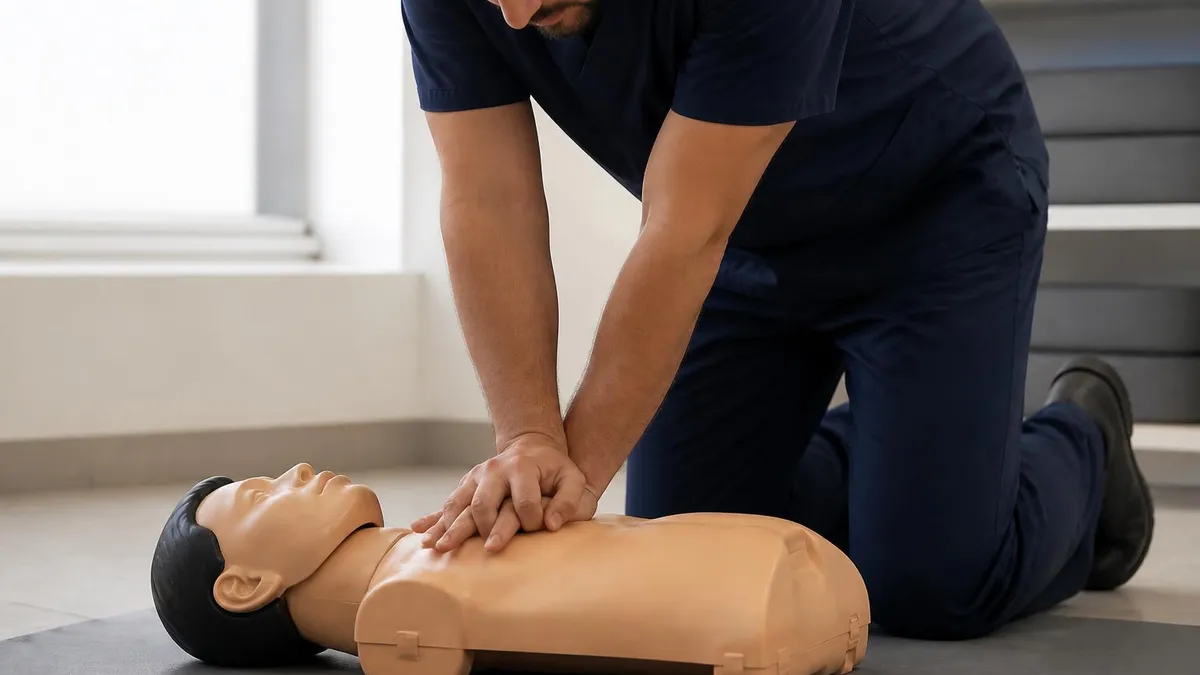
Extracorporeal CPR (ECPR): Complete Guide to Mechanical Circulatory Support During Cardiac Arrest in 2026
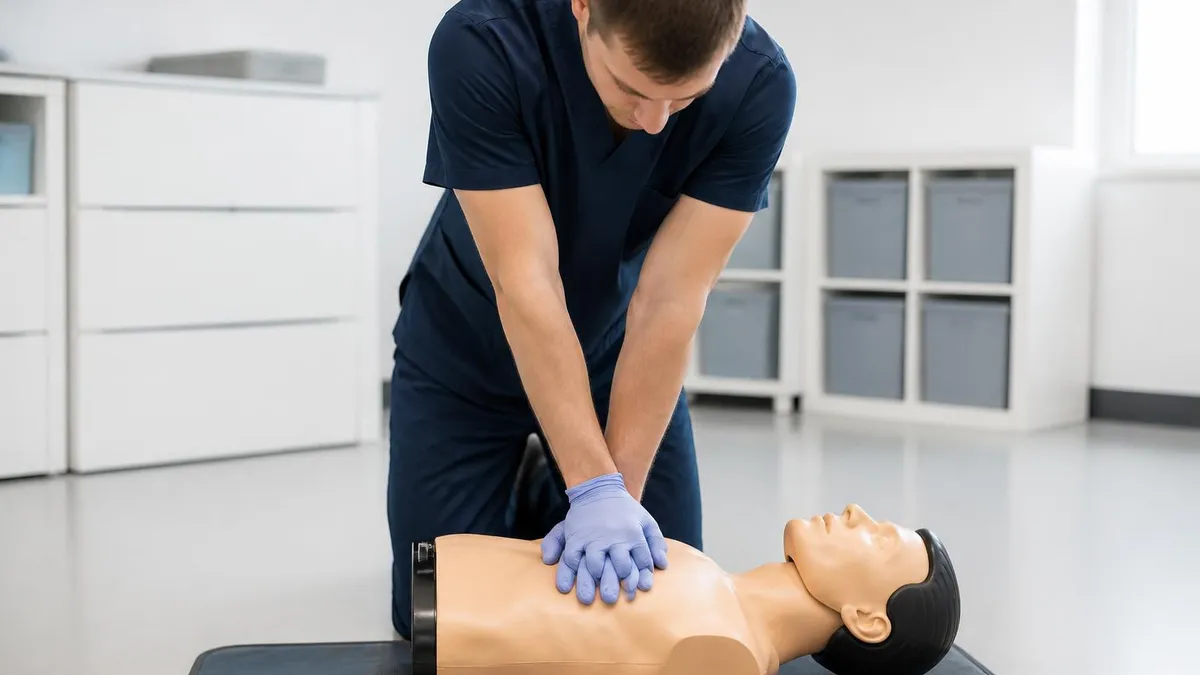
Free Online CPR Certification: Complete Guide to Legitimate Courses, Costs, and Workplace Acceptance in 2026
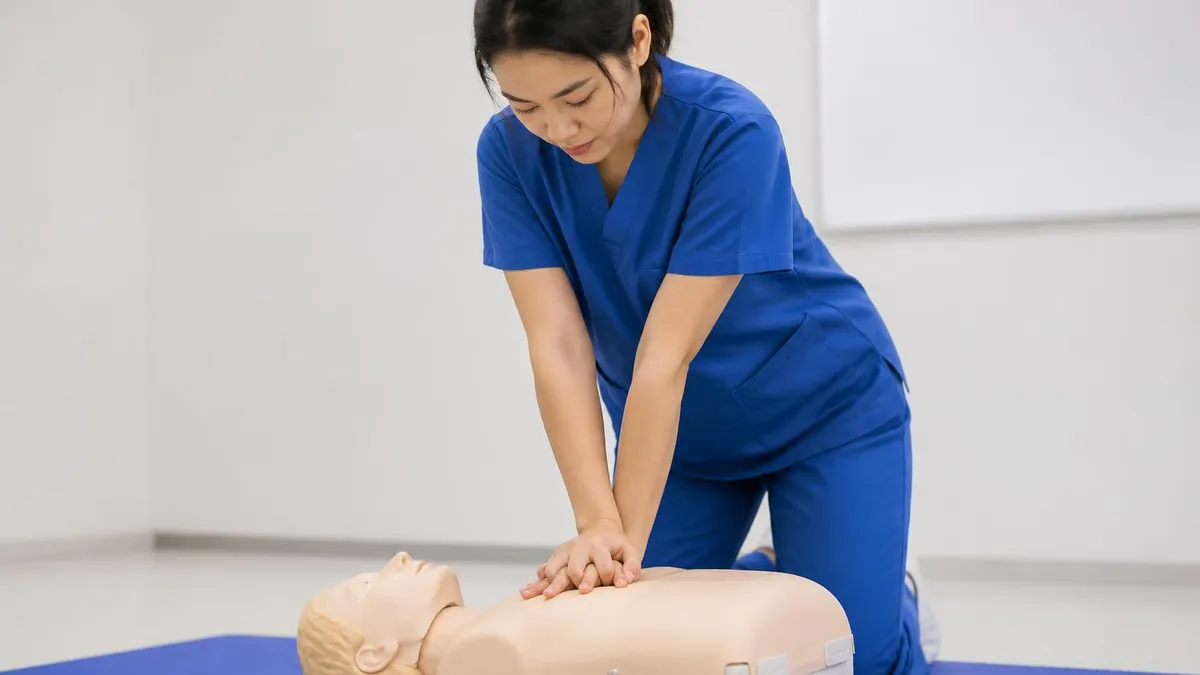
CPR Instructor Certification 2026: Complete Path to Teaching CPR
About the Author

Registered Nurse & Healthcare Educator
Johns Hopkins University School of NursingDr. Sarah Mitchell is a board-certified registered nurse with over 15 years of clinical and academic experience. She completed her PhD in Nursing Science at Johns Hopkins University and has taught NCLEX preparation and clinical skills courses for nursing students across the United States. Her research focuses on evidence-based exam preparation strategies for healthcare certification candidates.
Join the Discussion
Connect with other students preparing for this exam. Share tips, ask questions, and get advice from people who have been there.
View discussion (5 replies)