
Essentials of Anatomy and Physiology 2nd Edition: The Complete Textbook Guide for Students
🏆 Master the essentials of anatomy and physiology 2nd edition with our complete textbook guide covering key concepts, study strategies, and practice

The essentials of anatomy and physiology 2nd edition remains one of the most widely adopted introductory textbooks for students beginning their journey into human body science. Written with clarity and precision, this textbook distills complex biological concepts into digestible chapters that build upon each other in a logical sequence. Whether you are a nursing student, pre-med candidate, or allied health professional, this edition provides the foundational knowledge you need to succeed in both classroom examinations and clinical practice settings across the United States.
Understanding why this particular edition has gained such popularity requires examining what sets it apart from other anatomy and physiology resources available on the market today. The second edition incorporates updated clinical correlations, revised illustrations, and expanded review questions that reflect current medical terminology and practice standards. These improvements address feedback from thousands of instructors and students who used the first edition, resulting in a textbook that more effectively bridges the gap between theoretical knowledge and practical application in healthcare settings.
The textbook is organized into a systematic progression that mirrors how most anatomy and physiology courses are structured at the college level. Students begin with foundational concepts like chemical organization and cell biology before advancing through tissue types, organ systems, and integrated physiological processes. Each chapter includes learning objectives, key terminology lists, and self-assessment questions designed to reinforce comprehension and prepare students for standardized examinations that test anatomical and physiological knowledge across multiple domains.
One of the most significant strengths of this textbook lies in its visual approach to teaching complex anatomical structures and their interrelationships. The second edition features enhanced full-color illustrations, detailed diagrams of organ systems, and clinical imaging examples that help students visualize the three-dimensional relationships between body structures. These visual elements are particularly valuable for kinesthetic and visual learners who struggle with purely text-based descriptions of spatial anatomical relationships and physiological pathways throughout the human body.
Beyond the core textbook content, the essentials of anatomy and physiology 2nd edition typically comes bundled with digital learning resources that extend the classroom experience significantly. Online platforms offer interactive quizzes, animated physiological processes, virtual dissection tools, and supplementary case studies that reinforce key concepts. These digital companions have become increasingly important as hybrid and online learning formats continue to grow in popularity across nursing programs, community colleges, and university biology departments throughout the nation.
For students preparing for certification examinations in healthcare fields, this textbook serves as more than just a course requirement to complete each semester. The content aligns closely with the anatomical and physiological knowledge tested on licensing exams for nursing, physical therapy, occupational therapy, and various medical technician certifications. Many students retain this textbook as a reference throughout their professional careers, returning to specific chapters when they encounter clinical scenarios that require a deeper understanding of structural or functional relationships.
This comprehensive guide explores every aspect of using the essentials of anatomy and mcgraw hill anatomy and physiology textbook effectively, from understanding its organizational structure to implementing proven study strategies that maximize retention. Whether you are purchasing the textbook for the first time or reviewing material before a major examination, the insights provided here will help you extract maximum value from this foundational educational resource and build the anatomical knowledge base that supports your entire healthcare career trajectory going forward.
Essentials of Anatomy and Physiology by the Numbers
How the Essentials of Anatomy and Physiology Textbook Is Organized
Opening chapters establish chemical, cellular, and tissue-level organization that serves as the prerequisite knowledge base for all subsequent organ system chapters throughout the textbook's progression.
The core of the textbook systematically covers all eleven organ systems including skeletal, muscular, nervous, endocrine, cardiovascular, lymphatic, respiratory, digestive, urinary, and reproductive systems with detailed illustrations.
Integrated clinical boxes throughout each chapter connect anatomical structures and physiological processes to real-world medical conditions, diagnostic procedures, and treatment approaches used in healthcare practice.
End-of-chapter review questions, critical thinking exercises, and self-assessment tools help students identify knowledge gaps and prepare for course examinations and certification testing.
Companion online platforms provide interactive quizzes, animated physiological demonstrations, virtual dissection tools, and supplementary case studies that extend learning beyond the printed textbook pages.
The anatomical terminology chapter in the essentials of anatomy and physiology 2nd edition establishes the precise vocabulary that students will use throughout their entire healthcare careers and professional practice. Directional terms like superior, inferior, medial, and lateral form the basis of clinical communication, while body plane concepts including sagittal, coronal, and transverse planes enable accurate description of anatomical cross-sections. Mastering this foundational language early in the course prevents confusion in later chapters where precise spatial descriptions become critical for understanding organ relationships and surgical approaches.
Cell biology and histology chapters receive substantial treatment in the second edition, reflecting their importance as the microscopic foundation upon which all organ system knowledge is built. Students learn about cellular organelles, membrane transport mechanisms, and the four primary tissue types including epithelial, connective, muscular, and nervous tissue. The textbook presents these concepts with comparative tables and microscopy images that help students identify tissue types based on structural characteristics, a skill frequently tested in both laboratory practicals and written examinations across anatomy and physiology courses.
The musculoskeletal system coverage spans multiple chapters and represents one of the most content-dense sections of the entire textbook. Students must learn the names, locations, and functions of over two hundred bones and approximately six hundred skeletal muscles, along with joint classifications and movement terminology. The second edition improves upon the first by grouping muscles by region and function rather than alphabetically, making it easier for students to understand how muscle groups work together to produce coordinated movements during everyday activities and formal clinical assessments.
Cardiovascular and respiratory system chapters are particularly well-developed in this edition because of their direct relevance to clinical practice and everyday patient assessment procedures. The textbook covers cardiac anatomy, the electrical conduction system, blood vessel structure, gas exchange mechanisms, and respiratory volumes with detailed diagrams that trace blood flow through the heart chambers and pulmonary circuits. Understanding these systems at the level presented in the textbook prepares students for vital sign assessment, cardiac rhythm interpretation, and respiratory evaluation skills used in clinical rotations.
The nervous system chapters are often considered the most challenging in any anatomy and physiology course, and the second edition addresses this reputation with enhanced explanatory frameworks and visual aids. Neural anatomy, synaptic transmission, reflex arcs, and the divisions of the autonomic nervous system are presented with step-by-step pathway diagrams that guide students through signal propagation from stimulus to response. The inclusion of clinical correlation boxes throughout these chapters helps students connect theoretical neural pathways to recognizable conditions like multiple sclerosis, Parkinson disease, and peripheral neuropathy.
Digestive, urinary, and reproductive system chapters complete the organ system coverage with the same attention to clinical relevance that characterizes earlier sections of the textbook. The digestive chapter traces nutrient processing from ingestion through absorption and elimination, while the urinary chapter details nephron function and fluid-electrolyte balance mechanisms. Reproductive system coverage includes both male and female anatomy, gametogenesis, and an overview of embryological development that provides context for understanding congenital anatomical variations encountered in clinical practice settings regularly.
Endocrine system coverage in the essentials of anatomy and physiology 2nd edition deserves special mention because hormonal regulation integrates with virtually every other organ system in the human body. The textbook presents major endocrine glands, their hormonal products, target tissues, and feedback regulation mechanisms in a format that emphasizes systemic interconnections rather than isolated gland function. Students who master this chapter develop a more holistic understanding of physiological homeostasis that proves invaluable when studying pathophysiology and pharmacology in subsequent courses within their healthcare education programs.
Anatomy and Physiology Practice Test Questions
Prepare for the Anatomy and Physiology exam with our free practice test modules. Each quiz covers key topics to help you pass on your first try.
Anatomy and Physiology Applied Methods and...
Anatomy and Physiology Exam Questions covering Applied Methods and Techniques. Master Anatomy and Physiology Test concepts for certification prep.
Anatomy and Physiology Assessment and Eval...
Free Anatomy and Physiology Practice Test featuring Assessment and Evaluation. Improve your Anatomy and Physiology Exam score with mock test prep.
Anatomy and Physiology Communication and D...
Anatomy and Physiology Mock Exam on Communication and Documentation. Anatomy and Physiology Study Guide questions to pass on your first try.
Anatomy and Physiology Continuing Educatio...
Anatomy and Physiology Test Prep for Continuing Education Requirements. Practice Anatomy and Physiology Quiz questions and boost your score.
Anatomy and Physiology Core Concepts and P...
Anatomy and Physiology Questions and Answers on Core Concepts and Principles. Free Anatomy and Physiology practice for exam readiness.
Anatomy and Physiology Industry Best Pract...
Anatomy and Physiology Mock Test covering Industry Best Practices. Online Anatomy and Physiology Test practice with instant feedback.
Anatomy and Physiology Musculoskeletal System
Free Anatomy and Physiology Quiz on Musculoskeletal System. Anatomy and Physiology Exam prep questions with detailed explanations.
Anatomy and Physiology Nervous System
Anatomy and Physiology Practice Questions for Nervous System. Build confidence for your Anatomy and Physiology certification exam.
Anatomy and Physiology Professional Standa...
Anatomy and Physiology Test Online for Professional Standards and Ethics. Free practice with instant results and feedback.
Anatomy and Physiology Safety and Compliance
Anatomy and Physiology Study Material on Safety and Compliance. Prepare effectively with real exam-style questions.
Anatomy and Physiology General Concepts
Free Anatomy and Physiology Test covering General Concepts. Practice and track your Anatomy and Physiology exam readiness.
Anatomy and Physiology Integumentary System
Anatomy and Physiology Exam Questions covering Integumentary System. Master Anatomy and Physiology Test concepts for certification prep.
How to Study the Essentials of Anatomy and Physiology Effectively
The second edition's illustration program represents a significant upgrade over the original textbook, with redesigned anatomical figures that use consistent color coding across all organ system chapters. Arterial structures appear in red, venous structures in blue, and nervous tissue in yellow throughout every diagram. This consistency allows students to quickly identify structural relationships without rereading legends, and the standardized approach reduces cognitive load during study sessions focused on memorizing complex anatomical arrangements and physiological pathways throughout the body.
Students who combine textbook illustrations with physical models or digital anatomy applications report significantly higher retention rates on practical examinations. The textbook's companion website often includes three-dimensional rotatable models that correspond to chapter figures, allowing students to examine structures from multiple angles. Creating your own labeled sketches based on textbook diagrams further reinforces spatial relationships and builds the mental anatomical atlas that healthcare professionals rely upon when performing physical assessments on actual patients in clinical settings.

Is the Essentials of Anatomy and Physiology 2nd Edition Worth the Investment?
- +Updated full-color illustrations with consistent anatomical color coding across all chapters
- +Revised clinical correlation boxes reflecting current medical terminology and diagnostic standards
- +Bundled digital resources including interactive quizzes and animated physiological processes
- +Improved chapter organization that groups muscles by region and function for easier learning
- +Expanded end-of-chapter review questions covering both recall and application question formats
- +Content alignment with major healthcare certification examination topics and knowledge domains
- −Higher purchase price compared to used copies of the first edition textbook
- −Digital access codes expire after one semester and cannot be transferred to new owners
- −Physical textbook is heavy and less portable than electronic alternatives for daily transport
- −Some students report minimal content differences from the first edition in core anatomy chapters
- −International edition availability creates confusion about pricing and content equivalence concerns
- −E-book version may lack the tactile reading experience some students prefer for retention
Pros and Cons at a Glance
| Pros | Cons |
|---|---|
| Updated full-color illustrations with consistent anatomical color coding across all chapters | Higher purchase price compared to used copies of the first edition textbook |
| Revised clinical correlation boxes reflecting current medical terminology and diagnostic standards | Digital access codes expire after one semester and cannot be transferred to new owners |
| Bundled digital resources including interactive quizzes and animated physiological processes | Physical textbook is heavy and less portable than electronic alternatives for daily transport |
| Improved chapter organization that groups muscles by region and function for easier learning | Some students report minimal content differences from the first edition in core anatomy chapters |
| Expanded end-of-chapter review questions covering both recall and application question formats | International edition availability creates confusion about pricing and content equivalence concerns |
| Content alignment with major healthcare certification examination topics and knowledge domains | E-book version may lack the tactile reading experience some students prefer for retention |
Essential Study Checklist for Anatomy and Physiology Textbook Success
- ✓Read each chapter's learning objectives before starting the assigned reading material.
- ✓Create a terminology flashcard deck for every new anatomical term introduced per chapter.
- ✓Complete all end-of-chapter review questions without referencing the textbook first.
- ✓Sketch and label major anatomical structures from memory after each study session.
- ✓Review one previously completed chapter per week to prevent knowledge decay over time.
- ✓Use the digital companion platform to complete interactive quizzes after finishing chapters.
- ✓Form a study group that meets weekly to teach and review organ system content.
- ✓Compare textbook illustrations with anatomical models during laboratory practice sessions regularly.
- ✓Create concept maps showing connections between related organ systems and physiological processes.
- ✓Schedule cumulative review sessions at least two weeks before each major course examination.
Spaced Repetition Doubles Long-Term Retention
Research in cognitive science consistently shows that distributing anatomy study across multiple shorter sessions spaced several days apart produces significantly stronger long-term memory formation than cramming. Students who review each organ system three times over two weeks retain approximately twice as much terminology compared to those who study the same material in a single extended session, even when total study hours are identical.
When selecting which edition of the essentials of anatomy and physiology textbook to purchase, students frequently debate whether the second edition justifies its price premium over used copies of the first edition. The core anatomical content remains largely unchanged between editions because human anatomy itself does not evolve on a textbook revision timeline. However, the second edition offers meaningful improvements in illustration quality, clinical correlation accuracy, and digital resource compatibility that collectively enhance the learning experience enough to warrant the additional investment for most students entering healthcare programs.
The second edition's revised clinical correlation boxes reflect updated medical terminology and current diagnostic standards that first edition examples may not accurately include. Healthcare terminology evolves continuously, and studying with outdated clinical references can create confusion when students transition to clinical coursework where current terminology is universally expected. Additionally, examination question banks used by many anatomy and physiology instructors are calibrated to second edition content, meaning students using older editions may encounter unfamiliar phrasing or topic emphasis on assessments compared to their classmates using newer versions.
Digital access codes bundled with new textbook purchases typically expire after one semester and cannot be transferred to subsequent buyers, which significantly affects the resale value equation for students on budgets. Students who purchase used copies without valid digital access codes lose access to online quizzes, animated physiology demonstrations, and interactive study tools that complement the printed text. Some students choose to purchase digital access separately, but the combined cost of a used textbook and standalone digital access often approaches the price of a new textbook bundle package.
International editions of the essentials of anatomy and physiology 2nd edition offer identical content at substantially lower prices but may differ in physical format, paper quality, and cover design from domestic versions. These editions are legally manufactured and sold in specific global markets, though their importation and resale in the United States occupies a legally complex space that students should research before purchasing. Content accuracy is identical to domestic editions because the same authors and editorial team produce all regional versions of the textbook simultaneously for worldwide distribution.
Rental options through campus bookstores and online platforms provide another cost-effective alternative for students who do not plan to retain the textbook after completing their anatomy course. Semester-long rentals typically cost between thirty and sixty percent of the new purchase price, though students forfeit the ability to highlight, annotate, or keep the book as a professional reference. For students in programs that build upon anatomy and physiology content in subsequent courses, purchasing the textbook outright often proves more economical than renting it repeatedly for multiple semesters throughout their program.
The electronic version of the textbook offers portability advantages and often includes integrated search functionality, embedded video content, and direct links to online assessment tools unavailable in print. E-book pricing is generally lower than physical textbook costs, and students can access their textbook from multiple devices without carrying a heavy printed volume between classes across campus. However, some students report that they retain information more effectively when reading from physical pages, and the inability to quickly flip between chapters can make comparative study of related organ systems less efficient in digital format.
Library reserve copies provide free access for students facing financial constraints, though availability is limited and borrowing periods may not align with intensive study needs during examination weeks. Many college libraries maintain both circulating and reserve copies of required textbooks, and interlibrary loan programs can provide access to specific editions when local copies are unavailable. Students should explore all available options at the beginning of each semester, as early action provides the widest selection of affordable access methods for obtaining required course materials before inventory runs low.
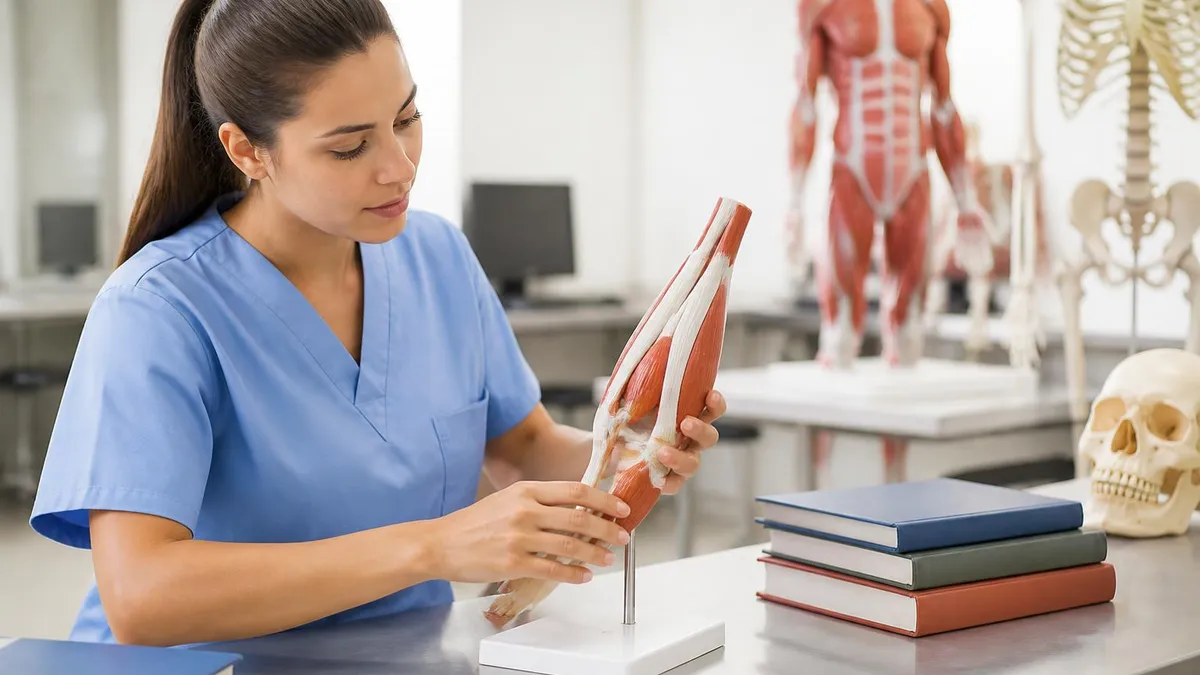
If you purchase a used copy of the essentials of anatomy and physiology 2nd edition, verify whether the digital access code has already been redeemed before your first day of class. Many instructors assign online quizzes and interactive modules that require valid digital platform access, and purchasing a standalone access code after the semester begins may delay your ability to complete required assignments on time.
Successful anatomy and physiology students develop study routines that align with the textbook's chapter organization rather than attempting to cram multiple organ systems into single review sessions before exams. The essentials of anatomy and physiology 2nd edition structures its chapters to build upon previously introduced concepts, meaning that gaps in earlier material create compounding difficulties in later chapters. Students who fall behind in the musculoskeletal system, for example, will struggle with kinesiology concepts in the muscular system chapter because movement terminology assumes familiarity with skeletal landmarks and joint types.
Spaced repetition represents the most evidence-supported study technique for retaining the enormous volume of anatomical terminology presented throughout this textbook over the long term. Rather than reviewing all skeletal system content in a single marathon session, distribute your review across multiple shorter sessions spaced several days apart. Research consistently demonstrates that spaced practice produces significantly stronger long-term memory formation compared to massed practice, even when total study time remains identical. Digital flashcard applications that implement spaced repetition algorithms can automate this scheduling process for maximum effectiveness.
Laboratory coursework provides the hands-on complement to textbook learning that many students find essential for truly understanding three-dimensional anatomical relationships in practice. While the textbook's illustrations are excellent, examining actual cadaveric specimens, anatomical models, or virtual dissection software adds a tactile and spatial dimension that flat images cannot fully replicate. Students who integrate their textbook reading with laboratory activities by reviewing relevant chapters before each lab session consistently perform better on both written examinations and laboratory practical assessments throughout the entire semester.
Concept mapping offers a powerful technique for visualizing the interconnections between organ systems that the textbook's linear chapter format cannot fully represent on its own. Creating visual diagrams that show how the cardiovascular system delivers oxygen absorbed by the respiratory system and nutrients processed by the digestive system to tissues maintained by the integumentary system reveals the holistic nature of human physiology. These maps become increasingly complex and valuable as students progress through later chapters and recognize additional systemic connections they had not previously considered in isolation.
Practice questions from multiple sources supplement the textbook's built-in review materials and expose students to different question formats and difficulty levels they may encounter on examinations. While the textbook's end-of-chapter questions provide excellent content review, they represent only one author's approach to assessment design. Exploring practice questions from online question banks, study guides, and previous examination files broadens your preparation and develops the critical thinking skills needed to answer application-level questions that require integrating knowledge across multiple chapters and organ systems simultaneously.
Study groups organized around textbook chapters create accountability structures that keep members on pace with course material throughout the entire semester effectively. Effective anatomy study groups assign specific chapter sections to individual members who then teach their assigned content to the group using textbook illustrations and supplementary resources as visual aids. This peer-teaching approach forces deeper engagement with the material than passive reading and provides immediate feedback when group members ask clarifying questions that reveal areas where the presenter's understanding needs additional development and review.
Time management during examination preparation requires honest assessment of which organ systems you find most challenging and allocation of proportionally more study time to those areas specifically. Students naturally gravitate toward reviewing material they already understand well because it feels productive, but this approach neglects the weak areas most likely to impact examination scores negatively. Use the textbook's learning objectives as a self-assessment checklist, rating your confidence level for each objective and directing your remaining study time toward objectives where your confidence rating is lowest overall.
Starting each semester with a thorough orientation to your anatomy and physiology textbook saves significant time throughout the course and establishes productive study habits early. Familiarize yourself with the table of contents, appendix resources, glossary format, and any reference tables for normal physiological values included in the back matter. The essentials of anatomy and physiology 2nd edition includes appendices with measurement conversions, normal laboratory values, and anatomical position references that students frequently overlook but find invaluable when completing assignments and preparing for clinical skills assessments later in their programs.
Creating a chapter-by-chapter reading schedule at the beginning of the semester prevents the accumulation of unread material that leads to overwhelming pre-examination cramming sessions later. Divide each chapter into manageable daily reading portions of approximately fifteen to twenty pages, scheduling completion at least two days before the corresponding lecture to ensure you arrive at class with foundational knowledge that transforms passive listening into active engagement with the instructor's expanded explanations. This proactive approach consistently distinguishes high-performing anatomy students from those who struggle throughout the academic term.
Annotation strategies significantly impact how effectively you can use the textbook during review sessions and examination preparation periods throughout the semester. Rather than highlighting large blocks of text, which provides minimal retrieval practice benefit, write concise marginal notes that summarize key concepts in your own words. Create symbols for common annotation types: a star for examination-likely content, a question mark for concepts requiring instructor clarification, and arrows connecting related structures across different pages. These personalized navigation aids transform your textbook from a passive reference into an active study tool.
Supplementary anatomy and physiology resources should complement rather than replace your primary textbook, and selecting appropriate supplements requires understanding what each resource type uniquely offers students. Coloring workbooks reinforce structural relationships through active engagement with anatomical illustrations, while flashcard sets focus on terminology recall and identification skills specifically. Online video series provide dynamic explanations of physiological processes that static textbook diagrams cannot fully convey. Choose one or two supplementary resources that address your specific weak areas rather than purchasing every available study aid and creating overwhelming volume.
Clinical correlation sections within the textbook deserve special attention because they demonstrate how classroom anatomical knowledge directly applies to patient care scenarios you will encounter in professional practice settings. These sections describe how structural abnormalities, disease processes, and traumatic injuries manifest as recognizable clinical presentations that require anatomical understanding. Students who engage deeply with clinical correlations develop stronger diagnostic reasoning skills earlier in their education, and many report that these real-world connections make abstract anatomical concepts more memorable and meaningful than isolated structural descriptions alone.
Reviewing previously covered chapters periodically throughout the semester prevents the natural forgetting curve from erasing hard-won knowledge before cumulative final examinations arrive each term. Schedule brief weekly reviews of past chapters, spending approximately thirty minutes revisiting key concepts and self-testing with end-of-chapter questions you previously completed during initial study. This maintenance review requires minimal time investment compared to relearning forgotten material from scratch and ensures that foundational concepts remain accessible when later chapters reference them in discussions of integrated physiological processes across multiple organ systems.
Your anatomy and physiology textbook represents an investment that extends well beyond a single semester course grade or academic requirement on your transcript. The foundational knowledge contained within its chapters supports every subsequent course in your healthcare education program, from pathophysiology and pharmacology to clinical assessment and patient management in practice.
Students who develop strong study habits around this textbook establish learning strategies they will continue to apply throughout their professional education and career. Approach this textbook not merely as a course requirement but as the cornerstone of the scientific knowledge base upon which your entire healthcare career will be built.
Sample Anatomy and Physiology Practice Questions
Try these questions from our free Anatomy and Physiology practice tests. The correct answer and an explanation follow each question.
How should professionals apply safety and compliance in daily practice?
- A. Only when being evaluated
- B. Consistently integrate best practices into every aspect of professional work
- C. Apply principles selectively based on convenience
- D. Follow standards only for complex tasks
Answer: B. Consistently integrate best practices into every aspect of professional work
Consistent application of professional standards ensures quality outcomes and builds professional credibility.
What is the primary function of the testes in males?
- A. Production of sperm and testosterone
- B. Storage of sperm
- C. Transport of sperm
- D. Production of seminal fluid
Answer: A. Production of sperm and testosterone
The testes are the male gonads responsible for producing sperm (spermatogenesis) and the hormone testosterone, which regulates male secondary sexual characteristics.
What is the functional unit of skeletal muscle contraction?
- A. Sarcomere
- B. Myofibril
- C. Muscle fiber
- D. Motor unit
Answer: A. Sarcomere
The sarcomere is the basic contractile unit of skeletal muscle, extending from one Z-line to the next.
What is the role of melanocytes in the skin?
- A. Producing keratin
- B. Producing pigment
- C. Regulating temperature
- D. Protecting against bacteria
Answer: B. Producing pigment
Melanocytes are specialized cells located in the basal layer of the epidermis, and their primary function is to produce melanin. Melanin is a pigment that determines skin, hair, and eye color, and it plays a crucial role in protecting the skin from harmful ultraviolet (UV) radiation from the sun. The amount and type of melanin produced influence an individual's skin tone and susceptibility to sunburn.
Anatomy Physiology Questions and Answers
Anatomy and Physiology Coloring Book: The Complete Student's Guide to Visual Learning
Anatomy and Physiology PDF: Complete Free Download Guide for 2026 Students
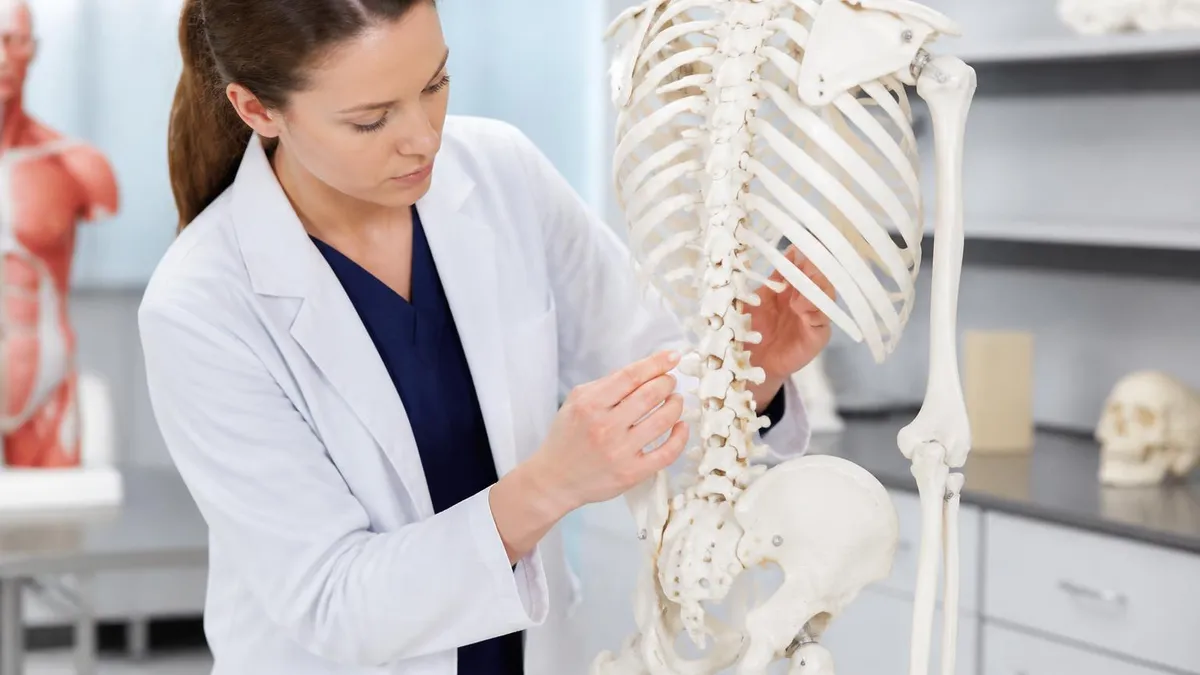
Human Body Anatomy and Physiology: The Complete Guide to Structure, Function, and Integrated Body Systems
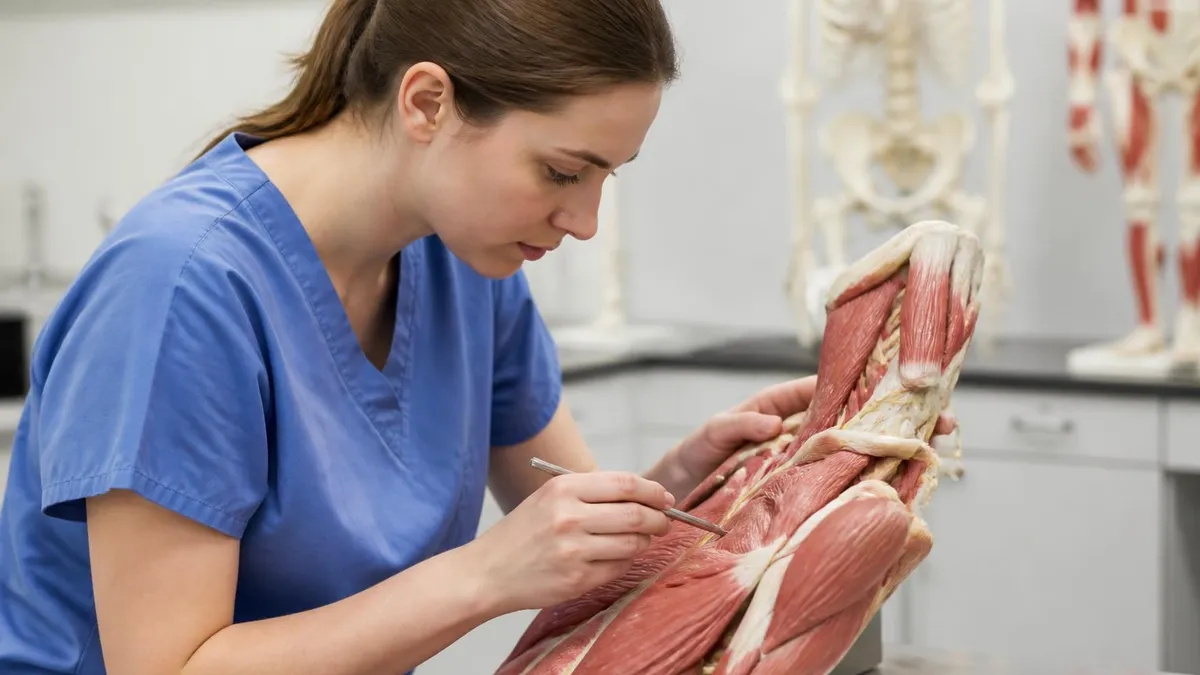
Define Anatomy and Physiology: A Complete Guide to Understanding Human Body Structure and Function
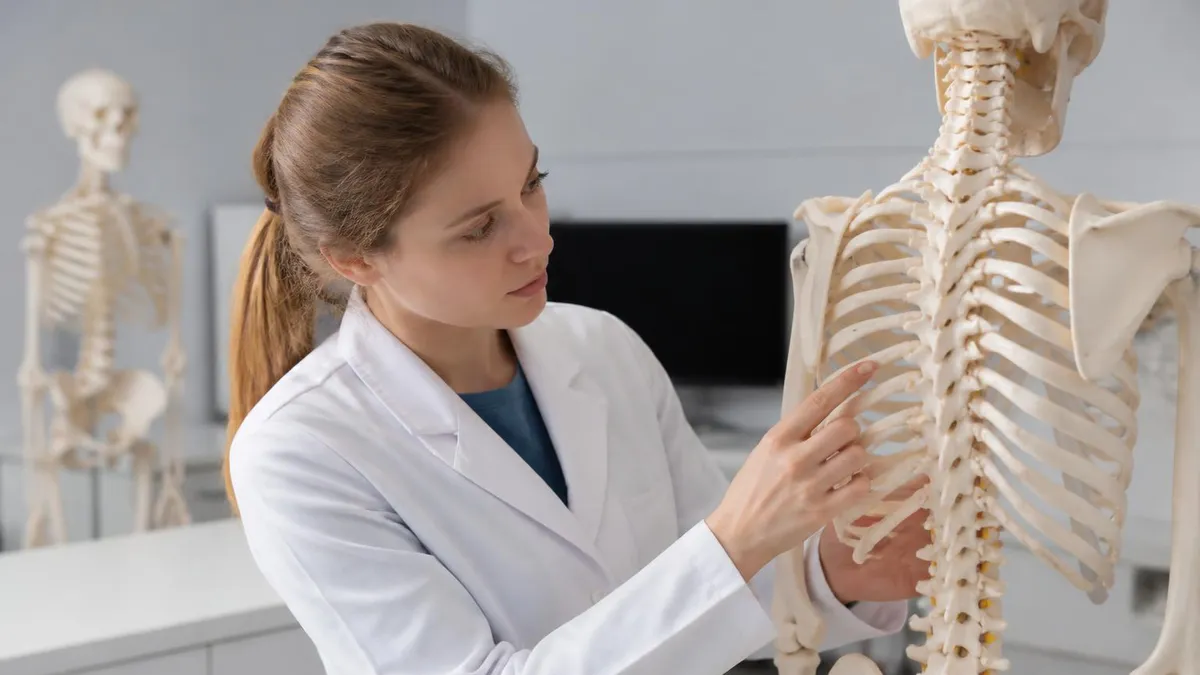
Anatomy and Physiology Coloring Workbook: The Complete Guide to Visual Learning, Active Recall, and Mastering Body Systems
About the Author

Educational Psychologist & Academic Test Preparation Expert
Columbia University Teachers CollegeDr. Lisa Patel holds a Doctorate in Education from Columbia University Teachers College and has spent 17 years researching standardized test design and academic assessment. She has developed preparation programs for SAT, ACT, GRE, LSAT, UCAT, and numerous professional licensing exams, helping students of all backgrounds achieve their target scores.