
Anatomy and Physiology of Human Body: A Complete Guide to Body Systems, Functions, and Structures
Master anatomy and physiology of human body with this complete guide covering all body systems, functions, structures, and exam prep tips. 💯
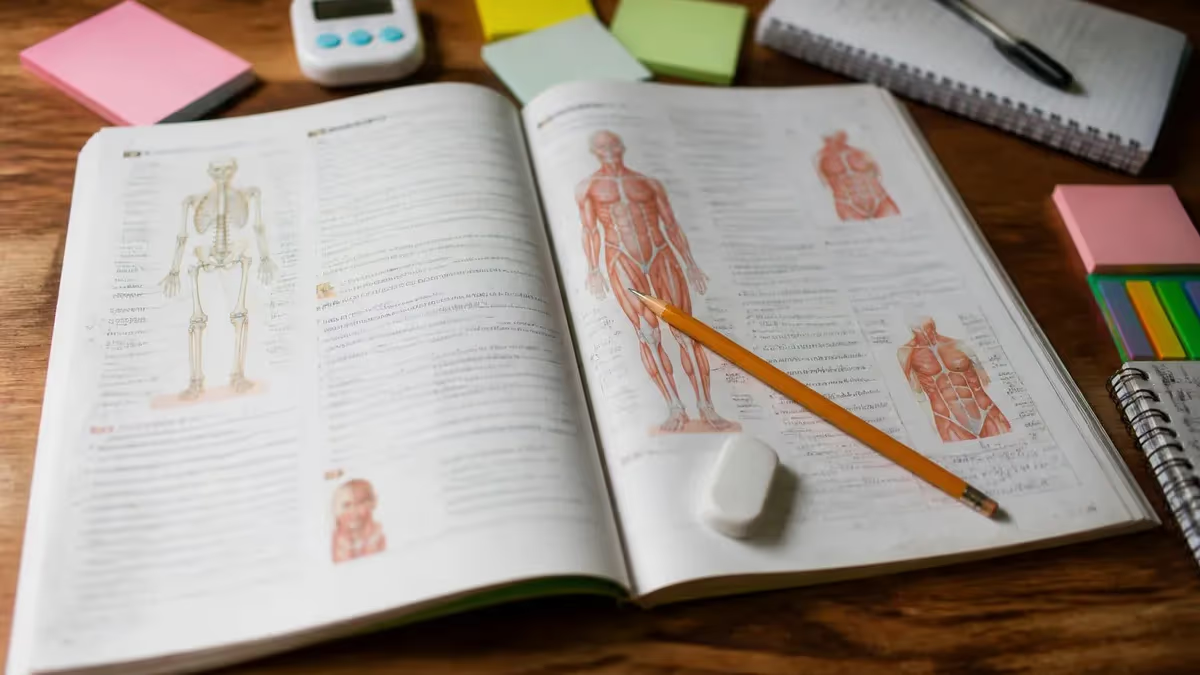
Understanding the anatomy and physiology of human body is one of the most rewarding intellectual journeys you can undertake, whether you are a nursing student, a pre-med candidate, a healthcare professional refreshing foundational knowledge, or simply a curious learner who wants to know how the machine that carries you through life actually works.
The human body is an astonishing system of systems — roughly 37 trillion cells organized into tissues, organs, and organ systems that operate in seamless, dynamic coordination every second of every day, even while you sleep. To truly understand health, disease, treatment, and prevention, you must first understand the structures and functions that make human life possible. For a concise glossary of key terms, see our guide on the anatomy and physiology of human body to build your vocabulary before diving deeper.
Anatomy is the branch of science concerned with the structure of living organisms. In the human context, anatomy examines bones, muscles, nerves, blood vessels, organs, and all the other physical components that make up the body. It is divided into gross (macroscopic) anatomy — what you can observe with the naked eye — and microscopic anatomy, which includes histology (the study of tissues) and cytology (the study of cells). Each level of analysis reveals a different layer of complexity, from the elegant architecture of the skeletal system down to the complex protein machinery inside a single cell membrane.
Physiology, on the other hand, is the study of how those structures function. It asks questions like: How does the heart generate an electrical impulse that triggers a coordinated muscle contraction? How does the kidney filter more than 180 liters of blood plasma per day and yet excrete only about 1.5 liters of urine? How does a single nerve cell transmit a signal at speeds exceeding 100 meters per second? Physiology bridges anatomy to medicine, because knowing what a structure looks like is meaningless without understanding what it does and how disruptions to its function produce disease.
The two disciplines are inseparable in practice, which is why they are almost always taught together. A medical professional who knows the anatomy of the lung but not its gas-exchange physiology cannot interpret a patient's oxygen saturation readings. Conversely, a clinician who understands ventilation mechanics but cannot identify the anatomical boundaries of each lung lobe will struggle with physical examination. Integrated study is therefore not just pedagogically convenient — it is clinically essential. This is also why licensing exams, nursing boards, and allied health certifications consistently test both structure and function side by side.
In the United States, anatomy and physiology courses are prerequisites for virtually every health science program, from registered nursing and physician assistant studies to respiratory therapy and physical therapy. Accreditation bodies require demonstrated competency in human body systems before students can advance to clinical rotations. This has made anatomy and physiology one of the most widely enrolled science courses in American colleges, with millions of students taking it each year at community colleges, four-year universities, and online institutions. The material is demanding, but it is also deeply logical once you appreciate the underlying organizational principles.
The human body is organized according to a hierarchy: chemical level (atoms and molecules), cellular level, tissue level, organ level, organ system level, and organismal level. At each successive level, new properties emerge that could not be predicted from studying lower levels in isolation — this is called emergent complexity.
The cardiovascular system, for instance, is far more than just heart plus blood vessels; it is a pressure-regulated, hormone-sensitive, neurally modulated distribution network with redundant pathways and real-time feedback loops. Grasping this hierarchical logic is the key conceptual shift that separates students who memorize anatomy from those who truly understand it.
This guide walks through all eleven major organ systems — skeletal, muscular, nervous, endocrine, cardiovascular, lymphatic, respiratory, digestive, urinary, and reproductive — with clear explanations of both structure and function. You will also find evidence-based study strategies, practice quiz recommendations, and exam preparation advice designed to help you master this material efficiently. Whether your goal is to pass a college final, earn a professional certification, or simply satisfy a lifelong curiosity about how your body works, you will find actionable, accurate information throughout every section of this article.
Human Body by the Numbers

The Eleven Major Organ Systems of the Human Body
Composed of 206 bones in adults, cartilage, and ligaments. Provides structural support, protects internal organs, produces blood cells in red marrow, stores calcium and phosphorus, and serves as attachment points for muscles.
Over 600 named skeletal muscles enable voluntary movement, maintain posture, and generate body heat. Cardiac muscle drives the heart; smooth muscle lines hollow organs. Skeletal muscles work in opposing pairs called agonists and antagonists.
The central nervous system (brain and spinal cord) and peripheral nervous system integrate sensory input, coordinate motor output, and regulate all other body systems through electrochemical signals transmitted by billions of specialized neurons.
The heart, approximately 60,000 miles of blood vessels, and 5–6 liters of blood form a closed circulatory loop that delivers oxygen, nutrients, and hormones while removing carbon dioxide and metabolic waste from every living cell.
The lungs, airways, and diaphragm help gas exchange: oxygen enters the bloodstream across alveolar membranes while carbon dioxide is exhaled. Adults breathe approximately 12–20 times per minute and move over 8,000 liters of air daily.
The cardiovascular system is arguably the most studied organ system in human anatomy and physiology, and for good reason — heart disease remains the leading cause of death in the United States, claiming approximately 700,000 lives each year according to the Centers for Disease Control and Prevention. The heart is a four-chambered muscular pump weighing roughly 250–350 grams in adults.
Its right side receives deoxygenated blood from the body via the superior and inferior vena cava and pumps it through the pulmonary circuit to the lungs. The left side receives oxygenated blood returning from the lungs via the pulmonary veins and ejects it into the aorta to supply the systemic circuit.
The cardiac conduction system is a specialized network of modified cardiomyocytes that generates and transmits the electrical impulses responsible for the coordinated contraction of heart muscle. The sinoatrial (SA) node, located in the right atrium, acts as the primary pacemaker, firing at an intrinsic rate of 60–100 beats per minute in a healthy adult at rest.
The impulse spreads through both atria, reaches the atrioventricular (AV) node — which imposes a critical delay of approximately 0.1 seconds to allow ventricular filling — and then travels rapidly down the Bundle of His and Purkinje fibers to trigger ventricular contraction. Disruption of any part of this pathway produces characteristic arrhythmias that clinicians diagnose using a 12-lead electrocardiogram.
Blood pressure — the force exerted by circulating blood against vessel walls — is expressed as systolic over diastolic pressure, measured in millimeters of mercury (mmHg). A normal reading is below 120/80 mmHg. Systolic pressure reflects ventricular contraction; diastolic pressure reflects the resting phase between beats.
Hypertension, defined as sustained readings at or above 130/80 mmHg under 2017 American Heart Association guidelines, damages arterial walls over time and dramatically increases the risk of stroke, myocardial infarction, and chronic kidney disease. Understanding this physiology helps clinicians explain to patients why lifestyle modifications such as reduced sodium intake, regular aerobic exercise, and weight management produce measurable improvements in cardiovascular outcomes.
The respiratory system exists in intimate functional partnership with the cardiovascular system. Pulmonary ventilation — the mechanical process of breathing — is driven by pressure differences created by the respiratory muscles, primarily the diaphragm and intercostal muscles. During inspiration, the diaphragm contracts and descends, increasing thoracic cavity volume, which reduces intrapulmonary pressure below atmospheric pressure and causes air to flow inward. During quiet expiration, the diaphragm relaxes, the chest wall recoils, intrapulmonary pressure rises above atmospheric, and air flows outward. Forced expiration recruits additional muscles including the internal intercostals and abdominal muscles, an important mechanism during exercise, coughing, and singing.
Gas exchange occurs in the alveoli — microscopic air sacs with walls only one cell thick, surrounded by a dense capillary network. The total alveolar surface area in adult lungs is approximately 70 square meters, roughly the size of a singles tennis court, optimized for rapid diffusion.
Oxygen diffuses from alveolar air (where its partial pressure, PO2, is about 105 mmHg) into pulmonary capillary blood (where PO2 is about 40 mmHg in deoxygenated blood), following its concentration gradient. Carbon dioxide moves in the opposite direction, from blood (PCO2 ≈ 45 mmHg) to alveolar air (PCO2 ≈ 40 mmHg). This seemingly small gradient is sufficient because CO2 diffuses about 20 times more readily than oxygen across biological membranes.
Oxygen is transported in the blood primarily bound to hemoglobin — a protein in red blood cells containing four iron-containing heme groups, each capable of binding one oxygen molecule. A single red blood cell contains approximately 280 million hemoglobin molecules, giving blood its extraordinary oxygen-carrying capacity.
The oxyhemoglobin dissociation curve describes the relationship between blood oxygen saturation (SpO2) and partial pressure of oxygen (PO2). This curve is sigmoidal in shape, reflecting hemoglobin's cooperative binding behavior: as each oxygen molecule binds, subsequent binding becomes easier, but saturation plateaus above a PO2 of about 80 mmHg. Importantly, conditions that shift the curve rightward — increased temperature, CO2, and 2,3-bisphosphoglycerate — promote oxygen unloading in metabolically active tissues, a beautifully adaptive physiological mechanism.
Pulmonary function tests (PFTs) are clinical tools that quantify respiratory capacity and help diagnose conditions like asthma, chronic obstructive pulmonary disease (COPD), and pulmonary fibrosis. Key measured volumes include tidal volume (the ~500 mL inhaled and exhaled with each quiet breath), vital capacity (the maximum air expelled after a maximum inhalation, typically 4,500–5,000 mL in healthy adults), and forced expiratory volume in one second (FEV1), which reflects airway resistance.
Students who understand the anatomy of the respiratory tract — from the nasal cavity and pharynx through the larynx, trachea, bronchi, and progressively smaller bronchioles to the terminal alveoli — can more readily interpret these clinical measurements in context.
Nervous and Endocrine Systems: Control and Coordination
The nervous system is the body's fastest communication network, transmitting signals at speeds up to 120 meters per second along myelinated nerve fibers. It is organized into the central nervous system (CNS) — brain and spinal cord — and the peripheral nervous system (PNS), which includes all nerves extending beyond. The brain's cerebral cortex, with its deeply folded surface (gyri and sulci), houses approximately 16 billion neurons dedicated to cognition, sensory processing, and motor control. The spinal cord mediates reflexes and serves as the conduit for ascending sensory and descending motor pathways.
The peripheral nervous system divides into somatic (voluntary) and autonomic (involuntary) divisions. The autonomic nervous system further splits into sympathetic and parasympathetic branches, which often have opposing effects: the sympathetic system mobilizes the fight-or-flight response — accelerating heart rate, dilating bronchioles, redirecting blood to muscles — while the parasympathetic system promotes rest-and-digest functions including slowing heart rate, stimulating digestion, and promoting glandular secretion. Neurotransmitters are the chemical messengers of this system; acetylcholine and norepinephrine are the two primary autonomic neurotransmitters, and their receptor pharmacology underlies the mechanism of action for dozens of widely used medications.

Studying Anatomy and Physiology: Benefits and Challenges
- +Provides essential foundational knowledge required for all health science and medical careers
- +Develops critical thinking by connecting structural features to functional consequences
- +Directly applicable to understanding disease, diagnosis, treatment, and patient education
- +Improves performance on nursing boards, allied health exams, and medical school entrance tests
- +Builds lasting scientific literacy that helps you interpret health news and medical advice
- +Satisfies intellectual curiosity about your own body and how it responds to exercise, illness, and aging
- −Large volume of terminology — over 10,000 unique anatomical terms recognized by Terminologia Anatomica
- −Requires consistent study over weeks or months; cramming before exams rarely produces durable learning
- −Laboratory components (cadaver dissection, microscopy) can be emotionally and logistically demanding
- −Abstract physiological concepts like membrane potentials and enzyme kinetics require strong math and chemistry background
- −Online or asynchronous formats may lack hands-on laboratory experience critical for spatial understanding
- −Frequent course updates as new research revises understanding of physiology, requiring students to verify currency of sources
Pros and Cons at a Glance
| Pros | Cons |
|---|---|
| Provides essential foundational knowledge required for all health science and medical careers | Requires consistent study over weeks or months; cramming before exams rarely produces durable learning |
| Develops critical thinking by connecting structural features to functional consequences | Laboratory components (cadaver dissection, microscopy) can be emotionally and logistically demanding |
| Directly applicable to understanding disease, diagnosis, treatment, and patient education | Abstract physiological concepts like membrane potentials and enzyme kinetics require strong math and chemistry background |
| Improves performance on nursing boards, allied health exams, and medical school entrance tests | Online or asynchronous formats may lack hands-on laboratory experience critical for spatial understanding |
| Builds lasting scientific literacy that helps you interpret health news and medical advice | Frequent course updates as new research revises understanding of physiology, requiring students to verify currency of sources |
Anatomy and Physiology Study Checklist: 10 Essential Steps
- ✓Learn the anatomical position, directional terms (superior, inferior, anterior, posterior, medial, lateral, proximal, distal), and body planes before studying any system.
- ✓Master cell biology basics — membrane transport, organelles, cell division — since every organ system function emerges from cellular processes.
- ✓Use labeled diagrams to study each body system visually; draw and label bones, muscles, and organ relationships from memory.
- ✓Create concept maps linking structure to function for each organ system, noting how disruptions produce named clinical conditions.
- ✓Memorize the major bones of the axial (skull, vertebral column, rib cage) and appendicular (limb and girdle) skeleton with their landmarks.
- ✓Study the major skeletal muscles by origin, insertion, action, and innervation using the O-I-A-I method to build systematic recall.
- ✓Practice interpreting basic clinical data (ECG waveforms, spirometry results, blood chemistry panels) using your physiology knowledge.
- ✓Use spaced repetition flashcard software (Anki, Quizlet) to review anatomical terms and physiological processes across multiple sessions.
- ✓Take timed practice quizzes under exam conditions weekly to identify knowledge gaps and build test-taking stamina before your scheduled exam.
- ✓Review feedback from practice tests immediately, tracing wrong answers back to the specific anatomical or physiological concept and re-reading that section.
The 'Structure Predicts Function' Rule
The single most powerful principle in anatomy and physiology is that structure predicts function. Whenever you encounter an unfamiliar structure, ask: What does its shape, size, location, and composition tell me about what it does? Alveoli are thin-walled and numerous because gas must diffuse rapidly across a huge surface area. Cardiac muscle fibers are branched and connected by intercalated discs because coordinated, wave-like contraction requires electrical coupling. Applying this rule turns memorization into reasoning — and reasoning is what exam writers test at the highest level.
The musculoskeletal system — the integrated partnership of bones, joints, cartilage, ligaments, tendons, and skeletal muscles — is the mechanical foundation of human movement. The adult skeletal system contains 206 bones, though this number varies slightly between individuals due to sesamoid bones and accessory ossicles. Bone is a living tissue in a constant state of remodeling: osteoblasts synthesize and mineralize new bone matrix while osteoclasts resorb old bone.
This dynamic equilibrium is regulated by hormones including parathyroid hormone, calcitonin, vitamin D metabolites, estrogen, and growth hormone. When resorption chronically exceeds formation — as occurs in postmenopausal osteoporosis — bone density decreases, increasing fracture risk, particularly at the hip, vertebrae, and distal radius.
Joints are classified by structure (fibrous, cartilaginous, or synovial) and by the range of motion they permit. Synovial joints, such as the knee, hip, shoulder, and elbow, are the most mobile type. They feature a joint cavity filled with viscous synovial fluid that lubricates articulating surfaces and nourishes avascular articular cartilage.
The knee is the largest and most complex synovial joint in the body, stabilized by four major ligaments (anterior cruciate, posterior cruciate, medial collateral, and lateral collateral), two fibrocartilaginous menisci that distribute compressive loads, and numerous surrounding muscles and bursae. It is also the most commonly injured joint in athletes — approximately 2 million anterior cruciate ligament injuries are evaluated in US emergency departments annually, highlighting the clinical importance of understanding knee anatomy.
Skeletal muscle physiology centers on the sliding filament theory of contraction, first proposed by Hugh Huxley and Jean Hanson in 1954. Each muscle fiber (cell) contains hundreds of myofibrils composed of repeating sarcomeres — the functional units of contraction. Within each sarcomere, thin actin filaments slide past thick myosin filaments when myosin heads form cross-bridges with actin and undergo a power stroke driven by ATP hydrolysis.
The neuromuscular junction — the synapse between a motor neuron's axon terminal and the muscle fiber's motor end plate — is the site where acetylcholine release triggers the end-plate potential that initiates this contractile cascade. Understanding this mechanism explains why the neuromuscular blocking drug succinylcholine causes muscle relaxation by persistently depolarizing the end plate, and why myasthenia gravis causes weakness through autoimmune destruction of acetylcholine receptors.
Muscle fiber types differ in their metabolic and contractile properties. Type I (slow-oxidative) fibers are fatigue-resistant, rich in mitochondria and myoglobin (giving them a red color), and specialized for prolonged, low-intensity aerobic activities such as postural maintenance and endurance running. Type IIa (fast-oxidative-glycolytic) fibers are intermediate in properties and recruited for moderate-intensity activities.
Type IIx (fast-glycolytic) fibers contract rapidly and powerfully but fatigue quickly, making them essential for sprinting, jumping, and heavy lifting but unsuitable for sustained effort. Human muscles contain mixtures of all three types, with proportions determined partly by genetics and partly by training stimulus — endurance training promotes a shift toward more oxidative phenotypes while resistance training increases the cross-sectional area of fast fibers.
The integumentary system — skin, hair, nails, and associated glands — is the body's largest organ by surface area, covering approximately 1.5–2.0 square meters in an average adult and accounting for about 15% of total body weight. Far from being a passive wrapper, skin performs vital physiological functions including protection against mechanical injury, UV radiation, and microbial invasion; thermoregulation through eccrine sweat gland activity and cutaneous vasodilation or vasoconstriction; vitamin D synthesis from UV-B exposure; sensory reception for touch, pressure, pain, and temperature; and prevention of excessive water loss through the lipid-rich stratum corneum of the epidermis.
Skin is organized into three layers: epidermis (avascular, stratified squamous epithelium that regenerates completely every 28–30 days), dermis (vascular connective tissue containing collagen, elastin, hair follicles, sebaceous glands, sweat glands, and sensory receptors), and hypodermis (subcutaneous adipose tissue that insulates, cushions, and stores energy). Burns are classified by depth of skin destruction: superficial (first-degree) burns damage only the epidermis and heal without scarring; partial-thickness (second-degree) burns extend into the dermis; full-thickness (third-degree) burns destroy both layers and require surgical grafting.
The Rule of Nines is a clinical tool used in emergency medicine to rapidly estimate the percentage of body surface area affected by burns, guiding fluid resuscitation decisions.
Wound healing is a four-phase process: hemostasis (platelet aggregation and clot formation, minutes to hours), inflammation (immune cell infiltration to clear debris and pathogens, 1–4 days), proliferation (fibroblast migration and collagen deposition along with angiogenesis and re-epithelialization, 4 days to 3 weeks), and remodeling (collagen reorganization and scar maturation, 3 weeks to 2 years). Conditions that impair wound healing include diabetes mellitus (which impairs neutrophil function and angiogenesis), malnutrition (particularly vitamin C deficiency, which impairs collagen synthesis), peripheral vascular disease, and corticosteroid use. This physiological knowledge directly informs nursing wound care decisions and post-operative patient management.

Most accredited nursing, pre-med, dental hygiene, and allied health programs in the United States require a grade of C or better (many require B or better) in both Anatomy and Physiology I and II as prerequisites for program admission. Check your target program's specific grade requirements early — retaking courses to meet minimum thresholds is common and adds time and cost to your educational plan. Some programs also require that prerequisite courses be completed within the last 5–7 years, so timing matters if you completed these courses previously.
The digestive system is a 25–30 foot long continuous tube — the gastrointestinal (GI) tract — running from the mouth to the anus, supplemented by accessory organs including the salivary glands, liver, gallbladder, and pancreas. Its primary function is to break down ingested food into absorbable molecules — monosaccharides, amino acids, fatty acids, vitamins, and minerals — that can be transported across the intestinal epithelium and into the bloodstream for distribution to body cells.
This process involves mechanical digestion (chewing, churning) and chemical digestion by enzymes secreted at multiple points along the tract. The small intestine, at approximately 20 feet in length and lined with microscopic villi and microvilli (collectively the brush border), provides an absorptive surface area of approximately 250 square meters — over 100 times the body's external skin surface area.
The liver is the metabolic hub of the body, performing over 500 distinct physiological functions including synthesis of plasma proteins (albumin, clotting factors), detoxification of drugs and metabolic waste products, bile production for fat emulsification, glycogen storage and glucose regulation, and processing of absorbed nutrients arriving via the hepatic portal vein.
The liver's remarkable regenerative capacity — it can restore its original mass after up to 70% surgical resection — makes it unique among solid organs. However, chronic insults from alcohol, viral hepatitis, or non-alcoholic fatty liver disease produce progressive fibrosis that ultimately impairs all hepatic functions, resulting in the complex multi-system syndrome of cirrhosis.
The urinary system — kidneys, ureters, urinary bladder, and urethra — performs the critical homeostatic function of regulating blood volume, composition, and pH by producing urine. The kidneys filter approximately 180 liters of blood plasma per day through their approximately 1 million nephrons — the functional filtering units.
Each nephron consists of a glomerulus (a tuft of capillaries where filtration occurs), Bowman's capsule, and a series of tubules (proximal convoluted tubule, loop of Henle, distal convoluted tubule, and collecting duct) where selective reabsorption and secretion fine-tune the filtrate's composition. The final urine output of 1–1.5 liters per day represents 99%+ reabsorption of the initial filtrate.
The kidney plays a central role in regulating blood pressure through the renin-angiotensin-aldosterone system (RAAS). When blood pressure falls or sodium levels drop, juxtaglomerular cells in the afferent arteriole secrete renin, which triggers the conversion of angiotensinogen to angiotensin I and then to angiotensin II — a powerful vasoconstrictor.
Angiotensin II also stimulates the adrenal cortex to release aldosterone, which acts on the collecting duct to increase sodium (and water) reabsorption, raising blood volume and pressure. This cascade is the pharmacological target of ACE inhibitors and angiotensin receptor blockers (ARBs), two of the most widely prescribed drug classes in the world for hypertension and heart failure management.
The reproductive systems — male and female — serve the biological function of producing offspring while also secreting hormones that profoundly influence body composition, bone density, cardiovascular health, and psychological well-being throughout the lifespan. The male reproductive system produces sperm in the seminiferous tubules of the testes at a rate of approximately 300 million per day; sperm mature as they travel through the epididymis and are stored until ejaculation, at which point they are mixed with secretions from the seminal vesicles, prostate gland, and bulbourethral glands to form semen.
The female reproductive system undergoes a cyclical 28-day hormonal pattern — the menstrual cycle — orchestrated by hypothalamic GnRH, anterior pituitary FSH and LH, and ovarian estrogens and progesterone, culminating in ovulation and preparation of the uterine endometrium for implantation.
The lymphatic system, often treated as an appendage to the immune system, serves three essential functions: returning interstitial fluid (approximately 3 liters per day) to the venous circulation to prevent edema; transporting dietary lipids absorbed in the small intestine through specialized lymphatic capillaries called lacteals to the bloodstream via the thoracic duct; and providing the anatomical housing for immune surveillance.
Lymph nodes — small bean-shaped structures distributed throughout the body — filter lymph and house lymphocytes and macrophages that detect and respond to pathogens, cancer cells, and foreign debris. Enlargement of lymph nodes (lymphadenopathy) is a clinically important sign that prompts investigation for infection, inflammatory disease, or malignancy. Understanding lymphatic drainage patterns also explains why cancer cells from certain tumors metastasize predictably to specific regional lymph node groups.
The endocrine-immune-nervous system integration, often called the neuroendocrine-immune axis, represents one of the most exciting frontiers in modern physiology. Psychological stress activates the hypothalamic-pituitary-adrenal (HPA) axis, improving cortisol levels that suppress immune function — which is why chronically stressed individuals show increased susceptibility to infections and impaired wound healing.
Immune cells express receptors for neurotransmitters and hormones; conversely, cytokines released by immune cells cross the blood-brain barrier and alter mood, cognition, and behavior. This bidirectional communication explains phenomena ranging from the fatigue and cognitive fog of chronic inflammation to the efficacy of psychosocial interventions in improving clinical outcomes for cancer patients. These connections underscore why a reductionist organ-system approach, while necessary for learning, must ultimately give way to an integrated understanding of the whole human body.
Preparing effectively for anatomy and physiology exams — whether a college course final, a nursing board component, or a professional certification — requires deliberate strategy rather than passive re-reading. Research in cognitive science consistently shows that retrieval practice (actively recalling information from memory) produces far more durable learning than re-reading or highlighting.
This means flashcards, practice quizzes, and self-testing should form the core of your study routine, not a last-minute supplement. Aim to test yourself on each major topic within 24 hours of first learning it, again after 3 days, and again after one week to exploit the spacing effect and move information into long-term memory.
Visual learning strategies are particularly powerful for anatomy, which is inherently spatial. Drawing diagrams from memory — forcing yourself to sketch the nephron, the cardiac conduction system, or the brachial plexus without looking at your notes — reveals gaps in your spatial understanding that re-reading cannot.
Annotating diagrams with functional information (not just labels) creates dual-coded memories that are more strong and retrievable under exam pressure. Three-dimensional models, whether physical or digital (many anatomy apps offer interactive 3D models of all body systems), help overcome the limitation of 2D textbook images for understanding structures like the heart's chambers or the brain's ventricular system.
Mnemonics and memory hooks are legitimate, evidence-based tools when used appropriately. Remembering that the brachial plexus roots are C5-C6-C7-C8-T1 (five cervical roots plus T1) becomes easier with the mnemonic "C5-6-7-8 Take Time," or remembering the eight carpal bones in order with "Some Lovers Try Positions That They Can't Handle" (Scaphoid, Lunate, Triquetrum, Pisiform, Trapezium, Trapezoid, Capitate, Hamate). However, mnemonics work best when they connect to underlying understanding rather than replace it.
If you know WHY the carpal bones are arranged in two rows and understand the functional biomechanics of the wrist, the mnemonic becomes a retrieval hook for genuine knowledge rather than a substitute for it.
Time management across a semester is critical for anatomy and physiology success because the sheer volume of material makes cramming impossible. A realistic study plan allocates specific, scheduled sessions to each organ system, begins review of earlier material before exams, and builds in buffer time for difficult concepts. Most instructors cover approximately one major body system per week in a two-semester sequence.
Falling behind even one week creates compounding difficulty because later systems build directly on earlier ones — you cannot understand renal physiology without cardiovascular fluid dynamics, and you cannot understand cardiac output without first mastering the cardiac conduction system and contractility principles.
Laboratory experiences — whether dissection, microscopy, or physiological measurement labs — deserve the same preparation investment as lectures. Read the lab manual before each session, predict what you expect to observe, and arrive with your key terms pre-learned so you can focus on actually observing and connecting during the limited lab time. Post-lab, sketch and label what you observed from memory, compare to your predictions, and note what surprised you. Surprises indicate a mismatch between your mental model and reality — and correcting that mismatch promptly produces deeper learning than confirming what you already knew.
Online and remote learners face additional challenges in anatomy and physiology because spatial, tactile laboratory experience is difficult to replicate digitally. Supplementing with high-quality anatomy atlas apps (Visible Body, Complete Anatomy, 3D4Medical), virtual dissection platforms (Froggipedia, BioDigital Human), and cadaver dissection video libraries (many medical schools publish their dissection videos openly) can partially compensate.
Additionally, forming virtual study groups to explain concepts to each other — the Feynman technique of teaching what you know — is one of the most effective strategies for identifying and filling your own knowledge gaps, particularly for process-heavy topics like hormone feedback loops and renal tubular transport mechanisms.
When exam day arrives, systematic management of the test itself is as important as content knowledge. Read all questions completely before answering, flag difficult items to revisit rather than getting stuck, and use process of elimination on multiple-choice questions by identifying clearly wrong answers first. For questions about physiological processes, trace the pathway step by step in your mind and look for answer choices that break the logical sequence.
For anatomical identification questions, use directional and relational terms to orient yourself (Is this structure superior or inferior to the reference landmark? Medial or lateral? Superficial or deep?) and eliminate answers that violate gross anatomical relationships you know to be true. Managing your time to complete all questions — rather than spending 10 minutes on a single difficult item — maximizes your score on the material you do know.
Sample Anatomy and Physiology Practice Questions
Try these questions from our free Anatomy and Physiology practice tests. The correct answer and an explanation follow each question.
Which of the following body planes divides the body into left and right halves?
- A. Frontal (coronal) plane
- B. Transverse (horizontal) plane
- C. Sagittal plane
- D. Oblique plane
Answer: C. Sagittal plane
The sagittal plane divides the body into left and right sections. The mid-sagittal plane divides it equally, while other sagittal planes may not be symmetrical.
What is the foundational principle of professional standards and ethics in the Anatomy and Physiology field?
- A. Maximizing personal advancement
- B. Maintaining competence, integrity, and service to stakeholders
- C. Following the easiest path available
- D. Avoiding all challenging situations
Answer: B. Maintaining competence, integrity, and service to stakeholders
The foundational principles of professional standards and ethics in Anatomy and Physiology center on maintaining competence, integrity, and quality service.
What is the foundational principle of assessment and evaluation in the Anatomy and Physiology field?
- A. Maximizing personal advancement
- B. Maintaining competence, integrity, and service to stakeholders
- C. Following the easiest path available
- D. Avoiding all challenging situations
Answer: B. Maintaining competence, integrity, and service to stakeholders
The foundational principles of assessment and evaluation in Anatomy and Physiology center on maintaining competence, integrity, and quality service.
What is the foundational principle of applied methods and techniques in the Anatomy and Physiology field?
- A. Maximizing personal advancement
- B. Maintaining competence, integrity, and service to stakeholders
- C. Following the easiest path available
- D. Avoiding all challenging situations
Answer: B. Maintaining competence, integrity, and service to stakeholders
The foundational principles of applied methods and techniques in Anatomy and Physiology center on maintaining competence, integrity, and quality service.
Anatomy Physiology Questions and Answers
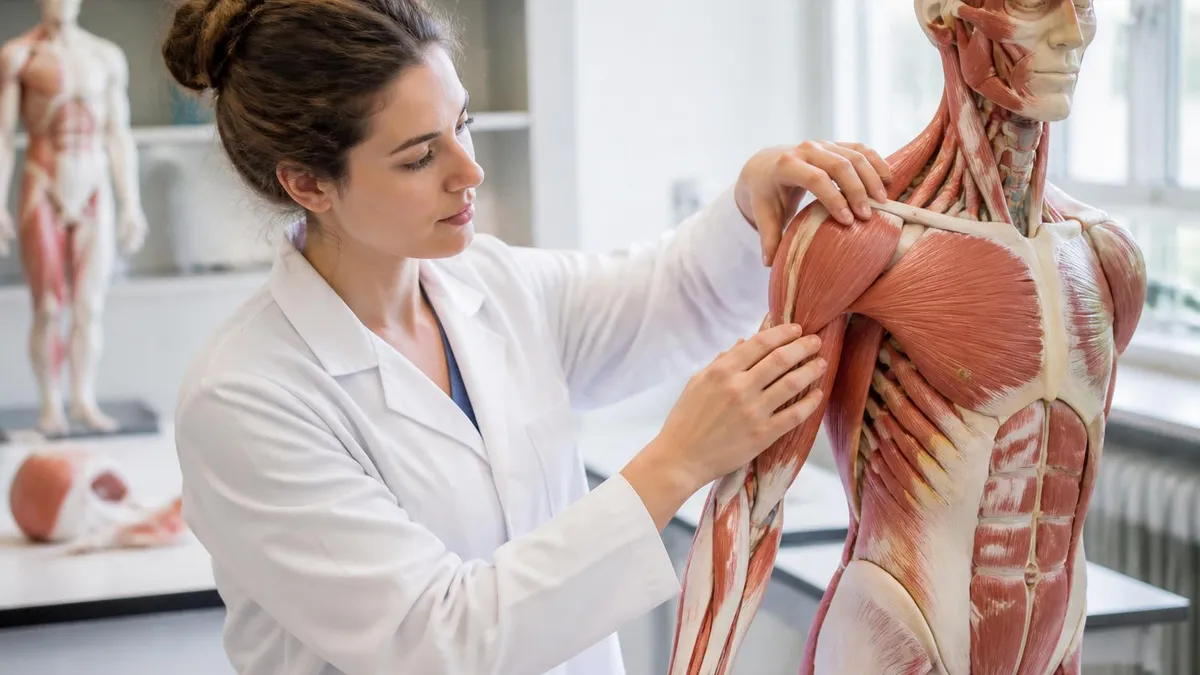
Anatomy and Physiology Definitions: The Complete Beginner's Guide to Key Terms and Concepts

Anatomy and Physiology for Dummies: The Ultimate Beginner's Guide to Understanding the Human Body
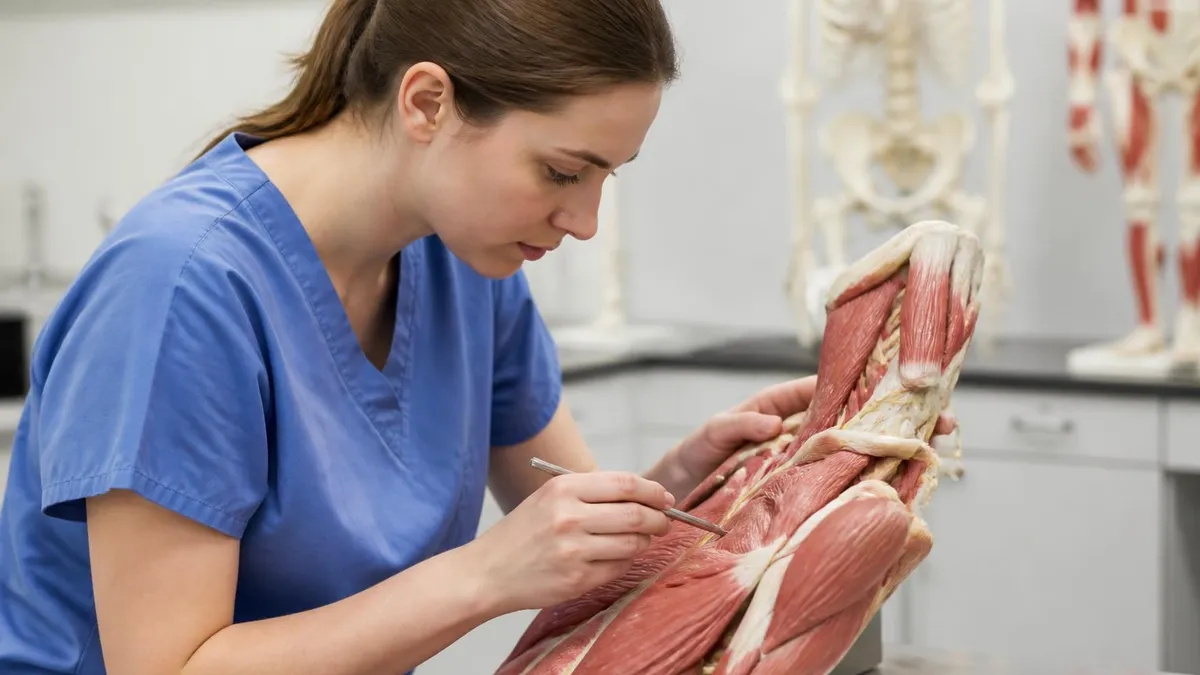
Define Anatomy and Physiology: A Complete Guide to Understanding Human Body Structure and Function
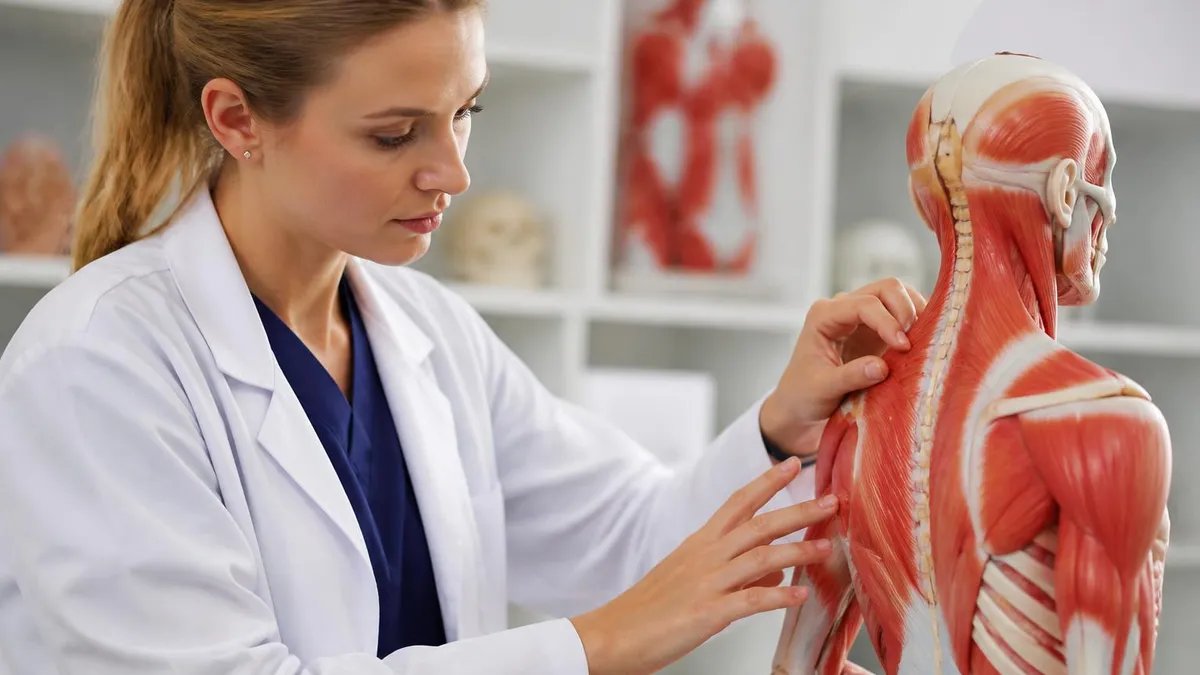
Anatomy and Physiology Study Material: Complete Resource Guide
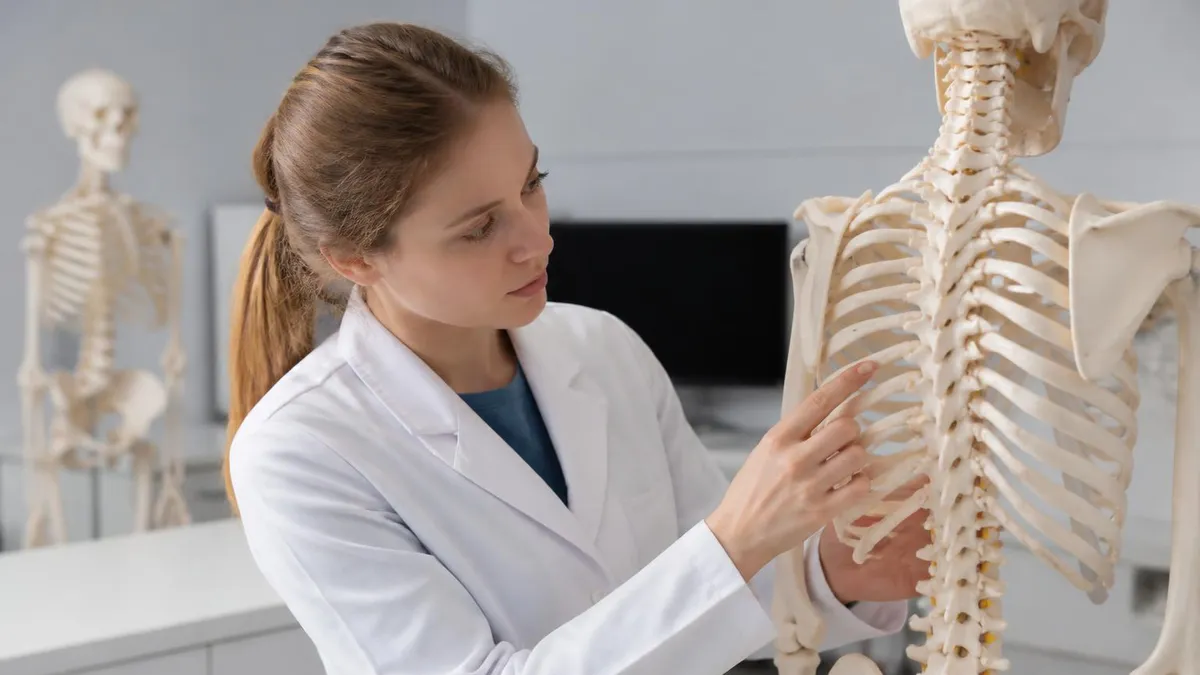
Anatomy and Physiology Coloring Workbook: The Complete Guide to Visual Learning, Active Recall, and Mastering Body Systems
How this page was made: written with AI tools and published by Nathan Beja, founder of Practice Test Geeks, who is responsible for its content. We have not yet matched this exam's facts to an official source, so confirm fees, dates and rules with the exam body. Not reviewed by a subject-matter expert. Editorial policy