
Define Anatomy and Physiology: A Complete Guide to Understanding Human Body Structure and Function
📚 Define anatomy and physiology with clear examples, key differences, body systems overview, and study tips for students and healthcare professionals.
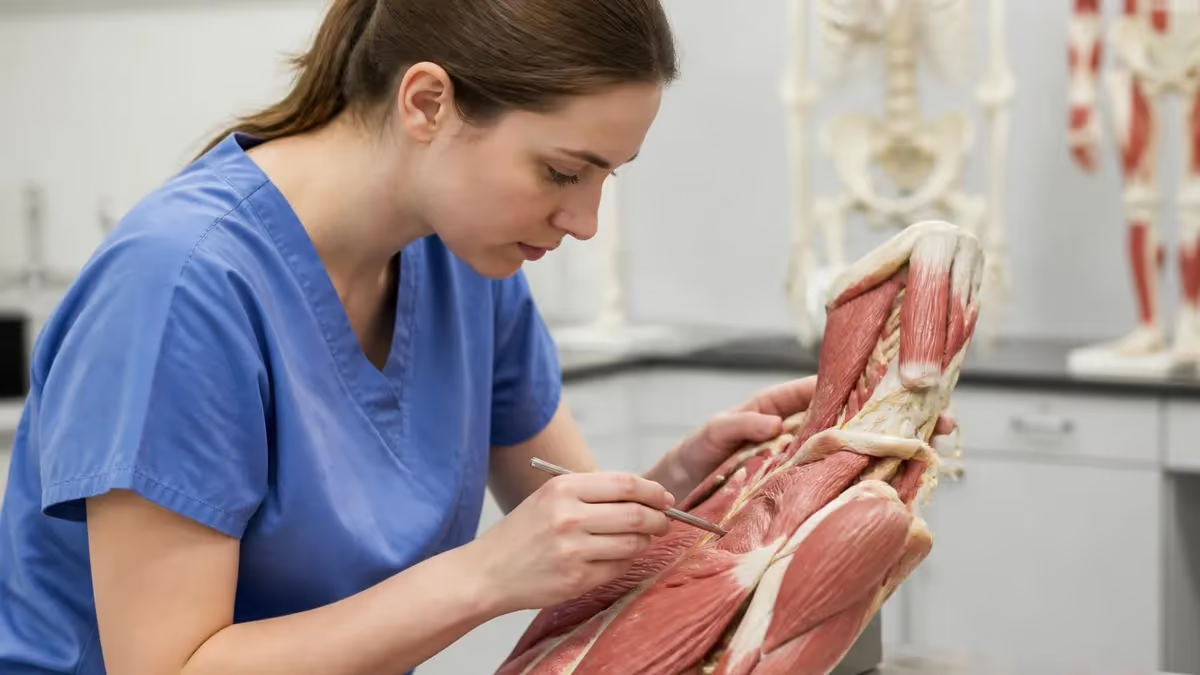
To define anatomy and physiology accurately, you need to understand that these two sciences work as inseparable partners describing the human body. Anatomy is the study of body structures — what they look like, where they are located, and how they connect to one another. Physiology, on the other hand, explains how those structures function, including the chemical, electrical, and mechanical processes that keep cells, tissues, organs, and systems alive. Together, they form the foundation of every medical, nursing, and allied health curriculum taught today.
The word anatomy comes from the Greek words ana, meaning up, and tome, meaning to cut, reflecting the historical practice of learning structure through dissection. Physiology derives from physis, meaning nature, combined with logos, meaning study. Modern scientists still rely on these classical roots, but today's tools include MRI scans, electron microscopy, and computational modeling. These technologies let students explore the body without scalpels and reveal microscopic detail that early anatomists like Andreas Vesalius could never have imagined in the sixteenth century.
Students often ask why both subjects are taught together rather than separately. The answer is that structure and function are deeply interdependent. The shape of a red blood cell — a flexible biconcave disc — exists precisely because it must squeeze through tiny capillaries while maximizing oxygen-carrying surface area. The kidney's million microscopic nephrons exist to filter blood plasma with extreme precision. You cannot fully grasp how something works without first knowing what it looks like, and you cannot appreciate its design without understanding the job it performs.
This guide walks you through the standard definitions used in college textbooks, the major subdivisions of each discipline, the levels of structural organization, and the eleven organ systems most curricula cover. Whether you are preparing for an introductory A&P course, a nursing entrance exam, a medical assistant certification, or simply refreshing knowledge before clinicals, the explanations here use plain language alongside the precise scientific terminology your instructors expect you to memorize and apply correctly.
You will also see how these disciplines extend far beyond textbook memorization. Athletic trainers use physiology to design recovery protocols. Surgeons rely on anatomical landmarks to avoid critical nerves. Pharmacists need physiology to predict how a drug will move through the bloodstream and bind to receptors. Even fitness instructors apply biomechanical anatomy when correcting a client's squat form. Every healthcare role, from phlebotomist to neurosurgeon, depends on the same foundational vocabulary introduced in a first-year anatomy and physiology course.
Finally, this article includes practical study strategies, common misconceptions, frequently asked exam questions, and links to free practice tests so you can verify your understanding as you read. Approach this material the way successful students do: read once for big concepts, read again for specific terminology, then test yourself actively. By the end, you will be able to define anatomy and physiology confidently and explain how the two disciplines combine to describe the most complex machine on Earth — the human body.
Anatomy and Physiology by the Numbers
Core Definitions and Major Subdivisions
Also called macroscopic anatomy, this branch examines structures visible to the naked eye. Includes regional anatomy (areas like the thorax), systemic anatomy (one system at a time), and surface anatomy (landmarks felt through skin).
Studies structures requiring magnification. Cytology focuses on individual cells while histology examines tissues. Pathologists rely heavily on this branch to identify diseases like cancer from biopsy samples under the microscope.
Tracks structural changes from fertilization through adulthood. Embryology specifically covers the first eight weeks after conception, a critical period when most organ systems form and birth defects most commonly originate.
Examines the functions of specific organ systems such as cardiovascular, respiratory, or renal physiology. This is the most common organizational approach used in undergraduate textbooks and nursing programs across the United States.
Studies how disease alters normal function. Understanding pathophysiology is essential for nurses, physicians, and pharmacists because it explains why symptoms appear and guides the selection of appropriate treatments and interventions.
Anatomy and physiology textbooks introduce a concept called the levels of structural organization, which arranges the body from its smallest chemical units up to the complete organism. This hierarchy gives students a logical roadmap for learning. The chemical level comes first, encompassing atoms like carbon, hydrogen, oxygen, and nitrogen that combine into molecules such as water, glucose, proteins, and DNA. These molecules are the building blocks of everything else, and disturbances at this level — like a missing enzyme — can ripple upward to cause disease throughout an entire system.
The cellular level follows. A cell is the smallest living unit capable of performing all life processes independently. Human cells share common features such as a plasma membrane, cytoplasm, and nucleus, but they specialize dramatically. A neuron looks nothing like a fat cell, and a sperm cell looks nothing like a red blood cell. This specialization, called differentiation, occurs during embryonic development and is controlled by genes turning on and off in precise sequences that scientists are still mapping in detail today.
Above cells sit tissues, defined as groups of similar cells working together for a common function. The body contains only four primary tissue types: epithelial tissue covers surfaces and lines cavities, connective tissue binds and supports, muscle tissue contracts to produce movement, and nervous tissue conducts electrical signals. Every organ in the body is constructed from some combination of these four tissues, which is why mastering tissue identification early in your course pays dividends throughout the rest of your studies.
Organs are the next level — structures composed of two or more tissue types performing a specific function. The stomach, for example, contains all four tissue types: epithelial cells lining the inside, smooth muscle producing churning movements, connective tissue holding it together, and nerves regulating its activity. The heart, lungs, liver, brain, and kidneys are familiar organs, but textbooks identify roughly 78 organs in the human body, depending on how strictly you define the term.
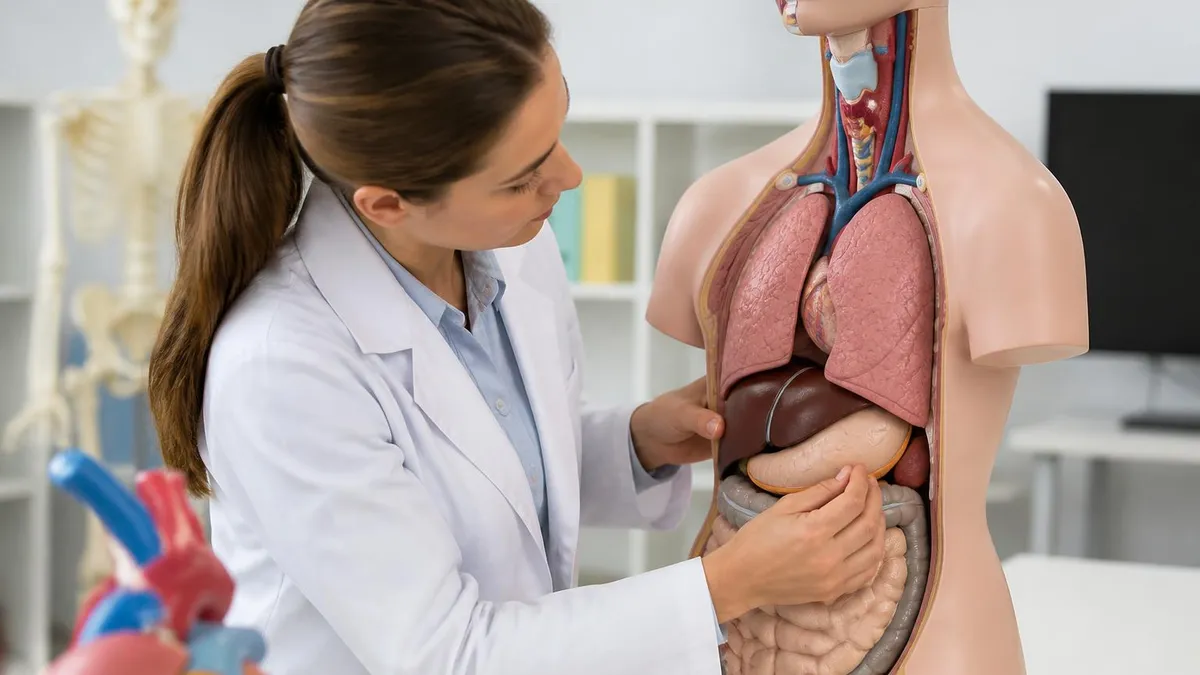
Organ systems group multiple organs that share related goals. The digestive system includes the mouth, esophagus, stomach, intestines, liver, gallbladder, and pancreas, all coordinating to break down food and absorb nutrients. The eleven organ systems most commonly taught are integumentary, skeletal, muscular, nervous, endocrine, cardiovascular, lymphatic, respiratory, digestive, urinary, and reproductive. Many real-world processes — such as eating a meal — require multiple systems to work together in carefully orchestrated sequences.
At the top of the hierarchy is the organism itself, the complete living individual whose survival depends on every level below functioning properly. Understanding this hierarchy helps you predict how problems travel. A faulty gene at the chemical level can alter a protein, damage a cell, weaken a tissue, impair an organ, disrupt a system, and ultimately threaten life. This is why your instructors emphasize the chemical foundations early — molecules really do explain the macroscopic problems you will encounter later in clinical settings.
Homeostasis ties the entire hierarchy together. Coined by physiologist Walter Cannon in 1932, homeostasis describes the body's tendency to maintain stable internal conditions despite external changes. Temperature, blood glucose, blood pressure, pH, and fluid balance are all regulated through negative feedback loops involving receptors, control centers, and effectors. When you sweat on a hot day or shiver in cold weather, you are watching homeostasis in action — a concept you will revisit in every chapter of your physiology course.
Anatomy and Physiology Practice Test Questions
Prepare for the Anatomy and Physiology exam with our free practice test modules. Each quiz covers key topics to help you pass on your first try.
Anatomy and Physiology Applied Methods and...
Anatomy and Physiology Exam Questions covering Applied Methods and Techniques. Master Anatomy and Physiology Test concepts for certification prep.
Anatomy and Physiology Assessment and Eval...
Free Anatomy and Physiology Practice Test featuring Assessment and Evaluation. Improve your Anatomy and Physiology Exam score with mock test prep.
Anatomy and Physiology Communication and D...
Anatomy and Physiology Mock Exam on Communication and Documentation. Anatomy and Physiology Study Guide questions to pass on your first try.
Anatomy and Physiology Continuing Educatio...
Anatomy and Physiology Test Prep for Continuing Education Requirements. Practice Anatomy and Physiology Quiz questions and boost your score.
Anatomy and Physiology Core Concepts and P...
Anatomy and Physiology Questions and Answers on Core Concepts and Principles. Free Anatomy and Physiology practice for exam readiness.
Anatomy and Physiology Industry Best Pract...
Anatomy and Physiology Mock Test covering Industry Best Practices. Online Anatomy and Physiology Test practice with instant feedback.
Anatomy and Physiology Musculoskeletal System
Free Anatomy and Physiology Quiz on Musculoskeletal System. Anatomy and Physiology Exam prep questions with detailed explanations.
Anatomy and Physiology Nervous System
Anatomy and Physiology Practice Questions for Nervous System. Build confidence for your Anatomy and Physiology certification exam.
Anatomy and Physiology Professional Standa...
Anatomy and Physiology Test Online for Professional Standards and Ethics. Free practice with instant results and feedback.
Anatomy and Physiology Safety and Compliance
Anatomy and Physiology Study Material on Safety and Compliance. Prepare effectively with real exam-style questions.
Anatomy and Physiology General Concepts
Free Anatomy and Physiology Test covering General Concepts. Practice and track your Anatomy and Physiology exam readiness.
Anatomy and Physiology Integumentary System
Anatomy and Physiology Exam Questions covering Integumentary System. Master Anatomy and Physiology Test concepts for certification prep.
Anatomy vs Physiology: Side-by-Side Comparison
Anatomy focuses on form: what structures exist, where they sit, and how they relate spatially to neighboring parts. An anatomist might describe the femur as the longest bone in the body, measuring roughly 18 inches in an adult, articulating with the pelvis at the hip and the tibia at the knee. The description emphasizes shape, location, and connections rather than activity.
Physiology focuses on function: what structures do and how they do it. A physiologist studying the femur would investigate how osteoblasts deposit new bone matrix, how mechanical stress stimulates remodeling, and how calcium homeostasis is maintained through interactions with parathyroid hormone, vitamin D, and the kidneys. The same bone, viewed through two different lenses, reveals completely different stories.
Studying Anatomy and Physiology Together: Advantages and Challenges
- +Structure and function are taught in context, so concepts reinforce each other naturally
- +Clinical scenarios become easier to understand because both perspectives are integrated
- +Memorization is reduced when you understand why a structure has a particular shape
- +Prepares students directly for nursing, medical, and allied health entrance exams
- +Builds the medical vocabulary needed for documentation, patient communication, and prescriptions
- +Lays the groundwork for advanced courses like pathophysiology, pharmacology, and microbiology
- −The combined course covers an enormous volume of material in one or two semesters
- −Memorization demands are heavy, especially for bones, muscles, nerves, and arteries
- −Some concepts require strong chemistry and biology prerequisites that not every student has
- −Lab fees, cadaver access, and textbook costs can be significant for community college students
- −Pace can feel overwhelming during units like neurophysiology and endocrine regulation
- −Online courses often struggle to replicate the hands-on benefit of a physical cadaver lab
Beginner Study Checklist for Anatomy and Physiology
- ✓Memorize the levels of structural organization from chemical to organism
- ✓Learn the four primary tissue types and their distinguishing features under a microscope
- ✓Master directional terms such as superior, inferior, medial, lateral, proximal, and distal
- ✓Identify the major body cavities and the organs each contains
- ✓Define homeostasis and walk through a negative feedback loop step by step
- ✓Build flashcards for the eleven organ systems with primary functions listed
- ✓Review anatomical position and the standard planes used in imaging
- ✓Practice labeling diagrams without referencing the textbook key
- ✓Connect each anatomical structure to at least one clinical example or disease
- ✓Take timed practice quizzes weekly to reinforce retention and identify weak spots
Active Recall Beats Passive Rereading
Cognitive science research consistently shows that testing yourself on material is roughly twice as effective as rereading the same chapter. Use flashcards, blank-paper recall, and practice quizzes daily. Students who quiz themselves three times per week typically score 15 to 20 percentage points higher on cumulative finals than peers who only highlight and reread textbook chapters.
The eleven organ systems are the workhorses of human anatomy and physiology. Each performs a distinct role, but no system operates in isolation. The integumentary system — skin, hair, nails, and associated glands — serves as the body's outer envelope. It protects against pathogens, regulates temperature through sweating and blood vessel dilation, and synthesizes vitamin D when exposed to sunlight. Skin is also the largest organ by surface area, covering roughly 20 square feet on an average adult and weighing about 8 pounds.
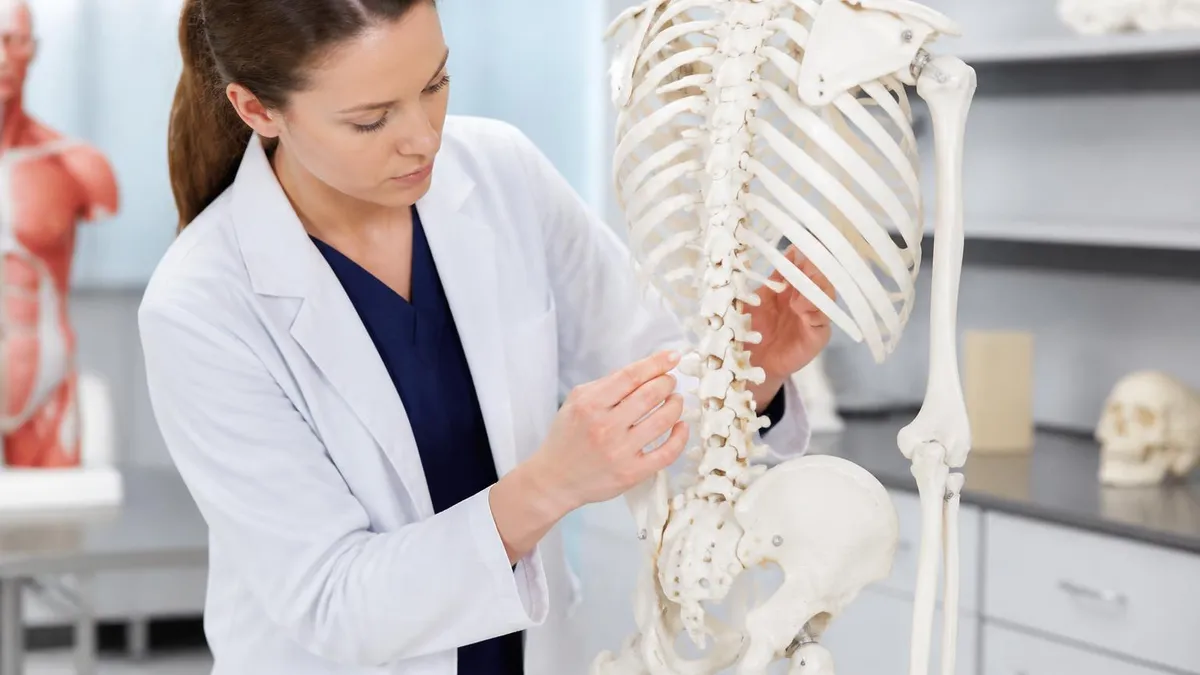
The skeletal system provides structural support, protection of vital organs, attachment points for muscles, mineral storage, and blood cell production inside red marrow. Adults typically have 206 named bones, although newborns begin with around 270; many fuse during growth, especially in the skull and sacrum. The skeletal system also works closely with the endocrine system to maintain calcium balance, a fact emphasized in any chapter on bone remodeling and osteoporosis prevention.
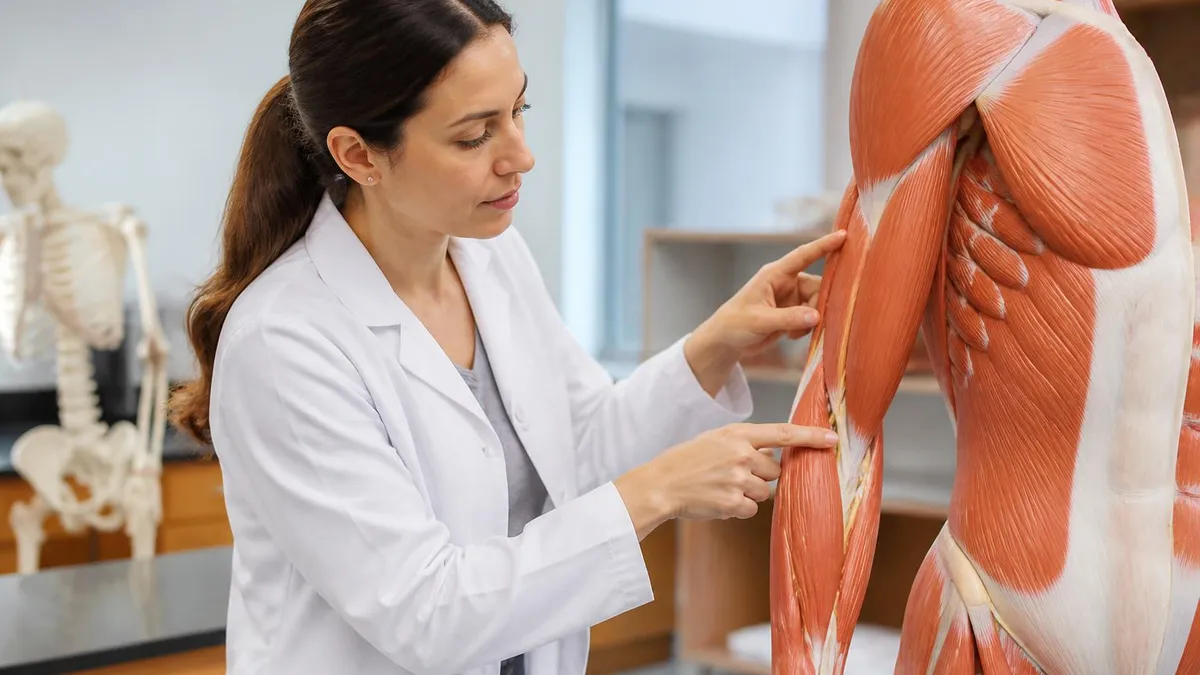
The muscular system generates movement, maintains posture, stabilizes joints, and produces body heat. It includes three muscle tissue types: skeletal muscle moves bones voluntarily, cardiac muscle contracts the heart involuntarily, and smooth muscle propels contents through hollow organs like the intestines and blood vessels. Without skeletal muscle, you could not blink, swallow, walk, or even breathe — the diaphragm, the primary breathing muscle, is itself a skeletal muscle controlled by the phrenic nerve.
The nervous system coordinates rapid responses through electrical signals. It includes the central nervous system (brain and spinal cord) and the peripheral nervous system (cranial and spinal nerves plus autonomic branches). The brain contains about 86 billion neurons connected through roughly 100 trillion synapses, processing sensory input, generating thought, controlling movement, and regulating involuntary functions like heart rate. Damage to specific brain regions produces predictable deficits that neurologists use during physical exams to localize lesions.
The endocrine system uses hormones for slower but longer-lasting control. Major glands include the pituitary, thyroid, parathyroids, adrenals, pancreas, pineal, thymus, ovaries, and testes. Hormones regulate growth, metabolism, reproduction, stress response, blood sugar, and electrolyte balance. Diabetes, hypothyroidism, and Addison's disease are all endocrine disorders whose pathophysiology becomes much easier to remember once you understand the normal hormone feedback loops studied in physiology lectures.
The cardiovascular, lymphatic, and respiratory systems form a tightly coordinated transport network. The heart pumps blood through about 60,000 miles of vessels, delivering oxygen from the lungs and nutrients from the gut while removing carbon dioxide and metabolic waste. The lymphatic system returns excess interstitial fluid to the bloodstream, filters out pathogens, and houses much of the immune system. Together, these systems sustain the cellular environment within the narrow ranges that keep enzymes and metabolic reactions running smoothly.
The digestive, urinary, and reproductive systems complete the picture. The digestive tract breaks food into absorbable nutrients across approximately 20 feet of small and large intestine. The urinary system, anchored by two kidneys filtering 180 liters of plasma daily, removes wastes and regulates blood pressure, electrolytes, and pH. The reproductive system produces gametes, supports fertilization, and in females sustains pregnancy. Studying these together highlights how the body integrates nutrition, waste removal, and species continuation into one coordinated organism.

Many students lose points by confusing anatomical terms like superficial and deep with directional terms like anterior and posterior. Memorize the standard anatomical position — body upright, palms forward, feet flat — because every directional term is defined relative to it. Always answer exam questions from this reference position, not from how a body might appear in a photograph.
The real-world applications of anatomy and physiology extend far beyond classroom exams. Nurses use anatomical landmarks daily to start IVs, administer intramuscular injections in the correct muscle groups, and document wound locations precisely. Knowing the difference between the ventrogluteal and dorsogluteal injection sites can mean the difference between a routine procedure and accidental sciatic nerve damage. Physiology guides their interpretation of vital signs: a falling blood pressure with a rising pulse suggests blood loss before the patient looks visibly distressed.
Physical therapists and athletic trainers depend on biomechanical anatomy to design rehabilitation protocols. Understanding how the rotator cuff stabilizes the shoulder or how the anterior cruciate ligament prevents tibial translation lets them prescribe exercises that strengthen weak structures without aggravating injuries. Physiology informs the timing of progression — knowing that collagen takes roughly six weeks to remodel after injury prevents premature loading that could re-tear healing tissue and set recovery back significantly for athletes.
Pharmacists and pharmacology students rely heavily on physiology to predict drug behavior. A medication taken orally must survive stomach acid, cross the intestinal wall, pass through the liver's first-pass metabolism, circulate in the bloodstream, bind to its target receptor, and eventually be cleared by the kidneys or liver. Each step depends on physiological processes, and changes in any of them — such as kidney disease slowing clearance — require dose adjustments that pharmacists calculate every day in retail and hospital settings.
Emergency responders use anatomy and physiology under pressure. A paramedic identifying a tension pneumothorax must remember that the second intercostal space at the midclavicular line is the standard needle decompression site. They must also understand that positive pressure inside the chest cavity compresses the great vessels and reduces cardiac output, which explains why the patient is hypotensive. Without integrated structural and functional knowledge, lifesaving interventions become guesswork rather than evidence-based practice.
Personal trainers and fitness professionals apply A&P every time they design a workout. Programming compound lifts requires knowing which muscles act as prime movers, synergists, and stabilizers. Programming cardio requires understanding the energy systems — phosphagen, glycolytic, and oxidative — that fuel different intensities and durations of exercise. Even nutrition advice draws from physiology: explaining why protein supports muscle protein synthesis or why glycogen stores deplete during long runs is straight out of any introductory metabolism chapter.
Forensic scientists, dental hygienists, optometrists, speech pathologists, and even ergonomic consultants all draw on this same body of knowledge. The terminology never goes out of style because the human body is the constant. You can browse free anatomy and physiology study material to deepen any of these topics. Whatever healthcare or movement-related career path you pursue, time invested in mastering A&P fundamentals returns dividends throughout decades of professional practice and continuing education.
Even patients benefit from learning the basics. People who understand how their own bodies work tend to follow medical advice more accurately, ask better questions during appointments, and recognize warning signs earlier. Health literacy research shows that patients with stronger anatomical knowledge adhere to chronic disease management plans at noticeably higher rates than those without it. In that sense, defining anatomy and physiology is not just an academic exercise — it is foundational knowledge that empowers people to live longer, healthier lives.
Effective study strategies separate students who pass anatomy and physiology with confidence from those who barely scrape by. The first habit to build is consistent daily review rather than weekend cramming. Research on spaced repetition shows that revisiting material at increasing intervals — one day, three days, one week, two weeks — locks information into long-term memory far more reliably than a single long study session. Apps like Anki and Quizlet automate this scheduling so you do not have to track flashcard timing manually each day.
The second habit is active learning. Passive rereading creates a dangerous illusion of mastery — material feels familiar when you see it again, but recognition is not the same as recall. Instead, close the book and try to draw the cardiac conduction pathway from memory. List the cranial nerves with their functions on a blank page. Recite the steps of muscle contraction aloud while pacing your room. Active retrieval reveals genuine gaps that highlighting and rereading hide from you.
Drawing and labeling diagrams is uniquely effective for anatomy. Buy or print blank outlines of the skeleton, the brain, the heart, and the major vascular networks. Label them repeatedly until you can do so without prompts. The act of physically writing structure names while looking at their spatial relationships engages multiple memory systems simultaneously — visual, motor, and verbal — producing stronger encoding than any single method alone. This is also why coloring books remain popular among A&P students decades after their introduction.
Group study works when structured correctly. Form a group of three to five committed peers and assign each member a different sub-topic to teach the others. Teaching forces you to organize information clearly, anticipate questions, and identify weak spots in your own understanding. The Feynman technique — explaining a concept in plain language as if to a curious twelve-year-old — has become popular in medical school precisely because it exposes hidden confusion that you would never notice while reading alone in your dorm room.
Practice questions deserve a dedicated slot in your weekly schedule. Aim for at least 30 minutes of timed multiple-choice practice every other day. After each set, review every question — including the ones you answered correctly — to confirm your reasoning was sound rather than lucky. Track which content areas trip you up most often and dedicate extra study time to those specific weaknesses rather than rereading material you already understand thoroughly. This targeted approach produces faster score improvements.
Sleep, exercise, and nutrition matter more than students typically realize. Memory consolidation happens during deep sleep, so pulling all-nighters before exams actually reduces the brain's ability to retain what you studied during the day. Regular aerobic exercise increases hippocampal volume and improves working memory according to multiple peer-reviewed studies. Eating balanced meals with adequate protein and omega-3 fatty acids supports neuronal function. These lifestyle factors are not optional luxuries — they are part of your study plan.
Finally, do not study in isolation from your goals. Connect each chapter to your future career. When you study cardiac physiology, picture yourself interpreting an EKG strip during a clinical rotation. When you study the renal system, imagine adjusting fluid orders for a patient with kidney disease. This emotional and professional context makes dry material more memorable and gives you the motivation to push through difficult chapters that pure rote memorization simply cannot sustain across an entire semester.
Anatomy Physiology Questions and Answers
Human Body Anatomy and Physiology: The Complete Guide to Structure, Function, and Integrated Body Systems
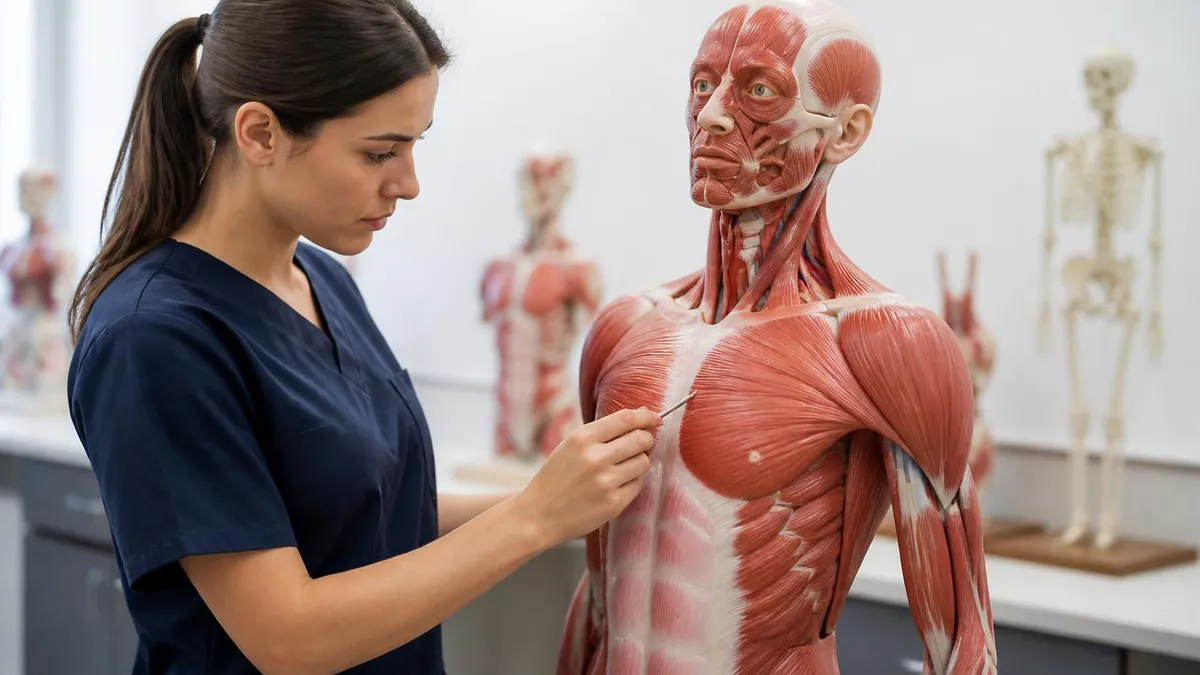
Anatomy and Physiology Coloring Book: The Complete Student's Guide to Visual Learning
Anatomy and Physiology Practice Test

Anatomy and Physiology Study Material: Complete Resource Guide

Anatomy and Physiology Textbook: Top Picks and Buying Guide
About the Author

Educational Psychologist & Academic Test Preparation Expert
Columbia University Teachers CollegeDr. Lisa Patel holds a Doctorate in Education from Columbia University Teachers College and has spent 17 years researching standardized test design and academic assessment. She has developed preparation programs for SAT, ACT, GRE, LSAT, UCAT, and numerous professional licensing exams, helping students of all backgrounds achieve their target scores.