
Anatomy and Physiology Courses Online: The Complete Training Guide for Students and Healthcare Professionals
Find the best anatomy and physiology courses online. Compare formats, costs, and career outcomes. 🎯 Perfect for nursing, PT, and pre-med students.

Anatomy and physiology courses online have transformed the way students, nurses, and healthcare professionals build their foundational science knowledge. Whether you're preparing for nursing school entrance exams, completing prerequisites for a physical therapy program, or simply seeking to deepen your understanding of the human body, the modern online learning landscape offers more high-quality options than ever before. Flexible scheduling, competitive pricing, and increasingly rigorous academic standards have made digital A&P courses a legitimate and respected pathway for millions of learners across the United States.
The demand for accessible anatomy and physiology education has never been higher. According to the Bureau of Labor Statistics, healthcare occupations are projected to grow 13 percent through 2031, adding roughly 2 million new jobs — nearly all of which require a solid grounding in human anatomy and physiology. As a direct consequence, colleges, universities, and accredited online platforms have significantly expanded their A&P course offerings, creating both opportunity and complexity for students who must choose wisely to ensure their credits will transfer or satisfy program prerequisites.
Understanding what separates a high-value online A&P course from a low-quality one is critical before you invest time and money. Accreditation status, lab components, credit transferability, instructor credentials, and student support services all play a major role in determining whether a course will actually advance your career goals. A course that lacks a proper laboratory component, for instance, may not satisfy the prerequisites for a nursing or physician assistant program, even if the lecture content is otherwise excellent and the certificate looks impressive on paper.
One of the most important distinctions learners must grasp early is the difference between a credit-bearing college course and a non-credit certificate program. Credit-bearing courses, offered through accredited community colleges and universities, produce official transcripts that healthcare programs routinely accept. Non-credit certificates from professional development platforms like Coursera, edX, or Khan Academy can be tremendously useful for self-study and conceptual reinforcement, but they rarely satisfy formal academic prerequisites. Knowing which type you need before you enroll saves you months of potential frustration and retakes.
Lab work has historically been the greatest obstacle to fully online anatomy and physiology study. Traditionally, A&P requires hands-on dissection, microscopy, and physiological measurement exercises that seemed impossible to replicate at home. However, virtual lab platforms have matured considerably. Tools like Labster, Visible Body, and 3D anatomy software now provide interactive simulations that many accreditation bodies accept as equivalent to in-person labs, provided the course uses an approved platform and documents student competencies appropriately. Always confirm with your target program before enrolling.
For students aiming at competitive healthcare admissions, grade performance in A&P is scrutinized closely. Nursing programs, physician assistant programs, physical therapy schools, and dental hygiene programs all use A&P grades as key filtering criteria. This means the course difficulty and grading rigor of your online option genuinely matters. A well-designed online course taught by a credentialed anatomy professor at an accredited community college will carry far more weight — and provide far better preparation — than a self-paced certificate course with automated grading and no instructor feedback.
This guide walks you through everything you need to know to choose, enroll in, and succeed at anatomy and physiology courses online. We cover course formats, accreditation requirements, cost comparisons, virtual lab options, study strategies, and the specific prerequisites different healthcare careers demand. By the time you finish reading, you will have a clear, actionable roadmap tailored to your individual goals, whether you are a first-time college student, a working healthcare aide seeking advancement, or a professional refreshing knowledge for licensure renewal.
Anatomy and Physiology Courses Online by the Numbers

Types of Online Anatomy and Physiology Courses
Offered by community colleges and universities, these courses produce official transcripts accepted by nursing, PT, and pre-med programs. They typically include a virtual or proctored lab component and are taught by credentialed instructors. Credits transfer to most US institutions.
Compressed versions of standard semester courses, covering the same material in half the time. Ideal for working adults or students who need to complete prerequisites quickly. Require strong time management, as weekly workloads can reach 15-20 hours per week of active study.
Platforms like Coursera, edX, and Khan Academy offer self-paced A&P content for conceptual learning and career exploration. These do not produce academic transcripts and rarely satisfy formal prerequisites, but they provide excellent supplemental study material alongside credit courses.
Designed for licensed healthcare professionals who need to maintain or expand their knowledge base. These courses satisfy continuing education requirements for nurses, medical assistants, and other credentialed providers. They are not designed to fulfill initial academic prerequisites.
Combine asynchronous online lectures with scheduled in-person or proctored virtual lab sessions. Many university programs now offer this format to give students flexibility in lecture attendance while preserving the hands-on competency verification that healthcare programs demand.
Accreditation is the single most important factor to verify before enrolling in any online anatomy and physiology course. In the United States, regional accreditation — granted by bodies such as the Higher Learning Commission (HLC), the Southern Association of Colleges and Schools (SACSCOC), and similar regional agencies — is the gold standard that healthcare programs recognize when evaluating transfer credits. Nationally accredited institutions, while legitimate for many purposes, are sometimes not accepted by regionally accredited nursing or allied health programs. Always check your target program's transfer credit policy before spending a single dollar on coursework.
The transferability of A&P credits has historically been a source of significant frustration for students. Each institution sets its own policies, and what transfers seamlessly at one nursing school may be rejected outright at another. A common requirement is that the course must have been completed within the past five to seven years. This recency rule exists because anatomy and physiology content evolves, and healthcare programs want to ensure students are working with current knowledge. If you completed an A&P course more than seven years ago, most programs will require you to retake it, regardless of your original grade.
Lab equivalency is another major accreditation consideration. The nursing accreditor ACEN and the physician assistant accreditor ARC-PA both require applicants to demonstrate hands-on laboratory experience in their prerequisite sciences. Virtual labs using platforms like Labster or PhysioEx are accepted by a growing number of programs, but not all. Before enrolling in a course with a virtual-only lab, contact your target healthcare school directly and ask whether they accept the specific virtual lab platform your online course uses. Get the answer in writing if possible, as policies can change between admissions cycles.
Community colleges across the United States have become the most popular and cost-effective source for credit-bearing online A&P courses. Institutions like Rio Salado College in Arizona, Houston Community College in Texas, and Portage Learning in Pennsylvania have built national reputations for their rigorous yet accessible online science offerings. These schools charge between $150 and $300 per credit hour for out-of-state online students — significantly less than four-year universities — and their courses are accepted by healthcare programs nationwide due to their regional accreditation status and established transfer relationships.
When evaluating course quality, look closely at how assessments are structured. High-quality online A&P courses use proctored exams, identity verification, regular lab practical assessments, and mandatory participation in discussion forums or live virtual sessions. Courses that rely entirely on unproctored multiple-choice quizzes and auto-graded assignments are often insufficient preparation for the rigorous science content you will face in healthcare programs. The goal is not just to earn credit but to genuinely master the material, because your A&P knowledge will be tested again in pharmacology, pathophysiology, and clinical coursework throughout your healthcare education.
Financial aid availability is another crucial consideration for many students. Because accredited community college online courses are standard academic offerings, they are eligible for federal financial aid through FAFSA, including Pell Grants and subsidized student loans. Non-credit professional development courses on platforms like Coursera or LinkedIn Learning are not eligible for federal financial aid, though some employers reimburse employees for these costs through professional development budgets. Veterans pursuing healthcare careers may also use GI Bill benefits for accredited online A&P courses at eligible institutions, making accreditation even more financially significant.
Understanding the full credit requirements your program demands is essential for efficient course planning. Most nursing programs require both A&P I and A&P II, with A&P I typically covering cells, tissues, integumentary, skeletal, muscular, and nervous systems, while A&P II addresses the cardiovascular, respiratory, digestive, urinary, endocrine, and reproductive systems.
Some programs accept a single combined A&P course, but many explicitly require the two-semester sequence. Physician assistant and physical therapy programs often demand even more comprehensive science prerequisites, including microbiology and chemistry alongside the A&P sequence. Planning your full academic roadmap before starting your first course saves time, money, and significant frustration.
Comparing Online Anatomy and Physiology Course Platforms
Regionally accredited community colleges like Rio Salado, Portage Learning, and Houston Community College offer the most widely accepted online A&P courses in the United States. These institutions charge between $150 and $350 per credit hour for online students, making them far more affordable than four-year universities. Their courses produce official academic transcripts, include rigorous virtual lab components, and are recognized by nursing, physical therapy, and other healthcare programs nationwide. Faculty hold doctoral or terminal degrees in biological sciences and provide direct instructor feedback on assignments.
Enrollment processes at accredited colleges require official admission as a student, which involves submitting transcripts, completing placement assessments, and registering through an academic portal. This process can take several weeks, so students should plan ahead — ideally applying one to two months before their desired start date. Many community colleges offer rolling admissions and multiple start dates per year, including summer sessions that allow students to complete a full A&P course in eight to ten weeks, compressing the timeline without sacrificing academic rigor or credit acceptability.
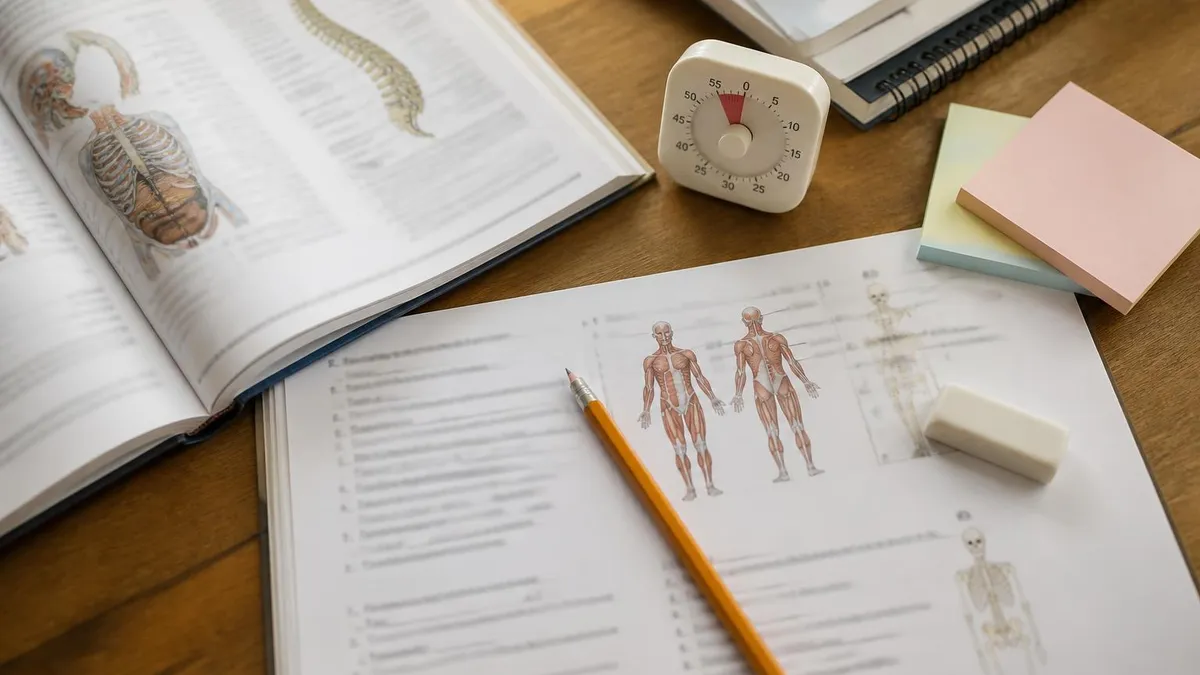
Online vs. In-Person Anatomy and Physiology: Which Is Right for You?
- +Schedule flexibility allows working adults and parents to complete coursework at any hour
- +Lower cost compared to on-campus sections at four-year universities
- +Access to top-rated instructors at institutions outside your geographic area
- +Ability to pause, rewind, and rewatch lectures for difficult concepts
- +Virtual lab simulations provide unlimited practice without supply or time constraints
- +Eliminates commute time, freeing hours for additional study or work obligations
- −Virtual labs may not satisfy prerequisites at all healthcare programs — always verify first
- −Requires exceptional self-discipline and time management without in-person structure
- −Less immediate access to instructor help during study sessions or confusion
- −Proctored exams may require travel to a testing center or approved proctor setup
- −Technology issues (internet outages, software problems) can disrupt study time
- −Limited peer interaction reduces collaborative learning and study group opportunities
Online A&P Course Enrollment Checklist
- ✓Confirm the institution holds regional accreditation from an HLC, SACSCOC, or equivalent body
- ✓Verify the course produces an official academic transcript, not just a certificate of completion
- ✓Contact your target healthcare program and confirm this specific course satisfies their A&P prerequisite
- ✓Ask whether the virtual lab platform used is accepted as lab equivalency by your target program
- ✓Check that the course was completed within the past five to seven years or can be taken now to meet recency requirements
- ✓Review proctored exam requirements and confirm you have access to an approved testing setup or center
- ✓Calculate total course cost including tuition, fees, textbook, lab access software, and proctoring fees
- ✓Confirm the instructor holds appropriate credentials and provides direct feedback on student work
- ✓Identify the course start date and registration deadline, leaving at least two weeks for the application process
- ✓Arrange your schedule to dedicate 10–15 hours per week for a 16-week course or 15–20 hours for an 8-week course
Always Get Lab Acceptance in Writing Before You Enroll
The single most common and costly mistake students make when enrolling in online A&P courses is assuming that any accredited course's virtual lab will automatically satisfy their target program's prerequisites. Nursing and allied health programs vary widely in their lab acceptance policies — always contact the admissions office of your target school directly, ask specifically about the virtual lab platform used in your chosen course, and request written confirmation. Policies change between admissions cycles, and a verbal assurance from a single advisor may not be binding.
Succeeding in an online anatomy and physiology course demands a fundamentally different approach than traditional in-person studying. The absence of a fixed classroom schedule means that procrastination becomes your biggest academic enemy. Students who treat their online A&P course as a casual, low-priority activity typically fall catastrophically behind by week four or five, when the material becomes significantly more complex and the volume of content accelerates rapidly. Establishing a firm weekly study schedule from day one — ideally treating your online course like a part-time job with set hours — is the single most effective habit you can build.
The memorization demands of anatomy and physiology are genuinely substantial. A single unit on the nervous system may introduce 200 or more new terms, structures, and functional relationships that must be understood both individually and in context with one another. Flashcard systems, particularly spaced repetition software like Anki, have been shown in multiple educational studies to dramatically improve long-term retention of high-volume anatomical vocabulary. Creating your own flashcard decks rather than downloading pre-made ones forces active engagement with the material during the card-creation process itself, producing a meaningful secondary learning benefit beyond the repetition practice.
Visual learning strategies are particularly powerful for anatomy content. The human body is fundamentally a three-dimensional spatial puzzle, and students who rely exclusively on text-based reading tend to struggle with questions about structural relationships, directional terminology, and the spatial arrangement of organ systems. Supplementing your assigned textbook with 3D anatomy software like Visible Body or Complete Anatomy provides an interactive visual layer that static textbook diagrams cannot match. These platforms allow you to rotate structures, isolate individual muscles or nerves, and view organ systems from any angle — skills that directly translate to performance on anatomy practical exams.
Practice testing is the most evidence-supported study technique available to anatomy and physiology students. The testing effect — the well-documented cognitive science finding that actively retrieving information strengthens memory far more than passive re-reading — applies with particular force to complex science content like A&P. Students who spend 40 percent or more of their study time on active practice questions consistently outperform those who focus primarily on highlighting and re-reading lecture notes.
This is why integrating regular practice testing into your weekly study rhythm from the very beginning of the course is so important, not just in the days immediately before an exam.
Managing the physiology component of the course requires a different cognitive strategy than anatomy memorization. While anatomy is largely about names, locations, and structures, physiology demands understanding causal chains and feedback mechanisms — processes where one event triggers another in a precisely regulated sequence.
To master physiology, focus on understanding the logic of each system rather than memorizing isolated facts. Ask yourself constantly: why does this happen? What triggers this response? What would go wrong if this mechanism failed? This mechanistic thinking approach not only helps you answer exam questions but builds the clinical reasoning skills that healthcare programs and licensing exams actually test.
Study groups, even in an online course environment, can provide significant learning advantages. Most online A&P courses include discussion forums or group collaboration tools, and connecting with classmates to form virtual study groups through platforms like Discord, Zoom, or GroupMe creates accountability and exposes you to alternative explanations of difficult concepts. Teaching a concept to a classmate — even in a text-based discussion — forces you to identify and fill gaps in your own understanding far more effectively than simply reviewing your notes. The social dimension of learning remains powerful even in fully asynchronous online environments.
Time allocation across the two major course components matters enormously. Many students make the mistake of spending disproportionate time on anatomy content because it feels more concrete and manageable than physiology. However, physiology questions typically carry equal or greater weight on exams and are more frequently tested in healthcare program entrance assessments and licensing exams like the NCLEX.
A balanced weekly study rhythm that dedicates roughly equal time to both anatomy structures and physiological processes — while using practice questions to identify and address your specific weak areas — produces the most comprehensive and durable preparation for both academic and professional success.

A growing number of websites advertise anatomy and physiology certificates that appear similar to accredited college courses but are offered by unaccredited institutions or for-profit companies with no regional accreditation. These certificates are not accepted by nursing schools, physician assistant programs, or other accredited healthcare training programs as valid academic prerequisites. Before enrolling anywhere, verify the institution's accreditation status at the US Department of Education's official accreditation database at ope.ed.gov — a step that takes less than two minutes and could save you hundreds of dollars and months of lost time.
The career pathways that require anatomy and physiology as a formal prerequisite span the full breadth of the healthcare industry. Registered nursing programs — including both traditional BSN programs at four-year universities and accelerated ADN programs at community colleges — universally require a completed A&P sequence. The same is true for physician assistant programs, physical therapy programs, occupational therapy programs, dental hygiene programs, respiratory therapy programs, and radiologic technology programs. Understanding exactly which A&P course configuration your specific target career requires is essential before you begin planning your academic roadmap.
For aspiring registered nurses, the A&P requirement typically consists of two separate semester courses — Anatomy and Physiology I and Anatomy and Physiology II — each carrying three to four credit hours and including an associated laboratory component. Some accelerated BSN programs accept a combined one-semester A&P course, but this is less common among competitive programs. NCLEX preparation, which all nursing graduates must pass for licensure, draws heavily on the physiological systems covered in A&P II, particularly cardiovascular, respiratory, and renal physiology. Students who master these systems thoroughly during their online A&P course are significantly better positioned for NCLEX success.
Physical therapy and occupational therapy doctoral programs have among the most demanding science prerequisite requirements in healthcare. Beyond A&P I and II, most DPT and OTD programs require additional coursework in chemistry, physics, statistics, and psychology. The A&P courses accepted must typically be completed at the college level (not high school AP credit), carry a minimum grade of B or higher in the competitive applicant pool, and be completed within the past seven years. Students targeting these programs should pay particular attention to grade performance, as the average accepted GPA at top DPT programs exceeds 3.5 on a 4.0 scale.
Medical assistant certification programs, which prepare graduates for roles in physician offices and outpatient clinics, typically include A&P content as an integrated component of the certificate curriculum rather than as a standalone prerequisite. If you are pursuing a Certified Medical Assistant (CMA) credential through AAMA or a Registered Medical Assistant (RMA) credential through AMT, you will complete A&P instruction as part of the structured program curriculum. However, advancing from a medical assistant role into nursing or other higher-level healthcare positions will require completing standalone accredited A&P courses that satisfy those programs' separate prerequisite standards.
Emergency Medical Technician (EMT) and paramedic programs represent another major career pathway with significant A&P content. While basic EMT courses do not require prior A&P completion, advanced EMT and paramedic programs strongly benefit from prior anatomy and physiology study, and most paramedic programs include A&P instruction in their curriculum. Students who complete an accredited online A&P course before entering a paramedic program consistently report that the prior knowledge dramatically reduces the difficulty of the program and improves their clinical performance in the field during rotations.
Healthcare administration and health information management programs are increasingly requiring A&P as a prerequisite, recognizing that administrators who understand basic human biology are significantly more effective at managing clinical operations, interpreting medical records, and communicating with clinical staff. The expansion of A&P requirements into administrative healthcare roles reflects a broader industry trend toward cross-functional literacy in healthcare organizations. For students pursuing these pathways, a strong online A&P course builds the biological vocabulary and conceptual framework that makes clinical documentation, medical coding, and quality management work far more intuitive and accurate.
Salary outcomes across healthcare careers that require A&P preparation vary widely but consistently reflect the value of the foundational scientific knowledge the courses build. Registered nurses earn a median annual wage of approximately $81,220 according to BLS data, while physical therapists earn a median of $99,710 and physician assistants command a median of $126,010.
Even at the entry level, healthcare roles requiring A&P prerequisites consistently pay above-median wages compared to positions requiring only a high school diploma, making the investment in quality online A&P coursework one of the highest-return educational expenditures available to working adults pursuing career advancement in the current labor market.
Practical preparation strategies for online anatomy and physiology exams begin with understanding the exam format your specific course uses. Most accredited online A&P courses use a combination of multiple-choice questions, short-answer questions, diagram labeling exercises, and lab practical assessments. The multiple-choice components test both factual recall and conceptual application — questions that ask you to apply a physiological principle to a clinical scenario rather than simply identify a structure name are increasingly common, reflecting the applied nature of the knowledge in professional practice.
Time management during online exams is a skill that requires deliberate practice. Many online A&P exams are timed, with students given 60 to 90 minutes to answer 50 to 100 questions while under remote proctoring. Test-taking stamina, the ability to maintain concentration and accuracy across a full timed exam, is not developed by studying content alone — it requires regular timed practice.
Set a timer and complete full practice test sets without pausing to look up answers during the simulation. Review your errors afterward, but the timed practice itself is what builds the exam-day mental endurance that distinguishes top-performing students from those who know the material well but struggle under time pressure.
Diagram labeling is one of the most challenging components of anatomy exams for online students, particularly those who have relied heavily on text-based study. The ability to identify structures on unlabeled diagrams of the brain, heart, nephron, or skeletal system requires genuine visual memory, not just textual knowledge of the names. Practice labeling blank diagrams regularly throughout the course, not just before exams. Draw structures freehand from memory, label them, and compare your results to the textbook diagram. This active drawing practice builds spatial memory in a way that passive viewing of labeled images cannot replicate.
Building your anatomical terminology foundation early in the course pays compounding dividends throughout the entire A&P sequence. Medical directional terms (superior, inferior, anterior, posterior, medial, lateral, proximal, distal) and body cavity terminology are introduced in the first week but continue to appear in every subsequent unit.
Students who thoroughly master these foundational terms in week one never have to pause during later, more complex units to decode the vocabulary — their cognitive resources stay fully available for processing the new, discipline-specific content those units introduce. Invest disproportionate study time in unit one terminology, and every subsequent unit will feel more manageable.
Connecting physiological concepts to clinical scenarios dramatically improves both retention and exam performance. When studying the renal system, for example, think about how kidney disease affects blood pressure regulation and why dialysis patients face specific dietary restrictions. When studying the nervous system, connect the anatomy of specific spinal cord levels to the clinical presentation of spinal cord injuries at those levels. This clinical contextualization approach transforms abstract information into meaningful narratives that your brain stores and retrieves far more reliably than isolated facts memorized without functional context.
Regular self-assessment throughout the course, rather than only before major exams, is one of the highest-leverage study habits available to online A&P students. After each lecture video, pause and attempt to summarize the key concepts without looking at your notes. After each chapter reading, close the textbook and write down everything you can recall about the major structures and physiological processes covered. These micro-retrieval exercises, performed consistently, build the dense memory networks that allow you to answer complex, multi-step exam questions under time pressure with confidence and accuracy.
Finally, do not underestimate the importance of self-care and physical health during intensive A&P study. Sleep consolidates memory — the research on sleep's role in learning is unambiguous, with studies consistently showing that students who sleep seven to eight hours per night retain significantly more information than those who sacrifice sleep to study.
Regular physical activity improves cognitive performance, reduces test anxiety, and provides a necessary mental reset between intensive study sessions. Nutrition, hydration, and stress management all directly affect the quality of your cognitive performance during both study sessions and exams. Treating your own body's physiology with care during A&P study is both practically beneficial and thematically appropriate for the subject you are mastering.
Anatomy Physiology Questions and Answers
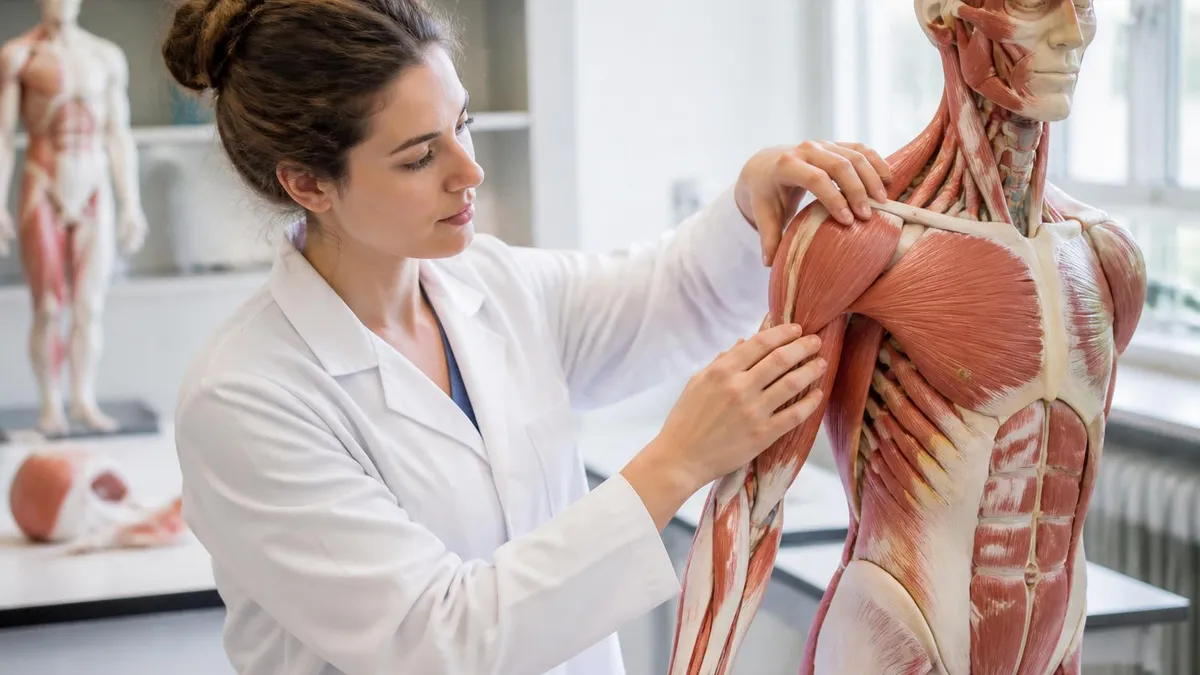
Anatomy and Physiology Definitions: The Complete Beginner's Guide to Key Terms and Concepts
Anatomy and Physiology for Dummies: The Ultimate Beginner's Guide to Understanding the Human Body
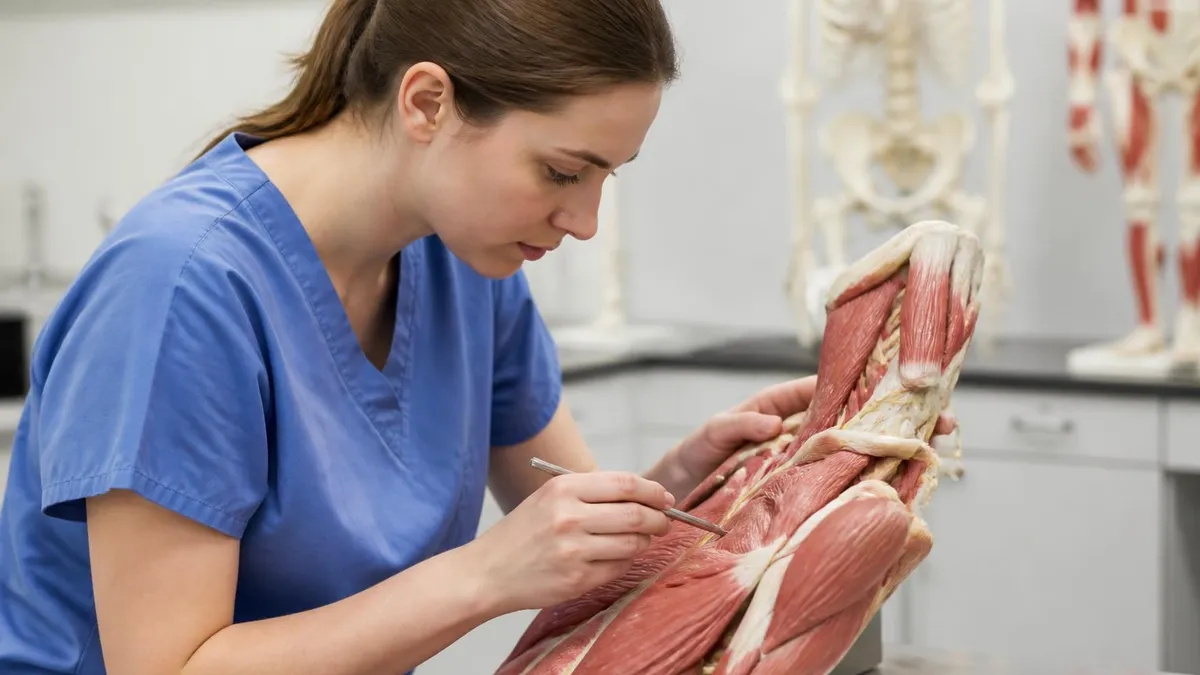
Define Anatomy and Physiology: A Complete Guide to Understanding Human Body Structure and Function
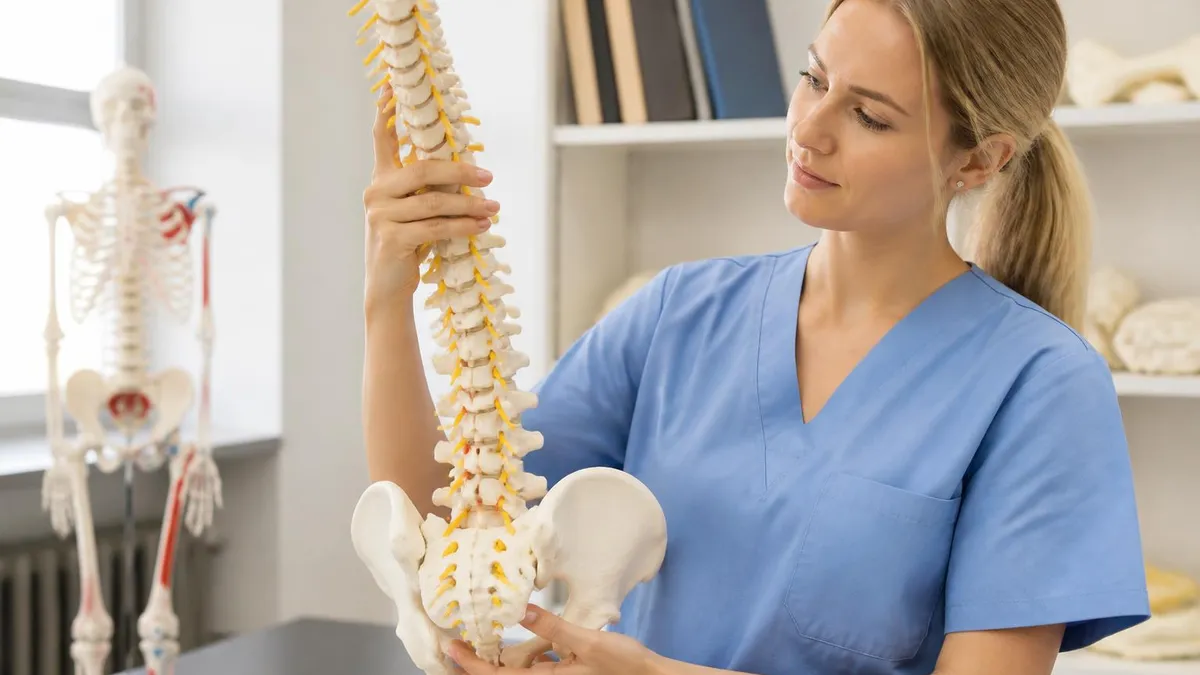
Anatomy and Physiology Textbook: Top Picks and Buying Guide
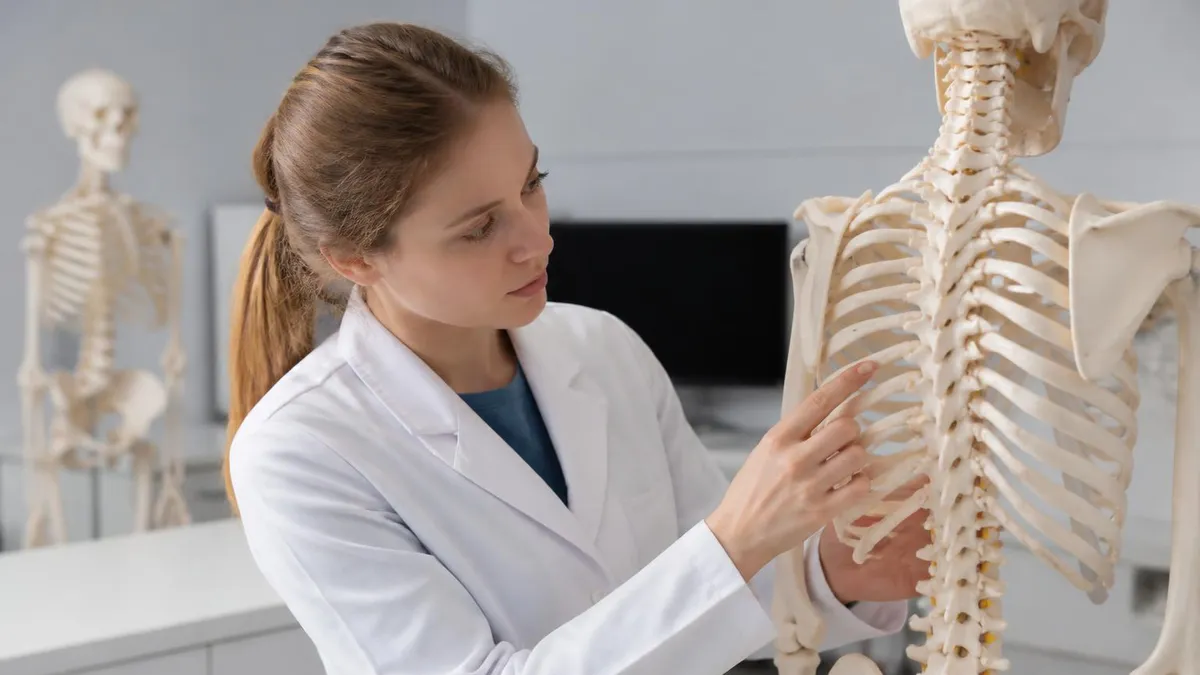
Anatomy and Physiology Coloring Workbook: The Complete Guide to Visual Learning, Active Recall, and Mastering Body Systems
About the Author

Educational Psychologist & Academic Test Preparation Expert
Columbia University Teachers CollegeDr. Lisa Patel holds a Doctorate in Education from Columbia University Teachers College and has spent 17 years researching standardized test design and academic assessment. She has developed preparation programs for SAT, ACT, GRE, LSAT, UCAT, and numerous professional licensing exams, helping students of all backgrounds achieve their target scores.