
Anatomy and Physiology Courses: Career Paths, Duties, and Certification Options for 2026
🧠 Explore anatomy and physiology courses: career paths, duties, certification options, salary data, and study tips for US healthcare students in 2026.
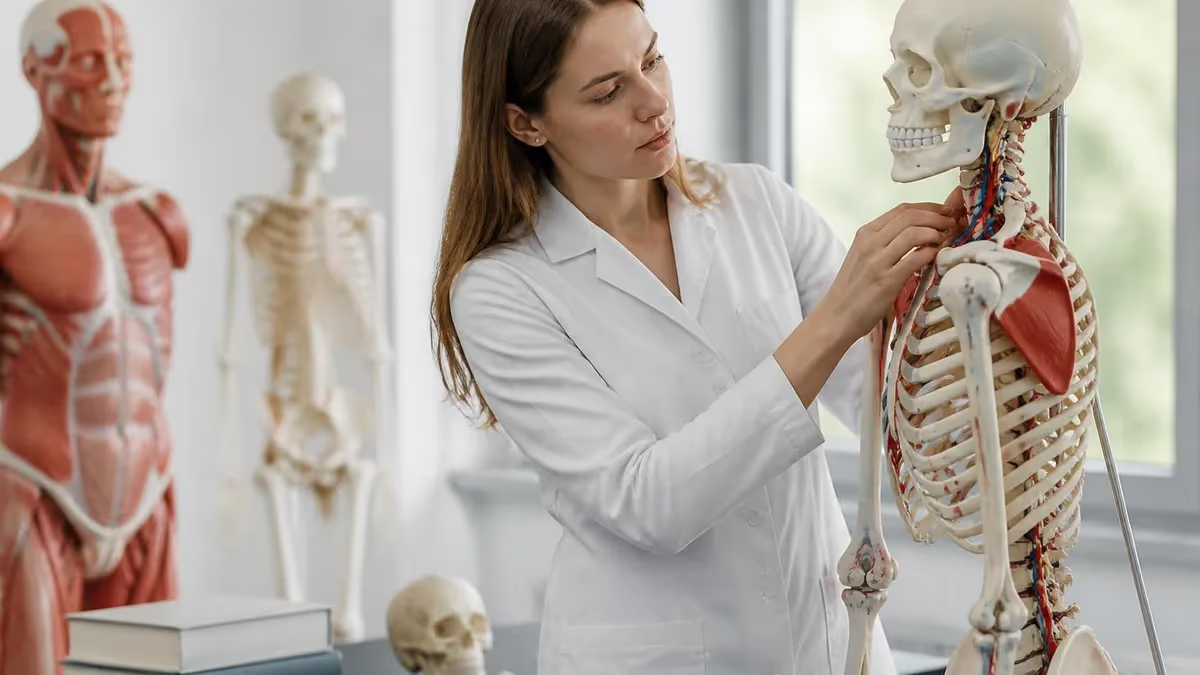
Choosing the right anatomy and physiology courses is one of the most consequential decisions a future healthcare professional will make, because these classes form the scientific bedrock beneath nursing, medicine, physical therapy, athletic training, and dozens of allied health careers. Whether you enroll at a community college, a four-year university, or an accredited online program, the structure, function, and integration of the human body becomes the language you will speak for the rest of your career. This guide explains what these courses cover, who teaches them, and how they map to real jobs in the field.
At their core, anatomy and physiology courses pair two complementary disciplines. Anatomy describes the physical structures of the body, from gross structures visible to the naked eye down to the microscopic architecture of tissues and cells. Physiology explains how those structures function and interact, including how organs maintain homeostasis and respond to stress. Most programs teach the two together as a sequence, commonly labeled A&P I and A&P II, spanning two semesters and roughly eight credit hours that include both lecture and a hands-on laboratory component each week.
The audience for these courses is broad. Pre-nursing students, paramedics, radiologic technologists, dental hygienists, massage therapists, exercise scientists, and pre-med undergraduates all sit in the same lecture halls during their first year. Because the material is dense and cumulative, instructors expect students to memorize hundreds of terms while also reasoning through cause-and-effect relationships. A student who treats the class as pure memorization usually struggles by the second exam, when integrated body systems demand applied understanding rather than flashcard recall alone to succeed.
Understanding the duties tied to careers built on this foundation helps clarify why programs are demanding. A registered nurse interprets lab values and recognizes early signs of organ failure; a respiratory therapist calculates ventilator settings based on gas exchange principles; an EMT stabilizes trauma patients using knowledge of circulatory shock. Each of these duties traces directly back to concepts introduced in a first-year sequence, which is exactly why accreditation bodies treat the courses as non-negotiable gatekeeper requirements for clinical admission across the United States today.
The good news is that resources have never been more abundant. Free and low-cost digital materials, including downloadable references like our anatomy and physiology courses companion guide, let students supplement expensive textbooks without sacrificing depth. Open educational resources, cadaver-based virtual labs, and interactive 3D models have transformed how learners visualize the heart, the nephron, and the brachial plexus. Used strategically, these tools shorten the learning curve and improve exam scores measurably for students who commit to consistent, active engagement.
This article walks through the full landscape: the typical course structure and credit load, the careers and daily duties each course supports, certification and continuing-education pathways, the pros and cons of online versus in-person formats, and a practical study plan. By the end, you will understand not only what to expect inside the classroom, but how the knowledge you gain converts into employable, well-compensated, and meaningful work across the American healthcare system in 2026 and the years beyond it.
Anatomy and Physiology Courses by the Numbers
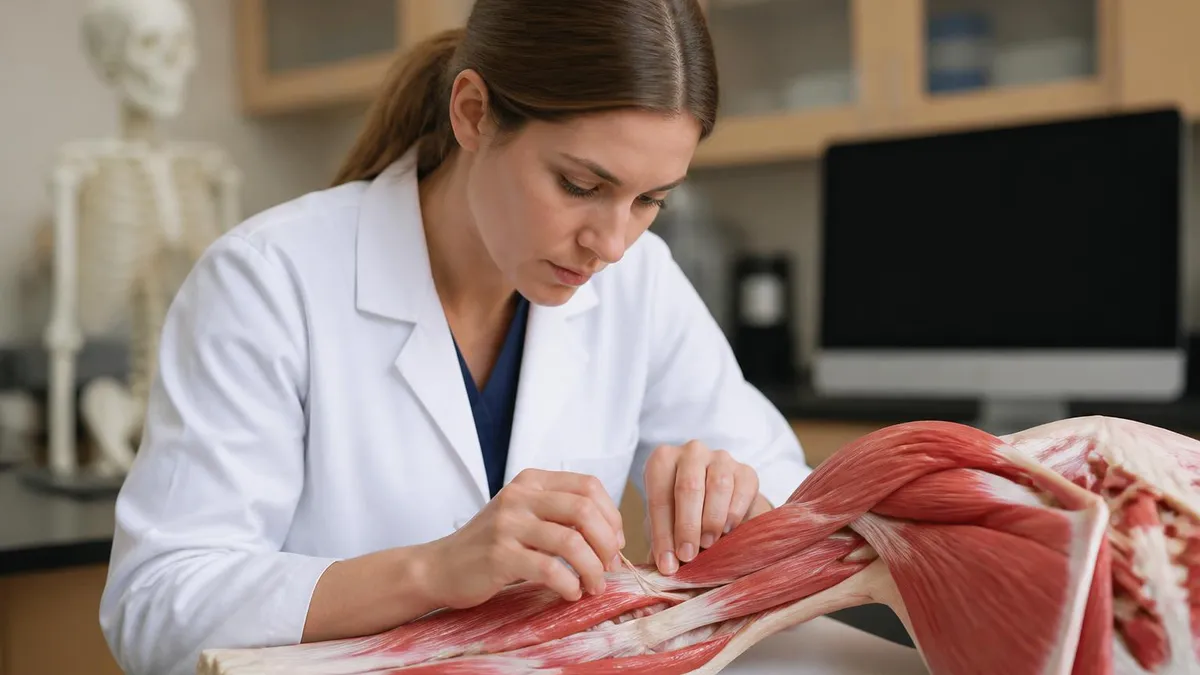
How Anatomy and Physiology Courses Are Structured
Covers cellular biology, tissues, the integumentary system, skeletal system, muscular system, and nervous system. Builds foundational vocabulary and the directional terminology used throughout every later clinical course you take.
Focuses on cardiovascular, respiratory, digestive, urinary, endocrine, and reproductive systems. Emphasizes integrated physiology, fluid balance, and how multiple systems cooperate to maintain homeostasis under physical stress.
Hands-on dissection, microscopy, model identification, and physiology experiments. Many programs use cadavers, preserved specimens, or virtual dissection software, plus practical exams testing structure identification under tight time pressure.
Lecture exams, lab practicals, quizzes, and cumulative finals. Practical exams require rapid recall as students rotate through numbered stations identifying pinned structures, usually with thirty to sixty seconds per item.
Many schools require introductory biology and chemistry, plus college-level reading and math placement. Some programs allow co-enrollment, while competitive nursing tracks demand a B or higher grade to advance.
The careers built on anatomy and physiology courses are remarkably diverse, and each comes with a distinct set of daily duties shaped by the body systems studied in those first two semesters. Registered nursing remains the largest destination, with the Bureau of Labor Statistics reporting a median annual wage near $86,000 in 2024. Nurses assess patients, administer medications, monitor vital signs, document care, and educate families, all while interpreting physiological changes that signal deterioration or recovery in real time at the bedside.
Allied health roles multiply the options. Radiologic technologists position patients and operate imaging equipment, requiring precise spatial knowledge of skeletal landmarks and organ location. Respiratory therapists manage ventilators and oxygen delivery, applying gas-exchange physiology hourly. Surgical technologists prepare operating rooms and pass instruments, anticipating each step of a procedure based on anatomical sequence. Each duty is impossible without the structural and functional literacy that the foundational sequence delivers during a student's earliest professional training period.
Therapy professions lean heavily on this knowledge as well. Physical therapists and physical therapist assistants design rehabilitation plans grounded in musculoskeletal and neurological anatomy. Occupational therapists adapt daily-living tasks for patients recovering from stroke or injury. Athletic trainers diagnose sports injuries on the sideline and build return-to-play protocols. Massage therapists locate muscle origins and insertions to relieve tension safely. In every case, the daily work is a direct application of concepts first encountered in lecture and the laboratory.
Diagnostic and laboratory careers offer another path. Medical laboratory technicians analyze blood, urine, and tissue samples, connecting abnormal results to underlying organ dysfunction. Phlebotomists draw blood using detailed venous anatomy to avoid nerve injury. Cardiovascular technologists run echocardiograms and stress tests. Sonographers capture diagnostic ultrasound images, mentally reconstructing three-dimensional anatomy from two-dimensional planes, a skill that begins with the cross-sectional thinking taught in a well-designed first-year laboratory course sequence.
Compensation varies widely by role, region, and credential level, but the trend is encouraging. Entry-level allied health roles often start in the $40,000 to $55,000 range, while advanced practice nurses, physician assistants, and specialized therapists can exceed $120,000 annually. Geography matters too: metropolitan areas and states with nursing shortages frequently pay premiums and offer signing bonuses. The common thread is that deeper anatomical and physiological mastery consistently unlocks higher-paying, higher-autonomy positions over the span of a long career.
Beyond clinical settings, anatomy and physiology knowledge supports careers in medical sales, health writing, fitness coaching, and biomedical research. A pharmaceutical representative explains drug mechanisms to physicians; a personal trainer designs programs around muscle physiology and energy systems; a research assistant runs experiments on tissue samples. These roles prove that the foundational sequence is not merely a hurdle to clear but a versatile credential that travels across the entire health-adjacent economy throughout 2026 and well beyond.
If you are still mapping which career fits your interests and strengths, it helps to shadow professionals, ask about their daily routines, and notice which body systems energize you most. Someone fascinated by the cardiovascular system might thrive as a cardiac sonographer, while a student drawn to movement could flourish in physical therapy. Aligning your natural curiosity with a specific duty set keeps motivation high during the demanding semesters ahead and reduces costly mid-program career changes later down the road.
Core Concepts and Principles Across Course Formats
Traditional in-person anatomy and physiology courses pair lecture halls with fully equipped laboratories, giving students direct access to cadavers, preserved specimens, microscopes, and anatomical models. The tactile experience of dissection cements spatial relationships that screens struggle to convey, and immediate instructor feedback helps correct misconceptions before they harden into exam errors that can derail an entire grade for the term.
The trade-offs are scheduling rigidity and commute time. Labs run on fixed blocks, often two to three hours, and missing one is difficult to make up. For students balancing jobs and family, this structure can be challenging, yet the accountability and peer study groups that form naturally in physical classrooms remain a powerful advantage for retention and sustained motivation throughout a demanding academic term.
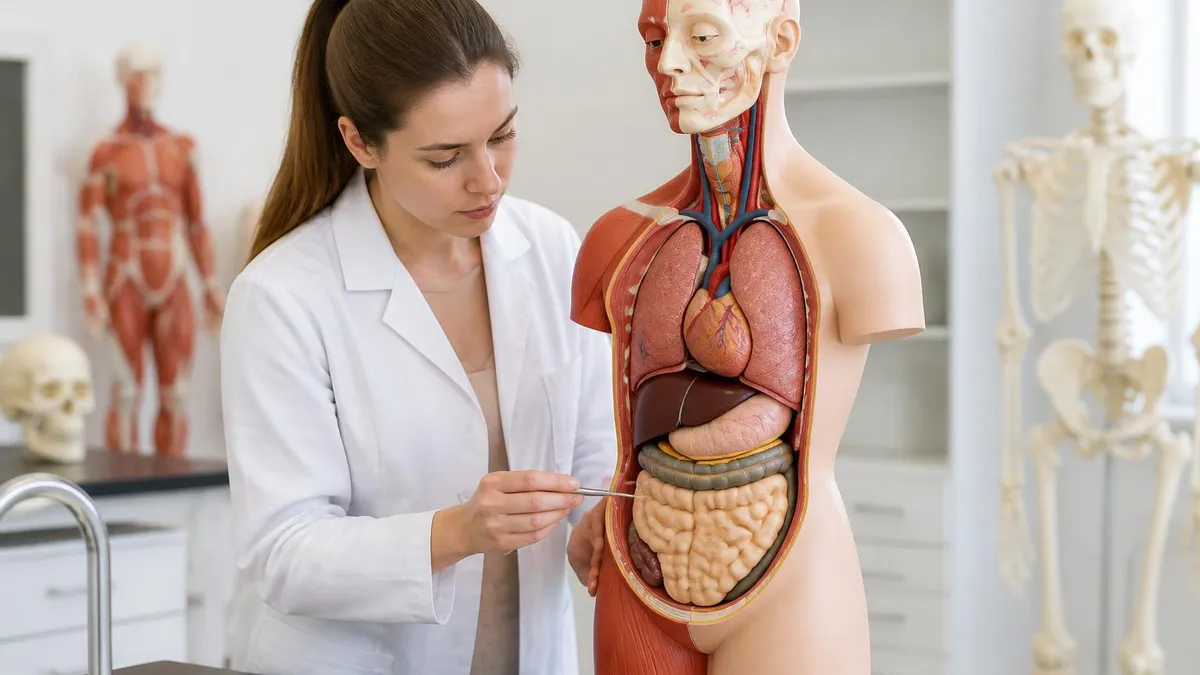
Online vs Traditional Anatomy and Physiology Courses: Which Is Right for You?
- +Flexible, self-paced scheduling fits work and family commitments
- +Lower commuting costs and no parking or transit expenses
- +Access to interactive 3D models and virtual dissection tools
- +Recorded lectures allow unlimited replay of difficult concepts
- +Wider program selection beyond your immediate geographic area
- +Often lower tuition at community colleges and open programs
- −Hands-on lab skills are harder to develop without cadavers
- −Requires strong self-discipline and consistent time management
- −Some clinical programs reject fully online lab credits
- −Less spontaneous peer study and live instructor interaction
- −Technical issues can disrupt timed exams and lab simulations
- −Networking opportunities for clinical placements are reduced
Pros and Cons at a Glance
| Pros | Cons |
|---|---|
| Flexible, self-paced scheduling fits work and family commitments | Hands-on lab skills are harder to develop without cadavers |
| Lower commuting costs and no parking or transit expenses | Requires strong self-discipline and consistent time management |
| Recorded lectures allow unlimited replay of difficult concepts | Some clinical programs reject fully online lab credits |
| Wider program selection beyond your immediate geographic area | Less spontaneous peer study and live instructor interaction |
| Often lower tuition at community colleges and open programs | Technical issues can disrupt timed exams and lab simulations |
Enrollment Readiness Checklist for Anatomy and Physiology Courses
- ✓Confirm the program holds regional or national accreditation.
- ✓Verify lab credits will transfer to your target clinical school.
- ✓Complete prerequisite biology and chemistry courses first.
- ✓Check the minimum grade required to advance, often a B.
- ✓Budget for textbooks, lab fees, and any required lab kits.
- ✓Map the weekly time commitment for lecture, lab, and study.
- ✓Secure a reliable computer and internet for online components.
- ✓Buy or download a current anatomy atlas and study guide.
- ✓Identify campus tutoring, office hours, and study groups early.
- ✓Set up a dedicated, distraction-free study space at home.
Confirm lab credit transferability before you pay a dime
Thousands of students each year complete an online A&P lab only to discover their nursing program rejects it. Email the admissions office of your intended clinical school in writing and get explicit confirmation that the specific course you plan to take will count. This single email can save you a full semester and over a thousand dollars in repeated tuition.
Certification and credentialing are where anatomy and physiology courses translate into licensed, employable professionals. The courses themselves are rarely certified independently; instead, they serve as prerequisites that feed into licensure examinations and degree programs. A pre-nursing student, for example, must pass A&P with a competitive grade before sitting for the NCLEX-RN after graduation. Understanding this pipeline early helps students set realistic timelines and avoid the common trap of underestimating how cumulative the requirements truly become over several years of study.
For nursing specifically, the pathway runs from foundational science courses through an associate or bachelor's degree, then to the National Council Licensure Examination. Each state board of nursing sets additional requirements, including background checks and jurisprudence exams. The anatomical and physiological reasoning practiced in early coursework reappears throughout the NCLEX, particularly in questions about pharmacology, fluid and electrolyte balance, and the prioritization of care for unstable patients in acute settings across the hospital during a typical shift.
Allied health fields maintain their own certifying bodies. The American Registry of Radiologic Technologists, the National Board for Respiratory Care, and the National Board of Certification in Occupational Therapy all administer rigorous exams that assume mastery of foundational science. Many of these credentials require candidates to graduate from accredited programs, accumulate supervised clinical hours, and then pass a national exam before a state will issue a license to practice independently with real patients.
Continuing education keeps credentials current after that first license. Most states and certifying boards require professionals to complete a set number of continuing education units every renewal cycle, often every two years. These units frequently revisit anatomy and physiology fundamentals through advanced courses on new treatments, updated guidelines, and emerging research. Staying current is not optional; lapsed continuing education can suspend a license and halt a career, sometimes with significant financial and professional consequences for the practitioner and their family.
Stackable credentials offer a smart strategy for career growth. A medical assistant might add phlebotomy certification, then pursue an LPN, and later bridge to RN, with each step building on the same anatomical foundation. This laddering approach lets students earn while they learn, gaining income and clinical experience between rungs. Employers increasingly value this demonstrated commitment to lifelong learning, and many offer tuition reimbursement to staff who climb the credential ladder within their own organizations over time.
Documentation and verification matter enormously in this regulated environment. Keep careful records of your transcripts, certificates, clinical hours, and continuing education completions. Many boards now use digital portfolios, and an audit can occur at any time without much warning. Professionals who track their credentials proactively avoid the panic of scrambling for proof during renewal. Treat your credential file like a financial asset, because in a very real sense it represents your legal authorization to earn a living in healthcare.
Finally, recognize that credentialing requirements evolve. Scope-of-practice laws change, new specialties emerge, and certifying bodies update their exams to reflect current evidence. Following your professional association, reading board newsletters, and networking with colleagues keeps you ahead of shifts that could affect your eligibility. The students who thrive long-term treat credentialing not as a one-time hurdle but as an ongoing relationship with the regulatory framework that governs safe, competent patient care across every state.
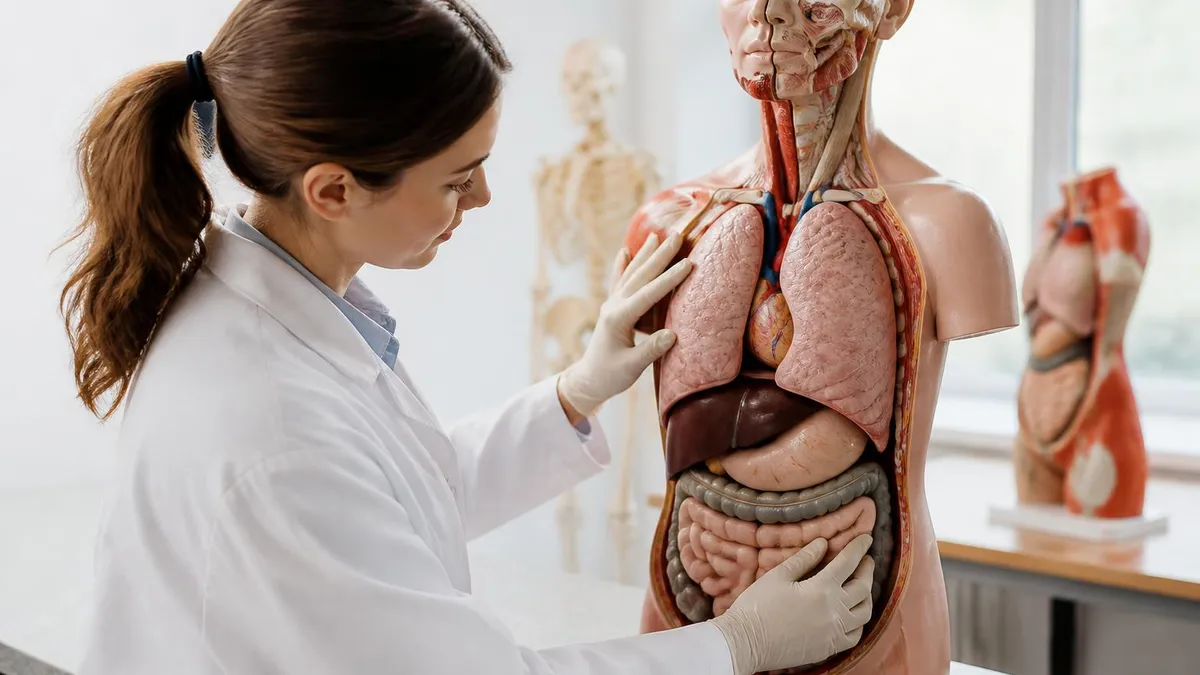
Many competitive nursing and allied health programs require a grade of B or higher in both A&P I and A&P II, and some only count your first attempt. A single C can delay admission by a full year or force a costly retake. Confirm your target program's exact grade and repeat policies before your first exam, not after it.
Mastering anatomy and physiology courses is less about raw intelligence and more about strategy, consistency, and active engagement with the material. The single biggest mistake students make is passive rereading, which feels productive but produces weak retention. Research on learning consistently shows that retrieval practice, where you actively recall information from memory without looking, dramatically outperforms highlighting and rereading. Closing the book and quizzing yourself, even when it feels uncomfortable, is the fastest route to durable, exam-ready knowledge of body systems.
Spaced repetition amplifies retrieval practice by scheduling reviews at increasing intervals. Instead of cramming 200 terms the night before a practical, review small batches daily using flashcards or spaced-repetition apps. The brain consolidates information more effectively when study is distributed over time. A student who reviews the cranial nerves for fifteen minutes each day across two weeks will outperform one who studies for four straight hours the night before, with far less stress and mental fatigue.
Visual and kinesthetic learning suit anatomy especially well. Coloring workbooks, drawing structures from memory, and labeling blank diagrams force the brain to encode spatial relationships actively. Many students find that pairing these techniques with a downloadable reference such as our anatomy and physiology courses resource lets them study anywhere without lugging heavy textbooks around. Physically tracing the path of blood through the heart or the route of a nerve cements pathways far better than reading them passively ever does.
Teaching the material to someone else, often called the protege effect, reveals gaps instantly. Explain the cardiac cycle to a friend, a family member, or even an empty room, and you will quickly notice where your understanding falters. Study groups work well when members quiz one another and explain concepts aloud rather than simply reading notes together. The act of articulating physiology in your own words transforms fragile recognition into strong, transferable understanding you can apply directly on exams.
Connecting structure to function prevents the rote-memorization trap. Do not just memorize that the nephron has a loop of Henle; understand why its descending and ascending limbs differ in permeability and how that gradient concentrates urine. When you grasp the why behind a structure, the details become logical consequences rather than arbitrary facts. This integrated thinking is precisely what clinical exams reward and what real patient care demands from competent practitioners every single working day.
Practice testing under realistic conditions builds exam stamina and exposes weak areas before they cost points. Use timed practice quizzes that mimic the format of your lecture exams and lab practicals, then review every missed item carefully to understand the underlying concept. Many students discover that their errors cluster around a few systems, allowing them to focus remaining study time efficiently rather than spreading effort thinly across material they have already fully mastered.
Finally, protect your physical foundation. Sleep consolidates memory, so pulling all-nighters before exams is counterproductive and well documented to lower scores. Stay hydrated, eat regularly, and build short movement breaks into long study sessions. Managing stress through exercise, brief meditation, or simply talking with peers keeps anxiety from sabotaging recall during high-stakes exams. A rested, healthy brain encodes and retrieves anatomical detail far more reliably than an exhausted, overcaffeinated one ever possibly could.
As you approach the end of your anatomy and physiology courses, your final preparation should shift from learning new material to consolidating and stress-testing what you already know. Build a one-page master summary for each body system that captures the essential structures, functions, and clinical connections. The act of distilling a semester of notes into a single dense page forces prioritization and creates a powerful last-minute review tool you can scan the morning of an exam without overwhelming yourself with detail.
Tackle the laboratory practical with a specific game plan, because its format differs sharply from lecture exams. Practicals move fast, often allotting thirty to sixty seconds per pinned structure before a buzzer signals rotation. Practice identifying structures rapidly on models and in images, and learn to write a partial answer immediately rather than freezing on a single hard station. You can always return to skipped items if time allows, but a blank answer guarantees zero points every time.
Manage your exam-week logistics as deliberately as your content review. Confirm the exam location, allowed materials, and start time a day ahead, and assemble pencils, a watch, and any permitted reference well before you leave home. Arriving early reduces cortisol-driven anxiety that impairs recall. Read each question fully before answering, watch for qualifier words like except or not, and budget your time so you never leave easy points unclaimed at the very end.
When you hit material that simply will not stick, change your modality rather than repeating the same failed approach. If reading the renal physiology chapter three times has not worked, watch an animation, draw the nephron, or explain it aloud to a study partner. Stubborn topics often yield instantly to a fresh sensory channel. Identify your two or three weakest systems early in the term so you have time to attack them from multiple angles before final exams arrive.
Lean on quality practice questions throughout the term, not just before exams. Regularly working through targeted question banks reveals exactly how examiners phrase items and which distractors trap unprepared students. Treat every missed question as a diagnostic clue pointing to a concept you have not fully integrated yet. Over a semester, this disciplined feedback loop converts scattered knowledge into the confident, automatic recall that separates top performers from students who merely survive the course.
Look beyond the final exam to the career these courses unlock. The hours you invest now compound directly into your competence as a clinician, your performance on licensure exams, and ultimately the quality of care you deliver to patients. Many students find renewed motivation by shadowing professionals or volunteering in a clinical setting, where abstract diagrams suddenly become living patients. That tangible connection between coursework and human impact is the most durable fuel for finishing strong.
Above all, be kind to yourself during a genuinely difficult academic season. Anatomy and physiology defeat many capable students not through lack of ability but through burnout and discouragement after a single bad exam. One low score rarely sinks a final grade if you adjust your strategy and keep showing up consistently. Consistency, self-compassion, and a willingness to ask for help when you need it will carry you across the finish line and into the healthcare career you want.
Sample Anatomy and Physiology Practice Questions
Try these questions from our free Anatomy and Physiology practice tests. The correct answer and an explanation follow each question.
What is the resting membrane potential of a typical neuron?
- A. -70 mV
- B. +70 mV
- C. -55 mV
- D. 0 mV
Answer: A. -70 mV
The resting membrane potential of a typical neuron is approximately -70 millivolts, maintained by the sodium-potassium pump and selective membrane permeability.
How should professionals apply communication and documentation in daily practice?
- A. Only when being evaluated
- B. Consistently integrate best practices into every aspect of professional work
- C. Apply principles selectively based on convenience
- D. Follow standards only for complex tasks
Answer: B. Consistently integrate best practices into every aspect of professional work
Consistent application of professional standards ensures quality outcomes and builds professional credibility.
Vasoconstriction refers to:
- A. Widening of blood vessel lumens
- B. Formation of new blood vessels (angiogenesis)
- C. Narrowing of blood vessel lumens
- D. Rupture of a blood vessel wall
Answer: C. Narrowing of blood vessel lumens
Vasoconstriction is the narrowing of blood vessel lumens caused by smooth muscle contraction in the tunica media, which increases vascular resistance and blood pressure.
How should core concepts and principles knowledge be maintained and updated?
- A. Initial training provides lifelong competence
- B. Through continuous professional development, current literature review, and professional networking
- C. Knowledge updates are only needed every five years
- D. Learning stops after certification
Answer: B. Through continuous professional development, current literature review, and professional networking
Professional competence requires ongoing development through education, literature review, and engagement with the professional community.
Anatomy Physiology Questions and Answers
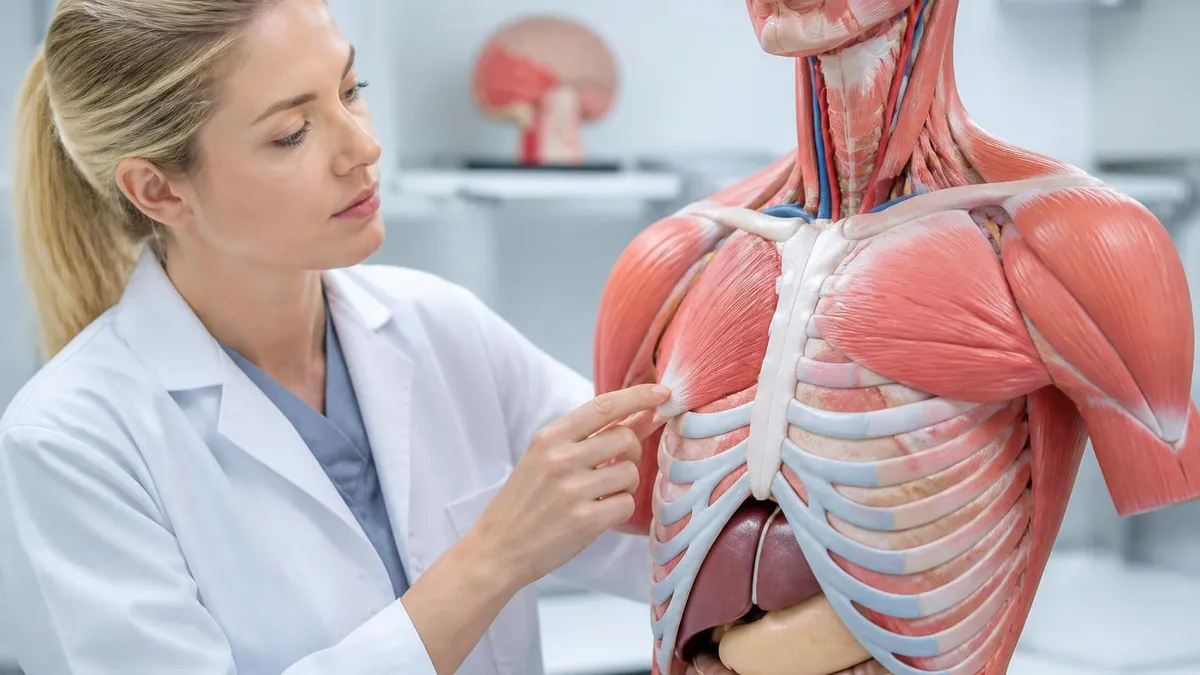
Anatomy and Physiology PDF: Complete Free Download Guide for 2026 Students
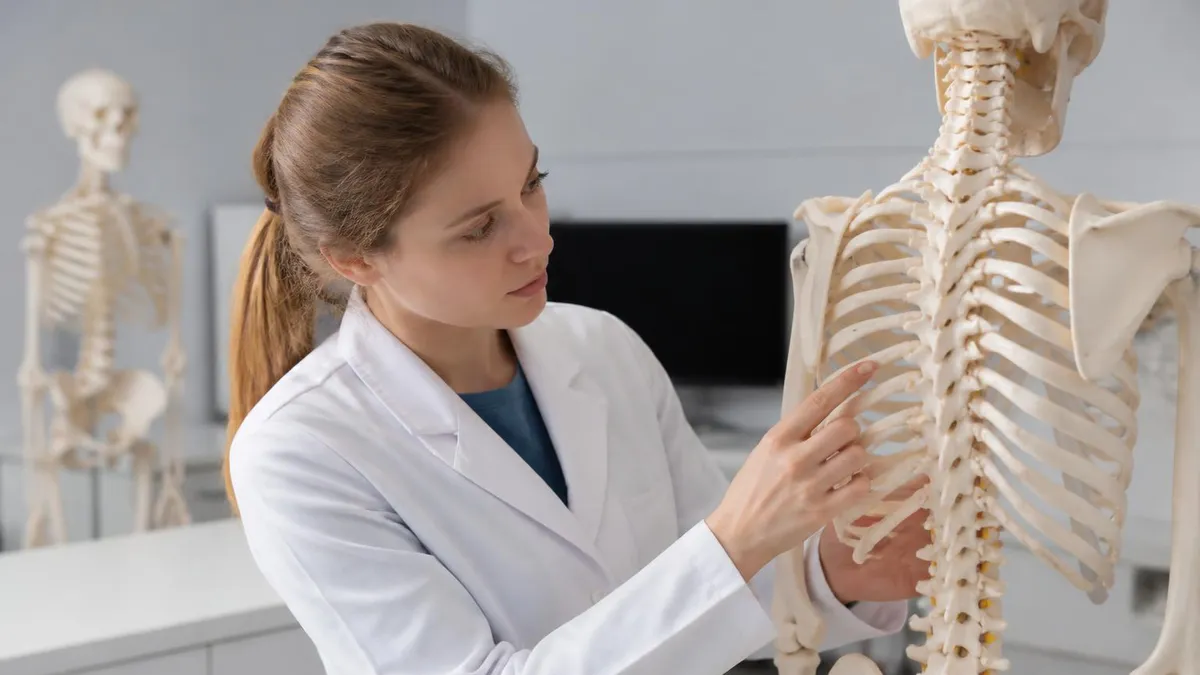
Anatomy and Physiology Coloring Workbook: The Complete Guide to Visual Learning, Active Recall, and Mastering Body Systems
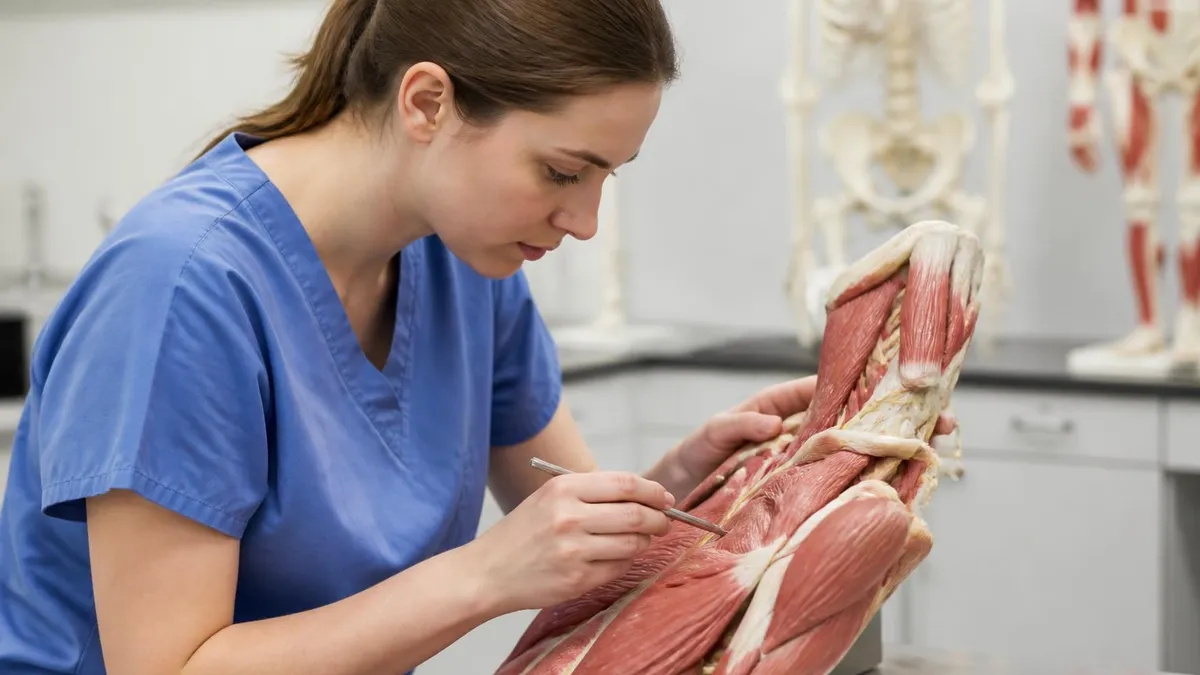
Define Anatomy and Physiology: A Complete Guide to Understanding Human Body Structure and Function

Anatomy and Physiology Study Material: Complete Resource Guide
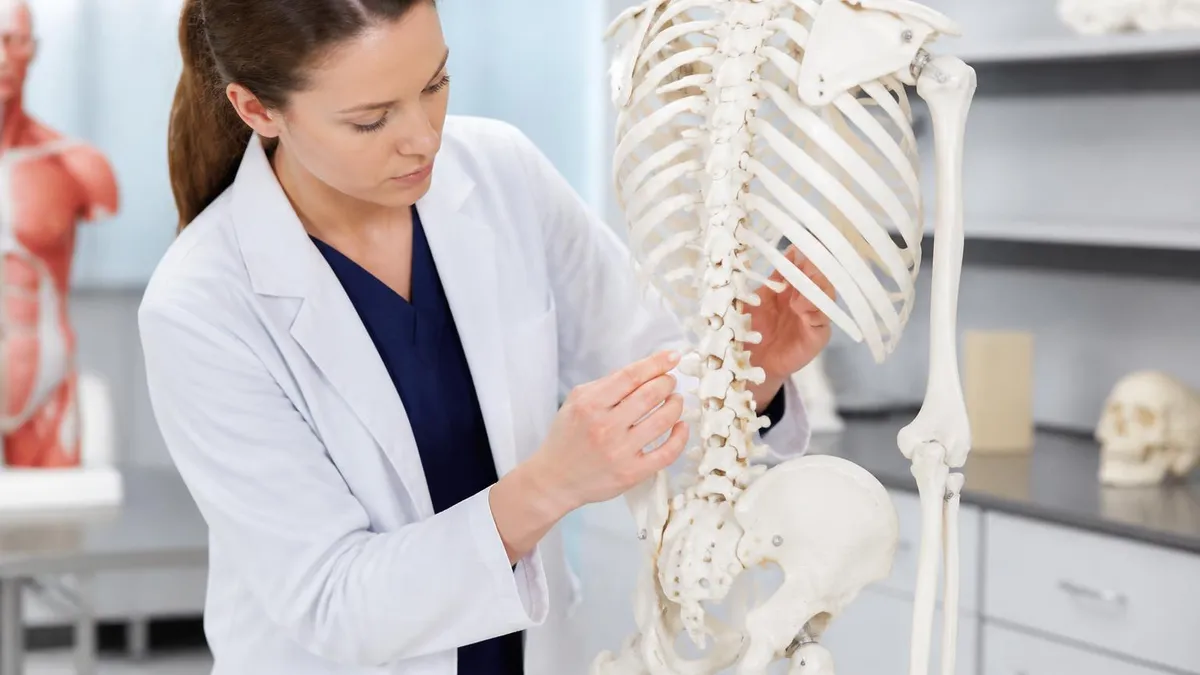
Human Body Anatomy and Physiology: The Complete Guide to Structure, Function, and Integrated Body Systems
How this page was made: written with AI tools and published by Nathan Beja, founder of Practice Test Geeks, who is responsible for its content. We have not yet matched this exam's facts to an official source, so confirm fees, dates and rules with the exam body. Not reviewed by a subject-matter expert. Editorial policy