
Principles of Anatomy and Physiology Textbook: The Complete Student Guide
Master the principles of anatomy and physiology textbook — chapter breakdowns, study tips, and free practice tests. 📚 Your complete 2026 October student guide.

The principles of anatomy and physiology textbook is widely regarded as one of the most comprehensive and demanding resources in undergraduate science education. Whether you are a nursing student, a pre-med candidate, or simply someone passionate about understanding how the human body works, this textbook forms the backbone of nearly every anatomy and physiology course taught across the United States. Its depth, precision, and scope set it apart from lighter introductory texts, making it both a powerful learning tool and a formidable academic challenge for students at every level.
First authored by Gerard Tortora and Bryan Derrickson, the Tortora and Derrickson textbook — officially titled Principles of Anatomy and Physiology — has gone through more than fifteen editions, each one updated to reflect the latest discoveries in biomedical science. Professors across community colleges, four-year universities, and professional health programs consistently assign this text because it balances rigorous scientific detail with accessible language, clear illustrations, and well-organized chapter structures that guide students through even the most complex body systems.
Understanding how to use this textbook effectively is just as important as owning it. Many students open the book, read passively, and then struggle on exams because they never engaged with the content at a deeper level. The book contains clinical connections, check-your-understanding questions, chapter review exercises, and detailed diagrams specifically designed to be used actively — not just read. Students who highlight, annotate, draw diagrams from memory, and answer the end-of-chapter questions consistently outperform those who simply read the text cover to cover.
The textbook is organized into six major units covering the chemical, cellular, tissue, organ, system, and whole-body levels of organization. This hierarchical approach mirrors the way human physiology actually works, starting from atoms and molecules and building upward to complex organ systems like the cardiovascular and nervous systems. Each chapter builds on the previous one, which means gaps in early understanding compound into serious confusion later in the course. Students who fall behind on cellular biology chapters often find themselves lost when studying muscle physiology or endocrine function weeks later.
One of the most common questions students ask when beginning A&P is how difficult the subject really is. If you have ever wondered whether the coursework lives up to its intimidating reputation, the honest answer is yes — but manageable with the right strategy. You can explore a thorough breakdown in this principles of anatomy and physiology textbook difficulty guide that walks through realistic expectations, time commitments, and proven strategies for success in the course.
Beyond the core text, Tortora and Derrickson provide supplementary resources including an online learning environment, interactive quizzes, flashcard systems, and laboratory manual pairings that dramatically deepen comprehension. Medical terminology, Latin roots, and Greek prefixes are woven throughout the book to help students build the vocabulary they will rely on throughout their entire healthcare careers. Students who invest time in learning the terminology early find that decoding new terms becomes almost automatic by the time they reach the more advanced systems chapters.
This guide will walk you through everything you need to know about the principles of anatomy and physiology textbook — from its edition history and chapter organization to the most effective study strategies, common student pitfalls, and how to pair the textbook with practice tests to maximize your exam performance. By the end, you will have a clear, practical roadmap for mastering this foundational resource and building the deep anatomical knowledge that every healthcare professional needs.
Principles of Anatomy and Physiology Textbook by the Numbers

How the Textbook Is Organized: Units and Major Themes
Covers anatomical terminology, body planes, cavities, and the chemical foundations of life including atoms, molecules, and cells. This unit establishes the language and conceptual framework students need before tackling any organ system in later chapters.
Explores the skeletal system, joints, and muscular system in depth. Students learn bone classification, joint mechanics, muscle fiber types, and the sliding filament theory of contraction — foundational content for kinesiology and physical therapy tracks.
Dedicates multiple chapters to the nervous system, including neurons, synaptic transmission, the brain, spinal cord, autonomic nervous system, and sensory organs. This is considered the most challenging unit by the majority of students.
Covers the cardiovascular, lymphatic, immune, respiratory, digestive, and urinary systems. Each chapter connects structure directly to function, showing how organs cooperate to maintain homeostasis throughout the lifespan.
Addresses the reproductive system, development, inheritance, and genetics. This unit ties together everything learned previously and shows how anatomical and physiological principles apply across generations and developmental stages.
Effectively studying from the principles of anatomy and physiology textbook requires a fundamentally different approach than most students are used to from high school science classes. The sheer volume of information — anatomical terminology, physiological mechanisms, clinical correlations, and laboratory concepts — means that passive reading simply does not produce lasting retention. Research consistently shows that active retrieval practice, spaced repetition, and elaborative interrogation dramatically outperform highlighting and rereading when it comes to long-term memory formation in science courses.
The most productive study sessions begin before you open the textbook to a new chapter. Preview the learning objectives listed at the start of each chapter and convert them into questions you will answer as you read. For example, if the objective states that you should be able to describe the structure of the neuron, rewrite that as: What are the major structural components of a neuron and what function does each serve? Reading with a specific question in mind activates deeper cognitive processing and significantly improves how well information sticks after the session ends.
The textbook's clinical connections feature is one of its most underutilized assets. These boxed sections link anatomical and physiological concepts to real medical conditions, surgical procedures, and diagnostic methods that students will encounter in clinical settings. Reading these sections is not optional for students in nursing, physical therapy, or pre-med programs — they are precisely the kind of contextual knowledge that appears on licensing exams like the NCLEX, MCAT, and USMLE Step 1. Understanding why a patient with a C5 spinal cord injury cannot breathe independently becomes much more memorable than memorizing nerve innervation charts in isolation.
Drawing diagrams from memory is one of the single most effective study techniques for anatomy content. After reading a section on the heart's chambers and valves, close the book and attempt to draw and label the entire cardiac anatomy from scratch. The cognitive effort required to reconstruct a diagram without visual cues forces your brain to consolidate information in a way that passively studying the textbook illustration never will. Students who practice this technique report significantly better performance on practical exams and diagram-based test questions.
Spaced repetition is equally critical when working through a textbook of this size. Rather than cramming all of Chapter 12 (the cardiovascular system) in a single marathon session before an exam, effective students review cardiovascular content briefly at the end of each subsequent study session, even when moving on to new chapters. This distributed practice takes advantage of the brain's forgetting curve — material reviewed just as you are beginning to forget it is reinforced far more durably than material reviewed while still fresh.
Creating concept maps that link related body systems together provides a powerful organizational structure for the vast amount of information in this textbook. For instance, mapping the connections between the endocrine system's hormones, the cardiovascular system's response to those hormones, and the renal system's role in blood pressure regulation creates a web of understanding that isolated chapter-by-chapter studying cannot achieve. These cross-system connections are exactly what professors test on comprehensive finals and what clinical environments demand of practicing healthcare professionals.
Group study sessions, when structured properly, can accelerate learning from the Tortora and Derrickson textbook enormously. The most effective format involves each student teaching a section to the rest of the group rather than everyone studying quietly side by side. Teaching forces you to identify gaps in your own understanding and to articulate complex physiological processes in clear language — a skill that directly translates to answering constructed-response exam questions and explaining medical concepts to future patients.
Key Body Systems Covered in the Principles of Anatomy and Physiology Textbook
The nervous system chapters in the Tortora and Derrickson textbook span nearly 400 pages across multiple chapters, covering everything from the cellular biology of neurons and glial cells to the complex anatomy of the brain, cranial nerves, spinal cord pathways, and autonomic divisions. Students are introduced to action potential generation, synaptic transmission, neurotransmitter chemistry, and the sensory and motor pathways that allow the body to perceive and respond to its environment.
Mastering the nervous system content requires students to integrate structural knowledge with functional understanding at every level. Knowing the location of the motor cortex, for example, is only useful when paired with understanding how upper and lower motor neurons cooperate to produce voluntary movement — and how damage at each level produces distinctly different clinical presentations. This integrative approach, consistently reinforced throughout the textbook, is what separates strong students from those who merely memorize labels without understanding the underlying physiology.

Pros and Cons of Using the Tortora & Derrickson Textbook
- +Exceptionally comprehensive coverage of all major body systems at a depth that prepares students for licensing exams
- +High-quality anatomical illustrations and diagrams that accurately represent three-dimensional structures in two dimensions
- +Clinical connections boxes throughout every chapter link basic science directly to medical practice and patient care
- +End-of-chapter review questions, critical thinking exercises, and self-assessment tools support active learning
- +Online companion resources including interactive quizzes, animations, and flashcard tools extend learning beyond the printed page
- +Consistent internal organization across chapters creates predictable study patterns that students can rely on throughout the course
- −At over 1,200 pages, the sheer volume of content is overwhelming for students who lack strong time-management skills
- −The price of new editions can exceed $300, creating a financial barrier for students at community colleges and lower-income institutions
- −Dense scientific language and heavy use of medical terminology can make reading slow and frustrating for students without prior science preparation
- −Some chapters, particularly nervous system anatomy, move very quickly through complex material that requires substantially more time than the textbook's pacing suggests
- −The online learning environment has received mixed reviews for usability, with some students finding the interface clunky compared to competing platforms
- −Frequent new editions make used-book purchasing risky, as chapter numbering and content organization can shift significantly between editions
A&P Textbook Study Checklist: 10 Steps for Exam-Ready Mastery
- ✓Preview each chapter's learning objectives before reading and convert them into questions you will answer as you study
- ✓Read all clinical connection boxes and relate each disorder or procedure back to the core physiological concept being illustrated
- ✓Draw anatomical diagrams from memory after completing each major section, then compare your version to the textbook figures
- ✓Complete every end-of-chapter review question in writing, not just mentally, to force active recall and expose gaps in understanding
- ✓Create concept maps that link content from the current chapter to systems and concepts covered in previous chapters
- ✓Use spaced repetition flashcard tools (Anki or Quizlet) to review anatomical terms and physiological mechanisms across multiple study sessions
- ✓Form a structured study group where each member teaches a different textbook section to the rest of the group each week
- ✓Practice identifying anatomical structures on diagrams without labels at least 48 hours before any practical or lab exam
- ✓Review all medical terminology root words, prefixes, and suffixes encountered in each chapter to build vocabulary systematically
- ✓Take at least two full-length timed practice tests per exam to simulate real testing conditions and identify remaining weak areas
The 24-Hour Rule for Anatomy Retention
Research in cognitive science shows that reviewing new anatomical content within 24 hours of first learning it reduces forgetting by up to 60 percent compared to waiting several days. Build a brief 15-minute nightly review of that day's textbook material into your routine — even just re-reading chapter headings and re-drawing one key diagram — and your exam performance will improve measurably over the semester.
One of the most persistent challenges students face with the principles of anatomy and physiology textbook is keeping up with the pace of a typical college course. Most A&P courses cover the entire Tortora and Derrickson text — or a significant portion of it — in two semesters, which translates to roughly one or two chapters per week. For a book this detailed, that pace demands consistent daily engagement rather than the weekend cramming sessions many students try to rely on from less demanding courses.
Students who fall behind frequently make the mistake of skipping chapters or reading only the summaries in an attempt to catch up before an exam. This strategy almost always backfires with this particular textbook because of how carefully each chapter's content builds on what came before. The digestive system chapter, for example, requires a solid understanding of both the nervous system's enteric division and the endocrine system's pancreatic hormones — content from chapters studied weeks earlier. Gaps in foundational knowledge do not stay contained; they spread into every subsequent topic like cracks in a foundation.
Time management strategies that work particularly well for this textbook include breaking each chapter into manageable reading blocks of 20 to 30 pages per session, scheduling dedicated review sessions separate from initial reading sessions, and using the chapter's built-in check-your-understanding questions as natural stopping points. The textbook itself is designed to support this kind of modular engagement — each major section within a chapter is self-contained enough to study independently while still connecting to the broader chapter themes.
Another common mistake is neglecting the laboratory component that typically accompanies the lecture course. The textbook is written to integrate with A&P lab manuals, and the hands-on experience of identifying structures on models, preserved specimens, or histology slides dramatically reinforces what the textbook describes in words and diagrams. Students who skip lab preparation or arrive unprepared consistently underperform on practical exams compared to those who preview each lab exercise in the textbook before attending the session.
Medical terminology deserves special attention as a standalone study focus when working through this textbook. The book introduces hundreds of new terms per unit, and students who treat each new word as a separate memorization item quickly become overwhelmed. A far more efficient approach is to learn the Latin and Greek roots, prefixes, and suffixes that recur throughout anatomical terminology — once you know that cardio means heart, myo means muscle, neuro means nerve, and itis means inflammation, you can decode an enormous range of new terms without memorizing each one individually.
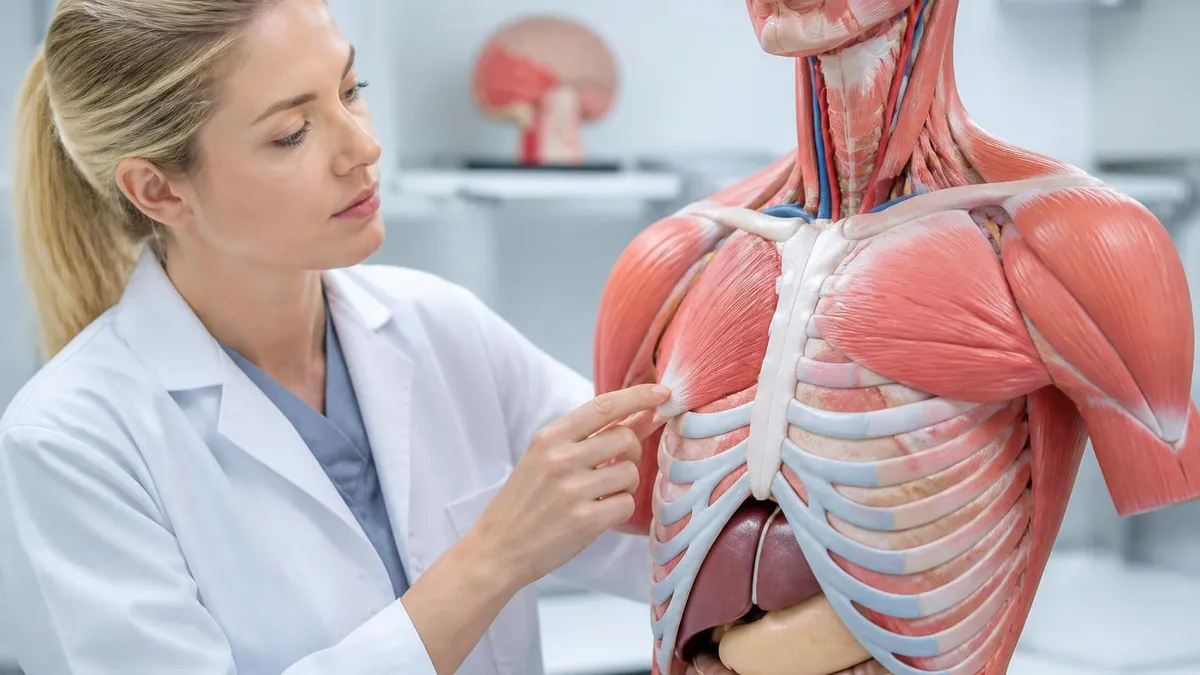
The textbook's figures and tables deserve the same careful attention as its prose text. Tortora and Derrickson invest heavily in visual representations because anatomy is fundamentally a visual discipline. Each figure is carefully coordinated with the surrounding text, meaning that reading the text and ignoring the figure — or vice versa — leaves you with only half the information.
A particularly effective study technique is to read a section, then cover the text and study the figure alone, and finally cover the figure and explain the content in your own words from memory. This three-pass approach ensures genuine comprehension rather than surface familiarity.
Understanding the relationship between structure and function is the central intellectual challenge of this textbook and the core competency that every A&P course aims to develop. Tortora and Derrickson return to this theme in every chapter: bones are shaped the way they are because of the mechanical forces they bear; the heart has four chambers because of the demands of pulmonary and systemic circulation; the kidney tubule has its distinctive looped architecture because countercurrent exchange requires it.
Students who internalize this principle — that every structural detail reflects a functional requirement — find that memorization becomes increasingly unnecessary as understanding deepens.

Always confirm which edition of the Tortora and Derrickson textbook your professor requires before purchasing. Chapter numbers, figure references, and even content organization can shift significantly between editions — particularly between the 14th and 15th editions released in recent years. Using the wrong edition can mean studying from different chapter sequences, missing updated content, or being unable to follow assigned readings and page references from your course syllabus.
Pairing the principles of anatomy and physiology textbook with regular practice testing is the single most evidence-backed strategy for achieving strong exam performance. The testing effect — the well-documented cognitive phenomenon where retrieving information from memory strengthens long-term retention more than additional studying does — applies directly to A&P content. Every time you successfully recall the steps of the cardiac cycle, the layers of the skin, or the pathway of a sensory nerve impulse from a practice question, that knowledge becomes more durable and more accessible under exam pressure.
The most effective way to integrate practice testing with textbook study is to use what educators call interleaved practice. Rather than completing all the cardiovascular system practice questions at once immediately after finishing that chapter, interleave them with questions from the nervous system, endocrine system, and musculoskeletal chapters you have already studied. This mixing forces your brain to identify which knowledge domain a question belongs to before answering it — exactly the kind of discrimination that comprehensive exams require and that blocked practice (all questions from one topic at a time) fails to develop.
When reviewing incorrect answers on practice tests, the textbook becomes an active reference tool rather than a passive source of reading material. Look up every concept behind a wrong answer, read not just the specific paragraph that addresses the question but the surrounding context as well, and then write a brief explanation in your own words of why the correct answer is right and why the distractor you chose was wrong. This error-analysis process is one of the highest-value study activities you can perform and has a disproportionately large impact on closing knowledge gaps before high-stakes exams.
Students preparing for professional licensing exams — particularly the NCLEX-RN for nursing, the MCAT for medical school, or the NPTE for physical therapy — should be aware that the content in the Tortora and Derrickson textbook aligns closely with the science prerequisites tested on these exams. While licensing exams require clinical reasoning beyond basic anatomy and physiology, the foundational knowledge from this textbook is a prerequisite for that clinical reasoning. Students who achieve genuine mastery of A&P rather than surface-level exam preparation consistently report feeling far more confident in their clinical coursework and on licensing exam science sections.
Online study communities dedicated to the Tortora and Derrickson textbook have grown substantially in recent years, with active groups on Reddit, Discord, and Facebook where students share study guides, mnemonics, diagram resources, and exam tips. While these communities can be valuable supplementary resources, students should be careful not to let browsing study-tip posts substitute for actual engagement with the textbook itself. A mnemonic for the cranial nerves is useful only after you already understand what each cranial nerve actually does — the mnemonic helps with recall, but it cannot substitute for comprehension.
The supplement ecosystem around this textbook is extensive and worth exploring strategically. The accompanying laboratory manual, available in both cat and human cadaver versions, provides hands-on structure identification experiences that reinforce textbook content. The Study Guide published alongside the main text offers additional practice questions, coloring exercises, and concept review activities. For students who struggle with the conceptual density of the main text, supplementary resources like simpler introductory texts or A&P video lecture series can provide accessible entry points before returning to the Tortora and Derrickson text for depth and detail.
Finally, it is worth acknowledging the emotional and psychological dimension of studying from a textbook this demanding. Many students experience genuine anxiety, self-doubt, and frustration when they encounter difficult content — particularly in nervous system anatomy or renal physiology chapters that require sustained abstract reasoning. These reactions are normal and do not indicate that you are incapable of mastering the material. Building resilience into your study routine — scheduling breaks, celebrating incremental progress, and maintaining perspective about the broader goals your A&P knowledge serves — is as important as any specific study technique for long-term success in this course.
Practical tips for getting the most out of the principles of anatomy and physiology textbook begin with your physical study environment. Research on learning environments consistently shows that studying in a consistent, distraction-free space improves focus and recall. A dedicated study space — whether a library carrel, a home desk with notifications silenced, or a quiet coffee shop — trains your brain to enter a focused learning state more quickly each time you sit down. Given the cognitive demands of this textbook, every hour of distraction-free study is worth two or three hours of interrupted, multitasking study time.
Managing your time across the full semester is equally critical. Many students make the mistake of allocating equal study time to each chapter, when in reality chapters vary enormously in difficulty and conceptual density. The nervous system unit typically requires two to three times the study investment of a chapter on the integumentary system.
Build flexibility into your semester study schedule that allows you to slow down on challenging units without falling permanently behind on the course timeline. Identifying the most difficult chapters early in the semester — and scheduling additional study sessions proactively — is far less stressful than scrambling to catch up after a poor exam grade.
Using the textbook's index and glossary actively is a habit that distinguishes high-performing students from average performers. When a term appears in a later chapter that you do not fully remember from an earlier chapter, do not keep reading and hope the confusion resolves itself. Stop, look the term up in the glossary, and if necessary flip back to the original chapter for a brief review. This cross-referencing habit keeps your foundational knowledge sharp and prevents the accumulation of small misunderstandings that eventually undermine performance on comprehensive exams.
Color-coding your notes and annotations by body system creates a visual organization system that makes review sessions dramatically more efficient. Assign a distinct color to each major body system — blue for cardiovascular, green for nervous, orange for endocrine, for example — and use those colors consistently in your notebook, flashcards, and annotation of textbook margins. When you sit down to review before a final exam that covers multiple systems, the color system allows you to instantly locate related content across your notes and identify the connections between systems that comprehensive exam questions typically test.
Practice tests available on platforms like PracticeTestGeeks are specifically designed to complement textbook study by exposing you to the format and difficulty level of real A&P exams. These practice questions test not just recall of isolated facts but application of physiological principles to novel scenarios — exactly the kind of higher-order thinking that separates B students from A students in A&P courses.
Scheduling practice test sessions after completing each major textbook unit, rather than waiting until the night before an exam, ensures that you have time to address knowledge gaps while there is still opportunity to review the relevant textbook content.
Writing short summaries of each major textbook section in your own words — a technique sometimes called the Feynman technique — is one of the most powerful tools for identifying the difference between genuine understanding and the illusion of familiarity that passive reading creates.
If you cannot explain the mechanism of muscle contraction, the regulation of blood pH, or the pathway of sperm development in clear, simple language without looking at the textbook, you do not yet understand it well enough to perform reliably on an exam. Writing these summaries by hand, rather than typing them, has been shown in multiple studies to improve retention further by engaging different cognitive pathways during the writing process.
As you approach the final chapters of the textbook and the end of the course, take time to review the very first chapters on anatomical terminology, body planes, and cellular biology — content that will feel much more meaningful after you have studied the entire body.
Students frequently report that concepts which seemed abstract and difficult in week one of the course click into place with new depth and clarity once they have the full context of the body's systems. This end-of-course review is not just nostalgic — it is genuinely valuable for consolidating the integrated, whole-body understanding that the principles of anatomy and physiology textbook is designed to build.
Many readers pair this guide with the anatomy and physiology practice test to check their readiness before exam day.
Anatomy Physiology Questions and Answers

How Hard Is Anatomy and Physiology? The Complete Honest Guide for Students

Eye Anatomy and Physiology: The Complete Guide to Understanding How Your Eyes Work
Anatomy and Physiology PDF: Complete Free Download Guide for 2026 Students

Anatomy and Physiology Coloring Workbook Answer Key: Complete Chapter-by-Chapter Study Guide

Anatomy and Physiology for Dummies: The Ultimate Beginner's Guide to Understanding the Human Body
About the Author

Educational Psychologist & Academic Test Preparation Expert
Columbia University Teachers CollegeDr. Lisa Patel holds a Doctorate in Education from Columbia University Teachers College and has spent 17 years researching standardized test design and academic assessment. She has developed preparation programs for SAT, ACT, GRE, LSAT, UCAT, and numerous professional licensing exams, helping students of all backgrounds achieve their target scores.