
McGraw-Hill Anatomy and Physiology Textbook: The Complete Guide to Editions, Features, and Study Strategies
Explore the McGraw Hill anatomy and physiology textbook series, 🔎 key features, digital tools, editions, pricing, and proven study strategies for A&P

The McGraw-Hill anatomy and physiology textbook has established itself as one of the most widely adopted resources in undergraduate science education across the United States. Whether you are enrolled in a pre-nursing program, preparing for medical school prerequisites, or simply fascinated by the inner workings of the human body, this textbook series provides a comprehensive foundation in both structural anatomy and functional physiology. Understanding what makes this resource valuable can help you make the best decision for your academic journey and long-term career goals.
McGraw-Hill publishes several anatomy and physiology titles under its educational imprint, but the flagship offering is Anatomy and Physiology: The Unity of Form and Function by Kenneth Saladin, now in its ninth edition. This textbook is known for its clear narrative style that weaves clinical relevance into every chapter. Unlike many competing textbooks that rely heavily on rote memorization approaches, Saladin's work emphasizes understanding the connections between body systems and encourages students to think critically about physiological processes and real clinical outcomes.
Another popular McGraw-Hill title in this field is Hole's Human Anatomy and Physiology by David Shier, Jackie Butler, and Ricki Lewis. This textbook targets introductory-level students and provides a slightly more accessible entry point compared to Saladin's comprehensive approach. Both textbooks benefit from McGraw-Hill's extensive digital learning ecosystem, including Connect, SmartBook, and LearnSmart, which adapt to individual learning patterns. These integrated tools transform a traditional textbook experience into an interactive learning platform that tracks progress and identifies weak areas automatically.
The importance of choosing the right anatomy and physiology textbook cannot be overstated for students pursuing healthcare careers. Course success often hinges on how well the resource aligns with your learning style and your instructor's teaching methodology. McGraw-Hill textbooks are used in thousands of colleges and universities across the country, from community colleges to major research institutions. This widespread adoption means extensive peer support, study group availability, and a wealth of supplementary resources created by both the publisher and fellow students who have used these exact editions.
Students frequently ask whether investing in the latest edition is worth the additional cost compared to purchasing an older version at a significant discount. While core anatomical concepts remain relatively stable between editions, newer versions typically include updated clinical examples, revised artwork, improved digital integration, and corrections to previous errors. The digital access codes bundled with new textbooks provide access to online homework systems that many instructors require, making the current edition a practical necessity for students whose professors assign mandatory work through McGraw-Hill Connect.
Throughout this guide, you will discover the key features that distinguish McGraw-Hill anatomy and physiology textbooks from competitors, learn how to maximize the digital tools included with your purchase, and gain practical strategies for studying effectively with these resources. We will also explore the different editions available, compare pricing options, and provide insider tips from successful students who have navigated challenging anatomy and physiology courses using McGraw-Hill materials as their primary study and review resource.
Whether you are comparing textbooks before your first semester or looking to supplement an existing copy with additional study strategies, this comprehensive resource will equip you with everything you need. From understanding the organizational structure of major McGraw-Hill titles to using their sophisticated adaptive learning technology, every aspect of these textbooks will be examined so you can extract maximum value from your investment in anatomy and physiology education throughout your academic career.
McGraw-Hill A&P Textbook by the Numbers
Key McGraw-Hill Anatomy and Physiology Textbook Titles
The flagship two-semester A&P textbook featuring a storytelling approach, extensive clinical applications, integrated Connect platform access, and beautiful full-color anatomical illustrations designed for pre-health professional students.
An accessible introductory-level textbook ideal for allied health students, featuring clear explanations, step-by-step physiological process descriptions, and a supportive digital learning environment through SmartBook adaptive technology.
An integrated approach textbook emphasizing clinical connections and homeostatic imbalances, with detailed cadaver photographs, rich anatomical art, and comprehensive laboratory correlation features for hands-on learners.
McGraw-Hill's adaptive digital ecosystem providing personalized study paths, automated homework grading, real-time performance analytics, three-dimensional anatomy models, and seamless integration with campus learning management systems.
Companion resources including dissection guides, histology slide activities, concept mapping workbooks, and practice quizzes organized by chapter to reinforce lecture material and prepare students for practical examinations.
Understanding the chapter organization of McGraw-Hill anatomy and physiology textbooks reveals why they have become such effective teaching tools in classrooms nationwide. Saladin's Anatomy and Physiology: The Unity of Form and Function follows a systems-based approach, beginning with foundational topics like chemistry, cell biology, and histology before progressing through each organ system in logical sequence. Each chapter opens with learning objectives that align with the assessments found in McGraw-Hill Connect, creating a seamless bridge between reading assignments and graded coursework that instructors can track electronically.
The visual presentation in McGraw-Hill textbooks stands among the strongest in the anatomy and physiology market today. Full-color anatomical illustrations are rendered with remarkable detail and accuracy, often featuring multiple viewing angles and progressive dissection layers that build understanding incrementally. Cadaver photographs are strategically placed alongside illustrated diagrams, allowing students to compare idealized representations with actual human tissue. These visual elements are not merely decorative additions but serve as integral teaching tools that reinforce the spatial relationships students must master for laboratory examinations and clinical practice.
Clinical application boxes scattered throughout each chapter connect theoretical knowledge to real-world medical scenarios that students will encounter in their careers. These features present conditions like osteoporosis, diabetes, and cardiac arrhythmias in the context of the normal physiology being discussed, helping students understand why anatomical knowledge matters beyond the classroom. For pre-health professional students, these clinical connections provide early exposure to the pathological thinking they will encounter in medical, nursing, and allied health programs, making the transition to advanced coursework significantly smoother.
The end-of-chapter review materials in McGraw-Hill textbooks are particularly well-designed for systematic exam preparation and self-assessment. Multiple choice questions, matching exercises, labeling activities, and critical thinking scenarios appear at the conclusion of every chapter. These questions are organized by difficulty level, progressing from basic recall through application to analysis. Many instructors draw directly from these question banks when constructing their own examinations, which means students who thoroughly work through all end-of-chapter materials frequently encounter similar question styles and content on their actual tests.
Laboratory manuals published by McGraw-Hill complement the main textbook by providing hands-on activities that reinforce lecture content through practical application. These companion manuals include dissection guides, histology slide identification exercises, physiological experiments, and anatomical model labeling activities designed for real laboratory settings. The coordination between lecture textbooks and laboratory manuals ensures that students encounter consistent terminology and organizational structures across both learning environments, reducing the cognitive load that sometimes occurs when lecture and lab materials come from different publishers with different approaches to the same content.
Study guide workbooks represent another valuable companion resource in the McGraw-Hill anatomy and physiology ecosystem available to students. These workbooks feature fill-in-the-blank exercises, diagram labeling activities, concept mapping templates, and practice quizzes organized by chapter for systematic review. Students who consistently use study guides in conjunction with their primary textbook report higher examination scores and better long-term retention of anatomical knowledge. The structured nature of these workbooks forces active engagement with material that might otherwise be passively read without the deep processing necessary for lasting retention.
The integration between printed and digital materials represents a significant competitive advantage for McGraw-Hill in the anatomy and physiology textbook market segment. Every major title includes access to an extensive online platform where students can view three-dimensional anatomical models, watch physiological process animations, complete adaptive quizzes, and track their mastery of specific learning objectives over time. This blended approach to learning acknowledges that different students absorb information through different modalities and provides resources to support visual, auditory, and kinesthetic learners equally well throughout their studies.
Anatomy and Physiology Practice Test Questions
Prepare for the Anatomy and Physiology exam with our free practice test modules. Each quiz covers key topics to help you pass on your first try.
Anatomy and Physiology Applied Methods and...
Anatomy and Physiology Exam Questions covering Applied Methods and Techniques. Master Anatomy and Physiology Test concepts for certification prep.
Anatomy and Physiology Assessment and Eval...
Free Anatomy and Physiology Practice Test featuring Assessment and Evaluation. Improve your Anatomy and Physiology Exam score with mock test prep.
Anatomy and Physiology Communication and D...
Anatomy and Physiology Mock Exam on Communication and Documentation. Anatomy and Physiology Study Guide questions to pass on your first try.
Anatomy and Physiology Continuing Educatio...
Anatomy and Physiology Test Prep for Continuing Education Requirements. Practice Anatomy and Physiology Quiz questions and boost your score.
Anatomy and Physiology Core Concepts and P...
Anatomy and Physiology Questions and Answers on Core Concepts and Principles. Free Anatomy and Physiology practice for exam readiness.
Anatomy and Physiology Industry Best Pract...
Anatomy and Physiology Mock Test covering Industry Best Practices. Online Anatomy and Physiology Test practice with instant feedback.
Anatomy and Physiology Musculoskeletal System
Free Anatomy and Physiology Quiz on Musculoskeletal System. Anatomy and Physiology Exam prep questions with detailed explanations.
Anatomy and Physiology Nervous System
Anatomy and Physiology Practice Questions for Nervous System. Build confidence for your Anatomy and Physiology certification exam.
Anatomy and Physiology Professional Standa...
Anatomy and Physiology Test Online for Professional Standards and Ethics. Free practice with instant results and feedback.
Anatomy and Physiology Safety and Compliance
Anatomy and Physiology Study Material on Safety and Compliance. Prepare effectively with real exam-style questions.
Anatomy and Physiology General Concepts
Free Anatomy and Physiology Test covering General Concepts. Practice and track your Anatomy and Physiology exam readiness.
Anatomy and Physiology Integumentary System
Anatomy and Physiology Exam Questions covering Integumentary System. Master Anatomy and Physiology Test concepts for certification prep.
McGraw-Hill Anatomy and Physiology Textbook Edition Comparison
Saladin's ninth edition of Anatomy and Physiology: The Unity of Form and Function remains the gold standard for two-semester anatomy and physiology courses at universities and colleges across the United States. This edition features extensively revised clinical application boxes, updated terminology aligned with the latest Terminologia Anatomica standards, and a completely redesigned digital integration with McGraw-Hill Connect that provides adaptive learning pathways personalized for each individual student's strengths and knowledge gaps.
The narrative writing style that distinguishes Saladin from other anatomy textbook authors continues to receive praise from students and instructors alike in this latest edition. Complex physiological processes are explained through engaging storytelling that contextualizes mechanisms within evolutionary and clinical frameworks. New to this edition are expanded coverage of emerging topics including microbiome research, epigenetics, and regenerative medicine, ensuring students encounter the most current scientific understanding alongside the foundational anatomical knowledge that has made this textbook a market leader for decades.

Advantages and Disadvantages of McGraw-Hill A&P Textbooks
- +Exceptional full-color anatomical illustrations with progressive dissection layers and multiple viewing angles
- +Comprehensive digital ecosystem including Connect, SmartBook, and virtual laboratory experiences
- +Clinical application boxes that connect theoretical knowledge to real healthcare scenarios
- +Extensive end-of-chapter review materials organized by difficulty and Bloom's taxonomy level
- +Widespread adoption ensures abundant study group partners and supplementary resources
- +Seamless integration with campus learning management systems like Canvas and Blackboard
- −New editions with digital access codes carry premium pricing between one hundred and two hundred dollars
- −Digital access codes are single-use and cannot be transferred to subsequent course enrollments
- −Frequent edition updates can make older used copies incompatible with current Connect assignments
- −Some students find the depth of Saladin's narrative style overwhelming for introductory courses
- −Virtual lab components require reliable internet access that not all students have consistently
- −Bundle pricing structures can be confusing with multiple purchasing options available simultaneously
Pros and Cons at a Glance
| Pros | Cons |
|---|---|
| Exceptional full-color anatomical illustrations with progressive dissection layers and multiple viewing angles | New editions with digital access codes carry premium pricing between one hundred and two hundred dollars |
| Comprehensive digital ecosystem including Connect, SmartBook, and virtual laboratory experiences | Digital access codes are single-use and cannot be transferred to subsequent course enrollments |
| Clinical application boxes that connect theoretical knowledge to real healthcare scenarios | Frequent edition updates can make older used copies incompatible with current Connect assignments |
| Extensive end-of-chapter review materials organized by difficulty and Bloom's taxonomy level | Some students find the depth of Saladin's narrative style overwhelming for introductory courses |
| Widespread adoption ensures abundant study group partners and supplementary resources | Virtual lab components require reliable internet access that not all students have consistently |
| Seamless integration with campus learning management systems like Canvas and Blackboard | Bundle pricing structures can be confusing with multiple purchasing options available simultaneously |
McGraw-Hill Anatomy and Physiology Textbook Success Checklist
- ✓Verify which specific McGraw-Hill title and edition your instructor requires before purchasing.
- ✓Activate your Connect access code within the first week of class to avoid missing early assignments.
- ✓Complete the SmartBook initial assessment to establish your personalized learning baseline for each chapter.
- ✓Work through all end-of-chapter review questions before attending each corresponding lecture session.
- ✓Download the ReadAnywhere app to access your textbook offline on mobile devices during commutes.
- ✓Create a weekly study schedule with three to four distributed sessions rather than single marathon study blocks.
- ✓Use the virtual anatomy models in Connect to practice structure identification before every lab session.
- ✓Form a study group with classmates using the same McGraw-Hill textbook for collaborative review sessions.
- ✓Review the clinical application boxes to connect textbook theory to real-world healthcare scenarios and cases.
- ✓Check your Connect performance dashboard weekly to identify weak topics requiring additional focused study time.
SmartBook Adaptive Technology Can Cut Study Time by Up to 25%
Research conducted by McGraw-Hill across hundreds of institutions shows that students who consistently use SmartBook's adaptive reading features spend approximately twenty-five percent less time studying while achieving equal or better examination scores compared to traditional reading methods. The system identifies your specific knowledge gaps and concentrates review on those areas, eliminating the inefficiency of re-reading material you have already mastered. Activating SmartBook from the first week of class maximizes this benefit across the entire semester.
The digital learning ecosystem surrounding McGraw-Hill anatomy and physiology textbooks represents a significant approach to science education that goes far beyond simple electronic page-turning or basic online quizzes. McGraw-Hill Connect serves as the primary digital platform, offering an integrated homework and assessment system that automatically grades assignments, provides detailed feedback, and generates performance reports for both students and instructors. This platform has been refined over more than a decade of continuous development, incorporating data from millions of student interactions to optimize its adaptive learning algorithms for maximum effectiveness.
SmartBook, the adaptive reading experience built into Connect, monitors how students interact with textbook content and adjusts the presentation accordingly based on demonstrated understanding. As you read through a chapter, SmartBook periodically presents comprehension questions that gauge your understanding of the material you just covered. When you answer incorrectly or indicate low confidence in your knowledge, the system highlights those sections for additional review and increases the frequency of related questions in subsequent sessions. This personalized approach ensures that study time is concentrated on areas where individual students need improvement.
The anatomy and physiology virtual laboratory component available through McGraw-Hill's platform deserves special attention from students seeking additional practice opportunities. These virtual labs allow students to perform simulated dissections, explore three-dimensional anatomical models from any angle, and conduct physiological experiments without the constraints of physical laboratory time or expensive consumable supplies. While virtual labs cannot completely replace hands-on cadaver experience, they provide unlimited practice opportunities that help students arrive at in-person laboratory sessions better prepared and more confident in identifying structures accurately.
Instructors benefit enormously from the analytics dashboard provided by McGraw-Hill Connect throughout the academic semester. This feature generates detailed reports showing which concepts students are struggling with, how much time they spend on assignments, and how individual performance compares to class averages and national benchmarks across similar courses. Armed with this data, instructors can modify their lecture plans to address common misconceptions, identify at-risk students early in the semester, and make evidence-based decisions about curriculum pacing that ultimately improve overall class performance and retention rates.
The question bank available through Connect contains thousands of carefully authored and peer-reviewed items organized by chapter, topic, learning objective, difficulty level, and Bloom's taxonomy classification for educational assessment. Instructors can create custom examinations by selecting specific parameters, and the system will generate unique but equivalent tests for different class sections or makeup examinations as needed. This extensive question library reduces the burden on faculty while maintaining assessment quality and academic integrity through algorithmic question randomization and answer-order shuffling for every individual student attempt.
Mobile accessibility has become increasingly important for today's anatomy and physiology students, and McGraw-Hill has invested heavily in ensuring their digital platforms perform well across smartphones and tablets of all types. The ReadAnywhere app allows students to download textbook chapters for offline reading, sync highlights and notes across devices, and access SmartBook features without a constant internet connection. This flexibility means students can productively use small pockets of time between classes, during commutes, or in waiting rooms to review anatomical terminology and key physiological concepts whenever convenient.
Integration with learning management systems like Canvas, Blackboard, and Moodle simplifies the student experience by allowing single sign-on access and automatic grade synchronization across platforms. When instructors configure Connect to work with their institution's learning management system, students can access all McGraw-Hill digital resources directly from their familiar course homepage without managing separate login credentials or navigating between different websites. Assignment due dates, grades, and completion status automatically populate in the gradebook, creating a unified academic experience that reduces administrative friction for students and faculty alike.
McGraw-Hill Connect access codes are single-use and tied to one specific course section. If you drop a class and re-enroll in a different section, you may need to purchase a new access code. Always verify the exact access requirements with your instructor before buying, and keep your purchase receipt in case you need to contact McGraw-Hill support for code activation issues during the critical first weeks of the semester.
Selecting the right edition of a McGraw-Hill anatomy and physiology textbook requires careful consideration of several factors that directly impact your academic success and financial investment over the course of the semester. The most current editions of both Saladin's and Hole's textbooks retail between one hundred and two hundred dollars for new physical copies, while digital-only access through Connect typically costs between seventy and one hundred twenty dollars for a single semester. Understanding the complete pricing structure helps students budget appropriately and avoid unexpected expenses during the critical first weeks of class.
Rental programs offered through McGraw-Hill and third-party retailers provide a cost-effective alternative for students who do not need permanent access to their textbook after the course ends. Semester-long rentals typically cost forty to sixty percent less than purchasing a new copy outright, representing significant savings for budget-conscious students. However, students pursuing careers in healthcare or planning to take advanced anatomy courses may benefit from owning their textbook permanently, as it serves as a valuable reference resource throughout subsequent coursework and clinical training programs across multiple years of study.
The inclusive access model, sometimes called automatic day-one access, has been adopted by an increasing number of institutions partnering directly with McGraw-Hill for campus-wide pricing. Under this arrangement, digital textbook access is bundled directly into course fees at a negotiated institutional discount, typically saving students thirty to fifty percent compared to purchasing access independently through the bookstore. Students receive immediate access to all digital materials on the first day of class, eliminating the common problem of students falling behind during opening weeks while waiting for financial aid disbursements to purchase required materials.
Used copies of previous editions remain available through campus bookstores, online marketplaces, and peer-to-peer sales within student communities at significant discounts. While the core anatomical content changes minimally between editions, students should verify that their instructor does not require the current edition's Connect access code for mandatory graded assignments before purchasing used copies. A used textbook without a valid digital access code may save money on the initial purchase but require an additional separate code purchase, sometimes negating the financial benefit of buying used and creating unnecessary confusion at the start of the term.
International editions of McGraw-Hill anatomy and physiology textbooks are occasionally available at significantly reduced prices compared to domestic versions through various online retailers. These editions contain substantially the same content but may feature different cover art, paper quality, or pagination that differs from the standard United States edition. While purchasing international editions is not illegal in the United States, students should be aware that page numbers and exercise references may not align perfectly with their instructor's syllabus, potentially creating difficulties when completing assigned readings or locating specific content discussed during lectures.
Bundle packages that combine the physical textbook with digital access codes and supplementary materials like laboratory manuals and study guides often provide the best overall value for students who want comprehensive resources for their coursework. McGraw-Hill frequently offers bundle pricing through campus bookstores that represents savings of twenty to thirty percent compared to purchasing each component separately at full retail price. Checking with your campus bookstore about available bundle options before the semester begins can result in meaningful savings while ensuring you have every resource your instructor recommends from the first day.
Financial aid, institutional scholarships, and textbook lending programs at many colleges and universities can help offset the cost of required anatomy and physiology textbooks for eligible students. Students should contact their financial aid office to determine whether textbook expenses are covered under their particular aid package and explore campus library reserve copies for short-term use during the initial weeks. Some departments maintain small lending libraries of previous edition textbooks that students can borrow at no cost, providing supplementary reference material even when the required current edition must be purchased through other means for access code purposes.
Maximizing your learning outcomes with a McGraw-Hill anatomy and physiology textbook requires intentional study strategies that go beyond simply reading chapters from beginning to end without active engagement. Research in educational psychology consistently demonstrates that active recall, spaced repetition, and interleaved practice produce superior long-term retention compared to passive reading or highlighting text in different colors. By structuring your study sessions around these evidence-based principles and using the specific features built into your McGraw-Hill textbook, you can dramatically improve your examination performance and develop lasting anatomical knowledge throughout your career.
Begin each study session by reviewing the learning objectives listed at the start of every chapter in your McGraw-Hill textbook. These objectives tell you exactly what your instructor expects you to know and what types of questions will likely appear on upcoming examinations and quizzes. After reading a section, close your textbook and attempt to explain the key concepts in your own words without looking at the material for reference. This retrieval practice technique strengthens memory pathways far more effectively than rereading or highlighting, and the chapter objectives give you specific targets for these productive self-testing sessions.
The anatomical illustrations in McGraw-Hill textbooks should be studied as carefully as the written text throughout every chapter you encounter. Cover the labels on diagrams and attempt to identify every structure from memory before checking your answers against the provided labels. Redraw simplified versions of key diagrams in your notes, adding labels and functional annotations from memory without reference to the original figure. This approach engages visual-spatial processing pathways that reinforce your understanding of anatomical relationships. Many students report that time invested in actively studying illustrations pays disproportionate dividends on practical laboratory examinations.
Create a consistent study schedule that distributes your anatomy and physiology study time across multiple shorter sessions rather than concentrating everything into marathon cramming periods before examinations and practical assessments. Research shows that three forty-five-minute study sessions spread across a week produce significantly better retention than a single three-hour session covering the same material in one sitting. Use the progress tracking features in SmartBook to monitor which topics need additional review and allocate your distributed study sessions accordingly, focusing extra attention on concepts where your confidence ratings remain consistently low.
Form or join a study group with classmates who are using the same McGraw-Hill textbook for collaborative learning opportunities throughout the semester. Teaching concepts to peers is one of the most effective learning strategies available, as it requires you to organize information coherently and identify gaps in your own understanding that might otherwise go unnoticed. Use the end-of-chapter questions as study group discussion prompts, and take turns explaining the answers to each other in detail. The widespread adoption of McGraw-Hill textbooks means finding study partners who share your exact resource is typically straightforward at most institutions.
Take full advantage of the multimedia resources available through your McGraw-Hill digital access to supplement traditional reading and note-taking throughout each chapter. Watch the animation videos that demonstrate physiological processes like muscle contraction, nerve impulse transmission, and hormone signaling cascades in dynamic visual sequences. These dynamic visualizations bring static textbook descriptions to life and help you understand sequential processes that are difficult to grasp from illustrations alone. Many students find that watching an animation once before reading the corresponding textbook section dramatically improves their comprehension of complex physiological mechanisms during initial reading.
Finally, connect your textbook learning to real-world observations and physical experiences whenever possible during your daily activities. When studying the musculoskeletal system, palpate the bones and muscles on your own body to create tangible connections to the material. When learning about the cardiovascular system, take your pulse and consider how the concepts you are reading about manifest in your daily physical experience. This embodied approach to learning creates additional memory associations that strengthen recall during examinations and build the clinical thinking skills that will serve you throughout your entire career in healthcare or biological sciences.
Sample Anatomy and Physiology Practice Questions
Try these questions from our free Anatomy and Physiology practice tests. The correct answer and an explanation follow each question.
How should safety and compliance knowledge be maintained and updated?
- A. Initial training provides lifelong competence
- B. Through continuous professional development, current literature review, and professional networking
- C. Knowledge updates are only needed every five years
- D. Learning stops after certification
Answer: B. Through continuous professional development, current literature review, and professional networking
Professional competence requires ongoing development through education, literature review, and engagement with the professional community.
What is the role of progesterone during the menstrual cycle?
- A. Stimulating follicle development
- B. Thickening the uterine lining
- C. Triggering ovulation
- D. Causing menstruation
Answer: B. Thickening the uterine lining
Progesterone is produced by the corpus luteum after ovulation and prepares the uterine lining (endometrium) for potential implantation of a fertilized egg. If fertilization does not occur, progesterone levels drop, leading to menstruation.
What ethical standard governs safety and compliance practice?
- A. Ethics are personal opinions, not professional requirements
- B. Adherence to the profession's code of ethics and applicable laws and regulations
- C. Ethics only apply in academic settings
- D. Ethical standards are optional for certified professionals
Answer: B. Adherence to the profession's code of ethics and applicable laws and regulations
Professional ethics codes and applicable laws provide the framework for ethical practice in every professional field.
What is the primary protein that makes up the thick filaments in skeletal muscle sarcomeres?
- A. Myosin
- B. Actin
- C. Tropomyosin
- D. Troponin
Answer: A. Myosin
Myosin forms the thick filaments in the sarcomere and contains the cross-bridge heads that bind to actin during muscle contraction.
Anatomy Physiology Questions and Answers
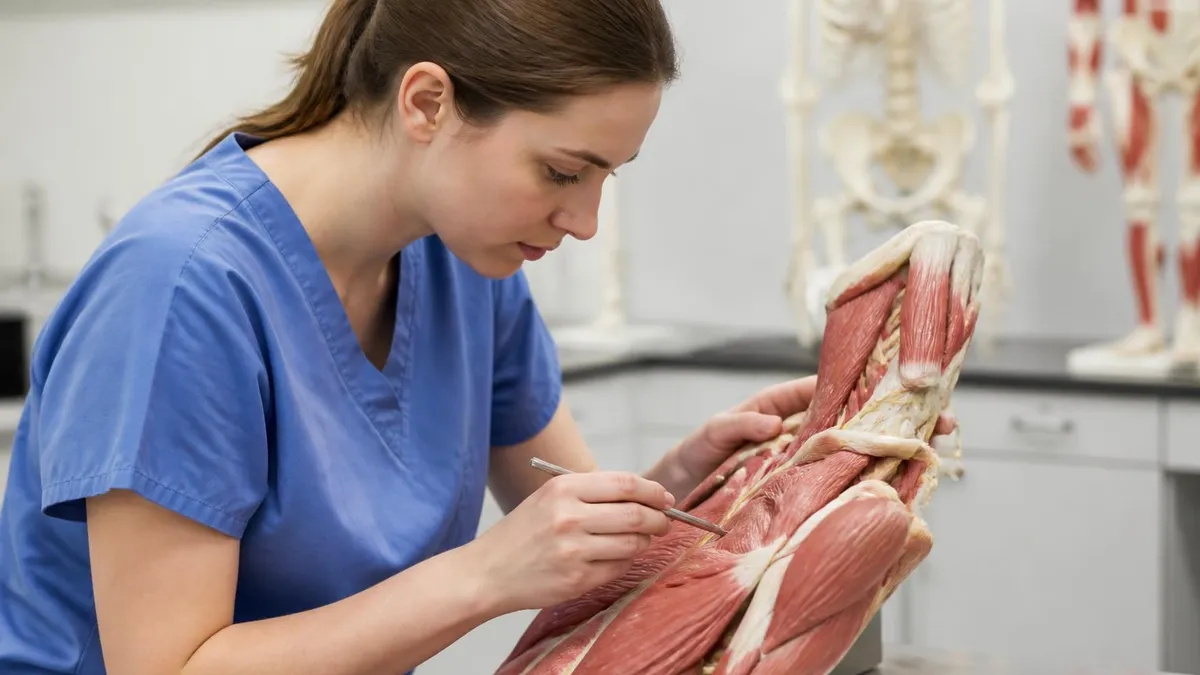
Define Anatomy and Physiology: A Complete Guide to Understanding Human Body Structure and Function
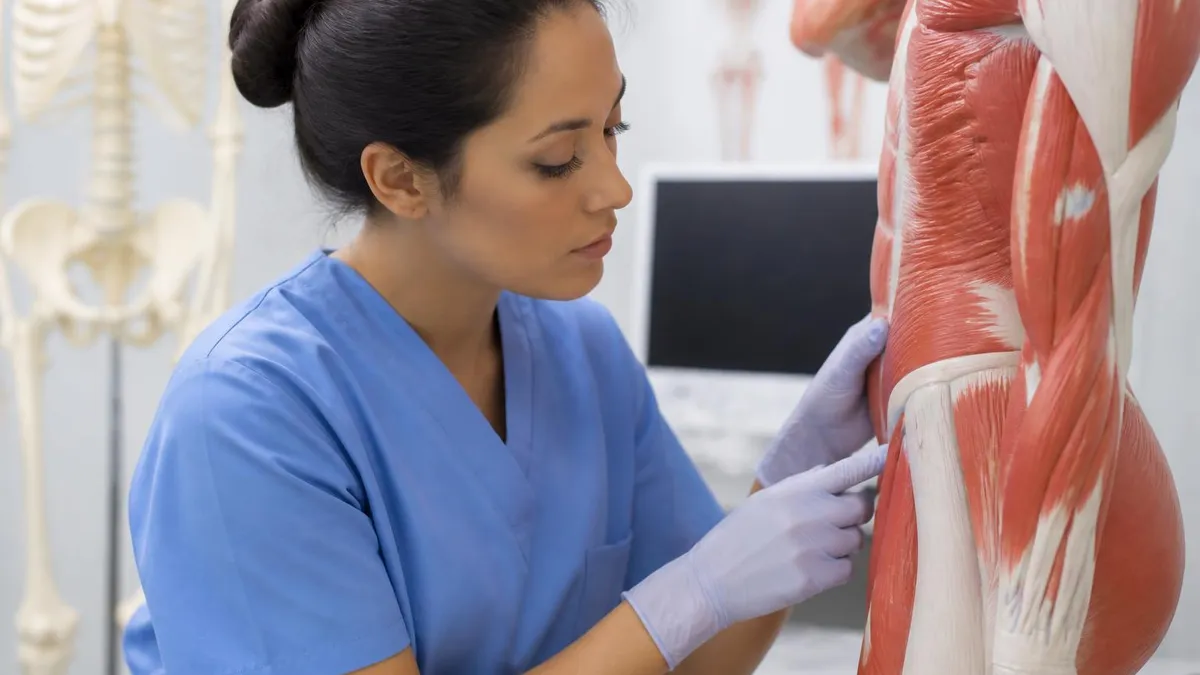
Essentials of Anatomy and Physiology 2nd Edition: The Complete Textbook Guide for Students
Anatomy and Physiology Coloring Book: The Complete Student's Guide to Visual Learning
Anatomy and Physiology PDF: Complete Free Download Guide for 2026 Students
Human Body Anatomy and Physiology: The Complete Guide to Structure, Function, and Integrated Body Systems
About the Author

Educational Psychologist & Academic Test Preparation Expert
Columbia University Teachers CollegeDr. Lisa Patel holds a Doctorate in Education from Columbia University Teachers College and has spent 17 years researching standardized test design and academic assessment. She has developed preparation programs for SAT, ACT, GRE, LSAT, UCAT, and numerous professional licensing exams, helping students of all backgrounds achieve their target scores.