
Wound Care Procedures: A Complete Guide to Sterile Gloves, Dressings, and Best Practices
Do you need sterile gloves for wound care? Learn wound care procedures, dressings, products & certification tips. ✅ Complete 2026 September US guide.

Wound care wound care is one of the most frequently searched topics among nurses, caregivers, and patients alike — and for good reason. Whether you are treating a post-surgical incision, a chronic pressure ulcer, or a traumatic laceration, the procedures you follow can mean the difference between swift healing and a dangerous infection.
One of the most common questions asked by both new practitioners and seasoned professionals is: do you need sterile gloves for wound care? The short answer is yes for acute or surgical wounds, but the full answer depends heavily on wound type, patient risk level, and clinical setting.
Understanding the difference between sterile and clean technique is foundational to safe wound management. Sterile gloves are required any time you are working with a wound that is freshly sutured, involves exposed tissue or bone, or is located in an immunocompromised patient. Clean gloves — standard examination gloves — are generally acceptable for chronic wounds such as leg ulcers or stage II pressure injuries when the patient is otherwise healthy. The CDC and major wound care organizations provide evidence-based guidelines that help clinicians make this determination on a case-by-case basis.
Beyond glove selection, effective wound care involves choosing the right wound care dressings, preparing the wound bed correctly, managing exudate, and recognizing signs of infection early. Wound care products have evolved significantly over the past two decades. Clinicians now have access to antimicrobial silver dressings, collagen matrices, negative pressure wound therapy, and even advanced biologics that accelerate tissue regeneration. Knowing how to select and apply these products is a core competency tested on every wound care certification examination.
For healthcare professionals pursuing credentialing, understanding wound care procedures is not just a clinical necessity — it is also a career advantage. A wound care nurse with specialty certification earns significantly more than a generalist nurse and often serves in an expanded scope of practice. Wound care centers, home health agencies, long-term care facilities, and hospitals all seek clinicians who can demonstrate mastery of wound assessment, debridement methods, infection management, and documentation, including accurate wound care ICD 10 coding.
Patients and family caregivers searching for wound care near me are often overwhelmed by the options available: outpatient wound clinics, home health nursing visits, telehealth consultations, and over-the-counter wound care supplies at pharmacies. This guide is designed to demystify wound care procedures for every audience — from the student preparing for a certification exam to the caregiver managing a loved one's healing surgical incision at home.
We cover the science, the technique, the products, and the professional pathways in one comprehensive resource. You can also explore wound care supplies to understand what materials are essential for safe home and clinical wound management.
Throughout this article, you will find evidence-based guidance on when sterile versus clean technique is appropriate, how to select dressings for different wound types, what the latest research says about manuka honey and other bioactive dressings, and how to build the foundational knowledge you need to pass a wound care certification exam. Whether you are brand new to wound management or looking to sharpen your skills, this resource is your starting point for mastering wound care procedures from the ground up.
Wound Care Procedures by the Numbers

When to Use Sterile vs. Clean Gloves in Wound Care
Assess the Wound Type
Evaluate Patient Risk
Consider the Clinical Setting
Select the Right Glove
Document Your Rationale
Performing a wound care procedure correctly requires a systematic approach that begins long before you touch the wound. Preparation is everything. Gather all supplies before you open the dressing or expose the wound bed — interrupting the procedure to retrieve forgotten items increases contamination risk and patient discomfort. Your supply list should include your chosen gloves (sterile or clean), saline or approved wound cleanser, irrigation syringe, dressing materials, tape or securing device, waste bag, and a clean drape to protect the patient's clothing and bedding.
Begin every wound care encounter by washing your hands thoroughly for at least 20 seconds with soap and water, or performing a 30-second alcohol-based hand rub if your hands are visibly clean. This step is non-negotiable and remains the single most effective infection prevention measure in all of healthcare.
Don your initial clean gloves for removing the old dressing, being careful not to contaminate surrounding tissue with wound drainage or old dressing material. Remove the soiled dressing gently — if it is adhered to the wound bed, moisten it with saline rather than ripping it away, which can damage fragile granulation tissue.
Wound cleansing is the next critical step. The standard recommendation from the Wound Ostomy and Continence Nurses Society (WOCN) is to cleanse with normal saline or a gentle, non-cytotoxic wound cleanser using 4–15 psi of irrigation pressure. A 35 mL syringe with a 19-gauge angiocatheter delivers approximately 8 psi, which is ideal for most wounds. Avoid using hydrogen peroxide, povidone-iodine, or Dakin's solution as routine cleansers on healing wounds — these agents are cytotoxic to fibroblasts and keratinocytes and can actually slow healing, despite their common use in home settings.
After cleansing, assess the wound bed thoroughly before applying any new dressing. Note the wound dimensions (length, width, depth), tissue types present (granulation, slough, eschar, epithelial), exudate amount and character, periwound skin condition, and any signs of infection such as erythema extending beyond the wound edge, warmth, purulent drainage, or odor. If the wound involves undermining or tunneling, measure these carefully with a sterile cotton-tipped applicator, noting the clock position and depth. This assessment drives your dressing selection and should be documented at every visit.
Debridement may be required before dressing application if necrotic tissue — slough or eschar — is present. Debridement methods include sharp (surgical or bedside), mechanical (wet-to-dry, irrigation), enzymatic (collagenase), autolytic (moisture-retentive dressings), and biological (sterile maggot therapy). The method chosen depends on the wound type, patient condition, pain tolerance, available resources, and clinician skill level. Sharp debridement requires advanced training and is within scope for wound care nurses and wound care nurse practitioners. A reliable resource for expanding your procedural skills is information about hydrogel in wound care and related advanced wound management topics.
Dressing selection follows the principle of maintaining a moist wound environment while managing exudate and protecting surrounding skin. A wound with heavy exudate needs an absorbent dressing such as an alginate, hydrofiber, or foam. A dry wound with eschar may benefit from a hydrogel or hydrocolloid to rehydrate the necrotic tissue and facilitate autolytic debridement. Infected wounds may require antimicrobial dressings containing silver, iodine, or PHMB. The right dressing choice is a clinical judgment informed by wound assessment data, patient goals, and cost considerations — all topics covered in depth on wound care certification exams.
Secure the dressing appropriately and dispose of all soiled materials in the appropriate waste receptacle. Remove and discard your gloves, perform hand hygiene again, and document the encounter in real time if possible. Real-time documentation is more accurate than recalled charting and supports legal defensibility. Include the wound assessment findings, products used, dressing change frequency, patient education provided, and any changes to the care plan. Proper documentation also ensures the facility receives accurate reimbursement by supporting the wound care ICD 10 codes assigned by the treating clinician.
Wound Care Dressings: Choosing the Right Product
Foam dressings are polyurethane-based wound care products that absorb moderate to heavy exudate while maintaining a moist wound environment. They are available in adhesive and non-adhesive forms, with or without silicone borders, and are well tolerated by patients with fragile periwound skin. Foam dressings are ideal for pressure injuries, venous ulcers, and diabetic foot wounds with significant drainage, and they typically require changes every 2 to 4 days depending on exudate volume.
Alginate dressings are derived from brown seaweed and form a soft gel when they contact wound exudate, conforming to the wound bed and promoting hemostasis. They are particularly effective for heavily draining wounds and cavity wounds. Alginates are available as flat sheets or rope configurations for packing deep wounds, and they must be covered with a secondary dressing. They should not be used on dry wounds or wounds with minimal exudate, as they can dehydrate the wound bed and adhere to tissue, causing trauma on removal.

Sterile vs. Clean Technique: When Does It Really Matter?
- +Sterile technique eliminates introduction of exogenous pathogens into acute or surgical wounds
- +Required by accreditation standards in operating room and sterile procedural settings
- +Protects immunocompromised patients who cannot fight off low-level contamination
- +Reduces risk of surgical site infections, which cost an average of $20,785 per case
- +Supports legal defensibility and documentation when adverse events are later investigated
- +Required for wounds involving exposed bone, tendon, or implanted hardware
- −Sterile gloves are significantly more expensive than clean examination gloves
- −Donning sterile gloves requires training and practice to avoid contamination during the process
- −Not always available in home health or rural community settings with limited supply chains
- −Evidence for sterile technique in clean chronic wounds is limited by high-quality randomized trials
- −May create false sense of security if environmental surfaces and equipment are not also sterile
- −Overapplication of sterile technique can waste resources without improving outcomes in low-risk chronic wounds
Wound Care Procedure Checklist: 10 Steps Every Clinician Must Follow
- ✓Perform hand hygiene with soap and water or alcohol-based hand rub before touching the patient or wound.
- ✓Gather all wound care supplies before exposing the wound to minimize contamination risk and patient discomfort.
- ✓Don clean gloves to remove the old dressing; moisten adherent dressings with saline before removal.
- ✓Perform wound cleansing with normal saline or a non-cytotoxic cleanser using appropriate irrigation pressure (4–15 psi).
- ✓Remove clean gloves and don sterile gloves if the wound requires sterile technique based on type and patient risk.
- ✓Assess and measure the wound bed — length, width, depth, tissue types, exudate, and periwound skin condition.
- ✓Select and apply the appropriate dressing based on wound assessment, exudate level, and infection status.
- ✓Secure the dressing with tape or a self-adherent wrap appropriate for the periwound skin condition.
- ✓Dispose of all soiled materials in appropriate waste containers and perform hand hygiene again.
- ✓Document the wound assessment, products used, patient response, and education provided in real time.
Moist Wound Healing Speeds Recovery by Up to 50%
Research published in wound care journals consistently shows that maintaining a moist wound environment accelerates epithelialization by up to 50% compared to wounds allowed to dry out and form a scab. Choosing the correct moisture-retentive wound care dressing is therefore one of the highest-impact clinical decisions you can make at each dressing change. Avoid wet-to-dry gauze as a routine moisture management strategy — it is considered outdated and potentially harmful to healing tissue by most wound care experts and certification bodies.
The landscape of wound care as a clinical specialty has expanded dramatically, and with it, the range of settings where wound care professionals practice. Wound care centers — sometimes called outpatient wound clinics — are the most visible setting, providing comprehensive evaluation and treatment for patients with complex chronic wounds who do not require hospitalization.
These centers are typically staffed by wound care nurses, physicians, and sometimes wound care nurse practitioners who manage full caseloads of diabetic foot ulcers, venous leg ulcers, arterial ulcers, and pressure injuries. Finding a wound care center near me has become easier as hospital systems have expanded these outpatient services across suburban and rural communities.
In addition to outpatient centers, wound care professionals work in acute care hospitals, long-term care facilities, rehabilitation centers, home health agencies, and hyperbaric oxygen therapy programs. Each setting has its own documentation requirements, reimbursement structures, and scope-of-practice considerations. For example, wound care in the home health setting relies heavily on caregiver education, because family members often perform dressing changes between nursing visits. Clinicians working in this environment must be skilled educators in addition to expert clinicians, teaching caregivers how to recognize infection, perform basic wound cleansing, and know when to call for professional help.
Wound care certification has become increasingly important for clinicians seeking to advance in this specialty. The two most recognized credentials in the United States are the Wound Care Certified (WCC) credential offered by the National Alliance of Wound Care and Ostomy (NAWCO) and the Certified Wound Care Nurse (CWCN) credential offered by the Wound Ostomy and Continence Nursing Certification Board (WOCNCB). Both credentials require clinical experience in wound care and passing a rigorous written examination that tests knowledge of wound physiology, assessment, debridement, infection management, dressing selection, and documentation.
The wound care nurse plays a pivotal role in multidisciplinary care teams. In hospital settings, wound care nurses conduct consults, develop care plans, educate staff, and serve as the clinical authority on wound-related decisions. In skilled nursing facilities, the wound care nurse often manages a facility-wide wound prevention and treatment program, tracking outcomes, reducing hospital-acquired pressure injury rates, and ensuring documentation supports appropriate MDS coding. The knowledge required to fill these roles effectively overlaps significantly with the content tested on wound care certification examinations.
Dog wound care is a topic that crosses into the veterinary space but shares many principles with human wound management. Pet owners frequently ask whether the same antiseptics, dressings, and techniques used in human care are safe for dogs. Generally, the wound healing physiology is similar — cleaning with saline, keeping wounds moist, and preventing self-trauma with an Elizabethan collar are recommended. However, many products safe for humans — including hydrogen peroxide and certain topical antibiotics like neomycin — can be toxic to dogs and should be avoided. Always consult a veterinarian for animal wound care guidance.
Emerging technologies are reshaping wound care procedures at every level. Negative pressure wound therapy (NPWT) uses a sealed dressing connected to a suction device to remove exudate, reduce edema, and stimulate granulation tissue formation. Bioengineered skin substitutes and cellular and tissue-based products (CTPs) accelerate healing in wounds that fail to progress with conventional dressings.
Hyperbaric oxygen therapy enhances oxygen delivery to hypoxic wound tissue, particularly in diabetic foot ulcers and radiation-damaged tissue. Point-of-care diagnostics now allow clinicians to rapidly identify bacterial species and antibiotic sensitivities, moving toward personalized antimicrobial strategies rather than empiric treatment. Professionals looking to explore specialized roles can find career opportunities at a wound care center near me or through national job boards focused on wound management positions.
For those pursuing wound care certification, understanding how wound care ICD 10 codes support clinical documentation is essential. ICD-10-CM codes for wounds are highly specific, capturing the wound type, body location, laterality, depth, and — for traumatic wounds — the encounter type (initial, subsequent, or sequela). Accurate ICD-10 coding ensures that the severity of the wound is reflected in the medical record, supports claims for advanced wound care products and procedures, and provides data for outcomes tracking and quality improvement programs.
Miscoding can result in claim denials, audits, and potential compliance issues — making this a critical competency for every wound care professional.

Despite widespread use in home settings, hydrogen peroxide and full-strength povidone-iodine are cytotoxic to the fibroblasts and keratinocytes essential for wound healing. The WOCN, AHRQ, and most wound care certification bodies explicitly discourage their routine use as wound cleansers. If you encounter these products in a care plan, advocate for switching to normal saline or an approved non-cytotoxic wound cleanser. Patient education on this point is critical, as many caregivers and patients believe these agents are necessary for "good" wound cleaning.
Preparing for a wound care certification exam requires a structured study approach that covers every domain tested by the credentialing body. The NAWCO WCC exam and the WOCNCB CWCN exam both test wound physiology and healing, wound assessment and measurement, debridement methods, infection management, dressing selection, documentation, coding, patient education, and special wound types such as diabetic foot ulcers, venous ulcers, arterial ulcers, and pressure injuries. Understanding the depth of knowledge expected across each domain before you begin studying will help you allocate your preparation time efficiently.
Start by reviewing the exam blueprint or content outline published by the credentialing body. These documents are freely available on the NAWCO and WOCNCB websites and list the exact percentage of questions drawn from each content domain. For example, if infection management represents 20% of the exam, it deserves proportionally more of your study time than a domain weighted at 5%. Building your study plan around the blueprint ensures you are studying what will actually appear on the exam rather than what simply feels familiar or comfortable.
Clinical experience is your most powerful study resource. Every wound you assess, debride, and dress is an opportunity to apply the theoretical knowledge you are reviewing. Try to verbalize or write your clinical reasoning at each step — why are you choosing this dressing over that one? What wound care ICD 10 code would you assign to this patient? Is this wound critically colonized or infected, and what evidence supports your conclusion? This habit of reflective practice deepens understanding and helps you answer scenario-based exam questions that require clinical judgment rather than rote recall.
Practice questions are indispensable for exam preparation. The format of wound care certification questions is multiple choice, often presenting a clinical scenario followed by four or five answer options. The correct answer is not always the most obvious one — distractors are carefully crafted to reflect common misconceptions or incomplete knowledge.
Working through large banks of practice questions exposes you to the range of clinical scenarios tested and trains you to identify the key clinical cue that points to the correct answer. Aim to complete at least 300 to 500 practice questions before your exam date, reviewing rationales for every question you miss.
Group study with colleagues who are also preparing for certification can significantly accelerate learning. Teaching a concept to someone else is one of the most effective ways to identify gaps in your own understanding. Consider forming a study group that meets weekly to review a different content domain, quiz each other on key concepts, and share clinical case studies from practice. If in-person meetings are not feasible, virtual study groups via video conferencing platforms work equally well. Shared online flashcard decks and collaborative review documents can further support group learning across different schedules and locations.
Wound care products knowledge is a frequent focus of exam questions because it requires integrating understanding of wound physiology, dressing mechanism of action, and clinical decision-making. You need to know not just what each dressing type does, but when to use it, when to avoid it, how often to change it, and what complications to monitor for. Flashcards work well for this content area — create one card per dressing category with indication, contraindication, change frequency, and special considerations on the back. Reviewing these cards daily in the weeks before your exam will reinforce this content efficiently.
On exam day, use time management strategies to ensure you complete the full exam without rushing at the end. Read each question stem carefully, identify the key clinical cue, eliminate obviously incorrect options, and select the best remaining answer. If you are uncertain, mark the question for review and move on — do not spend excessive time on any single question during your first pass through the exam.
After completing all questions, return to marked items with fresh eyes. Trust your preparation: the knowledge you built through clinical experience, structured review, and practice questions will carry you through. For additional study tools and guidance, be sure to explore available wound care center near me resources and professional networks that can connect you with mentors who have recently passed the exam.
Practical mastery of wound care procedures comes not just from passing a certification exam but from developing the clinical habits that produce consistently excellent outcomes for patients. One of the most important habits is systematic wound reassessment at every visit.
A wound that is not progressing — defined as less than 30% reduction in wound area after four weeks of appropriate treatment — should trigger a reassessment of the diagnosis, treatment plan, and underlying contributing factors. Stalled healing is often a signal of unaddressed infection, inadequate offloading, poor nutritional status, or uncontrolled underlying disease such as diabetes or peripheral arterial disease.
Nutrition is a frequently underestimated factor in wound healing that every wound care professional should assess and address. Wound healing requires adequate protein (1.2 to 1.5 grams per kilogram of body weight per day for patients with wounds), calories, vitamin C (essential for collagen synthesis), zinc (essential for cell proliferation), and vitamin A (supports epithelialization). Patients with pressure injuries, diabetic foot ulcers, or post-surgical wounds who are malnourished heal significantly more slowly and are at higher risk for wound infection and dehiscence.
A registered dietitian consultation should be a routine component of the wound care plan for any patient with complex or stalled wounds.
Offloading is the cornerstone of diabetic foot ulcer management and is often the single most important intervention for achieving healing. A diabetic foot ulcer subjected to repetitive mechanical pressure with every footstep cannot heal regardless of how sophisticated the dressing selection is.
Total contact casting (TCC) remains the gold standard for plantar diabetic foot ulcer offloading because it distributes pressure across the entire plantar surface and is not removable by the patient. Removable cast walkers are a reasonable alternative when TCC is contraindicated, though patient adherence to wearing them consistently at all times — not just during clinic visits — is essential for effectiveness.
Patient and caregiver education is a core component of effective wound care that is often rushed or inadequate in busy clinical settings. Patients need to understand why their wound is not healing, what they can do to support healing at home, how to perform or supervise dressing changes, what signs and symptoms warrant an urgent call to their wound care provider, and how to access wound care supplies between clinic visits.
Education should be tailored to health literacy level, delivered in the patient's preferred language, and reinforced at every visit. Teach-back — asking patients to demonstrate their understanding by explaining the information back in their own words — is the most reliable method for confirming comprehension.
Infection recognition and management is a skill that separates adequate wound care from excellent wound care. Classic signs of wound infection include increased pain, periwound erythema and warmth, edema, purulent drainage, and odor. However, immunocompromised patients and patients with diabetic neuropathy may not mount the typical inflammatory response, making infection harder to recognize.
In these patients, subtle changes such as increased exudate, tissue friability, wound breakdown in a previously stable wound, or elevation of blood glucose in a diabetic patient should raise clinical suspicion. When infection is suspected, wound cultures using the Levine technique (rotating a swab over a 1 cm² area of the wound with sufficient pressure to express tissue fluid) provide more accurate results than surface swabs.
Advanced wound care modalities such as negative pressure wound therapy (NPWT), electrical stimulation, ultrasound therapy, and platelet-rich plasma injections are increasingly supported by clinical evidence and are tested on wound care certification exams. NPWT is one of the most widely used advanced therapies, demonstrated to accelerate wound closure, reduce wound depth, and decrease infection rates in acute traumatic wounds, surgical dehiscence, and chronic wounds. Understanding the mechanism of action, indications, contraindications, and troubleshooting of NPWT is particularly important for clinicians working in acute care, long-term acute care, or surgical settings where this therapy is frequently employed.
Finally, the wound care field continues to evolve rapidly, and committing to lifelong learning is essential for maintaining competence and staying current with emerging evidence. Subscribing to wound care journals such as the Journal of Wound, Ostomy and Continence Nursing (JWOCN) and Wounds: A Compendium of Clinical Research and Practice, attending national wound care conferences, completing continuing education modules, and participating in professional organizations such as the WOCN Society and the SAWC community are all strategies for staying at the cutting edge of the field.
Your wound care certification — once earned — must be maintained through continuing education, reinforcing the expectation that wound care expertise is never static but always growing.
Wound Care Questions and Answers
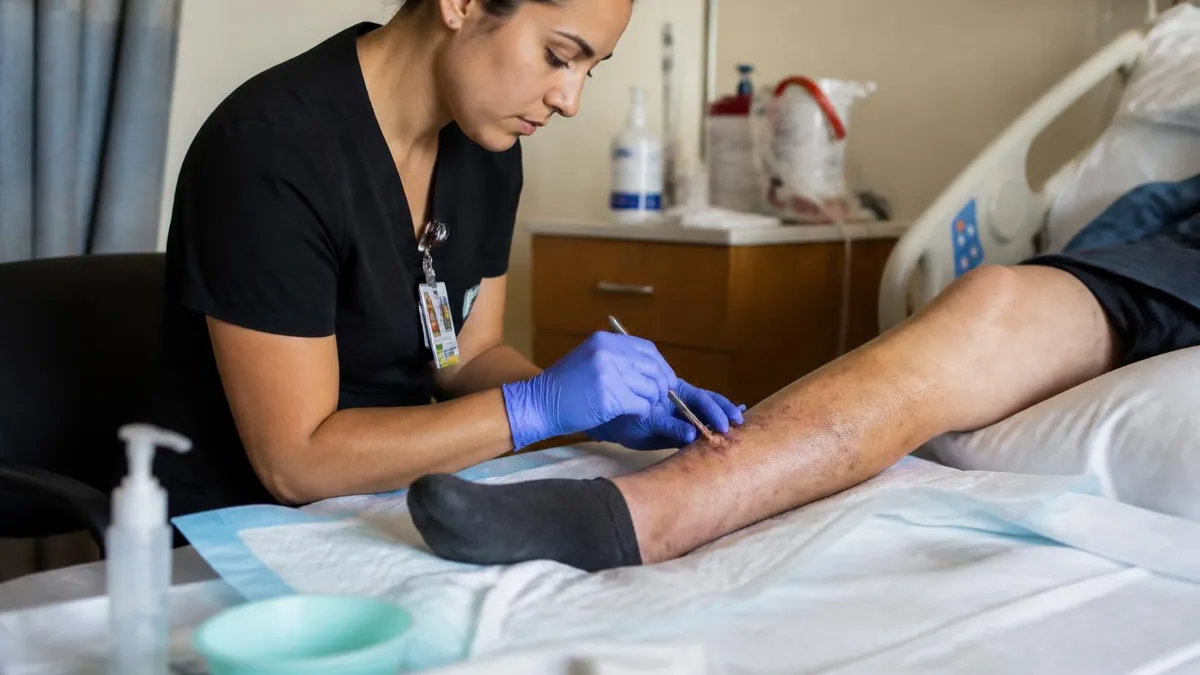
Hydrogel in Wound Care: How It Works, When to Use It, and Types in 2026
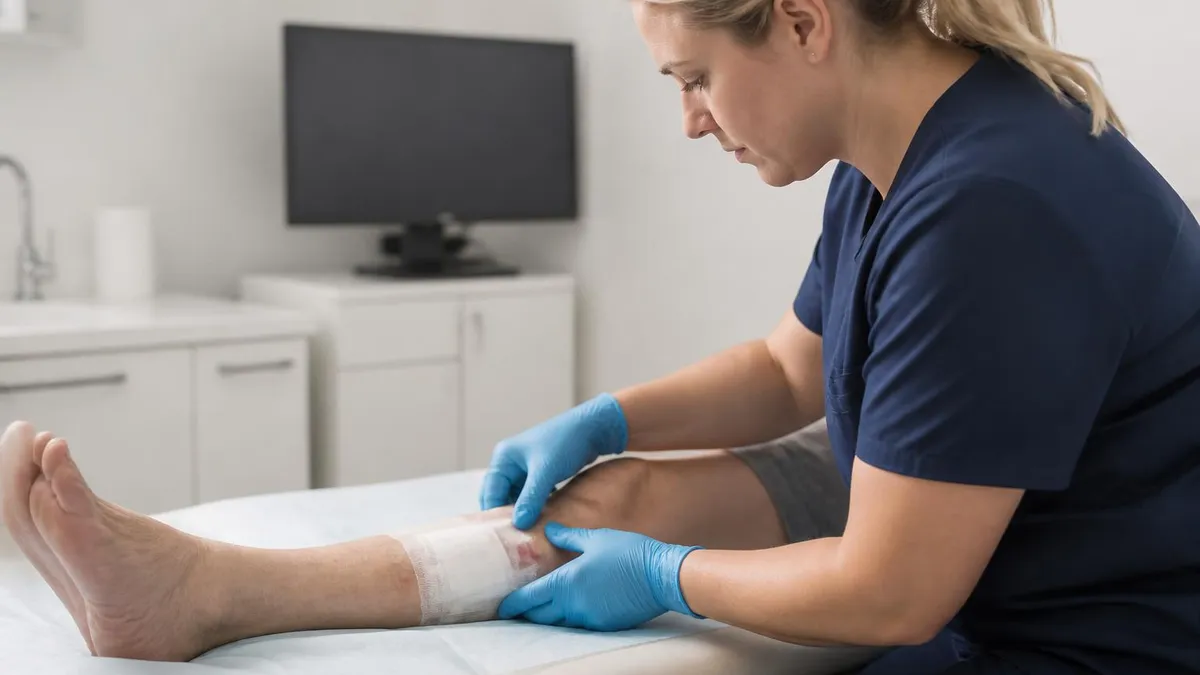
After Surgery Wound Care: Complete Recovery Guide for Patients & Caregivers

Wound Care Courses: Your Complete Guide to Training, Certification, and Career Advancement
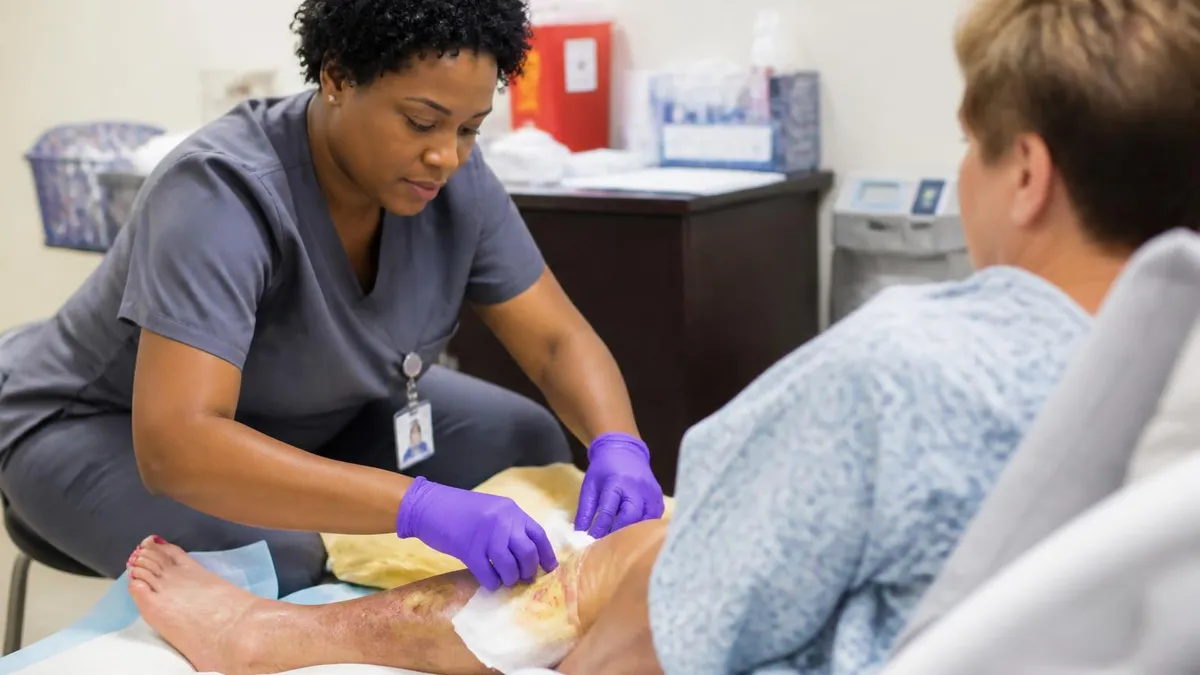
Wound Care NP Jobs: Career Guide for Nurse Practitioners in Wound Management
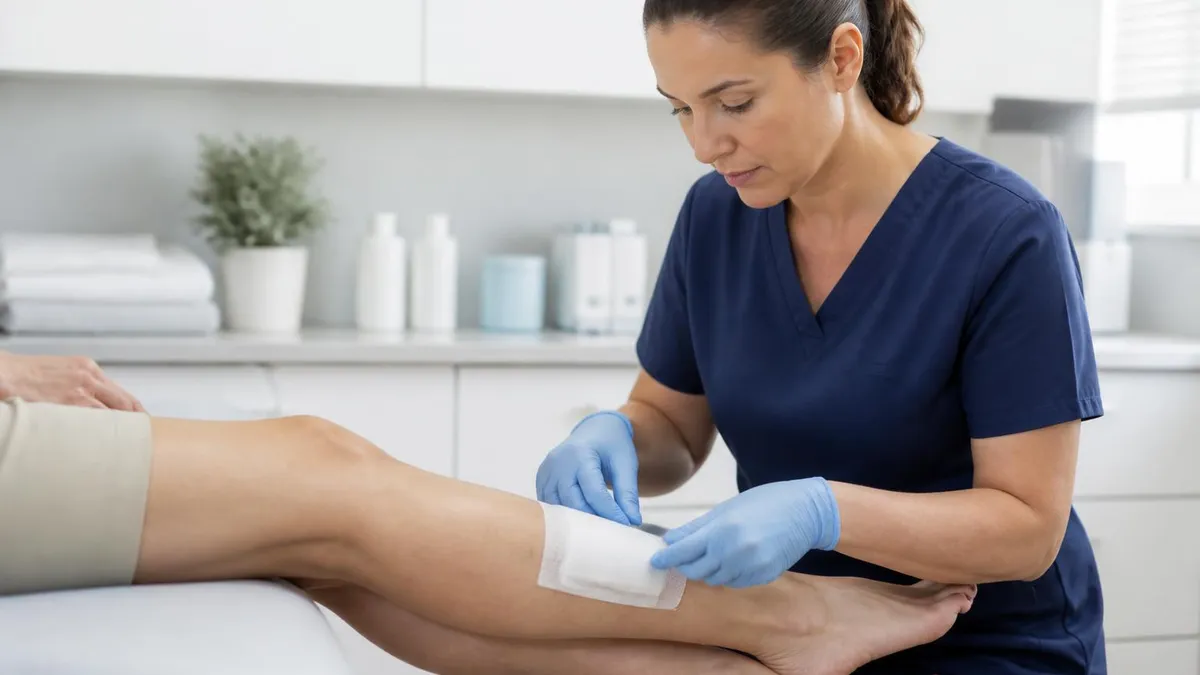
Wound Care Certification for LPN: Complete 2026 Guide to Requirements, Exams & Career Growth
About the Author

Registered Nurse & Healthcare Educator
Johns Hopkins University School of NursingDr. Sarah Mitchell is a board-certified registered nurse with over 15 years of clinical and academic experience. She completed her PhD in Nursing Science at Johns Hopkins University and has taught NCLEX preparation and clinical skills courses for nursing students across the United States. Her research focuses on evidence-based exam preparation strategies for healthcare certification candidates.