
After Surgery Wound Care: Complete Recovery Guide for Patients & Caregivers
📚 Master after surgery wound care with expert tips on dressings, infection signs, healing stages, and certification. Complete guide for patients and nurses.
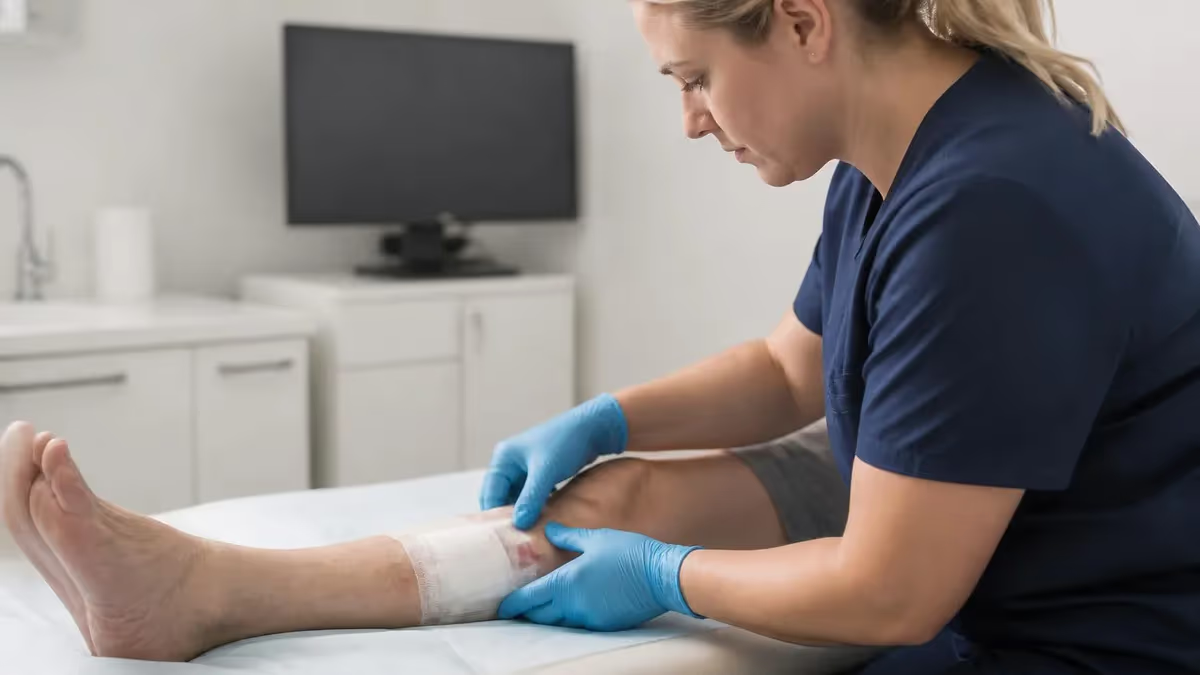
Proper after surgery wound care is the single most important factor determining whether your incision heals smoothly or develops complications that prolong recovery. Whether you've had a minor outpatient procedure or major abdominal surgery, the days and weeks following your operation demand careful attention to your incision site, dressing changes, and warning signs that something has gone wrong. This comprehensive guide walks you through everything patients, caregivers, and nursing students need to know about modern post-operative wound management in 2026.
Surgical wounds heal in predictable stages, but the journey from fresh incision to faded scar requires consistent care, the right supplies, and knowledge of when to call your surgeon. Studies show that approximately 5% of surgical patients develop a surgical site infection, and most of these complications are preventable with proper technique. Understanding the basics of wound care wound care protocols used by hospitals and outpatient centers helps you replicate that level of care at home.
This guide is written for two distinct audiences. First, patients and family caregivers who need clear, jargon-free instructions for managing surgical incisions, drains, and dressings during recovery. Second, nursing students, new graduates, and clinicians preparing for the WCC, CWCN, or CWS certification exams who need a thorough refresher on evidence-based wound management principles. Both audiences benefit from the same core knowledge, just applied differently.
We'll cover the four phases of wound healing, how to recognize infection early, which dressing types work best for different wound conditions, and the specialty products that have transformed wound care over the past decade. You'll learn why some incisions are left open with staples while others are closed with absorbable sutures or surgical glue, and how each closure type changes your home care routine.
By the end of this guide, you'll understand the rationale behind every instruction your surgeon's office gave you at discharge. You'll know when redness is normal versus when it signals cellulitis, how to shower without compromising your incision, and what nutritional choices accelerate tissue repair. For caregivers, you'll learn the documentation habits that protect both you and your loved one if questions arise about the recovery timeline.
Recovery is rarely linear, and small setbacks are common. Knowing what to expect reduces anxiety, prevents unnecessary emergency room visits, and helps you partner effectively with your surgical team. Let's start with the foundational knowledge every person involved in post-surgical wound care should master, then move into specific protocols, products, and troubleshooting strategies that make the difference between a complicated recovery and a textbook one.
After Surgery Wound Care by the Numbers

The Four Phases of Surgical Wound Healing
Hemostasis (Minutes)
Inflammation (Days 1-4)
Proliferation (Days 4-21)
Remodeling (Weeks 3-104)
Choosing the right dressing for your surgical incision depends on the wound's location, drainage volume, closure type, and your surgeon's specific protocol. Modern wound care products have evolved far beyond simple gauze and tape, offering specialized materials that maintain optimal moisture balance, reduce dressing change frequency, and actively promote tissue regeneration. Understanding the categories helps you make informed choices at the pharmacy or follow your discharge instructions with confidence.
Traditional gauze remains common for fresh post-operative incisions because it's inexpensive, absorbs moderate exudate, and allows visual inspection during changes. However, gauze can stick to healing tissue and disrupt new epithelial growth when removed dry. Non-adherent pads like Telfa or petrolatum-impregnated gauze solve this problem by allowing drainage to pass through without bonding to the wound bed. These are excellent first-line choices for shallow incisions with light drainage during the first week of recovery.
Transparent film dressings such as Tegaderm or OpSite create a waterproof, breathable barrier perfect for closed surgical incisions with minimal drainage. They allow you to shower without changing the dressing, let you monitor the wound visually without removal, and reduce bacterial contamination. Many surgeons now apply these directly over closed incisions for the first 5-7 days, after which the wound is considered well-sealed and additional coverage becomes optional rather than mandatory for most procedures.
Hydrocolloid dressings like DuoDERM contain gel-forming agents that interact with wound exudate to create a moist healing environment. They're particularly useful for incisions in friction areas like the abdomen or sacrum where movement could otherwise disrupt healing. Hydrocolloids stay in place for several days, reducing the trauma of frequent dressing changes. They're not appropriate for infected wounds or those with heavy drainage, but for clean incisions in the proliferation phase, they accelerate healing measurably.
Foam dressings excel for incisions with moderate to heavy drainage, common after orthopedic procedures, abdominal surgeries with drains, or wounds left open to heal by secondary intention. Polyurethane foam wicks exudate away from the wound surface while maintaining the moist environment essential for cell migration. Many foam dressings now include silicone borders that adhere gently without damaging fragile periwound skin, an important consideration for elderly patients or those on long-term steroid therapy.
Antimicrobial dressings containing silver, iodine, or honey have transformed care of contaminated or high-risk wounds. Silver ions disrupt bacterial cell membranes and DNA replication, providing broad-spectrum coverage including resistant organisms like MRSA. Medical-grade manuka honey offers natural antibacterial action through its high sugar content, low pH, and methylglyoxal content. These products cost more than standard dressings but pay dividends when infection risk is elevated, such as in immunocompromised patients or contaminated trauma wounds.
Negative pressure wound therapy (NPWT), sometimes called wound VAC, applies controlled suction to complex surgical wounds through a sealed foam dressing. NPWT removes excess fluid, increases blood flow, and pulls wound edges together mechanically. Once reserved for hospital use, portable NPWT units now allow patients to continue therapy at home, dramatically shortening healing times for dehisced incisions, large skin grafts, and chronic wounds that have failed conventional treatment approaches.

Wound Care Certification Practice Test Questions
Prepare for the Wound Care Certification Exam exam with our free practice test modules. Each quiz covers key topics to help you pass on your first try.
Wound Care Certification Beginner's Guide
Wound Care Certification Exam Questions covering Beginner's Guide. Master Wound Care Certification Test concepts for certification prep.
Wound Care Certification Knowledge
Free Wound Care Certification Practice Test featuring Knowledge. Improve your Wound Care Certification Exam score with mock test prep.
Wound Care Certification MCQ
Wound Care Certification Mock Exam on MCQ. Wound Care Certification Study Guide questions to pass on your first try.
Wound Care Certification Practice
Wound Care Certification Test Prep for Practice. Practice Wound Care Certification Quiz questions and boost your score.
Wound Care Certification
Wound Care Certification Questions and Answers on Wound Care Certification. Free Wound Care Certification practice for exam readiness.
Wound Care Certification Trivia
Wound Care Certification Mock Test covering Trivia. Online Wound Care Certification Test practice with instant feedback.
Wound Care Certification Atypical Wound Et...
Free Wound Care Certification Quiz on Atypical Wound Etiologies. Wound Care Certification Exam prep questions with detailed explanations.
Wound Care Certification Dressings and Top...
Wound Care Certification Practice Questions for Dressings and Topical Agents. Build confidence for your Wound Care Certification certification exam.
Wound Care Certification Exam Wound Care C...
Wound Care Certification Test Online for Exam Wound Care Certification Debridement Methods and Indications. Free practice with instant results and feedback.
Wound Care Certification Exam Wound Care C...
Wound Care Certification Study Material on Exam Wound Care Certification Infection Management and Antimicrobials. Prepare effectively with real exam-style questions.
Wound Care Certification Pressure Injury P...
Free Wound Care Certification Test covering Pressure Injury Prevention. Practice and track your Wound Care Certification exam readiness.
Wound Care Certification Systemic Factors ...
Wound Care Certification Exam Questions covering Systemic Factors Affecting Healing. Master Wound Care Certification Test concepts for certification prep.
Essential Wound Care Products for Home Recovery
Stock sterile saline solution (0.9% sodium chloride) as your primary wound cleanser — it's gentle, isotonic, and won't damage healing tissue like hydrogen peroxide or undiluted alcohol can. Single-use saline bullets or spray bottles prevent contamination between uses and are widely available at pharmacies for under $10 per pack.
Avoid antiseptics like povidone-iodine or chlorhexidine on closed surgical incisions unless specifically directed by your surgeon. These agents kill bacteria but also damage fibroblasts and delay epithelialization. Use mild soap and water in the shower after the first 24-48 hours for most clean closures, patting dry gently with a clean towel.
Home Wound Care vs. Wound Care Center Treatment
- +Lower cost — most home supplies under $50 per week versus hundreds at outpatient centers
- +Convenience and comfort of recovering in your own environment
- +Family caregivers can provide continuous monitoring and emotional support
- +No exposure to hospital-acquired infections or waiting room pathogens
- +Flexible timing — dressing changes happen on your schedule, not appointment slots
- +Builds patient confidence and self-management skills for future health needs
- +Reduces transportation burden, especially valuable for elderly or post-op patients
- −Risk of missed early infection signs without trained clinical eyes
- −Limited access to advanced therapies like NPWT or hyperbaric oxygen
- −Documentation often inconsistent compared to professional medical records
- −Caregivers may lack training for complex dressings or drain management
- −No immediate access to debridement or surgical revision if needed
- −Insurance reimbursement for home supplies often less generous than clinic visits
Pros and Cons at a Glance
| Pros | Cons |
|---|---|
| Convenience and comfort of recovering in your own environment | Risk of missed early infection signs without trained clinical eyes |
| Family caregivers can provide continuous monitoring and emotional support | Limited access to advanced therapies like NPWT or hyperbaric oxygen |
| No exposure to hospital-acquired infections or waiting room pathogens | Documentation often inconsistent compared to professional medical records |
| Flexible timing — dressing changes happen on your schedule, not appointment slots | Caregivers may lack training for complex dressings or drain management |
| Builds patient confidence and self-management skills for future health needs | No immediate access to debridement or surgical revision if needed |
| Reduces transportation burden, especially valuable for elderly or post-op patients | Insurance reimbursement for home supplies often less generous than clinic visits |

Daily After Surgery Wound Care Checklist
- ✓Wash hands thoroughly with soap and water for 20 seconds before touching the wound or supplies
- ✓Inspect the incision in good lighting for redness, swelling, drainage, warmth, or separation
- ✓Take and record your temperature once daily — fever above 101°F warrants a call to your surgeon
- ✓Photograph the wound weekly to track healing progress and detect subtle changes over time
- ✓Change dressings on the schedule your surgeon specified, not more or less frequently
- ✓Clean the wound with sterile saline or as directed, patting dry rather than rubbing
- ✓Apply prescribed topical medications using a clean cotton swab, never your bare finger
- ✓Document drainage color, amount, and odor in a recovery journal for your follow-up visit
- ✓Take pain medication as scheduled rather than waiting for severe pain to develop
- ✓Eat protein-rich foods and drink adequate water to support tissue rebuilding
- ✓Avoid soaking the wound in baths, pools, or hot tubs until fully healed and approved
- ✓Wear loose clothing that doesn't rub or pressure the incision site during activities
Protein and Hydration Drive Healing
Studies consistently show that surgical patients consuming 1.5-2.0 grams of protein per kilogram of body weight daily heal up to 25% faster than those eating standard amounts. Combined with 8-10 glasses of water, vitamin C, and zinc, optimal nutrition reduces infection rates and shortens recovery by days or weeks. Don't underestimate diet — it's as important as the dressing itself.
Recognizing infection early can mean the difference between a quick course of oral antibiotics and a serious complication requiring hospitalization, IV therapy, or surgical revision. Surgical site infections (SSIs) typically develop between days 4 and 10 after surgery, though deep infections involving implants or organs can present weeks or even months later. Knowing the warning signs and acting promptly protects your recovery and prevents long-term consequences like chronic wounds or sepsis.
The classic signs of infection are summarized in the acronym CHEWY: Color (increasing redness extending beyond the wound edges), Heat (warmth disproportionate to expected inflammation), Edema (worsening swelling after day three), Wetness (new or increased drainage, especially if cloudy or foul-smelling), and Yellow (purulent discharge that wasn't present before). Any single sign warrants attention; multiple signs together demand immediate medical evaluation. Don't wait for symptoms to worsen on their own.
Systemic infection signs deserve equal vigilance. Fever above 101°F (38.3°C), chills, nausea, fatigue beyond normal post-operative tiredness, or rapidly increasing pain after initial improvement all suggest the body is fighting infection. Confusion or dramatic behavior changes in elderly patients can be the only sign of serious infection before sepsis develops. Trust caregivers who know the patient's baseline — they often detect subtle changes before clinical staff would.
Wound dehiscence — the partial or complete separation of a closed incision — is another serious complication. Small dehiscence may present as a sudden popping sensation followed by visible separation of wound edges. Large dehiscence with exposed tissue or organs (evisceration) is a surgical emergency requiring immediate transport to the hospital with the wound covered by sterile saline-moistened gauze. Never push exposed tissue back in or apply pressure that might cause further damage.
Seromas and hematomas develop when fluid or blood accumulates under the incision. Small collections often resolve on their own with warm compresses and gentle compression. Larger collections may require needle aspiration in the surgeon's office. While not infections themselves, seromas create an environment where bacteria can multiply and should be reported to your surgical team for evaluation and possible drainage rather than ignored or self-treated at home.
Allergic reactions to dressing adhesives, topical antibiotics, or sutures occasionally complicate recovery. Look for itchy, red, raised areas that follow the exact pattern of tape application rather than spreading randomly. Switch to hypoallergenic paper tape, silicone-based dressings, or alternative closure methods if reactions develop. Pre-existing latex allergies should be communicated clearly so all post-operative supplies are appropriately selected from the start of recovery.
Patients with diabetes, immunosuppression, obesity, or smoking histories face elevated infection risk and slower healing across the board. These patients benefit enormously from closer monitoring, more aggressive blood sugar control during recovery, and lower thresholds for clinical evaluation when any concerning sign appears. If you fall into a high-risk category, schedule your post-operative follow-up earlier rather than later and don't hesitate to use telehealth photos to get clinical input between visits.
Seek emergency care for: heavy bleeding that won't stop with 10 minutes of pressure, complete wound separation with visible internal tissue or organs (evisceration), high fever above 103°F with chills and confusion, rapidly spreading redness with red streaks moving toward your heart, or severe chest pain and difficulty breathing. These signs indicate life-threatening complications requiring immediate intervention.
For nurses, nurse practitioners, and other clinicians who want to specialize in wound management, formal wound care near me certification opens doors to higher salaries, expanded scope of practice, and the satisfaction of becoming the go-to expert in your facility. Multiple certification pathways exist, each with different prerequisites, exam formats, and recognition levels. Choosing the right credential depends on your current role, career goals, and the patient populations you serve most frequently.
The Wound Care Certified (WCC) credential offered through the National Alliance of Wound Care and Ostomy (NAWCO) requires completion of an approved education program plus passing a comprehensive exam. WCC certification is open to RNs, LPNs, PTs, OTs, and physicians, making it one of the most accessible credentials in the field. The exam covers wound assessment, dressing selection, debridement principles, and reimbursement basics across 200 multiple-choice questions delivered over four hours at testing centers nationwide.
The Certified Wound Care Nurse (CWCN) credential through the Wound, Ostomy and Continence Nursing Certification Board (WOCNCB) represents the gold standard for registered nurses specifically. CWCN candidates must be RNs with active licensure plus either completion of a WOCN-accredited education program or 1,500 hours of clinical wound care experience within the past five years. The exam emphasizes evidence-based practice, complex wound types, and interdisciplinary care coordination across all care settings.
For physicians and advanced practice providers, the Certified Wound Specialist (CWS) credential through the American Board of Wound Management (ABWM) signals expert-level knowledge. CWS holders often direct wound centers, lead research, and serve as expert witnesses in malpractice cases. The credential requires substantial wound care experience plus passing a rigorous exam covering pathophysiology, advanced therapies like hyperbaric oxygen, and surgical wound management techniques used in complex cases.
Working as a wound care nurse offers exceptional career flexibility. You can practice in hospitals as an inpatient consultant, in outpatient wound centers performing serial debridement and applying advanced therapies, in long-term care facilities preventing and treating pressure injuries, or in home health visiting patients who can't travel easily. Average salaries for certified wound care nurses range from $75,000 to $110,000 depending on geography, setting, and credentials, with consultants and educators earning even more.
Continuing education is mandatory to maintain any wound care credential. WCC requires 60 contact hours every five years; CWCN requires similar ongoing learning with documentation of practice hours. Conferences like the Symposium on Advanced Wound Care (SAWC) and online platforms offer abundant CE opportunities. Many employers cover certification fees, exam prep courses, and conference attendance because certified staff demonstrably improve patient outcomes and reduce facility-acquired pressure injury rates substantially.
If you're considering certification, start by shadowing a wound care nurse for a day to confirm your interest. The work blends detective skills, technical precision, patient education, and sometimes difficult conversations about chronic wounds that may never fully heal. Those who thrive in the specialty describe it as intellectually engaging, deeply rewarding, and a refreshing alternative to the high-acuity chaos of ICU or ER nursing where patient relationships are necessarily brief and outcomes uncertain.
Final preparation for surgery starts long before you arrive at the hospital. Optimize your nutrition for several weeks beforehand by increasing protein intake, supplementing vitamin C and zinc with your physician's approval, and stabilizing blood sugar if you have diabetes. Stop smoking at least four weeks before any elective procedure — nicotine constricts blood vessels and dramatically slows healing, increasing infection risk by up to 50% even in otherwise healthy patients undergoing routine operations.
Prepare your home before surgery so recovery is smooth. Stock supplies, prepare easy meals in advance, set up a comfortable recovery zone with everything within arm's reach, and arrange help for the first week. Pet owners managing recovery while caring for animals should consider whether assistance is needed; even dog wound care for an injured pet requires coordinated effort that may overwhelm a recovering surgical patient trying to manage their own incision concurrently.
Communicate openly with your surgical team about your medications, supplements, and herbal remedies. Many common supplements like fish oil, garlic, ginkgo, and high-dose vitamin E increase bleeding risk and must be stopped 7-14 days before surgery. NSAIDs like ibuprofen also affect platelet function and are typically held. Anticoagulants require careful management with your prescribing physician — never stop these medications without explicit guidance from the doctor who prescribed them initially.
Day-of-surgery instructions matter enormously. Bathe with antimicrobial soap as directed, follow fasting guidelines precisely, and bring loose-fitting clothing for the return home. Don't wear jewelry, makeup, or nail polish that interferes with oxygen monitoring. Bring a list of all medications with doses, your emergency contact information, and your insurance cards. Arrange transportation home with a responsible adult — you cannot drive after anesthesia regardless of how alert you feel afterward.
Discharge instructions are your most important recovery document. Read them carefully before leaving the facility and ask questions about anything unclear. Confirm when you can shower, when sutures or staples will be removed, what activities are restricted and for how long, when you can return to work, and exactly which symptoms warrant calling versus going to the emergency room. Take photos of your dressing setup at discharge so you can replicate it correctly at home during the first changes.
Follow-up appointments are not optional even if you feel completely well. These visits allow your surgeon to assess healing professionally, remove sutures or staples on schedule, address concerns you might have minimized, and update your activity restrictions as recovery progresses. Many minor complications caught at follow-up visits would have become major problems if left another week. Schedule the appointment before you leave the facility and put it in your calendar with reminders.
Finally, give yourself grace during recovery. Healing requires energy, and pushing too hard too soon delays rather than accelerates progress. Sleep when tired, accept help when offered, and celebrate small milestones like the first shower, the first walk around the block, or the first night without pain medication. Recovery is temporary, but the habits you build during it — better nutrition, more rest, better self-advocacy — can improve your health permanently if you choose to maintain them after healing completes.
Sample Wound Care Certification Exam Practice Questions
Try these questions from our free Wound Care Certification Exam practice tests. The correct answer and an explanation follow each question.
Which type of wound closure is MOST appropriate for a contaminated traumatic wound presenting 18 hours after injury?
- A. Primary intention (immediate closure)
- B. Secondary intention (allowing to heal open)
- C. Delayed primary closure
- D. Tissue adhesive application
Answer: C. Delayed primary closure
Delayed primary closure (closing after 4–5 days of open observation) reduces infection risk in contaminated wounds presenting beyond the golden period.
After a primary assessment has shown that a wound doesn't threaten life or limb, the first step in treating a wound that needs sutures is:
- A. Exploration
- B. Radiographic evaluation
- C. Local anesthesia
- D. Irrigation
Answer: C. Local anesthesia
After ensuring a wound is not life or limb-threatening, the immediate priority for a wound requiring sutures is to manage pain and allow for thorough assessment and treatment. Administering local anesthesia first ensures patient comfort, facilitates a more complete exploration, irrigation, and debridement of the wound, and allows for precise suturing without causing further distress. Without adequate anesthesia, these crucial steps would be difficult or impossible to perform effectively.
Becaplermin (Regranex) gel is a recombinant form of which growth factor used in wound care?
- A. Epidermal growth factor (EGF)
- B. Platelet-derived growth factor (PDGF-BB)
- C. Fibroblast growth factor (FGF)
- D. Vascular endothelial growth factor (VEGF)
Answer: B. Platelet-derived growth factor (PDGF-BB)
Becaplermin is a recombinant human platelet-derived growth factor-BB (rhPDGF-BB) indicated for non-infected neuropathic diabetic foot ulcers.
Which finding on wound assessment indicates the wound is in the proliferative phase of healing?
- A. Presence of fibrin slough covering 50% of the wound bed
- B. Bright red granulation tissue filling the wound bed
- C. Eschar covering the wound base
- D. Wound edges rolled under (epibole)
Answer: B. Bright red granulation tissue filling the wound bed
Bright red granulation tissue indicates active angiogenesis and collagen synthesis, hallmarks of the proliferative healing phase.
Wound Care Questions and Answers


About the Author

Registered Nurse & Healthcare Educator
Johns Hopkins University School of NursingDr. Sarah Mitchell is a board-certified registered nurse with over 15 years of clinical and academic experience. She completed her PhD in Nursing Science at Johns Hopkins University and has taught NCLEX preparation and clinical skills courses for nursing students across the United States. Her research focuses on evidence-based exam preparation strategies for healthcare certification candidates.