
Wound Care NP Jobs: Career Guide for Nurse Practitioners in Wound Management
🔎 Explore wound care NP jobs: duties, salary, certification requirements, and how to land top wound care nurse practitioner positions in 2026 September.
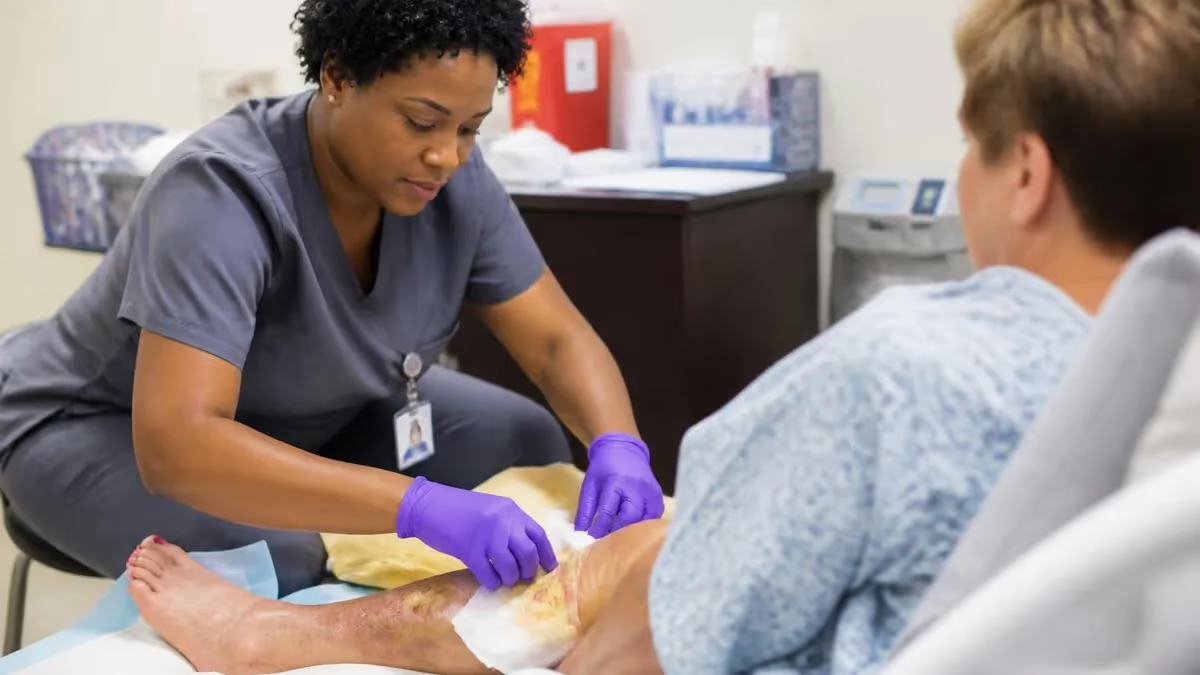
Wound care wound care is one of the fastest-growing subspecialties in advanced practice nursing, and nurse practitioners who pursue wound care NP jobs are stepping into a field that combines clinical complexity with genuine patient impact.
Chronic wounds — from diabetic foot ulcers to pressure injuries to venous leg ulcers — affect more than 8.2 million Americans annually, and the demand for trained NPs who can assess, treat, and coordinate long-term wound management has never been higher. Whether you are a newly certified NP exploring specialty options or an experienced clinician ready to pivot, this guide covers everything you need to make an informed decision.
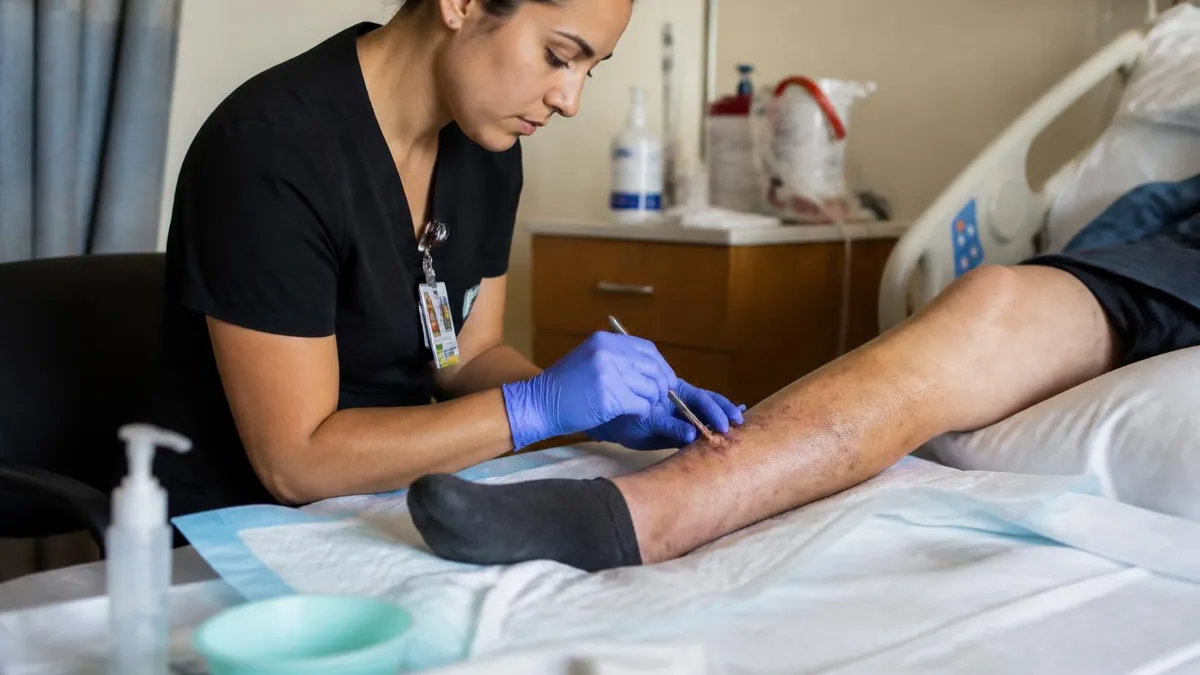
The role of a wound care nurse practitioner sits at the intersection of advanced assessment, procedural skill, and collaborative care coordination. NPs in this specialty perform detailed wound assessments using validated tools such as the Bates-Jensen Wound Assessment Tool, select appropriate wound care dressings for each wound type and healing stage, perform sharp debridement, and write comprehensive treatment plans. They work closely with vascular surgeons, plastic surgeons, infectious disease physicians, physical therapists, and registered dietitians to address the systemic factors — poor perfusion, malnutrition, uncontrolled diabetes — that prevent wounds from healing.
Salary data for wound care NPs is compelling. According to the Bureau of Labor Statistics and specialty salary surveys compiled through 2025, the median annual compensation for NPs working full-time in wound care ranges from $108,000 to $132,000, with outpatient wound centers and hospital-based programs at the higher end. Geographic location, years of experience, and board certification all influence pay. NPs who hold the Wound Care Certified (WCC) credential or the Wound, Ostomy, and Continence Nursing Certification (CWOCN) consistently command salaries 8–14% above non-certified peers — a concrete return on the investment of certification study.
Employment settings for wound care NPs are diverse. Hospital-based wound care centers account for roughly 38% of positions, followed by long-term care and skilled nursing facilities (27%), home health agencies (18%), outpatient specialty clinics (11%), and physician group practices (6%). Each setting carries its own patient population, documentation burden, and procedural scope.
Hospital programs tend to see the most complex wounds, including surgical site infections, necrotizing fasciitis, and post-radiation tissue breakdown. Long-term care settings focus heavily on pressure injury prevention, staging, and regulatory compliance under CMS guidelines. Home health roles demand strong independent clinical judgment because backup is not immediately available.
Job outlook data is equally promising. The Bureau of Labor Statistics projects NP employment overall to grow 45% between 2022 and 2032 — far faster than any other healthcare occupation — and wound care represents one of the specialty tracks least likely to be disrupted by telehealth substitution because so much of the work is hands-on.
An aging population with rising rates of diabetes, peripheral arterial disease, and obesity will continue to expand the pool of patients who need dedicated wound care providers. Health systems that once relied solely on wound care nurses and WOC nurses are increasingly hiring NPs into these roles because NPs can independently diagnose, prescribe, and bill — reducing the need for a supervising physician on every encounter.
For NPs considering this career path, the entry barrier is achievable. Most wound care NP positions require a master's or doctoral degree in nursing, current national NP board certification (FNP, ACNP, AGPCNP, or similar), an active state RN and APRN license, and at least one to two years of clinical nursing experience in a wound-related setting.
Employers increasingly prefer or require specialty wound care certification within the first year of hire. The most recognized credentials are the WCC (offered by the National Alliance of Wound Care and Ostomy) and the CWOCN (offered by the Wound, Ostomy and Continence Nursing Certification Board). Both exams test knowledge of wound etiology, pathophysiology, assessment, evidence-based treatment protocols, and documentation.
Getting started means understanding where to look for open positions and how to position yourself competitively. Job boards such as the NAWCO career center, the Wound, Ostomy and Continence Nurses Society job board, Indeed, and LinkedIn routinely post wound care NP openings. Networking at the WOCN Society annual conference or the Symposium on Advanced Wound Care (SAWC) connects you with hiring managers and experienced clinicians who can provide referrals. Tailoring your resume to highlight wound-related clinical hours, any prior wound care training, and your certification study progress signals readiness to prospective employers before you even earn your credential.
Wound Care NP Jobs by the Numbers
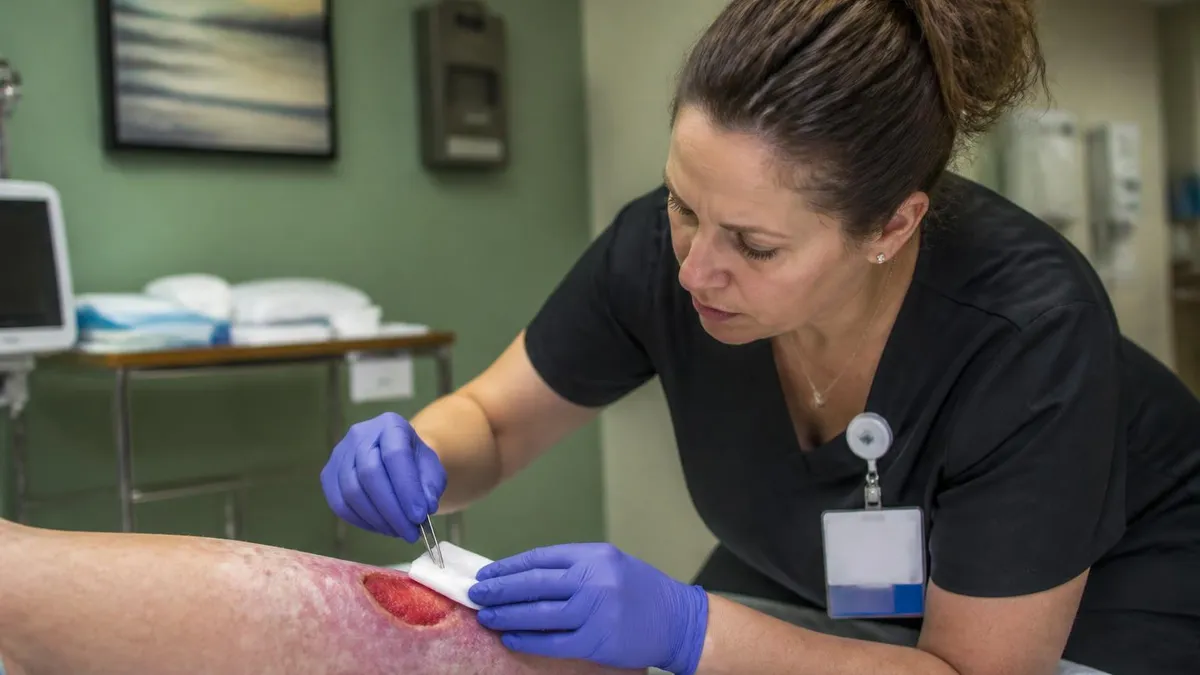
Core Duties of a Wound Care NP
NPs evaluate wound dimensions, tissue type, exudate characteristics, periwound skin condition, and signs of infection using validated tools such as the BWAT. Accurate assessment drives every treatment decision and ensures continuity across care transitions.
Sharp, mechanical, enzymatic, and autolytic debridement are core procedural competencies. NPs select the appropriate method based on wound bed status, patient tolerance, and perfusion. Sharp debridement is the fastest way to remove necrotic tissue and stimulate healing.
NPs prescribe dressings, topical agents, compression therapy, negative pressure wound therapy, and off-loading devices. Plans are individualized to wound etiology and patient comorbidities, then updated at each visit based on measurable healing progress.
Accurate wound care ICD 10 coding is essential for reimbursement and legal compliance. NPs must correctly apply codes for pressure injuries by stage, diabetic ulcers by laterality, venous ulcers, and post-procedural wound complications to avoid claim denials.
Teaching patients and families proper dressing changes, off-loading techniques, nutrition strategies, and infection warning signs is central to the NP role. Education reduces emergency visits, prevents wound deterioration, and empowers patients in self-management.
Salary and job market dynamics are critical considerations for any NP evaluating wound care as a specialty. Compensation varies widely by geography, setting, and experience level, but the overall trend is upward. In high-cost states such as California, New York, and Massachusetts, wound care NPs in hospital-based programs regularly earn $125,000–$145,000 annually before bonuses.
In Midwestern and Southern states, salaries are more typically in the $95,000–$115,000 range, though lower cost of living partially offsets the difference. Rural and underserved areas are increasingly offering loan repayment incentives on top of competitive base pay to attract wound care specialists where need is greatest.
Long-term care facilities represent a significant and often overlooked segment of the wound care NP job market. Skilled nursing facilities are required under federal CMS regulations to have wound care protocols in place and to document pressure injury incidence and prevalence rates.
Many facilities contract with wound care NPs on a part-time or per diem basis to provide weekly wound rounds, staff education, and regulatory compliance support. These roles can be highly lucrative on an hourly basis — rates of $80–$120 per hour are common — and offer flexible scheduling that appeals to NPs who want to build a multi-employer practice portfolio.
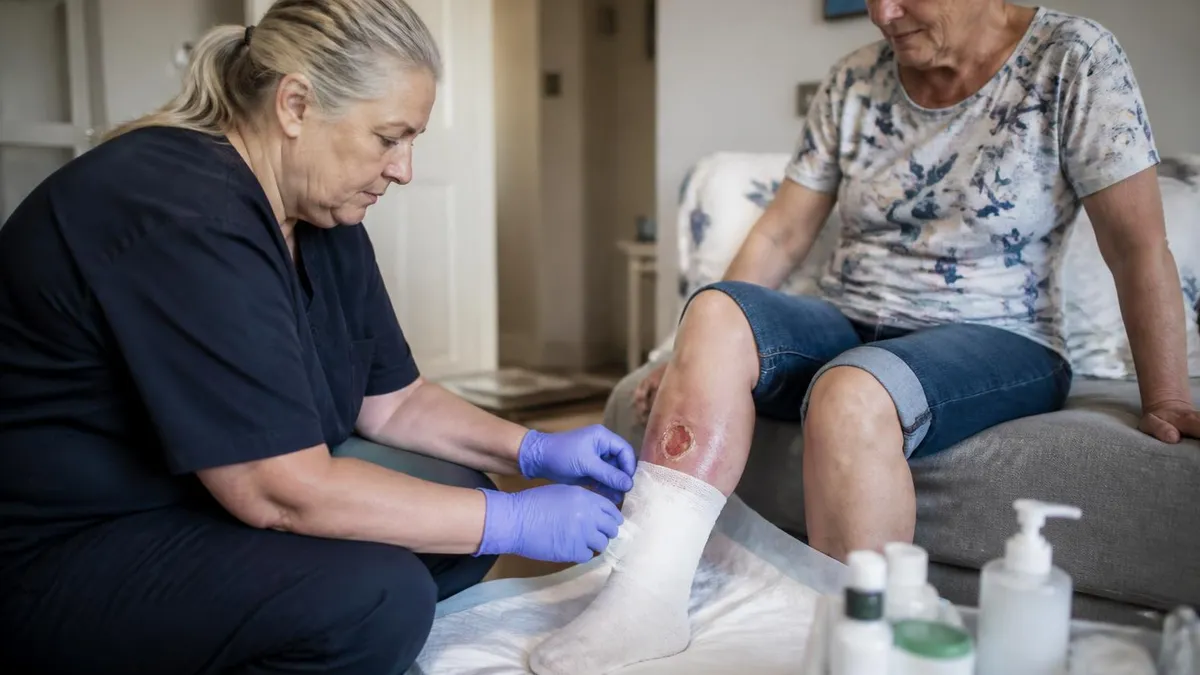
Home health wound care is another growing sector. Agencies that provide skilled nursing visits for homebound patients with chronic wounds frequently employ NPs to oversee complex cases that staff RNs are not independently authorized to manage. Home wound care NPs travel to patients' homes, assess wounds in their real-world context (often revealing poor off-loading compliance, inadequate nutrition, or caregiver fatigue that clinic visits miss), and adjust treatment plans accordingly. Finding wound care near me resources is a question patients frequently ask, and home health NPs are a primary answer to that question in most US markets.
Outpatient wound care centers affiliated with health systems are arguably the most structured environment for wound care NPs. These centers typically operate Monday through Friday, 8 am to 5 pm, with a predictable patient schedule and on-site support from wound care nurses, medical assistants, and often a collaborating physician.
The pace is generally faster than inpatient work — patients may be seen every one to two weeks — but the clinical complexity can be high. NPs in these settings become expert at managing venous leg ulcers with multilayer compression, diabetic foot ulcers requiring offloading and systemic glycemic optimization, and post-surgical wounds that are failing to close despite standard care.
The financial and regulatory landscape of wound care billing is a topic every wound care NP must master. Medicare reimburses wound care services under several CPT code categories, including evaluation and management codes (99213–99215), debridement codes (97597–97602), and application of wound care products.
NPs can bill independently under their own NPI when practicing in states with full practice authority, or with physician supervision or collaboration in other states. Understanding the distinction between Medicare Part A and Part B coverage for wound care — particularly in skilled nursing settings — directly affects which services the NP can order and how they are reimbursed.
Wound care nurse practitioners who build expertise in advanced modalities significantly expand both their clinical effectiveness and their career options. Hyperbaric oxygen therapy (HBOT) is used for select wounds such as diabetic foot ulcers, radiation tissue injury, and compromised flaps and grafts. NPs who receive training in HBOT indications and contraindications can serve as wound care and hyperbaric medicine providers, often earning a premium.
Biological skin substitutes and cellular and tissue-based products (CTPs) represent another advanced area: NPs who understand the evidence base, application technique, and CMS coverage criteria for products such as Apligraf, Dermagraft, and amnion-derived grafts deliver measurably better outcomes for hard-to-heal wounds.
Networking and professional association membership accelerate career growth in wound care. The Wound, Ostomy and Continence Nurses Society (WOCN), the American Professional Wound Care Association (APWCA), and the National Alliance of Wound Care and Ostomy (NAWCO) all offer membership benefits including job boards, continuing education, clinical guidelines, and annual conferences. Presenting case studies at conferences, publishing in wound care journals such as Wounds or the Journal of Wound, Ostomy and Continence Nursing, and participating in quality improvement projects at your institution build the professional profile that leads to leadership roles, academic appointments, and consulting opportunities.
Wound Care Dressings: What Every NP Must Know
Primary wound care dressings contact the wound bed directly and must be selected based on wound moisture level, tissue type, and infection status. Hydrocolloids are ideal for low-to-moderately exudating wounds and provide an autolytic debridement environment. Foams absorb moderate-to-heavy exudate while maintaining a moist wound surface. Alginates, derived from seaweed, are highly absorbent and suited for cavitating wounds with heavy drainage. Transparent films are appropriate for shallow, minimally exudating wounds and provide a barrier without disrupting epithelialization.
Silver-containing dressings add antimicrobial activity and are indicated for critically colonized or locally infected wounds where systemic antibiotics are not warranted. Iodine-based dressings such as cadexomer iodine are evidence-supported for biofilm management in chronic venous ulcers. Honey-based products, including manuka honey wound care formulations, deliver broad-spectrum antimicrobial activity alongside osmotic debridement properties and are particularly effective on sloughy, malodorous wounds. NPs must match the dressing to the wound's current phase of healing and reassess at every visit.
Wound Care NP Career: Pros and Cons
- +High demand with 45% projected NP job growth through 2032 supporting job security
- +Compensation premium of 8–14% for certified wound care NPs over non-certified peers
- +Diverse practice settings including hospitals, home health, long-term care, and outpatient clinics
- +Predictable weekday schedules in most outpatient wound center positions
- +Intellectually stimulating specialty combining procedural skills with complex systemic assessment
- +High patient impact — helping someone heal a wound they have had for months is deeply rewarding
- −Requires additional specialty certification (WCC or CWOCN) beyond initial NP licensure
- −Exposure to challenging wound odors, heavy exudate, and complex dressing changes can be physically demanding
- −Long-term care and home health roles can feel isolated without immediate physician backup
- −Reimbursement and billing complexity requires ongoing education to avoid compliance risks
- −Emotional weight of managing wounds in patients with terminal or declining conditions
- −Geographic variation in job availability — rural areas may have fewer structured wound center positions
Wound Care Certification Checklist for NPs
- ✓Confirm eligibility: hold active NP licensure and meet the minimum clinical hours requirement for your target credential.
- ✓Select your credential: choose between WCC (NAWCO), CWOCN (WOCNCB), or CWCN based on your specialty focus.
- ✓Request official candidate handbook from the certifying body and review exam content outline thoroughly.
- ✓Enroll in a structured wound care certification review course (NAWCO, APWCA, or WOCN Society offerings).
- ✓Build a study schedule of 8–12 weeks with dedicated sessions for each content domain.
- ✓Complete at least 200 practice questions using domain-specific question banks before exam day.
- ✓Review clinical guidelines: NPUAP pressure injury staging, AAWC wound care standards, and CMS wound care documentation requirements.
- ✓Practice wound care ICD-10 coding for the most common chronic wound diagnoses.
- ✓Schedule your exam through the certifying body's testing portal and confirm your testing site or remote proctoring setup.
- ✓Arrange a supervised clinical wound care practicum if your employer requires demonstrated competency before independent practice.
WCC vs. CWOCN: Which Credential Is Right for Wound Care NPs?
The WCC (Wound Care Certified) credential from NAWCO is the most widely recognized entry-level wound care certification for NPs and requires 120 hours of wound care education plus a written exam. The CWOCN from WOCNCB covers wound, ostomy, and continence and is preferred by employers who want a provider managing all three specialties. Both credentials require renewal every five years through continuing education or re-examination — plan your CEU activity accordingly from day one of certification.
Obtaining wound care certification is a professional milestone that substantially changes how employers, colleagues, and patients perceive an NP's expertise. The WCC exam administered by NAWCO consists of 110 multiple-choice questions covering wound assessment, wound care principles, treatment modalities, prevention, and patient education.
Candidates have two hours to complete the exam, which is offered at Pearson VUE testing centers nationwide and via remote proctoring. The passing score is criterion-referenced, meaning it reflects mastery of the content domain rather than performance relative to other test-takers. Most candidates who have completed a structured review course and logged the required clinical hours report feeling adequately prepared.
The CWOCN credential issued by the Wound, Ostomy and Continence Nursing Certification Board is a more comprehensive credential that evaluates competency across all three subspecialties: wound care, ostomy care, and continence care. For NPs whose practice includes managing patients with ostomies or urinary and fecal incontinence alongside complex wounds — common in long-term care and home health — the CWOCN is often the preferred credential. The exam is longer, the content domain broader, and the clinical hour requirement more substantial, but the resulting credential opens doors to program director, clinical specialist, and academic roles that the wound-only credential does not.
Preparation strategy matters enormously for these exams. Candidates who pass on the first attempt typically report studying for 10–14 weeks, averaging 8–10 hours per week. They use multiple study modalities: reading the official study guide, watching video lectures, attending live review courses, and — critically — completing high volumes of practice questions under timed, exam-like conditions.
Practice questions develop not just content knowledge but the metacognitive skill of interpreting clinical vignettes, eliminating distractors, and selecting the most defensible answer when two choices both seem correct. This skill transfer is why candidates who do 300+ practice questions outperform those who only read study guides.
Content domains that carry the most weight on wound care certification exams include wound assessment and documentation (typically 20–25% of exam questions), wound management and treatment (25–30%), prevention of skin breakdown and pressure injuries (15–20%), and patient and caregiver education (10–15%). Candidates who have strong clinical backgrounds in acute care sometimes underestimate the prevention and education domains — this is where many test-takers lose points. Allocating study time proportionally to exam domain weights, rather than spending disproportionate time on the clinical content you already know, maximizes score improvement per study hour.
The role of the wound care wound care knowledge base extends beyond exam preparation into daily clinical practice. Evidence-based wound care is a rapidly evolving field: new dressing technologies, updated clinical practice guidelines, and emerging research on biofilm management, microbiome modulation, and regenerative medicine regularly change best practice standards.
Certified wound care NPs are required to accumulate continuing education credits in wound care topics for credential renewal, which keeps them current in a way that non-certified providers may not be. This continuous learning loop is one of the strongest arguments for pursuing certification even when an employer does not require it.
Documentation proficiency is inseparable from wound care clinical competency. CMS audits of wound care billing have intensified in recent years, and improper documentation — missing measurements, absent wound descriptions, unsupported diagnosis codes, or inadequately documented medical necessity for advanced products — can trigger recoupment demands that reach into the tens of thousands of dollars for a single provider.
Wound care NPs must document wound dimensions (length × width × depth) at every visit, describe tissue type using standardized terminology, record periwound skin status, and provide a clear clinical rationale for each treatment element. Electronic health record systems with wound care-specific modules, including photographic documentation tools, streamline this process when used correctly.
Understanding the systemic contributors to wound healing is what separates good wound care NPs from great ones. A wound that is not healing despite technically appropriate local care is almost always reflecting an unaddressed systemic problem: uncontrolled hyperglycemia in a diabetic patient, inadequate protein intake in a malnourished patient, compromised arterial perfusion in a patient with peripheral arterial disease, or unrelieved pressure in an immobile patient.
Wound care NPs who use an ankle-brachial index (ABI) to screen for arterial disease before applying compression, who check hemoglobin A1c and albumin levels as part of every new patient workup, and who involve registered dietitians early in care deliver measurably better outcomes and have the data to prove it.
Both the WCC and CWOCN exams have application windows and eligibility verification periods that can add four to eight weeks to your timeline before you can schedule your test date. If you are targeting certification before a specific hiring deadline or contract renewal date, submit your application at least ten weeks in advance. Allow additional lead time if your employer or collaborating physician must verify clinical hours — institutional verification processes are often the longest step in the application review.
Advancing beyond entry-level wound care NP positions requires a deliberate approach to building clinical expertise, professional visibility, and leadership skills. Senior wound care NPs and wound care program directors are expected not just to treat patients competently but to lead quality improvement initiatives, mentor junior clinicians, manage program budgets, and engage with hospital administration on outcomes data. Clinicians who build these skills early — volunteering for QI committees, presenting outcomes data at department meetings, mentoring new staff — position themselves for leadership transitions that significantly increase both compensation and professional influence.
Teaching and academic roles offer another advancement pathway. Schools of nursing with graduate NP programs actively recruit wound care specialists as adjunct or full-time faculty to teach advanced assessment and clinical skills. Teaching reinforces your own clinical knowledge, expands your professional network, and provides the academic credentials (publications, presentations, committee service) that support promotion in academic health systems. Many wound care NP faculty maintain clinical practice one or two days per week to stay current, earning income from both streams while contributing to the profession's future workforce.
Consulting is a natural extension of wound care NP expertise. Long-term care facilities, home health agencies, insurance companies, law firms handling medical malpractice cases, and wound care product manufacturers all seek consultants with credentialed clinical expertise. Insurance utilization review consulting — evaluating the medical necessity of wound care product claims — is a particularly accessible entry point that many wound care NPs pursue part-time. Hourly consulting rates for credentialed wound care NPs typically range from $100 to $200, and engagements can often be conducted remotely.
Entrepreneurship is increasingly viable for wound care NPs who are willing to navigate the business side of healthcare. Mobile wound care practices — where the NP travels to long-term care facilities, assisted living communities, or patients' homes to provide wound care services on a contract basis — can be structured as an independent practice or small group practice.
Start-up costs are relatively low compared to other medical practices because the physical infrastructure needed is minimal: a durable bag with assessment and dressing supplies, a laptop for electronic documentation, and billing software or a billing service contract. Reimbursement flows from Medicare, Medicaid, and commercial payers directly to the NP's practice entity.
For NPs caring for patients with dog wound care-adjacent skills transfer into diabetic wound care — the systematic, patient approach to cleaning, protecting, and monitoring vulnerable tissue applies in both veterinary and human contexts, though the clinical protocols differ substantially.
In human clinical practice, diabetic wound care remains one of the highest-acuity and highest-stakes areas of wound management, with lower-extremity amputations costing the US healthcare system an estimated $17 billion annually. NPs who develop deep expertise in the multidisciplinary diabetic foot team model — coordinating with podiatry, vascular surgery, orthotics, and endocrinology — are among the most valuable wound care providers in any health system.
Professional development in wound care increasingly includes competency in point-of-care diagnostic tools. Handheld fluorescence imaging devices such as MolecularLight FLIR allow NPs to visualize bacterial burden in wounds in real time, guiding antimicrobial dressing selection without waiting for culture results. Transcutaneous oxygen monitoring (TCOM) provides objective data about tissue oxygenation that informs decisions about hyperbaric oxygen therapy eligibility. Doppler ultrasound for ABI measurement, vascular imaging interpretation, and wound photography with standardized lighting and rulers are all technical skills that wound care NPs must develop and maintain. Employers increasingly list these competencies explicitly in wound care NP job descriptions.
Building a reputation as a wound care expert in your community generates referrals and career opportunities that no job board can match. Presenting at grand rounds, writing a patient education column for a local health system newsletter, teaching wound care competencies to home health aides, or speaking at a community diabetes education event all position you as the go-to wound care resource in your area.
Reputation-building is a long-term investment, but wound care is a specialty where clinical reputation travels quickly — complex patients get referred to providers who are known for achieving healing in wounds that other providers have been unable to close.
Practical preparation for wound care NP job interviews requires both clinical confidence and an understanding of what hiring managers are actually evaluating. Beyond verifying your credentials and licensure, wound care program directors want to know whether you can think critically about a complex wound case, communicate effectively with a multidisciplinary team, handle documentation and billing requirements accurately, and contribute to a culture of quality improvement. Preparing concise case examples that demonstrate each of these competencies — drawn from your clinical experience — allows you to answer behavioral interview questions with specificity rather than generality.
Negotiating your wound care NP compensation package requires understanding the full value of what you bring. In addition to base salary, wound care NPs should negotiate sign-on bonuses (common in underserved areas and long-term care), continuing education reimbursement (certification exam fees, conference registration, review course costs), paid time for professional development activities, malpractice insurance coverage, and production bonuses tied to patient volume or quality metrics.
Many wound care NPs in outpatient settings have compensation structures that include a base salary plus a percentage of collections above a threshold — understanding how to calculate your relative value unit (RVU) productivity and what wRVU targets are reasonable for your practice setting is essential negotiating knowledge.
Staying current with wound care evidence is a professional obligation, not just a recertification requirement. The wound care literature evolves rapidly: new randomized controlled trials on biofilm treatment, updated NPUAP/EPUAP pressure injury prevention guidelines, revised CMS coverage policies for advanced wound products, and emerging evidence on the microbiome's role in chronic wound chronicity all require ongoing attention. Subscribing to journal table-of-contents alerts for Wounds, the Journal of Wound, Ostomy and Continence Nursing, and the International Wound Journal ensures you see new publications in your field as they are released.
Technology is reshaping wound care NP practice in ways that create new competencies and new career opportunities. Telehealth wound care — using high-resolution photography or live video to assess wounds remotely — expanded dramatically during the COVID-19 pandemic and has become a permanent feature of wound care delivery in many health systems.
NPs who are comfortable conducting telehealth visits, coaching patients through self-assessment of their wounds using smartphones, and making evidence-based treatment adjustments remotely are more versatile and more employable than those who insist on in-person-only assessment. Wound imaging artificial intelligence tools that automatically measure wound dimensions from photographs are entering clinical use, and NPs who understand their capabilities and limitations will use them more effectively.
The relationship between wound care and whole-person health is a theme that resonates deeply in value-based care models. Health systems moving away from fee-for-service toward bundled payments and population health management view wound care NPs not just as proceduralists but as care coordinators who reduce hospitalizations, emergency department visits, and amputations across entire patient populations.
NPs who can articulate their contribution in population health terms — reduced 30-day readmission rates, decreased pressure injury incidence, lower amputation rates in diabetic foot programs — make the most compelling case for their value to health system administrators who are managing contracts under alternative payment models.
Mentorship is both a resource to seek and a responsibility to offer in the wound care NP community. As a specialty that is relatively small compared to primary care or emergency medicine, wound care benefits enormously from experienced practitioners investing in the development of new entrants.
Seeking out a mentor who is already established in your target practice setting — whether that is a wound care center, long-term care, or home health — provides access to institutional knowledge, referral networks, and career sponsorship that shortens the learning curve substantially. Equally, as you develop expertise, mentoring newer NPs and nursing students interested in wound care builds the profession and generates the collaborative relationships that make advanced wound care programs function at their best.
Ultimately, wound care NP jobs represent one of the most clinically rich, professionally rewarding, and economically secure career paths available to advanced practice nurses today. The specialty demands technical precision, systems thinking, patient empathy, and lifelong learning — qualities that characterize the best NPs regardless of specialty.
For clinicians who are drawn to the tangible evidence of healing, the complexity of managing wounds across multiple organ systems, and the opportunity to be a genuine expert in a high-need area of healthcare, wound care is not just a job: it is a vocation that continues to grow in importance as the American population ages and chronic disease burden increases.
Wound Care Questions and Answers
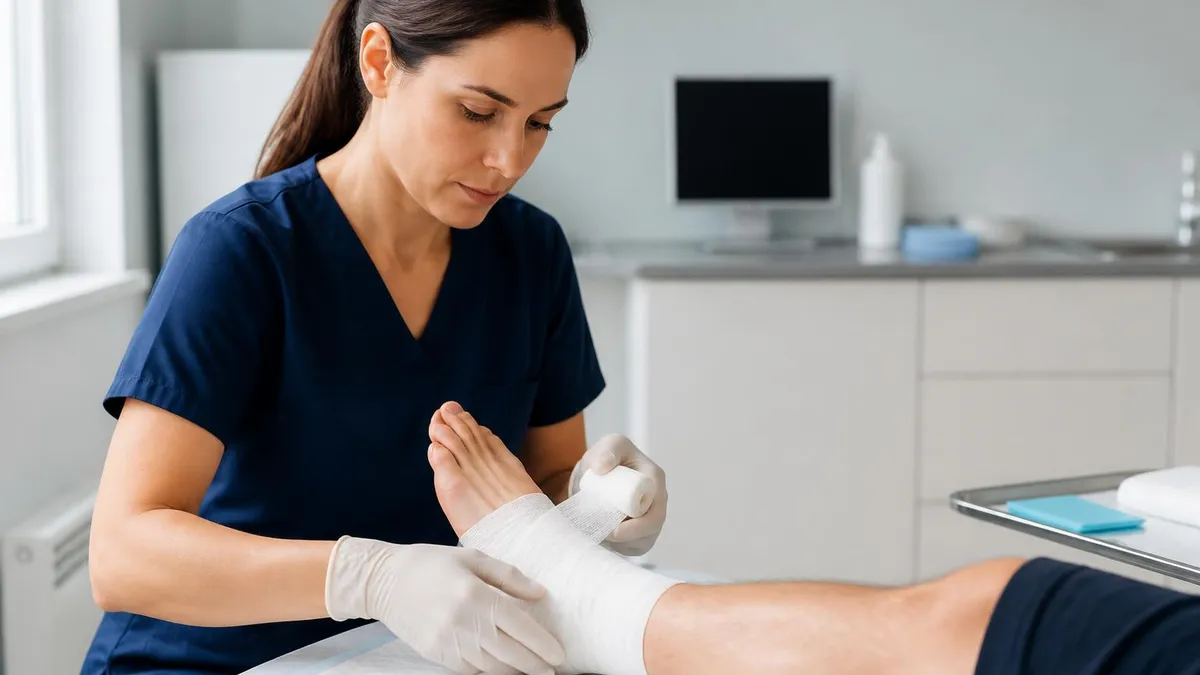
Wound Care General Knowledge: Dressings, DSD & Drain Care
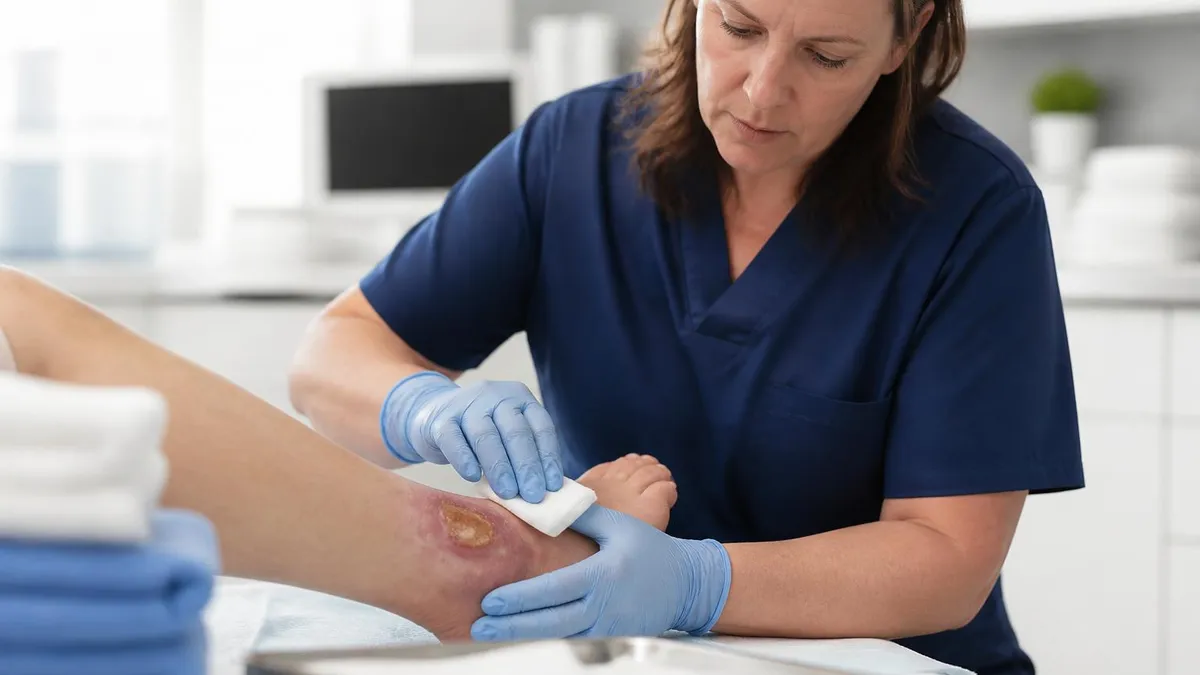
Wound Care Home: Complete Guide to Home Wound Care Services in 2026
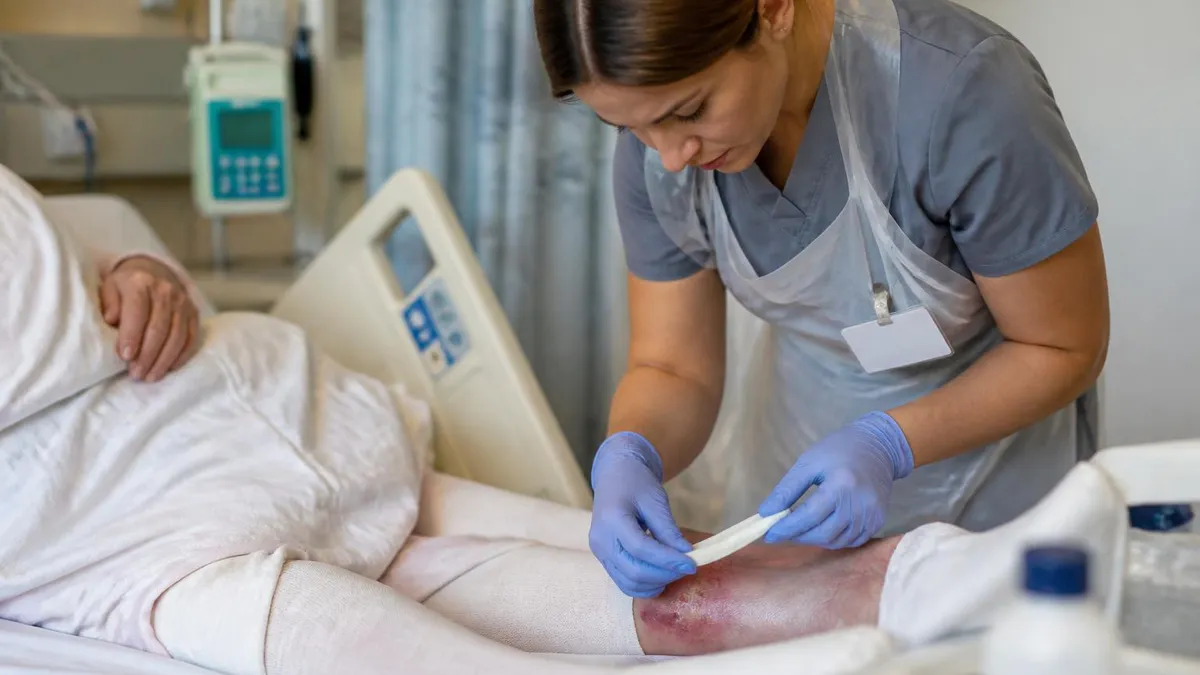
Diabetic Wound Care: Why Wounds Are Different, Treatment, and Prevention in 2026
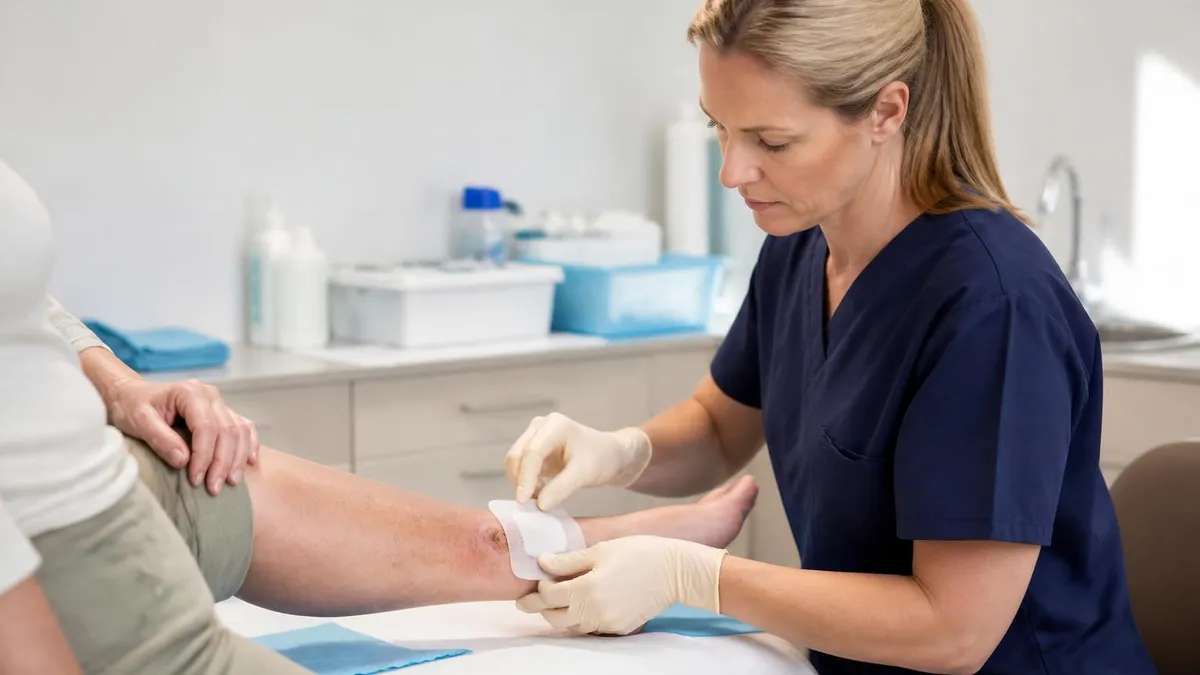
Wound Care Products: Types, Selection, and Clinical Use
Hydrogel in Wound Care: How It Works, When to Use It, and Types in 2026
About the Author

Registered Nurse & Healthcare Educator
Johns Hopkins University School of NursingDr. Sarah Mitchell is a board-certified registered nurse with over 15 years of clinical and academic experience. She completed her PhD in Nursing Science at Johns Hopkins University and has taught NCLEX preparation and clinical skills courses for nursing students across the United States. Her research focuses on evidence-based exam preparation strategies for healthcare certification candidates.