
Hydrogel in Wound Care: How It Works, When to Use It, and Types in 2026 September
Hydrogel in wound care explained: 📝 how hydrogel dressings work, when to use them, the types, pros and cons, and how they compare to other wound dressings.
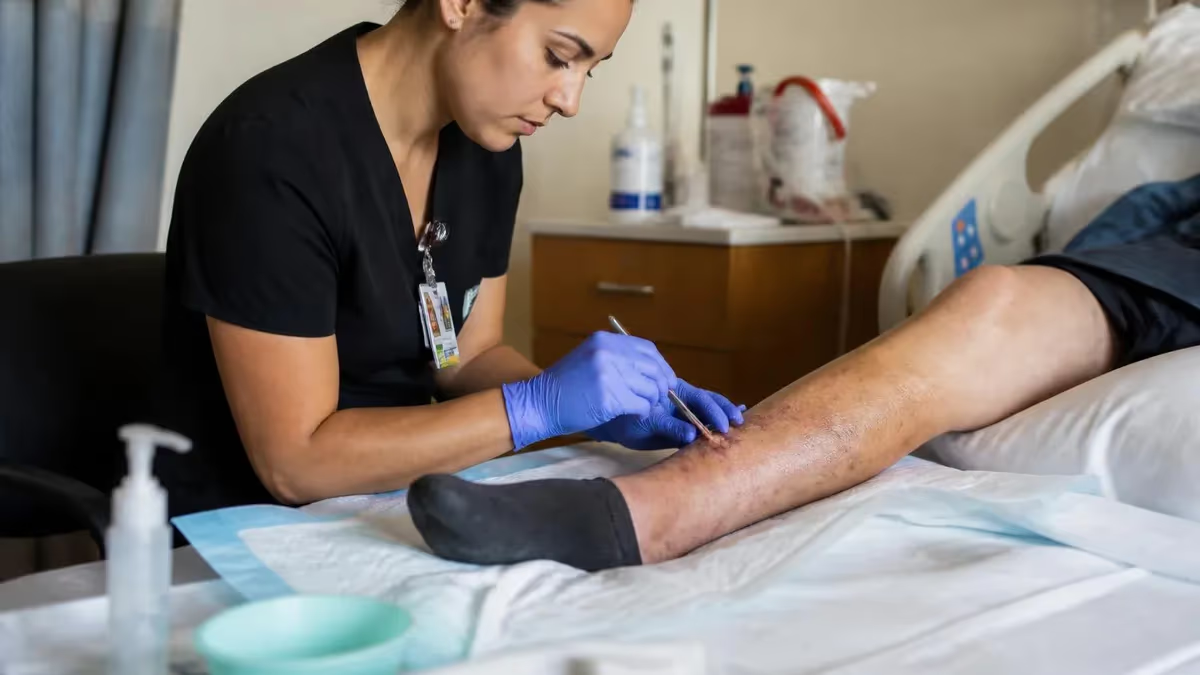
Hydrogel is one of the most useful and widely used dressings in modern wound care, yet many people—patients and even newer clinicians—aren't sure exactly what it does or when to reach for it. At its core, hydrogel is a water- or glycerin-based dressing designed to add and maintain moisture in a wound, and that simple function makes it valuable in a surprising range of situations.
Understanding hydrogel starts with a principle that revolutionized wound care: moist wound healing. For decades, the instinct was to dry wounds out, but research established that wounds heal faster and with less scarring in a balanced, moist environment. Hydrogel dressings embody this principle directly—they donate moisture to dry wounds and help create the optimal healing environment that the body needs to repair tissue effectively.
This guide explains how hydrogel works, the specific situations where it shines, the different forms it comes in, its advantages and limitations, and how it compares to other dressings. As one important category among many wound care dressings, hydrogel fits into the broader toolkit of wound care treatments that clinicians match to each specific wound.
One framing point: no single dressing is right for every wound, and hydrogel is no exception. The art of wound care lies in matching the dressing to the wound's specific needs—its moisture level, depth, infection status, and stage of healing. Hydrogel excels in particular scenarios and is a poor choice in others. Knowing when it's the right tool is exactly what separates effective wound management from guesswork.
It helps to know that hydrogel has been a mainstay of advanced wound care for decades, precisely because it embodies the moist-healing principle so directly. As wound science moved away from the old dry-it-out approach, dressings that actively manage moisture became central, and hydrogel filled the specific niche of adding it back to wounds that lacked it. That long track record is why it remains a standard item on dressing carts and a core topic in wound care training programs everywhere.
Hydrogel in Wound Care at a Glance
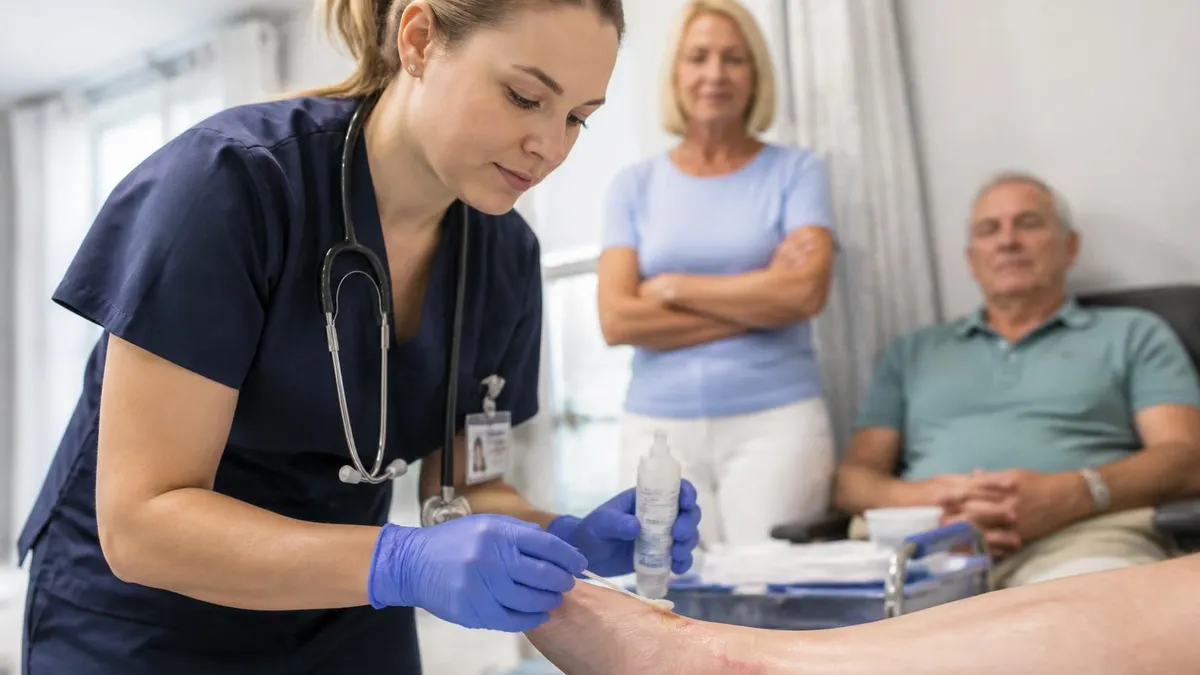
What Hydrogel Does in a Wound
Hydrogel is mostly water or glycerin, so it adds moisture to dry wounds and maintains a moist healing environment—the opposite of absorbent dressings. This rehydration supports the body's natural repair processes.
By keeping a wound moist, hydrogel helps the body's own enzymes soften and break down dead or necrotic tissue gently over time—a non-invasive form of debridement that's gentler than surgical methods.
Hydrogel has a cooling, soothing effect that can reduce pain at the wound site. This makes it popular for painful wounds, minor burns, and sensitive areas where comfort matters to the patient.
Amorphous hydrogel can fill the contours of deeper or irregular wounds, maintaining moisture contact across the whole wound bed where a flat dressing couldn't reach.
Let's look closely at how hydrogel actually works, because its mechanism explains everything about when to use it. Hydrogel dressings are composed largely of water or glycerin held in a gel matrix. When applied to a wound, they release moisture into the wound bed. This is fundamentally different from absorbent dressings, which pull fluid away—hydrogel gives moisture rather than taking it, which is precisely why it suits dry wounds.
The moist environment hydrogel creates is the foundation of its benefit. In a properly moist wound bed, the cells responsible for healing can migrate and function optimally, new tissue forms more readily, and healing proceeds faster than in a dried-out wound. By rehydrating a dry wound and maintaining that balance, hydrogel directly supports the moist wound healing principle that underpins modern wound management.
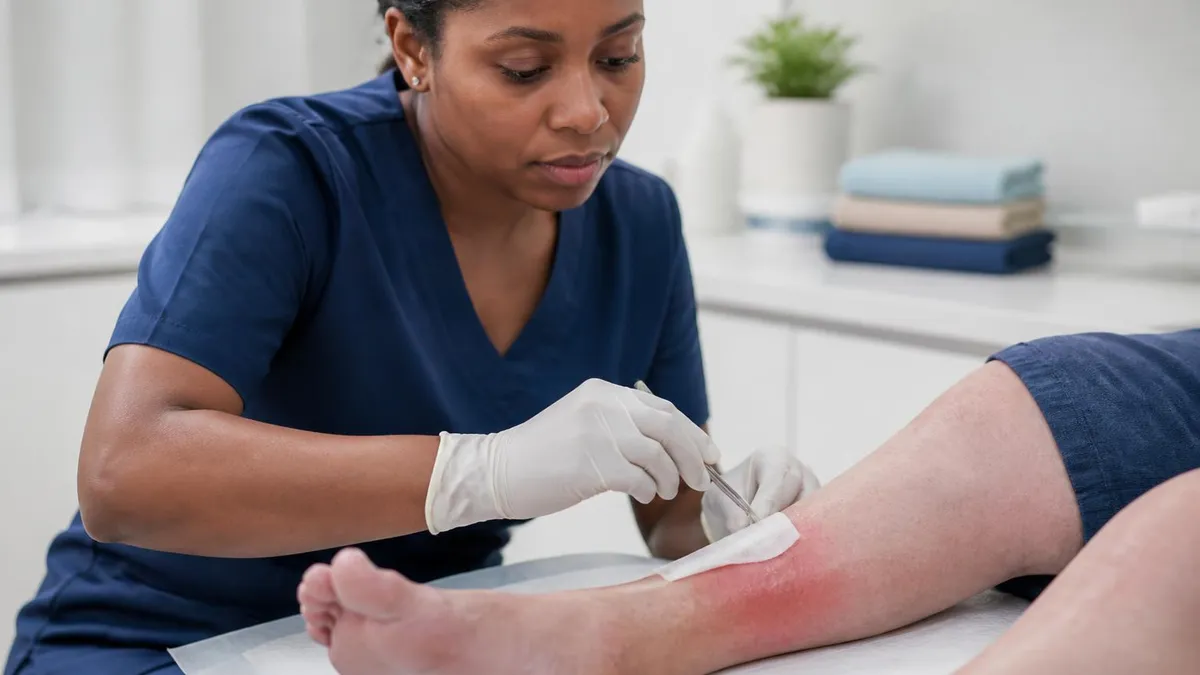
Autolytic debridement is one of hydrogel's most valuable functions. Many wounds contain dead, necrotic tissue or dry, hardened slough that impedes healing and must be removed. Rather than cutting it away surgically, hydrogel rehydrates this dead tissue, allowing the body's own enzymes to break it down naturally and gently. This makes hydrogel a go-to choice for wounds with dry necrotic tissue that need gentle, non-invasive debridement.
The soothing, cooling effect is another genuine clinical benefit, not just a comfort nicety. Hydrogel's high water content gives it a cooling sensation that can meaningfully reduce pain at the wound site. For painful wounds, sensitive patients, or areas like minor burns where discomfort is significant, this pain-relieving quality is a real advantage that improves the patient's experience and tolerance of dressing changes.
Hydrogel's ability to conform to wounds matters too, especially in its amorphous gel form. Poured or squeezed into a wound, amorphous hydrogel fills irregular contours and deeper cavities, maintaining moisture contact across the entire wound bed. A flat sheet dressing can't reach into the nooks of a deep or irregularly shaped wound, but amorphous hydrogel can, ensuring the moist environment reaches everywhere it's needed.
Crucially, hydrogel's mechanism also defines its limits. Because it adds moisture, it's the wrong choice for wounds that are already wet or heavily exudating—those need absorbent dressings to remove excess fluid, not more moisture. Applying hydrogel to a heavily draining wound can cause maceration, where the surrounding skin becomes waterlogged and damaged. Matching the dressing to the wound's moisture level is the central skill here.
This moisture-balance concept is the heart of understanding hydrogel and, really, of wound dressing selection generally. Dry wound, add moisture with hydrogel; wet wound, absorb moisture with something else. A wound care specialist spends much of their expertise assessing exactly this balance and choosing accordingly, which is why hydrogel is a key topic in wound care education and certification.
Using a Hydrogel Dressing
Assess the wound
Clean the wound
Apply the hydrogel
Cover with a secondary dressing
Change as directed
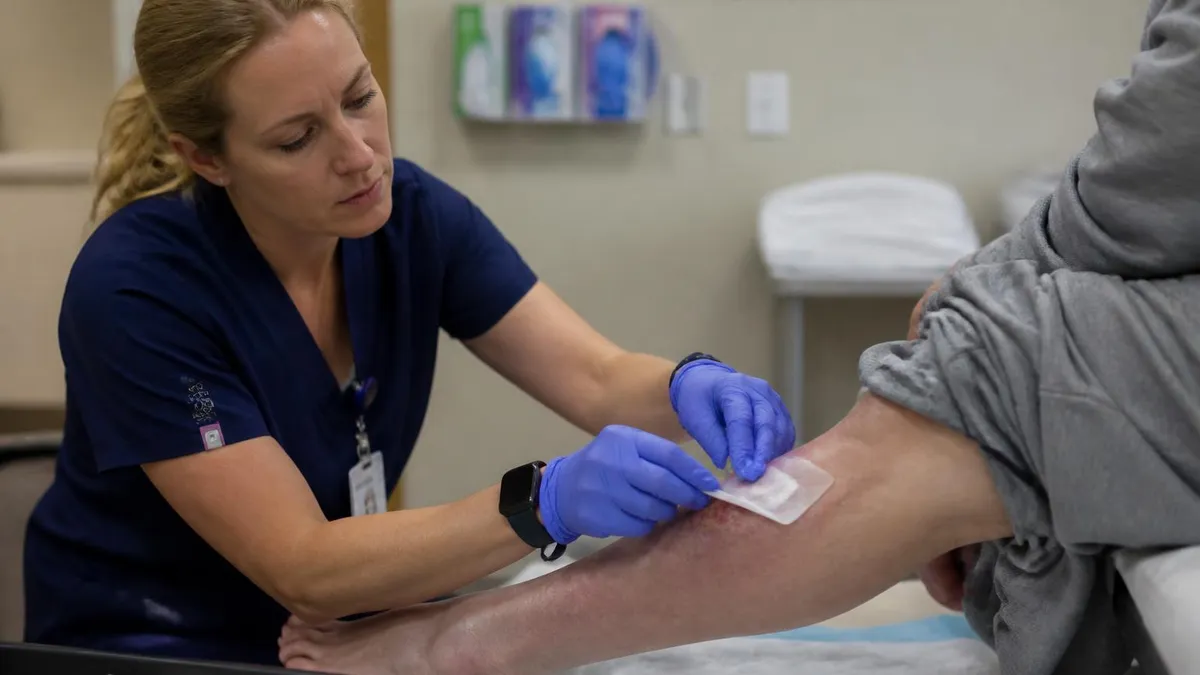
So when should hydrogel be used? The clearest indication is dry wounds that need moisture. Wounds that are too dry to heal well—where the wound bed lacks the moisture the body needs to repair—benefit directly from hydrogel's rehydrating action. By restoring moisture balance, hydrogel kick-starts stalled healing in wounds that have dried out, making it a first-line choice whenever a wound is too dry.
Wounds with dry necrotic tissue or eschar are another prime use. When a wound is covered with dead, dried tissue that needs to be removed for healing to progress, hydrogel's autolytic debridement softens and helps break down that tissue gently over time. This is especially valuable when surgical debridement isn't appropriate or desired, offering a gentler path to clearing the wound bed of the dead tissue blocking recovery.
Painful wounds and minor burns are well suited to hydrogel because of its soothing, cooling effect. Partial-thickness burns, abrasions, and other painful superficial wounds benefit from both the moist healing environment and the comfort hydrogel provides. The pain relief isn't trivial—it improves patient comfort and makes the overall treatment more tolerable, which supports better adherence to the care plan.
Certain chronic wounds in the right condition also call for hydrogel. Pressure injuries, diabetic ulcers, and other chronic wounds that are dry or have dry necrotic tissue can be managed with hydrogel to provide moisture and support debridement. However, these wounds require careful clinical assessment, since chronic wounds vary enormously and many have heavy exudate or infection that would make hydrogel inappropriate without other measures.
Equally important is knowing when not to use hydrogel. Heavily exudating, wet wounds are the clearest contraindication—adding moisture to an already-wet wound causes maceration and harms the surrounding skin. Infected wounds generally need specific management and oversight rather than simple hydrogel, and some wounds need absorbent or antimicrobial dressings instead. Using hydrogel on the wrong wound can actively impede healing, so assessment comes first.
The decision always comes down to assessing the individual wound. A clinician evaluates the wound's moisture level, depth, tissue type, infection status, and healing stage, then selects the dressing that addresses its specific needs. Hydrogel is the answer when the wound needs added moisture and gentle debridement; it's the wrong answer when the wound needs fluid removed or aggressive antimicrobial action. This assessment-driven approach is fundamental to competent wound care.
This is also why wound care is a specialized field with its own certifications. Knowing which dressing suits which wound—and recognizing when hydrogel helps versus harms—requires real education and clinical judgment. The role of the wound care nurse and specialist centers on exactly these decisions, and a solid grasp of wound care certification material includes understanding hydrogel's appropriate place in the dressing toolkit.
Hydrogel Essentials
Hydrogel is mostly water or glycerin and donates moisture to the wound, maintaining the moist environment that speeds healing. It also rehydrates dead tissue to enable gentle autolytic debridement and has a cooling effect that soothes pain. It adds moisture rather than absorbing it.
Choosing and Using Hydrogel Correctly
- ✓Confirm the wound is dry or has dry necrotic tissue, not heavily exudating.
- ✓Don't use hydrogel on wet, draining wounds—it causes maceration.
- ✓Pick the form—sheet, amorphous, or impregnated—to fit the wound's shape.
- ✓Clean the wound appropriately before applying.
- ✓Apply a secondary dressing to hold the hydrogel and retain moisture.
- ✓Watch the surrounding skin for signs of maceration at changes.
- ✓Defer to clinical assessment for infected or complex chronic wounds.
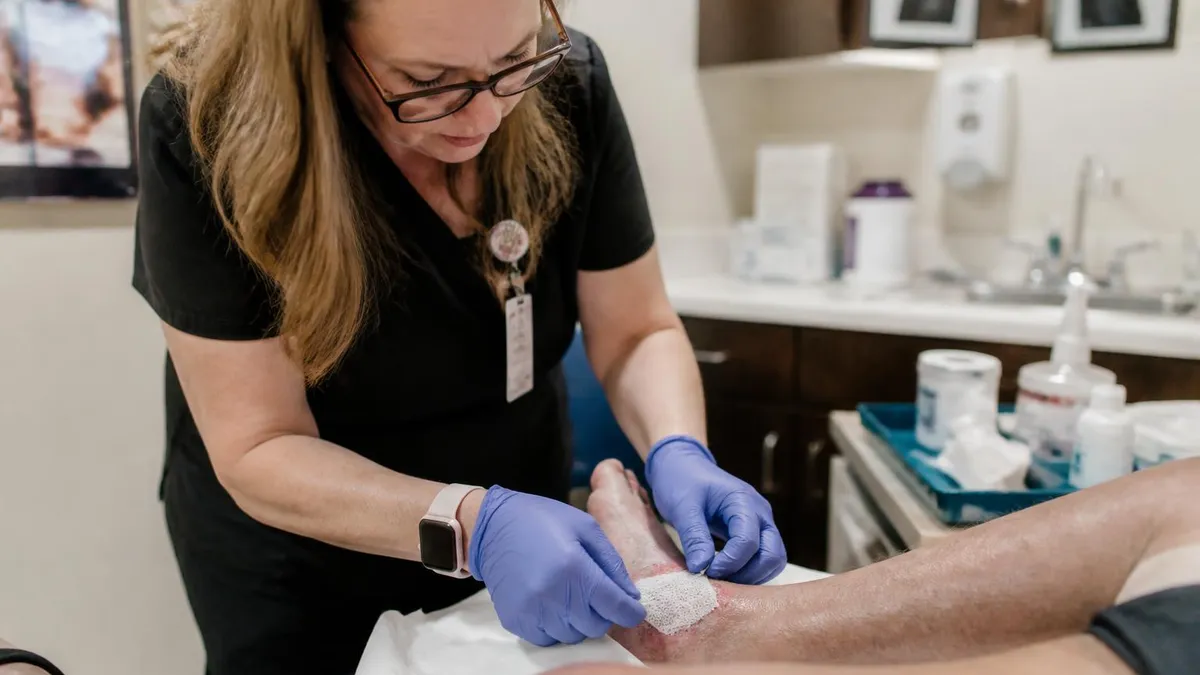
Hydrogel comes in several forms, and choosing the right one is part of using it well. The three common types—sheet, amorphous, and impregnated—each suit different wound shapes and situations. Understanding the differences lets a clinician maintain proper moisture contact across the wound, whether it's a shallow flat area or a deep, irregular cavity that needs filling.
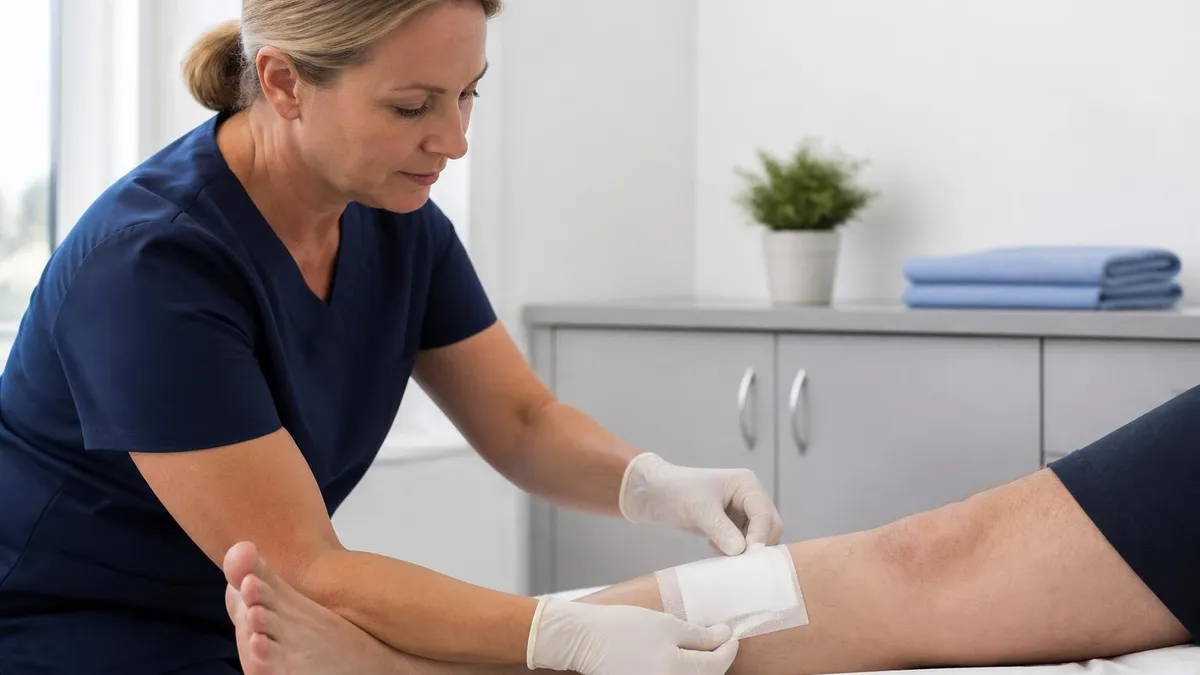
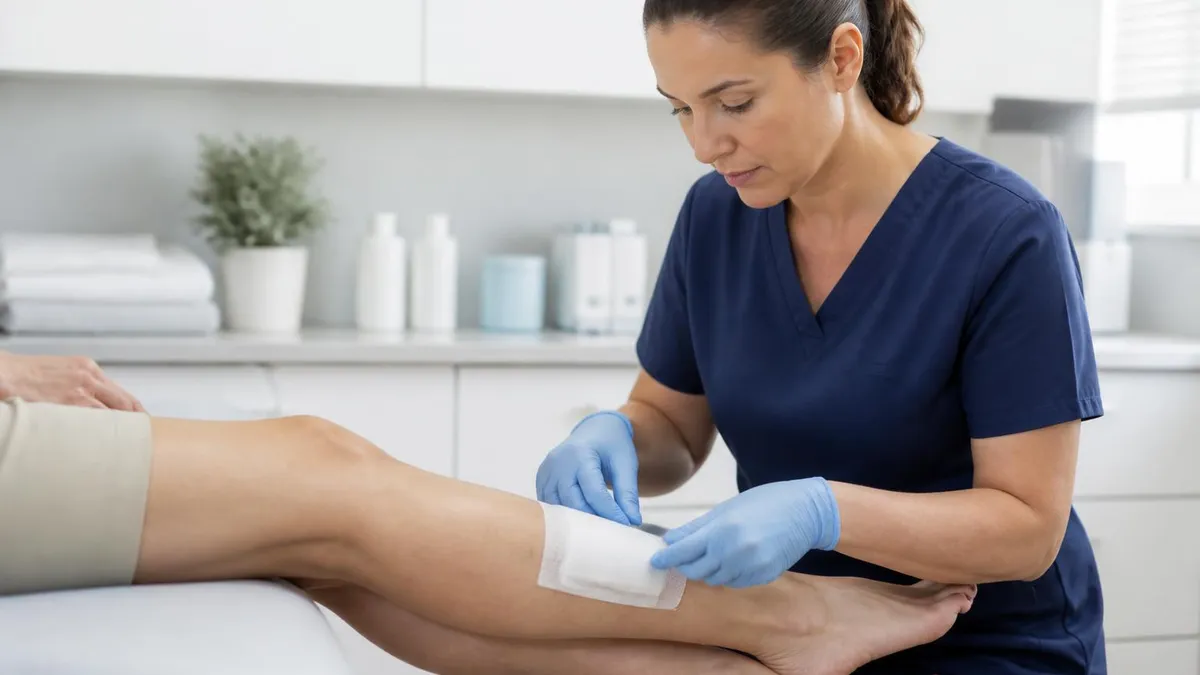
Sheet hydrogel is a flat, flexible dressing applied directly over a wound. It's ideal for shallow wounds, minor burns, and flat surfaces where its cooling, soothing sheet form provides moisture and comfort across the area. Sheets are convenient and clean to apply, and their soothing quality makes them popular for painful superficial wounds and partial-thickness burns where comfort is a priority.
Amorphous hydrogel is a free-flowing gel squeezed or poured directly into a wound. Its key advantage is conformity—it fills the contours of deeper, irregular, or cavity wounds, reaching into spaces a flat sheet can't. This makes amorphous gel the choice for wounds that aren't flat, ensuring the moist, debriding environment reaches the entire wound bed regardless of its shape. It typically requires a secondary dressing to stay in place.
Impregnated hydrogel consists of gauze or another material saturated with hydrogel, combining the moisture-donating gel with a packing material. This form is useful for packing wounds that need both moisture and gentle filling, offering a middle ground between a flat sheet and a pure gel. It's handy when a wound needs to be loosely packed while maintaining the moist environment hydrogel provides.
It's worth mentioning collagen dressings here, since they often come up alongside hydrogel in wound care and sometimes in combination products. Collagen dressings provide a scaffold of collagen—a key protein in tissue repair—to support healing in certain wounds, particularly chronic or stalled ones. While distinct from hydrogel's moisture function, collagen is another specialized tool in the wound care arsenal, and some products combine collagen with other materials for specific wound needs.
Choosing among hydrogel forms, and between hydrogel and other dressing categories entirely, is the everyday work of wound care. The selection depends on the wound assessment: its depth, shape, moisture level, tissue type, and healing needs. A flat dry wound might get a hydrogel sheet; a deep dry cavity, amorphous gel; a wet wound, an absorbent dressing instead. This matching process is methodical, not arbitrary.
Proper application technique rounds out using hydrogel effectively. Most hydrogels require a secondary dressing to hold them in place and prevent the moisture from evaporating, and they should be applied to a properly cleaned wound. Change frequency follows the product instructions and care plan—hydrogel often permits less frequent changes than some dressings, which reduces disruption to the healing wound and improves patient comfort over the course of treatment.
Hydrogel is for dry wounds, not wet ones
The most important thing to remember about hydrogel is that it adds moisture, so it's for dry wounds and wounds with dry necrotic tissue—never for heavily exudating, wet wounds, which need absorbent dressings instead. Putting hydrogel on a wet wound causes maceration, damaging the surrounding skin. Match the dressing to the wound's moisture level, and you'll avoid the most common hydrogel error.
Hydrogel: Advantages and Limitations
- +Adds and maintains moisture for optimal healing of dry wounds
- +Enables gentle, non-invasive autolytic debridement of dead tissue
- +Cooling, soothing effect reduces pain at the wound site
- +Amorphous form conforms to deep and irregular wounds
- +Often allows less frequent, more comfortable dressing changes
- −Wrong for wet, heavily exudating wounds—causes maceration
- −Usually requires a secondary dressing to stay in place
- −Not appropriate alone for infected wounds without oversight
- −Can macerate surrounding skin if used improperly
- −Selection requires real wound assessment and clinical judgment
This guide explains how hydrogel works in general, but real wounds vary enormously and dressing choice should follow a proper clinical assessment of the specific wound—its moisture, depth, tissue, and infection status. Hydrogel helps some wounds and harms others. For any significant or non-healing wound, follow the guidance of a qualified wound care professional rather than self-selecting a dressing.
How does hydrogel compare to other common dressings? Understanding the alternatives clarifies hydrogel's particular niche. The fundamental contrast is with absorbent dressings, which do the opposite job: where hydrogel adds moisture to dry wounds, absorbent dressings remove excess fluid from wet ones. These aren't competitors so much as opposites, each suited to wounds at different ends of the moisture spectrum.
Foam dressings are a major absorbent category, designed to soak up moderate to heavy exudate from draining wounds while providing cushioning. They're essentially hydrogel's mirror image—the right choice when a wound is wet and producing too much fluid, exactly the situation where hydrogel would be wrong. Knowing that foam is for wet wounds and hydrogel for dry ones captures one of the most basic dressing-selection decisions.
Alginate dressings, made from seaweed-derived fibers, are highly absorbent and used for heavily exudating wounds, forming a gel as they absorb fluid. Like foam, they belong on the wet end of the spectrum, opposite hydrogel. Alginates are particularly useful for deep, draining wounds that need significant fluid management—again, the precise opposite of the dry wounds where hydrogel excels.
Hydrocolloid dressings occupy a middle ground and are sometimes confused with hydrogel due to the similar name. Hydrocolloids form a gel as they interact with wound fluid and are used for light-to-moderate exudate, providing a moist environment while offering some absorption and a protective barrier. They differ from hydrogel in that they handle some fluid rather than purely donating moisture, suiting wounds that aren't bone-dry but aren't heavily draining either.
Antimicrobial dressings, such as those containing silver, address a different need entirely: infection control. Used on wounds that are infected or at high risk, they deliver antimicrobial action that plain hydrogel doesn't provide. For an infected wound, the priority is managing the infection, which is why a clinician might choose an antimicrobial dressing or combination product rather than hydrogel alone, reserving hydrogel for the clean, dry wounds where its strengths apply.
The overall picture is that each dressing category has its place, and competent wound care is about matching the right one to each wound's specific needs. Hydrogel's place is clear and valuable: dry wounds, dry necrotic tissue needing gentle debridement, and painful or burn wounds where its soothing moisture helps. It's one essential tool among many, not a universal solution, and understanding where it fits is what makes it useful.
So, to sum up hydrogel in wound care: it's a water- or glycerin-based dressing that donates moisture to dry wounds, enables gentle autolytic debridement, and soothes pain, coming in sheet, amorphous, and impregnated forms. Its golden rule is that it's for dry wounds, never wet ones. Used appropriately—matched to the right wound by proper assessment—hydrogel is a genuinely valuable part of the wound care toolkit and a core concept for anyone studying or practicing in the field. Master when it helps and when it harms, and you've grasped one of the clearest, most practical lessons in all of wound management.
Learn the one rule that hydrogel is for dry wounds and never wet ones, and you've grasped the most practical, mistake-preventing lesson in the entire field of moisture-retentive wound dressings.
Hydrogel Wound Care Questions and Answers
About the Author

Registered Nurse & Healthcare Educator
Johns Hopkins University School of NursingDr. Sarah Mitchell is a board-certified registered nurse with over 15 years of clinical and academic experience. She completed her PhD in Nursing Science at Johns Hopkins University and has taught NCLEX preparation and clinical skills courses for nursing students across the United States. Her research focuses on evidence-based exam preparation strategies for healthcare certification candidates.