
Wound Care Training: Complete Guide to Programs, Certification, and Career Paths
Learn everything about wound care training: programs, wound care certification, specialist roles, dressings, and how to advance your clinical career in 2026 September. 🎓

Wound care training is one of the most practical and career-defining investments a healthcare professional can make. Whether you are a registered nurse, a licensed practical nurse, a physical therapist, or a physician assistant, structured wound care wound care education gives you the clinical tools to manage complex wounds that would otherwise stall healing, trigger infections, or lead to amputation. The demand for qualified wound care specialists continues to outpace supply across the United States, making formal training not just professionally valuable but economically smart.
The landscape of wound care education has expanded significantly over the past decade. Where clinicians once relied on on-the-job observation and informal mentorship, today's practitioners can choose from intensive certification prep courses, hospital-based residencies, online modules, and hands-on simulation labs. These programs cover everything from wound assessment and staging to advanced wound care dressings, negative pressure therapy, and debridement techniques. Understanding the full spectrum of options helps you build a training path that fits your schedule, budget, and career goals.
One of the first decisions every aspiring wound care professional faces is whether to pursue a nationally recognized credential. The wound care certification pathway — whether through the WOCNCB, ABWM, or NACCWS — requires documented clinical hours, formal education, and a comprehensive exam. Preparing for that exam is a process in itself, and the right training program will align its curriculum with the exam blueprints so that your clinical learning and your certification prep reinforce each other rather than running on parallel tracks.
Beyond the certification question, wound care training shapes how you think about a patient's entire healing environment. A well-trained wound care nurse does not just select a dressing and change it on schedule; she or he evaluates moisture balance, offloading strategies, nutritional status, infection control, and psychosocial factors that influence adherence. This holistic, evidence-based approach is what separates competent technicians from true wound care specialists who can lead multidisciplinary teams and improve facility-wide outcomes.
Practical training also introduces clinicians to the rapidly evolving world of wound care dressings — a category that now includes foam dressings, hydrocolloids, alginates, silver-impregnated products, and bioengineered skin substitutes. Knowing when to use each product, how to document the rationale using the correct wound care ICD 10 codes, and how to justify choices to payers is a skill set that takes structured education to develop reliably. Improvising at the bedside without a systematic framework leads to inconsistent results and increased costs.
This guide walks you through every major dimension of wound care training: the types of programs available, what certification requires, the role of a wound care specialist on a care team, specialty topics like manuka honey wound care and advanced biologics, and practical study strategies if you are preparing for a certification exam. By the end, you will have a clear roadmap for building — or deepening — your wound care expertise, no matter where you are starting from in your clinical career.
Whether you are searching for accredited coursework, trying to understand what a wound care nurse does day to day, or preparing to sit for a board exam, the information in this guide is grounded in current clinical standards and reflects the expectations of today's credentialing bodies. Take the time to read each section carefully — the decisions you make about your training path now will shape your clinical effectiveness and your earning potential for years to come.
Wound Care Training by the Numbers

Types of Wound Care Training Programs
Self-paced modules that cover wound pathophysiology, assessment frameworks, dressing selection, and ICD-10 coding. Ideal for busy clinicians. Most programs take 6–12 weeks and align with WOCNCB or ABWM exam blueprints.
Immersive clinical programs embedded within acute care or long-term care settings. Residents rotate through wound, ostomy, and continence specialties under direct mentorship, accumulating the 1,000+ clinical hours required for most credentials.
Hands-on skill stations using wound models and standardized patients. Participants practice debridement, negative pressure wound therapy setup, and dressing application before performing procedures on real patients.
Short workshops and webinars that count toward license renewal and credential maintenance. Topics range from manuka honey wound care to biofilm management and cost-effective product selection in value-based care settings.
Product-specific education offered by wound care companies on their dressings, biologics, and devices. Useful for staying current with new wound care products, but should complement — not replace — credential-based education.
Wound care certification transforms clinical competence into a verifiable credential that employers, payers, and patients can trust. The three primary credentialing bodies in the United States each have distinct eligibility requirements, exam formats, and renewal cycles.
The Wound, Ostomy and Continence Nursing Certification Board (WOCNCB) offers the Certified Wound Care Nurse (CWCN) credential, which requires an active RN license, a minimum of 1,000 hours of wound care practice within the past five years, and completion of an accredited WOC education program. The American Board of Wound Management (ABWM) offers credentials to a broader range of healthcare professionals, including physicians, PAs, PTs, and advanced practice nurses, through its Certified Wound Specialist (CWS) pathway.
Before you sit for any wound care certification exam, you need to audit your current clinical experience honestly. Most applicants underestimate how carefully credentialing bodies scrutinize documentation. Your clinical hours must be logged by patient encounter type — pressure injuries, diabetic foot ulcers, venous leg ulcers, surgical wounds — not simply by time on a wound care unit. Some boards require a supervisor attestation, others accept self-reported logs, and a few require a combination. Building this documentation habit early in your career saves enormous headaches at application time and ensures you are not scrambling to reconstruct records from memory.
The education component of certification eligibility is just as important as the clinical hours. Most accredited WOC nursing programs are 10 to 16 weeks long and delivered in a hybrid format — online didactic content combined with a mandatory clinical practicum at an approved site.
If you cannot find a practicum site near your workplace, some programs allow you to negotiate a site independently, which must then be approved by the program director. This flexibility has made wound care certification more accessible to rural clinicians, but it requires proactive planning at least three to six months before your intended start date.
If you are exploring where to access specialized wound care services in your area, starting with a search for wound care near me can help you identify local clinics, hospital outpatient departments, and home health agencies that may also serve as practicum sites or employment destinations after you earn your credential. Many of these facilities actively recruit newly certified wound care nurses because the credential signals both clinical competence and professional commitment — two qualities that directly impact patient outcomes and facility accreditation scores.
Once you pass the exam and receive your credential, the work does not stop. Every major wound care certification requires renewal every five years, and renewal typically demands a combination of continuing education hours, documented clinical practice, and sometimes a recertification exam or portfolio submission. The WOCNCB, for example, requires 50 contact hours of wound-specific continuing education for CWCN renewal. Planning your CEU calendar around conferences, employer-sponsored training, and online modules from the outset of your certified career prevents last-minute scrambles and ensures your knowledge stays current as clinical guidelines evolve.
The financial investment in wound care certification is real but manageable. Application fees typically range from $200 to $450 depending on the credentialing body and your membership status. Exam preparation materials — study guides, question banks, and review courses — can add another $100 to $500.
Many hospitals and long-term care facilities offer tuition reimbursement or certification bonuses for employees who earn specialty credentials, so it is worth having a direct conversation with your HR or nursing education department before paying out of pocket. Some states also include wound care certification as a qualifying criterion for Medicaid reimbursement of wound management services, which creates a financial incentive for employers to support your credentialing journey.
The return on investment for wound care certification extends well beyond a pay bump. Certified wound care specialists consistently report higher job satisfaction, stronger interdisciplinary relationships, and a clearer sense of clinical purpose. When you can articulate the evidence behind every treatment decision — why you chose a specific dressing, why you recommended a vascular consult, why you adjusted the offloading strategy — you become an indispensable member of the care team rather than simply a skilled technician executing orders.
Wound Care Dressings: Choosing the Right Product
Moisture balance is the cornerstone of modern wound management. Foam dressings are among the most widely used choices for moderate to heavily exudating wounds because they absorb excess fluid while maintaining a moist wound surface that supports granulation tissue formation. Silicone-bordered foam dressings offer the additional benefit of atraumatic removal, which is especially important for fragile skin in older adults or patients on anticoagulation therapy. Selecting the correct foam thickness and absorbency rating requires assessing exudate volume daily and adjusting as the wound progresses through healing phases.
Hydrocolloid dressings occupy the opposite end of the absorbency spectrum, making them ideal for dry to minimally exudating wounds such as shallow pressure injuries or superficial abrasions. They create a semi-occlusive environment that promotes autolytic debridement — the body's own enzymatic breakdown of necrotic tissue — without requiring painful mechanical removal. However, hydrocolloids should not be used on infected wounds or areas with heavy drainage, as the sealed environment can trap bacteria and worsen infection. Understanding these clinical boundaries separates safe, effective practice from well-intentioned but harmful dressing choices.

Is Pursuing Wound Care Certification Worth It?
- +Increased earning potential — certified wound care nurses earn 10–20% more than non-certified peers on average
- +Greater clinical autonomy to initiate and adjust wound treatment plans without waiting for physician orders in many states
- +Stronger interdisciplinary credibility with physicians, surgeons, and insurance case managers
- +Formal credential validates your expertise to employers, patients, and accreditation bodies
- +Deeper evidence-based knowledge that directly improves patient healing outcomes and reduces complication rates
- +Access to a professional network of wound care specialists through credentialing body membership and conferences
- −Significant upfront time investment — 1,000+ clinical hours and weeks of coursework required before eligibility
- −Application and exam fees range from $300 to $900 depending on credential type and membership status
- −Renewal requirements demand ongoing CEU completion every five years, adding a recurring time and cost burden
- −Finding an approved practicum site can be difficult in rural or underserved areas with limited wound care programs
- −Exam pass rates hover around 54% on the first attempt, requiring serious preparation and structured study
- −Not all employers offer reimbursement or pay differentials for wound care certification, limiting financial return in some settings
Wound Care Training Preparation Checklist
- ✓Identify which wound care certification credential aligns with your professional license and career goals (CWCN, CWS, or CWSP).
- ✓Audit your current clinical hours and document each wound type by category using the credentialing body's log format.
- ✓Enroll in an accredited WOC education program or online certification prep course at least six months before your exam date.
- ✓Secure a clinical practicum site that meets your program's approval criteria and has a qualified preceptor available.
- ✓Study the current wound care ICD 10 coding guidelines for the most common wound types you will manage in practice.
- ✓Build a personal reference library of clinical guidelines including NPUAP pressure injury staging, IWGDF diabetic foot standards, and AAWC infection guidelines.
- ✓Practice with timed question banks covering wound assessment, dressing selection, nutrition, infection control, and documentation.
- ✓Attend at least one national wound care conference or regional symposium to network and hear current research presentations.
- ✓Review wound care products systematically — understand the mechanism, indications, contraindications, and cost tier of each major category.
- ✓Submit your certification application at least 60 days before your desired exam date to allow time for document review and scheduling.
Document Every Clinical Hour from Day One
The single most common reason wound care certification applications are delayed or denied is incomplete clinical hour documentation. Start logging your wound care encounters — by wound type, intervention, and date — from your very first day in a wound-focused role. Retroactively reconstructing years of clinical hours from memory is unreliable and stressful, and some credentialing bodies will not accept logs that lack specific patient encounter details.
The role of a wound care specialist has evolved dramatically beyond simple dressing changes. Today, a board-certified wound care specialist functions as a clinical expert, an educator, a quality improvement driver, and often a de facto case manager for patients with complex chronic wounds.
In acute care hospitals, the wound care nurse is typically consulted on every patient with a pressure injury, a surgical site complication, or a non-healing wound, and is expected to deliver a comprehensive assessment with treatment recommendations within 24 to 48 hours of consultation. That assessment must integrate wound characteristics, patient comorbidities, medication effects, nutritional status, and discharge planning considerations into a coherent, actionable plan.
In outpatient wound care clinics, the specialist's role expands further. Many outpatient wound centers operate under a physician-led, nurse-driven model where the wound care nurse or advanced practice provider manages the day-to-day treatment decisions, performs debridement, applies advanced therapies, and coordinates referrals to vascular surgery, orthopedics, infectious disease, and endocrinology. The ability to navigate these interdisciplinary relationships — knowing when to escalate, when to wait, and how to communicate urgency without creating alarm — is a skill that training programs increasingly address through case studies, simulation, and structured interdisciplinary communication exercises.
Long-term care and skilled nursing facilities represent one of the largest employment settings for wound care specialists in the United States. Regulatory pressure from CMS and state health departments makes wound prevention and management a high-priority quality metric in these settings.
Facilities with a certified wound care nurse on staff consistently demonstrate lower pressure injury rates, fewer hospitalizations for wound complications, and better survey outcomes. This regulatory context means that wound care training in long-term care goes beyond clinical skill — it includes policy development, staff education, root cause analysis for facility-acquired wounds, and data tracking using the Minimum Data Set (MDS).
Home health is another rapidly growing setting for wound care practice. As hospitals push for shorter lengths of stay and payers scrutinize readmissions, patients are increasingly discharged home with wounds that require skilled nursing visits multiple times per week. Home health wound care nurses face unique challenges: they work without the immediate support of a care team, must improvise with the supplies available in the patient's home, and need to teach caregivers and family members to perform between-visit wound care correctly.
Understanding dog wound care principles for pets living with diabetic owners can even reinforce core wound care concepts, as the physiology of impaired healing is similar across species — a useful teaching analogy for patients managing their own chronic wounds at home.
Telehealth has opened yet another practice dimension for wound care specialists. Remote wound assessment using smartphone cameras, digital wound measurement tools, and secure messaging platforms allows specialists to extend their reach to rural patients, homebound individuals, and facilities without dedicated wound care staff.
Several studies have demonstrated that telehealth wound care programs can reduce unnecessary emergency department visits, improve early identification of wound deterioration, and maintain outcomes comparable to in-person care for stable chronic wounds. Training programs that include a module on telehealth documentation, image-based assessment, and virtual communication skills are positioning their graduates for the future of wound care delivery.
The wound care specialist's influence on a healthcare organization extends into quality metrics, reimbursement, and legal risk management. Pressure injuries acquired during a hospital stay are classified as Hospital-Acquired Conditions (HACs) by CMS and are no longer reimbursed, creating a direct financial incentive for hospitals to prevent them. A certified wound care specialist who can design and implement a facility-wide pressure injury prevention program — including skin risk assessment protocols, repositioning schedules, support surface algorithms, and staff education — delivers measurable return on investment that goes far beyond the cost of their salary and training.
Leadership opportunities for wound care specialists continue to expand as healthcare systems recognize the strategic value of wound expertise. Many certified wound care nurses move into roles as wound care program directors, clinical nurse educators, quality improvement coordinators, and even administrative leaders responsible for facility-wide skin integrity programs. Some transition into industry roles with medical device and wound care product companies, where their clinical credibility and product knowledge make them effective medical science liaisons, clinical educators, and outcomes researchers. The career ceiling for a well-trained, certified wound care professional is genuinely high.

Using the wrong wound care ICD 10 code — for example, coding a pressure injury at the wrong stage or failing to specify laterality on a diabetic foot wound — is one of the most common and costly billing errors in wound care practice. Payers routinely audit wound care claims, and a pattern of coding errors can trigger a full chart review, recoupment demands, or exclusion from payer networks. Ensure your training includes a dedicated coding module with hands-on practice applying current ICD-10-CM guidelines to real case scenarios.
Advanced wound care topics are increasingly integrated into certification exam blueprints, reflecting the growing complexity of the patient populations wound care specialists serve. Biofilm management is one area where knowledge has exploded over the past decade. Biofilm — a structured community of bacteria encased in a self-produced matrix — is now recognized as a factor in up to 80% of chronic non-healing wounds. Standard antiseptics and antibiotics have limited efficacy against established biofilm, which means that wound care training must include biofilm-specific strategies: mechanical disruption through debridement, cadexomer iodine or PHMB-based dressings, and reassessment of systemic antibiotic indications.
Nutrition's role in wound healing is another area where wound care training has deepened significantly. Wound care specialists are now expected to screen patients for malnutrition using validated tools like the MNA or MUST, to understand protein and calorie requirements for wound healing (typically 1.2–1.5 grams of protein per kilogram of body weight per day for patients with chronic wounds), and to collaborate effectively with registered dietitians to address nutritional deficits.
Micronutrient considerations — particularly zinc, vitamin C, and vitamin A — are also part of the contemporary wound care curriculum, as deficiencies in these nutrients directly impair collagen synthesis and immune response.
Vascular assessment is a critical competency for any wound care specialist working with lower extremity wounds. The ankle-brachial index (ABI) is the cornerstone diagnostic tool for identifying arterial insufficiency, and wound care training programs teach both the measurement technique and the interpretation thresholds — an ABI below 0.9 suggests peripheral arterial disease, while values below 0.5 indicate critical limb ischemia requiring urgent vascular surgical consultation. Applying compression therapy to a patient with significant arterial disease can be dangerous or even limb-threatening, making accurate vascular assessment a non-negotiable component of lower extremity wound management.
Pain management in wound care is a dimension that is sometimes underemphasized in training programs but is central to patient experience and adherence. Wound-related pain — both background pain and procedural pain during dressing changes — affects quality of life, sleep, mood, and willingness to engage with treatment. Evidence-based approaches include the use of ibuprofen-releasing foam dressings, topical lidocaine preparations, pre-procedural analgesic timing, and non-pharmacological techniques such as distraction, positioning, and relaxation. Wound care training that includes a pain management module equips clinicians to conduct systematic pain assessments and to advocate effectively for patients whose pain is being undertreated.
Wound care documentation has become a specialty skill in its own right. In the era of electronic health records, wound care notes must be structured to capture clinical detail, justify product choices, support accurate ICD-10 coding, and satisfy payer audit requirements — all simultaneously. Most training programs now include modules on creating legally defensible wound care documentation, including how to describe wound dimensions, wound bed characteristics, periwound tissue changes, and patient response to treatment in precise, objective language. Photographic documentation is also addressed, covering camera angle standards, ruler placement, and consent requirements for wound photography.
For clinicians who want to explore comprehensive resources on foundational wound care knowledge, reviewing wound care wound care general knowledge principles provides a strong evidence base that complements hands-on training programs. Understanding the theoretical underpinnings of wound healing — the four phases of healing, the cellular and molecular players involved, and the factors that push wounds into a chronic, non-healing state — allows wound care specialists to think flexibly and creatively when standard protocols are not producing the expected results. This knowledge-intensive approach to wound care is what distinguishes a master clinician from a proficient technician.
Infection control in wound care is a topic that bridges individual patient care and public health. Wound care specialists are often the clinicians who first identify multidrug-resistant organisms in a patient's wound culture, and they play a central role in initiating appropriate contact precautions, coordinating with infection prevention teams, and educating staff on transmission prevention. Training programs that include a robust infection control module — covering biofilm, antibiotic stewardship, organism-specific considerations, and environmental decontamination — prepare graduates to contribute meaningfully to facility-wide infection prevention programs rather than simply managing individual wound infections in isolation.
Preparing for a wound care certification exam requires a disciplined, multi-modal study strategy. The most successful candidates combine content review with active recall practice, clinical application, and timed simulation testing — not just passive reading of textbooks. Start by downloading the exam blueprint from your credentialing body's website; this document lists every content domain and its approximate weighting on the exam. Use the blueprint to allocate your study time proportionally: if wound assessment represents 25% of the exam, it should represent roughly 25% of your preparation hours.
Question banks are indispensable for exam preparation. Working through 10 to 30 practice questions per day in the months leading up to your exam accomplishes several things simultaneously: it reinforces content, identifies knowledge gaps, builds your ability to reason through clinical scenarios under time pressure, and familiarizes you with the question style and vocabulary of the exam.
When you answer a question incorrectly, do not simply note the right answer and move on — read the full explanation, trace why your reasoning was flawed, and connect the correct answer back to the underlying clinical principle. This reflective practice accelerates learning far more than volume alone.
Peer study groups are an underutilized resource for wound care certification preparation. Connecting with other clinicians who are preparing for the same exam — through professional association forums, social media study groups, or informal networks at your facility — creates accountability, exposes you to different clinical perspectives, and gives you opportunities to teach concepts to others, which is one of the most effective learning strategies known. Many wound care certification candidates report that explaining a concept to a peer study partner revealed gaps in their own understanding that solitary study had not uncovered.
The weeks immediately before the exam deserve a specific strategy. Shift from content acquisition to retrieval practice: work through full-length timed practice exams, review your personal list of high-yield weak areas, and resist the urge to introduce large volumes of new material in the final week. Sleep, nutrition, and stress management during this period genuinely affect performance — cognitive research consistently shows that adequate sleep consolidates memory and that test-day anxiety can suppress recall even for well-learned material. Treat your exam preparation as athletic training: build to a peak, then taper.
On exam day, time management is critical. Most wound care certification exams are 3 to 4 hours long with 150 to 200 questions, giving you roughly 60 to 90 seconds per question. Practice this pace during your simulation testing so it feels natural on exam day. Answer questions you know confidently first, mark uncertain questions for review, and return to them with the time remaining.
Eliminate obviously wrong answers to improve your odds on questions where you are genuinely uncertain, but do not change answers without a clear clinical reason — your first instinct is usually correct on questions where you have relevant knowledge.
After you pass your exam and receive your credential, the real learning accelerates. Certification is a starting point, not a finish line. The most impactful wound care specialists continue to grow through ongoing mentorship, participation in clinical research, engagement with professional organizations like the WOCN Society or the AAWC, and systematic reflection on their most challenging cases.
Keeping a clinical journal — noting the cases that surprised you, the treatment decisions you would make differently in retrospect, and the questions that led you to new evidence — is a habit that drives continuous improvement in ways that formal CEU completion alone cannot replicate.
Finally, consider how you can give back to the wound care community as your expertise grows. Precepting nursing students and new wound care nurses, presenting case studies at local or national conferences, contributing to facility policy development, and mentoring colleagues who are beginning their own certification journeys are all ways to extend your impact beyond your individual patient panel. The wound care field advances through the accumulated contributions of engaged, reflective, and generously sharing clinicians — and your participation in that collective growth is both a professional responsibility and a deeply rewarding aspect of a wound care career.
Wound Care Questions and Answers
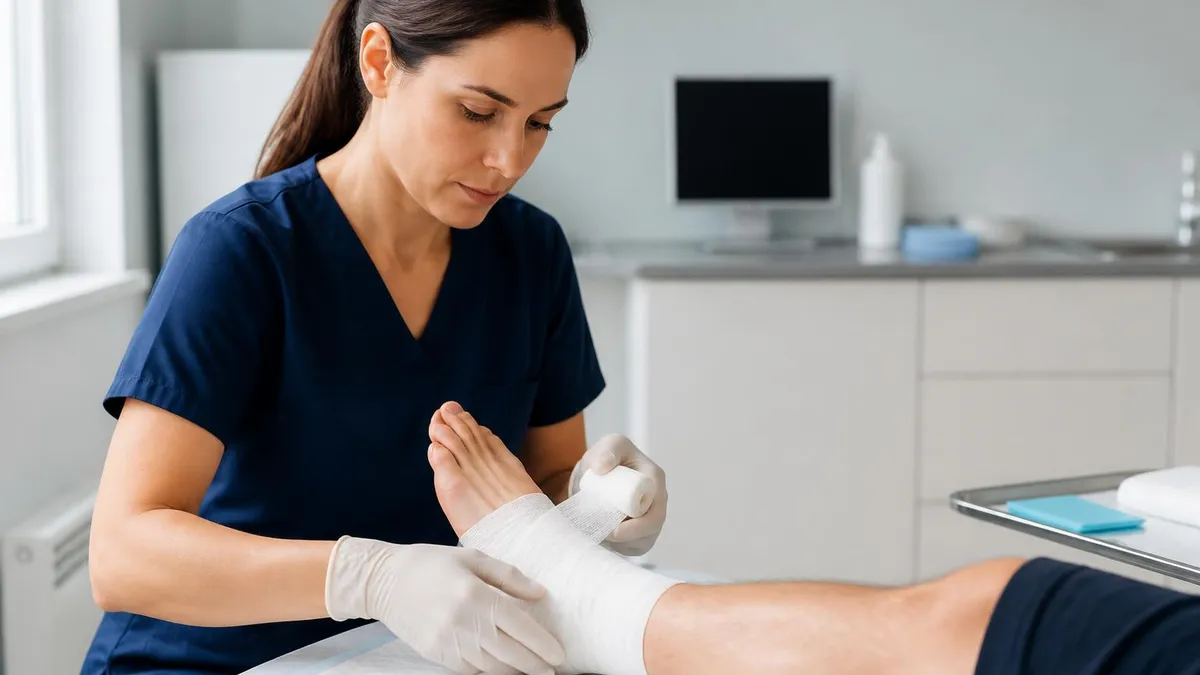
Wound Care General Knowledge: Dressings, DSD & Drain Care
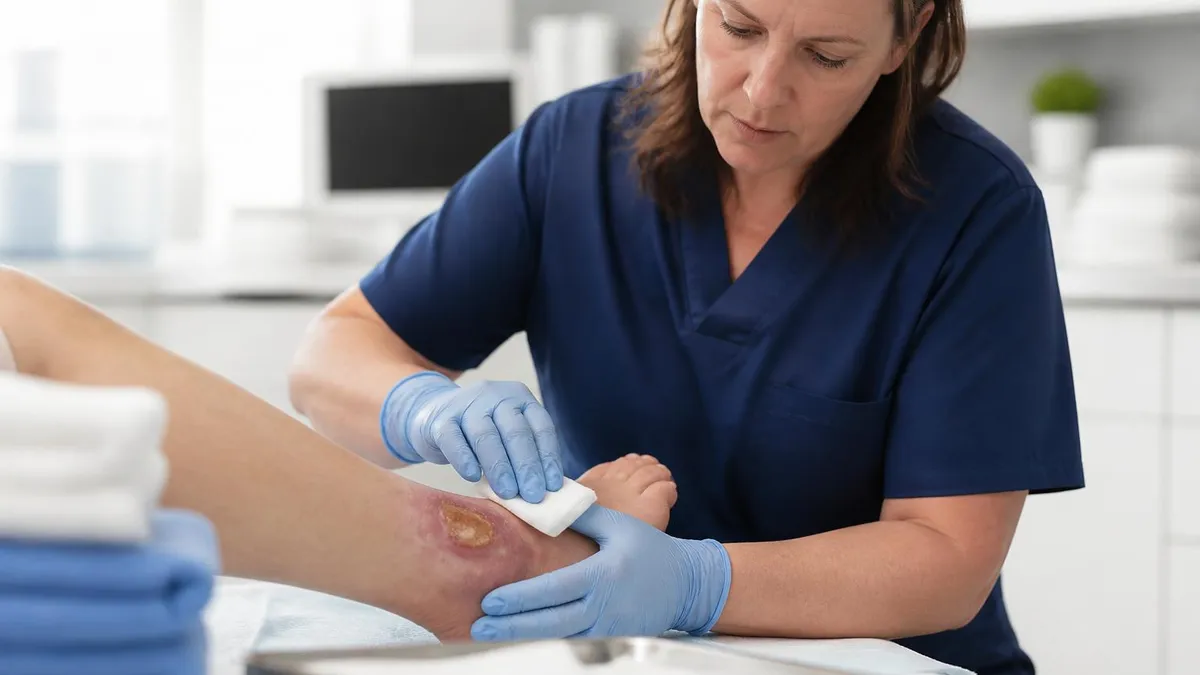
Wound Care Home: Complete Guide to Home Wound Care Services in 2026
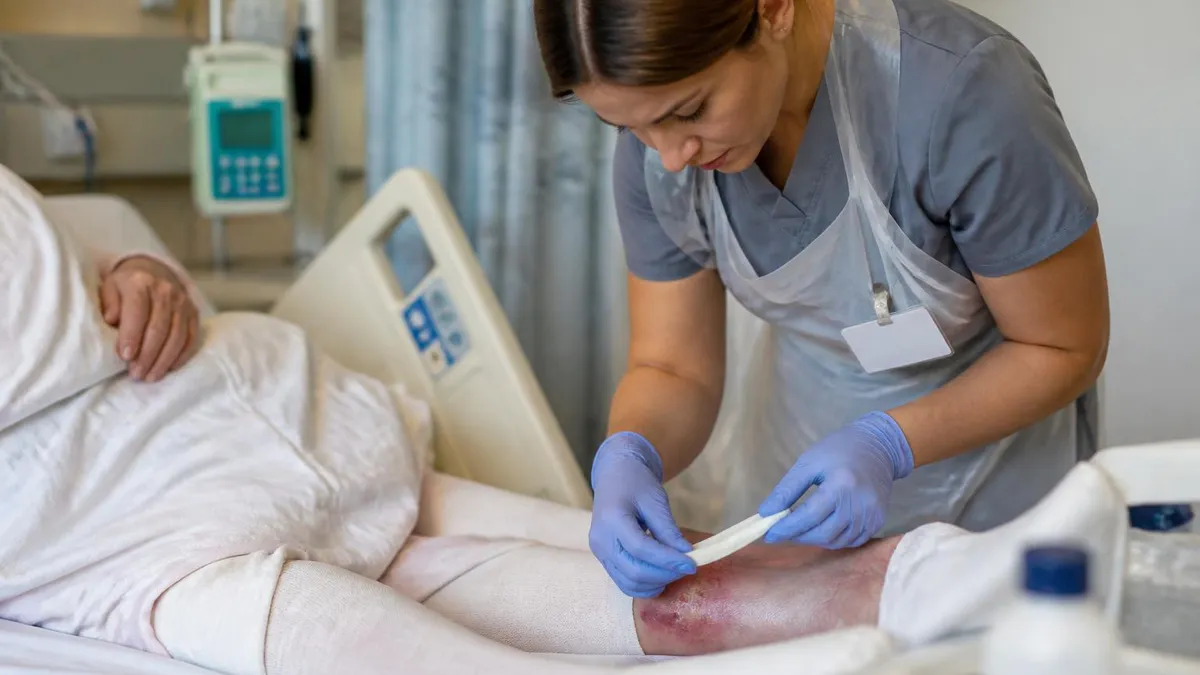
Diabetic Wound Care: Why Wounds Are Different, Treatment, and Prevention in 2026
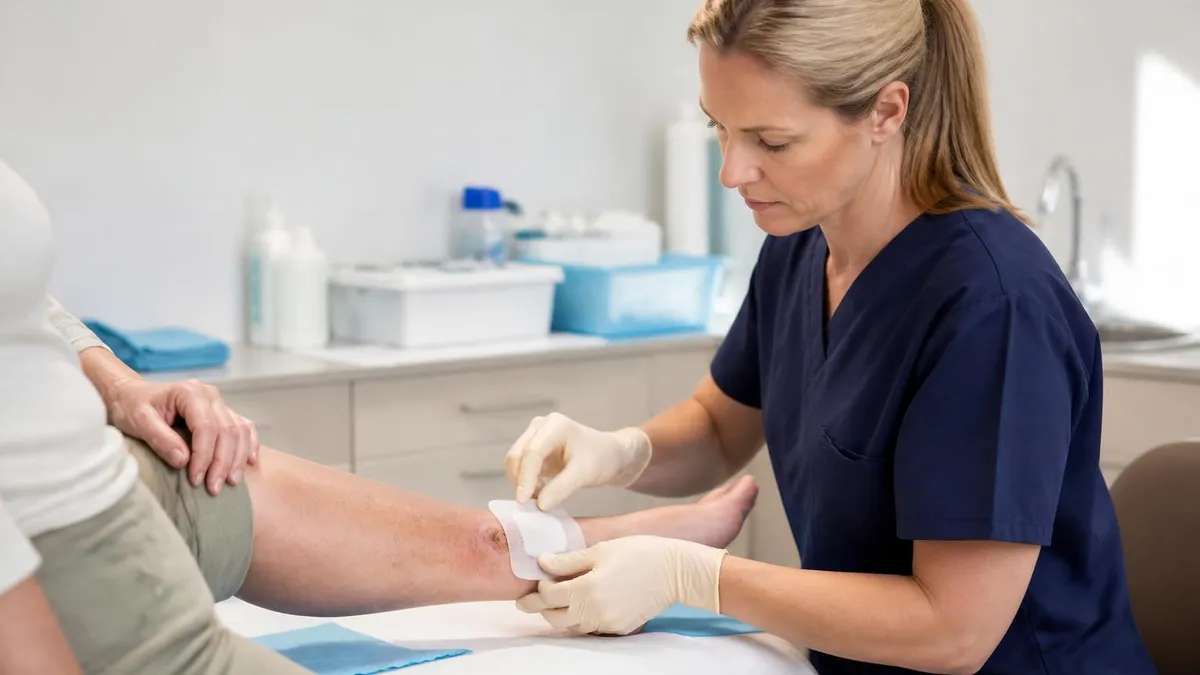
Wound Care Products: Types, Selection, and Clinical Use
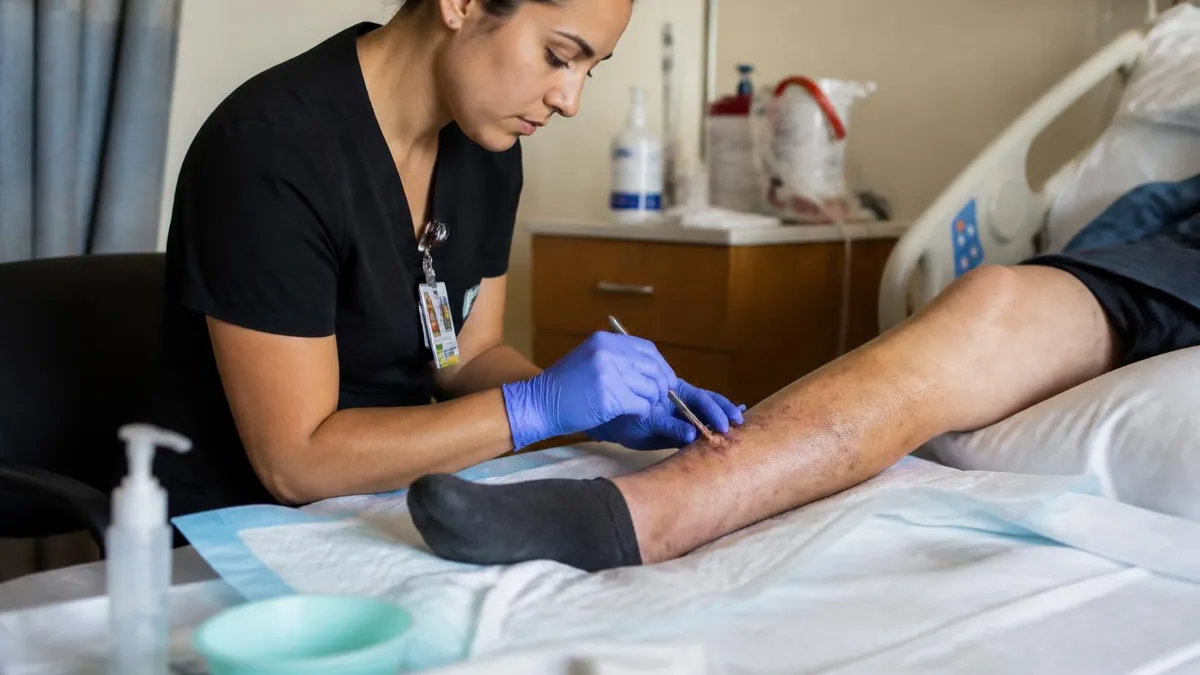
Hydrogel in Wound Care: How It Works, When to Use It, and Types in 2026
About the Author

Registered Nurse & Healthcare Educator
Johns Hopkins University School of NursingDr. Sarah Mitchell is a board-certified registered nurse with over 15 years of clinical and academic experience. She completed her PhD in Nursing Science at Johns Hopkins University and has taught NCLEX preparation and clinical skills courses for nursing students across the United States. Her research focuses on evidence-based exam preparation strategies for healthcare certification candidates.