
Wound Care Nurse Practitioner Jobs: Roles, Salary, Duties & Certification in 2026 September
✍🏼 Explore wound care nurse practitioner jobs in 2026 September: duties, salary, settings, certification paths, and how to land a wound care specialist role.
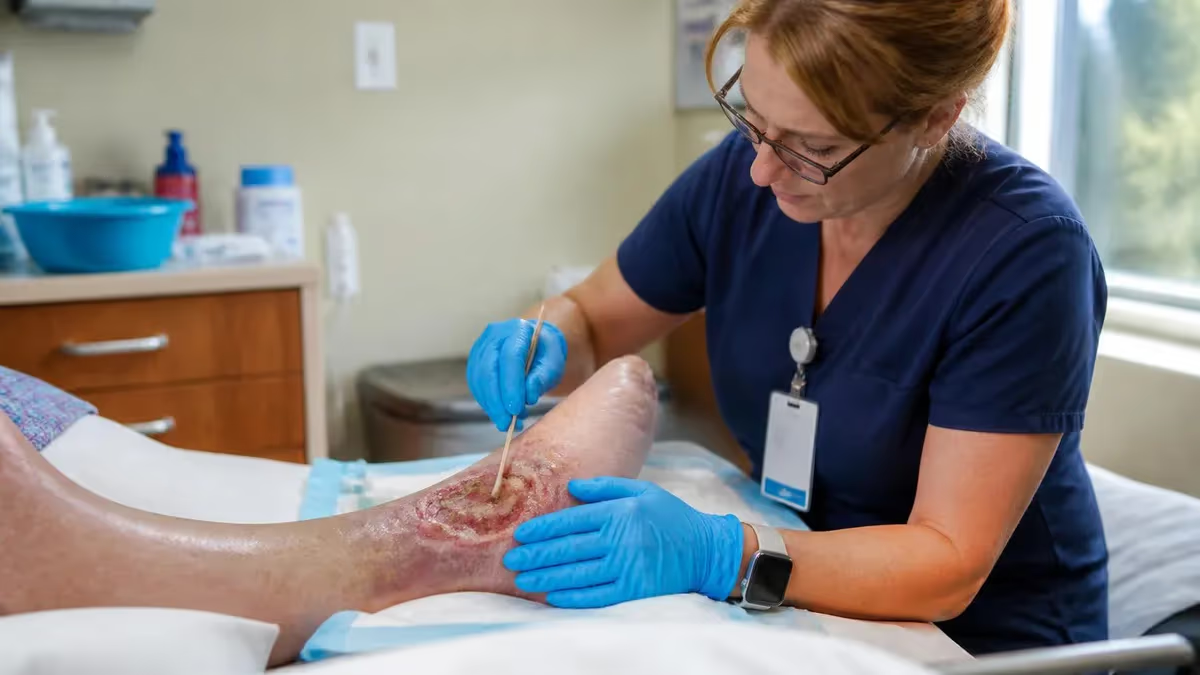
Wound care nurse practitioner jobs sit at the intersection of advanced clinical practice and one of the fastest-growing specialties in American healthcare. As the population ages and chronic conditions like diabetes climb, the demand for clinicians who can assess, debride, and manage complex wounds has surged. A wound care nurse practitioner blends the diagnostic authority of an NP with the focused expertise of a wound care specialist, working across hospitals, outpatient clinics, long-term care, and home settings. If you are exploring this path, understanding the duties, settings, and pay is your first step.
The core of wound care wound care practice involves evaluating tissue, selecting the right interventions, and coordinating multidisciplinary plans. Nurse practitioners in this field do far more than apply dressings. They order diagnostics, prescribe antibiotics, perform sharp debridement where state law permits, and educate patients on prevention. The role rewards clinicians who enjoy detective-style problem solving, because a non-healing wound is often a window into deeper systemic disease that no single dressing can resolve on its own.
Salary expectations vary widely by region, setting, and experience, but wound care NPs frequently earn above general primary care averages because of their specialized skill set. Many roles add productivity bonuses tied to procedures and clinic volume. Beyond compensation, the specialty offers something rare in modern medicine: clear, visible progress. Watching a stalled diabetic foot ulcer granulate and close over weeks provides a tangible sense of accomplishment that keeps practitioners engaged year after year in this demanding clinical field.
Employers increasingly expect formal credentialing. While a wound care certification is not always legally mandated, it signals competence to hiring managers and improves both candidacy and reimbursement standing. Certifications from bodies like the WOCNCB, ABWM, and NAWCO are widely recognized. Pairing your NP license with one of these credentials transforms you from a generalist who treats wounds occasionally into a recognized expert that referring physicians trust with their most challenging and high-acuity patient cases.
The settings are diverse, which is part of the appeal. Some practitioners thrive in fast-paced hospital wound consult teams, rounding on inpatients with pressure injuries and surgical complications. Others prefer the continuity of an outpatient wound center, where they follow patients through full healing journeys. A growing number provide mobile or home-based services, bringing advanced wound management directly to homebound patients who cannot easily travel to a clinic for their regular ongoing treatments.
This guide walks through every facet of wound care nurse practitioner jobs: the day-to-day responsibilities, the credentials that matter, realistic salary ranges, the practice settings available, and the practical steps to break into the specialty. Whether you are a new graduate weighing options or an experienced NP considering a pivot, you will find concrete numbers, real-world examples, and an honest look at both the rewards and the challenges of building a career in advanced wound management.
Wound Care NP Jobs by the Numbers
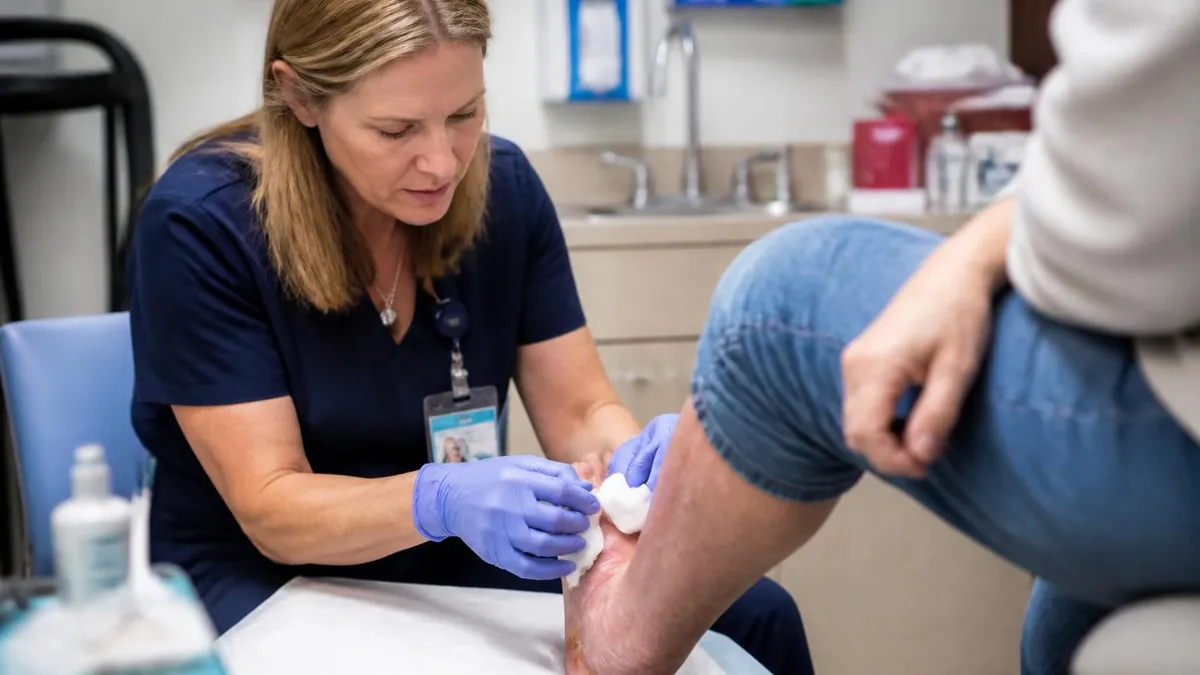
Where Wound Care Nurse Practitioners Work
Inpatient consult services managing pressure injuries, surgical dehiscence, and complex acute wounds. NPs round daily, coordinate with surgery, and document for reimbursement. Fast-paced and high acuity, ideal for clinicians who enjoy variety and strong teamwork.
Specialized clinics offering hyperbaric oxygen, advanced dressings, and serial debridement. Practitioners follow patients across full healing journeys, building continuity and tracking measurable progress over weeks and months in a structured, appointment-based environment.
Skilled nursing and assisted living facilities rely on wound NPs to manage pressure injuries and prevent hospital readmissions. The role emphasizes prevention protocols, staff education, and regulatory compliance under CMS pressure injury guidelines.
Practitioners deliver advanced wound management to homebound patients, often through home health agencies or mobile wound practices. This setting rewards independence and offers flexible scheduling while expanding access for vulnerable, hard-to-reach populations.
The daily duties of a wound care nurse practitioner revolve around systematic assessment, intervention, and documentation. Each patient encounter begins with a thorough wound evaluation: measuring length, width, and depth, characterizing the wound bed tissue, noting exudate volume and odor, and inspecting the periwound skin. From this assessment flows a treatment plan that may include debridement, infection management, offloading, compression, or referral. Accurate wound care dressings selection depends entirely on this foundational evaluation being done correctly every single visit.
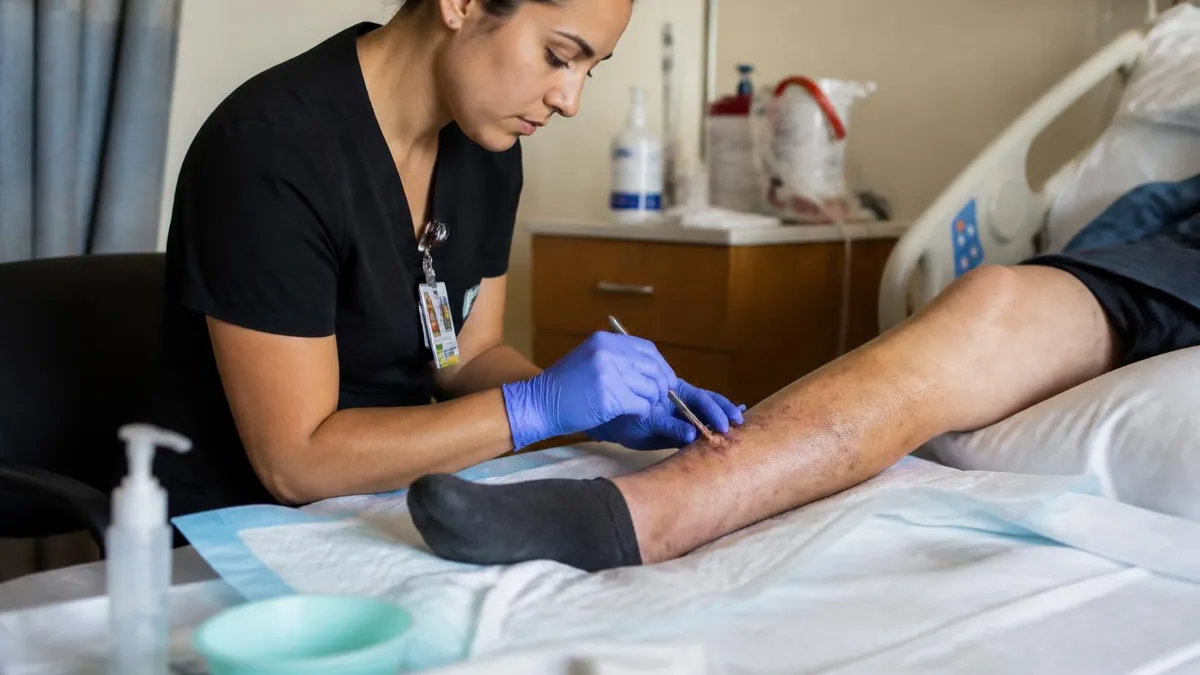
Debridement is a defining skill. Depending on state scope-of-practice laws, NPs may perform sharp conservative debridement, removing devitalized tissue with a scalpel or curette to promote granulation. Others rely on enzymatic, autolytic, or mechanical methods. Knowing when to debride aggressively versus when to preserve tissue, especially in ischemic limbs, separates competent practitioners from novices. A misjudged debridement on a poorly perfused foot can convert a manageable ulcer into an amputation-threatening emergency almost overnight in fragile patients.
Prescribing authority adds significant value. Wound care NPs order wound cultures, prescribe targeted antibiotics, manage pain regimens, and order vascular studies like ankle-brachial index testing or arterial duplex scans. They interpret these results to determine whether a wound is failing because of infection, inadequate blood flow, pressure, edema, or uncontrolled glucose. This diagnostic reasoning is the heart of the specialty and what elevates the role above the simple dressing changes performed by busy floor nursing staff.
Documentation and reimbursement knowledge are unglamorous but essential. Wound care is heavily scrutinized by payers, and precise charting using wound care icd 10 codes determines whether services get reimbursed. Practitioners must document wound stage, measurements, tissue type, and medical necessity for every advanced therapy. A clinically excellent NP who documents poorly costs an employer thousands of dollars, so coding fluency directly affects your value and even your bargaining power during salary negotiations later.
Patient and caregiver education rounds out the role. Many chronic wounds recur because the underlying behavior never changes. A diabetic foot ulcer will return if the patient keeps wearing ill-fitting shoes; a pressure injury reopens if repositioning lapses. Effective wound NPs spend real time teaching offloading, nutrition, glucose control, and skin inspection. They also train nursing staff and family caregivers, multiplying their impact far beyond what they could ever achieve alone inside a single exam room.
Coordination of care ties everything together. Wounds rarely heal in isolation, so practitioners collaborate with vascular surgeons, podiatrists, endocrinologists, dietitians, and physical therapists. The wound NP often functions as the quarterback, ensuring the diabetic patient sees endocrinology, the venous ulcer patient gets compression, and the malnourished patient receives a nutrition consult. This orchestration role demands strong communication skills and a genuine systems-level view of each patient's overall health.
Wound Care Certification Options for Nurse Practitioners
The Wound, Ostomy and Continence Nursing Certification Board offers the CWOCN and the advanced practice CWOCN-AP credential, prized by hospital systems. Candidates typically complete an accredited WOC education program before testing. The WOCNCB pathway is rigorous and widely respected, making it a strong choice for NPs who want maximum employer recognition and the ability to lead full wound programs.
This certification demands documented clinical hours and a comprehensive examination covering wound, ostomy, and continence care. While the breadth means more study, it also produces versatile clinicians. Many wound center directors hold WOCNCB credentials, and the certification often unlocks leadership tracks and higher reimbursement tiers within large integrated health systems across the United States today.
Is a Wound Care Nurse Practitioner Career Right for You?
- +Strong, growing demand driven by aging population and rising diabetes rates
- +Above-average compensation compared to general primary care NP roles
- +Visible, measurable patient progress that boosts daily job satisfaction
- +Diverse practice settings from hospitals to home-based mobile care
- +Clear specialty identity and recognition from referring physicians
- +Procedure-rich work with debridement and advanced therapies
- +Opportunities for autonomy and program leadership over time
- −Exposure to malodorous, infected, and graphic wounds daily
- −Heavy documentation and reimbursement scrutiny from payers
- −Scope-of-practice limits on debridement vary widely by state
- −Emotionally taxing cases involving amputation and palliative wounds
- −Certification requires significant study time and clinical hours
- −Productivity pressure tied to clinic volume in some settings
Core Skills Every Wound Care Specialist Needs
- ✓Perform systematic wound assessment with accurate measurement and staging
- ✓Differentiate arterial, venous, pressure, and diabetic ulcer etiologies
- ✓Select appropriate dressings based on exudate, depth, and tissue type
- ✓Execute conservative sharp debridement within your state scope
- ✓Order and interpret vascular studies like ABI and arterial duplex
- ✓Identify and manage wound infection and biofilm appropriately
- ✓Apply compression therapy correctly for venous insufficiency
- ✓Document with precise ICD-10 codes for reimbursement compliance
- ✓Educate patients on offloading, nutrition, and glucose control
- ✓Coordinate multidisciplinary referrals to surgery and specialists
Certification compounds your earning power
NPs who hold a recognized wound care certification consistently report stronger job offers and higher reimbursement standing than uncredentialed peers. The 12-week investment to earn a WCC, CWS, or CWOCN typically pays for itself within the first year through better positioning, procedure billing, and access to specialized wound center roles that simply will not hire generalists.
Salary is one of the first questions any candidate asks, and for good reason. The Bureau of Labor Statistics reports a median nurse practitioner salary near $118,000, but wound care specialists frequently land above that figure thanks to their procedural skills and certification. In high-cost metro areas and busy wound centers, total compensation including productivity bonuses can climb well into the $130,000 to $150,000 range. Mobile and home-based practices sometimes pay per-visit rates that, for efficient clinicians, exceed standard salaried positions over a year.
Geography matters enormously. Wound NPs in California, New York, and the Northeast corridor generally command higher base pay, though cost of living offsets some of that advantage. Rural and underserved regions, surprisingly, often pay competitively because they struggle to recruit specialists. A practitioner willing to serve a rural long-term care network or a home health territory may negotiate signing bonuses, mileage reimbursement, and flexible schedules that meaningfully increase real take-home value beyond the headline base salary figure alone.
Setting drives compensation structure too. Hospital wound teams typically offer stable salaries with full benefits and predictable hours. Outpatient wound centers may blend base pay with productivity incentives tied to visit volume and procedures. Locum tenens and contract wound roles can pay premium hourly rates, sometimes exceeding $80 to $100 per hour, though they sacrifice benefits and stability. Understanding these trade-offs helps you choose a model that fits your financial goals and your preferred lifestyle priorities.
The job outlook is exceptionally strong. The BLS projects nurse practitioner employment to grow 38 percent between 2022 and 2032, far faster than average. Within that, wound care demand is amplified by demographics: an aging population, a diabetes epidemic, and rising rates of obesity and vascular disease all generate chronic wounds. Roughly 8.2 million Americans live with chronic wounds, and that number keeps climbing, ensuring sustained demand for skilled practitioners for the foreseeable future across nearly every region.
Experience and credentials steepen your earning curve over time. A new wound NP might start near the median, but after building procedural volume, earning a respected certification, and developing a referral reputation, compensation rises accordingly. Those who move into wound program leadership, become wound center medical directors, or build independent mobile practices can substantially exceed clinical staff pay. The ceiling is genuinely high for practitioners who combine clinical excellence with real business and leadership acumen.
Patients seeking convenient treatment increasingly search for wound care near me, fueling the home-based segment that many NPs find both lucrative and rewarding. Telehealth-supported wound rounds, partnerships with home health agencies, and mobile wound vans are expanding the ways practitioners deliver care and bill for it. This entrepreneurial frontier means motivated NPs are not limited to traditional employment models and can build practices tailored to their own communities and personal earning ambitions.
Debridement authority, prescriptive privileges, and required physician collaboration vary dramatically from state to state. A role advertised as performing sharp debridement may not be legal for an NP in every jurisdiction. Always confirm your state board of nursing rules before accepting a position, and ensure any job description aligns with what you are legally permitted to do independently.
Landing a wound care nurse practitioner job starts with the right foundation. Most successful candidates first secure their NP license, then gain bedside or clinic experience that exposes them to wounds. New graduates can break in by seeking positions in long-term care, home health, or outpatient wound centers that are willing to train. These settings face chronic staffing shortages and often welcome motivated NPs who demonstrate genuine interest in mastering wound management from the ground up over time.
Earning a certification dramatically strengthens your candidacy. Even before you have years of wound-specific experience, completing a recognized skin and wound course and passing a board exam signals commitment to hiring managers. Pair this with documentation of any wound clinical hours you have accumulated. A résumé that pairs an active NP license with a WCC, CWS, or CWOCN credential immediately rises to the top of the applicant pile in this competitive specialty niche today.
Networking opens doors that job boards do not. Attend wound care conferences such as the Symposium on Advanced Wound Care, join professional organizations, and connect with wound center directors and home health agencies in your area. Many wound NP positions are filled through referrals before they are ever publicly posted. Building relationships with vascular surgeons, podiatrists, and existing wound clinicians can generate warm introductions that quietly bypass crowded online application portals entirely.
Tailor every application to demonstrate wound-specific value. Generic NP résumés get overlooked. Instead, quantify your impact: describe healing rates you achieved, pressure injury prevention programs you supported, or the volume of debridements and assessments you performed. Hiring managers want evidence that you understand reimbursement, documentation, and the multidisciplinary coordination the role demands. Concrete numbers and outcomes consistently outperform vague claims of being a hard worker or a fast learner on paper.
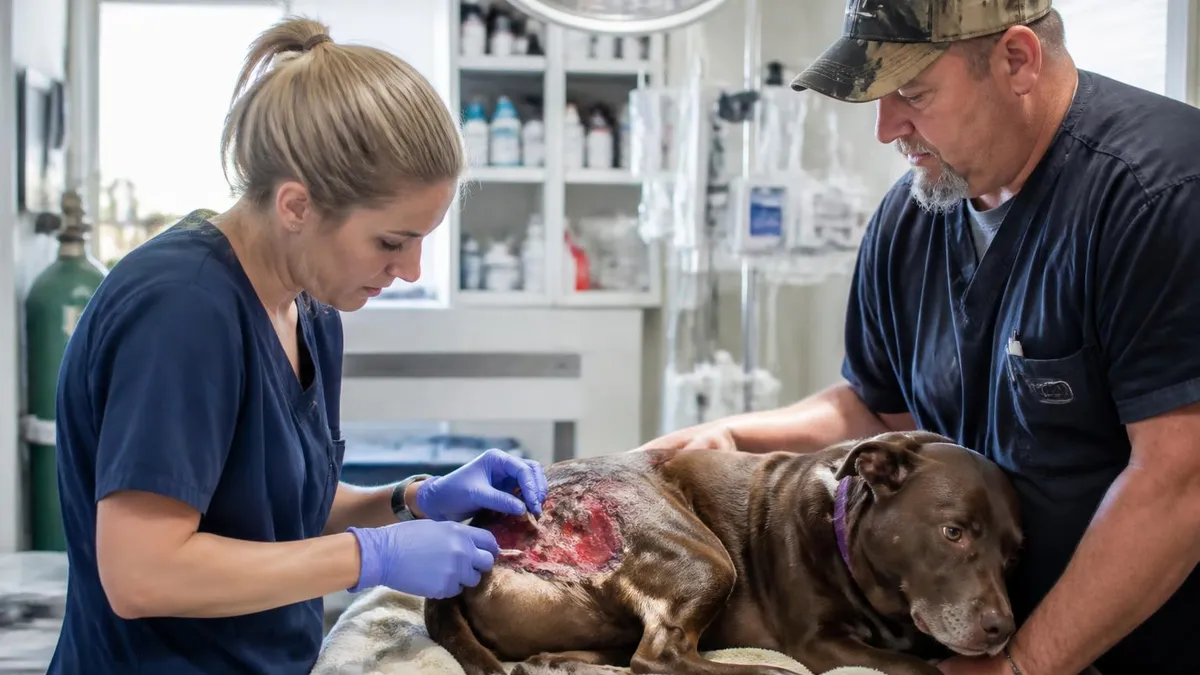
Prepare thoroughly for interviews. Expect clinical scenario questions: how would you manage a non-healing diabetic foot ulcer, when would you suspect arterial insufficiency, how do you approach a malodorous wound. Interviewers also probe your knowledge of offloading, compression, and infection control. Reviewing principles relevant to dog wound care and other niche scenarios can broaden your perspective, but focus your prep on the chronic wound types you will actually encounter most often.
Finally, consider the long game. The most successful wound care NPs treat their first role as a launchpad. They accumulate procedural volume, deepen their certification credentials, and gradually build the reputation that leads to leadership positions, higher pay, or independent practice. Staying current with new wound care products and evidence-based protocols keeps you valuable. The specialty rewards lifelong learners who never stop refining their craft as treatments and technologies continue to evolve quite rapidly.
Practical preparation can make the difference between a stalled application and a strong offer. Start by building a focused study routine if you are pursuing certification. Most candidates dedicate roughly 12 weeks, mixing textbook review with practice questions that mirror exam format. Spaced repetition beats cramming for retention. Map your study around wound assessment, etiology differentiation, dressing selection, infection management, and reimbursement coding, because these themes dominate every major wound certification examination and your real clinical work alike.
Hands-on exposure accelerates everything. If your current role offers limited wound contact, volunteer for wound rounds, shadow a wound center, or request to assist with debridements under supervision. The more wounds you assess and manage, the faster you internalize pattern recognition. Experienced wound clinicians can glance at a wound bed and immediately read its story; that intuition only develops through deliberate, repeated, real-world practice with diverse wound types across many different patients and varied clinical contexts.
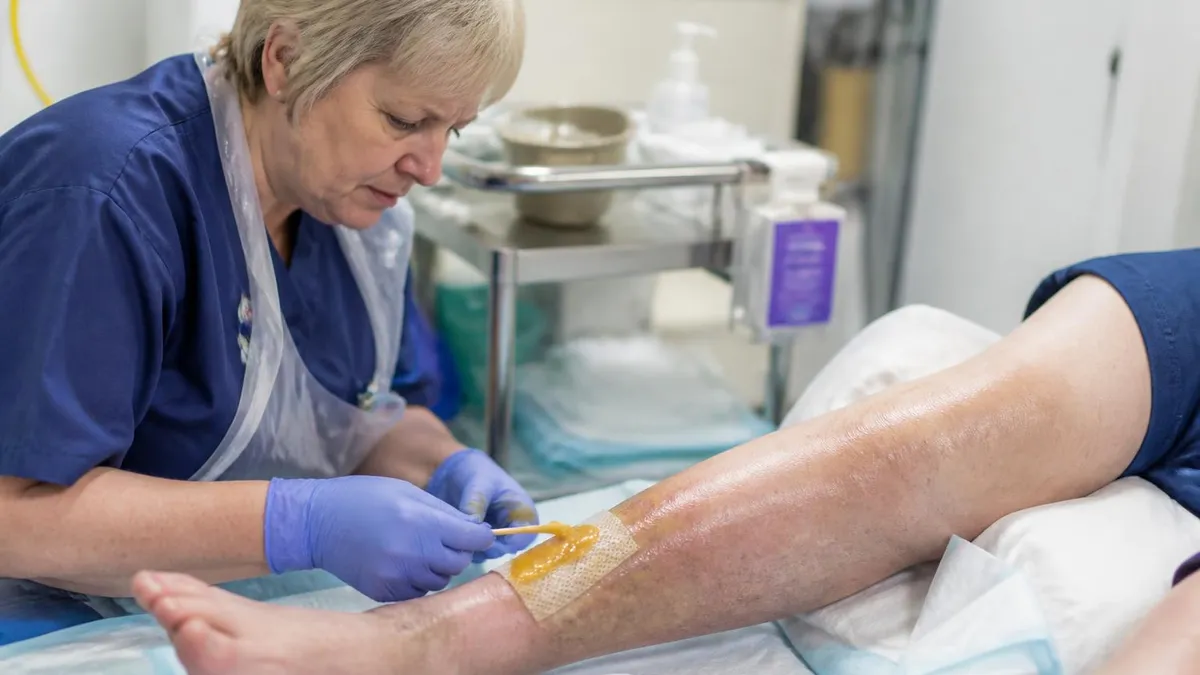
Master the language of wound care products and dressings. Employers expect fluency in alginates, hydrocolloids, foams, hydrogels, and antimicrobial options like silver and manuka honey wound care preparations. Knowing which product fits a dry wound versus a heavily exudating one, and which to avoid in infection, demonstrates clinical maturity. Build a mental decision tree so that during interviews and on the job you can justify every dressing choice with sound, defensible clinical reasoning rooted firmly in evidence.
Do not neglect the business side of the specialty. Understanding how wound care services are billed, how medical necessity is documented, and how productivity is measured makes you a more attractive hire. Practitioners who can articulate how they protect revenue while delivering excellent care stand out sharply. Spend time learning the reimbursement landscape, even if it feels tedious, because this knowledge directly translates into bargaining leverage and long-term career security in any practice setting you join.
Cultivate the soft skills that retain patients and impress employers. Chronic wound patients are often discouraged, in pain, and managing multiple comorbidities. Empathy, patience, and clear communication keep them engaged in treatment plans that may stretch over many months. Practitioners who connect with patients see better adherence and better outcomes. Those outcomes become the success stories that build your reputation and justify the referrals that ultimately fill your schedule and advance your wound care career.
Stay current and keep credentialing alive. Wound care evolves quickly, with new dressings, biologics, and offloading technologies emerging regularly. Maintain your certification through continuing education, follow guideline updates from wound care societies, and read the literature on healing outcomes. Employers value practitioners who bring fresh evidence-based ideas to the team. Treat your professional development as an ongoing investment, and the wound care specialty will continue to reward you with opportunity, autonomy, and meaningful, visible clinical impact.
Wound Care Questions and Answers
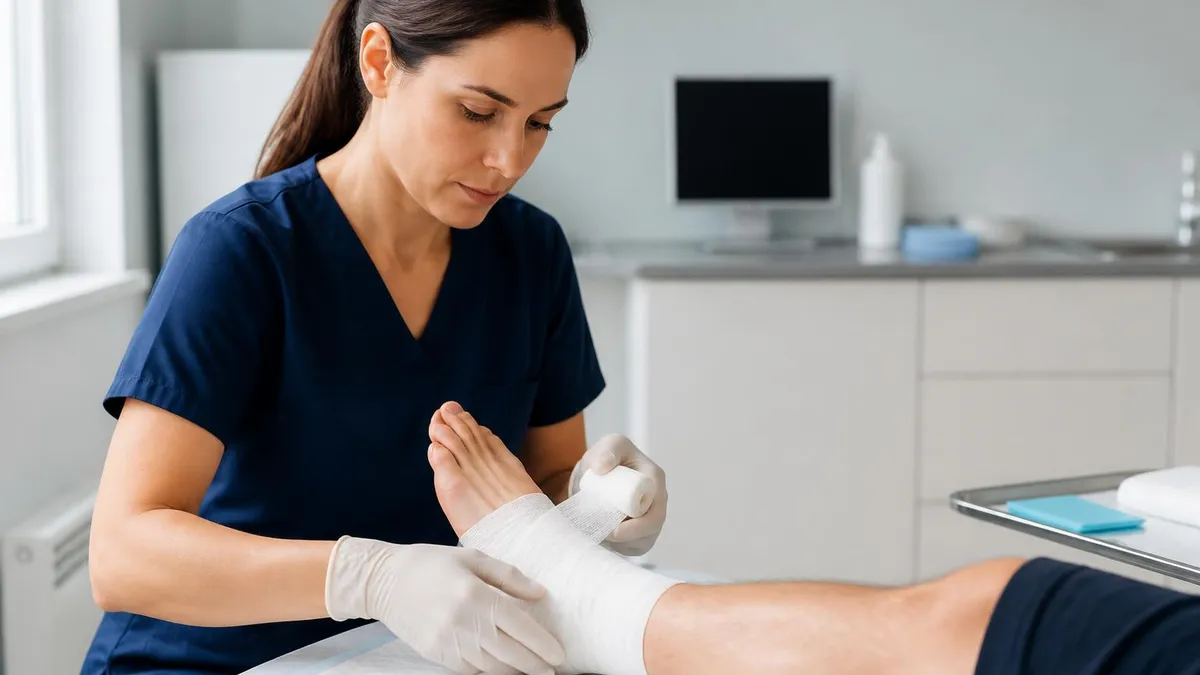
Wound Care General Knowledge: Dressings, DSD & Drain Care
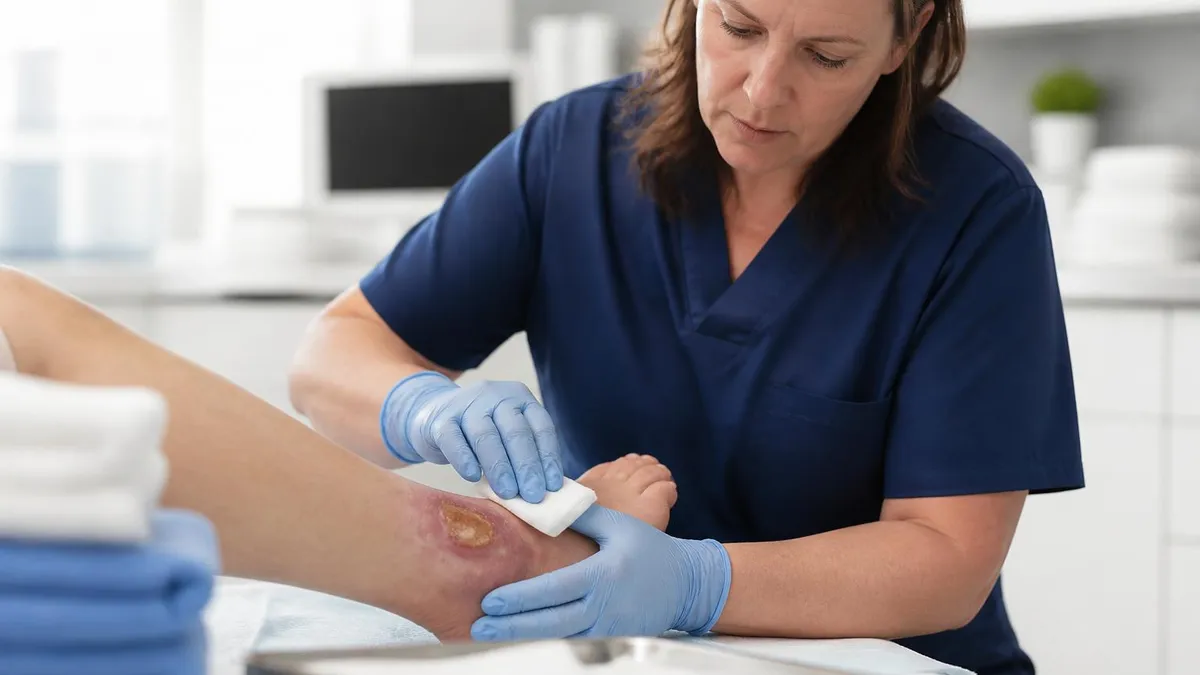
Wound Care Home: Complete Guide to Home Wound Care Services in 2026
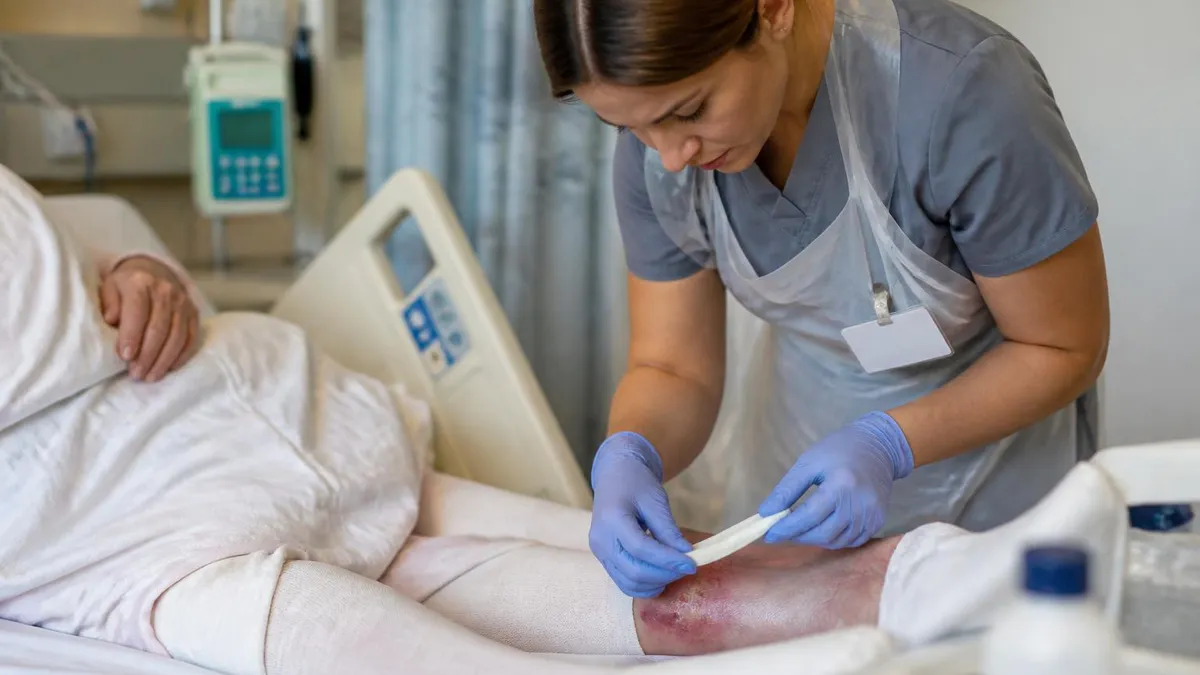
Diabetic Wound Care: Why Wounds Are Different, Treatment, and Prevention in 2026
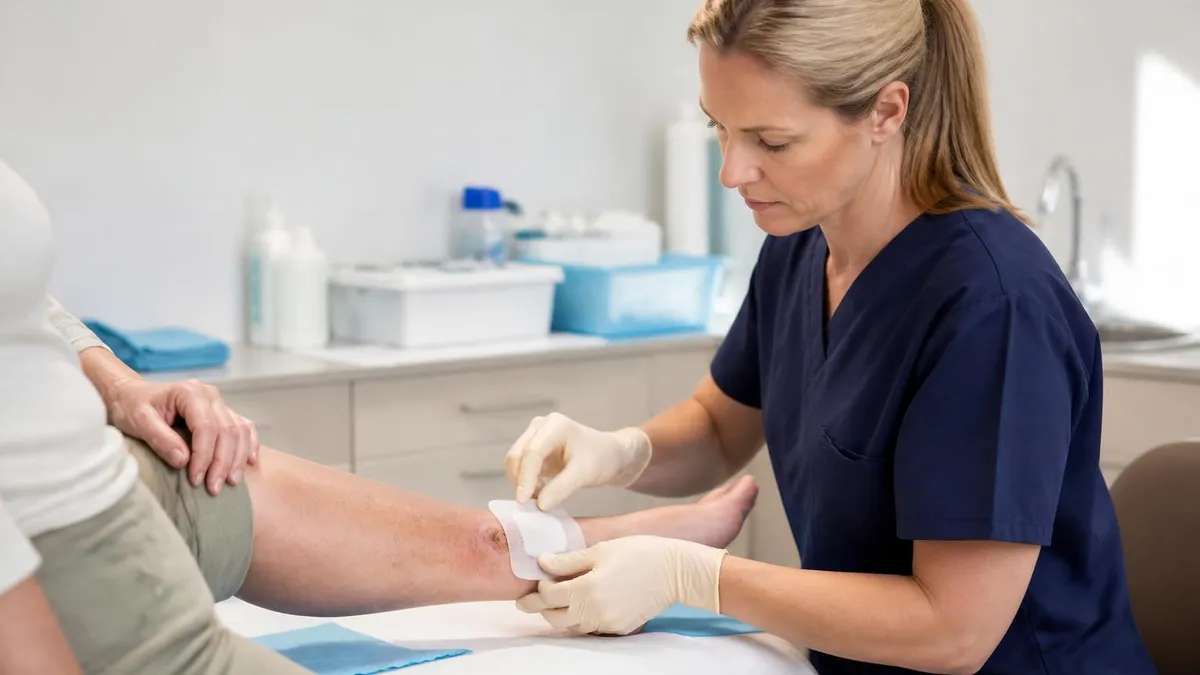
Wound Care Products: Types, Selection, and Clinical Use
Hydrogel in Wound Care: How It Works, When to Use It, and Types in 2026
About the Author

Registered Nurse & Healthcare Educator
Johns Hopkins University School of NursingDr. Sarah Mitchell is a board-certified registered nurse with over 15 years of clinical and academic experience. She completed her PhD in Nursing Science at Johns Hopkins University and has taught NCLEX preparation and clinical skills courses for nursing students across the United States. Her research focuses on evidence-based exam preparation strategies for healthcare certification candidates.