
Skills Module 3.0: Wound Care Pretest — Complete Guide to Wound Care Certification Exam Prep
Master wound care wound care certification with Skills Module 3.0 pretest strategies, dressing types, ICD-10 coding, and nurse exam tips. ✅

The skills module 3.0: wound care pretest is the foundational checkpoint every nursing and allied health professional must pass before sitting for a formal wound care certification exam. This pretest evaluates your working knowledge of wound classification, evidence-based dressing selection, wound care products, moisture management, and patient education — exactly the domains tested on credential exams like the WCC, CWS, and CWOCN. Whether you are a seasoned wound care nurse brushing up on best practices or a newly licensed LPN exploring your first specialty, this guide walks you through every domain you need to master.
Wound care wound care as a clinical discipline has expanded dramatically over the past two decades. The global advanced wound care market is now valued at more than $12 billion annually, driven by rising rates of diabetes, obesity, peripheral vascular disease, and an aging population that is increasingly susceptible to pressure injuries. Clinicians who earn a recognized wound care certification command higher salaries, receive preferential hiring at wound care center facilities, and are increasingly required by hospital accreditation standards. Understanding the pretest structure is the first step toward earning those credentials.
Preparation for the skills module 3.0 pretest is not simply about memorizing definitions. The exam tests clinical reasoning: given a patient's wound bed appearance, exudate level, periwound skin condition, and medical history, which wound care dressings provide the optimal moisture balance? Which wound care products are contraindicated for infected tissue? How do you document the encounter using the correct wound care ICD 10 code? These integrated questions require you to synthesize anatomy, pathophysiology, pharmacology, and care-planning skills simultaneously.
This article is organized to mirror the actual progression of wound management knowledge: from basic wound assessment through advanced product selection, infection management, specialty wound populations such as dog wound care analogies used in veterinary-to-human comparative studies, and finally the business and documentation side of wound practice. Each section corresponds to a core competency area on the wound care certification examination blueprint, so you can use this guide as a structured study companion from day one.
Throughout this article you will find curated practice questions, evidence-based clinical pearls, and direct links to free quizzes that simulate the real exam environment. You will also find coverage of specialized topics such as hydrogel in wound care, manuka honey wound care applications, and the role of the wound care nurse in interdisciplinary team settings. By the end of this guide you will have a clear, measurable study plan and the conceptual framework needed to approach any skills module 3.0 pretest question with confidence.
One important logistical note before we dive in: many candidates underestimate the depth of the wound care ICD 10 coding section. The exam regularly includes scenario-based coding questions that require you to differentiate between acute traumatic wounds, chronic non-healing ulcers, post-surgical wounds, and pressure injuries at various stages. Getting comfortable with ICD-10-CM Chapter 12 (Diseases of the Skin and Subcutaneous Tissue) and the injury-sequela coding rules early in your preparation will save you significant stress in the final weeks before your exam date.
Finally, if you are searching for a wound care center near me for clinical hours or preceptorship opportunities, many accredited wound care centers offer structured observation programs for certification candidates. Logging direct patient care hours under a certified wound specialist is not only required for most credential applications but is also the single most effective way to internalize the clinical decision-making logic that pretest questions are designed to assess. Now let's get into the content.
Wound Care Certification by the Numbers

Wound Care Certification Exam Format
| Section | Questions | Time | Weight | Notes |
|---|---|---|---|---|
| Wound Assessment & Etiology | 38 | 45 min | 25% | Staging, classification, wound bed scoring |
| Wound Management & Products | 45 | 55 min | 30% | Dressings, debridement, wound care products |
| Infection & Biofilm Management | 30 | 36 min | 20% | Antimicrobials, cultures, systemic signs |
| Documentation & ICD-10 Coding | 22 | 26 min | 15% | Wound care ICD 10, legal charting |
| Patient Education & Prevention | 15 | 18 min | 10% | Off-loading, nutrition, caregiver training |
| Total | 150 | 3 hours | 100% |
Wound assessment is the cornerstone skill tested throughout the skills module 3.0 pretest, and it begins with systematic observation rather than immediate intervention. A complete wound assessment documents location using anatomical landmarks, wound dimensions in centimeters (length × width × depth), wound bed tissue type (granulation, slough, eschar, epithelial), exudate amount and character, periwound skin condition, wound edges (attached, rolled, undermining), odor, and any signs of local or systemic infection. This MEASURE framework — or its equivalent — appears directly on credentialing exams because it drives every subsequent management decision.
Wound classification by etiology is equally critical. The four major chronic wound categories you must distinguish are pressure injuries (formerly pressure ulcers), diabetic foot ulcers (DFUs), venous leg ulcers (VLUs), and arterial ulcers. Each has a characteristic appearance, anatomical location, exudate pattern, and evidence-based treatment pathway.
Pressure injuries are staged using the National Pressure Injury Advisory Panel (NPIAP) system: Stage 1 (non-blanchable erythema), Stage 2 (partial thickness), Stage 3 (full thickness without exposed bone), Stage 4 (full thickness with exposed bone, tendon, or muscle), Unstageable (obscured by slough or eschar), and Deep Tissue Injury (DTI). Memorizing these staging criteria with their visual descriptors is non-negotiable for passing the pretest.
Diabetic foot ulcers are classified using the Wagner or University of Texas grading systems. The Wagner system grades wounds 0–5 based on depth and the presence of infection or gangrene, while the University of Texas system adds an ischemia axis, making it more clinically predictive.
Venous leg ulcers typically appear on the medial gaiter area (between ankle and mid-calf), are shallow with irregular edges, produce heavy serous or seropurulent exudate, and are associated with hemosiderin staining and lipodermatosclerosis. Arterial ulcers, by contrast, appear on the distal foot or toes, have a punched-out appearance, produce minimal exudate, and are associated with rest pain and absent pedal pulses.
The wound bed preparation framework — also known as the TIME principle — organizes assessment findings into actionable management categories: Tissue (non-viable tissue requiring debridement), Infection/Inflammation (biofilm or clinical infection requiring antimicrobial therapy), Moisture imbalance (too dry requiring hydration, or too wet requiring absorbency), and Edge of wound (non-advancing epithelial cells requiring advanced therapies). This framework is referenced extensively in wound care certification study materials and appears in scenario-based pretest questions where candidates must prioritize which TIME element to address first.
Periwound skin assessment is an area that many candidates underestimate. The skin surrounding a wound provides critical diagnostic information: maceration (whitish, waterlogged tissue) indicates excessive moisture or an oversaturated dressing; erythema extending more than 2 cm from the wound edge suggests spreading infection or allergic reaction; induration (firmness) may indicate deep infection or abscess formation; and excoriation from wound exudate signals the need for a skin barrier product. Visiting a wound care clinic for direct observation of these periwound changes before your exam significantly reinforces textbook learning with visual memory.
Wound measurement accuracy is tested on the pretest through scenario questions. Length is always measured head-to-toe (cranial-caudal axis), width is measured side-to-side (medial-lateral axis), and depth is measured using a sterile cotton-tipped applicator or probe placed perpendicular to the wound surface. Undermining is measured by the clock-face method, documenting the extent of tissue destruction beneath intact skin edges.
Tunneling — a narrow channel extending from the wound base — is measured by directing the probe along the channel and noting direction using the clock-face reference. Errors in measurement documentation directly affect reimbursement calculations and legal records, making this a high-stakes competency area.
Understanding wound healing phases is foundational to interpreting assessment findings. Hemostasis (minutes to hours), inflammation (days 1–4), proliferation (days 4–21), and remodeling (weeks to years) each produce distinct wound bed appearances. A wound stuck in the inflammatory phase — characterized by persistent erythema, warmth, edema, and exudate without granulation tissue formation — signals biofilm or inadequate debridement. A proliferating wound shows beefy red granulation tissue filling from the wound base outward. Recognizing phase-appropriate versus phase-inappropriate wound appearances enables you to select the correct intervention on pretest scenario questions.
Wound Care Dressings: Choosing the Right Product
Moisture-balancing wound care dressings form the largest category on the pretest. Hydrocolloids maintain a moist wound environment and are ideal for Stage 2 pressure injuries and shallow venous ulcers with minimal exudate. Foams absorb moderate to heavy exudate while maintaining moisture balance, making them the go-to choice for diabetic foot ulcers and venous leg ulcers under compression. Alginates — derived from brown seaweed — gel on contact with wound exudate, providing hemostasis and absorbing up to 20 times their weight in fluid, ideal for highly exudative wounds.
Hydrogels are indicated for dry, necrotic, or painful wounds because they donate moisture to the wound bed, softening eschar and promoting autolytic debridement. Sheet hydrogels can be cut to size for irregular wounds, while amorphous hydrogel gels are injected into tunnels and undermining. Transparent films are semipermeable membranes appropriate only for superficial wounds with no exudate; they are commonly used as secondary dressings over primary dressings or as protection for skin at risk. The pretest frequently presents scenario questions requiring candidates to match wound characteristics to the correct dressing category based on exudate level and wound depth.

Wound Care Certification: Is It Worth the Investment?
- +Certified wound care nurses earn an average of $8,000–$15,000 more annually than non-certified peers in wound management roles
- +Certification demonstrates validated clinical competency and improves patient safety outcomes at wound care center facilities
- +Opens doors to advanced wound care nurse practitioner positions and leadership roles in wound care programs
- +Certification satisfies continuing education requirements for many state nursing licenses and hospital credentialing systems
- +Increases professional credibility with interdisciplinary teams including physicians, physical therapists, and dietitians
- +Provides structured framework for evidence-based wound management decisions, reducing variability in clinical practice
- −Initial certification costs (application, exam, study materials) can exceed $500–$800 for first-time candidates
- −Most credentials require 2–3 years of wound care clinical experience before eligibility, delaying entry for newer nurses
- −Recertification every 5 years requires ongoing CEU accumulation, adding time and cost commitments throughout your career
- −Exam difficulty is high — national first-time pass rates hover around 54%, requiring significant dedicated study time
- −Study materials and prep courses for wound care certification vary widely in quality, making it difficult to select reliable resources
- −Work schedules in wound care settings can be demanding, making it difficult to dedicate consistent study time during exam preparation
Wound Care Certification Exam Prep Checklist
- ✓Download the official exam blueprint from your credentialing body (NAWCCB, WOCNCB, or ABWM) and highlight every domain and subdomain
- ✓Complete a diagnostic pretest to identify your three weakest topic areas before building your study schedule
- ✓Master NPIAP pressure injury staging criteria with visual examples for all six stages including Unstageable and Deep Tissue Injury
- ✓Create a dressing selection reference card matching exudate level, wound depth, and tissue type to the correct dressing category
- ✓Practice wound measurement documentation including length, width, depth, undermining, and tunneling using the clock-face method
- ✓Study the TIME wound bed preparation framework and practice applying it to at least 20 clinical scenario questions
- ✓Review wound care ICD-10 coding rules for chronic ulcers, pressure injuries, post-surgical wounds, and traumatic wounds
- ✓Complete at least 150 timed practice questions to build exam endurance and identify remaining knowledge gaps
- ✓Review antimicrobial wound care products including silver, iodine, PHMB, and manuka honey wound care indications and contraindications
- ✓Schedule clinical observation hours at a certified wound care center to reinforce textbook concepts with real patient encounters

The 72-Hour Rule for Wound Re-Assessment
Most wound care certification exams include at least two to three questions testing re-assessment intervals. The evidence-based standard requires wound re-assessment within 72 hours of any dressing change, treatment modification, or new wound presentation. If a wound shows no measurable progress after four weeks of appropriate treatment, escalate to advanced therapies. Memorize these timeframes — they appear on the pretest as answer choices for questions about when to change management plans.
The wound care nurse occupies a pivotal role within the modern interdisciplinary healthcare team, serving as the clinical expert, patient advocate, educator, and quality improvement leader for wound management programs. In acute care settings, wound care nurses conduct consultations for newly admitted patients with complex wounds, advise surgical teams on post-operative wound management, and lead hospital-acquired pressure injury prevention programs.
In long-term care, they serve as the authoritative voice on wound documentation, regulatory compliance (particularly under MDS 3.0 requirements for skilled nursing facilities), and staff education. In outpatient wound care center environments, they often manage patient caseloads independently, prescribing dressings, ordering diagnostic studies, and coordinating referrals to vascular surgery, plastic surgery, and podiatry.
Wound care nurse practitioners represent an advanced practice evolution of the wound specialist role. NPs with wound care certification can independently diagnose wound etiology, order and interpret vascular studies (ABI, TcPO2, duplex ultrasound), perform sharp debridement within their scope of practice, and prescribe systemic antibiotics for wound-related infections.
For nurses considering this career trajectory, exploring opportunities at academic medical centers, specialty wound care centers, and hospital outpatient departments offers the broadest scope of practice. Those interested in the advanced practice pathway can find detailed career information, including salary benchmarks and job market data, by reviewing resources related to wound care wellstar griffin and similar regional health system hiring trends.
The wound care team extends well beyond nursing. Registered dietitians play a critical role in wound healing by optimizing protein intake (1.2–1.5 g/kg/day for wound healing), correcting micronutrient deficiencies (zinc, vitamin C, vitamin A), and managing hyperglycemia that impairs immune function and collagen synthesis. Physical and occupational therapists contribute off-loading device fabrication, mobility training, and edema management through compression therapy and manual lymphatic drainage. Social workers address the social determinants of health — housing stability, food security, caregiver availability — that profoundly affect adherence to wound care regimens and healing outcomes.
Understanding the business and regulatory environment of wound care is increasingly tested on certification exams. The Centers for Medicare and Medicaid Services (CMS) requires documentation that supports medical necessity for all wound care products and services billed to Medicare Part B. Wound care nurses must be familiar with Local Coverage Determinations (LCDs) for skin substitutes, negative pressure wound therapy, hyperbaric oxygen therapy, and electrical stimulation — all of which have specific documentation requirements that trigger or deny reimbursement.
LCD L33831 for chronic ulcers, for example, requires documentation of wound etiology, duration, prior treatment failure, and current wound measurements before approving advanced wound care products.
Telehealth wound care has emerged as a significant practice area accelerated by the COVID-19 pandemic. Remote wound monitoring platforms allow patients to photograph wounds at home using standardized lighting protocols, and wound care nurses review images to assess healing trajectories, adjust dressing orders, and identify complications without requiring in-person visits. Wound care certification candidates should understand the limitations of telehealth assessment (inability to probe for undermining, assess wound odor, or perform debridement) as well as its advantages (improved adherence for patients with transportation barriers, early complication detection through more frequent monitoring intervals).
Pressure injury prevention programs represent one of the highest-impact quality improvement initiatives a wound care nurse can lead. Hospital-acquired pressure injuries (HAPIs) are considered never events — meaning they are largely preventable with proper nursing care — and their occurrence triggers mandatory reporting to CMS with corresponding payment penalties for hospitals.
A strong HAPI prevention program includes validated risk assessment on admission using the Braden Scale (scores ≤ 18 indicate risk), repositioning schedules every two hours for bedbound patients, prophylactic foam dressings on high-risk bony prominences, specialized pressure redistribution mattresses, incontinence management with moisture barriers, and nutrition optimization. Wound care nurses lead both the policy development and the staff education components of these programs.
The pretest and formal certification exam both include questions on specific wound care products used in prevention. Silicone-bordered foam dressings, when applied prophylactically to the sacrum and heels of high-risk ICU patients, have been shown in randomized controlled trials to reduce HAPI incidence by 50–80%. Moisture-associated skin damage (MASD) — including incontinence-associated dermatitis (IAD), intertriginous dermatitis, and peri-wound moisture damage — is a distinct entity from pressure injury and requires different prevention and management strategies.
Differentiating MASD from Stage 2 pressure injuries is a common high-difficulty question type on wound care certification exams that requires precise knowledge of each condition's clinical appearance and pathophysiology.
Most wound care certification bodies (NAWCCB, WOCNCB) accept applications on a rolling basis, but exam seat availability at testing centers is limited, especially in Q4. Submit your application at least 8–10 weeks before your target exam date to secure your preferred location and time slot. Ensure your clinical hours are fully documented and signed before applying — incomplete applications are returned without review, adding weeks to your timeline.
Wound care ICD-10 coding is among the most technically demanding components of the skills module 3.0 pretest, and it is an area where even experienced clinicians frequently lose points due to coding rule complexity.
ICD-10-CM classifies wounds across multiple chapters depending on etiology: pressure injuries are coded from Chapter 12 (L89.xxx), diabetic foot ulcers from Chapter 4 (E11.621 for Type 2 with foot ulcer), venous ulcers from Chapter 9 (I83.xxx for varicose veins with ulcer), arterial ulcers from Chapter 9 as well, and traumatic wounds from Chapter 19 (S-codes). Each category has its own laterality, staging, and complication axes that must be coded to the highest level of specificity supported by documentation.
The wound care ICD 10 code selection process begins with identifying the primary wound etiology, then the anatomical location, then the stage or severity, and finally any associated complications such as infection, necrosis, or gangrene. For pressure injuries specifically, the L89 code set requires documentation of the wound stage in the medical record — if the stage is undocumented by the physician or wound care nurse, the coder must query the provider before assigning a stage-specific code.
Unstageable pressure injuries (covered by eschar or slough that prevents staging) receive the code L89.x0, while Deep Tissue Injuries receive L89.x6. These distinctions are tested explicitly on certification exams because they affect facility quality metrics and payment under Medicare's value-based purchasing programs.
Secondary codes play an equally important role in accurate wound documentation. When a diabetic patient presents with a foot wound, the correct coding sequence requires the diabetes code (E11.621) listed first as the etiology, followed by the wound location code (L97.xxx) as a manifestation. Failing to code this sequencing correctly misrepresents the patient's clinical picture and can trigger payer audits. Similarly, surgical wound dehiscence has its own code set (T81.30–T81.39) that must be differentiated from post-procedural wound infection (T81.40–T81.49) even when both complications are present simultaneously — in which case both codes are assigned.
Skin substitutes and bioengineered tissue products require procedure coding in addition to diagnosis coding for billing purposes. CPT codes for skin substitute application (15271–15278 for small wounds, 15279 for larger wounds) have specific documentation requirements including wound size, product name, and number of square centimeters applied. The wound care nurse who understands these coding requirements can ensure that clinical documentation supports billing compliance, reducing denials and protecting the facility from audit risk. This business-of-wound-care knowledge is increasingly assessed on certification exams as the field recognizes the wound specialist's role in revenue cycle integrity.
Hyperbaric oxygen therapy (HBOT) is a specialty wound care intervention that requires precise ICD-10 documentation to obtain payer authorization. CMS LCD L33786 specifies that HBOT is covered for diabetic foot ulcers that have failed 30 days of standard wound care, Wagner Grade 3 or higher, in patients with Type 1 or Type 2 diabetes.
The diagnosis code must reflect the specific wound etiology and severity, and the medical record must document the failure of conventional wound management before HBOT sessions are authorized. Wound care certification candidates should understand the clinical indications, mechanism of action (hyperoxygenation of ischemic tissue, enhanced antimicrobial activity, stimulation of angiogenesis), and documentation requirements for HBOT as it appears on advanced pretest questions.
Negative pressure wound therapy (NPWT) coding follows a similar pattern of diagnosis plus procedure documentation. The diagnosis code establishes medical necessity, while HCPCS codes (A6550 for NPWT dressings, E2402 for stationary NPWT pump rental) capture the supply and equipment components. Portable NPWT devices are coded differently from traditional stationary systems, and single-use disposable NPWT systems have their own code set introduced in 2019.
Staying current with annual ICD-10 and HCPCS code updates is an ongoing professional responsibility for wound care nurses — a fact that the certification exam acknowledges by including questions about where to find authoritative coding guidance (CMS.gov, AHA Coding Clinic) rather than simply testing knowledge of static code numbers.
For practical documentation support between clinical shifts or patient encounters, many wound care professionals access wound care near me resources through regional wound care center networks that offer peer consultation, continuing education, and documentation templates. These professional networks also help case-based learning — the most effective way to internalize ICD-10 coding logic by connecting abstract code sequences to real patient presentations. The certification exam rewards this kind of integrated, contextual coding knowledge over rote memorization of code numbers, which change annually with CMS updates.
Practical exam preparation for the skills module 3.0 wound care pretest requires a structured, multi-modal approach that combines content review, active recall practice, timed simulations, and clinical reinforcement. The most successful certification candidates allocate their 12-week preparation period across four distinct phases: diagnostic assessment (weeks 1–2), focused content mastery (weeks 3–8), integrated practice and simulation (weeks 9–11), and final review and mental preparation (week 12). Each phase serves a distinct cognitive function, and skipping phases — particularly the diagnostic assessment — is the most common reason candidates underperform relative to their clinical experience level.
During the diagnostic phase, complete a full-length pretest under timed conditions and analyze your performance by content domain, not just overall score. A candidate who scores 75% overall but only 45% on wound care dressings and ICD-10 coding needs a very different study plan than one who scores 75% with consistent performance across all domains.
Use your diagnostic results to build a personalized study schedule that over-allocates time to weak areas while maintaining familiarity with strong areas through periodic review quizzes. This targeted approach maximizes score improvement per hour of study time, which is especially important for working clinicians with limited preparation windows.
Content mastery during weeks 3–8 should follow the exam blueprint sequentially, using a combination of reading (primary textbooks such as Wound Care: A Collaborative Practice Manual or Acute and Chronic Wounds), video lectures, and active recall flashcards. For each major topic — wound assessment, dressing selection, infection management, debridement, documentation — create a one-page summary sheet that distills the highest-yield facts into a scannable reference.
These summary sheets become your primary review material during weeks 9–12 when time is too limited for deep reading. Spaced repetition software (Anki, Brainscape) can automate the scheduling of flashcard reviews to optimize long-term retention of wound care product names, staging criteria, and ICD-10 coding rules.
Simulation practice is arguably the most important preparation activity in the final three weeks before your exam. Complete at least three to four full-length timed practice exams (150 questions, 3-hour time limit) to build the cognitive endurance required to maintain focus and decision-making accuracy through a three-hour examination.
After each simulation, review every incorrect answer — not just the questions you guessed on, but also questions you answered correctly without full confidence. Understanding why each distractor is wrong is as educational as understanding why the correct answer is right, and this level of review is what separates candidates who pass the first time from those who need to retake the exam.
Mnemonics and memory techniques are particularly useful for organizing the large volume of wound care product information that must be accessible during the exam. For dressing selection, the mnemonic DAMP (Dry wound — add moisture with hydrogel; Average exudate — use hydrocolloid or foam; Moderate exudate — use foam or alginate; Profuse exudate — use alginate or superabsorbent) provides a quick decision algorithm for the most common scenario questions.
For pressure injury staging, associating each NPIAP stage with a specific depth descriptor (Stage 1 = skin surface only, Stage 2 = dermis, Stage 3 = subcutaneous fat, Stage 4 = muscle/bone/tendon) creates a reliable mental model that works even when question stems describe atypical presentations.
Peer study groups significantly improve certification exam outcomes when structured effectively. Form or join a group of three to five candidates who meet weekly (virtually or in person) to discuss high-difficulty case scenarios, quiz each other on content domains, and share study resources.
Explaining wound care concepts to peers is one of the most powerful learning techniques available — the process of articulating your understanding of TIME wound bed preparation or alginate vs. hydrofiber selection forces you to identify gaps in your knowledge that passive reading conceals. Many wound care professional organizations, including the Wound, Ostomy and Continence Nurses Society (WOCN), offer mentorship matching programs that connect certification candidates with credentialed nurses for guided exam preparation support.
In the final week before your exam, shift from new content acquisition to active review and stress management. Revisit your one-page summary sheets for each content domain, complete one final timed practice simulation three to four days before the exam, and avoid cramming new material in the 48 hours immediately before your scheduled test. Ensure logistical details are confirmed: testing center location, valid government-issued photo ID, any required authorization-to-test documents from your credentialing body.
Adequate sleep (7–9 hours) in the three nights before the exam has been shown in cognitive performance research to improve recall accuracy and reduce test anxiety more effectively than any additional study session — a genuine evidence-based recommendation from the same field that grounds wound care practice in rigorous clinical research.
Wound Care Questions and Answers
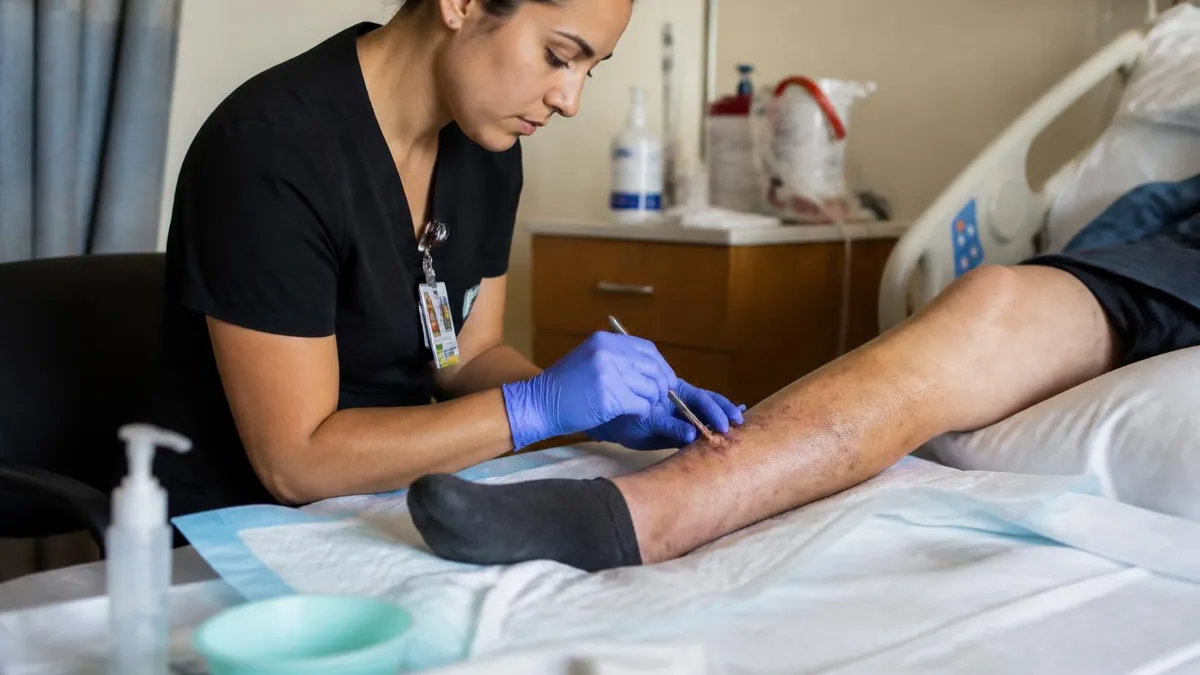
Hydrogel in Wound Care: How It Works, When to Use It, and Types in 2026

Wound Care Procedures: A Complete Guide to Sterile Gloves, Dressings, and Best Practices
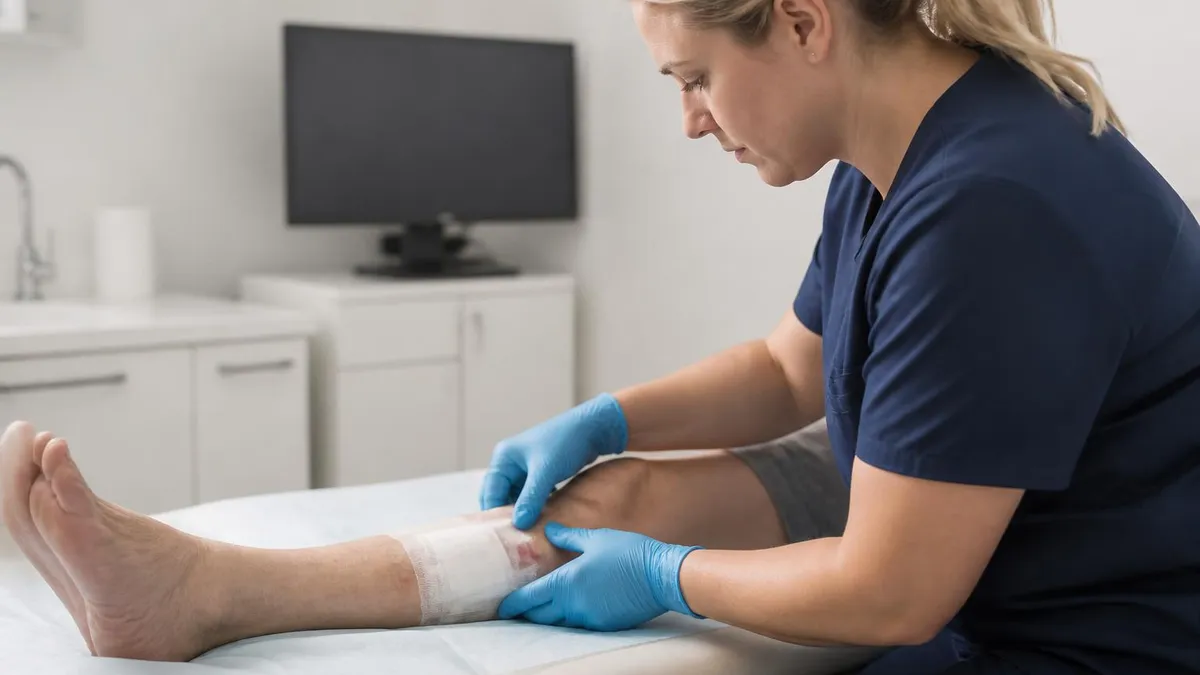
After Surgery Wound Care: Complete Recovery Guide for Patients & Caregivers
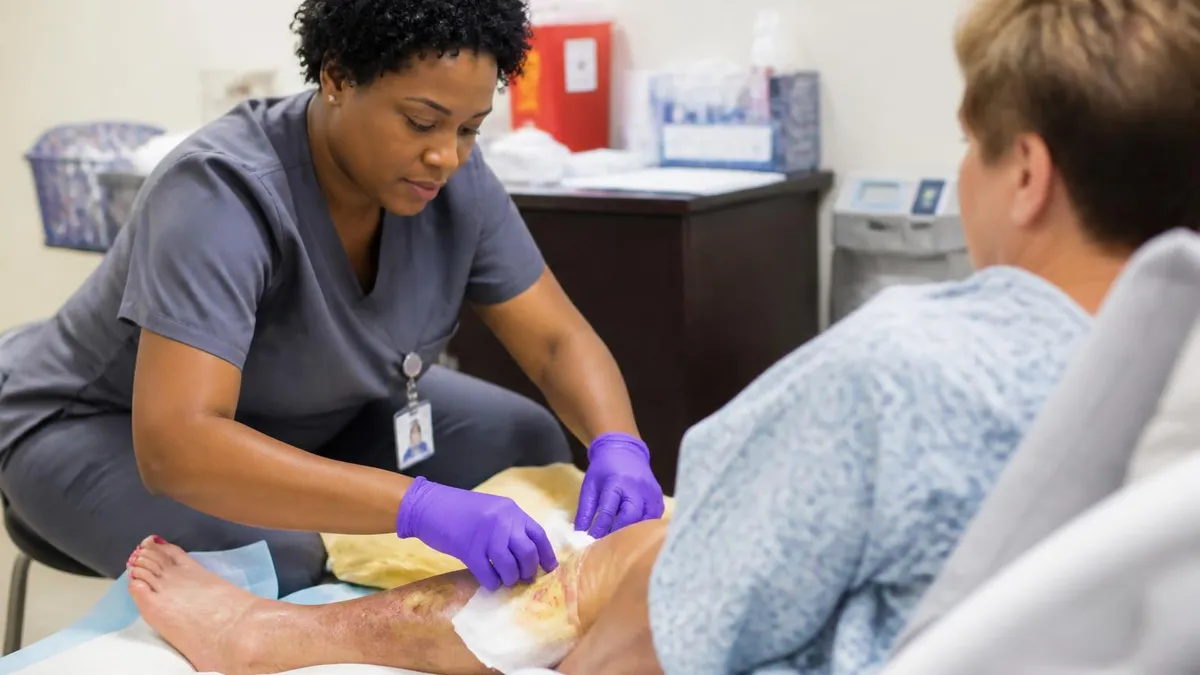
Wound Care NP Jobs: Career Guide for Nurse Practitioners in Wound Management
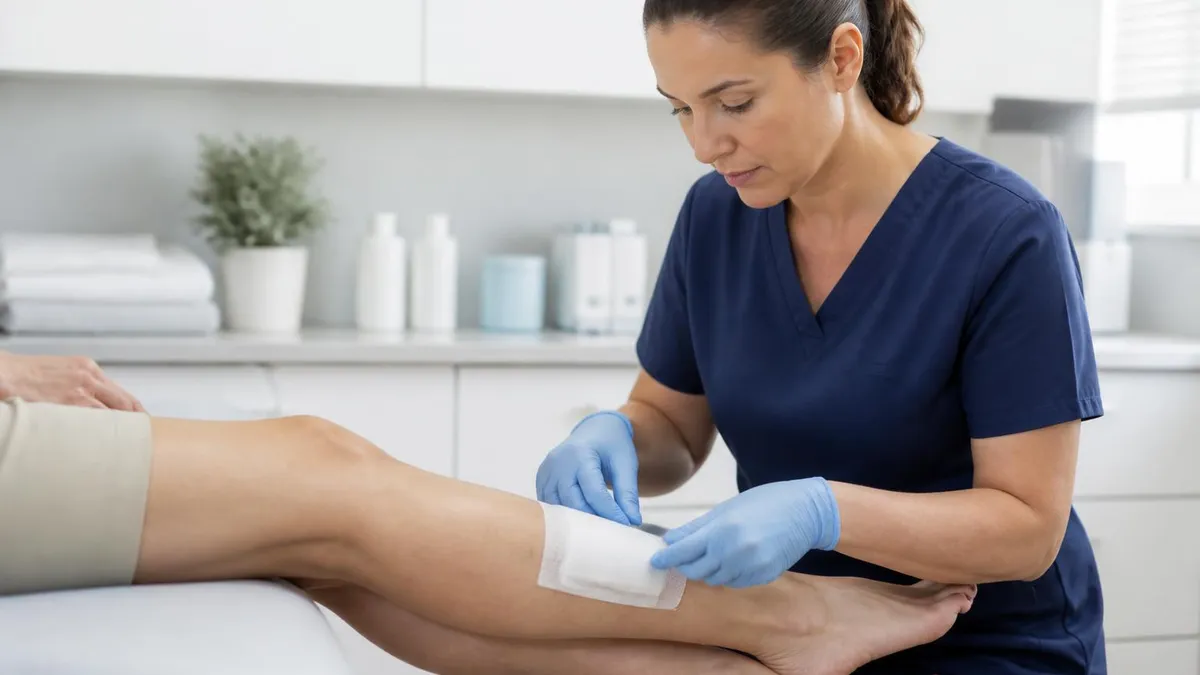
Wound Care Certification for LPN: Complete 2026 Guide to Requirements, Exams & Career Growth
About the Author

Registered Nurse & Healthcare Educator
Johns Hopkins University School of NursingDr. Sarah Mitchell is a board-certified registered nurse with over 15 years of clinical and academic experience. She completed her PhD in Nursing Science at Johns Hopkins University and has taught NCLEX preparation and clinical skills courses for nursing students across the United States. Her research focuses on evidence-based exam preparation strategies for healthcare certification candidates.