
Skin and Wound Care: Complete Guide to Wound Care Products, Dressings, and Certification
Master skin and wound care with expert guidance on wound care products, dressings, certification, and specialist careers. ✅ Complete 2026 September guide.

Skin and wound care is one of the most critical disciplines in modern healthcare, touching virtually every clinical setting from emergency departments and surgical suites to home health agencies and long-term care facilities. Proper wound care wound care practices prevent infection, accelerate healing, reduce patient suffering, and ultimately lower the cost burden on healthcare systems. Whether you are a bedside nurse managing a postoperative incision, a physical therapist treating a diabetic foot ulcer, or a caregiver at home handling a minor laceration, understanding the fundamentals of wound assessment and management is non-negotiable.
The landscape of wound care has evolved dramatically over the past two decades. Where simple gauze and tape once dominated supply rooms, clinicians today choose from hundreds of specialized wound care dressings engineered to maintain optimal moisture balance, combat biofilm, and deliver antimicrobial agents directly to compromised tissue. Advanced materials such as silver-impregnated foams, collagen matrices, and negative pressure wound therapy systems have transformed outcomes for patients who previously faced prolonged healing trajectories or even amputation.
Accurate documentation is equally essential. Using the correct wound care icd 10 codes ensures reimbursement integrity, supports continuity of care across providers, and provides the clinical data needed for quality improvement initiatives. Misclassification of wound types — for example, coding a pressure injury as a venous ulcer — can skew treatment plans and trigger compliance audits, so meticulous coding practice is a foundational skill for every wound care professional.
The demand for qualified wound care specialists continues to rise sharply. An aging population, increasing rates of diabetes and obesity, and higher survival rates after major surgeries all contribute to a growing wound burden in the United States. The American Board of Wound Management and the Wound, Ostomy and Continence Nursing Certification Board both report record numbers of candidates seeking credentialing each year, reflecting how seriously healthcare organizations now take specialized wound expertise.
For nurses and allied health professionals considering this specialty, wound care certification represents a meaningful career milestone. Certified wound care nurses typically command higher salaries, enjoy greater clinical autonomy, and serve as go-to resources for their colleagues. Hospitals and outpatient wound centers increasingly require or strongly prefer certified clinicians to lead wound care programs, making credentialing a practical investment as well as a professional achievement.
This guide covers everything you need to know about skin and wound care — from the biology of healing and the science behind modern wound care products, to the pathways for becoming a certified wound care nurse or wound care specialist. You will also find practical advice on finding wound care near me services, understanding wound care dressings, and preparing for certification exams. Whether you are a student just entering the field or an experienced clinician refreshing your knowledge, this comprehensive resource will serve as your roadmap to wound care excellence.
Skin and Wound Care by the Numbers

The Four Phases of Wound Healing
Immediately after injury, blood vessels constrict and platelets aggregate to form a clot. Fibrin creates a scaffold that stops bleeding and serves as an early matrix for cellular migration. Disrupting this phase with excessive irrigation or premature dressing removal delays everything downstream.
Neutrophils and macrophages flood the wound to eliminate bacteria and debris. Redness, warmth, swelling, and pain are normal signs. Chronic inflammation — lasting weeks — signals infection, foreign bodies, or underlying disease and requires reassessment of the entire wound care plan.
Fibroblasts lay down collagen and granulation tissue fills the wound bed. Angiogenesis restores blood supply while epithelial cells migrate inward from wound edges. Maintaining a moist wound environment during this phase accelerates re-epithelialization by up to 50% compared with dry wound management.
Collagen fibers reorganize and cross-link, increasing tensile strength from roughly 20% to a maximum of 80% of pre-injury levels. Scar tissue matures and may require massage or silicone therapy. Patient education on sun protection and moisturization significantly improves long-term cosmetic outcomes.
Selecting the right wound care dressings is both an art and a science. The foundational principle is maintaining a moist wound environment — a concept established by Dr. George Winter's landmark 1962 research showing that wounds heal up to twice as fast under moist conditions compared to dry, air-exposed surfaces. Yet moisture balance is nuanced: too little moisture stalls epithelialization, while too much causes maceration of surrounding skin, dramatically widening the wound footprint and increasing infection risk.
Hydrocolloid dressings remain among the most widely used wound care products for partial-thickness wounds and stage II pressure injuries. They contain gel-forming agents such as carboxymethylcellulose that absorb exudate and maintain a moist, slightly acidic environment hostile to bacteria. Hydrocolloids are self-adhesive, waterproof, and can remain in place for up to seven days, reducing frequency of dressing changes and minimizing disruption to fragile new tissue. For wounds with moderate to heavy exudate, foam dressings offer superior absorption without allowing the wound bed to dry out.
Antimicrobial dressings have become indispensable in managing critically colonized and infected wounds. Silver-containing dressings release ionic silver continuously, disrupting bacterial cell membranes and DNA replication across a broad spectrum of organisms including MRSA and Pseudomonas aeruginosa. Iodine-based dressings such as cadexomer iodine are particularly effective against biofilm — those structured communities of bacteria encased in a protective matrix that make conventional antibiotics largely ineffective. Clinicians should reassess antimicrobial dressings every two weeks and discontinue once infection signs resolve to prevent cytotoxicity to healing tissue.
For deeper wounds requiring cavity filling, alginates derived from brown seaweed are an excellent choice. These highly absorbent fibers gel on contact with wound exudate, conforming to irregular wound shapes and enabling atraumatic removal. Hydrofiber dressings like Aquacel work similarly but gel more cohesively, reducing the risk of fiber retention in the wound bed. Both alginates and hydrofibers are appropriate for moderate to heavily exuding wounds such as dehisced surgical sites, pressure injuries, and diabetic foot ulcers.
One of the most compelling developments in advanced wound care products is the use of manuka honey wound care therapy. Derived from the Leptospermum scoparium plant native to New Zealand and Australia, medical-grade manuka honey has a unique methylglyoxal (MGO) content that provides potent, sustained antimicrobial activity. Clinical trials have demonstrated efficacy against biofilm-forming organisms and even some antibiotic-resistant pathogens. Its low pH stimulates macrophage activity and promotes autolytic debridement, making it a genuinely multifunctional wound care tool rather than a simple folk remedy.
Negative Pressure Wound Therapy (NPWT) represents another tier of advanced wound management, typically indicated for complex acute wounds, dehisced incisions, and large pressure injuries. NPWT systems apply controlled sub-atmospheric pressure through a foam or gauze interface sealed under an occlusive drape. This mechanism removes excess exudate, reduces edema, stimulates granulation tissue formation, and brings wound edges closer together. Studies show NPWT can reduce time to wound closure by 30–40% in appropriate candidates, though it requires careful patient selection and skilled setup to avoid complications such as bleeding or fistula formation.
Understanding wound care supplies broadly — from adhesive removers and skin barriers to enzymatic debriders and growth factor preparations — requires ongoing education. Formularies change, new products enter the market, and evidence evolves. Wound care nurses and specialists who stay current through professional organizations, continuing education credits, and certification maintenance are best positioned to match the right product to each patient's unique wound characteristics, comorbidities, and care setting.
Wound Care Specialist Roles and Responsibilities
A wound care nurse is a registered nurse who has developed advanced expertise in assessing, treating, and preventing complex wounds. They perform comprehensive wound assessments, select and apply appropriate wound care dressings, order and interpret diagnostic tests such as wound cultures and ankle-brachial index measurements, and coordinate care across the multidisciplinary team. Many wound care nurses also serve as educators, training staff nurses and patients in proper wound management techniques to ensure continuity between care settings.
Wound care nurses work in a variety of settings including inpatient hospital wound care units, outpatient wound clinics, long-term acute care hospitals, skilled nursing facilities, and home health agencies. Certification through organizations such as the Wound, Ostomy and Continence Nursing Certification Board (WOCNCB) — resulting in the CWCN credential — is the gold standard for this role. Certified wound care nurses earn an average of 15–20% more than non-certified peers and are frequently tapped for leadership and program development roles.

Pursuing Wound Care Certification: Is It Worth It?
- +Salary premium of 15–20% over non-certified clinicians in most healthcare settings
- +Recognized clinical credibility that earns respect from physicians and interdisciplinary team members
- +Expanded scope of practice and greater clinical autonomy in wound assessment and treatment decisions
- +Career advancement opportunities including program director, educator, and wound care consultant roles
- +Structured exam preparation deepens knowledge and improves patient outcomes immediately
- +Growing job market demand as the U.S. chronic wound burden increases with aging demographics
- −Significant upfront time investment — most candidates require 80–120 hours of dedicated study
- −Exam fees ranging from $285 to $500 depending on the certifying organization
- −Eligibility requirements such as minimum clinical hours can delay certification for newer nurses
- −Recertification every five years requires ongoing continuing education credits and associated costs
- −Some smaller facilities do not yet reimburse for certification or provide study time support
- −Exam content covers a broad scope — wound, ostomy, and continence — even for single-specialty focus
Wound Care Certification Preparation Checklist
- ✓Verify you meet the clinical hour eligibility requirements for your chosen certifying organization
- ✓Obtain the official exam content outline from WOCNCB or ABWM and use it as your study blueprint
- ✓Purchase a current wound care certification review textbook published within the last three years
- ✓Complete at least 200 practice questions covering wound assessment, dressing selection, and ICD-10 coding
- ✓Join a study group or online wound care community to discuss challenging concepts and share resources
- ✓Schedule your exam date at least six weeks out to create a realistic, structured study calendar
- ✓Review wound classification systems including the NPUAP pressure injury staging and Wagner diabetic foot scale
- ✓Study wound care dressings categories — hydrocolloids, foams, alginates, antimicrobials — and their indications
- ✓Practice wound measurement techniques including length, width, depth, undermining, and tunneling documentation
- ✓Understand nutritional factors in wound healing including protein, vitamin C, zinc, and caloric requirements
- ✓Complete a wound care skills lab or simulation session if your facility or nursing school offers one
- ✓Take a full-length timed practice exam one week before your test date to calibrate pacing and identify gaps
Moisture Balance Is the Most Tested Concept on Wound Care Exams
Across all major wound care certification exams, questions about maintaining appropriate moisture balance in the wound environment appear more frequently than any other single topic. Mastering when to add moisture (dry wounds, eschar), when to absorb excess exudate (heavily draining wounds), and how to protect periwound skin from maceration will give you a decisive advantage on test day and in clinical practice.
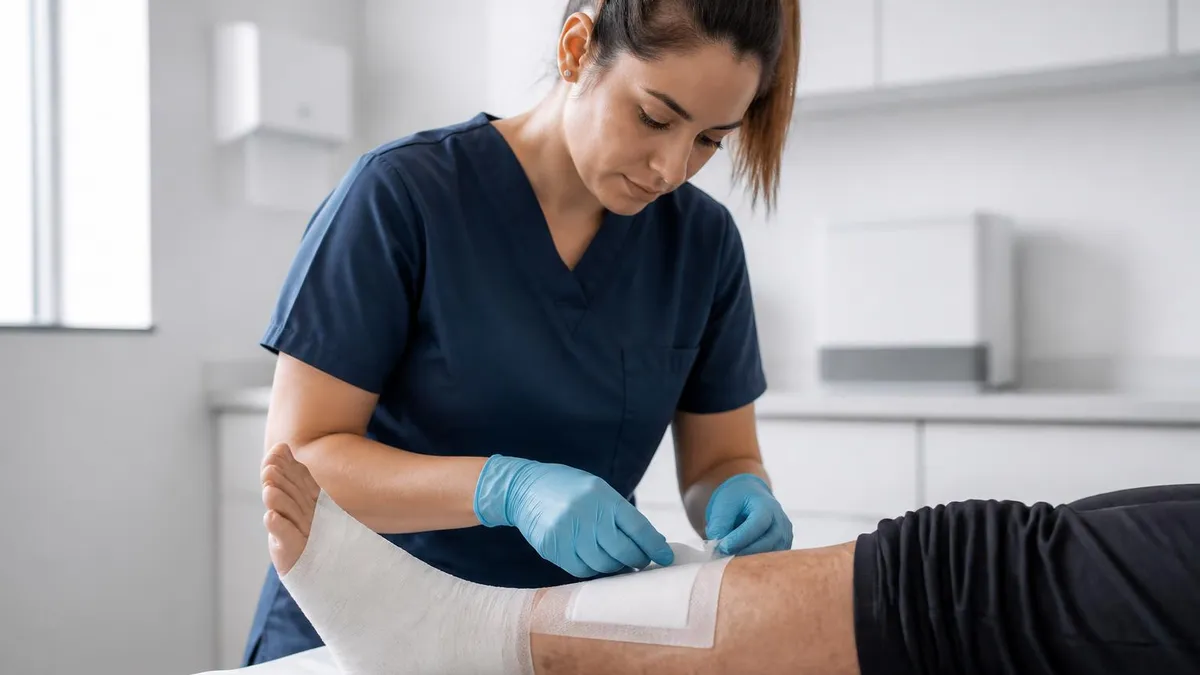
Becoming a wound care nurse is a career decision that combines scientific rigor with deeply personal patient care. The journey typically begins with a registered nursing license and several years of clinical experience — most certification bodies require a minimum of 1,500 to 2,000 clinical hours in wound, ostomy, or continence care before a candidate is eligible to sit for board examinations. This hands-on foundation ensures that certified wound care nurses are not just theoretically competent but have encountered the full spectrum of wound types, complications, and patient populations they will be asked to manage independently.
The two most prominent credentialing pathways in the United States are the Certified Wound Care Nurse (CWCN) offered by the Wound, Ostomy and Continence Nursing Certification Board (WOCNCB) and the Certified Wound Specialist (CWS) offered by the American Board of Wound Management (ABWM). The CWCN is nurse-specific and requires a current RN license, while the CWS is a multidisciplinary credential open to physicians, physical therapists, podiatrists, and other licensed healthcare professionals. Both credentials are highly regarded by employers and typically result in meaningful compensation increases.
The educational pathway that best prepares candidates for wound care certification is a WOC (Wound, Ostomy, and Continence) nursing education program accredited by the Wound, Ostomy and Continence Nurses Society (WOCN Society). These programs combine online didactic education with supervised clinical preceptorships, usually running 8 to 16 weeks and covering all three specialty areas. Completing an accredited WOC education program not only satisfies the educational eligibility requirement for CWCN certification but provides a structured, mentored environment to develop clinical competency in complex wound management scenarios that are difficult to encounter through incidental clinical exposure alone.
For nurses who cannot complete a full WOC program, alternative eligibility pathways exist. The WOCNCB allows candidates who have met the clinical hour requirements and completed specific continuing education in wound care to sit for the exam without completing a formal program. This pathway requires more self-directed preparation but is viable for experienced wound care nurses who have systematically developed their knowledge through clinical practice, continuing education conferences, and professional reading.
Certification maintenance is an ongoing responsibility. CWCN holders must renew every five years by accumulating 75 continuing nursing education (CNE) hours in wound care content, demonstrating ongoing clinical practice in the specialty, and paying a recertification fee. Many wound care nurses find that the recertification process motivates them to stay current with evidence-based practice guidelines, new wound care product categories, and emerging research — making maintenance as professionally valuable as initial certification. The WOCN Society's annual conference, regional symposia, and online learning platforms are popular resources for accumulating required CEUs.
Career trajectories for certified wound care nurses are diverse and rewarding. Many begin as staff wound care nurses in hospitals or outpatient wound centers, then advance to wound program coordinator or wound care team leader roles. Others transition into wound care education, training new nurses and nursing students. Some become wound care consultants for post-acute facilities, home health agencies, or wound care product companies. A growing number pursue advanced practice degrees — becoming wound care nurse practitioners who can diagnose, prescribe, and manage the full spectrum of wound-related conditions with minimal physician oversight.
The financial rewards are commensurate with the expertise required. According to recent workforce surveys, certified wound care nurses in the United States earn an average base salary of $82,000 to $95,000 annually, with wound care nurse practitioners and program directors often exceeding $110,000.
Geographic variation is significant — wound care nurses in California, New York, and Massachusetts earn considerably more than the national average, while those in rural settings may earn less but often enjoy greater clinical autonomy and impact per patient. Understanding the wound care supplies industry also opens doors to medical device and pharmaceutical sales roles for nurses who prefer a different type of career trajectory.

Many candidates are surprised to discover that passing a wound care knowledge exam is only half the requirement. The WOCNCB requires documented proof of at least 1,500 hours of wound, ostomy, or continence nursing practice within the past five years before you can sit for the CWCN exam. Begin tracking your clinical hours meticulously from your first wound care assignment — retroactively reconstructing work records is difficult and can delay your application by months.
Finding wound care near me — whether as a patient seeking treatment for a chronic wound or a clinician looking for referral resources — has become significantly easier as dedicated wound care centers have proliferated across the United States. Hospital-based outpatient wound care centers now number over 2,000 nationwide, and independent wound care clinics operate in most metropolitan areas. These specialized facilities offer comprehensive services including advanced wound assessment, sharp and enzymatic debridement, hyperbaric oxygen therapy, compression therapy, and vascular evaluation that goes far beyond what primary care providers can typically offer in a standard office visit.
When searching for wound care near me, patients should look for centers affiliated with major hospital systems or academic medical centers, as these facilities typically have access to the broadest range of advanced therapies and specialist consultations. The presence of board-certified physicians — particularly vascular surgeons, plastic surgeons, or podiatrists with wound care expertise — and certified wound care nurses on staff is a strong quality indicator. The Wound Care Education Institute and the American College of Wound Healing and Tissue Repair both maintain directories that can help patients and referring providers identify qualified wound care specialists in their region.
For patients with diabetes-related foot wounds, finding a wound care center with a dedicated diabetic foot program is particularly important. These programs integrate wound care with diabetes management, offloading, and vascular assessment in a coordinated model that has been shown to reduce amputation rates by up to 85% compared with fragmented care. The American Diabetes Association recommends that any diabetic foot ulcer that fails to show measurable improvement within four weeks of standard wound care should be referred to a specialized wound care center with multidisciplinary diabetic foot expertise.
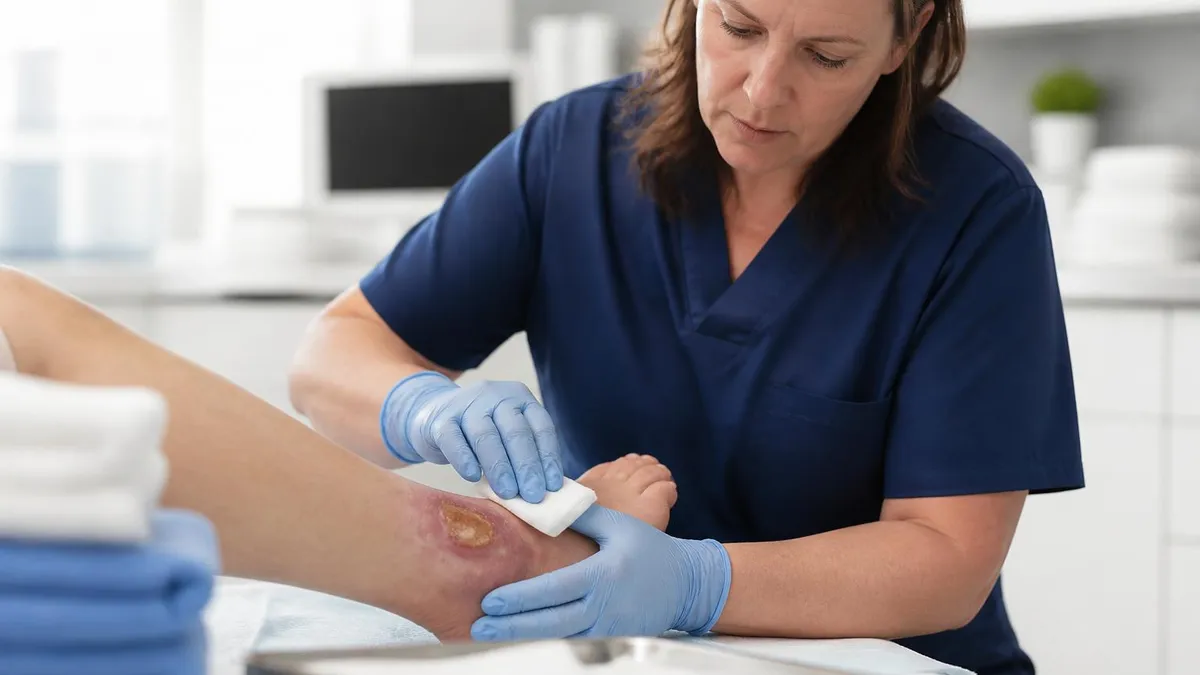
Home wound care services represent an increasingly important component of the wound care delivery system, particularly for patients who are homebound due to mobility limitations, transportation barriers, or care coordination needs. Home health agencies staffed with wound care certified nurses can provide sophisticated wound management — including NPWT, multilayer compression bandaging, and regular wound photography for telemedicine review — that keeps patients out of emergency departments and reduces costly hospital readmissions. Medicare and most commercial insurance plans cover medically necessary home wound care when ordered by a physician and delivered by a certified home health agency.
Telehealth has opened new access pathways for wound care near me seekers who live in rural or underserved areas. Many wound care centers now offer virtual wound care consultations where patients or their home health nurses can submit digital wound photographs and measurements for remote assessment and treatment planning by a wound care specialist.
While in-person evaluation remains preferable for complex wounds, telehealth consultations can triage urgency, guide local providers, and reduce the need for long-distance travel for stable wound management visits. CMS reimbursement policies established during the COVID-19 pandemic have largely been maintained for telehealth wound care, making this modality financially sustainable for patients and providers alike.
Understanding hydrogel in wound care and other product categories is essential when evaluating the quality of a wound care center. Facilities that offer the full spectrum of advanced wound care products — from biological skin substitutes and growth factors to NPWT and hyperbaric oxygen — are better equipped to treat complex, non-healing wounds than those limited to basic dressings. When visiting a wound care center, patients and families should ask specifically about the center's outcomes data, average time to wound closure, and whether the center participates in wound care registries that benchmark their results against national standards.
Insurance coverage for wound care services varies significantly by payer, plan type, and wound etiology. Medicare Part B covers medically necessary wound care services in outpatient wound care centers, including physician evaluation, wound debridement, and dressing application, subject to standard 20% coinsurance after the deductible. Hyperbaric oxygen therapy requires prior authorization and documented failure of standard wound care. Patients with Medicaid face state-specific coverage variations, while commercial insurance plans may require referrals from primary care providers. A wound care center's financial counselor can help patients understand their specific benefits and identify assistance programs if out-of-pocket costs are prohibitive.
Practical preparation for wound care certification demands a multi-modal approach that goes well beyond reading a single review book. The most successful candidates combine content review with active learning strategies: creating concept maps linking wound types to appropriate dressings, practicing wound measurement on simulation models, and drilling themselves with high-yield practice questions that mirror the format and difficulty of real certification exams. Starting preparation at least three to four months before your exam date gives you adequate time to identify knowledge gaps and address them systematically without cramming.
One of the most valuable yet underutilized study strategies is wound photography review. Certification exams frequently include clinical photographs of wounds requiring identification and management planning. Building a library of annotated wound photographs — organized by wound type, staging, and treatment phase — accelerates your ability to recognize wound characteristics under examination time pressure. Many wound care textbooks include color photograph atlases, and professional wound care websites curate educational image libraries that are appropriate for this purpose. Reviewing five to ten wound photographs per study session keeps your visual pattern recognition sharp throughout your preparation period.
Pharmacology is a content area that surprises many wound care certification candidates. Questions about topical antimicrobials (mupirocin, silver sulfadiazine, metronidazole gel), systemic antibiotics appropriate for wound infections, and medications that impair wound healing — including corticosteroids, NSAIDs, and chemotherapy agents — appear regularly on certification exams. Understanding the mechanism of action and clinical indications for these medications, not just their names, is essential for answering application-level exam questions correctly. Many candidates find that creating a one-page pharmacology reference card accelerates retention of this content.
Nutrition's role in wound healing is another high-yield content area that candidates frequently underestimate. Protein is the most critical macronutrient for wound repair, as it provides the amino acids needed for collagen synthesis and immune function. The general recommendation for wound healing is 1.2 to 1.5 grams of protein per kilogram of body weight daily — significantly higher than the general adult recommendation of 0.8 g/kg.
Micronutrients including vitamin C (essential for collagen hydroxylation), zinc (cofactor for over 300 enzymes involved in healing), and vitamin A (promotes epithelialization and immune response) are also commonly tested. Recognizing nutritional deficiency states from clinical vignettes — cachexia, weight loss, low albumin — and selecting appropriate interventions is a skill that certification exams specifically probe.
The psychosocial dimensions of living with a chronic wound are increasingly recognized in wound care certification content. Chronic wounds — particularly leg ulcers, pressure injuries, and diabetic foot ulcers — impose a profound burden on patients' quality of life, including pain, odor, sleep disruption, social isolation, and depression. Wound care nurses and specialists who incorporate validated quality-of-life assessment tools, empathetic communication, and psychological referral pathways into their practice achieve better patient engagement and treatment adherence. Certification exams test candidates' ability to recognize psychosocial needs and select holistic, patient-centered interventions alongside technical wound management decisions.
After passing your certification exam, consider joining the WOCN Society, the American Professional Wound Care Association (APWCA), or another professional organization relevant to your credential. These organizations provide access to continuing education, peer networks, clinical practice guidelines, position statements, and advocacy resources that support ongoing professional development. Many also offer specialty interest groups, mentorship programs, and leadership opportunities that accelerate career advancement in ways that self-study alone cannot replicate. Active professional society membership signals commitment to the specialty that employers and colleagues recognize and respect.
Finally, remember that wound care certification is not an end point but a beginning. The body of evidence in wound care science continues to expand rapidly, with new dressing categories, biological therapies, and care delivery models emerging regularly. Clinicians who approach their certified status as a foundation for lifelong learning — rather than a credential to be maintained on minimum continuing education — consistently deliver the highest quality care and build the most rewarding careers.
Whether your path leads you to the bedside, the classroom, the research laboratory, or the wound care products industry, the commitment to excellence in skin and wound care is one of the most meaningful professional choices you can make in healthcare today.
Wound Care Questions and Answers
Wound Care Home: Complete Guide to Home Wound Care Services in 2026
How to Become a Wound Care Nurse: Complete 2026 Career Guide
Wound Care Companies: Top Manufacturers, Suppliers & Service Providers in 2026
After Surgery Wound Care: Complete Recovery Guide for Patients & Caregivers
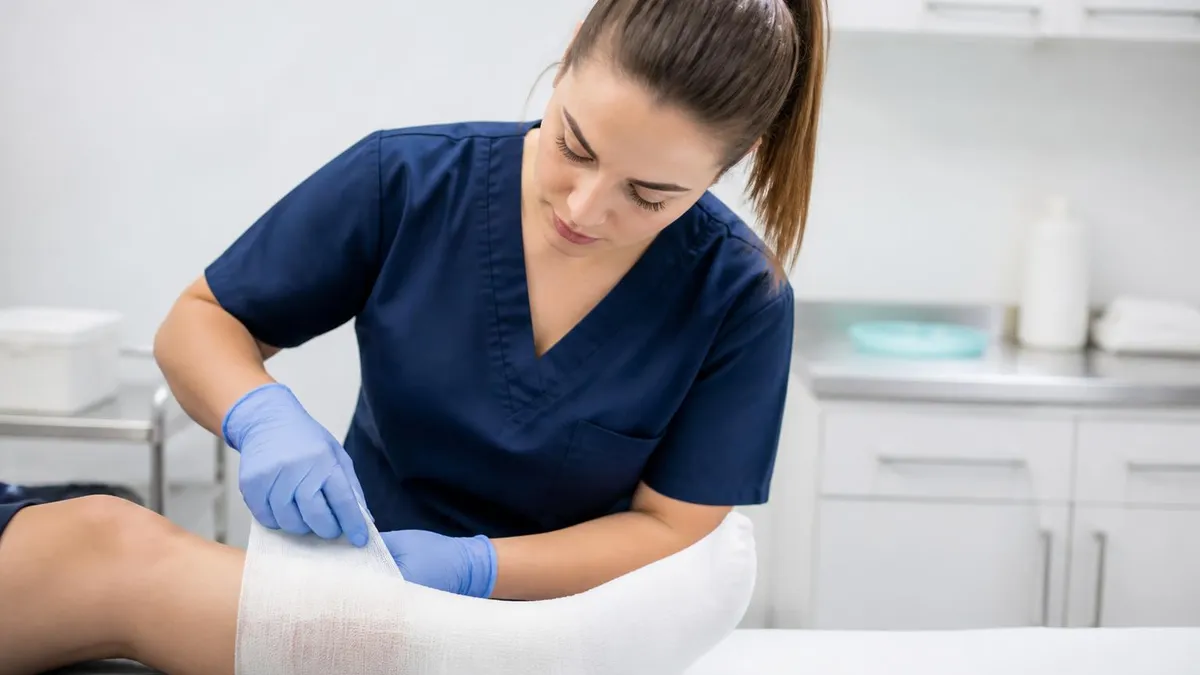
Wound Care Clinics in the U.S.: Services, Networks, and How to Find One
About the Author

Registered Nurse & Healthcare Educator
Johns Hopkins University School of NursingDr. Sarah Mitchell is a board-certified registered nurse with over 15 years of clinical and academic experience. She completed her PhD in Nursing Science at Johns Hopkins University and has taught NCLEX preparation and clinical skills courses for nursing students across the United States. Her research focuses on evidence-based exam preparation strategies for healthcare certification candidates.