
ServSafe Manager Training Videos: Complete Guide to Video-Based Exam Prep
Master ServSafe with manager training videos. Learn what to watch, how to study, and pass your ServSafe certification exam. 🎯 Complete 2026 September guide.
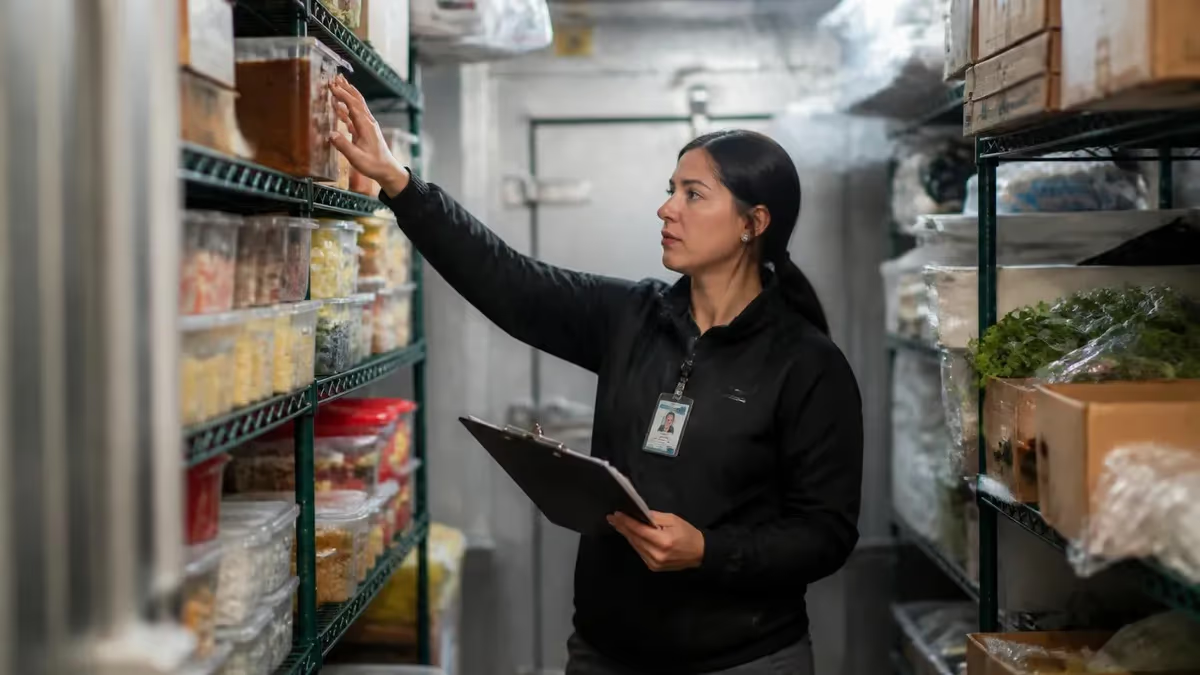
ServSafe manager training videos have become one of the most effective ways to prepare for the ServSafe Manager certification exam, and for good reason. Unlike static textbooks or PDF study guides, video-based learning breaks down complex food safety concepts — from temperature danger zones to proper handwashing technique — into digestible visual lessons that stick. Whether you are studying for your first certification or renewing after five years, structured video training can dramatically improve your retention and your exam score. This guide walks you through everything you need to know about using servsafe training videos effectively in 2026.
The ServSafe program, administered by the National Restaurant Association Educational Foundation (NRAEF), sets the national benchmark for food safety training in the United States. More than 5 million food service professionals have earned ServSafe credentials, and employers from quick-service restaurants to hospital cafeterias recognize the certification as a mark of professional competence. The servsafe manager certification covers a broad curriculum — foodborne illness prevention, personal hygiene, HACCP principles, cleaning and sanitizing, and pest control — all of which are well-suited to visual instruction formats.
Video training works especially well for hands-on, procedural topics like correct glove usage, proper food storage stacking order, and the right way to calibrate a thermometer. When you can see a trained instructor demonstrate these practices in real time, the information moves from short-term to long-term memory far more efficiently than reading a paragraph ever could. Studies in adult learning consistently show that multi-modal instruction — combining audio narration with on-screen visuals — improves recall by 40 to 60 percent compared to reading alone.
Before enrolling in any video course, it pays to understand how the servsafe certification program is structured. The Manager exam consists of 90 questions (80 scored, 10 unscored pilot questions), and you need to answer at least 75 percent correctly — 60 out of 80 scored questions — to pass. The exam covers eight primary domains, and video courses aligned to the current ServSafe Manager Book 7th Edition will map directly to those domains. Choosing a course that matches the current edition matters because the NRAEF updates content periodically to reflect changes in the FDA Food Code.
One important consideration when selecting a video training program is whether it is an NRAEF-approved online course or a third-party supplemental resource. Official ServSafe online courses are available at servsafe com and include both the instruction and the proctored exam in a single package. Third-party video resources — YouTube channels, Udemy courses, and employer-produced training libraries — can be valuable supplements but should not replace the official curriculum entirely. Think of supplemental videos as the review sessions that reinforce what the official material teaches.
The cost of video-based training varies widely. The official ServSafe Manager online course with exam voucher typically runs between $125 and $175 depending on whether you purchase directly or through a distributor. Employer-sponsored training may cover these costs entirely. Free video content is plentiful on platforms like YouTube, where food safety instructors post chapter-by-chapter walkthroughs of the ServSafe Manager textbook, making it possible to supplement paid study without spending an extra dollar. For managers on tight budgets, a combination of free video walkthroughs plus a practice test bundle is often the most cost-effective path.
This guide covers the full landscape of ServSafe manager training video options, explains what each major video module should teach, outlines a practical weekly study schedule, and gives you the test-taking strategies you need to walk into exam day with confidence. We also recommend the best free servsafe food manager certification practice resources to reinforce what you learn on screen.
ServSafe Manager Certification by the Numbers
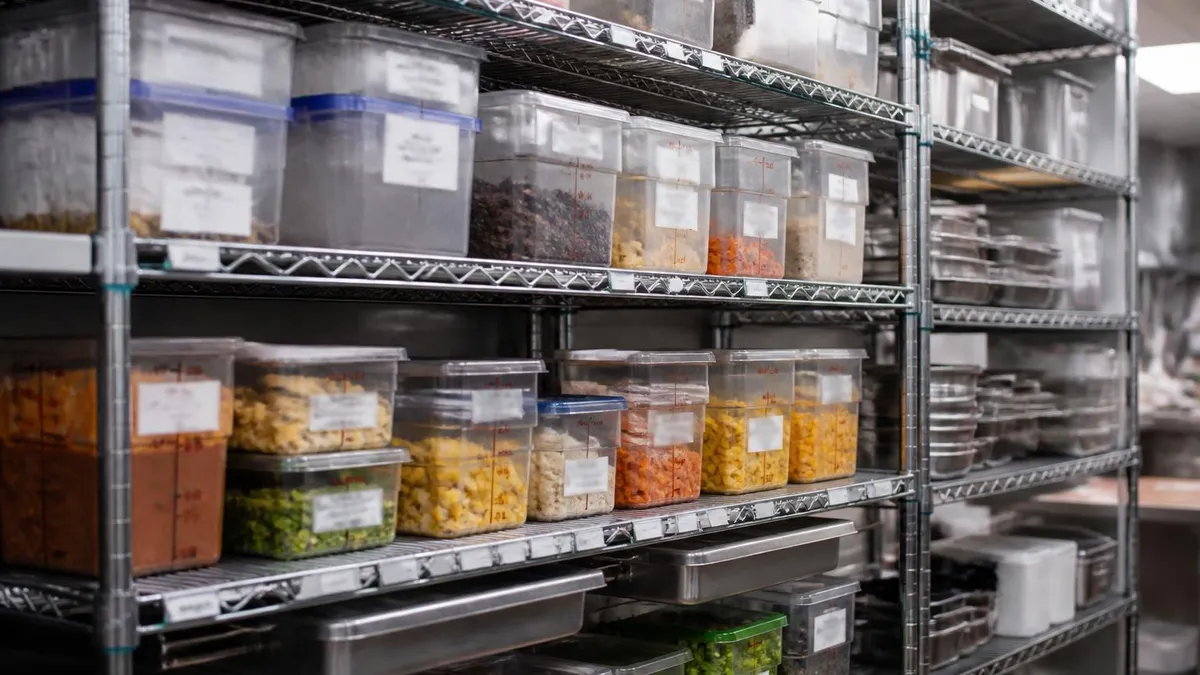
What ServSafe Manager Training Videos Cover
- ▸Watch modules on major foodborne pathogens: Salmonella, E. coli O157:H7, Norovirus, Hepatitis A
- ▸Study contamination pathways: biological, chemical, and physical hazards
- ▸Complete foodborne illness and allergen practice quiz after video sessions
- ▸Watch handwashing demonstration videos — note the 20-second minimum and five required steps
- ▸Study policies for sick employee exclusion and restricted duties
- ▸Review glove usage, hair restraint, and jewelry restrictions through visual walkthroughs
- ▸Watch HACCP seven-principles modules and identify critical control points
- ▸Study temperature danger zone (41°F–135°F) and minimum internal cooking temperatures
- ▸Practice thermometer calibration steps shown in video demonstrations
- ▸Watch cleaning vs. sanitizing distinction modules — concentrations and contact times
- ▸Review pest control, facility design, and water supply videos
- ▸Complete two full-length 90-question ServSafe manager practice tests and review all misses
Choosing the right ServSafe manager training video course is not a one-size-fits-all decision. The best option for you depends on your learning style, budget, how much time you have before the exam, and whether your employer requires an NRAEF-approved course for compliance purposes. Understanding the differences between official online courses, employer-provided LMS videos, and free supplemental resources will help you build a study plan that is both efficient and thorough. Getting this decision right upfront saves you from wasted hours on content that does not align with the actual exam.
The official ServSafe online course is the most comprehensive and exam-aligned option available. Hosted directly through the NRAEF platform, it delivers video instruction module by module, mirroring the chapters in the ServSafe Manager Book 7th Edition. Each module includes interactive knowledge checks that reinforce the video content before you move on. The platform tracks your progress automatically, which is especially useful for managers who are completing training between shifts and need to pick up exactly where they left off. The official course is also accepted in all U.S. states and jurisdictions that mandate an ANSI-accredited food protection manager certification.
Employer-provided training videos are common in large restaurant chains, hotel groups, and healthcare food service operations. These are typically hosted on a Learning Management System (LMS) such as Cornerstone, Workday Learning, or a proprietary platform. Employer LMS videos often combine ServSafe-aligned content with company-specific procedures, which means you get both the food safety knowledge and the operational context at the same time. The downside is that these videos may not be updated as frequently as the official NRAEF course, and they sometimes prioritize company policy over the exam-specific knowledge you need to pass the proctored test.
YouTube-based ServSafe video training has exploded in popularity over the past several years. Channels run by food safety instructors, culinary schools, and independent educators offer free chapter-by-chapter walkthroughs of the ServSafe Manager textbook. The best of these channels produce high-quality screen-capture or whiteboard videos that cover each domain thoroughly. The main risk with free YouTube content is inconsistency — some videos were produced for older editions of the textbook and may contain outdated information about FDA Food Code thresholds or allergen labeling requirements. Always verify that free video content references the 7th Edition material.
A hybrid approach works best for most candidates. Start with the official NRAEF online course or a well-reviewed third-party video course to build your foundational knowledge. Then use free YouTube walkthroughs as review sessions the week before your exam. Pair every video session with a servsafe manager certification online practice quiz to test your recall immediately after watching. Research shows that testing yourself within 24 hours of learning new material — a technique called retrieval practice — doubles your long-term retention compared to re-watching the same video a second time.
When evaluating a paid video course, look for four key quality indicators. First, check whether the course is aligned to the ServSafe Manager Book 7th Edition — any course still referencing the 6th Edition may contain outdated pathogen data or incorrect temperature thresholds.
Second, verify that the course covers all eight content domains proportionally; some budget courses shortchange HACCP or facility management content. Third, look for built-in knowledge checks or quizzes after each module, not just passive video playback. Fourth, check whether the course includes access to a full-length practice exam — the closest you can get to simulating actual test-day conditions.
Mobile compatibility is another factor that matters more than many candidates expect. Many food service managers study during breaks, commutes, or slow periods at work, which means mobile-optimized video players and downloadable content for offline viewing are genuine quality-of-life improvements. The official NRAEF platform is mobile-responsive, and many third-party platforms offer iOS and Android apps. If you know you will be studying primarily on a smartphone or tablet, test the platform on your device before purchasing a multi-week course. A course that buffers constantly or displays text too small to read on mobile will undermine your study momentum.
ServSafe Certification Video Training by Topic
Foodborne illness modules are the foundation of every ServSafe manager certification video course. These videos cover the six major foodborne pathogens — Salmonella Typhi, Shigella spp., Shiga toxin-producing E. coli, Hepatitis A, Norovirus, and Nontyphoidal Salmonella — along with their primary symptoms, incubation periods, and associated high-risk foods. Quality videos use animated graphics to show how cross-contamination pathways spread pathogens from raw poultry to ready-to-eat produce, making abstract microbiology concepts tangible and memorable for food service workers at every level.
The best foodborne illness video modules also address the nine major food allergens: milk, eggs, fish, shellfish, tree nuts, peanuts, wheat, soybeans, and sesame, which was added to the FDA list in 2023. Videos should demonstrate how to respond when a customer discloses an allergy, including communication protocols with the kitchen, ingredient verification steps, and the importance of clean preparation surfaces. ServSafe food handler certification candidates and manager candidates alike must understand allergen risks, so this content appears on both exam formats.

ServSafe Manager Training Videos: Pros and Cons vs. Textbook Study
- +Visual demonstrations make procedural skills like handwashing and thermometer calibration much easier to memorize
- +Multi-modal learning (audio + visual) improves retention by 40–60% compared to reading alone
- +Self-paced online video modules let food service workers study between shifts at their own speed
- +Chapter-aligned videos map directly to the ServSafe Manager Book 7th Edition exam domains
- +Free YouTube walkthroughs make video supplementation accessible even on a zero-dollar budget
- +Progress tracking in official NRAEF and LMS platforms helps candidates identify weak content areas
- −Free third-party videos may reference outdated editions with incorrect temperature or allergen thresholds
- −Passive video watching without note-taking or quizzing produces lower retention than active study methods
- −Official NRAEF online course with exam voucher costs $125–$175, which may be a barrier for self-funded candidates
- −Video courses do not simulate the timed, multiple-choice exam format unless paired with practice tests
- −Mobile video streaming requires reliable internet access, which not all workers have between shifts
- −Some employer LMS platforms are not updated regularly and may contain outdated ServSafe content
ServSafe Manager Video Study Checklist Before Exam Day
- ✓Complete all eight domain video modules and take notes on definitions, temperatures, and time thresholds.
- ✓Re-watch any module where your post-video quiz score falls below 80 percent before moving forward.
- ✓Create a one-page temperature reference sheet listing minimum internal cooking temps for all protein categories.
- ✓Watch at least one full HACCP walkthrough video using a real food item as the case study.
- ✓Review the nine major food allergens and practice describing allergen protocols aloud as if training staff.
- ✓Watch the three-compartment sink and machine warewashing videos back-to-back to contrast the two methods.
- ✓Use free YouTube chapter walkthroughs to review the two weakest domains identified by your practice quizzes.
- ✓Complete at least two full 90-question practice exams under timed conditions (two-hour limit).
- ✓Review every incorrect practice exam answer — watch the corresponding video module for missed topics.
- ✓Confirm your exam appointment, acceptable photo ID, and testing location or online proctoring requirements.

Retrieval Practice Doubles Your Retention
Research from cognitive psychology consistently shows that testing yourself immediately after watching a training video — even with just three to five questions — doubles long-term retention compared to re-watching the video. After every ServSafe manager training module, close the video and write down five key facts from memory before checking your notes. This single habit can be the difference between a 68 percent score and a confident pass above 75 percent.
Maximizing what you retain from ServSafe manager training videos requires more than simply pressing play and watching passively. The candidates who earn the highest scores on the servsafe certification exam treat video training as an active, structured experience — not a background task they run while scrolling their phones. Adopting a handful of evidence-backed study strategies transforms the same video content from something that washes over you into knowledge that actually sticks when you are sitting in front of the proctored exam.
The single most powerful technique is called elaborative interrogation — asking yourself "why" after every fact you encounter in a training video. For example, after a video explains that poultry must reach 165°F, stop the video and ask: why 165°F specifically? The answer involves the thermal destruction curve for Campylobacter and Salmonella, which are the pathogens most commonly associated with poultry. This deeper processing encodes the information into a rich network of related concepts rather than an isolated fact, which dramatically reduces the chance that a tricky exam question will throw you off.
Note-taking strategy matters enormously when studying with video. Research comparing different note-taking formats consistently favors handwritten notes over typed notes for conceptual learning, primarily because handwriting forces you to paraphrase rather than transcribe verbatim. Create a simple two-column format: the left column holds key terms and concepts from the video; the right column holds your own explanation of those concepts in plain language. After the video ends, cover the right column and quiz yourself using only the left-column prompts. This mimics the cued-recall format used in flashcard study and is one of the most efficient study methods available.
Spaced repetition is the scheduling principle that every serious certification candidate should understand. Rather than binge-watching all ServSafe manager training video modules in a single weekend, space your study sessions across four weeks. Return to earlier modules periodically — once after one day, once after three days, then once after a week. Each return visit should be brief (ten to fifteen minutes) and should focus on the concepts you marked as uncertain in your notes rather than rewatching the entire module. Most modern learning platforms support this kind of spaced review through built-in quiz reminders or progress dashboards.
Group study is underutilized by food service professionals preparing for servsafe certification. Watching video modules with one or two colleagues and pausing to discuss key concepts forces you to articulate your understanding out loud — a process called the protégé effect, where teaching a concept strengthens the teacher's own mastery. Even informal group study sessions where you take turns explaining a concept from a just-watched video segment will outperform solo passive viewing on long-term retention metrics. If in-person group study is not practical, screen-sharing a YouTube chapter video on a video call achieves the same effect.
Practice exam integration is the final pillar of an effective video-based study plan. Video training builds your conceptual knowledge base; practice exams reveal how that knowledge translates to the actual question formats used by the NRAEF.
The ServSafe manager exam uses multiple-choice questions with four answer choices, and many questions present real-world scenarios — a description of a restaurant situation — and ask you to identify the correct food safety response. Scenario-based questions require not just memorized facts but the ability to apply principles to novel situations, and that application skill develops primarily through timed practice testing rather than video review alone.
Set a target of completing at least two full 90-question practice exams before your scheduled test date. Take the first practice exam after finishing your initial video course to establish a baseline score. If your baseline falls below 70 percent, return to the video modules covering your weakest domains before taking the second practice exam.
If your baseline is between 70 and 80 percent, focus your remaining video review on the three to four topics where you missed the most questions. A score above 80 percent on two consecutive full-length practice tests is a reliable indicator that you are ready for the actual servsafe certified exam.
Some U.S. states and local health jurisdictions require that food protection manager certifications be earned through an ANSI National Accreditation Board (ANAB)-accredited program. The ServSafe Manager certification meets this requirement, but not all third-party video courses do. Before spending money on a non-NRAEF video course, verify with your local health department that the program is accepted in your jurisdiction. Completing an unaccredited course could mean retaking the exam through an approved provider at additional cost.
Once you have completed your ServSafe manager training video course, the transition to active practice testing is the most critical phase of your preparation. Many candidates underestimate how different it feels to recall information under timed, exam-like conditions compared to the relaxed pace of a video lesson. The good news is that the skills you build during video training translate directly to exam success — you just need to activate them through repeated, deliberate practice before test day. This section explains exactly how to bridge the gap between video learning and exam performance.
The most effective post-video study sequence begins with topic-level quizzes aligned to each domain you studied. After completing your foodborne illness video modules, for example, take a 15-question foodborne illness quiz immediately. Score it, then read the explanation for every question you missed — not just the ones where you were completely wrong, but also the ones where you guessed correctly. Understanding why each answer is right or wrong builds the conceptual framework that distinguishes high scorers from borderline passers. Our free practice resources cover every domain tested on the servsafe food handler certification and manager exams.
As your exam date approaches, shift from topic-level quizzes to full-length simulation exams. Set a two-hour timer, print or display 90 questions without access to your notes, and simulate the actual testing environment as closely as possible. Many food service managers find this initial simulation uncomfortable — the time pressure and absence of video hints creates genuine stress — but that discomfort is exactly what you want. Research on exam performance consistently shows that practicing under realistic stress conditions improves actual exam scores by reducing test anxiety and building familiarity with the cognitive demands of timed testing.
Pay special attention to the question types that appear most frequently on the servsafe manager practice test. The NRAEF favors four formats: direct recall questions ("What is the minimum internal temperature for cooking ground beef?"), scenario-based application questions ("A cook calls in sick with jaundice.
What should the manager do?"), priority questions that ask you to identify the most important action from a list of correct options, and exception questions that ask which item does NOT meet a requirement. Video training prepares you well for recall questions but may leave you underprepared for scenario and priority questions unless you supplement with practice exams.
Understanding how the eight exam domains are weighted helps you allocate your final review time strategically. The heaviest-weighted domains on the servsafe manager certification exam are The Flow of Food (largest section), Foodborne Microorganisms and Allergens, and Cleaning and Sanitizing. Together these three areas account for the majority of scored questions. If your practice exam results show consistent weakness in one of these high-weight domains, prioritize re-watching the corresponding video modules over reviewing lower-weight domains where you are already performing well.
One powerful technique for the final week before your exam is to create a "miss list" — a running document of every question you answered incorrectly across all your practice tests, along with the correct answer and a one-sentence explanation. Review this miss list daily during the final week.
The questions you miss on practice tests are statistically the most likely question types to appear on your actual exam, simply because they reflect your genuine knowledge gaps. Watching a ten-minute video segment that explains the concept behind a frequently missed question is far more valuable at this stage than rewatching material you already know well.
For information on the full administrative details of the certification process, including registration deadlines and score reporting, review the complete servsafe food protection manager certification guide, which covers costs, approved testing centers, and what to do if you need to reschedule. Candidates should also confirm whether their employer will reimburse certification costs, as many food service companies offer full or partial reimbursement for manager-level credentials through their HR department or training budget.
The practical tips that separate first-time passers from repeat test-takers on the ServSafe manager exam go well beyond simply watching more videos. Exam-day strategy — how you manage your time, approach uncertain questions, and maintain focus over a two-hour sitting — accounts for a meaningful portion of your final score. Understanding these strategies before you sit down at the testing terminal can add five to ten percentage points to your result, which is often the difference between a passing 76 percent and a failing 74 percent.
Time management is the most commonly underestimated exam-day skill. With 90 questions and 120 minutes, you have roughly 80 seconds per question — enough time if you do not get stuck. The most effective approach is a two-pass strategy: on your first pass, answer every question you are confident about and flag any question where you feel uncertain or need to think carefully.
Complete the first pass in 70 to 75 minutes, which leaves 45 to 50 minutes to return to flagged questions. On the second pass, eliminate obviously wrong answers first, then choose the best remaining option. Never leave a question blank — there is no penalty for guessing on the ServSafe manager exam.
Watch for absolute language in answer choices. Words like "always," "never," "only," and "must" in an answer choice are frequently — though not always — signs of an incorrect option, because food safety regulations often include exceptions based on specific conditions. For example, an answer stating that food must always be stored at 41°F or below is technically correct for most foods but incorrect for certain commercially processed products with specific shelf stability. The ServSafe curriculum trains you to think in context, and the exam reflects that nuance in its question design.
Scenario questions — which present a fictional restaurant situation and ask what the manager should do — require a two-step mental process: first, identify which food safety principle the scenario is testing; second, recall the correct application of that principle. Video training helps enormously here because good training videos use scenario-based examples throughout. When you encounter a scenario question on the exam, ask yourself: what domain is this testing? Is this a temperature control issue? A personal hygiene issue? An allergen communication issue? Framing the question correctly leads you to the right answer domain and narrows your answer choices immediately.
Physical preparation for the exam day itself is often ignored in study guides but matters more than candidates expect. Food service workers frequently take the ServSafe manager exam after a long shift or an early morning, and mental fatigue significantly impairs performance on recall and reasoning tasks. If possible, schedule your exam at a time when you are typically most alert — for most people, this is mid-morning.
Get seven to eight hours of sleep the night before. Eat a balanced meal before the exam. Avoid studying intensively the night before the test; research on cognitive performance consistently shows that a light review session followed by adequate sleep outperforms a last-minute study marathon.
If you are taking the exam at a proctored testing center, arrive fifteen minutes early to complete check-in procedures without rushing. Bring an accepted photo ID — typically a government-issued ID with your signature and photograph. Personal items including phones, notes, and food are generally not permitted in the testing area, so plan accordingly.
If you are taking the online proctored version, test your computer setup — webcam, microphone, and internet speed — at least 24 hours in advance using the platform's system check tool. Technical problems discovered at the start of a scheduled exam session create unnecessary stress and can result in forfeited exam fees.
After passing your exam and receiving your servsafe certified credential, save a digital and physical copy of your certificate immediately. Employers, health inspectors, and licensing authorities may request proof of certification at any time during the five-year validity window. The NRAEF offers a certificate verification tool that third parties can use to confirm your credential independently, but having your own copy ensures you are never caught without documentation. Set a calendar reminder for four years and six months after your certification date so you have ample lead time to schedule renewal training before your credential expires.
ServSafe Questions and Answers

ServSafe Administrative — Complete Guide (2026)

ServSafe Cleaning Agents: Which Cleaning Agent Best Removes Baked-On Food?

ServSafe Certification Cost: Complete 2026 Pricing Guide for Food Handlers and Managers

ServSafe Food Manager Certification: Complete 2026 Study Guide, Exam Prep & Pass Strategy

ServSafe Cost: Complete Breakdown of Exam, Course, and Certification Fees in 2026
About the Author

Registered Sanitarian & Food Safety Certification Expert
Cornell University College of Agriculture and Life SciencesThomas Wright is a Registered Sanitarian and HACCP-certified food safety professional with a Bachelor of Science in Food Science from Cornell University. He has 17 years of experience in food safety auditing, regulatory compliance, and foodservice management training. Thomas prepares food industry professionals for ServSafe Manager, HACCP certification, and state food handler examinations.
Join the Discussion
Connect with other students preparing for this exam. Share tips, ask questions, and get advice from people who have been there.
View discussion (7 replies)