
ServSafe Online Course: Length, Cost, Advantages, and How to Pass 2026 September
ServSafe online course guide: 📚 how long it takes, what it costs, state options (OH, PA, AL), advantages, and tips to pass the exam.
What Is the ServSafe Online Course?
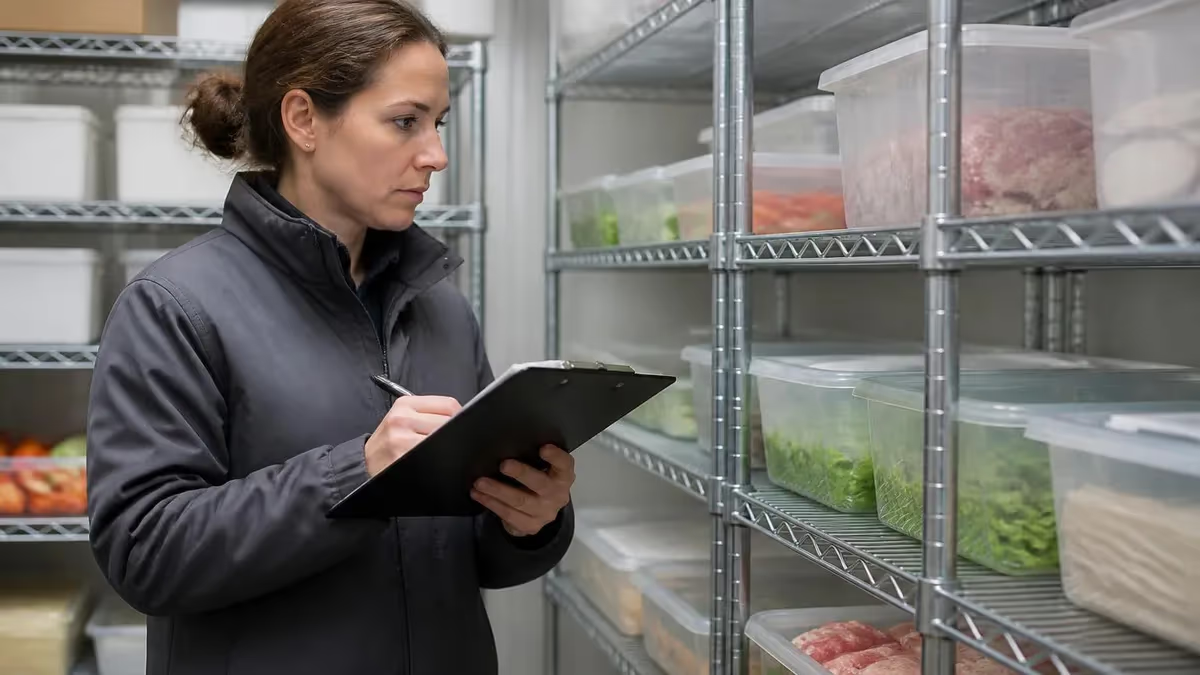
The ServSafe online course is a web-based food safety training program offered by the National Restaurant Association Educational Foundation (NRAEF). It covers everything from proper food handling and temperature control to personal hygiene and cross-contamination prevention — all through a browser, at whatever pace works for you.
Three main certifications are available online: Food Handler, Food Manager, and Alcohol. Each serves a different role in the food service industry. A line cook or prep worker typically pursues the Food Handler credential. Kitchen managers, executive chefs, and anyone in a supervisory role over food preparation would go for the Food Manager certification. Servers and bartenders in states with mandatory alcohol training need the Alcohol certification — and many employers require it regardless of state law.
The certification carries weight because it's ANSI-accredited, which means it meets nationally recognized standards for food safety training. Whether you're in Ohio, Pennsylvania, Alabama, or another state, an employer looking at your resume will recognize ServSafe the same way they'd recognize any other reputable industry credential. That national recognition is one reason food service workers pursue it even when their state doesn't legally require it. For restaurants, holding certified employees can also reduce liability exposure and support better inspection outcomes.
Because the program runs entirely online, you don't need to show up anywhere or wait for a scheduled class. That flexibility matters for food service workers juggling split shifts, double shifts, and irregular schedules that change week to week. Workers at fast food chains, hotels, catering companies, schools, and hospitals all use it — essentially anyone working in a commercial kitchen or food service environment can benefit from this training path.
One thing many people don't realize until they're already enrolled: the ServSafe online course isn't a quick checkbox exercise. The content goes deep on topics that food handlers deal with every day — cross-contact with allergens, proper use of thermometers, when to reject a delivery, how long food can safely stay in the temperature danger zone. You'll come out of it with knowledge that actually makes you better at your job, not just a certificate on the wall.
You can learn more about ServSafe food safety requirements and what the certification covers before you enroll. Once you're ready to prep for the exam itself, ServSafe test prep resources can sharpen your recall on the toughest topics before you sit for the proctored assessment.
Course Types and What They Cost
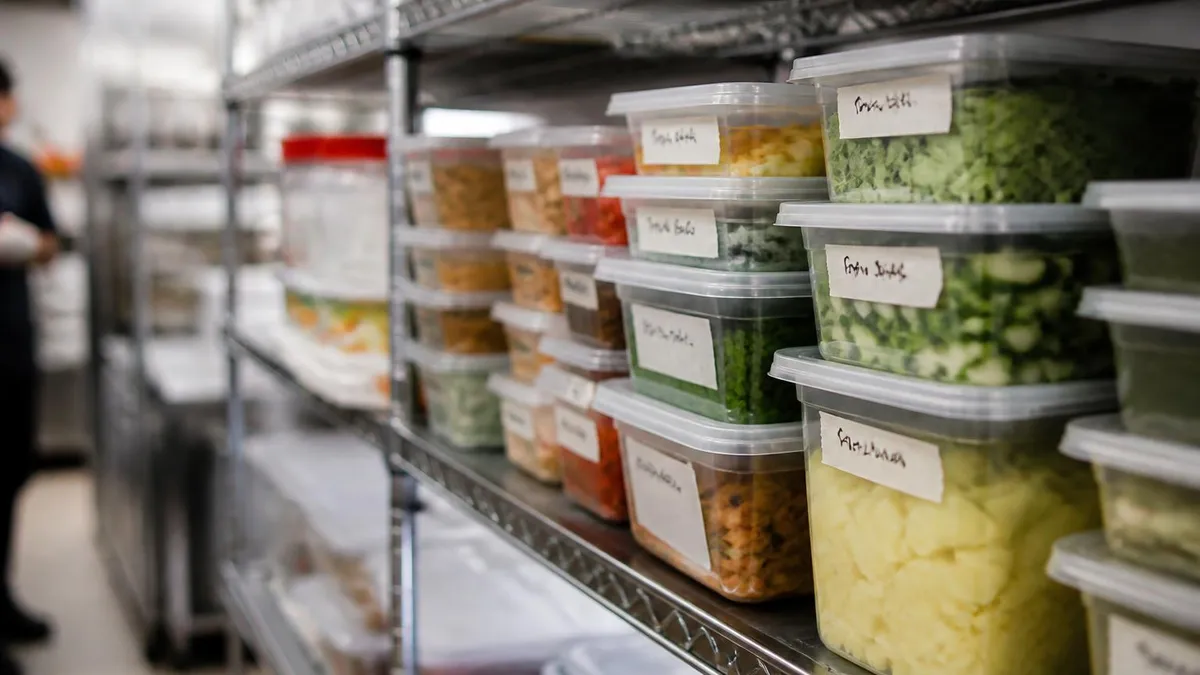
Before you sign up, it helps to know which course you actually need. The three online options serve very different audiences, and the price points vary significantly between them. Getting this wrong means paying for something that doesn't meet your employer's or state's requirements — so take a few minutes to confirm which level applies to your role.
The Food Handler online course is the most affordable entry point. It's designed for non-supervisory food service workers — people who handle, prepare, or serve food but don't have managerial responsibility over food safety programs. You'll pay roughly $15 to $25, complete the course at your own pace, and take an integrated assessment at the end. There's no separate proctored exam. Pass the assessment, download your certificate, and you're done. The whole thing can realistically fit into a couple of evenings or a weekend morning. For many entry-level positions, this is exactly the certification your employer is looking for.
The Food Manager online course is a bigger investment — both in time and money. Prices typically run $175 to $250 for the course and exam bundle. The study modules take 8 to 15 hours, but that's just the preparation phase. You'll also need to schedule and sit for a separate 90-question proctored exam with a 2-hour time limit.
You need at least 75% to pass. Many people use the online course modules as their primary study material, then supplement with practice questions in the days leading up to the exam date. The Food Manager certification is what most health codes require of kitchen supervisors, and it's valid for 5 years once you earn it.
The Alcohol online course covers responsible service — how to check IDs properly, recognize signs of intoxication, handle difficult situations, and understand legal liability for servers and establishments. At about 3 hours, it's the shortest of the three. Many states require alcohol service training by law; others leave it to employer discretion. Either way, it's a fast, inexpensive credential that can protect both you and your employer from serious liability. Cost varies by state and employer agreements, so check servsafe.com for current pricing in your area before registering.
One more consideration: if your employer is paying for the course, confirm which level they're covering before you register. Some employers cover the Food Handler course as part of onboarding but expect managers to pay for the Food Manager certification themselves — or they split the cost. Others have a company account with ServSafe that gets group pricing. A quick conversation with your HR department or manager before registering can save you money or confusion down the line.
ServSafe Online Course Types at a Glance
Best for line cooks, prep workers, and front-of-house staff.
- ▸Duration: 8-15 hours (self-paced)
- ▸Cost: approximately $15-$25
- ▸No separate proctored exam — built-in assessment
- ▸Certificate available for download immediately after passing
- ▸Food handler card typically valid for 3 years
Required for kitchen managers, supervisors, and executive chefs.
- ▸Duration: 8-15 hours of study modules
- ▸Plus: separate 90-question proctored exam (2-hour limit)
- ▸Cost: approximately $175-$250 (course + exam bundle)
- ▸Passing score: 75% on the proctored exam
- ▸Certification valid for 5 years
For servers, bartenders, and alcohol sellers in regulated states.
- ▸Duration: approximately 3 hours
- ▸Cost: varies by state and employer agreement
- ▸Covers ID checking, intoxication recognition, and legal liability
- ▸Required in many states for anyone serving or selling alcohol
- ▸Accepted by most state alcohol control boards
How Long Does the ServSafe Online Course Take to Complete?
The honest answer depends on which course you're taking and how fast you read. For most people, the Food Handler course runs 8 to 15 hours total. You'll work through modules covering safe food temperatures, proper handwashing procedures, storage rules, and basic allergen awareness. The self-paced format means you can knock out two hours on a Tuesday morning and pick up right where you left off three days later without losing any progress.
People who have prior food service experience tend to move faster. If you've been in kitchens for a few years, a lot of the material will feel familiar — you're just learning the formal terminology and rules behind practices you already follow. First-timers or career changers usually take closer to the 15-hour end of the range, especially if they spend extra time on the temperature and contamination chapters where the rules are most specific. Don't rush those sections. They're the ones the exam tests most heavily.
The Food Manager course has a similar study load — 8 to 15 hours of online modules — but there's a critical additional step: a separate proctored exam you schedule independently. The online course doesn't certify you on its own. It prepares you. Budget additional time to find an approved testing site near you (or set up online proctoring), schedule your appointment, and sit for the 90-question, 2-hour exam.
Many people schedule their exam one to two weeks after finishing the online modules, giving themselves time to do focused review on their weakest areas before test day. Don't try to cram the course and exam into the same week unless you're already familiar with the material.
The Alcohol certification is significantly shorter. Most people wrap it up in about 3 hours, and some states allow it to be completed in a single sitting — useful for a server who needs to get certified before starting a new job.
ServSafe Online Course at a Glance
How do you actually access any of these courses? Head to servsafe.com, navigate to the online courses section, and create a free account. Once you've registered, purchase the course or bundle that matches your role. You'll get immediate access to all the learning modules, broken into bite-sized lessons with video content, interactive activities, and knowledge checks throughout. There's no time pressure once you've purchased — the system saves your progress automatically, so life can interrupt without you losing your place. Some learners finish in a day or two; others spread the work across a few weeks. Both approaches work fine.
If you struggle with a particular section, you can revisit it as many times as you need before moving on. That's something you simply can't do in a traditional classroom, where the instructor moves at the class's average pace whether you're ready or not. You control the pace here. Check the ServSafe Manager online course page for specifics on what the manager-level program includes and how the proctored exam scheduling process works.
One common question is whether you can do the ServSafe online course on a phone. Technically yes — the site works on mobile browsers. But for the Food Manager exam especially, studying on a small screen for 15 hours isn't comfortable, and some interactive activities may not render well. A laptop or desktop is a much better experience for the full course. If you're taking the Food Handler course, a tablet is workable for shorter sessions. Save the phone browsing for looking up quick facts between modules, not for completing full hours of coursework at once.
Group training through an employer is another option some companies offer. Instead of individuals purchasing separately, a restaurant group or food service company can set up a bulk account with ServSafe, often at a discounted per-seat rate. If you're managing training for a team of 10 or more, that bulk pricing can make the Food Handler certification significantly cheaper per person. Employees still complete the course individually at their own pace, but the registration and billing go through the employer's account. Check the ServSafe website for information on group enrollment if you're responsible for managing certification for a team.
It's also smart to understand how long ServSafe certification lasts before you start, so you're not caught off guard at renewal time. Food Handler certificates are generally valid for 3 years; Food Manager certification lasts 5 years. Put a reminder on your calendar now so you don't let your credential lapse before renewal.
ServSafe Online: State-by-State Acceptance
Ohio accepts ServSafe Food Handler and Food Manager certification statewide. The online course fully meets the state's food safety training requirement, and your food handler card stays valid for 3 years after you pass. Ohio food safety rules are enforced at the county level — most counties list ServSafe as an approved provider, so you won't run into any problems when a health inspector asks to see proof of training. If you're already employed in food service in Ohio and your employer hasn't required certification yet, getting it voluntarily strengthens your candidacy for supervisory roles and shows you take food safety seriously. Ohio ServSafe online is identical in content to what you'd study in an in-person class, just without the commute.
How to Pass the ServSafe Exam
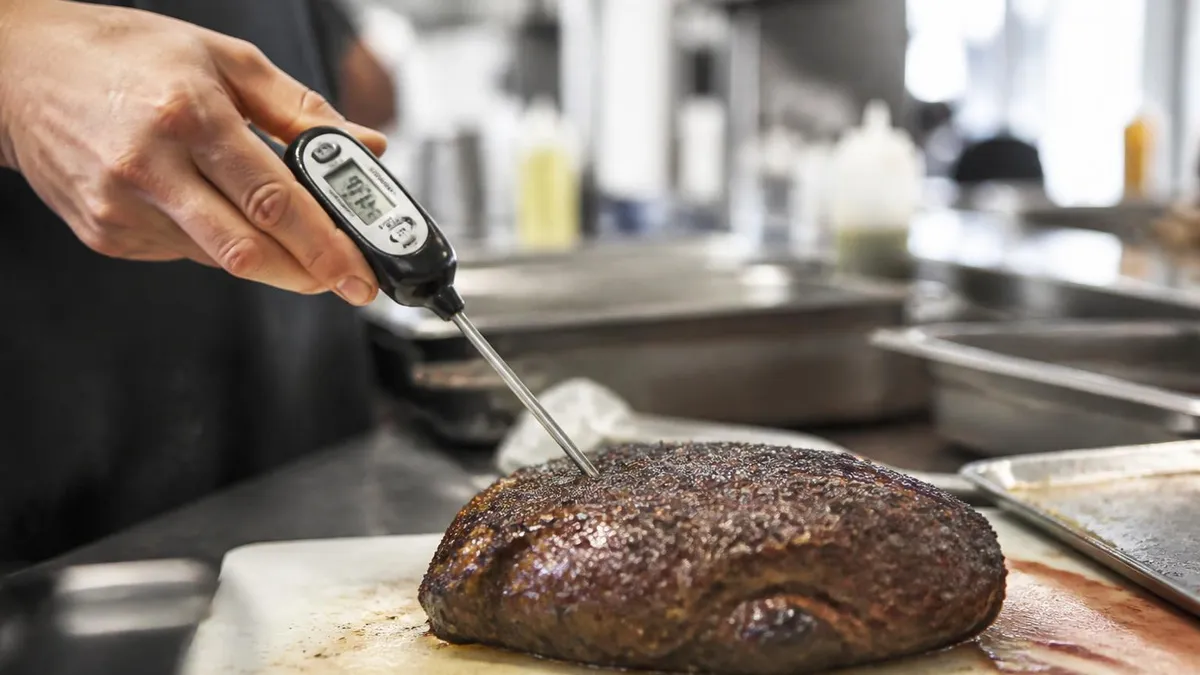
For the Food Manager exam, passing comes down to knowing a handful of high-frequency topics cold. The temperature danger zone — 41 degrees F to 135 degrees F — shows up in multiple question formats across different scenarios. You need to know it reflexively. Same goes for specific safe internal cooking temperatures: 145 degrees for whole cuts of beef, pork, lamb, and fish; 160 degrees for ground meats; 165 degrees for poultry and reheated food. Get those numbers locked in early and revisit them throughout your study sessions — they appear in too many question types to leave to chance.
FIFO (First In, First Out) storage rotation appears frequently — and not just as a definition. The exam may present a scenario where you need to identify whether a storage practice violates FIFO principles. Understand the why, not just the acronym. That distinction between memorizing a rule and actually understanding it comes up repeatedly in how the questions are framed. Scenario-based questions are harder to answer with just a memorized fact — you need to apply the principle to a real situation.
Cross-contamination questions are a reliable source of mistakes for unprepared test-takers. You'll want to know the color-coded cutting board system, the proper handwashing sequence (20 seconds with soap and water, then dry with a single-use paper towel), and the rules prohibiting bare-hand contact with ready-to-eat food. These aren't obscure details; they're tested in nearly every version of the exam. The handwashing steps in particular are asked about in a very specific way — know each step in sequence, not just the general idea.
The Big 6 foodborne illnesses — Norovirus, Hepatitis A, Salmonella Typhi, Shigella, E. coli O157:H7, and Nontyphoidal Salmonella — require specific employee exclusion rules. Some illnesses require the employee to be excluded from the premises entirely until cleared by a medical professional; others allow restricted duties with no bare-hand contact with food. Know which is which, and know the symptoms that trigger each exclusion level. The exam tests both knowledge of the illnesses and the correct managerial response to each.
Cleaning vs. sanitizing is a distinction the exam tests repeatedly. Cleaning removes visible food debris and grease. Sanitizing reduces pathogens on a surface to safe levels. You must do both, in that order, because sanitizers don't work effectively on dirty surfaces. Contact time for chemical sanitizers also matters — chlorine, iodine, and quat each have minimum contact times and concentration ranges that the exam expects you to know.
If you don't pass the first time, use your score report to identify weak areas and review those online course modules specifically before rescheduling your retake. The exam fee must be repurchased, but the study modules remain accessible. Many people score significantly higher on a second attempt simply because they understand which specific topics tripped them up the first time around. Don't retake it right away — give yourself a week or two of focused review first.
On exam day, read each question fully before looking at the answer choices. Many questions are scenario-based, meaning the right answer depends on specific details buried in the question text. Rushing through them leads to careless errors on topics you actually know well. If a question stumps you, eliminate obviously wrong answers first and then make your best choice — there's no penalty for guessing, so don't leave anything blank. After you submit, you'll see your score immediately. If you passed, your certificate will be available to print or download right away.
For a complete step-by-step walkthrough of the entire certification process, see how to get ServSafe certified, which covers registration, study planning, exam scheduling, and what to do with your certificate after you pass.
ServSafe Online Course Pros and Cons
- +Self-paced format fits irregular food service schedules
- +Same ANSI-accredited credential as in-person — employers accept it everywhere
- +No travel to a classroom or training center required
- +Certificate downloads immediately after passing — no waiting
- +Can revisit any module as many times as needed before the assessment
- +Available 24/7, so you can study between shifts or late at night
- −Food Manager certification requires a separate proctored exam ($175-250 total investment)
- −Self-directed study requires discipline — no instructor to keep you on track
- −Technical issues (browser, internet) can interrupt your session
- −Online proctoring for the Manager exam requires a webcam and quiet room
- −Some rural areas may have limited in-person proctoring options for the Manager exam
Key Topics to Study for the ServSafe Online Exam
- ✓Temperature danger zone: 41F-135F and safe internal cooking temps by food type
- ✓FIFO storage rotation and proper date labeling on all food items
- ✓Cross-contamination prevention: color-coded cutting boards, utensil separation, storage order
- ✓Handwashing procedure: 20 seconds, soap, dry with single-use paper towel
- ✓The Big 6 foodborne illnesses: symptoms, exclusion vs. restriction rules
- ✓Cleaning vs. sanitizing: required order, sanitizer types, and minimum contact times
- ✓Receiving and inspecting deliveries: temperature checks, rejection criteria
- ✓Proper thawing methods: refrigerator, cold running water, microwave (cook immediately), or as part of cooking
- ✓Personal hygiene: no bare-hand contact with ready-to-eat food, when to report illness
- ✓Pest control basics: signs of infestation, exclusion methods, and reporting obligations
ServSafe Questions and Answers


About the Author

Registered Sanitarian & Food Safety Certification Expert
Cornell University College of Agriculture and Life SciencesThomas Wright is a Registered Sanitarian and HACCP-certified food safety professional with a Bachelor of Science in Food Science from Cornell University. He has 17 years of experience in food safety auditing, regulatory compliance, and foodservice management training. Thomas prepares food industry professionals for ServSafe Manager, HACCP certification, and state food handler examinations.
Join the Discussion
Connect with other students preparing for this exam. Share tips, ask questions, and get advice from people who have been there.
View discussion (7 replies)