
Which Is an Example of Possible Chemical Contamination ServSafe: Complete Guide
Which is an example of possible chemical contamination ServSafe? Learn real examples, prevention tips, and ace your ServSafe exam. 🏆
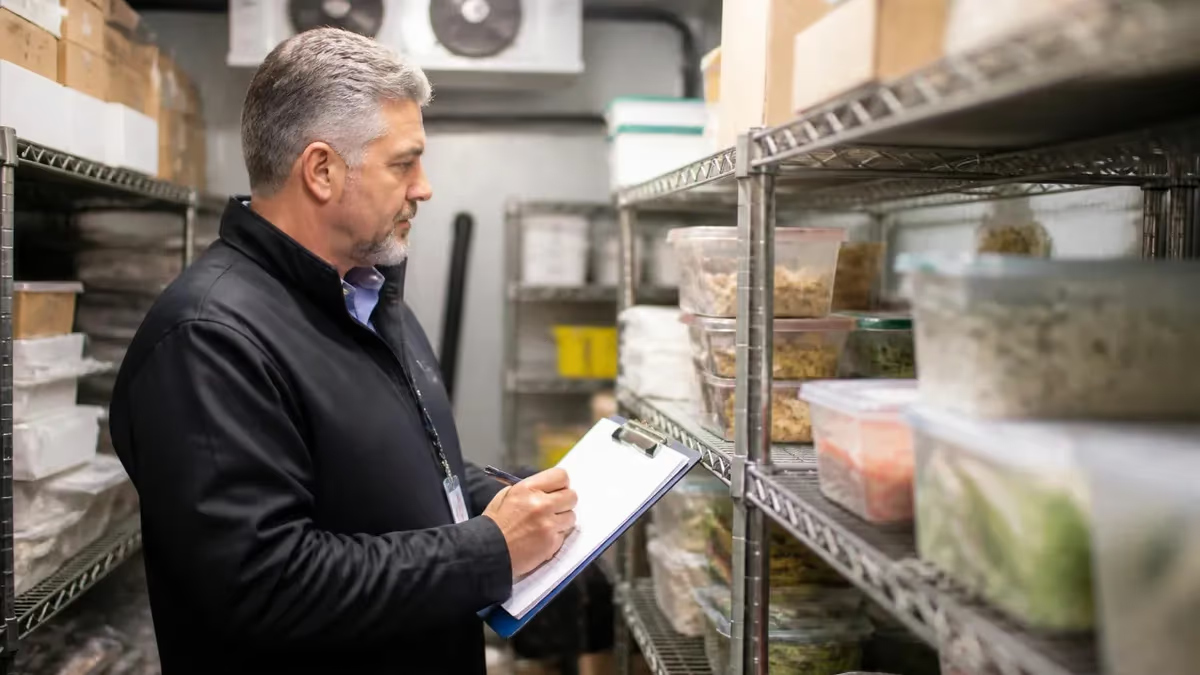
Understanding which is an example of possible chemical contamination ServSafe requires is one of the most critical competencies tested on the ServSafe certification exam. Chemical contamination occurs when harmful substances — cleaning agents, pesticides, sanitizers, or even metals from cookware — enter food through careless storage, improper use, or accidental contact. The National Restaurant Association estimates that chemical contamination incidents account for a significant portion of foodborne illness outbreaks each year, making this topic essential for every food service professional preparing for the ServSafe manager or food handler exam.
The ServSafe program, developed by the National Restaurant Association Educational Foundation, trains food service workers to recognize and prevent all three major categories of food contamination: biological, physical, and chemical. Of these three, chemical contamination is often the most underestimated because the hazards are invisible to the naked eye. A bottle of glass cleaner stored above a salad prep station, or a sanitizer solution mixed at too high a concentration, can introduce toxic substances into food without leaving any visible trace — making awareness and proper protocols absolutely essential.
Common examples that appear on the ServSafe exam include: a cleaning solution stored near food products, pesticide residue left on produce, copper leaching from unlined copper cookware into acidic sauces, and zinc toxicity caused by storing acidic food in galvanized containers. Each scenario represents a real-world chemical hazard that food service managers must identify and eliminate. If you are preparing for your what is servsafe certification, a thorough grasp of these contamination categories is non-negotiable.
Chemical contaminants are categorized by ServSafe into several groups: naturally occurring chemicals (like toxins in certain fish), intentionally added chemicals (like preservatives used correctly), and the most dangerous category for the exam — unintentionally added chemicals. These are substances that enter food accidentally through improper handling, labeling errors, or unsafe storage practices. A food handler who uses a chemical spray near exposed food or pours a cleaning concentrate into an unlabeled container creates exactly the type of scenario ServSafe tests extensively.
The severity of chemical contamination can range from mild gastrointestinal discomfort to life-threatening poisoning depending on the substance, concentration, and amount consumed. Unlike biological contamination from bacteria, chemical hazards do not multiply over time — but they also cannot be destroyed by cooking. This is why prevention through proper storage, labeling, and training is the only reliable defense. ServSafe emphasizes that all chemical products must be stored separately from food, utensils, and equipment used in food preparation.
For candidates studying for the ServSafe manager certification or food handler certification, exam questions on chemical contamination typically ask students to identify scenarios where contamination could occur, explain how to store chemicals safely, and describe the correct concentration levels for sanitizing solutions. Practice questions frequently present real-world situations — such as a technician spraying pesticide near an open salad bar — and ask whether this represents a biological, physical, or chemical hazard. Recognizing these distinctions quickly is a core exam skill.
This comprehensive guide walks you through every major type of chemical contamination covered by ServSafe, explains why each poses a health risk, and provides the knowledge you need to answer exam questions confidently and protect public health in your food service operation. Whether you are a first-time test taker or renewing your ServSafe certification, the detailed information ahead will sharpen your understanding and help you earn a passing score.
ServSafe Chemical Contamination by the Numbers
Key Facts at a Glance
| Item | Value | Details |
|---|---|---|
| Passing Score Required | 75 | Out of 90 scored questions |
| ServSafe Certification Validity | 5 yrs | Manager certification renewal cycle |
| Exam Registration Cost | $15–$70 | Varies by testing format |
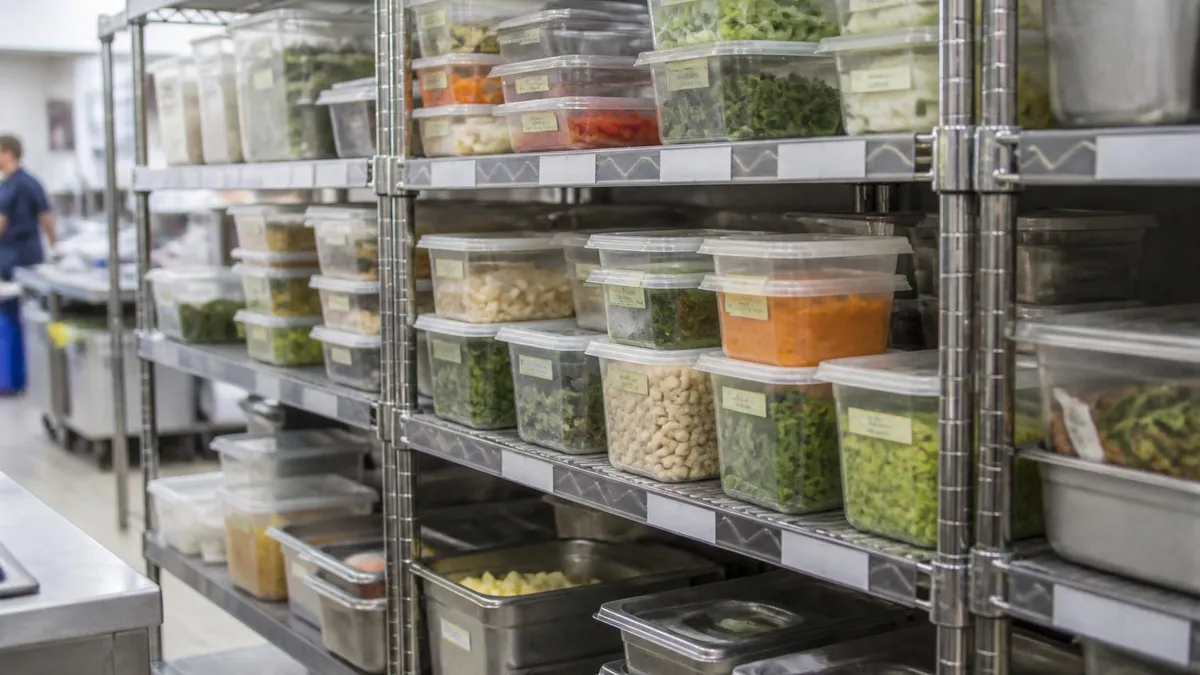
Major Types of Chemical Contaminants in Food Service
Detergents, degreasers, sanitizing solutions, and disinfectants used in food service operations can contaminate food if stored improperly, mixed at wrong concentrations, or sprayed near exposed food items. These are the most common chemical hazards in professional kitchens.
Chemicals applied to control insects, rodents, and weeds can leave toxic residues on produce or surfaces. Produce must be washed thoroughly. Pest control applications must follow strict protocols to prevent contaminating food preparation areas and equipment.
Lead from old pipes, copper from unlined cookware, zinc from galvanized containers, and antimony from chipped enamelware can leach into acidic foods like tomato sauce, fruit juice, or vinegar-based dishes, causing acute metal poisoning symptoms.
Lubricants for equipment, polishes for surfaces, and fuel sources like Sterno can contaminate food when improperly handled or stored near food prep areas. Even food-grade lubricants can become hazardous when used in excess or in the wrong context.
On the ServSafe exam, chemical contamination questions frequently present specific scenarios and ask candidates to classify the hazard correctly. One of the most commonly tested examples is a food handler who stores a bottle of window cleaner on the same shelf as canned goods or dry food ingredients. This is a textbook case of chemical contamination risk — the cleaning agent could drip, spill, or be mistakenly used near food. The correct ServSafe answer recognizes this as a chemical contamination hazard requiring immediate corrective action: relocating all chemicals to a separate, locked storage area below and away from food products.
Another classic exam scenario involves galvanized metal containers. Galvanized containers are coated with zinc to prevent rust, but when acidic foods — such as lemonade, tomato juice, or vinegar-based marinades — are stored in them, the acid reacts with the zinc coating and causes it to leach into the food. This reaction can produce zinc concentrations high enough to cause nausea, vomiting, and abdominal cramps within hours of consumption. ServSafe explicitly identifies this as a chemical contamination example, and exam questions often ask students to explain why acidic foods should never be stored in galvanized or uncoated copper containers.
Copper cookware presents a similar leaching risk. Unlined copper pots and pans react with acidic ingredients, releasing copper ions into the food. While copper is an essential trace mineral for human health in small amounts, excessive copper intake causes acute toxicity with symptoms including nausea, vomiting, and in severe cases liver damage. ServSafe recommends using only food-grade, lined equipment when working with acidic foods. Exam questions may describe a scenario where a chef prepares a lemon-cream sauce in an unlined copper pot and ask students to identify the chemical hazard present.
Sanitizer concentration is another heavily tested chemical contamination topic. Sanitizing solutions must be prepared at the correct concentration: too weak, and they fail to kill pathogens; too strong, and they become chemical contaminants themselves. For chlorine-based sanitizers, the acceptable range is 50–99 parts per million (ppm). At concentrations above 200 ppm, chlorine sanitizers can leave toxic residue on food-contact surfaces. ServSafe tests this concept by presenting scenarios where equipment is sanitized but not rinsed properly, asking students to identify the contamination risk and the corrective action required.
Pesticide residue on produce is a chemical contamination concern that food handlers must address through proper washing protocols. ServSafe recommends washing all fresh fruits and vegetables under running water before use, even if the produce will be peeled, because pesticide residues on the outer surface can be transferred to the edible interior by cutting tools. The how to get servsafe certified study materials cover this topic in detail, noting that scrubbing firm produce like melons and potatoes is recommended to further reduce residue levels before preparation.
First aid protocols also appear on the ServSafe exam in the context of chemical contamination. Managers must know the steps to take if a food worker is accidentally exposed to a chemical substance, including calling Poison Control (1-800-222-1222), consulting the Safety Data Sheet (SDS) for the product, and removing contaminated clothing. Similarly, if food is believed to have been chemically contaminated, managers must isolate the affected product, tag it clearly to prevent use, contact the local health department, and conduct a root-cause analysis to prevent recurrence.
Understanding the difference between intentional and unintentional chemical additives is also crucial. Intentional chemical additives — such as food preservatives, coloring agents, and flavor enhancers — are regulated by the FDA and are safe when used as directed on the label. Unintentional chemical additives, by contrast, are substances that enter food accidentally. These include pesticide residues, cleaning chemical residue, and metals leached from cookware. The ServSafe exam specifically focuses on recognizing unintentional chemical contamination scenarios because these represent the most preventable — and therefore most actionable — category of chemical food safety risk in a professional kitchen environment.
ServSafe Manager Certification: Chemical Contamination in Depth
Biological contamination involves living microorganisms such as bacteria, viruses, parasites, and fungi that grow and multiply in food under the right temperature and moisture conditions. Chemical contamination, by contrast, involves toxic substances that do not grow or reproduce but remain stable or increase in concentration over time. This fundamental difference means that cooking can eliminate biological hazards, but it has no effect on chemical contaminants — making prevention the only viable strategy in a food service environment.
On the ServSafe exam, candidates must quickly distinguish between these two categories when presented with a scenario. A chef who notices a strange smell from a sauce may be dealing with bacterial spoilage (biological) or metal leaching (chemical) — and the response protocols differ significantly. Biological contamination is addressed through temperature control and sanitation; chemical contamination requires disposal of the affected food, identification of the contamination source, and corrective action to prevent future exposure. Knowing these distinctions is critical for exam success.

Pros and Cons of Different Approaches to Chemical Safety in Food Service
- +Centralized chemical storage reduces the risk of accidental contamination near food prep areas
- +Color-coded containers for chemicals prevent mix-ups and improve staff compliance at a glance
- +Regular concentration testing of sanitizer solutions ensures both effectiveness and food safety
- +Mandatory chemical training for all staff significantly reduces human error incidents
- +SDS binders kept in accessible locations enable fast emergency response to chemical exposures
- +Purchasing pre-mixed sanitizer solutions eliminates concentration errors during preparation
- −Strict chemical segregation requires additional storage space that many small kitchens cannot provide
- −Pre-mixed sanitizer solutions cost more than concentrated products, increasing operational expenses
- −Frequent concentration testing adds time to daily setup routines during busy service periods
- −Staff turnover requires repeated chemical safety training, consuming manager time and resources
- −Some food-safe chemical alternatives are less effective than conventional products at lower concentrations
- −Overly cautious dilution of sanitizers to avoid chemical contamination risks can reduce their efficacy
ServSafe Chemical Safety Prevention Checklist
- ✓Store all chemical products in a designated area completely separate from food storage and prep zones.
- ✓Keep all chemicals in their original labeled containers or use clearly marked secondary containers.
- ✓Never store chemicals above food, food-contact surfaces, or clean equipment and utensils.
- ✓Test sanitizer solution concentration daily using the correct test strips for each sanitizer type.
- ✓Prepare sanitizing solutions within the approved ppm range (50–99 ppm for chlorine-based sanitizers).
- ✓Ensure all food service staff complete chemical safety training before handling any cleaning products.
- ✓Post Safety Data Sheets (SDS) in an accessible location and train staff on how to read them.
- ✓Never use galvanized or unlined copper containers for storing or cooking acidic foods.
- ✓Wash all fresh produce thoroughly under running water to remove pesticide residue before preparation.
- ✓Immediately remove and dispose of food suspected of chemical contamination and document the incident.
Cooking Cannot Remove Chemical Contaminants
Unlike biological contaminants such as bacteria and viruses, chemical contaminants are not destroyed by heat. Cooking a food item that has been exposed to cleaning agents, pesticides, or leached metals will not make it safe to eat. The only effective response to chemical contamination is prevention through proper storage and handling — and immediate disposal if contamination occurs.
Mastering chemical contamination concepts for the ServSafe exam requires understanding not just the what but also the why behind each food safety rule. When ServSafe specifies that chemicals must be stored away from food, it is not an arbitrary regulation — it reflects decades of documented foodborne illness incidents caused by accidental chemical ingestion. In one well-documented category of incidents, cleaning concentrate stored above a commercial dishwasher dripped into clean dishware, which was then used to serve food. Customers experienced nausea and vomiting, and the operation faced regulatory action and reputational damage that could have been entirely prevented.
The ServSafe exam tests candidates on the hierarchy of food safety controls, which places elimination of the hazard as the most effective strategy, followed by engineering controls, administrative controls, and personal protective equipment. For chemical contamination, elimination means removing unnecessary chemicals from food service areas entirely. Engineering controls include locked chemical storage rooms and separate chemical delivery schedules. Administrative controls include training programs, SDS management, and written chemical use policies. Understanding this hierarchy helps candidates answer scenario-based exam questions that ask which corrective action is most appropriate for a given chemical hazard situation.
One nuanced topic that appears on the ServSafe manager certification exam is the concept of naturally occurring chemical toxins in food. These differ from introduced chemical contaminants because they are produced by the food organism itself rather than introduced through external sources. Examples include solanine in green or sprouted potatoes, ciguatoxin in certain reef fish, and histamine in improperly stored scombroid fish like tuna and mackerel. While these are technically chemical in nature, ServSafe categorizes them under biological toxins rather than chemical contamination, which is an important distinction for exam purposes that students frequently miss.
Temperature abuse, while primarily associated with biological contamination, can indirectly worsen chemical contamination outcomes in specific contexts. For example, certain pesticide residues break down more slowly at lower temperatures, meaning that improperly refrigerated produce retains higher residue concentrations. Additionally, metal leaching from cookware accelerates at higher temperatures, so prolonged cooking of acidic foods in reactive metal containers increases the amount of metal that migrates into the food. ServSafe managers must therefore consider temperature management as part of a comprehensive chemical safety strategy, not just a biological food safety control measure.
Food allergens occupy a special category in ServSafe that bridges biological and chemical concerns. While allergens are natural proteins rather than introduced chemicals, the FDA and ServSafe treat allergen management with the same rigor as chemical contamination prevention, including strict labeling requirements, dedicated preparation surfaces, and staff training protocols. The ServSafe food handler certification exam includes allergen management questions alongside chemical contamination questions, and candidates who conflate the two categories may struggle to answer scenario questions correctly. Remembering that allergens are biological proteins — not chemicals — helps maintain conceptual clarity during the exam.
Regulatory compliance is a central theme in ServSafe's approach to chemical safety. The FDA Food Safety Modernization Act (FSMA), which ServSafe aligns with, requires food facilities to conduct hazard analyses that explicitly identify chemical hazards as part of their food safety plans.
Facilities must document which chemicals are used, how they are stored, what controls are in place to prevent contamination, and how staff are trained. ServSafe certification demonstrates that managers have the knowledge to implement these requirements effectively, which is why many state and local health departments accept ServSafe as evidence of food safety management competency during routine health inspections.
The practical application of ServSafe chemical contamination knowledge extends beyond passing the exam. Certified managers who understand chemical hazards are better equipped to conduct staff training sessions, perform facility walkthroughs to identify chemical storage violations, and respond effectively when a chemical exposure incident occurs. They can read Safety Data Sheets fluently, calculate the correct dilution ratios for sanitizing solutions, and communicate clearly with regulatory inspectors about the chemical safety controls in place at their facility. These competencies directly contribute to safer food service operations and reduce the operational and legal risks associated with chemical contamination incidents.
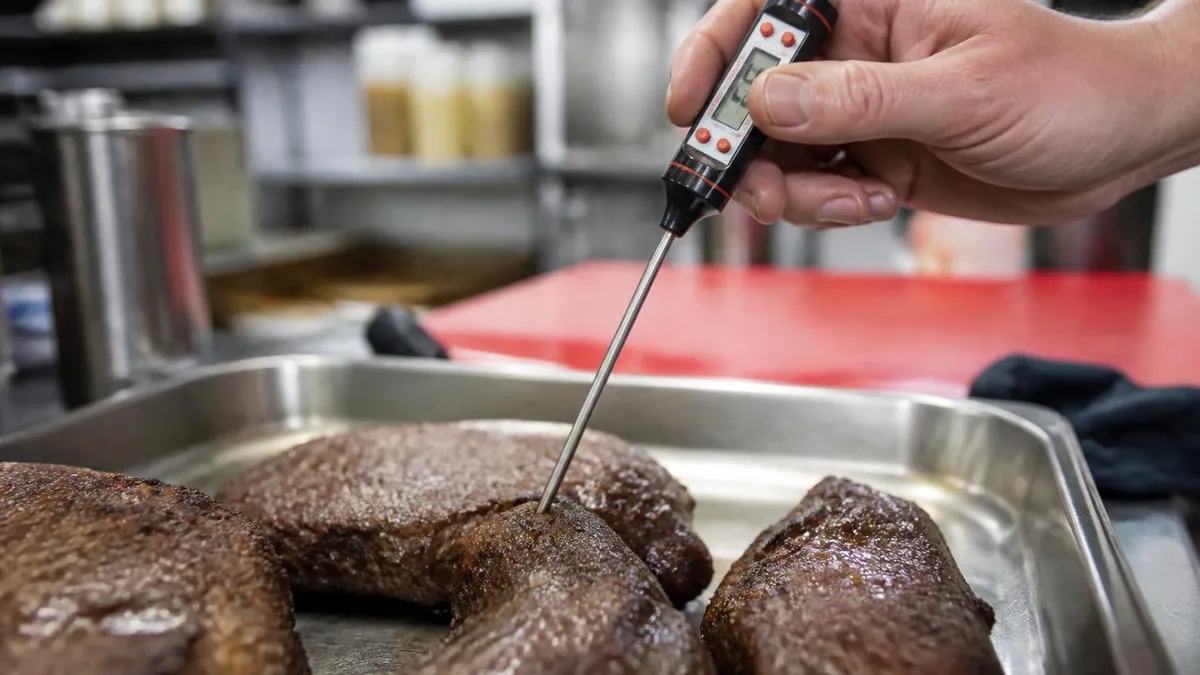
Health inspectors frequently cite food service operations for improper chemical storage — specifically, chemicals stored above or adjacent to food or food-contact surfaces. This is also one of the most commonly tested scenarios on the ServSafe manager certification exam. Memorize this rule: all chemicals must be stored below food, in a separate designated area, in their original or properly labeled containers.
Preparing effectively for the ServSafe chemical contamination questions requires a multi-pronged study approach. First, read the relevant chapters in the official ServSafe Manager textbook, which covers chemical hazards in the context of the broader food safety management system. Pay particular attention to the sections on HACCP (Hazard Analysis Critical Control Points), where chemical hazards are identified and controlled through documented procedures. Understanding how chemical contamination fits into the HACCP framework will help you answer the more complex scenario-based questions on the exam, which often require applying HACCP principles to real-world food service situations.
Practice tests are indispensable for exam preparation. The ServSafe exam uses a multiple-choice format with scenario-based questions that require you to apply knowledge rather than simply recall facts. Working through practice questions exposes you to the types of scenarios the exam uses, helps you identify gaps in your knowledge, and builds the test-taking speed and confidence you need to pass on exam day. servsafe manager certification online practice questions are an excellent way to assess your readiness across all tested domains, including chemical contamination, temperature control, allergen management, and personal hygiene.
Flashcard study is particularly effective for chemical contamination topics because the exam requires you to remember specific concentration ranges, specific examples of chemical hazards, and specific corrective actions. Create flashcards for key facts such as: the safe concentration range for chlorine sanitizer (50–99 ppm), the safe concentration range for quaternary ammonium sanitizer (200–400 ppm), the metals most likely to leach into acidic foods (copper, zinc, lead, antimony), and the categories of unintentional chemical contaminants (cleaning agents, pesticides, metals, lubricants). Reviewing these flashcards daily in the week before your exam will cement these details in memory.
Group study sessions can also reinforce chemical contamination knowledge, particularly for kinesthetic learners who benefit from discussing and debating scenarios. Study partners can quiz each other using exam-style questions, role-play as health inspectors identifying chemical hazards in a mock kitchen walkthrough, or debate the correct response to a chemical contamination incident. This active engagement with the material produces stronger retention than passive reading and is especially effective for the scenario-based question format used on the ServSafe manager certification exam.
Time management during the actual exam is important given that the ServSafe Manager exam contains 90 questions and must be completed within two hours. Chemical contamination questions can sometimes be time-consuming because they require carefully reading the scenario to identify the specific type of hazard described.
A useful test-taking strategy is to eliminate answer choices that describe biological or physical hazards when the question clearly involves a chemical substance, narrowing your options quickly. If you are unsure between two remaining answers, choose the one that involves a direct chemical substance rather than a situation that could be interpreted as biological contamination.
The servsafe certification online free study resources available through practice test platforms can supplement your textbook preparation significantly. These resources include video explanations, practice exams with detailed answer rationales, and topic-specific quizzes that let you focus exclusively on chemical contamination without working through unrelated content. Using these tools strategically — focusing on your weakest areas as identified by practice test results — maximizes the efficiency of your study time and increases your likelihood of passing the ServSafe exam on your first attempt.
Remember that the ServSafe certification is not just a credential — it is a practical framework for protecting public health in every food service operation you manage. The chemical contamination knowledge you acquire while preparing for the exam will serve you throughout your career, helping you make better decisions about chemical storage, staff training, and incident response. Every ServSafe certified manager who understands chemical hazards thoroughly makes the food service industry safer for customers, employees, and communities across the United States.
On exam day, approach chemical contamination questions with a clear framework: identify the substance involved, determine whether it was introduced intentionally or accidentally, assess whether it poses a direct chemical toxicity risk, and select the answer that reflects the correct prevention or corrective action protocol. This four-step framework works reliably across the range of chemical contamination scenarios you will encounter on the ServSafe manager certification exam, from straightforward storage violations to more complex HACCP-related questions about critical control points for chemical hazards.
One practical tip that many exam candidates overlook is reviewing the Safety Data Sheet (SDS) requirements before the exam. ServSafe requires managers to know that SDS documents must be available for every chemical product used in the operation, that employees must be trained on how to locate and read them, and that SDS information must include the chemical's health hazards, safe handling procedures, and first aid measures. Exam questions about SDS are common and relatively easy to answer correctly if you have reviewed this material, making SDS knowledge a high-return study investment in the days before your exam.
The ServSafe food handler certification exam, which is taken by frontline kitchen workers rather than managers, also covers chemical contamination but at a more introductory level. Food handlers are expected to know the basic rules: never store chemicals near food, always use chemicals according to label directions, and report any suspected chemical contamination to a manager immediately.
If you are preparing for the food handler exam rather than the manager exam, focus on these fundamental rules and the most common examples of chemical contamination — cleaning agent storage and sanitizer misuse — rather than the more advanced topics like metal leaching and HACCP documentation.
Renewal considerations are worth addressing for currently certified professionals. ServSafe manager certifications are valid for five years, after which recertification is required through retesting. Chemical safety regulations and best practices do evolve, so recertification ensures that managers stay current with the latest food safety science and regulatory requirements. If you are approaching your certification renewal, treat the chemical contamination section as an opportunity to refresh your knowledge and update your facility's chemical safety protocols to reflect any changes in ServSafe's recommended practices since your original certification.
Beyond the exam, building a culture of chemical safety in your food service operation requires consistent leadership and communication. Post chemical storage rules in visible locations throughout the kitchen, include chemical safety in every new employee orientation, and conduct quarterly walkthroughs to verify that chemical storage practices are being followed correctly. When you identify a violation — even a minor one like an unlabeled spray bottle — address it immediately and use it as a teachable moment for the entire team. A manager who models and enforces chemical safety standards creates a safer environment for everyone in the operation.
Industry data consistently shows that facilities with ServSafe certified managers have lower rates of foodborne illness incidents, including those caused by chemical contamination. This correlation reflects the practical impact of food safety education: managers who understand chemical hazards recognize them in real-world conditions and take corrective action before contamination occurs. If you are studying for your ServSafe certification, know that the knowledge you are building has tangible, documented public health benefits that extend far beyond your individual exam score and career advancement.
Whether you are a culinary student preparing for your first food service job, a kitchen supervisor seeking manager-level certification, or an experienced operator renewing your ServSafe credentials, mastering chemical contamination concepts is one of the highest-value investments you can make in your food safety knowledge. The topics covered in this guide — chemical types, real-world examples, prevention protocols, and exam strategies — give you a comprehensive foundation for answering chemical contamination questions correctly on the ServSafe exam and for protecting the health of every customer your operation serves.
Sample ServSafe Food Safety Practice Questions
Try these questions from our free ServSafe Food Safety practice tests. The correct answer and an explanation follow each question.
Which of the following is an example of chemical contamination in food?
- A. Salmonella transferring from raw chicken to salad
- B. Sanitizer residue left on a cutting board used to prep vegetables
- C. A hair falling into soup during plating
- D. Hepatitis A virus on unwashed hands touching ready-to-eat food
Answer: B. Sanitizer residue left on a cutting board used to prep vegetables
Sanitizer residue left on food-contact surfaces is a chemical contaminant that can transfer to food.
Which action is an example of cross-contamination during food prep?
- A. Cooking fish to 145°F before serving
- B. Using the same unwashed cutting board for raw shrimp and salad greens
- C. Storing raw beef below cooked pasta in the refrigerator
- D. Thawing chicken in the refrigerator overnight
Answer: B. Using the same unwashed cutting board for raw shrimp and salad greens
Using the same cutting board for raw shrimp and ready-to-eat salad greens without cleaning and sanitizing it between uses transfers pathogens directly to the greens.
A food handler prepping salads stops to scratch an itch on their arm and then returns to chopping lettuce. This is an example of which type of contamination risk?
- A. Chemical contamination
- B. Allergen cross-contact
- C. Poor personal hygiene
- D. Physical contamination
Answer: C. Poor personal hygiene
This action is a failure to follow proper personal hygiene standards. Scratching the skin can transfer microorganisms from the body to the hands, and then to the food, posing a risk of biological contamination. Handwashing is required after any activity that could contaminate hands.
Which practice helps prevent chemical contamination in a kitchen?
- A. Storing chemicals above food storage areas
- B. Using food containers to store cleaning solutions
- C. Labeling all chemical containers and storing them away from food
- D. Mixing different cleaners together for extra strength
Answer: C. Labeling all chemical containers and storing them away from food
Proper labeling and separate storage prevents accidental use in food and cross-contamination.
ServSafe Questions and Answers
ServSafe Administrative — Complete Guide (2026)

ServSafe Cleaning Agents: Which Cleaning Agent Best Removes Baked-On Food?

ServSafe Manager Practice Test 2026: Free Exam Prep & Study Guide
ServSafe Manager Exam Questions: Free 2026 Practice Test & Answers

ServSafe Study Guide PDF: Complete Certification Prep Hub for 2026
About the Author

Registered Sanitarian & Food Safety Certification Expert
Cornell University College of Agriculture and Life SciencesThomas Wright is a Registered Sanitarian and HACCP-certified food safety professional with a Bachelor of Science in Food Science from Cornell University. He has 17 years of experience in food safety auditing, regulatory compliance, and foodservice management training. Thomas prepares food industry professionals for ServSafe Manager, HACCP certification, and state food handler examinations.
Join the Discussion
Connect with other students preparing for this exam. Share tips, ask questions, and get advice from people who have been there.
View discussion (7 replies)