
Active Managerial Control ServSafe: The Complete Manager's Guide 2026
Master active managerial control ServSafe style. Learn the 5 CDC risk factors, HACCP basics, and how to pass your SerSafe manager certification. ✅

Active managerial control ServSafe is one of the most important concepts tested on the ServSafe Manager exam, and for good reason — it represents the proactive, day-to-day system that food service operators use to prevent foodborne illness before it happens. Rather than reacting to problems after they occur, active managerial control requires managers to anticipate risks, monitor critical control points, and correct deviations the moment they arise. If you are studying for your ServSafe certification, understanding this concept deeply will help you both pass the exam and run a safer operation.
The ServSafe program, developed by the National Restaurant Association Educational Foundation, defines active managerial control as the purposeful incorporation of specific actions or procedures by industry personnel to attain control over foodborne illness risk factors. This definition is broader than it sounds. It means that management cannot simply post a list of rules and walk away — instead, managers must actively verify that food safety procedures are being followed every shift, every day. This ongoing commitment separates organizations that consistently pass health inspections from those that repeatedly fail them.
The foundation of active managerial control is understanding the five CDC-identified risk factors for foodborne illness: purchasing food from unsafe sources, failing to cook food to the correct temperature, holding food at improper temperatures, using contaminated equipment, and practicing poor personal hygiene. Every operational procedure tied to active managerial control ultimately traces back to eliminating or reducing one of these five risks. When you see a question on the servsafe food manager certification exam about why a particular procedure exists, the answer almost always links to one of these five risk factors.
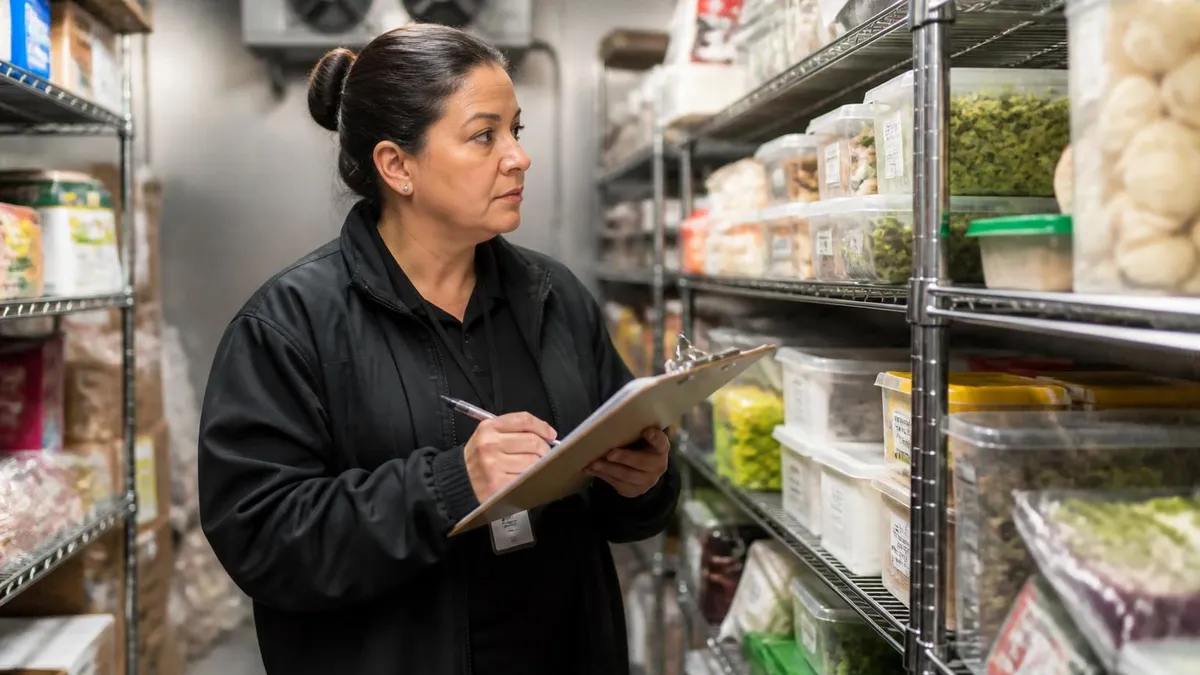
Many food service professionals confuse active managerial control with passive compliance — hanging a food safety poster in the break room or handing out a printed policy at orientation. These actions are better than nothing, but they do not constitute active managerial control. True active managerial control requires ongoing verification through direct observation, temperature logs, calibration records, and regular staff coaching. A manager practicing active managerial control walks the floor, checks cooler temperatures, watches handwashing technique, and addresses deviations in real time rather than discovering them during a surprise inspection.
For the ServSafe manager certification exam, you should be able to explain not only what active managerial control means, but also how it is implemented through a formal food safety management system. The most recognized system for achieving active managerial control is HACCP — Hazard Analysis and Critical Control Points. HACCP gives managers a structured, science-based framework for identifying where hazards can occur in food production and establishing measurable controls to prevent them. Regulatory agencies at the local, state, and federal level increasingly require or strongly recommend HACCP-based programs for food service operations.
One practical reality that ServSafe training emphasizes is that active managerial control must be built into the culture of a food service operation, not treated as a compliance checkbox. This means managers need to train staff thoroughly, provide the right tools (calibrated thermometers, sanitizer test strips, proper storage equipment), establish clear corrective action procedures, and document everything. When a health inspector visits and asks how the operation controls for temperature abuse, the manager should be able to produce temperature logs, cleaning schedules, and training records that demonstrate a functioning system — not just verbal assurances.
Whether you are preparing for the ServSafe manager exam for the first time or refreshing your knowledge before recertification, mastering active managerial control will significantly boost your exam score and your on-the-job effectiveness. The exam dedicates a substantial portion of its questions to management principles, risk factor identification, and HACCP concepts — all of which orbit around active managerial control. In the sections below, we break down every major component of this concept with the depth and practical detail you need to succeed.
Active Managerial Control by the Numbers

The 5 CDC Risk Factors Every ServSafe Manager Must Control
Purchasing food from unapproved or uninspected suppliers introduces pathogens before food even enters your kitchen. ServSafe requires managers to verify that all suppliers are licensed, inspected, and delivering product that meets temperature and labeling standards at time of receipt.
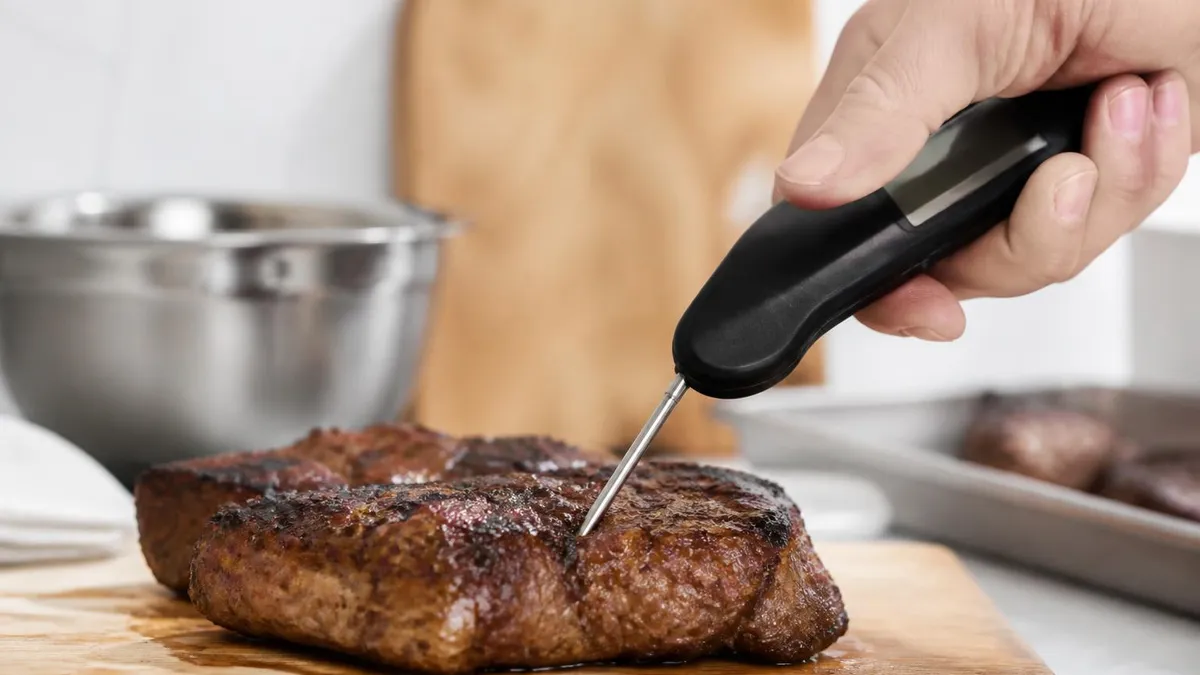
Failing to cook food to minimum internal temperatures allows dangerous pathogens like Salmonella, E. coli, and Listeria to survive. Active managerial control requires using calibrated thermometers to verify internal temps — not relying on color, texture, or cooking time alone.
Time-temperature abuse during hot or cold holding is one of the leading causes of foodborne illness outbreaks. Managers must ensure hot food stays at 135°F or above and cold food stays at 41°F or below, with documented temperature checks every 2–4 hours.
Improperly cleaned and sanitized equipment — cutting boards, slicers, prep surfaces — can transfer pathogens directly to ready-to-eat foods. Active managerial control demands verified cleaning and sanitizing schedules, correct chemical concentrations, and regular inspection of food-contact surfaces.
Infected food workers who fail to wash hands properly or who work while ill are responsible for a significant share of foodborne illness outbreaks. Managers practicing active managerial control establish and enforce clear handwashing, glove-use, and employee illness reporting policies.
A formal food safety management system is the structural backbone of active managerial control, and the ServSafe program places HACCP — Hazard Analysis and Critical Control Points — at the center of that structure. HACCP is a science-based, preventive approach to food safety that was originally developed for NASA's space food program and has since become the global standard for managing biological, chemical, and physical hazards in food production. Understanding HACCP's seven principles is essential for both the ServSafe manager exam and real-world kitchen management.
The seven HACCP principles are: (1) conduct a hazard analysis, (2) identify critical control points, (3) establish critical limits, (4) establish monitoring procedures, (5) establish corrective actions, (6) establish verification procedures, and (7) establish record-keeping and documentation procedures. Each principle builds on the previous one, creating a layered system that leaves no gap in hazard management.
For example, once a manager identifies that cooking poultry is a critical control point, they must establish a critical limit (165°F internal temperature), a monitoring method (calibrated thermometer check), a corrective action (recook or discard if under temp), and a way to verify the system is working (temperature logs reviewed weekly).
Not all food service operations are required by law to implement a full HACCP plan, but ServSafe training encourages all managers to apply HACCP principles even informally. The servsafe manager certification online pathway teaches managers how to conduct a hazard analysis specific to their menu and operation, identify which steps in food preparation present the greatest risk, and build monitoring procedures that staff can realistically perform during a busy service. This practical application is what separates ServSafe-trained managers from those who only understand food safety in theory.
Prerequisite programs are the foundation on which any HACCP plan is built, and they are another concept the ServSafe exam tests. These are basic operational procedures that control general hygiene conditions — things like a pest control program, a supplier approval process, an employee health policy, a cleaning and sanitizing schedule, and a temperature monitoring log. If prerequisite programs are not functioning properly, even a well-written HACCP plan will fail. Active managerial control requires managers to verify that both prerequisite programs and HACCP procedures are working as designed.
One area where managers often struggle is distinguishing between a Critical Control Point (CCP) and a critical limit. A CCP is a step in the food preparation process where a hazard can be prevented, eliminated, or reduced to a safe level — examples include cooking, cooling, and reheating.
A critical limit is the measurable boundary that must be met at each CCP — for instance, cooking ground beef to a minimum internal temperature of 155°F for 15 seconds. When a critical limit is not met, the manager must immediately take corrective action, which might mean recooking the product, discarding it, or investigating why the process failed.
Documentation is non-negotiable in a HACCP-based active managerial control system. Temperature logs, corrective action records, equipment calibration logs, and training records all serve a dual purpose: they provide evidence that the system is working, and they help managers identify trends that signal a system is starting to break down. If temperature logs show that the walk-in cooler is consistently hovering at 43°F instead of 38°F, that trend should trigger corrective maintenance before a foodborne illness outbreak occurs. Regulatory agencies increasingly expect to review these records during inspections, not just observe conditions on the day of the visit.
The ServSafe Food Handler and ServSafe Manager certifications both cover food safety management principles, but the manager-level content goes significantly deeper. Manager candidates are expected to understand how to design and oversee a food safety system, train and supervise staff, and respond to complex scenarios involving multiple simultaneous risk factors. If you are pursuing the servsafe food protection manager certification, you should be comfortable not only identifying individual hazards but also explaining how your management system prevents them across every step of food flow — from receiving through service.
How ServSafe Tests Active Managerial Control on the Manager Exam
The ServSafe manager practice test includes scenario-based questions where you are placed in the role of a food service manager and asked to identify the correct response to a food safety situation. For example, a question might describe a cook who skips the thermometer check because "the chicken looks done," and ask what management failure this represents. The correct answer links back to inadequate monitoring of a critical control point — a core active managerial control failure.
Another common question format asks you to identify which of the five CDC risk factors is illustrated by a described scenario. You might read about a prep cook who handles raw shrimp and then immediately slices tomatoes without washing hands — this represents poor personal hygiene. Or a manager who orders produce from an unlicensed street vendor — this represents purchasing from unsafe sources. Recognizing these patterns quickly is essential for a high score on the ServSafe certified exam.
Active Managerial Control: Benefits vs. Challenges for Food Service Operators
- +Dramatically reduces the risk of foodborne illness outbreaks that could harm guests and trigger lawsuits
- +Creates documented evidence of due diligence that protects the business during health inspections and legal disputes
- +Builds a food safety culture that makes staff more accountable and consistent in following procedures
- +Reduces food waste by catching temperature violations before product must be discarded in large quantities
- +Improves overall kitchen efficiency because standardized procedures reduce errors and rework during service
- +Supports ServSafe manager and food handler certification goals by aligning daily practice with exam content
- −Requires significant upfront investment of time to design and document a food safety management system
- −Staff training and ongoing reinforcement demand consistent management attention that busy operations may struggle to provide
- −Temperature monitoring, calibration, and record-keeping add administrative burden to already stretched management teams
- −Identifying all critical control points for a complex or seasonal menu requires technical food safety knowledge many managers lack
- −Corrective action procedures can be difficult to enforce under time pressure during high-volume service periods
- −Small or independent operations may struggle to afford the equipment (calibrated thermometers, sanitizer test kits) needed to monitor CCPs reliably
Active Managerial Control Implementation Checklist for ServSafe Managers
- ✓Conduct a written hazard analysis for your full menu, identifying biological, chemical, and physical hazards at each food preparation step.
- ✓Identify all Critical Control Points (CCPs) in your food flow, including receiving, cooking, cooling, reheating, and hot and cold holding.
- ✓Establish documented critical limits for every CCP — minimum internal cooking temperatures, maximum cold-holding temperatures, and cooling time-temperature requirements.
- ✓Calibrate all food thermometers at the start of each shift using the ice-water method (32°F) or boiling-water method (212°F at sea level).
- ✓Create and post a temperature monitoring log that staff complete every 2 to 4 hours for all hot and cold holding equipment.
- ✓Establish a written employee illness reporting policy and train all staff to report symptoms — vomiting, diarrhea, jaundice, sore throat with fever — before starting their shift.
- ✓Verify supplier credentials for every vendor by reviewing inspection certificates and checking that deliveries arrive at correct temperatures with intact packaging.
- ✓Conduct weekly observations of handwashing technique, glove use, and personal hygiene compliance for all food handling staff.
- ✓Document every corrective action taken when a critical limit is not met, including the date, product affected, action taken, and manager signature.
- ✓Schedule a monthly review of all temperature logs, corrective action records, and training documentation to identify trends and address system weaknesses.
Active Managerial Control Is About Prevention, Not Reaction
The single most important distinction the ServSafe program draws is between operations that react to food safety problems and those that prevent them through active oversight. Exam questions consistently reward answers that describe proactive monitoring and documented corrective actions — not answers that describe what to do after a guest gets sick. If your answer involves waiting for a complaint, it is almost certainly wrong.
Corrective actions are the mechanism by which active managerial control actually prevents foodborne illness rather than simply documenting that a hazard occurred. In HACCP terminology, a corrective action is the procedure taken whenever monitoring indicates that a critical control point is not under control — meaning a critical limit has not been met. ServSafe training is very specific about what constitutes a proper corrective action: it must prevent the unsafe food from reaching guests, identify and correct the root cause of the deviation, and document what happened and what was done about it.
Consider a practical example that frequently appears on ServSafe manager practice tests. A cook monitors the temperature of chicken soup held in a steam well and records 128°F — below the 135°F minimum required for hot holding. The correct corrective action is not to simply turn up the steam well and hope the temperature recovers on its own.
Instead, the manager must rapidly reheat the soup to 165°F for 15 seconds using direct heat (stovetop or oven), verify the temperature with a calibrated thermometer, document the deviation and corrective action, and investigate why the steam well failed to maintain the correct temperature in the first place.
Verification is a distinct step from monitoring, and many ServSafe candidates confuse the two. Monitoring is the real-time checking of a CCP to see whether critical limits are being met — for example, a line cook checking the temperature of a roast before it leaves the kitchen. Verification is the higher-level confirmation that the monitoring system itself is working correctly — for example, a manager reviewing temperature logs weekly to confirm that checks are being performed on schedule and that readings are being recorded accurately. Both steps are required in a complete active managerial control system.
Third-party audits and health inspections serve as external verification of an operation's active managerial control system. Health inspectors look for evidence of systematic food safety management — not just conditions on the day of the visit. They may ask to review temperature logs from the previous week, cleaning and sanitizing schedules from the previous month, or employee illness records. Operations that practice active managerial control consistently have this documentation readily available, which typically results in fewer critical violations and higher inspection scores than operations that rely on scrambling before an inspection.
Self-inspection programs are another tool ServSafe recommends as part of active managerial control. A regular self-inspection — conducted by the manager or a designated food safety champion on a weekly or monthly schedule — uses the same criteria a health inspector would apply. This practice accomplishes two things: it catches problems before the official inspection, and it trains staff to think about food safety with the same lens a regulator uses. Many operations adapt the local health department's inspection form for their internal self-inspections, which makes the transition to official inspections feel familiar and reduces anxiety among staff.
Training and supervision are inseparable from effective active managerial control. The best-designed HACCP plan will fail if the staff implementing it do not understand what they are doing or why it matters. ServSafe emphasizes that food safety training should not be a one-time onboarding event but an ongoing program that includes initial instruction, competency verification, periodic refreshers, and real-time coaching during service.
Managers who take the time to explain the reason behind each food safety procedure — not just the rule — build staff who can make correct decisions in novel situations, rather than staff who only know how to follow a checklist they have memorized.
For multi-unit food service operations, active managerial control takes on additional complexity because the system must function consistently across locations with different staff, equipment, and local regulatory requirements. Corporate food safety managers often develop standardized food safety management systems that individual location managers are trained to implement and adapt. The ServSafe food manager certification is frequently required for location managers in these multi-unit systems precisely because it establishes a common baseline of food safety knowledge that supports consistent active managerial control across the entire organization.
You can continue preparing with the safe serve practice test, which includes answer explanations for every question.
You can continue preparing with the free servsafe manager practice test, which includes answer explanations for every question.
You can continue preparing with the servsafe alcohol certification, which includes answer explanations for every question.
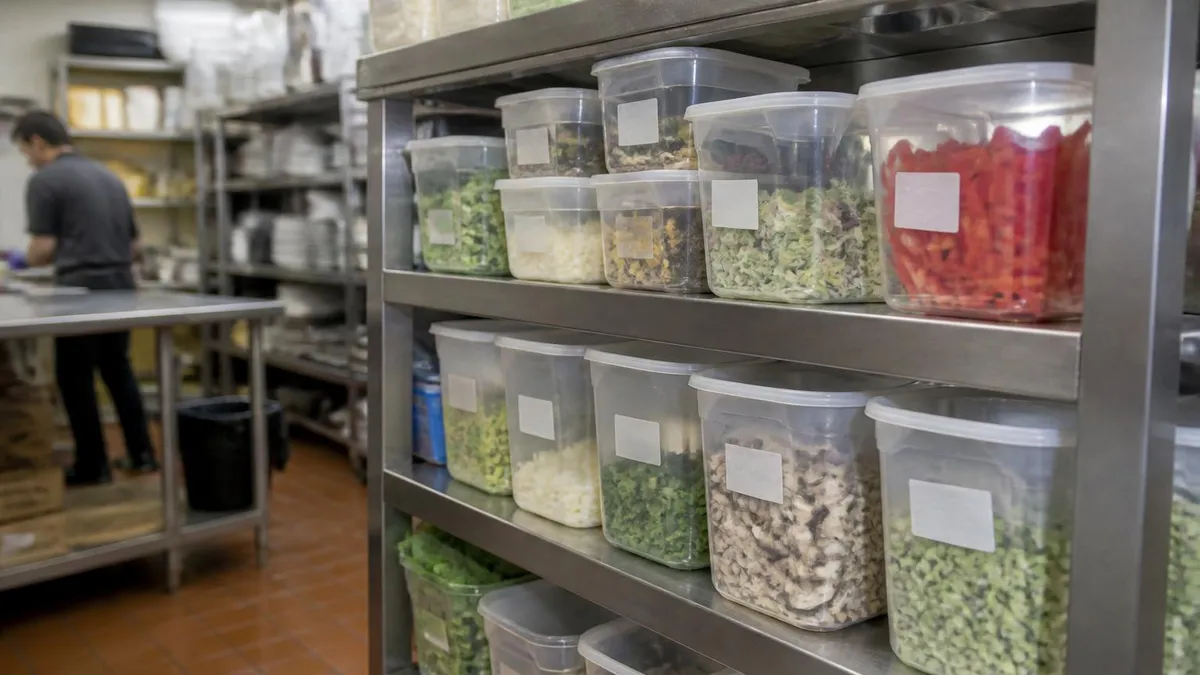
ServSafe exam questions frequently test whether candidates understand that monitoring (checking a CCP in real time) and verification (confirming the monitoring system works) are separate HACCP principles with different purposes and different responsible parties. Monitoring is typically performed by line staff during service; verification is performed by management after the fact. Answering these questions correctly requires keeping this distinction clear under exam pressure.
Preparing for the ServSafe manager certification exam requires more than memorizing definitions — it demands that you understand how active managerial control, HACCP principles, and the five CDC risk factors connect to each other and to real kitchen scenarios. The ServSafe program structures its manager-level curriculum around this interconnected framework, and the exam reflects that structure. Questions rarely test isolated facts in isolation; they embed those facts in realistic scenarios that require you to synthesize multiple concepts to arrive at the correct answer.
One of the most effective study strategies for the active managerial control section of the ServSafe manager exam is to practice identifying the CDC risk factor behind each scenario before reading the answer choices.
When you read a question about a food worker who reports to work with a sore throat and fever, immediately identify the risk factor (poor personal hygiene) and the correct management response (exclude the worker from food handling and report to the local health authority if the illness is Hepatitis A, Salmonella Typhi, E. coli O157:H7, Shigella, or Norovirus). This pattern recognition significantly speeds up your navigation of scenario-based questions.
The servsafe com platform offers official study materials including the ServSafe Manager Book (currently in its 8th edition), online practice exams, and instructor-led courses. The Manager Book contains the authoritative source for all content tested on the exam, including dedicated chapters on active managerial control, HACCP, foodborne illness risk factors, and food safety management systems. If you only have time to read one resource before the exam, the Manager Book should be your choice — particularly the chapters on management of food safety practices and HACCP.
ServSafe manager practice tests are an indispensable preparation tool because the exam requires not just knowledge but speed and accuracy under time pressure. The 90-question exam must be completed in 165 minutes, which allows approximately 1 minute and 50 seconds per question. Scenario-based questions that test active managerial control often run longer than straightforward recall questions, so regular timed practice helps you calibrate your pace. Aim to complete at least three full-length practice exams under timed conditions before your test date, reviewing every question you miss to understand not just the correct answer but why the other options were wrong.
The passing score for the ServSafe manager exam is 70%, meaning you must answer at least 56 of the 80 scored scored questions correctly. (The exam includes 10 unscored pilot questions that are not identified, so do not try to guess which questions to skip.) Active managerial control and HACCP content typically accounts for a significant portion of the scored questions, making this topic area one of the highest-use areas to master for candidates who want to clear the passing threshold comfortably rather than scraping by with a borderline score.
ServSafe food handler certification covers food safety fundamentals and is appropriate for front-line staff, but it does not cover the management-level active managerial control content discussed in this guide. If you are a manager or supervisor, the ServSafe manager certification is the appropriate credential. The manager exam is proctored (either in-person or online), requires a government-issued photo ID, and must be completed in a single uninterrupted session. The food handler certification, by contrast, is typically a shorter online course with an unproctored assessment and is designed for employees rather than managers.
After passing the ServSafe manager exam, your certification is valid for five years. During that period, active managerial control requirements, HACCP guidance, and regulatory standards may be updated — particularly as the FDA Food Safety Modernization Act (FSMA) continues to reshape food safety requirements for both manufacturing and food service operations.
Many food service professionals stay current between recertifications by attending local health department workshops, joining industry associations, and reviewing updated ServSafe materials as they are released. This ongoing professional development is itself a form of active managerial control — ensuring that the people responsible for food safety management systems stay as current as the science requires.
Building lasting exam readiness for the ServSafe manager certification means developing a study plan that covers all major content domains while spending proportionally more time on the highest-weight areas, which include active managerial control, HACCP, and foodborne illness risk factors.
A realistic four-week study plan might allocate the first week to foundational concepts (foodborne illness, contamination, allergens), the second week to food flow and temperature control, the third week to HACCP and active managerial control in depth, and the fourth week to facility management, pest control, regulations, and full-length practice exams. Adjust this timeline based on your prior food safety experience.
Flashcard-based review of HACCP principles, critical control point examples, critical limits, and corrective action procedures is particularly effective for visual and kinesthetic learners who struggle to retain abstract definitions from reading alone. Creating scenario-based flashcards — where the front of the card describes a kitchen situation and the back identifies the risk factor and correct management response — mirrors the format of actual exam questions and builds the pattern recognition skills the exam rewards. Digital flashcard tools allow you to flag cards you consistently miss and prioritize them in subsequent review sessions.
Group study with colleagues who are also preparing for the ServSafe manager certification can accelerate learning, particularly for scenario analysis. Discussing why a given scenario represents one risk factor rather than another forces both participants to articulate their reasoning, which deepens understanding and exposes gaps in knowledge more effectively than silent solo reading. If you work in a food service operation, consider using real incidents from your workplace as case studies — asking yourself which risk factor was involved, what monitoring failure allowed the incident, and what corrective action should have been taken.
The ServSafe manager exam is offered in both English and several other languages, and it can be taken in-person at an approved testing center or online with a remote proctor. For online testing, verify your computer meets the technical requirements (webcam, microphone, stable internet connection, compatible browser) well before your exam date. Technical failures during an online proctored exam are stressful and may result in your session being invalidated if they cannot be resolved quickly. Running a technical check two or three days before the exam eliminates this risk entirely.
On exam day itself, active managerial control questions will feel much more manageable if you approach them with a consistent analytical framework: identify the food safety principle being tested, eliminate answers that address a different principle, and select the answer that describes the most proactive and systematic management response. Answers that involve waiting, hoping, or observing without acting are almost always wrong on the ServSafe manager exam. The exam rewards managers who act early, document everything, and build systems rather than those who respond to problems after the fact.
After earning your ServSafe manager certification, the real work of active managerial control begins. Use the knowledge you gained during exam preparation to audit your operation's existing food safety management system, identify gaps in monitoring and documentation, and train your team to understand not just the rules but the reasoning behind them. A ServSafe-certified manager who actively applies active managerial control principles creates a measurably safer environment for guests and staff — which is ultimately the most important outcome of the entire certification process.
Remember that the ServSafe food handler certification and the ServSafe manager certification work together in a well-run food service operation. While managers are responsible for designing and overseeing the food safety management system, food handlers are responsible for implementing it at the line level. When both groups understand their roles and have the training to fulfill them, active managerial control functions as it is designed to — as a continuous, proactive cycle of monitoring, verification, corrective action, and documentation that keeps foodborne illness risks consistently under control.
ServSafe Questions and Answers
ServSafe Administrative — Complete Guide (2026)

ServSafe Cleaning Agents: Which Cleaning Agent Best Removes Baked-On Food?

Which Is an Example of Possible Chemical Contamination ServSafe: Complete Guide
What Is ServSafe Certification? Complete 2026 Guide to Food Safety Credentials

NSF Is an Organization That ServSafe Partners With: What Food Workers Need to Know
About the Author

Registered Sanitarian & Food Safety Certification Expert
Cornell University College of Agriculture and Life SciencesThomas Wright is a Registered Sanitarian and HACCP-certified food safety professional with a Bachelor of Science in Food Science from Cornell University. He has 17 years of experience in food safety auditing, regulatory compliance, and foodservice management training. Thomas prepares food industry professionals for ServSafe Manager, HACCP certification, and state food handler examinations.