
Makeup Artist Career Tips: How to Grow, Get Compliments, and Build a Thriving MUA Business
Master makeup artist and career strategies — from best compliments for makeup artist clients to booking weddings. 🏆 Real tips for MUAs in 2026 September.

Whether you are just starting out or have been perfecting your craft for years, understanding what it means to be a makeup artist and how to build a sustainable career is one of the most rewarding journeys in the beauty industry. Knowing how to earn the best compliments for makeup artist work you produce goes far beyond technical skill — it requires building genuine relationships with clients, developing a signature style, and consistently delivering results that make people feel confident and beautiful in their own skin.
The beauty industry in the United States is enormous, generating over $100 billion annually, and makeup artists are at the very heart of that ecosystem. From bridal suites in Manhattan to film sets in Los Angeles, from editorial shoots in Chicago to prom bookings in small-town Georgia, a skilled makeup artist can carve out a lucrative and fulfilling niche almost anywhere. The key is understanding the business side of the craft just as well as you understand a blending brush or a color wheel.
One of the most important early lessons every MUA must internalize is that clients do not just hire you for your makeup skills — they hire you for the entire experience. How you communicate before the appointment, how you make someone feel in your chair, how you handle last-minute requests without flinching, and how you follow up afterward all contribute to whether a client books you again, refers a friend, or posts a glowing review. Those word-of-mouth moments are worth more than any advertising budget.
Building a strong portfolio is another foundational pillar. Many new artists make the mistake of waiting until they feel "ready" before photographing their work. The truth is, you should be documenting every look from day one — not to showcase perfection, but to demonstrate growth, range, and intentional artistry. A well-curated portfolio signals professionalism and gives prospective clients a visual contract of what they can expect when they book you. You can explore strategies around drag artist makeup presentation and portfolio building for additional guidance.
Networking is perhaps the most underestimated career tool in the MUA world. Connecting with photographers, hairstylists, wardrobe stylists, event planners, and other allied creative professionals opens doors that no amount of social media posting can match. Collaboration breeds opportunity — a styled shoot with a photographer you met at a local creative meetup can result in published editorial work, which in turn attracts higher-paying clients and media coverage. Make it a habit to reach out, offer value, and show up consistently in your local creative community.
Social media has transformed the way clients find and evaluate makeup artists. Platforms like Instagram and TikTok have become the modern portfolio and the primary search engine for beauty services. If someone types "makeup artist near me" into Google or searches a hashtag on Instagram, your visibility in those results directly determines your income. Posting regularly, using geo-targeted hashtags, and engaging authentically with your audience are non-negotiable activities for any MUA serious about growing their client base in 2026.
Finally, never underestimate the power of continuing education. The beauty industry evolves constantly — new techniques emerge, product formulations improve, and client expectations shift with cultural trends. Attending workshops, investing in advanced training, and staying current with what leading makeup artist makeup artists are doing at the highest levels of the industry keeps your skills sharp and your creative energy alive. The best compliments a makeup artist can receive come from clients who feel genuinely seen — and that kind of artistry is cultivated through lifelong learning.
Makeup Artist Career by the Numbers

Top Career Paths for a Makeup Artist
Specializing in bridal work provides consistent, high-paying bookings. Wedding clients typically pay premium rates and refer friends. Building a reputation in this niche requires strong portfolio shots, excellent time management on event day, and a calm demeanor under pressure.
Working on set is one of the most demanding and rewarding career tracks. MUAs in film and television must master continuity, work under tight production schedules, and handle everything from natural beauty looks to complex prosthetics — all while collaborating with large creative teams.
Editorial work for magazines, lookbooks, and runway shows pushes creative boundaries and builds a prestigious portfolio. Pay varies widely, but the exposure gained from published editorial credits can dramatically elevate a makeup artist's brand and attract high-profile clients.
Many makeup artists build thriving businesses working directly with private clients for events, photoshoots, and special occasions. This path offers schedule flexibility and the ability to set your own rates, though it requires strong marketing skills and self-discipline to maintain steady income.
Experienced MUAs can transition into teaching masterclasses, brand training roles, or social media education. This career path monetizes expertise through passive income streams, speaking engagements, and product partnerships — while still staying connected to the beauty community and creative craft.
Earning the best compliments for makeup artist work is not something that happens by accident — it is the result of deliberate choices made before, during, and after every client appointment. The most transformative thing you can do as a makeup artist is shift your mindset from "I am applying makeup" to "I am creating an experience." When clients feel heard, respected, and genuinely cared for, the compliments flow naturally because the emotional impact of the service matches the visual result they see in the mirror.
The pre-appointment consultation is where trust is built and expectations are set. Whether you conduct it via a detailed questionnaire, a phone call, or an in-person meeting, the consultation is your opportunity to understand the client's vision, note any skin sensitivities or concerns, and educate them on what is and is not achievable within their budget and time constraints. Artists who skip or rush this step often find themselves scrambling to course-correct mid-appointment, which undermines client confidence and reduces the likelihood of a glowing review.
During the appointment itself, the environment you create matters enormously. Soft background music, a clean and organized workspace, a friendly and confident demeanor, and genuinely attentive listening all contribute to the client experience. Narrating your process — explaining why you are using a particular primer, why you are building coverage in thin layers, or why a certain lip color will complement their outfit — demonstrates expertise and makes the client feel like an active participant in their own transformation rather than a passive subject.
The reveal moment — when the client first sees the finished look in the mirror — is everything. Set it up intentionally. Clean your mirror, ensure the lighting is flattering, and take a genuine moment to step back and appreciate your work before asking for feedback. When clients see genuine pride in your craftsmanship, they trust the result more deeply. This is often the exact moment when the best compliments for makeup artist professionals are spoken aloud, and if you have done your job well, those words will be followed by photographs, social media tags, and referrals.
Following up after the appointment is a habit that separates great artists from good ones. A simple text or email the next day asking how the makeup held up and whether the client was happy with their look costs almost nothing and communicates that you genuinely care about the outcome beyond the appointment. Many artists also use this touchpoint to ask for a review or testimonial, which is far more effective when the client is still riding the wave of a positive experience.
Understanding skin tones and undertones deeply is one of the most cited qualities in positive reviews for makeup artists near me searches. Clients who have struggled their whole lives to find foundation shades that work for them are genuinely moved when a skilled MUA matches them perfectly on the first try. This kind of technical precision — which comes from studying color theory, practicing on diverse skin tones, and maintaining a well-stocked kit with inclusive shade ranges — creates moments of joy and gratitude that clients talk about for years.
Finally, graciously receiving compliments and expressing authentic gratitude in return helps cement the human connection that keeps clients coming back. When a client says your work changed how they felt about themselves for their wedding day or their headshot session, acknowledge that moment fully. Say thank you, tell them it was genuinely your pleasure, and mean it. That reciprocal warmth transforms a transactional service into a meaningful relationship — and meaningful relationships are the foundation of a long and successful makeup artist career.
Makeup Artist Specializations: Bridal, Editorial, and Drag Artist Makeup
Makeup artist wedding makeup is one of the most lucrative and emotionally rewarding niches in the beauty industry. Brides invest significantly in their wedding day look, and a skilled MUA who specializes in bridal work can charge $200–$800 or more for a single appointment. Success in this field requires not only technical mastery of long-wearing techniques and photography-optimized products, but also exceptional interpersonal skills to manage nervous brides, opinionated family members, and tight event-day timelines.
Building a bridal client base takes time and intentional networking. Partnering with wedding photographers, bridal boutiques, venue coordinators, and event planners creates a steady referral pipeline that, once established, can sustain a full-time MUA business. Styled shoots are particularly valuable early in a bridal career — they allow you to build a portfolio of wedding-specific imagery, collaborate with allied vendors, and potentially earn publication credits in regional or national bridal magazines, all of which boost your credibility and search visibility when brides are researching their options.

Is a Makeup Artist Career Right for You? Pros and Cons
- +Flexible schedule — set your own hours as a freelance MUA
- +High earning potential — top artists earn $100K+ annually
- +Creative fulfillment — every client is a unique artistic challenge
- +Low startup costs compared to many creative businesses
- +Growing demand — weddings, film, social media all drive bookings
- +Opportunities to travel for destination weddings and fashion events
- −Income can be inconsistent, especially in the first 1–3 years
- −Physical demands — long hours on your feet, repetitive hand movements
- −Emotional labor — managing nervous, demanding, or critical clients
- −Constant need to invest in new products and tools to stay current
- −Highly competitive market in major metropolitan areas
- −No paid sick leave, benefits, or retirement contributions when self-employed
Pros and Cons at a Glance
| Pros | Cons |
|---|---|
| Flexible schedule — set your own hours as a freelance MUA | Physical demands — long hours on your feet, repetitive hand movements |
| Creative fulfillment — every client is a unique artistic challenge | Emotional labor — managing nervous, demanding, or critical clients |
| Low startup costs compared to many creative businesses | Constant need to invest in new products and tools to stay current |
| Growing demand — weddings, film, social media all drive bookings | Highly competitive market in major metropolitan areas |
| Opportunities to travel for destination weddings and fashion events | No paid sick leave, benefits, or retirement contributions when self-employed |
MUA Career Growth Checklist: 10 Actions to Take This Month
- ✓Update your portfolio with your five most recent and technically impressive looks
- ✓Reach out to three local photographers to schedule a collaborative test shoot
- ✓Audit your social media bio to include your city and specialty for local SEO visibility
- ✓Respond to all outstanding Google and Yelp reviews — positive and negative
- ✓Research one continuing education workshop or masterclass to attend this quarter
- ✓Create a client intake form that covers skin type, allergies, and look inspiration
- ✓Set your rates for the next season based on your current market and experience level
- ✓Connect with two bridal vendors — photographers, planners, or florists — for referral partnerships
- ✓Photograph and document every look you create this week, regardless of how simple it seems
- ✓Review and update your service menu to ensure it accurately reflects what you currently offer
Your Client Experience IS Your Marketing Strategy
Studies consistently show that over 70% of new clients for service-based businesses come through referrals and word-of-mouth rather than paid advertising. When you deliver an exceptional experience — from the first inquiry email to the final reveal — every single client becomes a potential ambassador for your brand. Invest in the experience first, and the bookings will follow naturally.
Building a recognizable personal brand as a makeup artist is no longer optional — it is a career imperative. In a market where potential clients can search "makeup artists near me" and instantly compare dozens of portfolios, your brand is what makes you memorable and worth booking over every other option.
Your brand encompasses your aesthetic, your personality, your values, your communication style, and the specific promise you make to every client who sits in your chair. Defining it clearly and communicating it consistently across every touchpoint is one of the highest-leverage activities you can invest time in as a working MUA.
Your social media presence is your most visible branding tool. Instagram remains the dominant platform for beauty professionals, with TikTok rapidly gaining ground particularly among clients under 35. The key to effective social media is not posting every day at random — it is posting intentionally, with images and videos that reflect your best work, your personality, and the specific type of client you want to attract. If you specialize in soft glam for weddings, every post should reinforce that aesthetic. If your niche is bold editorial looks, your feed should communicate that creative identity unmistakably.
Consistency in visual presentation extends to your photography standards. Poorly lit, blurry before-and-after photos actively hurt your brand even if the actual makeup work is excellent. Investing in a ring light, a quality smartphone camera setup, and a simple neutral backdrop for photographing your work will immediately elevate the way your portfolio reads online. Many clients form their first impression of a makeup artist entirely from Instagram photos — make sure those photos do your work justice and reflect the professional standards you bring to every appointment.
Your website serves as the home base for your brand and the destination you drive traffic toward from all social media platforms. A professional MUA website should include a curated portfolio, a clear service menu with pricing or a pricing range, an easy-to-use booking or inquiry system, and genuine client testimonials.
Strong websites also include a blog or resource section that targets SEO keywords potential clients are searching — content like bridal makeup tips, how to prepare for a professional makeup appointment, or what to look for when hiring a makeup artist can drive consistent organic traffic from Google to your booking page.
Pricing your services correctly is one of the most emotionally charged and practically important business decisions a makeup artist makes. Many new artists underprice their services out of fear that clients will not pay premium rates, but underpricing communicates inexperience and attracts clients who will undervalue your work. Research what established makeup artists in your market charge for comparable services, factor in your product costs, travel time, preparation time, and the value you deliver, and price yourself accordingly. Raising rates as you gain experience and credibility is a natural and necessary part of a healthy MUA business trajectory.
Collecting and showcasing client testimonials is one of the simplest and most powerful ways to build social proof and attract new bookings. After every appointment, follow up with clients and ask them to leave a Google review or provide a written testimonial you can feature on your website. Video testimonials are particularly compelling — a 30-second clip of a bride talking about how her wedding makeup made her feel is worth more than any written review or portfolio photo. Make gathering feedback a standard part of your post-appointment workflow, and watch as your online reputation builds steadily over time.
Finally, tracking your business metrics gives you the data you need to make smart decisions about where to focus your time and money. Know your average booking value, your most profitable service categories, your busiest seasons, your client retention rate, and your primary sources of new inquiries.
Artists who treat their work as a creative passion without also treating it as a business often hit income ceilings they cannot break through. The most successful long-term MUAs are those who are equally passionate about their craft and disciplined about their business — and that combination, more than any single technique or product, is what separates thriving artists from those who burn out or plateau.

Many talented makeup artists lose significant income each year by failing to track expenses, collect deposits, or use written contracts with clients. A client who cancels without notice can leave you with an empty booking slot and no compensation. Always use a signed contract for every appointment — even for friends and family — and require a non-refundable deposit of at least 25–50% to secure the booking.
Pursuing formal certification as a makeup artist adds a measurable layer of professional credibility that can meaningfully differentiate you in a competitive market. While certification is not legally required to work as a freelance MUA in most US states, many higher-profile clients, production companies, and agencies specifically seek artists who hold recognized credentials. Certifications signal that you have invested in your craft, understand industry standards, and are committed to ongoing professional development — all qualities that justify premium pricing and attract more serious clientele.
The most recognized certification pathways for US makeup artists include programs through cosmetology schools, professional associations like the Makeup Artists and Hair Stylists Guild (IATSE Local 706), and specialized institutions focused exclusively on makeup artistry. Program lengths range from a few days for specialized workshops to two-year associate degree programs that cover the full spectrum of cosmetology, aesthetics, and artistry. Choosing the right program depends on your career goals — someone aiming for film and television work has very different training needs than an artist focused exclusively on bridal or retail beauty.
Understanding the legal and business structure of your MUA practice is equally important. Most freelance makeup artists operate as sole proprietors, but forming an LLC can provide liability protection and make your business appear more professional to corporate clients, production companies, and agencies. You will also need to understand your tax obligations as a self-employed individual — setting aside 25–30% of your gross income for federal and state taxes, tracking all business expenses (products, tools, education, travel, marketing), and filing quarterly estimated taxes are all non-negotiable responsibilities of running a legitimate makeup artistry business in the United States.
Insurance is another area that many new artists overlook but that experienced professionals consider essential. General liability insurance protects you if a client has an allergic reaction to a product you used, claims an injury occurred during an appointment, or alleges property damage. Professional liability (errors and omissions) insurance covers you if a client claims your work caused them financial harm — for example, if makeup for a headshot session produced results they were unhappy with. Annual premiums for beauty professional insurance are typically very affordable, often $200–$500 per year, and the protection they provide far outweighs the cost.
Continuing education is not just a nice-to-have — it is a career lifeline. The beauty industry moves fast, with new techniques, products, and tools emerging constantly. Artists who trained extensively five or ten years ago and have not refreshed their skills often find themselves applying techniques that feel dated to modern clients.
Dedicate a portion of your annual income — many professionals recommend 5–10% — specifically to education. This might mean attending industry trade shows like IMATS, investing in online masterclasses, or booking hands-on workshops with artists whose work you admire, such as studying the approaches used in famous bridal or editorial styles.
Mentorship is one of the fastest shortcuts to accelerating a makeup artist career. Finding an experienced MUA who is willing to share their knowledge, allow you to assist on bookings, and provide honest feedback on your work compresses years of trial-and-error learning into months. Many established artists offer formal assistant programs, paid apprenticeships, or mentorship packages as part of their educational offerings.
If you cannot find a local mentor, online communities and masterclasses taught by respected artists can provide a similar form of guided learning and professional accountability. Investing in makeup artist wedding makeup tools and understanding how to care for professional brush sets is a practical skill mentors often prioritize teaching early.
Finally, staying connected to the broader makeup artist community through professional associations, local beauty networks, and online forums ensures you always have access to peer support, industry news, and collaboration opportunities. Careers built in isolation plateau quickly, while those embedded in active professional communities tend to grow steadily over time. Whether you attend local meetups, participate in Instagram Live industry conversations, or join national organizations that advocate for makeup artist rights and standards, your investment in community will return dividends in the form of referrals, collaborations, friendships, and a resilient, adaptable career you can sustain for decades.
Practical day-to-day habits separate consistently booked makeup artists from those who struggle with feast-or-famine income cycles. One of the most impactful habits is treating every single client appointment — no matter how small the booking — with the same level of care, preparation, and professionalism you would bring to a high-profile celebrity session. Clients at every budget level talk to their friends and family about their experiences, and a $75 eyeshadow lesson can generate a $500 bridal booking referral if the experience was exceptional enough to make a memorable impression.
Keeping your kit organized, clean, and current is a professional obligation that also communicates respect for your clients' health and safety. Sanitizing tools between clients, replacing mascara wands and sponge applicators for every individual, and regularly culling expired products from your collection are all basic hygiene practices that professional MUAs must maintain without exception. A well-organized, visually appealing kit also signals to clients that you are a serious professional who has invested thoughtfully in their craft — which directly reinforces the value of the service they are paying for.
Time management on appointment day is a skill unto itself. Running over on time creates stress for the client, can cause them to miss important events, and reflects poorly on your professionalism regardless of how beautiful the final look turns out. Practice completing your most commonly requested looks within comfortable time windows, build buffer time into your appointment scheduling to accommodate unexpected requests or consultations, and develop a systematic workflow that allows you to work efficiently without ever appearing rushed or stressed in front of the client.
Developing a signature product selection within your kit — a curated set of foundations, setting sprays, lip products, and eye palettes that you know intimately and can reach for with confidence — dramatically improves both your efficiency and the quality of your results.
While it is important to maintain a diverse range of products for different skin types and tones, trying to incorporate every new launch as it hits the market creates cognitive overload and can actually slow you down. Know your products deeply, understand how they layer and interact with one another, and build client-specific solutions from a well-mastered core collection.
Photography and documentation of your work should be woven into your workflow as a natural, non-intrusive step. Always ask for permission before photographing clients, explain that you share your work on social media and your portfolio website, and make the photography feel like a celebratory ritual rather than a transactional requirement. Many clients genuinely enjoy the brief photo session at the end of an appointment — it gives them an opportunity to see their look professionally captured before they step out into the world, and it gives you documented proof of the quality of your artistry.
Handling difficult client interactions with grace and professionalism is an advanced skill that takes time to develop but is absolutely essential for long-term career success. Not every client will love every look, and not every consultation will go smoothly. When a client expresses dissatisfaction, resist the urge to become defensive.
Instead, listen actively, acknowledge their feelings, and ask specific questions to understand exactly what they would like adjusted. The ability to receive and act on feedback without ego is one of the hallmarks of a truly professional makeup artist — and clients who experience that level of emotional maturity are far more likely to rebook and refer.
Ultimately, the most successful makeup artist careers are built on a foundation of genuine passion, relentless skill development, smart business practices, and deep human connection. The technical skills can be learned; the products can be purchased; the certifications can be earned.
But the authentic desire to make people feel confident, beautiful, and celebrated — and the daily commitment to showing up as a consummate professional in service of that goal — is what separates a good makeup artist from one whose clients swear they are the best they have ever worked with. That is the standard worth pursuing, and it is completely within reach for every MUA willing to commit to the work.
MUA Questions and Answers
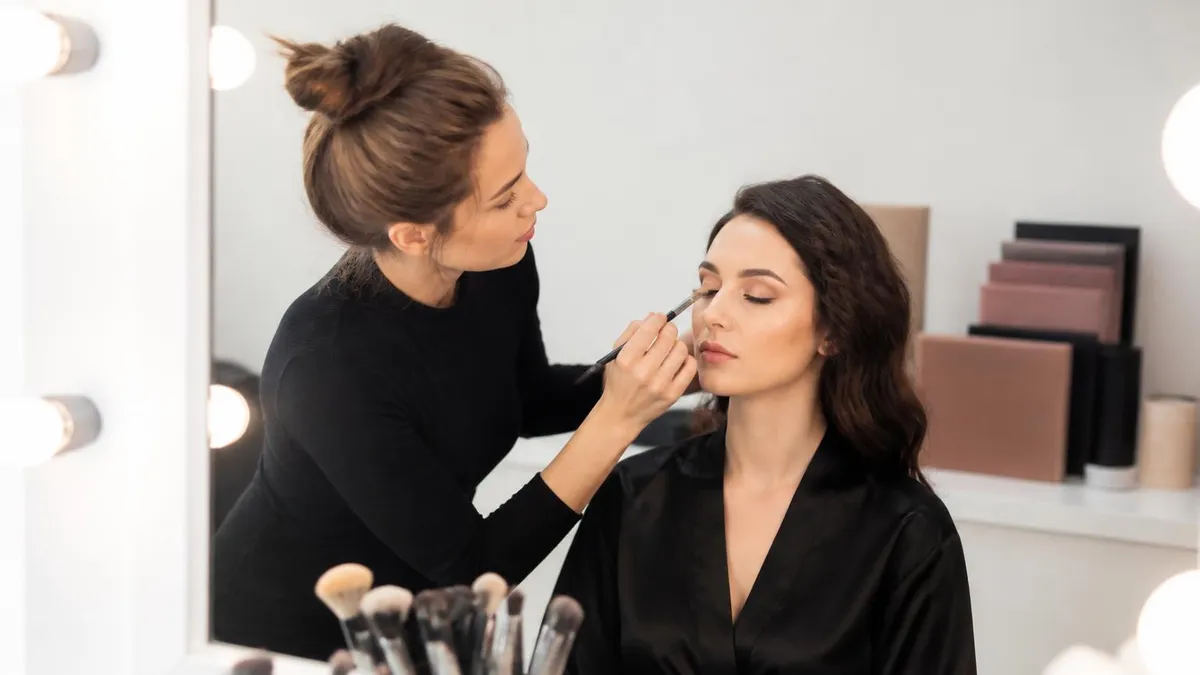
Celebrity Makeup Artist: How to Become One (2026 Career Guide)

Makeup Artist Names: Famous MUAs, Career Inspirations & How to Build Your Brand

Makeup Artist Portfolio: How to Build, Present, and Land Clients in 2026

MUA Makeup Brushes: The Complete Professional Guide to Every Brush You Need

Makeup Artist Long Island: Career Guide, Salaries & How to Get Started
About the Author
Licensed Cosmetologist & Beauty Licensing Exam Specialist
Paul Mitchell SchoolsMichelle Santos is a licensed cosmetologist with a Bachelor of Science in Esthetics and Salon Management from Paul Mitchell School. She has 16 years of salon industry experience and 8 years preparing students for state cosmetology board exams in theory, practical skills, and sanitation. She specializes in licensure preparation for cosmetologists, estheticians, and nail technicians.
Join the Discussion
Connect with other students preparing for this exam. Share tips, ask questions, and get advice from people who have been there.
View discussion (7 replies)