
Makeup Artist Near Me: How to Find (or Become) a Local MUA 2026 September
Find a makeup artist near you for weddings, prom, photo shoots, or special events. ⏳ Plus pricing, what to ask, and how to become a local MUA.
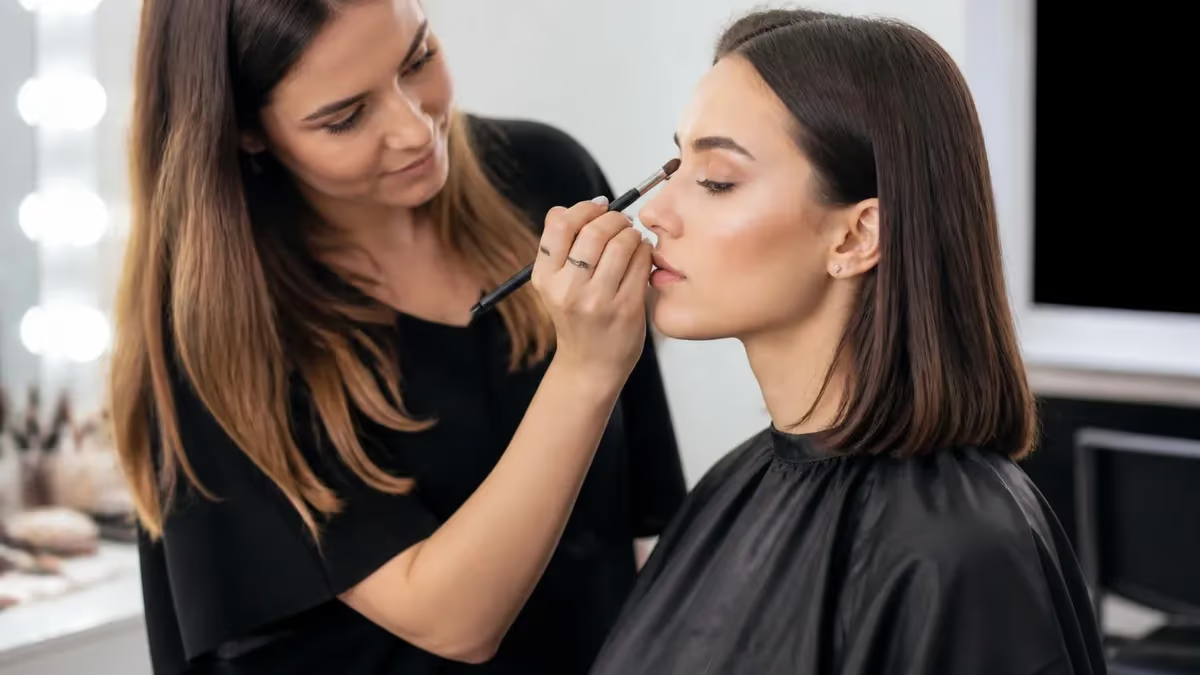
Two Sides of "Makeup Artist Near Me"
Every month, more than 35,000 people in the U.S. search for a makeup artist near them. Most are looking for someone to book for a wedding, prom, headshots, or a special event. But a sizable chunk are aspiring artists trying to figure out how to get hired in their own city. This guide answers both questions — how to find a great local MUA, and how to become one. We cover service types, real pricing ranges, where to look, what to ask, and how to build a freelance makeup business in your area.
Makeup Artist Near Me: The Complete 2026 Guide
Searching for a makeup artist near me is the most common way couples, prom-goers, photographers, and event planners find a local pro. The phrase pulls more than 35,000 monthly searches in the United States alone, and most of the people typing it have a date already on the calendar. They need someone reliable, talented, and within reasonable driving distance — fast.
The challenge is the field is fragmented. Some makeup artists work out of salons. Others freelance from home or travel to clients. A few are signed to agencies that book editorial, film, and television work. Pricing varies wildly: a bridal trial in a small Midwest town might run $75, while the same booking in Manhattan or Los Angeles can hit $350 before tip. Knowing how the local market actually works saves you money and a lot of last-minute panic.
This guide walks through both sides of the search. First, how to find a professional makeup artist near you — the platforms, the red flags, the right questions to ask. Then we flip the angle for readers who want to become a local MUA themselves. Building a freelance book of business in your hometown is one of the fastest ways into a beauty career. The path is more open than most people think.
If you are weighing the long-term career path, our breakdown of how to become a makeup artist covers training, licensing, and what to expect in your first year. For pricing and earning potential, see the full makeup artist career guide.
Why Local Matters in This Industry
Makeup is intimate work. The artist will spend two to four hours touching your face, hairline, and neck. Trust matters. So does travel time — most artists charge a fee for anything beyond a 20-mile radius, and rush-hour traffic in major metros can add $50 to $150 onto a booking.
Hiring local also means your artist understands the lighting in your venue, the humidity of your climate, and the photography style favored by area wedding planners. A New York bridal MUA shoots for sharp contour and crisp lashes that read on camera. A Phoenix artist preps for heat and uses different setting sprays. These regional habits matter more than most clients realize.
What Search Volume Tells Us About This Market
The 35,820 monthly searches for makeup artist near me hide a surprisingly varied set of needs. Some 8 percent of that volume comes from people specifically searching for a mobile makeup artist near me, signaling they want the artist to travel to their home or venue. Roughly 4 percent specify professional makeup artist near me — these clients are usually wedding parties or photo-shoot bookers who already know that hobbyist artists exist and want to skip past them.
Another important sub-segment searches for affordable makeup artist near me or cheap makeup artist near me, accounting for roughly 1,800 monthly queries combined. Those clients are price-sensitive — usually prom families or first-time event-goers — and respond best to clear pricing on your website or vendor profile. Specialty searches like permanent makeup artist, airbrush makeup artist, and special effects makeup artist near me each pull hundreds of monthly searches and represent the highest-paying niche segments of the market.
Who Needs a Local Makeup Artist
The biggest single segment of the local MUA market. Bridal bookings typically include a trial session four to eight weeks before the wedding, then the wedding-day service on location. Most brides also book one to four bridesmaids, the mother of the bride, and sometimes the groom for a touch-up. Expect a 6 a.m. to 8 a.m. start time. Travel, parking, and a hot breakfast for the artist are usually expected. Average total spend in 2026: $400 to $1,800 depending on city and party size.
5 Best Places to Find a Makeup Artist Near You
- Best for: Bridal, prom, editorial
- Search tip: #cityMUA + neighborhood tag
- What to check: Recent posts, reels, tagged clients
- Booking: DM or link-in-bio form
- Best for: Bridal and event work
- Filter by: Zip code, price tier, reviews
- What to check: Verified reviews, response rate
- Booking: In-platform quote request
- Best for: Walk-in salon services
- Filter by: Distance, rating, hours
- What to check: Photo gallery, recent reviews
- Booking: Phone or website
- Best for: High-end weddings
- Filter by: Region, aesthetic, vendor type
- What to check: Featured weddings, editorial credits
- Booking: Vendor profile inquiry
- Best for: Photo, film, editorial, commercial
- Filter by: Specialty, rate, availability
- What to check: Tear sheets, brand clients
- Booking: Agency producer or booker
How to Search Smart: The 5-Step Booking Process
The difference between a great booking and a stressful one usually comes down to how you run the search. Start eight to twelve weeks out for weddings, four weeks for prom or events, and at least two weeks for photo shoots. Last-minute bookings are possible in most metros, but you give up your pick of the top tier.
Step 1: Build a Shortlist of Five
Use Instagram first. Search a hashtag like #bostonmakeupartist or #dallasMUA, scroll the past month of posts, and save five profiles whose work matches what you want. Look at how the skin reads, how the eyes are finished, and whether the artist posts a variety of skin tones, ages, and styles.
A portfolio that only shows one type of look is a red flag if you want something different. Pay attention to how recent the posts are, too. An artist whose most recent work is six months old may have stepped away or be too booked to take new clients.
Also notice whether the artist posts behind-the-scenes content. Videos of application, station setup, and sanitation routines all signal a working pro rather than a hobbyist filling a feed with stock photos.
Step 2: Cross-Check Reviews
Pull each artist's Google Business profile, WeddingWire reviews, and Yelp page. Look for patterns — repeated mentions of being on time, calm under pressure, and lasting all day are green flags. A single bad review is not the issue; how the artist responds to it is. Defensive replies signal trouble.
Reviews that mention specific services your booking will need carry more weight than generic five-star ratings. Look for callouts about makeup lasting through outdoor humidity, color matching that worked on darker skin tones, or a calm presence on a stressful morning. Those details signal real experience.
Step 3: Send a Detailed Inquiry
Include the date, location, time of service, party size, and what you want. Generic emails get generic quotes. The clearer you are, the more accurate the price. Ask if travel and parking are included and whether a deposit is required.
For weddings, ask how many full-glam services the artist can do per hour solo — most quality MUAs cap at three to four faces in a morning before they need a second artist. Mention any specific skin concerns up front. Sensitive skin, acne, eczema, very dry skin, or known allergies are not deal breakers, but the artist needs to prep with the right products.
Step 4: Book a Trial (for Weddings Only)
Bring inspiration photos, your veil if you have it, and the foundation you normally wear. The trial is not just about the look — it is about chemistry. If the artist rushes, ignores your input, or makes you feel uncomfortable, that will not improve on the wedding morning. Reschedule with someone else. Trials run $75 to $200 and are usually credited toward the final invoice.
Take photos at the trial in three different lighting conditions — natural daylight near a window, indoor incandescent, and your phone's flash. Wedding photos are usually a mix of all three. A look that flatters in one can wash out in another, so it pays to check before the big day rather than discover the problem in a $4,000 photo gallery.
Step 5: Confirm the Contract
Always sign a written agreement. It should list the date, start time, location, services, total cost, deposit amount, cancellation policy, and travel fee. Verbal-only bookings cause problems. If you need help vetting credentials, look for artists who have completed formal training — see what topics a real makeup artist certification covers, or grab a copy of the free study reference at makeup artist practice test pdf to understand what trained artists know.
2026 Pricing Guide: What Your MUA Should Cost

Freelance MUA vs Agency Booking
- +Freelance: lower price, direct contact with your artist, flexible scheduling
- +Freelance: personalized service, often willing to travel or do home visits
- +Freelance: easier to negotiate party packages and add-on services
- +Freelance: builds long-term relationship for repeat bookings
- −Agency: higher cost but vetted talent with editorial-level portfolios
- −Agency: structured contracts, insurance, and backup artist guaranteed
- −Agency: better choice for high-stakes film, fashion, or brand shoots
- −Agency: less personal, often a booker between you and the artist
Pros and Cons at a Glance
| Pros | Cons |
|---|---|
| Freelance: lower price, direct contact with your artist, flexible scheduling | Agency: higher cost but vetted talent with editorial-level portfolios |
| Freelance: personalized service, often willing to travel or do home visits | Agency: structured contracts, insurance, and backup artist guaranteed |
| Freelance: easier to negotiate party packages and add-on services | Agency: better choice for high-stakes film, fashion, or brand shoots |
| Freelance: builds long-term relationship for repeat bookings | Agency: less personal, often a booker between you and the artist |
10 Questions to Ask Before Booking
- ✓How long have you worked as a professional makeup artist, and where did you train?
- ✓Can I see a portfolio of clients with my skin tone, age, or wedding style?
- ✓What products do you use, and are they hypoallergenic or sensitive-skin safe?
- ✓How do you sanitize brushes and tools between clients?
- ✓Do you bring your own lighting and chair, or do you use what is on site?
- ✓What is your cancellation, rescheduling, and weather policy?
- ✓How many full faces can you complete per hour solo, and when do you bring an assistant?
- ✓Is the trial fee credited toward the final invoice if I book?
- ✓What is your travel-fee structure, and what counts as outside your zone?
- ✓How long should I expect the makeup to last, and do you provide a touch-up kit?
U.S. Local Makeup Market Snapshot
How to Become a Local Makeup Artist
Flipping the search — many readers typing makeup artist near me are not looking to book. They want to BE the artist their neighbors book. Building a freelance makeup business in your own city is one of the most accessible paths into the beauty industry. You do not need a four-year degree, and you do not need to live in New York or Los Angeles. You can start while keeping your day job.
What you do need is training, a smart kit, a portfolio, and a steady plan to get in front of the people who book. Most artists who succeed locally do it through consistent output rather than one big break. They post their work weekly, network constantly with photographers and planners, and treat the first year as portfolio building rather than profit. By year two, the bookings start finding them.
Step 1: Get Trained and Certified
Some states require a cosmetology or esthetician license to apply makeup commercially — Louisiana, Nevada, and parts of Texas are the strictest. Many states regulate skin contact and sanitation rather than makeup specifically. Either way, a recognized certification adds credibility with bridal clients and photographers. Programs run from $500 weekend workshops up to $12,000 full beauty-school tracks. See our full how to become a makeup artist guide for state-by-state requirements and program comparisons.
Step 2: Build Your Kit
A working pro kit starts around $1,500 to $2,500. Prioritize foundations and concealers across at least 30 shades, a strong neutral and warm eyeshadow palette, three or four lipstick families, multiple lash styles, and quality brushes. Skip drugstore foundations — they oxidize on camera. Add a folding chair, ring light, sanitation supplies, and a clear acrylic train case. Update your kit every quarter based on what your clients book.
Step 3: Build a Portfolio Fast
You need 20 to 30 strong images before clients will pay full rate. The fastest way to build that book is to trade services with photographers and models in your city. Search TF (time-for-print) on Instagram in your metro area. Offer a free shoot in exchange for high-resolution images you can use. Aim for variety — bridal, editorial, beauty close-ups, multiple skin tones. Three solid TF days per month builds a year-one portfolio in 90 days.
Step 4: Set Up Your Online Presence
Instagram is non-negotiable. Use a business account, a clean grid, and a city-based handle (@city.makeup is taken everywhere — go more specific). Add a Google Business profile so you appear in Maps results. List on The Knot and WeddingWire (free basic tiers exist). Build a simple one-page website with pricing, gallery, and contact form. You need findable, not fancy. The MUA meaning explainer helps when clients ask about credentials.
Step 5: Network with Wedding Vendors
Photographers, wedding planners, florists, and venue coordinators refer dozens of brides per year. Build relationships with five of each in your city. Offer to do free hair-and-makeup test runs for their styled shoots — your work appears in their portfolios alongside their best photos, and they remember the favor when bookings come in. Local bridal shows, even small ones, pay back the booth fee within two or three weddings.
Step 6: Price for Your Market, Not the National Average
Look at what artists with your experience level charge in your metro. Undercutting drives down the market and trains clients to expect cheap work. Charge what your portfolio supports, raise rates 10% to 15% per year, and tier your packages — basic, premium, and luxury. Three options lets the bride feel like she is choosing rather than buying the only thing on the menu.

3 Most Profitable Local MUA Niches
- Avg per face: $200–$350
- Season: April–October
- Best lead source: Photographers, planners
- Year-2 income: $60K–$110K
- Day rate: $400–$1,200
- Season: Year-round
- Best lead source: Agencies, producers
- Year-2 income: $70K–$130K
- Per service: $300–$900
- Season: Year-round
- Best lead source: Instagram, referrals
- Year-2 income: $80K–$150K
Step 7: Specialize Once You Have Volume
By month nine or ten, look at what kinds of bookings you actually enjoy and which ones pay the most. Some artists discover they love airbrush bridal and double down. Others find a niche in BIPOC bridal makeup, transgender-affirming services, or special-effects work for local film. Specializing tightens your portfolio, attracts higher-paying clients, and lets you charge premium rates. Most six-figure local MUAs run a specialty practice, not a generalist one.
Step 8: Plan for Off-Season Cash Flow
Wedding season runs heavy from April through October in most U.S. metros. The remaining five months are slower. Smart MUAs fill the off-season with corporate headshot days, holiday-party bookings, mall-counter brand events, masterclass teaching, and pre-paid bridal trials for the following spring.
A 12-month income plan beats relying on luck. Track your bookings monthly, set a savings target during peak months, and use slow weeks to update your kit, refresh your portfolio, and rebuild your Instagram content calendar. Many artists also use the slow months to attend continuing-education workshops — airbrush certification, advanced contouring, prosthetic application — which lets them raise rates the next season and target higher-end bookings.
Step 9: Insurance, Taxes, and the Business Side
By the end of year one most working MUAs need professional liability insurance. Coverage runs $150 to $400 a year through specialty providers and protects you against claims of skin reaction or staining. Register an LLC or sole proprietorship with your state to separate personal and business income.
Track every expense in a simple spreadsheet or QuickBooks. Brushes, products, mileage, education, website hosting, and a portion of your phone bill are all deductible.
New artists often skip the bookkeeping during the busy first season and regret it at tax time. A weekly 30-minute habit beats a 40-hour March scramble. Bridal contracts, prom invoices, and TF release forms should all live in a single cloud folder, organized by year and client name, so nothing gets lost when a bride asks for a copy 18 months after the wedding.
Quarterly estimated taxes catch many first-year freelancers off guard. Set aside 25 to 30 percent of every booking in a separate account for federal and state tax. Keep digital and paper receipts for any single purchase over $75.
A bookkeeper or CPA who works with beauty professionals usually costs $400 to $800 a year and pays for itself in deductions you would otherwise miss. Bring them in by tax season of year one — late-stage cleanup costs more than ongoing bookkeeping ever does, and you do not want to spend April reconstructing receipts from a shoebox.
Your First 12 Months as a Local MUA
Months 1–2: Train and Certify
Months 2–3: Build Your Kit
Months 3–5: Portfolio Sprint
Months 4–6: Online Launch
Months 6–9: First Paid Bookings
Months 9–12: Vendor Network
MUA Questions and Answers

About the Author
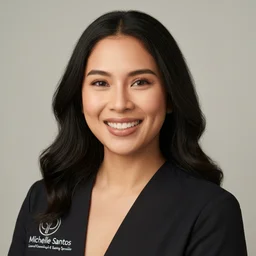
Licensed Cosmetologist & Beauty Licensing Exam Specialist
Paul Mitchell SchoolsMichelle Santos is a licensed cosmetologist with a Bachelor of Science in Esthetics and Salon Management from Paul Mitchell School. She has 16 years of salon industry experience and 8 years preparing students for state cosmetology board exams in theory, practical skills, and sanitation. She specializes in licensure preparation for cosmetologists, estheticians, and nail technicians.
Join the Discussion
Connect with other students preparing for this exam. Share tips, ask questions, and get advice from people who have been there.
View discussion (7 replies)