
Makeup Artist Portfolio: How to Build, Present, and Land Clients in 2026 September
Learn how to build a standout makeup artist portfolio, attract clients, and grow your MUA career with tips on styling, digital platforms, and branding. ❓

A strong makeup artist portfolio is the single most powerful career tool you own. Whether you are a freelance makeup artist and hair professional working bridal events or a studio-based artist chasing editorial credits, your book is what separates you from thousands of competitors. Clients and agencies judge your skill within seconds of clicking your first image, which means every photo, every look, and every caption must communicate mastery, range, and professionalism before a single word is spoken.
The makeup artist industry in the United States is more competitive than at any point in its history. According to the Bureau of Labor Statistics, there were roughly 17,500 licensed barbers, hairstylists, and cosmetologists working specifically in theatrical and performance settings as of the most recent survey cycle, and the broader personal care services sector employs hundreds of thousands more. Standing out in that landscape demands more than raw talent — it demands deliberate, strategic portfolio building that speaks directly to the clients you want to attract.
Many aspiring MUAs make the mistake of photographing every look they have ever created and dumping everything into an online gallery. That approach almost always backfires. Casting directors, wedding planners, and agency bookers spend an average of under ninety seconds reviewing a portfolio before forming a first impression. If your book is cluttered with inconsistent lighting, amateur photography, or looks that do not reflect a coherent aesthetic, decision-makers will move on before they ever reach your strongest work.
The best portfolios are curated, not comprehensive. Industry veterans consistently advise showing ten to twenty exceptional looks rather than forty mediocre ones. Each image should demonstrate something specific: your command of skin preparation, your editorial eye for color theory, your ability to execute a flawless base, or your range from natural bridal to avant-garde fantasy. The goal is not to show everything you have done — it is to prove you can do exactly what each prospective client needs.
Digital platforms have transformed how makeup artists present themselves. Instagram, an online booking platform like GigSalad, and a polished personal website now function as a three-part ecosystem. Your Instagram feed serves as a rolling portfolio that demonstrates your current work and aesthetic evolution. Your website anchors your brand with a professional bio, service menu, and downloadable rate card. A booking platform expands your local discovery reach, which is why many clients specifically search for makeup artists near me before hiring anyone.
This guide walks you through every stage of portfolio development — from your very first test shoot to pitching an editorial to a regional magazine. You will learn how to photograph your work correctly, structure your digital presence, pitch agencies and event planners, and continuously refresh your book so it never goes stale. Whether you are just finishing cosmetology school or are a working artist ready to level up, the strategies here are built around real industry standards and the expectations of actual clients who are hiring right now.
Think of your portfolio not as a finished product but as a living document that grows alongside your career. The most successful makeup artists revisit and refine their books regularly, retiring older work as stronger images replace them and deliberately adding new categories of looks when they want to attract different types of clients. That mindset — treating the portfolio as an ongoing project rather than a one-time task — is what separates artists who plateau from artists who keep climbing.
Makeup Artist Portfolio by the Numbers

Portfolio Essentials Every MUA Needs
Every image in your book must be shot under controlled lighting by a photographer who understands beauty work. Grainy phone snapshots — even of brilliant work — signal inexperience. Partner with student photographers for cost-effective test shoots that produce agency-quality images.
Show at least five distinct look categories: natural everyday, bridal, editorial, special effects or theatrical, and evening glamour. Depth within each category proves you are not a one-trick artist. Casting directors specifically look for range when evaluating commercial MUA talent.
Your portfolio must feature models across the full Fitzpatrick scale. Showing only one or two skin tones tells prospective clients you may lack the technical skill to work with everyone. Diversity also expands your marketable client base significantly across weddings, film, and events.
Consistent color grading, recurring aesthetic themes, and a recognizable editing style tell bookers what to expect when they hire you. Your portfolio should feel like a cohesive body of work, not a random collection of unrelated images from different photographers and sessions.
Each image or project entry should include the photographer's name, model credits, and the occasion or client type. Proper crediting builds industry trust, improves SEO on your website, and demonstrates the professional etiquette that separates seasoned artists from newcomers.
Photography is the foundation on which your entire makeup artist portfolio stands, and it is the area where most aspiring MUAs cut corners with costly consequences. The technical quality of your images communicates something immediate and visceral about your professional standards before a viewer has analyzed a single lash or contour line.
A slightly blurry photo, a background with distracting clutter, or inconsistent white balance across your gallery all signal that you may be casual about the details — which is exactly the opposite of what clients want from someone touching their face on their wedding day or on a film set.
When you are just starting out, the most practical path to professional-quality images is the collaborative test shoot, also called a TFP or time-for-portfolio arrangement. You contribute your makeup skills, a photographer contributes their technical expertise, and a model contributes their time — all parties receive images they can use in their own marketing materials. Finding reliable TFP collaborators is easier than ever through platforms like Model Mayhem, local photography Facebook groups, and beauty school networks. Aim for at least one structured test shoot per month when building your initial book.
Lighting is the most critical variable in beauty photography. Soft, diffused light — achieved with a large octabox or a ring light paired with a fill panel — reveals skin texture honestly and shows off your blending without harsh shadows that obscure your work. Never photograph finished looks in direct sunlight or under the yellow-tinted overhead lighting of a salon. If you cannot control the lighting environment, reschedule or reposition. One properly lit image is worth ten poorly lit ones, and sophisticated clients will notice the difference immediately.
Composition and cropping matter as much as lighting. For beauty-focused portfolio shots, the standard frame is a tight three-quarter face crop that places the eyes in the upper third of the frame. This framing keeps attention on your work — the skin, the eye makeup, the lip color — rather than on background elements. For body or costume work, full-length and mid-body shots are appropriate, but they should still use a clean, neutral, or intentionally chosen background that complements rather than competes with your artistry.
Beyond individual images, consider how your portfolio reads as a sequence. When a client scrolls through your website gallery or flips through your physical book, there should be a natural visual rhythm — perhaps alternating between warmer and cooler palettes, or between high-impact editorial looks and the kind of soft natural looks that represent your everyday commercial work. Starting with your most impressive image and ending with your second strongest ensures the viewer is hooked at the beginning and leaves with a powerful final impression.
The artist makeup artist world — the sphere of editorial, red carpet, and celebrity work — demands the highest photographic standards. If you aspire to work in that space, study the tear sheets and editorial credits of working celebrity MUAs and note how their portfolio images are consistently shot by recognizable photographers with impeccable production values. Matching those standards in your own test shoots signals to agencies and publicists that you belong in that league even before your resume can prove it.
Maintaining your portfolio requires the same discipline as building it. Set a calendar reminder every ninety days to audit your book. Remove any image that no longer represents your best work, even if it feels like a loss. Add any recent projects that demonstrate growth or new skills. An artist whose portfolio shows work from three or four years ago without recent updates signals stagnation to prospective clients, while an actively refreshed gallery demonstrates a practicing, evolving professional who is engaged with their craft.
Makeup Artists Near Me: Building a Local and Digital Presence
When potential clients search for makeup artists near me, the results they see are driven by Google Business Profile listings, local SEO signals, and review volume. Creating and fully optimizing a Google Business Profile is the single highest-leverage action you can take for local client acquisition. Fill in every field, upload portfolio images regularly, and actively request five-star reviews from every satisfied client. Artists with ten or more reviews consistently outrank those with fewer in local map pack results.
Beyond Google, registering with local wedding vendor directories like WeddingWire, The Knot, and Zola places you directly in front of brides who have already decided to hire a professional and are simply comparing options. Paid placement on these platforms typically runs between $50 and $300 per month depending on your market, but even a free listing increases your discoverability. Pair directory listings with a clear service area statement on your website so that search engines understand your geographic relevance to nearby searches.

Pros and Cons of Freelance vs. Agency-Represented Makeup Artists
- +Full creative control over the clients and projects you accept
- +Keep 100% of every client payment with no agency commission
- +Flexible scheduling that adapts to your personal and family life
- +Ability to build a deeply personal brand that reflects your aesthetic vision
- +Direct client relationships that generate powerful word-of-mouth referrals
- +Freedom to pivot into new niches like drag artist makeup or film SFX at any time
- −Sole responsibility for all marketing, accounting, and business administration
- −Income volatility, especially during seasonal slow periods in the wedding market
- −No agency network to supply leads during slow client acquisition phases
- −Must self-fund all equipment, education, and portfolio shoot costs
- −Harder to break into high-profile editorial and celebrity work without representation
- −Navigating client contracts, deposits, and disputes without institutional support
Makeup Artist Portfolio Launch Checklist
- ✓Schedule at least three TFP test shoots with professional photographers before launching your public portfolio.
- ✓Curate exactly fifteen to twenty of your strongest images across at least four distinct look categories.
- ✓Ensure your gallery includes models across at least three different skin tones on the Fitzpatrick scale.
- ✓Write a compelling 150-word bio that names your training, specialty, and the clients you serve best.
- ✓Create and fully optimize a Google Business Profile with your service area and portfolio images.
- ✓Set up a personal website with a gallery, services page, and integrated booking or inquiry form.
- ✓Post your portfolio images to Instagram with keyword-rich captions and relevant location hashtags.
- ✓Create a Pinterest profile and organize boards by look category with SEO-optimized pin descriptions.
- ✓Register a free listing on at least two local wedding vendor directories like WeddingWire or The Knot.
- ✓Establish a deposit and cancellation policy in writing and display it clearly on your booking page.
Quality Beats Quantity Every Single Time
Industry research consistently shows that casting directors and wedding planners make a hiring decision within ninety seconds of opening a portfolio. Showing fifteen exceptional, professionally photographed looks will outperform fifty inconsistent snapshots every time. Ruthlessly curate your book and retire weaker images the moment stronger ones are available — your next booking depends on it.
Pitching clients and agencies is the part of portfolio development that most makeup artists dread, but it is also where the biggest career leaps happen. A polished portfolio means nothing if the right people never see it, which means you must develop a deliberate outreach strategy that goes beyond waiting for clients to find you organically. The good news is that effective pitching in the beauty industry does not require aggressive cold-calling — it requires thoughtful, personalized contact that demonstrates you have done your research and understand what the recipient needs.
When approaching wedding planners and event coordinators, the most effective pitch is a concise email that leads with a specific compliment about their work, immediately followed by a sentence or two about the type of clients you serve, and a link to your portfolio. Keep the pitch under 150 words. Wedding planners receive dozens of vendor solicitations per week and respond best to artists who respect their time, have a clearly defined aesthetic, and can articulate in one sentence how they make the planner's job easier — usually by being reliable, communicative, and drama-free on the wedding day itself.
Editorial pitching requires a different approach. When submitting to regional magazines, lifestyle publications, or online beauty editorial platforms, you need to pitch a specific concept, not just your general services. Develop a shoot concept with a mood board, propose a team including a photographer, stylist, and model, and submit the full package to the beauty editor. Publications that accept submitted editorial work — also called styled shoots — are excellent portfolio-builders because the resulting tear sheet or web credit carries the publication's brand equity and dramatically increases your perceived credibility.
Film and television work is the most lucrative long-term career path for many makeup artists, and breaking in typically requires joining the local IATSE union or building relationships with independent film producers through film industry networking events and social platforms like Stage 32. Your portfolio for film pitches should include any theatrical or special effects work you have done, as on-set supervisors need to see that you can execute character-consistent looks across multiple shooting days under time pressure and changing lighting conditions — a very different skill set from bridal or editorial work.
Agency representation is the fastest path to consistent high-profile work, but agencies only sign artists who already have strong portfolios and some documented credits. Research the talent agencies in your city that represent makeup artists — typically the same agencies that represent hair stylists, wardrobe stylists, and photographers. Submit via their online artist submission form with your best ten images and a brief bio. Rejection is common and expected; treat agency pitching as a numbers game and resubmit with updated work every six to twelve months as your portfolio strengthens.
The makeup artist makeup artists community is also a critical networking resource. Assisting established working artists — even for free or at reduced rates — puts you on professional sets, teaches you industry workflow, and builds the mentorship relationships that generate referrals when your mentor is overbooked.
Many of the most successful freelance artists in major markets got their first agency introduction through a referral from an established artist they assisted years earlier. Invest in those relationships actively and generously. Learn more about the makeup artist makeup artists who specialize in bridal work to understand how referral networks function in that sector.
Networking in person remains irreplaceable even in the digital age. Attend beauty trade shows like IMATS or Cosmoprof, local cosmetology association events, and wedding industry bridal shows. Bring printed mini-portfolios or leave-behind cards with a QR code linking directly to your digital book. In-person connections convert to bookings at dramatically higher rates than cold email or social media outreach alone, and they position you as an active, engaged professional rather than someone who only exists online.

Before publishing any image to your portfolio, website, or social media, ensure you have written model releases from every person who appears in the photo and that you understand who holds the copyright to each image. In TFP arrangements, copyright typically belongs to the photographer by default unless a written agreement transfers usage rights. Using images without proper releases or licensing can expose you to legal liability and damage your professional reputation with the photographers and models you depend on for future collaborations.
Growing your makeup artist career beyond the first wave of bookings requires a systematic approach to skill development, niche specialization, and brand authority building. The artists who sustain long careers in this industry are not necessarily the most technically gifted — they are the ones who treat their career as a business, invest continuously in education, and position themselves as the undisputed expert in at least one clearly defined niche where they can charge premium rates and attract the clients who value their specific specialty.
Specialization is one of the most powerful growth levers available to working MUAs. A generalist artist competes with every other artist in their market on the basis of price, availability, and personality. A specialist — an artist known specifically for flawless South Asian bridal looks, or for editorial-grade drag artist makeup, or for prosthetic and special effects work — competes in a much smaller pool and can command rates two to five times higher than generalist market pricing. Identifying and deliberately cultivating a specialization should happen in the first two to three years of your working career.
Continuing education is not optional for serious career growth. The makeup industry evolves rapidly with new product formulations, application techniques, and aesthetic trends emerging every season. Investing in masterclasses from working industry professionals — not just online tutorial courses but in-person intensives with artists whose work you admire — fills technical gaps, expands your network, and gives you fresh portfolio material from the shoots that typically accompany advanced training programs. Budget between $500 and $2,000 per year for continuing education depending on your career stage.
Building authority beyond your portfolio means creating content that demonstrates expertise rather than just showcasing results. A behind-the-scenes video series on your social channels, a tutorial blog on your website, or even a podcast conversation with a fellow MUA positions you as someone with knowledge worth following rather than simply a service provider to hire. That authority compounds over time — the artist who has shared useful, free educational content for two years arrives at every pitch meeting with a pre-existing credibility that a newcomer simply cannot manufacture.
Pricing is an area where many talented artists undervalue themselves for far too long. Research going rates in your specific market by reviewing the public pricing pages of working artists in your city. Raise your rates incrementally — a ten to fifteen percent increase every twelve to eighteen months is generally well-absorbed by returning clients who have experienced your quality.
When you raise your rates, announce it with confidence rather than apology. Clients who respect your work expect your prices to reflect your growing experience and reputation, and chronically low pricing actually signals inexperience to discerning clients in the high-end market.
Consider the career trajectory of someone like lori anne allison makeup artist, whose path from working artist to industry notable demonstrates how consistent craft, personal branding, and strategic networking compound into long-term career recognition. The artists who achieve that kind of visibility do not happen accidentally — they make deliberate choices about the clients they take, the projects they pursue, and the way they present themselves and their work to the world at every career stage.
Finally, protecting your career with proper business infrastructure becomes increasingly important as your income grows. This means forming an LLC to separate personal and business liability, carrying professional liability and general liability insurance for every event or set you work on, and maintaining meticulous records of income and expenses for tax purposes. The business fundamentals that feel tedious when you are just starting out become absolutely critical when a client dispute or an accident on set could otherwise threaten everything you have built.
Practical preparation for the MUA certification exam and real-world client work begins with understanding the gap between what you learned in cosmetology school and what working professionals actually do on set and in the field. Cosmetology education provides essential technical fundamentals — sanitation standards, basic color theory, skin anatomy, tool safety — but the portfolio-building, client management, and business skills that determine career success are almost never covered in formal curriculum. Filling those gaps proactively is what separates artists who graduate and immediately thrive from those who struggle through the first few years.
Start building your portfolio during your training, not after. Many cosmetology and esthetics programs offer access to mannequin heads, willing classmates as models, and on-site photography resources. Use every practical class session as a portfolio opportunity by capturing your best work with your phone in a controlled lighting environment, even if the images are not yet professional grade. When you graduate, you will have raw material to bring to your first TFP shoot rather than starting from nothing — and you will have already developed the habit of thinking photographically about your work.
Practice tests and certification prep materials are invaluable not just for passing your licensing exam but for filling technical knowledge gaps that will come up in real client situations. The MUA certification examination covers skin anatomy and physiology, color theory principles, sanitation and infection control, makeup product chemistry, and client consultation best practices. A working knowledge of all of these domains makes you not just a better test-taker but a more confident and capable artist in every client interaction — because clients routinely ask questions about ingredients, skin sensitivity, and technique that demand informed answers.
Time management on real jobs is a skill the exam cannot fully prepare you for, but you can develop it deliberately. Practice completing full-face looks within specific time constraints — thirty minutes for a natural daytime look, forty-five minutes for evening glamour, sixty minutes for a full editorial with complex eye work. Timed practice sessions reveal your actual technical speed versus your comfortable speed, and they build the muscle memory that prevents the time overruns that damage client relationships and set reputations. Film and television departments in particular have zero tolerance for artists who regularly run behind schedule.
Sanitation and hygiene practices deserve the same performance attention as your makeup technique. Every kit should include alcohol spray, disposable applicators, a dedicated sanitation station, and a systematic protocol for cleaning tools between clients at multi-client events like bridal parties or fashion weeks. Your sanitation practices are visible to clients, event coordinators, and on-set supervisors, and they signal professionalism in a way that cosmetic skill alone cannot. One sanitation complaint can undo years of reputation-building, while artists known for immaculate hygiene practices build trust that generates repeat bookings and referrals organically.
Client consultation skills are the hidden differentiator in a saturated market. Artists who take fifteen minutes before every service to understand the client's skin concerns, aesthetic preferences, lifestyle, and the specific occasion they are preparing for deliver results that feel personal and considered rather than generic and interchangeable.
Develop a standard consultation script that you can adapt to each situation — one that covers skin type, sensitivities and allergies, reference images or inspiration, desired finish level, and how long the makeup needs to last. Documenting these notes and keeping them in a simple CRM system means returning clients always feel remembered and valued.
The long-term trajectory of a makeup artist career depends on how consistently you invest in yourself between bookings. Read industry trade publications, follow colorist and formulation science accounts on social media, experiment with new techniques on yourself and willing friends, and stay current with the product releases and applicator innovations that professional-grade suppliers introduce each season. The artists who are still thriving and growing twenty years into their careers share one common habit: they have never stopped learning, and their portfolios show it with work that always feels current rather than dated.
MUA Questions and Answers
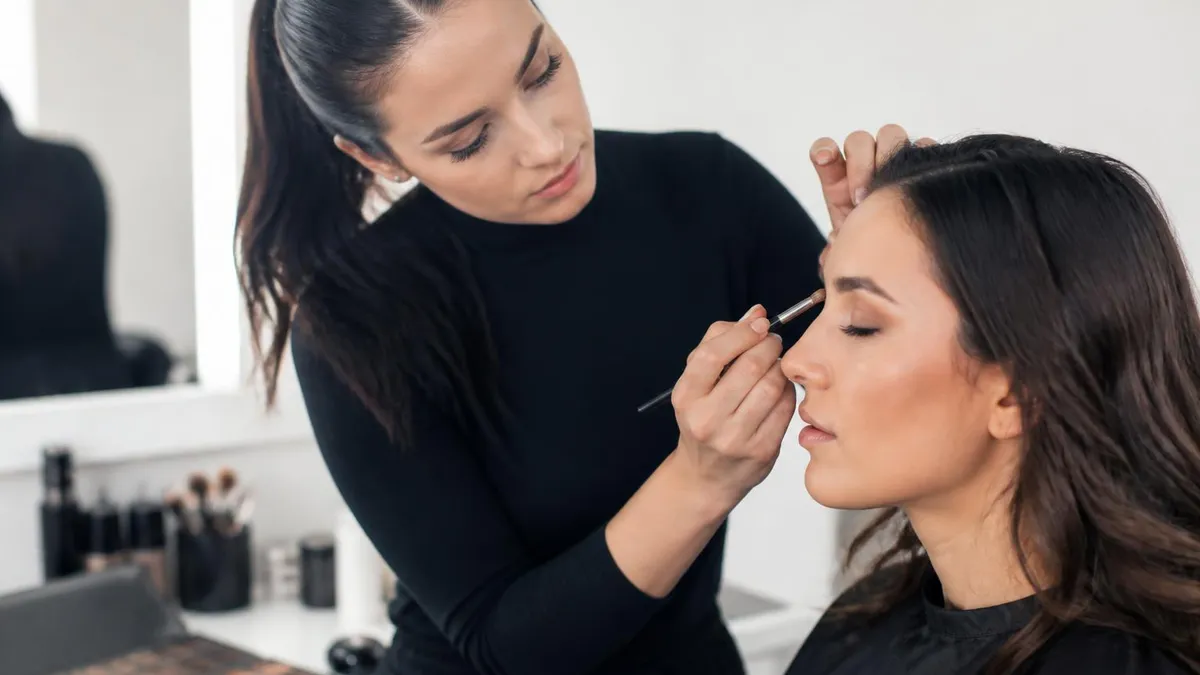
Hair & Makeup Artist: Dual-Discipline Career Guide

How to Become a Makeup Artist: Certification, Licensing & Career Path

Makeup Artist Celebrity: How Stars Get Their Red-Carpet Looks
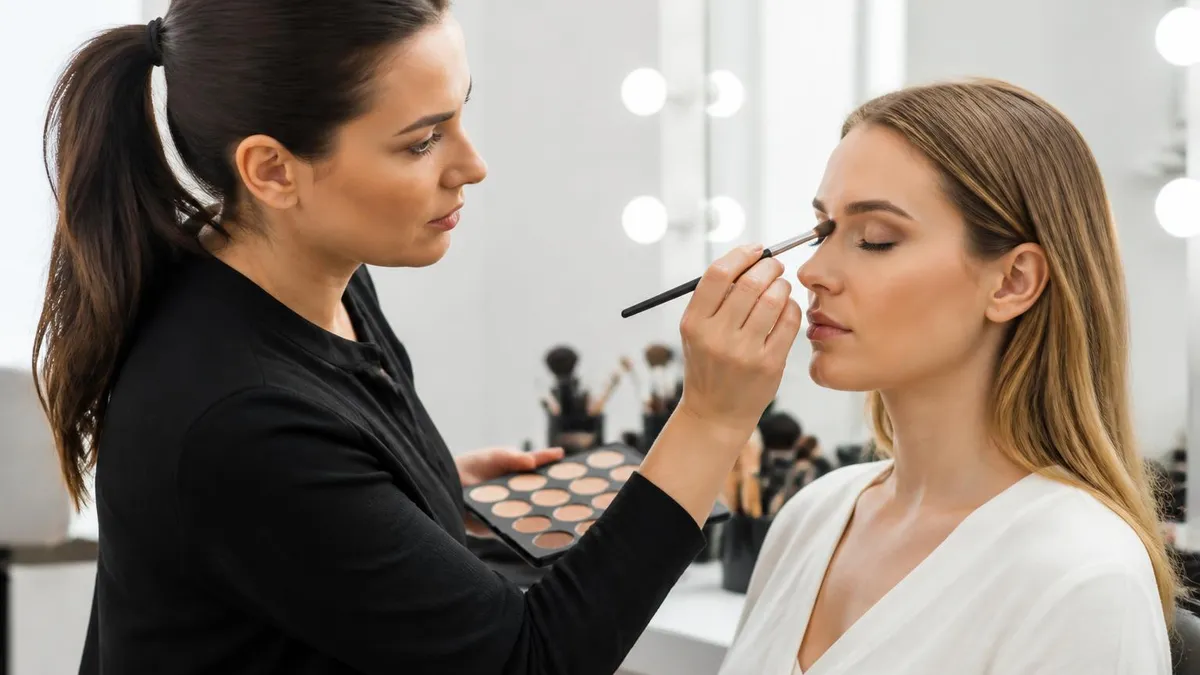
Wedding Makeup Artist 2026: Pay, Bookings, and How to Become One
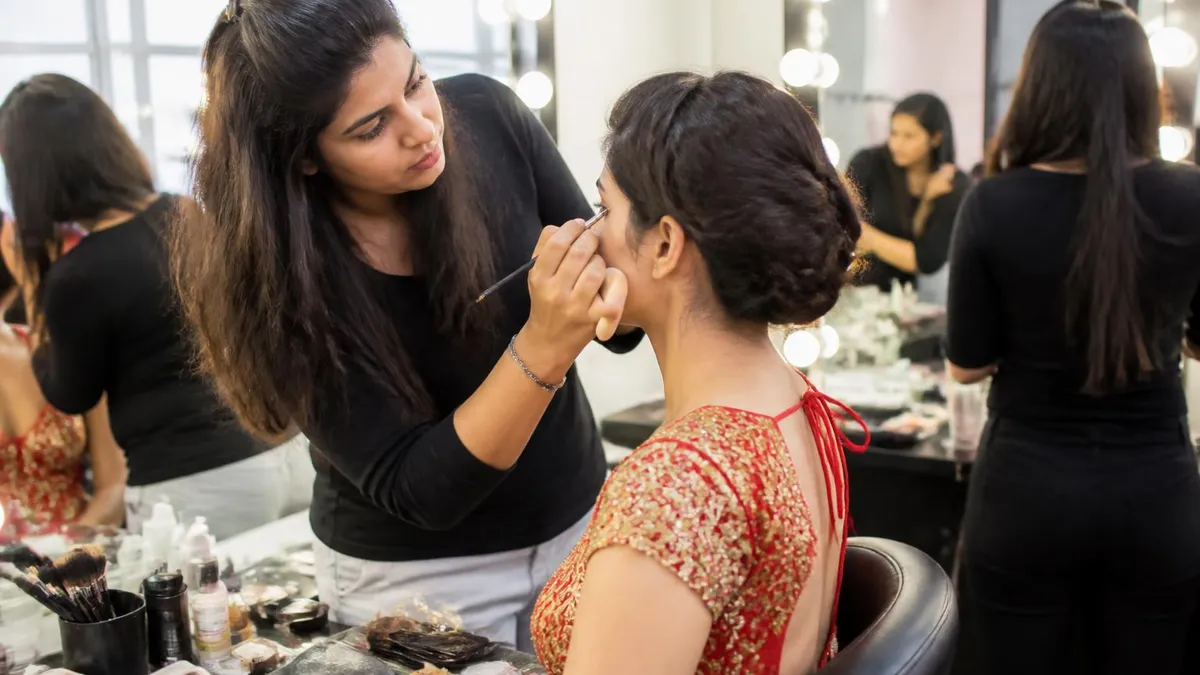
Makeup Artist Insurance: What Every MUA Needs to Know in 2026
About the Author
Licensed Cosmetologist & Beauty Licensing Exam Specialist
Paul Mitchell SchoolsMichelle Santos is a licensed cosmetologist with a Bachelor of Science in Esthetics and Salon Management from Paul Mitchell School. She has 16 years of salon industry experience and 8 years preparing students for state cosmetology board exams in theory, practical skills, and sanitation. She specializes in licensure preparation for cosmetologists, estheticians, and nail technicians.
Join the Discussion
Connect with other students preparing for this exam. Share tips, ask questions, and get advice from people who have been there.
View discussion (7 replies)