
Makeup Artist Training: How to Pick a Program in 2026 September
📝 Makeup artist training paths compared: top MUA schools, costs ($1K-$15K), esthetician licensing, short courses, and how to pick the right program.
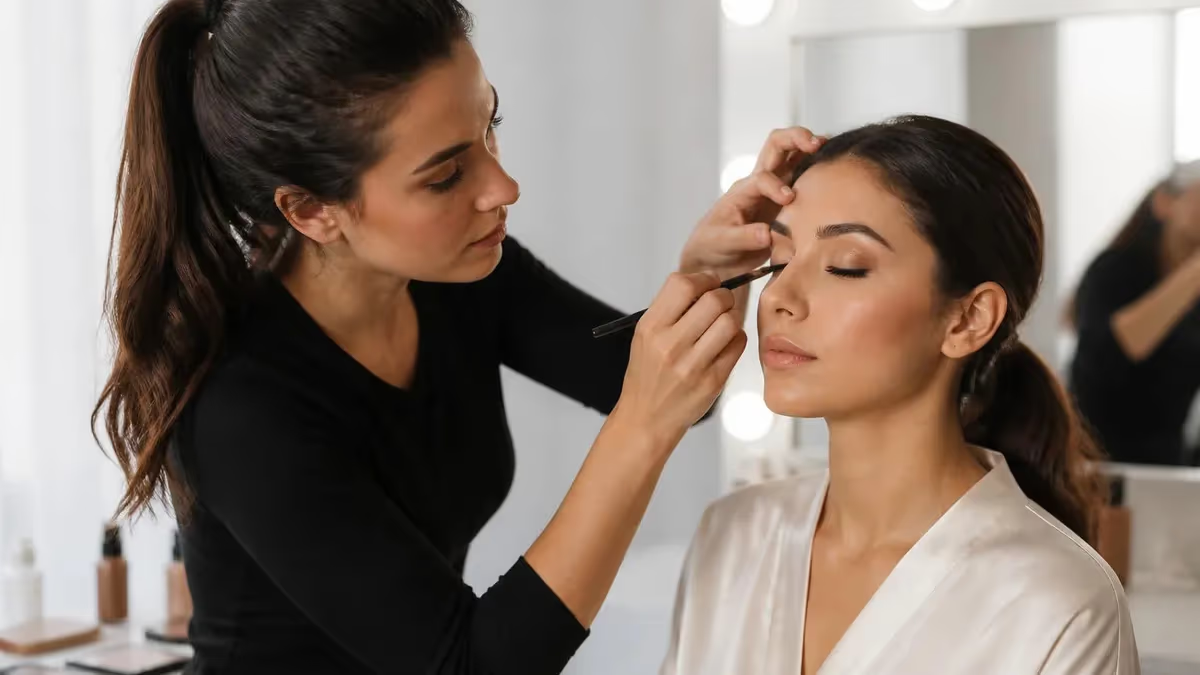
Do you actually need formal makeup artist training?
In most U.S. states, makeup artistry is not a licensed profession on its own. You can legally work without a diploma. But most paying clients, agencies, and salons want proof you've trained somewhere — whether that's an esthetician license, an MUA-specific school, or a verified portfolio built from short courses. The right path depends on what you want to do.
Skin-touching work (lash extensions, brow tinting, permanent makeup, facials before makeup) does require an esthetician or cosmetology license in CA, NY, NJ, FL, TX, and most other states. Pure surface makeup for events and film? No license needed. Pick your training to match your career goal, not the other way around.
Makeup Artist Training: How to Pick a Program in 2026
Makeup artist training is the single biggest decision a new MUA makes. It's also the one most beginners get wrong. They pay $13,000 for a cosmetology program when they only wanted to do bridal. They take a $99 online course and wonder why no agency calls back.
The training market is messy because makeup sits in a regulatory gray zone. Some states license it under esthetics. Most don't license it at all. Schools fill that vacuum with everything from $200 workshops to four-figure film programs.
Here's the honest map. There are three real training paths in the United States. The first is an esthetician license, which costs $5,000 to $15,000 and runs 600 to 1,500 hours depending on your state.
You graduate able to do skin work plus makeup, and salons hire you on day one. The second is an MUA-specific school like Make-Up Designory or MUFE Academy — four to twelve weeks, $1,000 to $11,000, no license but a strong portfolio and brand-name credibility.
The third is self-taught with paid masterclasses, somewhere between $0 and $5,000, fast for people who already paint well but slow to build trust without a school name. Each one has its own ceiling and its own audience.
None of these paths is wrong. The wrong move is picking one without thinking about who you want to bill at the end. If your dream client is a bride paying $400 for wedding-morning makeup, the esthetician route is overkill.
If you want to work on a film set in Atlanta, MUD or Cinema Makeup School is almost mandatory. And if you plan to sell airbrush services at home, a two-week intensive plus an airbrush certification is usually enough. Your training is a tool, not a trophy.
What makeup artist training actually means
The phrase covers a wide range. At the cheap end, it's a one-day Sephora Beauty Boost class for $200 — fun, but not a credential. At the high end, it's a 1,500-hour state-approved cosmetology program with a federally backed loan and a license you carry for life.
In between are dedicated MUA academies, brand certifications from MAC Pro and Bobbi Brown, and online makeup artist career launchpads through Skillshare or MasterClass. The market gives you choices at every price point and time commitment.
The training piece you cannot skip is hands-on practice. No video course teaches you the feel of correcting hyperpigmentation on mature skin, or how a contour shade reads under a 3200K tungsten on a film set. You learn that by touching faces — yours, friends, paying models.
Schools include 100 to 600 model hours. Self-taught artists spend a year doing trade-for-portfolio shoots with photographers. Either way, the hours show up in your hands before they show up in your bookings. The gap between a confident student artist and a paying-clients artist is usually six months of real faces, not one more certificate.
Three Training Paths Compared
What it is: A state-licensed cosmetology track that covers skin, makeup, and (in most states) lashes and brows. Required to legally touch skin professionally in CA, NY, NJ, FL, TX, and 40+ other states.
Hours & cost: 600 hours (Florida) to 1,500 hours (Alabama). Tuition $5,000 to $15,000. Federal financial aid usually available.
Best for: Anyone who wants a long-term salon career, intends to do lashes/brows/facials, or lives in a strict-license state.
Programs: Empire Beauty Schools, Paul Mitchell, Aveda Institute, community college cosmetology.
Top 7 makeup artist schools in the United States
School reputation matters more in makeup than in almost any other beauty field. Production designers, bridal coordinators, and agency bookers know the names. A diploma from Make-Up Designory opens doors a no-name certificate never will, even if the underlying technique is similar. Here are the seven programs that consistently produce working MUAs across bridal, editorial, film, and salon work.
Make-Up Designory (MUD) sits in Burbank and New York. The industry gold standard. Beauty Essentials runs $1,495 and four weeks; the Master Makeup Artistry program is $11,000 and 14 weeks. Graduates work on every major film lot and most national bridal markets. If you have to pick one school sight unseen, pick MUD.
MUFE Academy operates in NYC and Los Angeles. Run by Make Up For Ever, so the brand pull is enormous. Programs range from a $2,000 weekend bridal intensive to an $11,000 professional makeup program. Excellent for editorial and runway because of the brand's fashion-week ties.
Cinema Makeup School is Los Angeles-based and the SFX and film/TV specialist. $3,000 for a beauty foundation up to $15,000 for the master program. If horror, prosthetics, or character work is your goal, this is the school. Same campus has graduated artists who've worked on Marvel and AMC productions.
Empire Beauty Schools has 90+ campuses nationwide. Full cosmetology including makeup, around $13,000 for the 1,500-hour program. Federal aid, payment plans, and you graduate with a state license. Best for stable salon careers in regions with strict licensing rules.
Paul Mitchell The School is also nationwide. Cosmetology with strong makeup module. $13,000 to $22,000 depending on campus. Big alumni network and a reputation for placing graduates fast into salons and freelance bridal work.
AMTC Academy in Los Angeles is a niche hybrid: medical aesthetics plus makeup artistry. $5,000 to $15,000. Good for artists who want to work in dermatology offices or medspas alongside doing bridal weekends. The medical-grade hygiene training also transfers cleanly to film work.
Joe Blasco Makeup School sits in Hollywood and Orlando. Old-school film school, 50+ years running. $5,000 to $10,000 for full programs. Strongest reputation for character makeup and prosthetics outside Cinema Makeup. Many celebrity makeup artist hopefuls also use it for the alumni connections in Orlando theme park work and Florida film productions.
Top 5 MUA Schools Side-by-Side
- Locations: Burbank, NYC
- Cost: $1,495 – $11,000
- Length: 4 – 14 weeks
- Specialty: Beauty, bridal, film
- Aid: Pell, Sallie Mae
- Locations: NYC, Los Angeles
- Cost: $2,000 – $11,000
- Length: 2 weeks – 6 months
- Specialty: Editorial, runway
- Aid: Payment plans
- Locations: Los Angeles
- Cost: $3,000 – $15,000
- Length: 6 – 22 weeks
- Specialty: SFX, prosthetics
- Aid: Loans, GI Bill
- Locations: 90+ nationwide
- Cost: $13,000 avg
- Length: 9 – 14 months
- Specialty: Cosmetology + makeup
- Aid: Pell, federal loans
- Locations: Hollywood, Orlando
- Cost: $5,000 – $10,000
- Length: 10 – 24 weeks
- Specialty: Character, theme park
- Aid: Payment plans
What strong makeup artist training actually covers
Curricula vary wildly. A short bridal workshop covers exactly that — primer, foundation, lashes, soft glam — and skips everything else. A full master program covers a curriculum closer to medical school in breadth. When you're comparing schools, ignore the marketing and look at the syllabus. Here's what a complete program should teach.
Color theory and skin tone analysis sit at the foundation. You learn the Fitzpatrick scale, undertone identification, and how to color-correct hyperpigmentation, redness, and dark circles. Without this, every other skill is guesswork. Face shape and feature mapping comes next — contouring isn't just trendy chiseling, it's a way to balance proportion across hundreds of different faces.
Skin prep and product science teaches what primer suits oily versus dry skin, when to skip foundation entirely, and how to layer SPF without pilling. Eye work takes its own dedicated week or more: cut crease, smoky eye, halo, graphic liner, plus strip and individual lash application. Brow shaping — shaping, tinting, soap brows — is a high-revenue add-on every working MUA needs.
Bridal and special occasion is the biggest civilian market. You learn to build looks that photograph well, last 12+ hours, and survive tears and humidity. Editorial and runway sit on top of bridal — same fundamentals, more extreme execution. HD, film, and TV teach corrective work under specific lighting setups, continuity across shoots, and how to translate a director's vision into pigment.
Special effects covers prosthetics, scars, burns, bruises, aging, and character transformation. Airbrush is its own specialty — compressor settings, foundation thinning, stencil work — and worth a separate one-week course if your school doesn't cover it deeply. Sanitation and infection control sounds boring but is non-negotiable: pink eye outbreaks at weddings are real, and your liability insurance won't cover sloppy hygiene.
The business piece is where most schools fail. Pricing your work, writing contracts, handling deposits, marketing on Instagram, and managing seasonal income are skills every working MUA needs. Almost no MUA school teaches them well.
Plan to learn this from the makeup artist near me community in your local market — Facebook groups, Reddit r/MakeupArtists, and bridal industry networking events. Get on a paid mentorship with a working MUA in your city for the first 90 days after graduation. It's the fastest path to your first $3,000 month.
Online vs In-Person Training
- +Online: cheaper, often under $1,000 for a full program
- +Online: flexible scheduling for working students and parents
- +Online: access world-class instructors (Pat McGrath, Charlotte Tilbury) you'd never meet locally
- +In-person: real-time instructor feedback on your blending and color choices
- +In-person: networking with classmates who become collaborators and referrals
- +In-person: stocked kit access during training — try $80 brushes before buying
- +In-person: immersive 8-hour days build muscle memory faster than spaced video lessons
- −Online: zero hands-on feedback — bad habits go uncorrected for months
- −Online: no models provided, so you train only on yourself or family
- −Online: agency bookers and bridal coordinators rarely recognize online-only credentials
- −In-person: 5-10x the cost of equivalent online programs
- −In-person: relocation often required for top schools (MUD, Cinema Makeup in LA)
- −In-person: full-time commitment makes it hard to keep a day job
Pros and Cons at a Glance
| Pros | Cons |
|---|---|
| Online: flexible scheduling for working students and parents | Online: zero hands-on feedback — bad habits go uncorrected for months |
| Online: access world-class instructors (Pat McGrath, Charlotte Tilbury) you'd never meet locally | Online: no models provided, so you train only on yourself or family |
| In-person: real-time instructor feedback on your blending and color choices | Online: agency bookers and bridal coordinators rarely recognize online-only credentials |
| In-person: networking with classmates who become collaborators and referrals | In-person: relocation often required for top schools (MUD, Cinema Makeup in LA) |
How to choose a makeup artist training program
Picking the right program comes down to six checks. Skip any of them and you risk spending $11,000 on a credential nobody respects.
First, accreditation. For cosmetology and esthetics hybrid programs, look for NACCAS accreditation. For MUA-only schools, check regional accreditation status. At minimum, confirm that the school qualifies students for federal student loans. No federal aid eligibility usually means no real oversight.
Second, equipment access. Tour the school in person. Look at the brushes. Real artist-grade brushes feel different — denser, softer, weighted. If the school stocks drugstore brushes and dollar-store palettes, the training will be cosmetic in every sense. Top programs let you handle MAC, MUFE, Kett, and Temptu products during class.
Third, instructor portfolios. Ask to see what the instructors did last month. Working artists teach differently than career instructors. You want someone still booking weddings, still on set, still doing editorial. Their tricks come from current work, not memory. A teacher who hasn't done a wedding in five years gives you 2018 advice in 2026.
Fourth, hands-on hours. Theory is necessary but training is muscle memory. Minimum 150 hands-on hours for a short program, 400+ for a master. Anything below that and you're paying for a long YouTube playlist with snacks. Ask the admissions rep for a specific weekly schedule and count.
Fifth, job placement record. Reputable schools share their placement rate. MUD and Empire both publish numbers above 70%. If a school dodges the question, walk away. The placement office matters more than the curriculum because real bookings come from referrals you make during school.
Sixth, refund policy. Read the fine print. Many MUA schools retain 75% of tuition after the second week. If you might pull out for any reason — pregnancy, family illness, financial change — pick a school with a humane refund schedule.
State licensing rules that affect your training choice
This is where most beginners get hurt. The U.S. has no national makeup artist license, but most states do regulate any service that touches skin beyond decoration. California requires an esthetician license for lash extensions, brow tinting, and microblading.
New York and New Jersey are similar. Florida licenses estheticians and waxing techs separately. Texas requires either a cosmetology or esthetics license for salon work. The rules vary state to state and they update — check your state board directly, not Reddit.
If you only do bridal makeup at the bride's home, none of this matters in most states. But the moment you add lash extensions or any skin treatment, you need a license — and that means an esthetician program, not an MUA-only school.
Review the broader makeup artist certification landscape so you understand which credentials transfer between states. Many MUAs do their MUA training first, then add an esthetician license a year later once they know what services they want to offer.
Training Investment Numbers
Short courses and brand certifications that build credibility
If you can't commit to a full school, short courses stack into something nearly as strong. The trick is picking ones agencies and bookers actually recognize. Pat McGrath Labs runs a small masterclass series, usually $500-$2,500, and the certificate carries weight in editorial circles. Wayne Goss does periodic paid workshops focused on technique fundamentals.
MUFE Academy sells weekend modules outside its full programs — basic, bridal, advanced — for $400-$800 each. MAC Pro training is free, but you must already be a working pro with a portfolio submission to access it. Bobbi Brown and Charlotte Tilbury run brand training for retail counter staff that occasionally opens to freelancers.
Pre-launch how to become a makeup artist research will reveal which combinations of short courses cover the same ground as a full MUA program. Three masterclasses ($1,500-$2,500 total) plus 50 trade shoots equals roughly the technical foundation of MUD Beauty Essentials, at half the cost and double the time investment.
Permanent makeup training is its own world. PMU artists (microblading, lip blush, scalp micropigmentation) need 100+ hours of dedicated training, a separate license in most states, and bloodborne pathogens certification. Schools like Beau Institute, PhiAcademy, and World Microblading run $3,000-$8,000 programs. PMU is a separate career from beauty MUA work — overlap exists, but treat it as a second track if you want both.
Bridal specialty courses through Lookbook Bridal Academy, The Powder Group, or local industry pros teach the workflow specific to wedding days — timing for 6+ faces in 4 hours, hair-and-makeup combo scheduling, contracts, deposits, and the survival skills that separate booked-out MUAs from ones who book one wedding a quarter. These run $500-$1,500 and pay for themselves in two weddings.
MUA Program Enrollment Checklist
- ✓Confirm accreditation — NACCAS for cosmetology hybrids, regional accreditation for MUA-only schools. Unaccredited = no federal aid and lower hiring trust.
- ✓Check the kit policy. Real brushes, real pigments, working compressors. If the school uses drugstore products to save money, walk away.
- ✓Review instructor portfolios. You want working pros teaching, not graduates who never left the school. Ask to see their last six months of bookings.
- ✓Count actual hands-on hours — not classroom time, not theory hours. Minimum 200 hands-on for a short program, 600+ for a master.
- ✓Ask for the most recent job placement rate. Reputable schools track and share this. Anything under 60% is a red flag.
- ✓Read the refund policy carefully. Many MUA schools refund less than 50% after week two — non-trivial if life events force a withdrawal.
- ✓Confirm externship or model practice. Top schools place students with real clients in their final weeks. Without this you graduate without a real-world feel.
- ✓Apply for financial aid early — Pell grants require FAFSA submission 4-6 weeks before your start date.
- ✓Budget $500-$2,500 extra for your starter pro kit on top of tuition — schools include some products but rarely a complete working kit.
- ✓Verify your state's licensing rules for the work you want to do. Skin-touching services require esthetician licensure in most states regardless of MUA training.
Kit building and certifications you can earn during training
Your kit is your second tuition bill. Most MUA schools include a starter kit worth $300-$800, but a working pro kit costs $1,500-$5,000 to build out. Plan that into the total cost. Foundation alone — you need 18-30 shades across brands like MAC, MUFE, Fenty, and Kett — runs $400-$800. A working brush set in synthetic and natural hair adds $600-$1,200.
Disposable supplies (mascara wands, lip applicators, lash glue, sanitizing wipes) are recurring expenses, maybe $30 per booking. Setting sprays, primers, and finishing powders for different climates push another $200. Build your kit in tiers as you book paid work — don't blow $5,000 before your first client.
Certifications you can stack during training: airbrush certification through Temptu or Dinair ($300-$800, 1-2 days), lash extension certification ($500-$1,500, only useful if licensed for skin work), bloodborne pathogens certification ($25-$75 online, required for any skin-touching work), and CIDESCO for international recognition if you plan to work overseas.
The CIDESCO certification matters most for cruise ship work, luxury resort gigs, and overseas film productions. It costs roughly $1,000 plus a multi-day practical exam, and only specific schools (mostly esthetics programs) offer it. For US-only freelance work it's optional. For anyone targeting makeup artist jobs on cruise lines or international productions, CIDESCO is the credential that gets you past the application screen.
Insurance is not training but counts as part of becoming a working MUA. Liability insurance ($100-$300/year through Babtac, PPA, or Hiscox) covers you for client reactions, kit damage, and venue accidents. No serious booker hires uninsured artists, and most venues require proof. Add that into your training plan — it's a once-a-year line item but it lets you say yes to bigger work.
Makeup Artist Training Cost Tiers
Training to Working MUA — Realistic Timeline
Months 0-1: Decide path & research schools
Months 1-4: Foundation training
Months 4-8: Specialty + portfolio shoots
Months 8-10: Business setup
Months 10-14: First paying clients
Year 2: Specialization and rate increases
Year 3+: Agency representation
If the school is NACCAS-accredited, you can apply for a Pell Grant (up to $7,395/year for the 2025-26 award year, depending on family income) and federal student loans. Empire Beauty, Paul Mitchell, MUD, and Cinema Makeup all qualify. MUFE Academy uses payment plans rather than federal aid.
Industry scholarships also exist: PBA Example Scholarship (Professional Beauty Association) gives $1,000-$2,000 awards. MAC Cosmetics Diversity Scholarship funds full tuition for several MUA students per year. NCEA (National Council on Esthetic Education) awards student grants. Apply to all three — the application is the same 500-word essay.
MUA Questions and Answers
Related MUA Guides

How to Become a Makeup Artist: Certification, Licensing & Career Path
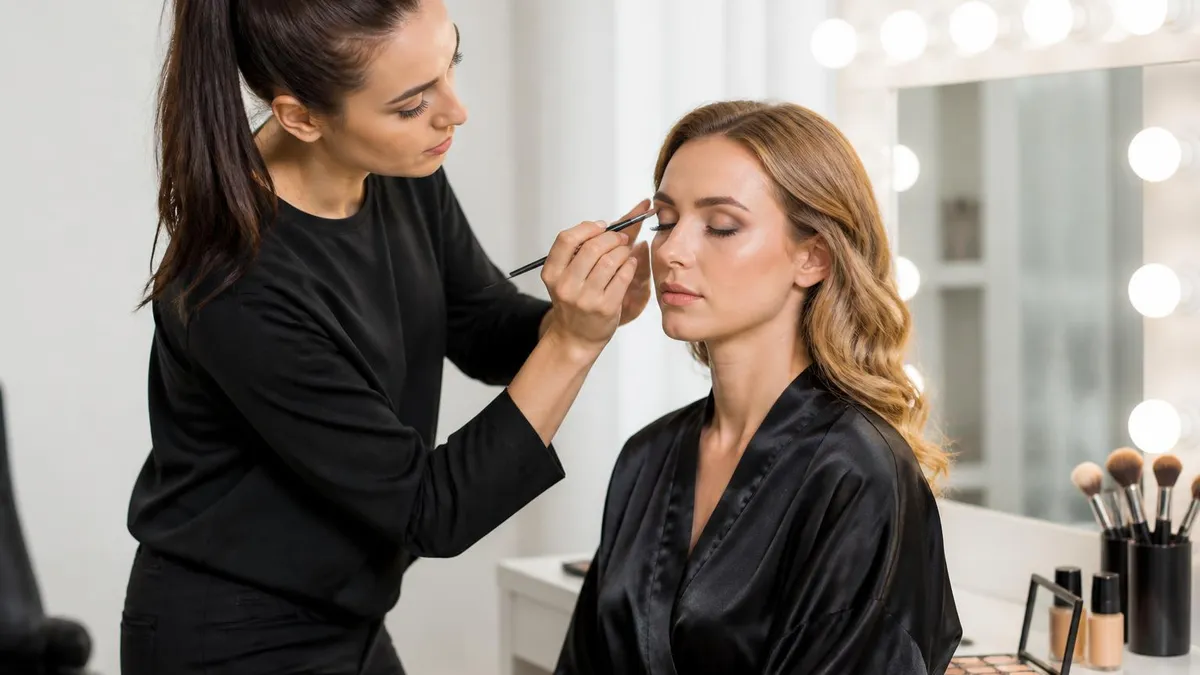
Makeup Artist Career: Salary, Jobs & How to Get Started
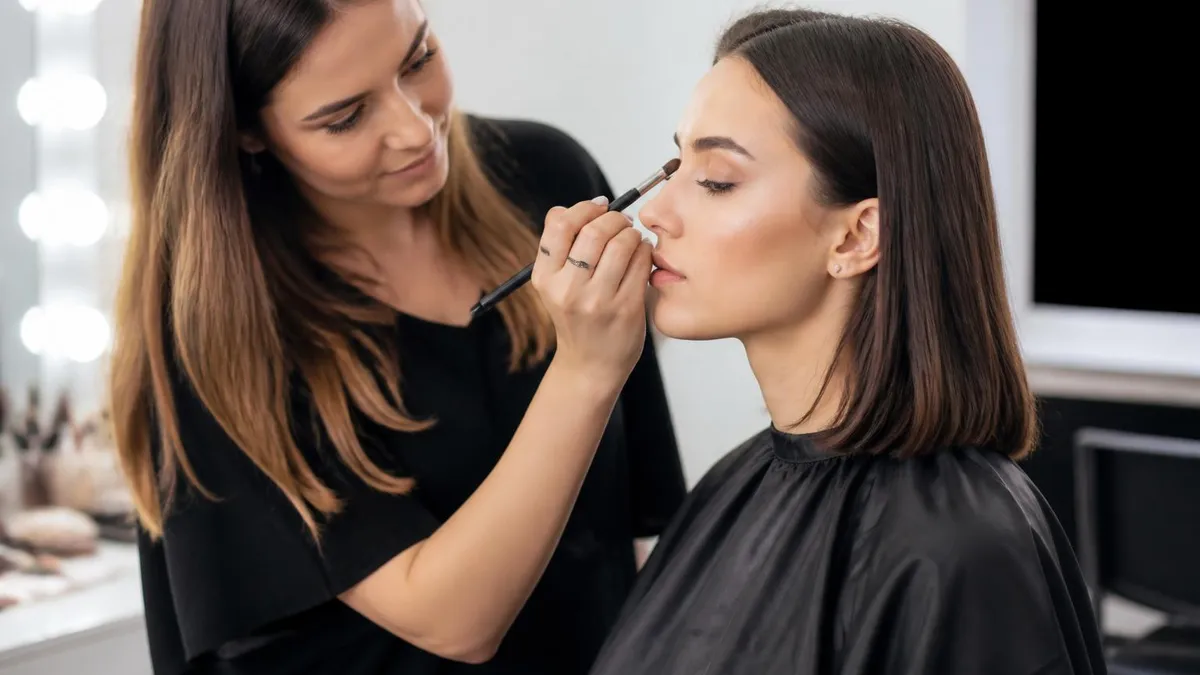
Makeup Artist Near Me: How to Find (or Become) a Local MUA
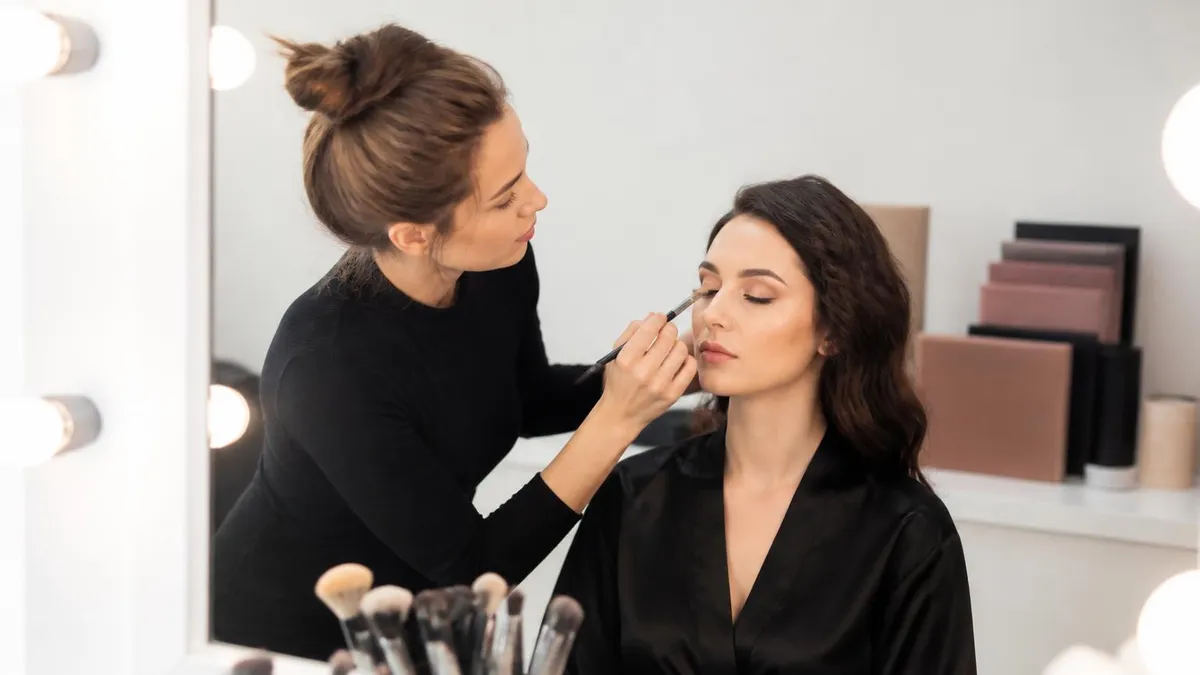
Celebrity Makeup Artist: How to Become One (2026 Career Guide)
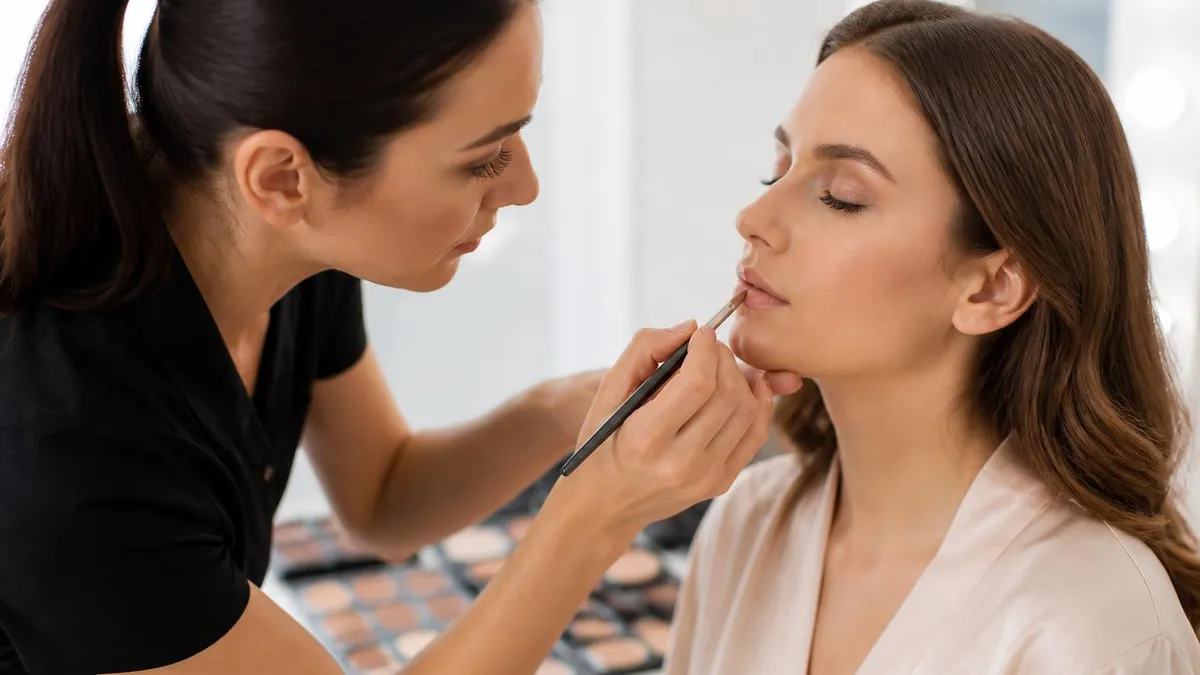
MUA Meaning: What Does MUA Stand For?
Makeup Artist Certification
About the Author
Licensed Cosmetologist & Beauty Licensing Exam Specialist
Paul Mitchell SchoolsMichelle Santos is a licensed cosmetologist with a Bachelor of Science in Esthetics and Salon Management from Paul Mitchell School. She has 16 years of salon industry experience and 8 years preparing students for state cosmetology board exams in theory, practical skills, and sanitation. She specializes in licensure preparation for cosmetologists, estheticians, and nail technicians.
Join the Discussion
Connect with other students preparing for this exam. Share tips, ask questions, and get advice from people who have been there.
View discussion (7 replies)