
Makeup Artist Names: Famous MUAs, Career Inspirations & How to Build Your Brand
Discover famous makeup artist names, career tips & how to build your MUA brand. 🎯 Real examples, salary data & free practice tests included.

When people search for makeup artist names, they are looking for more than just a list of professionals — they want inspiration, guidance, and a roadmap to understanding how the most successful artists in the industry built their reputations. The beauty industry is powered by talented individuals who have mastered both technical skill and personal branding, and studying well-known makeup artist names is one of the fastest ways to understand what excellence looks like at every level of the craft.
A makeup artist is so much more than someone who applies foundation and mascara. Whether working on a film set, in a bridal suite, on a fashion runway, or behind the chair at a local salon, makeup artists shape how people feel about themselves and how they appear to the world. The range of specializations is enormous, from editorial and high-fashion looks to theatrical prosthetics and special effects, and the most celebrated names in the field have typically found their niche and mastered it completely over years of dedicated practice.
The names you study at the beginning of your MUA career will define your aesthetic sensibilities and professional philosophy. Artists like Pat McGrath, Kevyn Aucoin, and Charlotte Tilbury did not become household names overnight — they built their legacies through relentless practice, strong client relationships, and a willingness to push creative boundaries. Understanding their journeys helps aspiring artists see that there is no single path to success, only consistent effort applied in the right direction.
One of the most fascinating stories in celebrity beauty history belongs to lori anne allison makeup artist, whose career trajectory illustrates just how deeply personal connections and raw talent can intersect in the entertainment industry. Her work opened doors that many artists only dream about, and her story demonstrates that talent combined with professional relationship-building creates opportunities that no amount of formal training alone can guarantee.
Regional markets also play a significant role in shaping a makeup artist's career and reputation. The New York metro area, Los Angeles, Chicago, and Miami each have distinct beauty cultures, client expectations, and industry networks. Artists who become recognized names in their local markets often do so by becoming the go-to expert for a specific niche — whether that is bridal makeup, editorial work, or film and television. Understanding your regional market is just as important as building a national portfolio.
Personal branding has become inseparable from professional success for makeup artists in the social media era. Instagram, YouTube, and TikTok have democratized access to global audiences, meaning a talented artist in a small city can build a following that rivals someone working in a major metropolitan market. Many of today's most influential makeup artist names built their platforms entirely through digital content, tutorials, and authentic storytelling that connected with viewers on a personal level.
Whether you are just beginning your beauty education or are already working professionally and looking to elevate your brand, understanding the landscape of well-known makeup artist names gives you a competitive edge. It shows clients that you are serious about your craft, helps you articulate your unique style compared to established influences, and provides a framework for setting professional goals that align with where you want your career to go over the next five to ten years.
Makeup Artist Industry by the Numbers

Famous Makeup Artist Names Every MUA Should Know
Widely regarded as the world's most influential makeup artist, Pat McGrath has worked with every major fashion house and launched her own cosmetics brand valued at over $1 billion. Her avant-garde editorial work set the standard for runway beauty globally.
British MUA turned beauty entrepreneur, Charlotte Tilbury built her reputation backstage at fashion weeks before launching her eponymous cosmetics line. Her philosophy of empowering women through makeup has made her one of the most recognized names in beauty worldwide.
A legendary figure in the beauty world, Kevyn Aucoin transformed makeup artistry into high art during the 1990s. His work with celebrities like Janet Jackson and Cher, combined with his bestselling books, permanently elevated the prestige of makeup artistry as a profession.
The golden age of Hollywood produced iconic studio makeup artists like Max Factor and Westmore family members, whose techniques for film lighting shaped modern beauty standards. Their innovations in foundation matching and contouring are still taught in professional MUA programs today.
Names like RuPaul and the drag performers featured on mainstream television have brought theatrical makeup techniques to a mass audience, inspiring a new generation of MUAs to explore bold color, prosthetics, and transformative artistry as viable professional specializations.
Building a recognizable name in the makeup artist industry requires far more than technical skill alone. Your professional identity — the visual style, client experience, and values you consistently communicate — is what separates you from thousands of other talented artists in a crowded marketplace. The most successful makeup artists near and far have cultivated distinct brand identities that clients can immediately recognize, whether through their social media aesthetic, their signature techniques, or the specific clientele they serve.
Your business name is often your first branding decision, and it carries significant weight. Many MUAs choose to work under their own full name, which builds personal recognition and is easy for clients to remember and search online. Others create business names that reflect their specialization or aesthetic, such as names that evoke luxury, natural beauty, or artistic creativity. Neither approach is inherently superior, but your choice should align with the type of clients you want to attract and the image you want to project in your market.
Social media presence is now a non-negotiable component of any makeup artist's professional brand. Instagram remains the primary platform for beauty professionals, with before-and-after posts, time-lapse videos, and behind-the-scenes content performing particularly well with target audiences. Building a cohesive Instagram feed with consistent lighting, color palette, and style signals professionalism to potential clients before they ever contact you. Many successful artists post three to five times per week and engage actively with their followers to build the kind of authentic community that converts to bookings.
Portfolio development should be intentional and strategic from the very beginning of your career. Every photoshoot, client session, and personal creative project you document contributes to a body of work that tells your professional story. Work with photographers who share your aesthetic vision, collaborate with hairstylists and wardrobe stylists to produce editorial content, and participate in styled shoots that align with the niches you want to attract. Quality always matters more than quantity — twenty exceptional portfolio images will serve you better than two hundred mediocre ones.
Networking within the professional beauty community accelerates name recognition in ways that solo marketing efforts cannot replicate. Connecting with other makeup artist makeup artists in your region, attending industry events, joining professional organizations like the International Make-Up Association, and participating in backstage work for fashion shows or theatre productions all introduce your name to potential collaborators and clients. These relationships often generate referrals that become the backbone of a thriving freelance business.
Client testimonials and reviews are an underutilized branding asset for many makeup artists. Encouraging satisfied clients to leave detailed reviews on Google, WeddingWire, or your professional Facebook page creates social proof that influences future clients' hiring decisions. When a bride reads about how another woman felt confident and beautiful on her wedding day because of your work, that emotional resonance is far more persuasive than any advertisement you could create. Make asking for reviews a standard part of your post-appointment follow-up process.
Pricing strategy is also a branding statement. Artists who charge premium rates signal premium value, and clients who invest significantly in their makeup experience typically have higher expectations — and become more loyal advocates when those expectations are met or exceeded. Research what established makeup artists in your market charge for comparable services, factor in your experience level and specialization, and price yourself in a way that reflects both your current value and the clientele you aspire to attract as you continue growing your career.
Makeup Artist Specializations: Which Path Is Right for You?
Bridal makeup is one of the most lucrative and in-demand specializations for makeup artists. A wedding day is the most photographed event in most people's lives, which means clients invest significantly in flawless, long-lasting looks. Successful bridal MUAs develop signature styles that photograph beautifully in natural and artificial light, build relationships with wedding planners and venues, and create seamless client experiences from the first trial appointment through the wedding day itself.
The bridal market offers consistent year-round income, with peak seasons in spring and fall. Many bridal MUAs charge between $200 and $500 for the bride alone, with additional fees for bridesmaids, mothers of the wedding party, and flower girls. Building a strong portfolio of diverse bridal looks — from classic and romantic to bold and editorial — helps attract a wider range of clients and increases your average booking value per wedding.

Freelance MUA vs. Salon-Based Makeup Artist: Which Is Better?
- +Full schedule control — choose your own clients, hours, and booking volume
- +Unlimited earning potential with no salary cap or employer restrictions
- +Freedom to develop and promote your personal brand and signature style
- +Ability to work across multiple markets, events, and specializations simultaneously
- +Direct client relationships build loyalty and high-value referral networks
- +Opportunities to pursue editorial, bridal, film, and corporate work all in one career
- −No guaranteed income — slow seasons require careful financial planning and savings
- −Responsible for all business expenses including kit supplies, insurance, and marketing
- −Must handle all administrative tasks: invoicing, contracts, taxes, and scheduling
- −Benefits like health insurance and retirement plans must be self-funded
- −Building a client base takes significant time, often 1-3 years before consistent income
- −Isolation from colleagues can be challenging without a built-in workplace community
MUA Career Launch Checklist: Steps to Build Your Name
- ✓Complete a professional MUA training program or cosmetology school curriculum accredited by your state board
- ✓Assemble a starter professional kit with quality brushes, foundations across a full shade range, and long-lasting setting products
- ✓Build a portfolio of at least 20 high-quality images showcasing diverse skin tones and makeup styles
- ✓Create and consistently update professional social media accounts on Instagram and TikTok with original content
- ✓Register your business name and obtain any required state licenses or permits for your market
- ✓Invest in professional liability insurance to protect yourself during client appointments and on-set work
- ✓Set a clear pricing structure for all services and create professional contracts for every booking
- ✓Join at least one professional organization such as the International Make-Up Association (IMA) for networking access
- ✓Seek out assistant opportunities with established MUAs to gain real-world experience and industry connections
- ✓Ask every satisfied client for a written testimonial or online review to build your social proof profile
Your Name Is Your Brand — Protect It from Day One
Before you book your first paid client, Google your intended business name to confirm it is not already in use, secure matching social media handles across all major platforms, and register your domain name. Consistency across all touchpoints — your website, Instagram, business cards, and email address — is what makes your name memorable and searchable. MUAs who establish this foundation early build brand equity much faster than those who rebrand midway through their careers.
Finding a skilled makeup artist near me is one of the most common searches performed by brides, event attendees, and beauty clients across the country, and this search behavior reveals something important: proximity and local reputation still matter enormously in the beauty industry. Even in an era of global social media reach, most clients prefer to work with a makeup artist they can meet in person, whose work they have seen on someone they know, or who comes highly recommended by a trusted local vendor like a wedding photographer or event planner.
Local SEO is therefore one of the most powerful growth strategies available to makeup artists who are building their client base. Claiming and optimizing your Google Business Profile, ensuring your address and service area are accurate, collecting reviews consistently, and appearing in local wedding and beauty directories all contribute to your visibility when potential clients search for makeup artists near me in your city or neighborhood. Artists who invest in local SEO often see dramatic increases in organic inquiry volume within three to six months.
Word-of-mouth marketing remains the single highest-converting source of new clients for most established makeup artists. When a client raves about your work at her friend's bridal shower and hands over your business card, the conversion rate of that referral is significantly higher than any paid advertisement. Building systems that encourage referrals — follow-up emails after appointments, referral discount programs, thank-you notes for clients who send new bookings — turns your satisfied client base into an active sales team working on your behalf at no additional cost.
Vendor networking is particularly valuable in the bridal and events market. Photographers, florists, event planners, and venue coordinators are constantly being asked by their clients for makeup artist recommendations, and becoming the trusted referral partner for even a handful of these vendors can generate dozens of bookings per year. Attend vendor networking events, reach out to photographers whose aesthetic aligns with yours for styled shoot collaborations, and maintain genuine relationships with the people in your vendor network through regular check-ins and reciprocal referrals.
Seasonal marketing strategies help makeup artists manage cash flow and client volume throughout the year. The spring and fall wedding seasons create natural demand spikes, while slower winter months can be filled with holiday party bookings, corporate event work, and special occasion clients celebrating New Year's Eve. Developing service packages and promotional offers specifically designed for off-peak periods ensures that your calendar stays full year-round and reduces the income volatility that challenges many freelance artists.
Online booking systems have transformed how clients discover and hire makeup artists. Platforms like StyleSeat, Vagaro, and GlossGenius allow clients to browse portfolios, read reviews, and book appointments directly without requiring back-and-forth communication. These platforms also handle payment processing and appointment reminders automatically, reducing administrative burden and no-show rates significantly. Many makeup artists report that going live on a booking platform immediately generates new inquiries from clients who would never have found them through traditional marketing alone.
Collaboration with other beauty professionals — hairstylists, estheticians, lash technicians, and nail artists — creates opportunities for cross-referrals and combined service packages that appeal to clients looking for a one-stop beauty experience. Some makeup artists and hairstylists form formal partnerships or beauty collectives where they market together, share booth rental costs at events, and refer clients to each other consistently. These collaborations accelerate name recognition in local markets far more efficiently than either artist could achieve working independently.

Licensing requirements for makeup artists differ significantly by state. Some states require a full cosmetology license (1,500+ hours of training), while others have specific esthetics or makeup-only licensing pathways, and a few states have no licensing requirement at all for standalone makeup artists. Always verify your state's specific requirements with your state board of cosmetology before beginning to work professionally, as operating without required licenses can result in fines and loss of your ability to practice.
Formal education and professional certification are the foundation upon which lasting makeup artist careers are built, and understanding your options helps you make the smartest investment in your future. The beauty education landscape includes everything from full cosmetology programs that take twelve to twenty-four months to complete, to intensive MUA-specific courses that focus exclusively on makeup application techniques and professional business skills. Each pathway has distinct advantages depending on your timeline, budget, and career goals.
State-licensed cosmetology programs provide the broadest credential, covering hair, skin, and nails in addition to makeup. Graduates are eligible to work in licensed salons and spas, which provides a stable employment option while building freelance clientele. However, cosmetology programs require a significant time investment — typically 1,000 to 1,500 hours depending on the state — and the curriculum covers many topics that are not directly relevant to makeup-focused careers. For artists who know definitively that makeup is their only interest, a specialized MUA program may be a more efficient choice.
Dedicated makeup artistry programs, offered by institutions like the Make-Up Designory (MUD), Cinema Makeup School, and numerous private beauty academies, focus entirely on the skills most relevant to working MUAs. These programs typically cover color theory, skin preparation and care, bridal and editorial techniques, theatrical and special effects makeup, business and marketing fundamentals, and building a professional portfolio. Program lengths range from a few weeks for intensive workshops to several months for comprehensive diploma courses.
Online education has expanded access to professional makeup training significantly. Many respected MUAs now offer their own online courses, and platforms like MasterClass, Udemy, and dedicated beauty education sites provide structured learning at a fraction of the cost of in-person programs. While online courses cannot replicate hands-on practice entirely, they are excellent supplements for learning color theory, product knowledge, business strategy, and inspiration from working professionals. Many successful MUAs combine online education with in-person workshops to build a well-rounded skill set.
Certification examinations, including those offered by professional organizations and some state boards, provide an objective validation of your skills that carries weight with clients and employers. Preparing for these exams requires systematic study of makeup techniques, sanitation and safety protocols, color science, skin anatomy, and professional ethics. Using practice tests and study resources designed specifically for MUA certification candidates significantly improves exam performance by familiarizing you with the question formats and content areas that assessors prioritize.
Continuing education is an ongoing professional obligation rather than a one-time event. The beauty industry evolves constantly, with new products, techniques, and trends emerging every season. Attending trade shows like Cosmoprof North America, participating in brand-sponsored training events, taking master classes from leading industry figures, and staying current with beauty publications and social media trends ensures that your skills remain competitive throughout your career. Many professional organizations require documented continuing education for credential renewal, making it a built-in accountability mechanism.
The return on investment for quality MUA education is substantial when you approach your career strategically. Artists who invest in comprehensive training, seek out mentorship from experienced professionals, and commit to ongoing skill development consistently out-earn and outbook their peers who rely on self-teaching alone. Your educational credentials are also a powerful marketing tool — clients searching for a drag artist makeup specialist or any other niche professional will feel more confident booking an artist who can demonstrate formal training and industry recognition alongside an impressive portfolio of completed work.
Practical career management separates the makeup artists who build sustainable long-term careers from those who struggle through inconsistent income and burnout. One of the most important habits to develop early is meticulous record-keeping — tracking every booking, revenue source, expense, and client interaction creates the data you need to make smart business decisions. Knowing which service types generate the most profit, which months are historically slowest, and which marketing channels produce the highest-quality leads allows you to allocate your time and money far more effectively than guessing.
Client relationship management is equally critical. Maintain detailed records of every client's skin type, preferred coverage level, favorite products, and any allergies or sensitivities. When a client returns for a second appointment and you immediately recall that she has sensitive eyes and prefers a natural finish, the experience feels personalized and professional in a way that generates loyalty and referrals. Simple CRM tools or even a well-organized spreadsheet can manage this information effectively without requiring expensive software investments in the early stages of your career.
Rate negotiation is an area where many new makeup artists undervalue themselves significantly. It is tempting to offer discounts to attract clients when you are building your portfolio, but drastically underpricing your services can create a client base that expects low rates and becomes resistant to price increases as your career progresses. A better strategy is to offer a limited number of reduced-rate portfolio sessions explicitly framed as portfolio-building opportunities, then transition immediately to your full market-rate pricing once you have sufficient work to showcase your skills confidently.
Time management on appointment days directly impacts your professional reputation and client experience. Always build buffer time between appointments to handle unexpected overruns, allow setup and breakdown, and manage travel between locations. Running behind schedule causes stress for clients — particularly brides on tight wedding day timelines — and creates a negative impression that overshadows even excellent technical work. Creating detailed day-of timelines for complex bookings like bridal parties and communicating clearly with clients about arrival times and prep requirements prevents the majority of scheduling problems before they occur.
Sanitation and hygiene standards are non-negotiable professional requirements that directly protect your clients and your business. Every brush must be cleaned between clients, single-use items like mascara wands and lip applicators must be disposed of after each use, and products that contact client skin must be managed in ways that prevent cross-contamination. Beyond being ethically essential, maintaining rigorous sanitation standards protects you from liability and demonstrates the level of professionalism that clients in premium market segments expect and actively look for when vetting potential artists.
Financial planning for a freelance makeup artist career requires treating your business income as distinct from your personal income. Open a dedicated business bank account, set aside a percentage of every payment for taxes (typically 25-30% for self-employed individuals), contribute to a retirement account consistently from the beginning of your career, and maintain a business emergency fund that covers three to six months of operating expenses. These practices protect you from the financial stress that derails many talented freelance artists who treat every dollar earned as immediately spendable personal income.
Finally, invest in your mental and physical wellbeing as seriously as you invest in your professional skills. The beauty industry can be physically demanding — long hours on your feet, carrying heavy kits, working under pressure in high-stakes environments — and emotionally taxing when managing difficult clients or navigating competitive professional relationships. Building routines that support your health, maintaining boundaries with clients around working hours and last-minute bookings, and cultivating friendships both inside and outside the industry creates the resilience you need to sustain a long, fulfilling career doing work you genuinely love.
MUA Questions and Answers
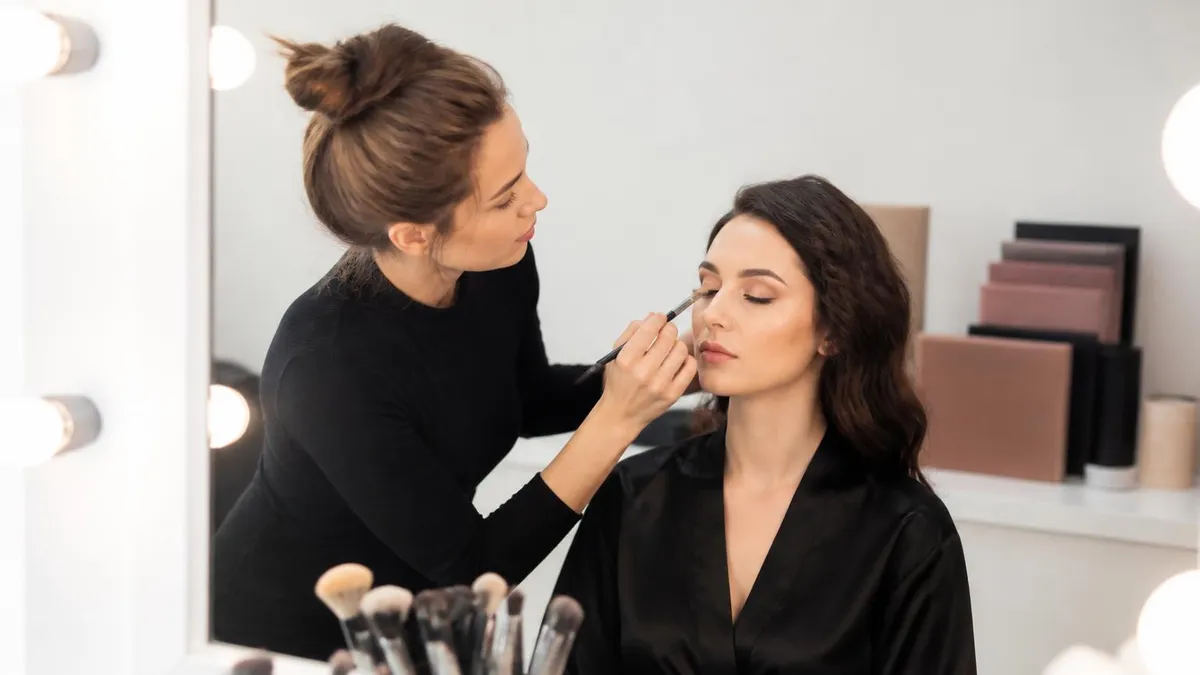
Celebrity Makeup Artist: How to Become One (2026 Career Guide)

Makeup Artist Long Island: Career Guide, Salaries & How to Get Started

Makeup Artist Courses: Complete Training Guide for Aspiring MUAs in 2026
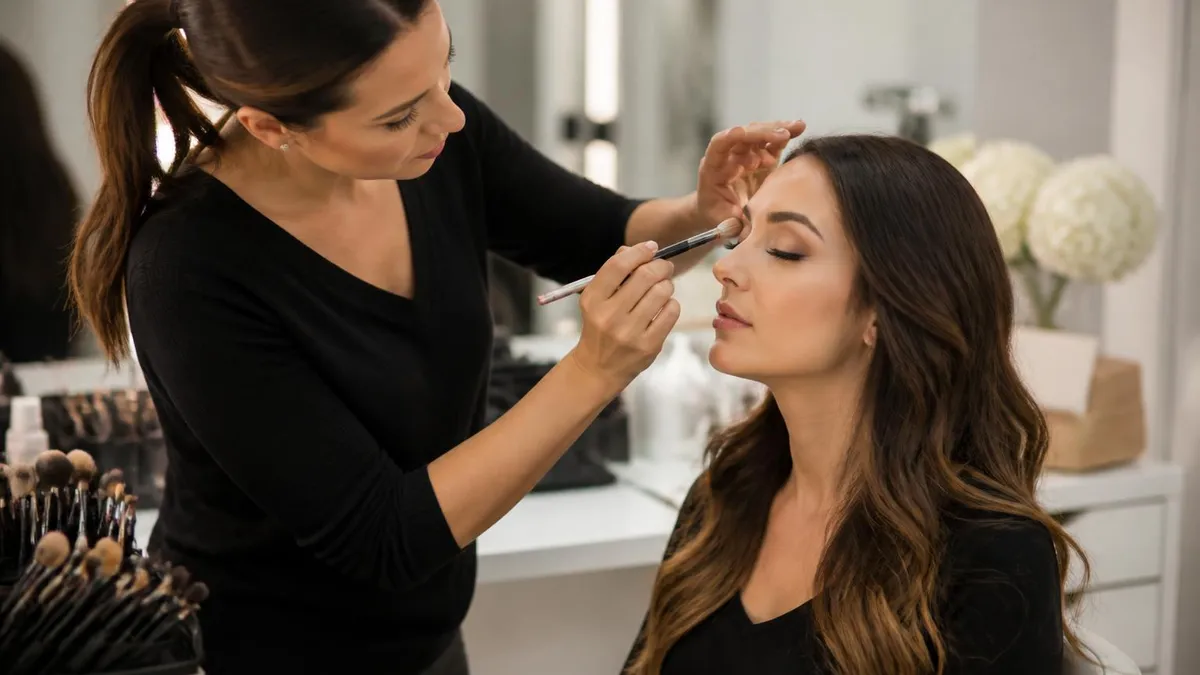
Makeup Artist Tools: The Complete Pro Kit Guide for 2026

How to Become a Makeup Artist: Certification, Licensing & Career Path
About the Author
Licensed Cosmetologist & Beauty Licensing Exam Specialist
Paul Mitchell SchoolsMichelle Santos is a licensed cosmetologist with a Bachelor of Science in Esthetics and Salon Management from Paul Mitchell School. She has 16 years of salon industry experience and 8 years preparing students for state cosmetology board exams in theory, practical skills, and sanitation. She specializes in licensure preparation for cosmetologists, estheticians, and nail technicians.
Join the Discussion
Connect with other students preparing for this exam. Share tips, ask questions, and get advice from people who have been there.
View discussion (7 replies)