
Famous Makeup Artists: Legends Who Shaped the Beauty Industry 2026
Discover the most famous makeup artists in history. 🎯 Learn their techniques, career paths, and how their work inspires MUAs today.

When you search for a makeup artist near me, you are tapping into a tradition that stretches back decades and includes some of the most creative professionals the beauty world has ever seen. A famous makeup artist does not simply apply foundation and lipstick — they transform faces, shape cultural movements, and redefine what beauty means for entire generations. Understanding who these legends are and how they built their careers can give aspiring MUAs a powerful roadmap for success in a competitive industry.
The history of the makeup artist profession is inseparable from the history of film, fashion, and popular culture. From the early days of Hollywood, when black-and-white film demanded completely different contouring techniques than color photography, to today's high-definition cameras that capture every pore, the best makeup artists have always adapted, innovated, and pushed boundaries. Their work is not incidental to a finished image — it is foundational to everything you see on screen or in a magazine spread.
Some of the most influential figures in makeup artistry began their careers in humble circumstances, working as assistants in salon backrooms or on low-budget film sets. What distinguished them was not just raw talent but an obsessive curiosity about color, pigment, skin chemistry, and the psychology of beauty. They studied faces the way painters study light, learning how bone structure changes under different conditions and how subtle shifts in color temperature can make a face look dramatically different in photographs versus real life.
The legacy of artists like Pat McGrath, Kevyn Aucoin, and Way Bandy demonstrates that mastery requires years of deliberate practice, not just innate ability. Pat McGrath began her career doing editorial work for British Vogue and eventually built a cosmetics empire valued at over one billion dollars.
Kevyn Aucoin, who died tragically young, authored three books that remain essential reading for professional MUAs. Their journeys are proof that passion, combined with rigorous training, can produce extraordinary results. For those interested in the business side of celebrity beauty work, our guide on the jane roe makeup artist career path covers the industry's inner workings in depth.
Understanding what makes a makeup artist and their craft so compelling requires looking at both the technical and artistic dimensions of the job. On the technical side, a working makeup artist must understand skin types, undertones, product chemistry, lighting physics, and camera behavior. On the artistic side, they must develop a visual vocabulary that lets them translate a director's mood board or a bride's personality into a coherent look. The best practitioners balance both dimensions effortlessly, moving between science and art with the fluency of a bilingual speaker.
The digital age has dramatically changed how famous makeup artists gain recognition. Social media platforms like Instagram and YouTube have democratized the industry, allowing talented artists who might once have labored in obscurity to build audiences of millions. Artists like NikkieTutorials and Hindash achieved global fame through tutorial videos, proving that technical skill communicated clearly and authentically can resonate with audiences worldwide without requiring access to traditional fashion industry gatekeepers.
Whether you are studying for your MUA certification, building a client roster, or simply passionate about the artistry behind great beauty work, knowing the names and techniques of history's most celebrated makeup artists gives you a competitive edge. Their innovations, from the smoky eye techniques popularized in the 1990s to today's barely-there skin-first aesthetics, form the foundation of contemporary professional practice. The study of famous MUAs is not trivia — it is the essential cultural and technical context every working artist needs.
Famous Makeup Artists by the Numbers

Iconic Makeup Artists Who Defined the Profession
Born in Northampton, England, Pat McGrath became the most influential makeup artist of her generation. Her editorial work for Vogue and runway collaborations with designers like Prada and Versace set trends adopted by millions of consumers worldwide, culminating in a billion-dollar cosmetics brand.
Kevyn Aucoin redefined what makeup artistry could achieve by demonstrating that contouring and color could completely alter the appearance of facial structure. His books, including Making Faces and Face Forward, remain essential texts for students pursuing professional certification in the field.
Winning seven Academy Awards for Best Makeup, Rick Baker set the gold standard for prosthetics and special effects artistry. His work on films like An American Werewolf in London and Ed Wood pushed the boundaries of what significant character makeup could accomplish on screen.
The name lori anne allison makeup artist carries real weight in professional circles. Known for her work with celebrities and her contributions to the editorial world, she has also been a mentor figure who helped normalize the idea that MUAs can build multi-dimensional careers.
Nars began his career in Paris before becoming a fixture of New York's fashion scene, known for his bold use of color and his ability to create looks that photographed dramatically without looking overdone in person. He later launched the NARS cosmetics brand, now carried globally.
The world of film and fashion has produced some of the most technically accomplished and artistically adventurous makeup artists in history. Understanding their contributions is not just a matter of professional respect — it is a practical education in the techniques and standards that define excellent work. When producers hire makeup artists near me for a local commercial production, they are drawing on evaluation criteria shaped by decades of work from industry legends who set the bar for what professional results look like.
In cinema, the demands placed on makeup artists are uniquely rigorous. A theatrical look must survive intense lighting, close-up camera work, and multi-hour shooting days. The pioneering work of Max Factor, who developed makeup formulations specifically for the motion picture industry in the 1910s and 1920s, solved problems that had made early film actors look ghostly or unnatural on screen. Factor's innovations in pancake makeup and color-correction products became the technical foundation on which every subsequent generation of film MUAs built their practice. His legacy endures in virtually every professional kit used today.
The relationship between makeup artist makeup artists and the fashion photography world is equally storied. Irving Penn's iconic photographs of the 1950s and 1960s featured makeup work that had to translate beautifully into black-and-white images, requiring a different understanding of contrast and tone than color work demanded. The artists who mastered this translation — creating looks that felt contemporary in print while remaining wearable and flattering in person — developed skills in tonal balancing that remain relevant in today's dual-platform world, where images must look great both on screen and in print.
The editorial world has been the proving ground for many of history's most celebrated MUAs. Working with photographers like Steven Meisel, Richard Avedon, and Mario Testino required makeup artists to bring both technical precision and genuine artistic vision to every shoot. These collaborations often lasted decades, creating distinct visual signatures that defined entire eras of fashion imagery.
The images produced in these partnerships continue to appear in style curricula and serve as reference points for contemporary artists developing their visual vocabulary. For those looking to develop their own signature style in film and entertainment, our comprehensive resource on makeup artist makeup covers the industry specifics in actionable detail.
Bridal and special occasion makeup represents a different but equally demanding professional specialty. The expectation that makeup artist wedding makeup will last for twelve or more hours across dramatically different lighting conditions — from outdoor golden hour photography to indoor reception lighting to night photography — requires a mastery of product layering, setting techniques, and skin preparation that rivals anything demanded by film or fashion work. The famous bridal MUAs who built strong reputations in this specialty, including Hung Vanngo and Sir John, often got their start in editorial work before pivoting to high-demand wedding clients.
The drag community has also produced some of the most technically inventive makeup artists working today. Drag artist makeup requires skills that few other specialties demand: the ability to completely alter the apparent shape of the face using contouring, highlight, and strategic color placement; the ability to work with theatrical products that must survive performance conditions including heat, sweat, and stage lighting; and the artistic vision to create characters that read clearly from a distance while holding up to close scrutiny.
Artists like Kim Chi, Aquaria, and Alaska have demonstrated that drag makeup techniques, once dismissed as niche, are actually at the cutting edge of professional practice.
The influence of famous MUAs on consumer beauty trends is impossible to overstate. When a celebrity makeup artist creates a signature look for a major awards show, the techniques used — whether a specific contouring method, an unusual color combination, or an innovative approach to eye definition — filter down to consumer products within months.
Brands study editorial and red carpet looks carefully, translating them into accessible products for the mass market. This cycle of inspiration, from the professional artist's kit to the drugstore shelf, means that the work of famous MUAs touches the daily beauty routines of millions of people who may never have heard their names.
Signature Techniques of Famous Makeup Artists
Contouring as a high-art technique was popularized by artists like Kevyn Aucoin, who demonstrated in his landmark books that strategic placement of light and shadow could completely reshape the apparent structure of any face. His work with celebrities like Cher and Cate Blanchett showed that skilled contouring was not about adding darkness arbitrarily but about understanding how light interacts with three-dimensional facial planes and recreating that logic with makeup.
Today's contouring techniques build on Aucoin's foundation while incorporating developments in product technology. Modern cream contour products blend more seamlessly than the powders available in earlier decades, and setting sprays allow sculpted looks to survive the shooting conditions that would have smudged earlier formulations. Understanding the history behind these techniques helps contemporary MUAs use them with intentionality rather than following trends blindly.
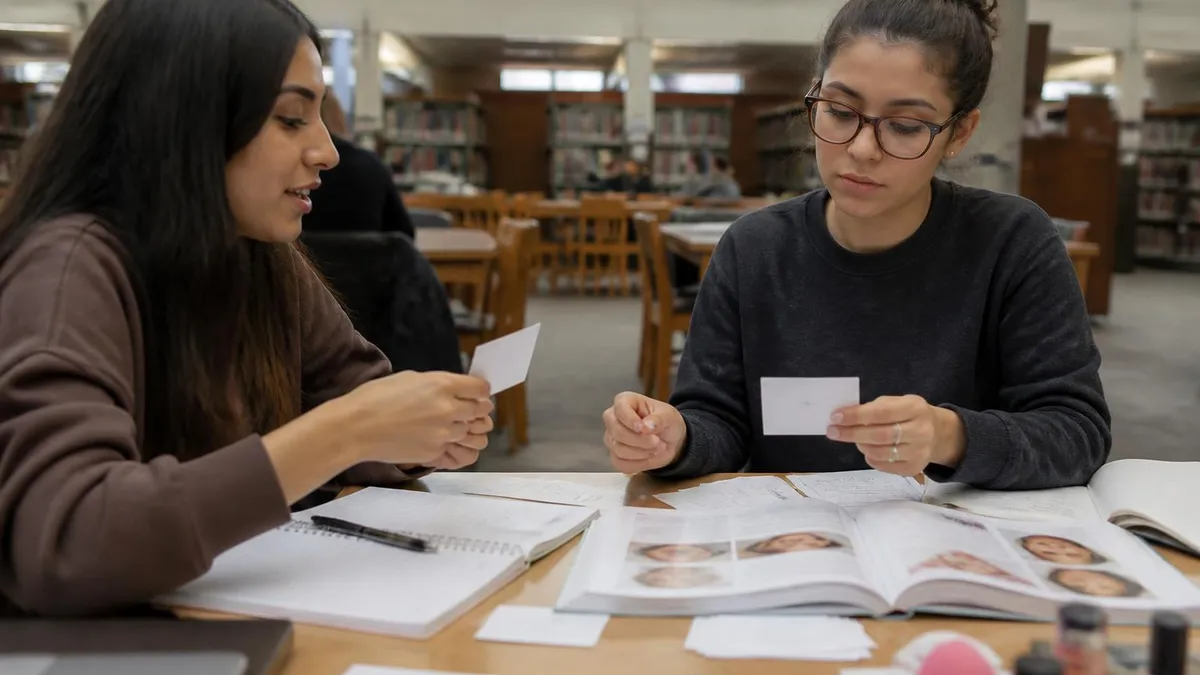
Is a Career as a Professional Makeup Artist Right for You?
- +Creative freedom to express artistic vision across diverse projects and clients
- +Flexible scheduling that allows for freelance work alongside full-time employment
- +Strong demand for skilled artists in bridal, film, editorial, and commercial sectors
- +Opportunity to build a personal brand that can evolve into a product or education business
- +Direct emotional impact on clients who feel transformed and confident after a session
- +Continuous learning as new products, techniques, and trends keep the work intellectually engaging
- −Income can be inconsistent, especially in early career stages before a stable client base is established
- −Physical demands including long standing hours, repetitive motions, and exposure to chemical products
- −Highly competitive market requiring ongoing investment in training, products, and portfolio development
- −Client relationship management can be stressful, particularly in high-stakes settings like weddings
- −Keeping kit products current requires significant ongoing financial investment as formulas change
- −Irregular hours including early mornings, late nights, and weekend work are common in most specialties
Skills That Made Famous Makeup Artists Great — Build Yours Now
- ✓Study color theory formally, including the Munsell system and how undertones behave across different skin tones.
- ✓Practice contouring techniques on at least twenty different face shapes before considering yourself proficient.
- ✓Learn the history of film makeup from the silent era through today to understand why current techniques exist.
- ✓Build a kit that includes both drugstore and professional-grade products so you can work within any budget.
- ✓Study at least five famous MUAs in depth, reading interviews to understand how they developed their philosophy.
- ✓Photograph your work consistently under varied lighting conditions to understand how products translate to camera.
- ✓Develop a strong client consultation process that captures mood, occasion, and personal style preferences clearly.
- ✓Practice sanitation and hygiene protocols until they are completely automatic and require no conscious effort.
- ✓Invest in formal continuing education through workshops, masterclasses, and accredited certification programs.
- ✓Create a portfolio that documents your range across different skin tones, occasions, and aesthetic styles.
Mastery Is a Practice, Not a Destination
Every famous makeup artist interviewed about their career mentions that they never stopped learning. Pat McGrath continues to experiment with new pigment technologies. Rick Baker spent decades refining prosthetic application methods even after winning multiple Academy Awards. The willingness to remain a student — regardless of how much recognition you have achieved — is the single trait that most consistently distinguishes legendary MUAs from merely competent ones.
Learning from the greatest makeup artists in history is not a passive exercise in admiration — it is an active process of extracting transferable lessons and applying them to your own developing practice. Every famous MUA built their skills through a combination of formal training, mentorship, obsessive self-study, and sheer volume of practice hours. When you examine their careers closely, patterns emerge that are deeply instructive for any artist at any stage of their development.
The first lesson that virtually every famous MUA's career teaches is the irreplaceable value of assisting. Before Pat McGrath became an icon, she spent years watching and learning in professional settings. Before Gucci Westman became one of fashion's most sought-after artists — a figure so influential that her career is profiled in resources like our guide to gucci westman makeup artist industry positioning — she built her technical foundation through systematic observation of how the best working artists handled the practical challenges of their craft. Assisting is not just about tasks; it is about immersion in professional standards.
The second major lesson is the power of specialization combined with cross-disciplinary curiosity. The most famous makeup artists developed deep expertise in one area — editorial, film, bridal, special effects — while maintaining genuine curiosity about techniques from adjacent specialties. Rick Baker's film prosthetics work was informed by his deep knowledge of fine art sculpture. Kevyn Aucoin's editorial contouring was influenced by his study of classical portrait painting. This cross-pollination of influences produced creative approaches that competitors who stayed rigidly within their specialty could not replicate.
Documentation and self-critique are habits shared by essentially every successful professional MUA. Kevyn Aucoin photographed virtually every look he created and reviewed those images critically, noting what had worked and what he would do differently. This discipline of systematic self-assessment accelerates skill development far more efficiently than simply accumulating hours of work. It creates a feedback loop that identifies patterns in both successes and failures, giving the artist increasingly precise control over outcomes. Contemporary MUAs can build this same practice using smartphone photography and detailed notes after each session.
The relationship between famous MUAs and the brands that supply their tools is another instructive dimension of their careers. Many of the most celebrated artists — including François Nars, Bobbi Brown, Charlotte Tilbury, and Laura Mercier — eventually launched their own cosmetics lines. This trajectory was not accidental. Each of these artists spent years working at the highest professional level, developing deep technical insight into the performance gaps in existing products. When they brought their own products to market, they were solving specific problems they had encountered professionally, which gave their brands immediate credibility and utility with professional users.
The mentorship traditions of famous makeup artists deserve particular attention from anyone trying to build a serious career. In an industry that can feel highly competitive and gatekept, the most celebrated artists have often been notably generous with knowledge sharing. Kevyn Aucoin's books were explicitly designed to democratize advanced makeup techniques that had previously been accessible only to professionals with access to expensive training. Pat McGrath has consistently mentored emerging artists and used her platform to bring attention to underrepresented talent. This generosity is not incidental to their legacies — it is central to them.
Contemporary digital platforms have created new pathways for MUAs to build fame and influence that did not exist when the previous generation of legends was establishing their careers. NikkieTutorials, who came out as transgender in a widely viewed YouTube video, demonstrated that personal authenticity combined with extraordinary technical skill could build an audience of tens of millions.
Her success challenged assumptions about what kind of platform could generate professional-level industry influence and opened doors for a new generation of artists who might not have had access to traditional fashion industry entry points. The lesson for today's aspiring MUA is clear: technical excellence, genuine voice, and consistent documentation of your work can build a career on new terms.

While many famous makeup artists built careers before formal certification programs existed, today's competitive market rewards credentials. MUA certification programs teach the same foundational techniques the legends mastered through years of trial and error, compressing that learning into structured curricula. Earning certification not only validates your skills to clients — it signals to industry professionals that you have committed to rigorous professional standards.
Building your own legacy as a makeup artist requires understanding both where the industry has been and where it is going. The most celebrated MUAs of the past fifty years did not simply master the techniques of their era — they anticipated what was coming next and positioned themselves to lead rather than follow. For contemporary artists, that means developing fluency in both analog craft skills and digital tools, building audiences across multiple platforms, and approaching the business dimensions of the career with the same seriousness they bring to the creative work.
Portfolio development is one of the most concrete steps any aspiring professional can take toward building the kind of reputation that the famous MUAs built through decades of work. A strong portfolio communicates range, technical proficiency, and artistic vision in ways that no verbal description can match.
It should include work across different skin tones, different occasions, and different aesthetic styles, demonstrating that you can execute excellent results for a diverse clientele rather than a narrow demographic. Our detailed resource on how to build and present a makeup artist for bride portfolio covers the specifics of what strong books include and how to present them effectively to potential clients and employers.
The business dimensions of a successful MUA career are areas where many technically talented artists struggle. Famous makeup artists who built durable careers — as opposed to those who achieved brief recognition before fading from prominence — typically developed strong business instincts alongside their creative skills. They understood how to price their services appropriately, how to manage client relationships professionally, how to build referral networks, and how to use media attention to create sustainable income streams. These skills are teachable, and investing in learning them early pays dividends throughout an entire career.
Social media strategy has become an essential professional competency for contemporary MUAs in a way that would have been inconceivable to earlier generations. Understanding how to photograph your work consistently, how to write captions that engage your target audience, how to use hashtags strategically, and how to build genuine community rather than just accumulating passive followers requires both creativity and analytical thinking. The MUAs who have built the most successful digital presences approach their social media with the same intentionality they bring to client work — planning content, reviewing analytics, and continuously refining their approach based on what resonates.
Continuing education is a commitment that the most respected professional makeup artists maintain throughout their entire careers. The beauty industry evolves rapidly, with new products, formulations, and techniques emerging constantly. An MUA who stops actively learning quickly finds their skill set becoming dated, regardless of how impressive their early work was. The legendary artists who have remained influential for decades — Pat McGrath, Charlotte Tilbury, Bobbi Brown — have all maintained visible commitments to staying current with industry developments while continuing to deepen their understanding of the foundational principles that underpin all excellent makeup work.
Networking within the professional makeup community is another dimension of career building that famous MUAs consistently cite as instrumental to their success. The relationships formed early in a career — with photographers, stylists, designers, and other MUAs — often turn into long-term creative partnerships that define an artist's trajectory. Being known as someone who is collaborative, reliable, professional, and generous with knowledge creates a reputation that attracts opportunities. Conversely, artists who approach their colleagues with excessive competitiveness or who fail to maintain professional standards in their interpersonal conduct often find their career mobility limited regardless of their technical skill level.
The most enduring lesson that the history of famous makeup artists offers is that extraordinary careers are built on a foundation of values, not just techniques. Curiosity, generosity, discipline, adaptability, and genuine respect for clients and colleagues — these qualities appear in the biographies of virtually every MUA who achieved lasting influence. Techniques change, products evolve, and platforms come and go, but the professional values that make someone genuinely excellent at their craft remain constant across generations. That is the true inheritance that the legends of makeup artistry leave for those who study their lives seriously.
Practical career development as a makeup artist begins long before you have a full professional portfolio or a steady client base. The habits and systems you establish in the earliest stages of your training will either accelerate your development significantly or create patterns that limit your growth for years. Famous MUAs consistently emphasize that what you do in your first two years — how seriously you approach practice, how carefully you study finished work, how professionally you handle early client interactions — sets the trajectory for everything that follows.
One of the most practical things aspiring MUAs can do is to build a consistent daily practice of studying faces. This means not just looking at makeup looks on social media and Pinterest boards, but studying the underlying facial anatomy, understanding how light falls differently across different bone structures, and developing a vocabulary for describing what you observe.
Carry a small notebook and sketch faces during your commute. Pull reference images from fashion archives and analyze the makeup choices made — not just the finished effect but the likely technique that produced it. This kind of active visual analysis builds the perceptual skills that separate good makeup artists from great ones.
Product knowledge is another area where deliberate study pays enormous dividends. Every famous MUA has a deep understanding of how different product formulations behave on different skin types. They know which foundations will oxidize and why, which powders will cause flashback in photography, which setting sprays are compatible with which primer formulations, and how humidity affects product longevity.
Building this knowledge requires systematic testing rather than just accumulating products. When you try a new product, document your observations precisely: how does it apply, how does it blend, how does it look after two hours, how does it photograph? Over time, these notes become an invaluable personal reference.
Client consultation skills are among the most practically important competencies a working makeup artist can develop, yet they receive far less attention in most training programs than technical application skills. The ability to conduct a consultation that uncovers what a client truly wants — which is often different from what they say they want — and then translate that understanding into a specific look, is a skill that requires practice and refinement.
Study communication and active listening techniques. Practice reflecting back what clients tell you to confirm understanding. Learn how to show clients reference images that establish realistic expectations for what makeup can and cannot achieve for their specific features.
Hygiene and sanitation practices are not glamorous topics, but they are absolutely foundational to professional credibility and client safety. Famous makeup artists working in professional environments — film sets, fashion shows, high-end bridal suites — maintain impeccable sanitation standards because the consequences of lax practice include not just professional embarrassment but genuine health risks for clients.
Build rigorous sanitation habits now: sanitize brushes between clients, never double-dip into product containers, use disposable applicators for all lip and eye products, and maintain a clean and organized kit at all times. These practices should feel as natural as breathing by the time you have your first professional client.
Time management is another skill that separates working professionals from hobbyists. On a film set or at a bridal suite with multiple clients, your ability to complete high-quality work within strict time constraints is directly tied to your professional value. Practice timing your work carefully. Understand exactly how long each step of your process takes and where the natural pauses occur.
Learn which products require drying time and how to use those pauses productively. The MUAs who get called back for repeat professional work are almost always the ones who consistently deliver excellent results on schedule — talent without time management rarely translates into a durable career.
Finally, invest in understanding the certification landscape for professional makeup artists. While the famous MUAs of previous generations often built careers before formal certification programs existed, today's competitive market increasingly rewards artists who hold recognized credentials. Certification programs teach foundational skills systematically, cover industry-standard hygiene and safety practices, and provide recognized credentials that signal professional commitment to potential clients and employers. The practice tests and study materials available through platforms like PracticeTestGeeks are specifically designed to help you prepare for these certifications efficiently, turning your existing knowledge into certified professional status.
MUA Questions and Answers
Celebrity Makeup Artist: How to Become One (2026 Career Guide)

Makeup Artist for Film: How to Break Into the Industry and Build a Career

Makeup Artist Names: Famous MUAs, Career Inspirations & How to Build Your Brand

Makeup Artist Portfolio: How to Build, Present, and Land Clients in 2026
Hair & Makeup Artist: Dual-Discipline Career Guide
How this page was made: written with AI tools. We have not yet matched this exam's facts to an official source, so confirm fees, dates and rules with the exam body. Not reviewed by a subject-matter expert. Editorial policy