
What Do I Need to Be a Makeup Artist: The Complete Training & Career Guide
What do I need to be a makeup artist? 🎯 Discover training, licenses, tools & career steps to launch your MUA career in the US.

If you have ever typed "what do I need to be a makeup artist" into a search bar at midnight, you are not alone. Thousands of aspiring artists ask this exact question every month, and the honest answer is more structured than most people expect.
Becoming a professional makeup artist in the United States requires a combination of formal training, practical skill-building, a solid kit of professional tools, and in many states, a valid cosmetology or esthetics license. The path is achievable, but knowing the roadmap from day one saves you months of guesswork and hundreds of dollars in avoidable mistakes.
The makeup industry is remarkably broad. A single career title — makeup artist — can describe someone doing bridal trials in a studio, a department store beauty counter specialist, a key makeup artist on a Hollywood film set, a drag performance artist building elaborate character looks, or a freelance professional traveling to clients' homes on wedding weekends.
Each niche has slightly different skill requirements, equipment needs, and business expectations, but they all share a common foundation: technical knowledge, sanitation practices, client communication skills, and the ability to translate a client's vision into a finished look that photographs and holds up under real-world conditions.
One of the first decisions you will face is whether to enroll in a cosmetology program, an esthetics program, or a dedicated makeup artistry school. Cosmetology programs are typically the longest (1,000–1,500 hours depending on state), covering hair, nails, and skin. Esthetics programs (260–600 hours) focus on skincare and are closer to what a makeup artist actually needs day to day.
Standalone makeup schools such as those offered by Cinema Makeup School, Make Up For Ever Academy, or Joe Blasco focus exclusively on artistry techniques, though they may not satisfy state licensing requirements on their own. Understanding this difference early steers you toward the right institution from the start.
Licensing requirements vary significantly by state. California, New York, Texas, and Florida all have mandatory cosmetology or esthetics licenses for professionals who apply makeup in commercial settings and touch clients' skin. A handful of states — including Colorado and Connecticut — have no mandatory cosmetology licensing at all, meaning you can legally work as a freelance makeup artist without a state-issued license. That said, most employers, agencies, and high-end clients expect some form of credential even in unlicensed states, because it signals professional training and commitment to safe, sanitary practices.
Beyond formal education and licensing, you need a professional-grade makeup kit. A starter professional kit typically costs between $500 and $1,500, covering foundations in a wide shade range, concealers, setting powders, eyeshadow palettes, lip colors, brushes, sponges, and sanitation supplies such as 70% isopropyl alcohol, disposable mascara wands, and palette spatulas. This kit is your inventory, your resume, and your reputation all in one bag. Investing in quality brushes — brands like Sigma, Bdellium, and Royal Langnickel are popular professional choices — will serve you far better than buying cheap tools that shed bristles or absorb product inconsistently.
Building your portfolio is equally critical and often begins during school or shortly after. Most emerging makeup artists offer free or heavily discounted sessions in exchange for professional photos that show their work across different skin tones, lighting conditions, and makeup styles.
Platforms like Instagram and TikTok have dramatically accelerated portfolio building because a single viral reel can generate more client inquiries than months of traditional networking. Understanding how makeup translates on camera — particularly understanding how high-definition cameras and ring lights interact with shimmer products and foundation finishes — is a skill you will develop deliberately alongside your hands-on artistry training.
Finally, running even a part-time freelance makeup business means treating yourself as a small business owner. You will need to manage client contracts, invoices, deposits, cancellation policies, and basic bookkeeping. Many successful MUAs use platforms like HoneyBook or Dubsado to automate client onboarding. Registering as an LLC provides liability protection, especially if a client ever has an allergic reaction to a product you applied. Understanding these business fundamentals early — not as an afterthought once you are already working — is what separates artists who build sustainable careers from those who burn out within two years of starting.
Makeup Artist Career by the Numbers
Step-by-Step Path to Becoming a Makeup Artist
Research Your State's Requirements
Enroll in an Accredited Program
Pass Your State Licensing Exam
Build a Professional Portfolio
Assemble Your Professional Kit
Launch & Market Your Business
Understanding makeup artist licensing requirements across the United States is one of the most confusing parts of entering the profession, primarily because no federal standard exists. Each of the 50 states sets its own rules, and those rules can change when state legislatures update cosmetology practice acts.
As of 2026, roughly 30 states require some form of active license — cosmetology, esthetics, or a specific makeup artist endorsement — before you can legally charge clients for makeup application that involves touching their skin. Failing to hold the correct license in a licensing state can result in fines, cease-and-desist orders, and reputational damage that is difficult to recover from early in a career.
California operates under the California Board of Barbering and Cosmetology and requires a full cosmetology license (1,600 hours) or a skin care specialty license (600 hours) for professional makeup application. New York requires a cosmetology license (1,000 hours) or an esthetics license (600 hours). Texas requires a cosmetology esthetician license (750 hours). Florida requires a full cosmetology license (1,200 hours) or a facial specialty license (260 hours). Each state also charges its own application and renewal fees, which typically range from $25 to $100 for initial licensure and $30 to $150 for biennial renewal depending on the state.
Several states have moved toward deregulation. Colorado eliminated its cosmetology licensing requirement entirely for skin care and makeup services as part of a broader occupational licensing reform effort. Arizona, Montana, and Louisiana have also reduced or restructured their requirements in recent years. If you live in a deregulated state, you are legally free to work without a license, but many insurance providers and upscale clients — particularly in the bridal and film industries — still expect a credential. Holding a credential from a reputable program, even without a mandatory license, communicates professionalism and gives clients confidence.
Makeup artists who work in the film, television, and theatrical industries often pursue additional union membership through the International Alliance of Theatrical Stage Employees (IATSE), specifically Local 706 (the Make-Up Artists & Hair Stylists Guild) in Los Angeles or Local 798 in New York.
Union membership is not required to work in film, but it provides access to union productions that pay significantly higher day rates — often $800 to $1,500 per day on major productions versus $250 to $500 for non-union work. Getting into the union typically requires accumulating a set number of paid days worked on qualifying productions, which creates a classic catch-22 that new artists navigate by starting on student films, indie projects, and non-union commercials.
Continuing education is another important dimension of the licensing landscape. Many states require licensed cosmetologists and estheticians to complete a specific number of continuing education hours — typically 4 to 16 hours — during each renewal cycle. These courses cover updated sanitation standards, new techniques, chemical safety, and evolving state regulations.
Even in states without mandatory CE requirements, smart professionals invest in ongoing education because makeup artistry trends shift rapidly. A technique that was standard five years ago — like heavy contouring with a thick powder — may look outdated compared to the skin-first, luminous approaches that dominate editorial and bridal work today.
It is worth noting that makeup artists who also want to offer services like lash extensions, microblading, or permanent cosmetics face entirely different and typically more stringent licensing requirements. Lash extensions in most states require an esthetics or cosmetology license. Microblading (a form of tattooing) requires a tattoo artist license or a permanent cosmetics license in most states, often with additional training requirements beyond standard cosmetology programs. If you envision building a multi-service beauty business, research each service's specific licensing requirements before adding it to your menu, as each one may require a separate credential and separate liability insurance coverage.
For artists exploring the intersection of performance and makeup artistry — including those interested in drag artist makeup or theatrical character work — licensing requirements are generally the same as for other makeup services, but the skill set expands significantly. Performance makeup artistry typically involves prosthetics application, airbrushing, body painting, and aging or fantasy techniques that go well beyond the scope of standard cosmetology training.
Seeking out specialized workshops, masterclasses, and intensive courses in these areas — from schools like Cinema Makeup School or the Joe Blasco Makeup Center — can significantly differentiate your portfolio and open doors to entertainment industry clients who are actively seeking artists with those specialized capabilities.
Makeup Artist Career Tracks: Which Path Is Right for You?
Bridal makeup is one of the most lucrative and in-demand niches for independent makeup artists in the United States. A single bridal package — including a trial session, wedding day application, and bridesmaid services — can generate $800 to $2,500 in revenue for a single wedding. Experienced bridal artists in major metro areas routinely book 30 to 50 weddings per year, earning $40,000 to $100,000 annually from bridal work alone. The key skills are flawless skin preparation, long-wearing techniques, and the ability to manage the emotional dynamics of wedding morning timelines without adding stress to an already high-stakes event.
Building a successful bridal business requires strong relationships with wedding planners, photographers, and venues, who refer clients as part of their preferred vendor networks. Online platforms like The Knot, WeddingWire, and Zola are major discovery channels where clients actively search for makeup artist wedding makeup services in their local area. Collecting and showcasing five-star reviews on these platforms is critical because bridal clients overwhelmingly book based on peer recommendations and photographic proof of results across a range of skin tones and ages.

Is a Makeup Artist Career Right for You? Pros & Cons
- +High earning potential — top freelance MUAs earn $80,000–$150,000+ annually
- +Flexible schedule — freelance artists control their own bookings and days off
- +Creative fulfillment — every client and project brings unique artistic challenges
- +Growing demand — wedding, film, and digital content industries are expanding
- +Low barriers to entry in deregulated states — you can start building income quickly
- +Diverse niches — bridal, film, editorial, theater, and SFX keep work fresh and varied
- −Income can be inconsistent, especially in the first 1–3 years of freelancing
- −Physical demands are high — long hours standing, early morning call times, heavy kit bags
- −Significant upfront investment in education, tools, and product inventory
- −Licensing requirements create a time and cost barrier in many states
- −Highly competitive in major markets — standing out requires constant portfolio development
- −Skin reactions and client complaints are a business liability risk without proper insurance
Pros and Cons at a Glance
| Pros | Cons |
|---|---|
| Flexible schedule — freelance artists control their own bookings and days off | Physical demands are high — long hours standing, early morning call times, heavy kit bags |
| Creative fulfillment — every client and project brings unique artistic challenges | Significant upfront investment in education, tools, and product inventory |
| Growing demand — wedding, film, and digital content industries are expanding | Licensing requirements create a time and cost barrier in many states |
| Low barriers to entry in deregulated states — you can start building income quickly | Highly competitive in major markets — standing out requires constant portfolio development |
| Diverse niches — bridal, film, editorial, theater, and SFX keep work fresh and varied | Skin reactions and client complaints are a business liability risk without proper insurance |
Professional Makeup Artist Starter Checklist
- ✓Research your state's cosmetology or esthetics licensing requirements and total required training hours.
- ✓Enroll in an accredited program that satisfies your state board requirements and offers hands-on clinic hours.
- ✓Study and pass both the written theory exam and the practical skills assessment for your state license.
- ✓Build a starter professional kit with foundations in 12–20 shades, quality brushes, and full sanitation supplies.
- ✓Complete 15–20 portfolio sessions across diverse skin tones, ages, and makeup styles before charging full rates.
- ✓Set up a professional Instagram account with consistent branding, quality photography, and regular posting cadence.
- ✓Register your freelance business as an LLC and obtain professional liability insurance before booking paying clients.
- ✓Create a standard client contract with a 25–50% non-refundable deposit policy and a clear cancellation clause.
- ✓Join local wedding vendor networks, attend bridal expos, and introduce yourself to photographers and planners in your market.
- ✓Invest in ongoing education — attend at least one masterclass or brand training per quarter to stay current with techniques.
In makeup artistry, your portfolio speaks louder than your degree
Even in states that require a cosmetology or esthetics license, clients hire you based on what they see in your photos — not what credential hangs on your wall. Invest equal time in building a diverse, well-photographed portfolio across skin tones and makeup styles as you do in completing your formal training. Artists who combine a valid license with a stunning portfolio consistently out-earn and out-book those who have only one or the other.
Understanding makeup artist income is essential if you are going to build a sustainable career rather than just a hobby that occasionally earns money. The Bureau of Labor Statistics groups makeup artists under the category of skin care specialists, reporting a median annual wage of approximately $64,000 for full-time professionals in 2024.
However, this figure masks significant variation across career tracks, geographic markets, and experience levels. A freelance bridal artist in a rural market might earn $30,000 to $45,000 annually, while a Key Makeup Artist working union film productions in Los Angeles can earn $150,000 or more when accounting for residuals, pension contributions, and health benefits provided through the union contract.
Freelance income as a makeup artist is structured differently from salaried employment. Rather than a steady weekly paycheck, freelancers earn per booking — a bridal trial session might be priced at $100 to $200, a full wedding day package at $400 to $1,200, a commercial shoot day at $500 to $1,500, and a special effects job at $300 to $800 per day depending on complexity and travel.
Managing cash flow means collecting deposits in advance, invoicing promptly, and tracking expenses carefully because tools, products, insurance, and continuing education are all tax-deductible business costs that significantly reduce your net tax burden at the end of each year.
Salaried positions offer more stability and are found primarily in retail beauty (Sephora, Ulta, department store counters), television broadcasting (local news anchors and morning show hosts often have dedicated hair and makeup teams), and the film industry through studio contracts or long-term production deals. Retail beauty positions typically pay $18 to $28 per hour, with performance bonuses tied to product sales. Television staff makeup artists earn $45,000 to $85,000 annually depending on market size and union affiliation. These positions come with benefits, predictable hours, and collegial working environments, but they offer less creative freedom than freelance work.
Geographic location is one of the strongest predictors of income in this profession. Makeup artists in New York City, Los Angeles, San Francisco, Miami, and Chicago earn significantly more than those in smaller markets, both because of higher billing rates and because the volume and variety of work available — fashion weeks, major film and TV productions, luxury weddings, and advertising campaigns — are concentrated in these cities.
However, remote work has opened new income channels: virtual makeup tutorials, product reviews, brand partnerships, and online masterclasses can generate passive income that is not tied to any specific geographic market at all.
Many working makeup artists diversify their income across several streams simultaneously. A typical successful freelance MUA might earn 60% of income from bridal and special event work, 25% from commercial and editorial shoots, and 15% from teaching workshops, online courses, or brand affiliate partnerships. This diversification protects against seasonal slowdowns — bridal season peaks in spring and fall, while commercial work can dry up during major holidays — and creates multiple ways for clients to discover and hire you across different platforms and referral channels.
The topic of famous makeup artists and their career trajectories is worth studying as inspiration. Makeup artist makeup artists like Mario Dedivanovic (Kim Kardashian's longtime MUA) and Sir John (Beyoncé's makeup artist) built careers through a combination of exceptional technical skill, strategic celebrity relationships, and smart personal branding on social media. Mario's Master Class workshops sell out globally and have become a significant secondary income stream that extends his brand well beyond one-on-one client work. These careers demonstrate that the ceiling on makeup artist income is effectively unlimited for those who combine artistry with entrepreneurial thinking.
Lori Anne Allison is another fascinating example in the makeup artist world — she is an accomplished MUA who gained broader public recognition through her personal connections to Hollywood, but built her career on real technical expertise and professional relationships developed over decades of working in the entertainment industry. Her story illustrates that longevity in this profession comes from consistently delivering excellent results for clients, maintaining positive professional relationships, and continuously adapting to industry changes rather than relying solely on any single high-profile connection or moment of public attention to sustain a career over the long term.

Many new makeup artists begin taking paying clients before setting up a proper business structure, client contracts, or professional liability insurance. This creates real legal and financial risk. If a client experiences a skin reaction to a product you applied — even if the reaction is unforeseeable — you can be held personally liable for medical costs if you are operating without an LLC and without liability insurance. Set up your business properly before your very first paid booking, not after.
Building a stable client base is the single most important business challenge for a new makeup artist, and it does not happen automatically even when your technical skills are excellent. The most effective client acquisition strategies combine online visibility, offline relationship-building, and consistent follow-through with every client who walks through your door — or whose home you walk into on a wedding morning. Understanding that client acquisition is a long game requiring months of consistent effort helps you avoid the discouragement that derails many talented artists before they ever reach their financial potential in this field.
Your Google Business Profile is one of the most powerful free tools available for generating local client inquiries, yet it is consistently underused by new makeup artists. Claiming and fully optimizing your Google Business Profile — with accurate contact information, your service menu, pricing ranges, booking links, and a portfolio of professional photos — dramatically improves your visibility when potential clients search for makeup artists near me in your city or neighborhood.
Google reviews on your Business Profile carry significant ranking weight, so actively requesting reviews from every satisfied client is one of the highest-return activities you can invest time in during your first year of business.
Instagram remains the dominant social platform for makeup artistry discovery and portfolio presentation. Posting three to five times per week with high-quality before-and-after photos, technique videos, and behind-the-scenes content from shoots and weddings builds your follower base while continuously demonstrating your skill level to potential clients who are evaluating multiple artists before booking. Using location-specific hashtags — such as #ChicagoMakeupArtist or #BridalMakeupNYC — alongside broader artistry hashtags increases the likelihood that local clients searching within a specific market will discover your content organically without paid promotion.
Bridal industry networking deserves its own strategic focus because the referral loops within the wedding vendor ecosystem are extraordinarily powerful. A single wedding photographer who loves your work and actively refers clients can generate five to fifteen bookings per year on their own.
Building genuine relationships with three to five photographers, two to three wedding planners, and one to two venue coordinators in your market creates a referral network that can sustain a full bridal schedule with minimal additional marketing effort. Attend local vendor meetups, styled shoots, and bridal expos specifically to build these relationships — show up consistently and follow up meaningfully.
TikTok has emerged as an unexpected client acquisition channel for makeup artists in the past three years. Short-form videos demonstrating time-lapse transformations, product reviews, technique breakdowns, and day-in-the-life content routinely attract tens of thousands of views even for accounts with small followings, because TikTok's algorithm prioritizes content quality and engagement over follower count. Artists who create genuinely helpful, entertaining, or visually compelling content on TikTok often see inquiry spikes that translate directly into bookings from local viewers who discover them through the app's location-aware For You Page recommendations.
Managing your existing client relationships with the same care you put into acquiring new ones is equally important for long-term business health. Sending a follow-up message after every booking to ask how photos turned out, thank the client for choosing you, and gently request a review creates a positive feedback loop that generates both repeat bookings and word-of-mouth referrals.
Building a simple client database — even in a Google Sheet — where you track each client's skin tone, preferred products, special requests, and booking history allows you to provide a highly personalized experience on repeat visits that clients remember and tell their friends about enthusiastically.
For artists interested in expanding into specialized niches, targeted education is the fastest path to commanding premium pricing. Makeup artist wedding makeup specialists who add airbrush certification to their skill set can charge $150 to $300 more per wedding booking because airbrush application is perceived as premium by bridal clients.
Special effects makeup artists who complete prosthetics training can command $500 to $1,500 per day on film productions. Each specialized skill layer you add to your foundation compounds your earning potential and differentiates you from the generalist competition in any given market, making pricing conversations with clients significantly easier because the value proposition is concrete and demonstrable.
Preparing for your state licensing exam requires a structured study approach that covers both the written theory component and the practical hands-on assessment. Most state cosmetology and esthetics exams are developed through the National-Interstate Council of State Boards of Cosmetology (NIC) or are state-specific exams aligned to the same core competency frameworks.
The written exam typically covers skin anatomy and physiology, microbiology and infection control, chemical safety and product knowledge, electricity and equipment, and applicable state laws and regulations. Strong performance on the written component requires methodical study rather than last-minute cramming, as the content spans multiple disciplines that build on each other.
Sanitation and infection control is the highest-stakes content area on most state licensing exams because it directly relates to client safety. You will need to know the difference between sterilization, disinfection, and sanitization; understand which chemical agents are appropriate for which surfaces and tools; know the required contact time for disinfectants to be effective; and be able to describe proper handling and disposal of single-use materials.
These protocols are not theoretical — they represent the baseline standards that protect clients from transmittable skin infections, viral pathogens, and chemical reactions that can cause lasting harm if proper procedures are not followed consistently in a professional setting.
Color theory is another major written exam topic that many students underestimate until they see the exam questions. Understanding the color wheel — primary, secondary, and tertiary colors — as well as complementary colors, analogous colors, warm and cool undertones, and how color correction works on different skin tones is fundamental both to passing the written exam and to performing well as a practicing makeup artist.
A client with redness in their skin requires a green color corrector; a client with hyperpigmentation or dark circles may need peach or orange correction before foundation; understanding these principles at a theoretical level makes your practical application faster, more accurate, and more confident in front of clients.
The practical skills assessment for most state exams includes a timed makeup application on a live model, demonstrating proper draping and client protection, sanitation setup, product application technique, and clean-up procedures. Practice for the practical component should be as deliberate as study for the written portion.
Recruit practice models — friends, family members, and fellow students are ideal — and run full timed mock assessments that replicate the exam conditions as closely as possible. Timing matters: most practical exams allocate a specific number of minutes for each step, and running even slightly over time on one component can cascade into failing to complete subsequent requirements within the overall time limit.
Many states also test knowledge of related safety and chemical topics, including proper use of disinfectants, first aid for chemical exposure, OSHA Hazard Communication Standards (the right-to-know law), and Material Safety Data Sheets (MSDS/SDS) for professional products. These topics appear more frequently on cosmetology exams than on dedicated makeup artistry programs, but they are critically important for anyone working with professional-grade chemicals including relaxers, perms, bleaches, and strong disinfectants. Even if your primary focus is makeup and not chemical services, understanding chemical safety protects you and your clients in the shared professional environment of a beauty salon or studio setting.
After passing your licensing exam, the learning absolutely does not stop — it accelerates. The most successful makeup artists maintain a practice of continuous professional development throughout their entire careers, not just in the early years. This means attending brand education events, watching masterclasses from leading artists in your niche, experimenting with new products and techniques on a regular basis, and staying connected to the online professional community through platforms like Instagram and YouTube where technique innovation is shared and discussed in real time.
The makeup industry evolves quickly, and artists who stop learning typically plateau within three to five years while their continuously-developing peers capture the higher-value bookings and referrals that come with being perceived as current and innovative in their craft.
Mentorship is one of the most underutilized accelerants in a new makeup artist's career development. Finding an experienced working MUA who is willing to take you on as an assistant — even unpaid or low-paid initially — gives you access to real professional working conditions, established client relationships, and insider knowledge about how to run a successful beauty business that no school curriculum fully replicates.
Many successful makeup artists credit a mentorship or assisting relationship as the single most valuable experience in their career, far more formative than any formal class or online tutorial. Seek out artists whose work you genuinely admire, reach out respectfully and specifically, and be willing to contribute real value in exchange for the access and education you receive from working alongside them.
Sample MUA - Makeup Artist Practice Questions
Try these questions from our free MUA - Makeup Artist practice tests. The correct answer and an explanation follow each question.
A client wants a smoky eye but has hooded eyelids. What adjustment should the makeup artist make?
- A. Apply all dark shadow on the lid only
- B. Place the dark shadow slightly above the crease so it's visible when eyes are open
- C. Avoid smoky eyes entirely on hooded lids
- D. Apply shadow only on the lower lash line
Answer: B. Place the dark shadow slightly above the crease so it's visible when eyes are open
For hooded lids, placing dark shadow above the natural crease ensures the color is visible when the eyes are open rather than hidden under the hood.
When mixing foundation shades, a makeup artist adds a drop of yellow to a pink-based foundation. What does this achieve?
- A. Adds depth and darkness
- B. Shifts the undertone toward warm/neutral
- C. Increases SPF protection
- D. Adds shimmer to the finish
Answer: B. Shifts the undertone toward warm/neutral
Adding yellow pigment shifts a cool pink-based foundation toward a warmer, more neutral undertone.
A bridal makeup trial is essential because it allows the artist and client to do what?
- A. Purchase products in bulk
- B. Test the full look, identify adjustments, and confirm timing
- C. Train the bridal party
- D. Negotiate a final price only
Answer: B. Test the full look, identify adjustments, and confirm timing
The trial ensures the look photographs well, lasts through the event, and meets the client's expectations before the wedding day.
A makeup artist notices a client has an active cold sore (herpes labialis). What is the correct action?
- A. Apply foundation over it with a brush
- B. Refuse lip services and avoid the affected area
- C. Use extra sanitizer and proceed normally
- D. Apply petroleum jelly and continue full lips service
Answer: B. Refuse lip services and avoid the affected area
Active cold sores are contagious; lip services should be refused or avoided to prevent spreading herpes simplex virus.
Take the full MUA - Makeup Artist practice test
MUA Questions and Answers
Celebrity Makeup Artist: How to Become One (2026 Career Guide)

Grinch Makeup Artist: How to Create the Perfect Holiday Character Look

Makeup Artist Long Island: Career Guide, Salaries & How to Get Started

Makeup Artist for Film: How to Break Into the Industry and Build a Career

Courses to Become a Makeup Artist: The Complete Training Guide for 2026
About the Author
Licensed Cosmetologist & Beauty Licensing Exam Specialist
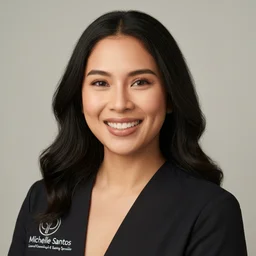
Paul Mitchell SchoolsMichelle Santos is a licensed cosmetologist with a Bachelor of Science in Esthetics and Salon Management from Paul Mitchell School. She has 16 years of salon industry experience and 8 years preparing students for state cosmetology board exams in theory, practical skills, and sanitation. She specializes in licensure preparation for cosmetologists, estheticians, and nail technicians.
Join the Discussion
Connect with other students preparing for this exam. Share tips, ask questions, and get advice from people who have been there.
View discussion (7 replies)