
What Is a MUA? The Complete Guide to Makeup Artists, Their Duties, and Career Path
What is a MUA? Learn what makeup artists do, the skills, salary, certification, and how to start a professional MUA career in the US. 🧠
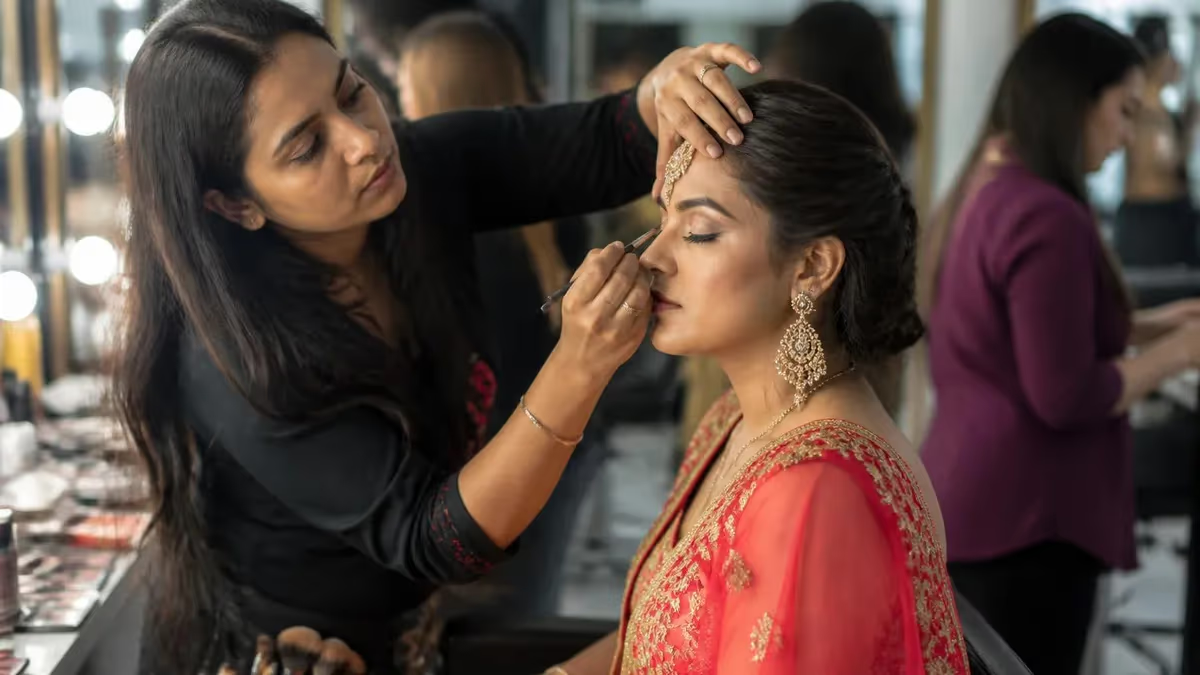
If you have ever scrolled beauty content and wondered exactly what is a mua, the short answer is that MUA stands for "makeup artist" — a trained professional who applies cosmetics to enhance, transform, or completely reinvent a person's appearance. The acronym became shorthand on Instagram, YouTube, and TikTok, but the role itself is far older than social media. A what is a mua works across weddings, film sets, fashion runways, theater stages, and everyday glam appointments, blending artistry with science to suit each client and context.
The phrase "makeup artist and" often precedes other titles like esthetician, hairstylist, or special effects technician, because many professionals combine disciplines to stay booked. When someone searches "makeup artist near me," they are usually hunting for a local pro who can deliver event-ready looks. Understanding the full scope of the job helps you decide whether hiring one, becoming one, or simply appreciating the craft is your goal. This guide unpacks every layer of the profession in plain, practical language.
At its core, a makeup artist studies facial structure, skin types, undertones, and lighting conditions, then chooses products and techniques that flatter the subject. A skilled MUA does not simply slap on foundation; they color-match across dozens of shades, correct discoloration, sculpt with contour, and set everything so it survives hours of wear, tears, and camera flashes. The difference between an amateur and a working makeup artist shows up in longevity, photographs, and how natural the finish reads in person.
The demand for talented artists keeps climbing. Brides want airbrushed perfection that lasts twelve hours, content creators need flawless skin under ring lights, and film productions require continuity across weeks of shooting. That variety is exactly why so many people fall in love with the field. One day you might be doing soft bridal glam, the next a bold editorial eye, and the day after a wound-and-bruise effect for a short film. Few careers offer this much creative range.
It is also worth clearing up a common confusion: "makeup artist makeup artists" and "artist makeup artist" are simply clumsy search phrasings for the same profession. There is no separate, secret category — there are generalists and specialists, freelancers and salon employees, hobbyists and union members. The umbrella term covers them all. What changes is the niche, the clientele, and the level of certification, licensing, or portfolio strength a given artist has built up over time.
Throughout this article we will cover what makeup artists actually do day to day, the skills and tools that separate pros from hobbyists, the money you can realistically earn, the training paths available, and the pros and cons of the career. Whether you are a curious client typing "makeup artists near me" or an aspiring pro mapping your first steps, you will leave with a clear, grounded picture of the role and where it can take you.
The Makeup Artist Profession by the Numbers
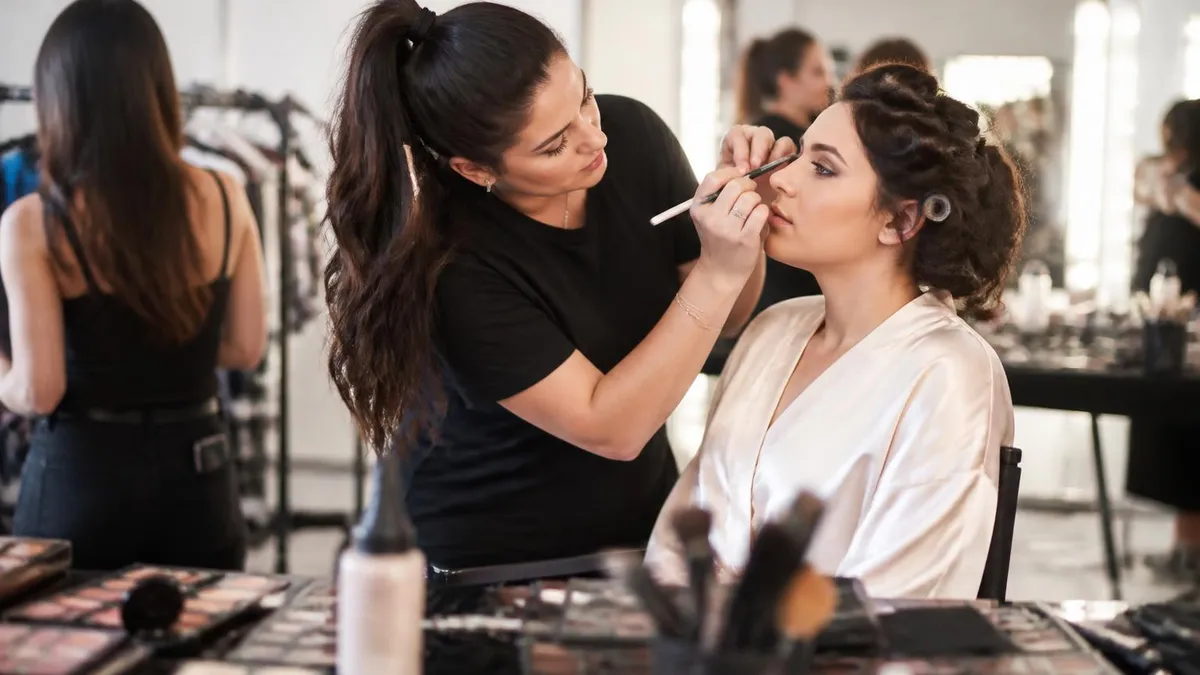
What a Makeup Artist Actually Does Day to Day
Before any product touches the face, a pro assesses skin type, undertone, allergies, and the client's goals. They match foundation across shades and plan a look suited to lighting, event length, and photography needs.
Cleansing, priming, and moisturizing create the canvas. The artist then builds base, conceals, contours, applies eye and lip color, and blends every edge so the result reads seamless both in person and on camera.
Powders, setting sprays, and layering techniques lock the look in place. A wedding makeup artist must ensure the look survives hugs, tears, heat, and a full day without touch-up disasters or unflattering breakdown.
Working artists disinfect brushes, use disposable applicators, and depot products hygienically. Maintaining a stocked, organized kit of 40+ shades and tools is a daily, non-negotiable part of the professional routine.
Freelancers handle inquiries, contracts, deposits, scheduling, and follow-ups. Strong communication and reliability turn one-time clients into referrals, which is how most makeup artists fill their calendars long term.
The skills that define a working makeup artist go well beyond knowing how to wing an eyeliner. The foundation — literally and figuratively — is color theory. A pro reads undertones (warm, cool, neutral) and corrects unwanted tones using the color wheel: green to cancel redness, peach to neutralize dark circles, lavender to brighten sallow skin. Mastering this lets an artist make any complexion look healthy and even, which is the single most requested outcome from nearly every client who books an appointment.
Equally important is product knowledge. A serious artist understands formulation chemistry: water-based versus silicone-based primers, why certain foundations "pill" when layered over the wrong moisturizer, and which setting sprays actually extend wear. This is where the difference between a hobbyist and a paid what is a mua becomes obvious. Clients pay for predictable, reliable results — and reliability comes from deeply knowing how products behave on real skin under real conditions.
Then there are the application techniques themselves: contouring and highlighting to sculpt bone structure, cut-crease and smokey eye methods, precise lip work, false lash application, and airbrushing for that flawless, pore-blurring finish many brides request. Each technique has dozens of variations adapted for different face shapes, ages, and ethnicities. The best artists build a versatile toolkit so they can pivot from a 60-year-old mother of the bride to a teenage prom client without missing a beat.
Specialization is where many artists carve out higher pay. Bridal is the largest and most lucrative everyday niche, with the search term "makeup artist wedding makeup" reflecting steady demand. Editorial and fashion work pays in exposure and prestige early on. Special effects (SFX) and drag artist makeup demand sculpting, prosthetics, and bold transformation skills. Theatrical and film makeup require continuity and an understanding of stage lighting. Each path rewards a different blend of artistry and business savvy.
Soft skills matter just as much as brushwork. A makeup artist often works inches from a stranger's face during emotionally charged moments — a wedding morning, a first headshot, a milestone birthday. Reading the room, calming nerves, and listening to what a client actually wants (versus what they think they should ask for) separates the booked-solid artist from the talented-but-empty-calendar one. Empathy and professionalism are genuine career assets, not afterthoughts.
Finally, there is the business layer that surprises newcomers. Most makeup artists are self-employed, meaning they juggle marketing, pricing, contracts, taxes, and inventory alongside the creative work. Building a portfolio, maintaining an active social presence, and earning glowing reviews are how you compete when potential clients search "makeup artists near me." The artists who thrive treat their craft as both an art form and a small business, investing equally in technique and reputation.
Types of Makeup Artists and What Each One Does
The bridal and special-occasion makeup artist is the backbone of the everyday industry. Brides, bridesmaids, and mothers of the wedding party book months ahead, often for trials plus the event itself. The search phrase "makeup artist wedding makeup" reflects how central this niche is to most freelance calendars and income streams across the entire United States.
This work rewards longevity expertise: the look must survive twelve hours, photos, tears, and hugs. Artists frequently travel to homes or venues, manage tight morning timelines for whole parties, and build packages with trials, touch-up kits, and per-person pricing that can make weddings a freelancer's single most profitable and reliable type of booking.
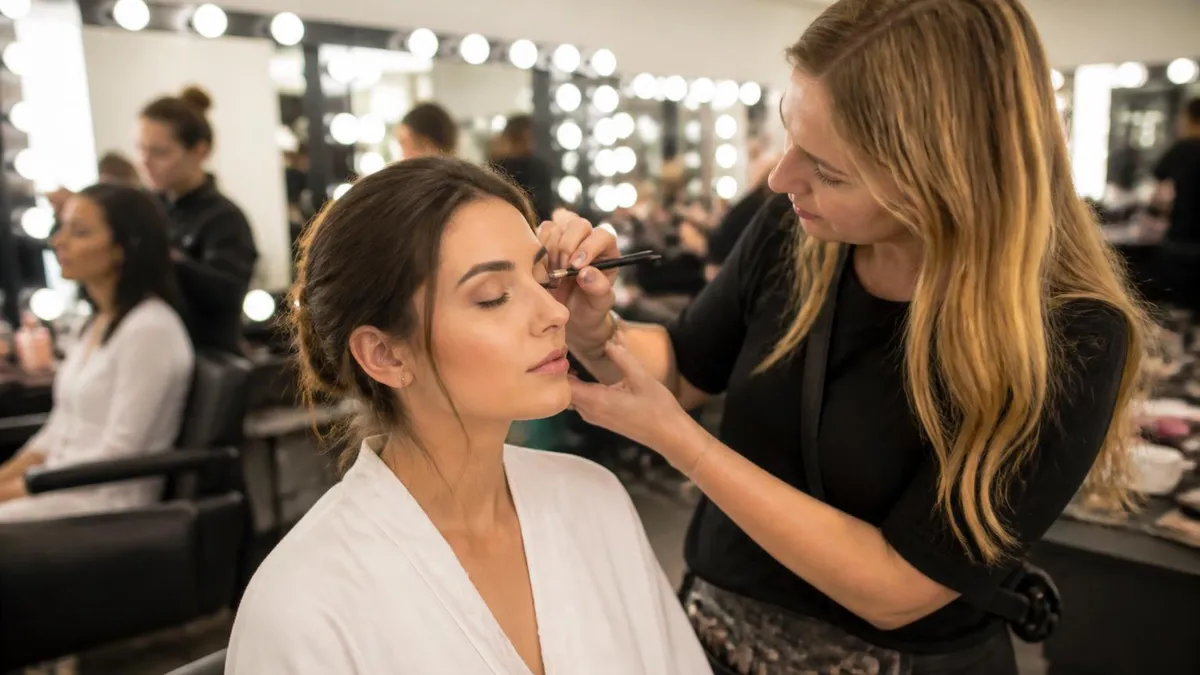
Is Becoming a Makeup Artist Worth It?
- +Genuine creative freedom and artistic expression every single day
- +Flexible schedule and the option to be your own boss as a freelancer
- +Low barrier to entry — no four-year degree required to start
- +Diverse work, from bridal glam to film SFX to editorial shoots
- +High earning ceiling for specialists and celebrity-level artists
- +Strong demand wherever people search 'makeup artist near me'
- +Meaningful client moments like weddings and milestone events
- −Income is inconsistent and often seasonal, especially in bridal work
- −Self-employment means handling taxes, marketing, and admin alone
- −Early years pay little while you build a portfolio and reputation
- −Long, physically demanding days standing and working on faces
- −Expensive kit upkeep with constant product restocking costs
- −Weekend and early-morning hours dominate the wedding calendar
Makeup Artist Career Starter Checklist
- ✓Research whether your state requires an esthetics or cosmetology license
- ✓Enroll in an accredited makeup artistry course or self-study program
- ✓Build a hygienic, professional kit with 40+ foundation shades
- ✓Practice on diverse skin tones, ages, and face shapes regularly
- ✓Photograph every look to assemble a strong, varied portfolio
- ✓Choose a specialty such as bridal, editorial, or SFX to focus on
- ✓Set up professional social media profiles showcasing your best work
- ✓Learn sanitation standards and disposable-tool best practices
- ✓Create clear pricing, contracts, and deposit policies for clients
- ✓Collect reviews and referrals to rank for 'makeup artists near me'
- ✓Network with photographers, planners, and salons for referrals
- ✓Take continuing-education classes to keep skills and trends current
Color matching beats everything else
Ask any working makeup artist what makes a client cry happy tears and they will say a flawless, undetectable base. Mastering undertone reading and shade matching across dozens of foundations is the skill clients notice first and remember longest. Nail this, and referrals follow.
Let's talk money, because earning potential is one of the first things people ask about the profession. In the US, makeup artist income varies enormously based on niche, location, and whether you are employed or freelance. Entry-level and retail-counter artists may start near minimum wage plus commission, while experienced freelancers in major metros routinely charge $150 to $400 per bridal client. The top tier — celebrity and editorial artists — can command four-figure day rates, with the highest earners pulling well past $64,000 a year.
Bridal work is the most reliable bread-and-butter income for independent artists. A single wedding party of five faces, billed at $125 each plus a bride premium, can net $700 to $1,000 for one morning of work. Multiply that across a busy May-through-October season and the math becomes compelling. This is exactly why "makeup artist wedding makeup" remains such a sought-after specialty, and why so many newcomers gravitate toward it early in their careers.
Geography matters more than most people expect. An artist in New York, Los Angeles, or Miami can charge double what the same skill set earns in a rural market, simply because demand and cost of living are higher. When clients search "makeup artist near me" in a major city, they expect — and will pay — premium rates. Relocating or traveling for destination weddings is a common strategy for artists who want to raise their ceiling without changing their craft.
Employment model also shapes your paycheck. Salon and counter employees trade a lower ceiling for a steady base, benefits, and a built-in client stream. Freelancers shoulder all the risk and overhead but keep every dollar they earn. Many artists blend both — working a counter for stability while building a freelance bridal book on weekends — until the freelance income outpaces the day job and they can finally go fully independent.
Specialization and reputation are the biggest levers on income. A generalist competing on price will always struggle; a recognized bridal expert, a sought-after SFX artist, or a celebrity makeup artist with a famous portfolio can name their rate. The "lori anne allison makeup artist" example shows how association with high-profile clients reshapes earning power. Building a niche and a reputation is the clearest path from scraping by to genuinely thriving in this field.
Finally, remember that gross revenue is not take-home pay. Freelance artists absorb significant costs: product restocking, kit upgrades, travel, insurance, marketing, and self-employment taxes. A realistic artist budgets 25 to 40 percent of every booking toward these expenses. Understanding this early prevents the painful surprise of a busy season that somehow leaves your bank account empty. Treating your numbers seriously is what turns a passion into a sustainable, full-time livelihood.
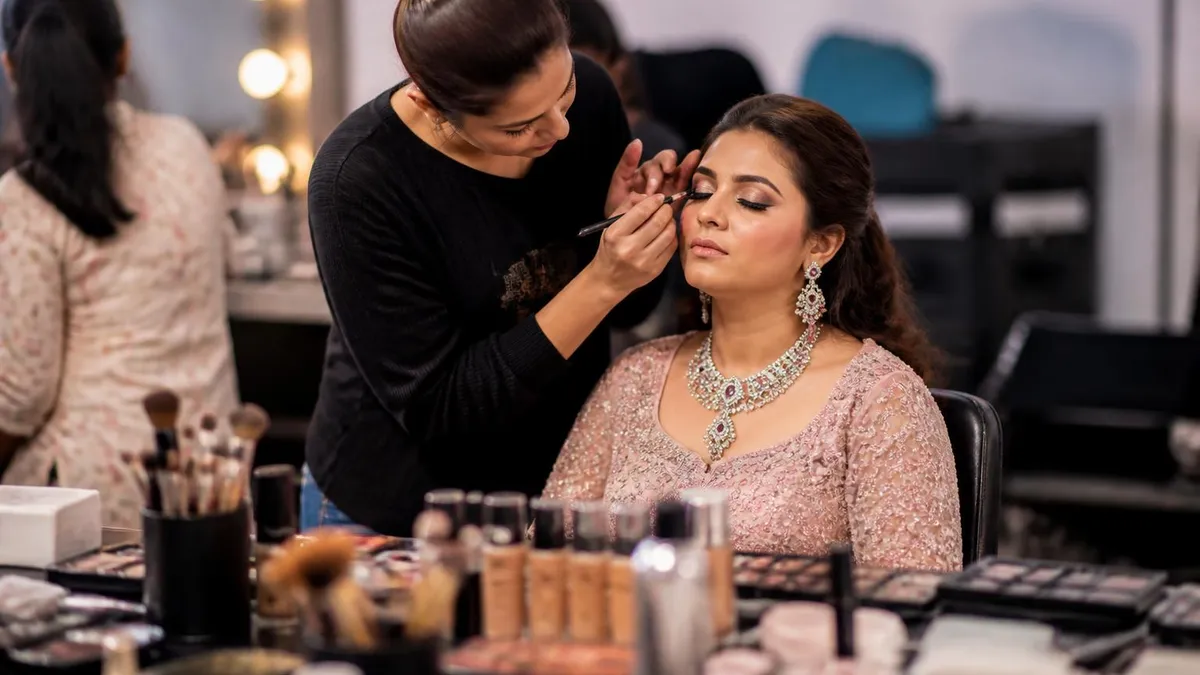
Some US states require a cosmetology or esthetics license to apply makeup professionally for pay, while others have no specific requirement for makeup-only services. Always verify your state board's rules before booking paid clients — working unlicensed where it's required can mean fines and forced closure.
There is no single mandatory path to becoming a makeup artist, which is part of what makes the field so accessible. Some artists are entirely self-taught, learning through YouTube, practice, and relentless experimentation. Others invest in formal training. The most structured route is enrolling in an accredited makeup artistry program, which typically runs 300 or more course hours and covers color theory, sanitation, application techniques, and business fundamentals over several weeks or months of hands-on instruction.
Cosmetology school is the broader, more intensive option. These programs often span 1,000 to 1,600 hours and cover hair, skin, and nails alongside makeup, culminating in a state license. This route makes sense if you want to combine disciplines — many professionals work as a hair and makeup artist precisely because offering both services doubles their booking value and lets them serve an entire bridal party single-handedly on a wedding morning.
Specialty certifications let you go deep in a niche. Airbrush certification, SFX and prosthetics courses, and bridal-specific intensives all signal expertise to clients and command higher rates. While these certificates are rarely legally required, they shorten your learning curve dramatically and give you credibility. A focused weekend SFX workshop, for instance, can unlock film and theater work that would take months to figure out alone through trial and error.
Whatever the training route, the portfolio is the true credential in this industry. Clients and agencies hire based on what they can see, not what your certificate says. Aspiring artists practice on friends, family, and models — often offering free or discounted sessions early on — purely to capture a diverse, professional-quality body of work. A strong portfolio showing range across ages, ethnicities, and styles will out-earn a stack of certificates every single time.
Practice exams and knowledge tests are an underrated part of preparation, especially for those pursuing licensure. Studying sanitation protocols, product chemistry, color theory, and safety regulations builds the foundation that confident, professional work rests on. If you want to learn more about combining disciplines, this overview of what is a mua in a dual-skill context is a useful next step for mapping your training plan and choosing where to specialize.
Continuing education never really ends in this career. Trends shift, new products launch constantly, and techniques evolve year to year. The artists who stay booked treat learning as ongoing — taking masterclasses, following industry educators, and refreshing their skills regularly. This commitment to growth is what separates a one-season hobbyist from a decades-long professional whose name clients actively search for when they need their most important looks done right.
If you are ready to move from curiosity to action, a few practical habits will accelerate your progress faster than anything else. Start by practicing daily, even just a single eye look or a foundation match. Repetition builds the muscle memory and speed that paying clients demand. Document everything with consistent lighting and a neutral background so your portfolio looks cohesive and professional, even if you are shooting on a phone in your bedroom for now.
Invest in your kit strategically rather than impulsively. New artists waste money chasing viral products; pros build a versatile core of reliable foundations spanning the full shade range, a quality concealer set, neutral and bold eye palettes, and dependable brushes. Hygiene tools — disposable mascara wands, spatulas, and brush cleaner — are non-negotiable. A clean, organized kit signals professionalism the moment a client sees you set up, and it protects both your reputation and their skin.
Specialize deliberately instead of trying to be everything to everyone. Decide whether your heart is in bridal, editorial, SFX, or drag artist makeup, then tailor your portfolio, pricing, and marketing toward that audience. Specialists rank better, charge more, and attract the exact clients searching for their niche. A focused brand is far easier to market than a vague "I do all makeup" message that gets lost among thousands of competing artists in any given local market.
Treat your online presence as your storefront. Most clients today discover artists through Instagram, TikTok, or a Google search for "makeup artists near me." Post consistently, use local keywords, respond to inquiries fast, and gather reviews relentlessly. Social proof is currency in this industry. A handful of glowing five-star reviews and a steady feed of fresh work will out-convert a beautiful but stale profile every single time someone is choosing who to book.
Network like your career depends on it, because it does. Photographers, wedding planners, event venues, and salon owners are all referral goldmines. Offer to assist on shoots, collaborate on styled portfolio sessions, and build genuine relationships. Many of the busiest artists fill their calendars almost entirely through word of mouth and professional partnerships rather than cold advertising, which means the connections you make now compound into bookings for years to come.
Finally, prepare for the knowledge side as seriously as the artistry. Whether you are sitting for a state license exam or simply want to prove your competence to clients, working through practice questions on sanitation, color theory, products, and safety pays off. The combination of polished technique, smart business habits, and solid theoretical grounding is exactly what turns an aspiring beginner into a confident, fully-booked professional makeup artist whose name clients remember and recommend.
MUA Questions and Answers
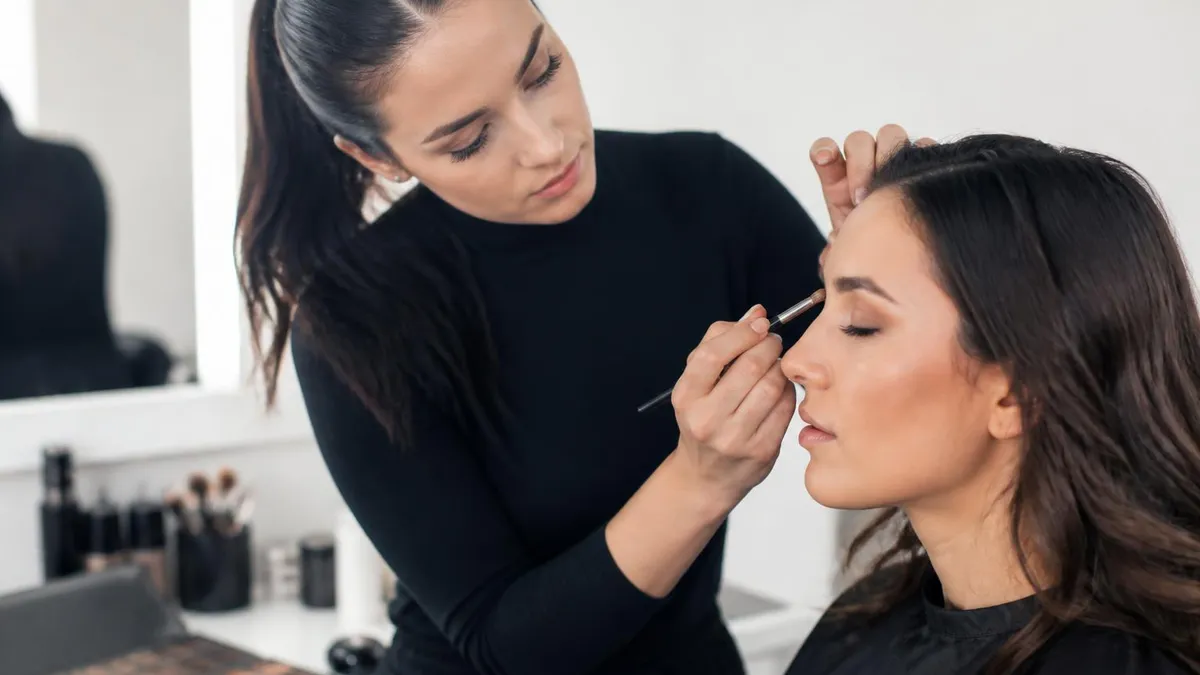
Hair & Makeup Artist: Dual-Discipline Career Guide
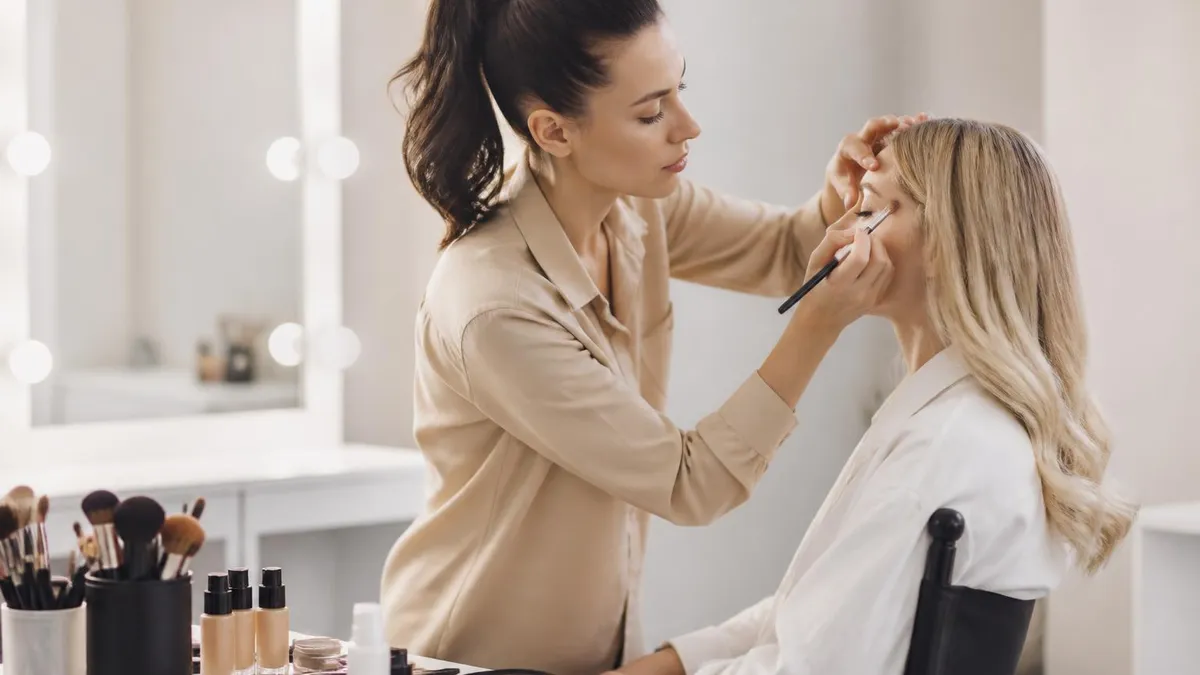
How to Become a Celebrity Makeup Artist: The Complete Career Guide

How to Become a Makeup Artist: Certification, Licensing & Career Path
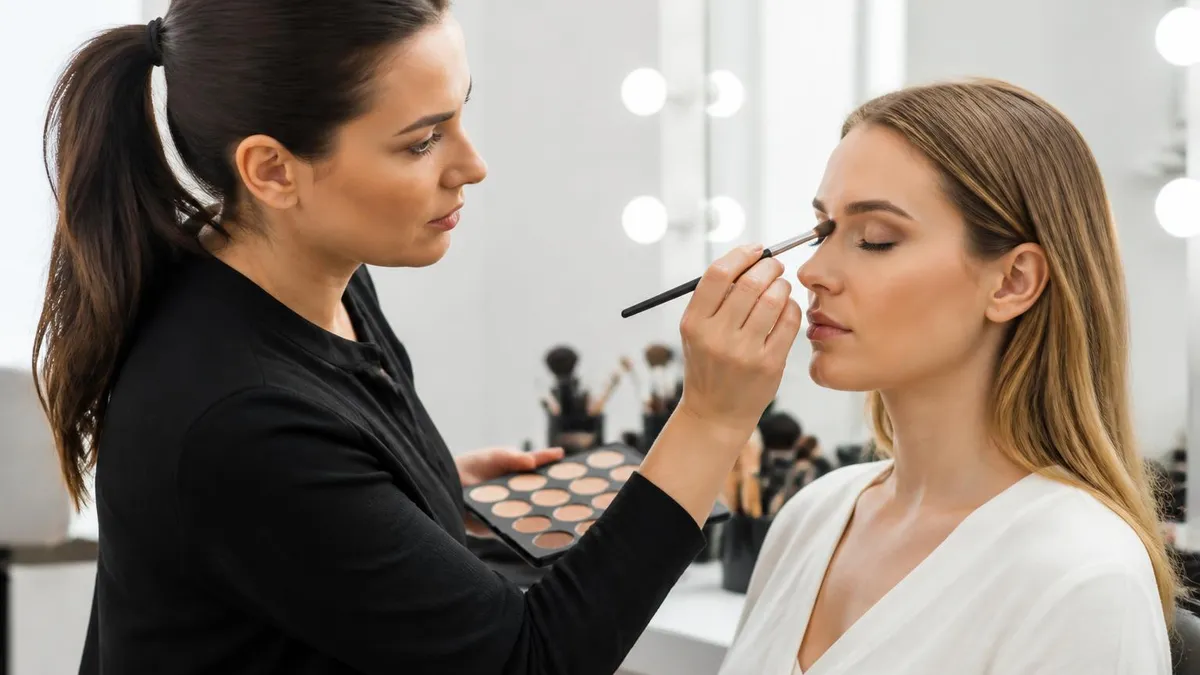
Wedding Makeup Artist 2026: Pay, Bookings, and How to Become One
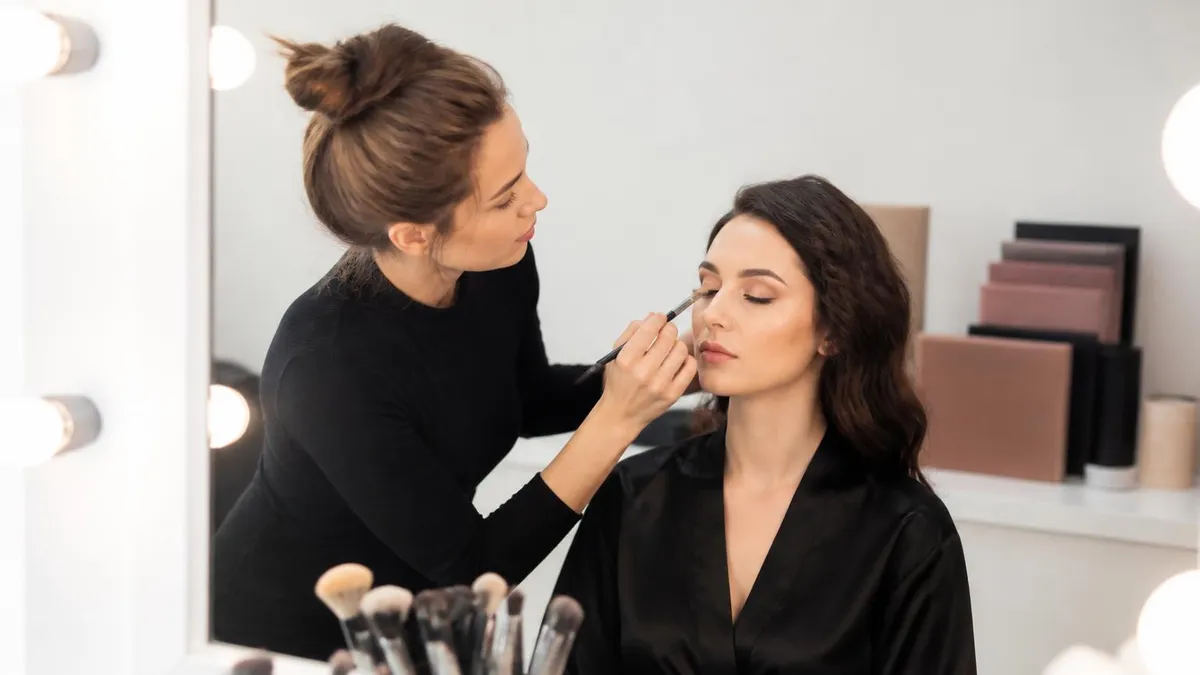
Celebrity Makeup Artist: How to Become One (2026 Career Guide)
About the Author
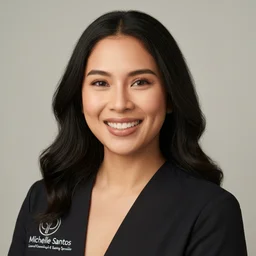
Licensed Cosmetologist & Beauty Licensing Exam Specialist
Paul Mitchell SchoolsMichelle Santos is a licensed cosmetologist with a Bachelor of Science in Esthetics and Salon Management from Paul Mitchell School. She has 16 years of salon industry experience and 8 years preparing students for state cosmetology board exams in theory, practical skills, and sanitation. She specializes in licensure preparation for cosmetologists, estheticians, and nail technicians.
Join the Discussion
Connect with other students preparing for this exam. Share tips, ask questions, and get advice from people who have been there.
View discussion (7 replies)