
How to Become a Celebrity Makeup Artist: The Complete Career Guide 2026 October
💡 Learn how to become a celebrity makeup artist with our guide covering skills, networking, portfolio building, and career steps to work with A-list clients.
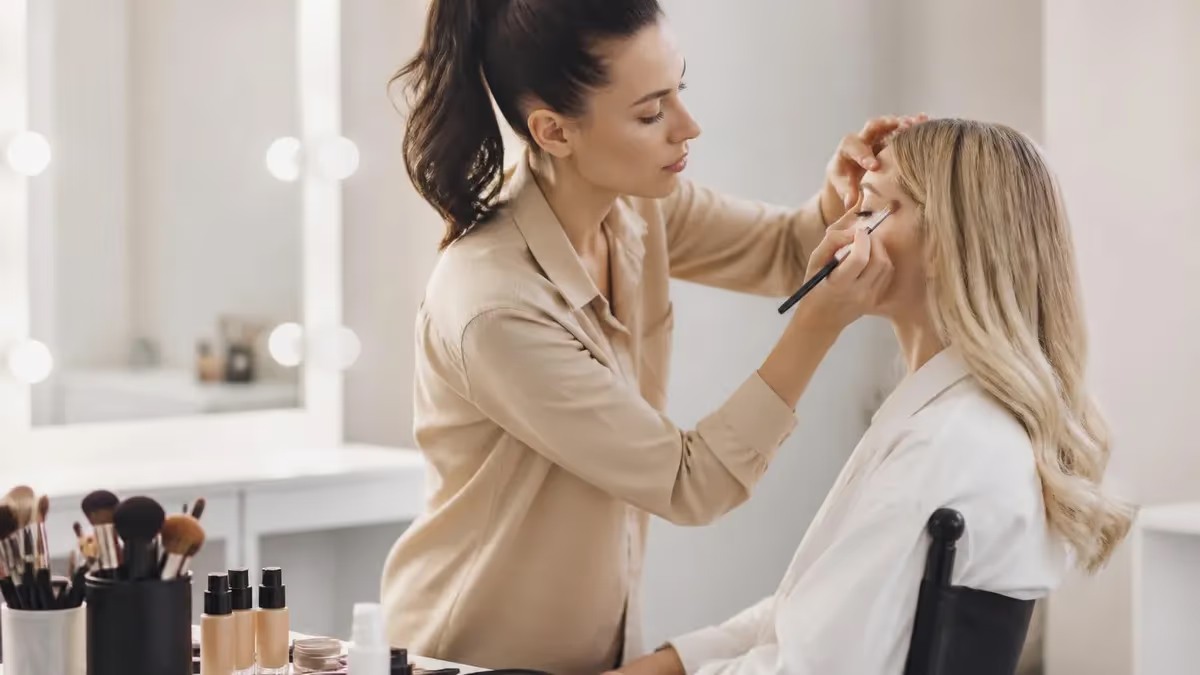
Understanding how to become a celebrity makeup artist requires a combination of exceptional technical skills, relentless networking, and the ability to perform flawlessly under extreme pressure. Unlike a typical makeup artist near me who builds a local clientele, celebrity-level professionals operate in an entirely different world of NDAs, on-set demands, tight schedules, and the expectation of absolute perfection every single time they pick up a brush. This career path rewards patience, resilience, and an unwavering commitment to the craft of professional artistry.
The celebrity makeup industry has grown exponentially in recent years, driven by social media visibility, red carpet culture, and the expansion of streaming content. Major makeup artists like Pat McGrath, Mario Dedivanovic, and Sir John have become celebrities themselves, commanding six-figure fees for single appearances and launching their own product lines. This visibility has inspired thousands of aspiring artists to pursue this glamorous yet demanding career path, creating both opportunity and fierce competition in the field.
Breaking into celebrity makeup artistry is not something that happens overnight or through a single lucky break. Most successful celebrity makeup artists spent between five and fifteen years building their skills, reputation, and professional network before landing their first major celebrity client. The journey typically begins with formal training, followed by years of assisting established artists, working on smaller editorial shoots, and gradually building a portfolio that demonstrates both versatility and a signature aesthetic style.
The financial rewards for those who reach the top are substantial, with leading celebrity makeup artists earning between one hundred fifty thousand and several million dollars annually. However, the path to those earnings involves significant upfront investment in education, tools, and unpaid or low-paid work during the early career stages. Understanding this financial reality is essential for anyone seriously considering this career path and planning their professional development accordingly.
What separates a working makeup artist from a celebrity makeup artist is not just skill level but also temperament, professionalism, and business acumen. Celebrity clients demand absolute discretion, flexibility with scheduling, the ability to travel on short notice, and a calm demeanor under the intense pressure of public appearances and high-profile events. These soft skills are often what determine whether an artist gets repeat bookings and referrals within exclusive entertainment circles.
The entertainment industry operates on relationships and reputation above almost everything else. A single negative experience reported through industry channels can effectively end a career at the celebrity level, while consistently positive interactions and exceptional results compound over time into an unshakeable professional reputation. This guide covers every critical step from initial training through building the connections that lead to celebrity clientele.
Whether you are just beginning your makeup artistry journey or you are an experienced professional looking to improve your career to the celebrity tier, this comprehensive guide provides actionable strategies, realistic timelines, and insider knowledge about what it truly takes to succeed in this highly competitive and rewarding field of professional beauty.
Celebrity Makeup Artist Career by the Numbers
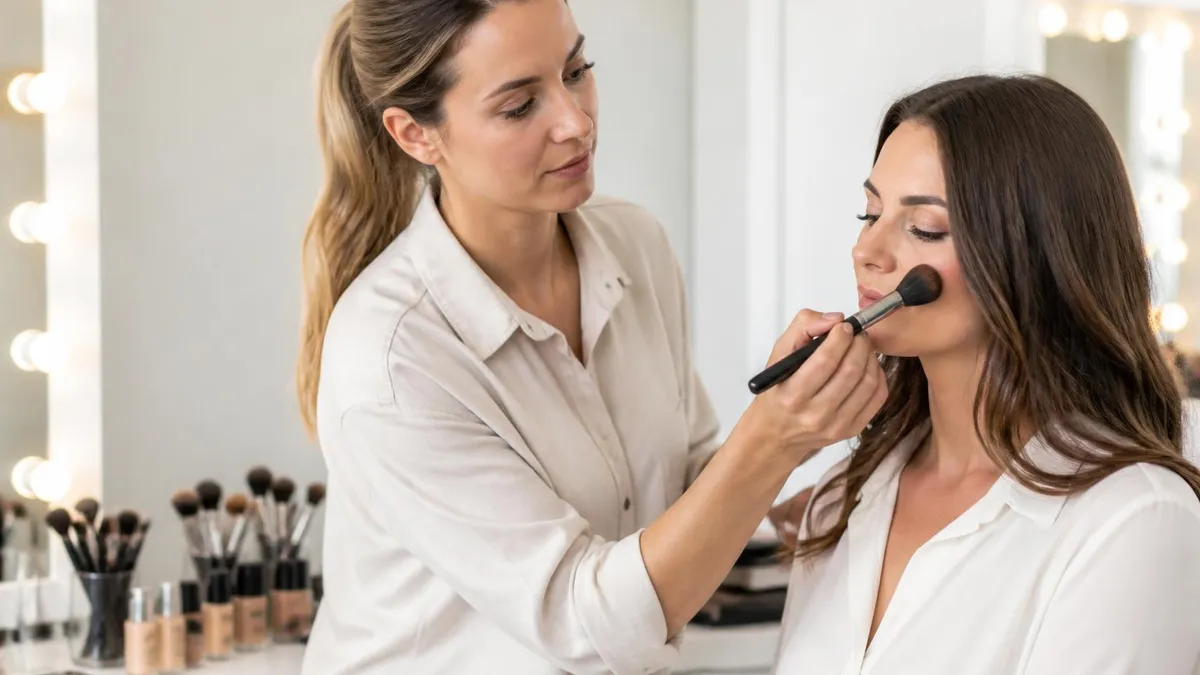
Career Timeline to Celebrity Makeup Artistry
Complete Professional Training
Build Your Starter Portfolio
Assist an Established Artist
Develop Your Signature Style
Network Within Entertainment Circles
Land Your First Celebrity Client
Building a solid foundation as a makeup artist begins long before you ever touch a celebrity client's face. Formal education provides the technical vocabulary, sanitation knowledge, and structured skill development that separates professional artists from talented amateurs. Most states require cosmetology licensing for anyone applying makeup professionally, which typically involves completing an accredited program of six hundred to fifteen hundred hours depending on your state's specific requirements and your chosen specialization within the beauty field.
Choosing the right training program matters enormously for aspiring celebrity makeup artists. Programs at institutions like the Makeup Designory in Los Angeles, the Joe Blasco School, or the London College of Fashion offer specialized curriculum focused on film, television, and editorial techniques rather than just salon-level application. These programs provide critical exposure to industry-standard products, professional workflows, and the specific techniques required for high-definition camera work and red carpet environments.
Working as a makeup artist and building experience in major markets like New York, Los Angeles, or Atlanta provides access to the entertainment industry infrastructure that simply does not exist in smaller cities. These markets have established agency systems, regular editorial shoots, film and television productions, and the density of industry professionals necessary for meaningful networking opportunities and career advancement toward celebrity-level work.
Your portfolio is your most powerful marketing tool when pursuing celebrity clients, and it must demonstrate both technical excellence and creative vision. Invest in professional test shoots with experienced photographers who understand editorial lighting and composition. Focus on showing diversity in your work across skin tones, ages, and aesthetic styles while maintaining a cohesive artistic point of view that potential clients and their teams can immediately identify and appreciate.
Assisting an established celebrity makeup artist is perhaps the single most important step in this career path. This apprenticeship-style period teaches you everything that formal education cannot, including on-set protocol, time management under pressure, celebrity-appropriate communication styles, how to handle last-minute changes gracefully, and the business mechanics of operating at the highest professional level in the beauty industry today.
During your assisting period, you will learn invaluable lessons about product selection for high-definition environments, how to achieve flawless skin preparation, the art of making makeup appear natural under intense lighting, and how to maintain your composure when schedules change, products malfunction, or clients express dissatisfaction. These experiences are irreplaceable and form the bedrock of a successful celebrity-level career trajectory.
Developing proficiency with diverse skin types and tones is non-negotiable for celebrity work. The entertainment industry has rightly demanded greater inclusivity, and artists who cannot expertly work with every skin tone will find doors closed to them. Invest time and resources into understanding undertones, hyperpigmentation, textured skin, and the specific product formulations that perform best across the full spectrum of human complexion.
MUA Practice Test Questions
Prepare for the MUA - Makeup Artist exam with our free practice test modules. Each quiz covers key topics to help you pass on your first try.
MUA Makeup Artist MCQ
MUA Exam Questions covering Makeup Artist MCQ. Master MUA Test concepts for certification prep.
MUA Makeup Artist
Free MUA Practice Test featuring Makeup Artist. Improve your MUA Exam score with mock test prep.
MUA Professional Makeup Artist
MUA Mock Exam on Professional Makeup Artist. MUA Study Guide questions to pass on your first try.
MUA Bridal & Special Occasion Makeup
MUA Test Prep for Bridal & Special Occasion Makeup. Practice MUA Quiz questions and boost your score.
MUA Color Theory & Skin Tone Analysis
MUA Questions and Answers on Color Theory & Skin Tone Analysis. Free MUA practice for exam readiness.
MUA Product Knowledge & Cosmetic Ingredients
MUA Mock Test covering Product Knowledge & Cosmetic Ingredients. Online MUA Test practice with instant feedback.
Makeup Artist Specialization Paths to Celebrity Work
Film and television makeup artistry is one of the most direct paths to celebrity clientele because actors develop strong loyalties to artists they trust on set. Working on productions through union membership in IATSE Local 706 or Local 798 provides consistent access to established actors who may eventually request you for personal appearances, press tours, and red carpet events outside of production schedules.
Building a career in film and television requires understanding continuity, high-definition application techniques, prosthetics basics, and the ability to maintain looks over twelve to sixteen hour shooting days. Start with independent films and commercials, gradually working up to studio productions where A-list talent is present and where your consistent excellence will be noticed by both talent and their management teams.
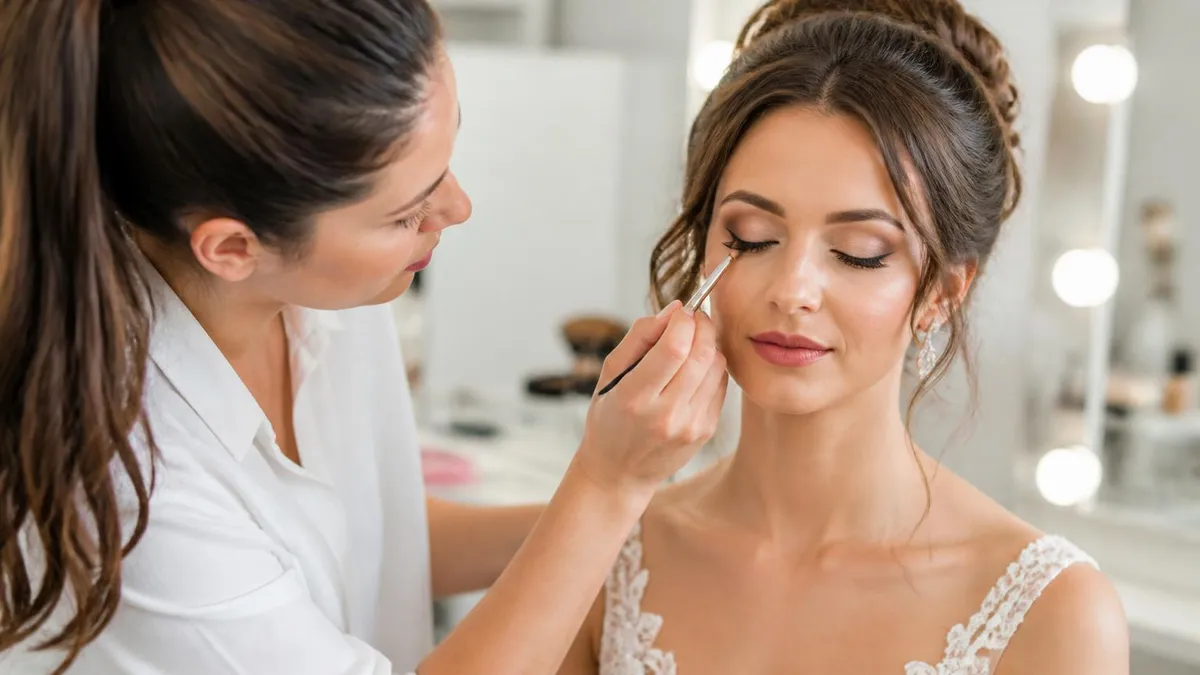
Celebrity Makeup Artistry: Career Advantages and Challenges
- +Exceptional earning potential with top artists commanding $5,000+ per day
- +Creative fulfillment working on high-profile red carpet and editorial projects
- +Opportunity to build a personal brand and launch product lines
- +Travel to exclusive locations and events worldwide
- +Building relationships with influential entertainment industry professionals
- +Career longevity as experienced artists remain in demand for decades
- −Extremely long and unpredictable working hours including weekends and holidays
- −Five to fifteen year timeline before reaching consistent celebrity-level bookings
- −Significant financial investment in training, kit, and unpaid early career work
- −Intense competition with thousands of talented artists pursuing limited positions
- −Emotional labor managing high-pressure personalities and demanding environments
- −Lack of job security with freelance income fluctuating dramatically month to month
Pros and Cons at a Glance
| Pros | Cons |
|---|---|
| Creative fulfillment working on high-profile red carpet and editorial projects | Extremely long and unpredictable working hours including weekends and holidays |
| Opportunity to build a personal brand and launch product lines | Five to fifteen year timeline before reaching consistent celebrity-level bookings |
| Travel to exclusive locations and events worldwide | Significant financial investment in training, kit, and unpaid early career work |
| Building relationships with influential entertainment industry professionals | Intense competition with thousands of talented artists pursuing limited positions |
| Career longevity as experienced artists remain in demand for decades | Emotional labor managing high-pressure personalities and demanding environments |
Essential Steps for Aspiring Celebrity Makeup Artists
- ✓Complete an accredited cosmetology or makeup artistry program of at least 600 hours
- ✓Obtain your state cosmetology or esthetician license before accepting paid work
- ✓Build a professional portfolio with at least 50 high-quality editorial images
- ✓Assist an established celebrity or editorial makeup artist for two to five years
- ✓Join relevant unions such as IATSE Local 706 or Local 798 for film and TV work
- ✓Develop expertise across all skin tones and types through deliberate practice
- ✓Create a professional website and social media presence showcasing your best work
- ✓Build relationships with talent agents, publicists, and entertainment industry stylists
- ✓Invest in a professional-grade kit with current high-end products and tools
- ✓Maintain absolute discretion and professionalism in every client interaction
The Gatekeeper Principle
Celebrity clients rarely hire makeup artists directly. Instead, their publicists, personal assistants, stylists, and management teams make these decisions. Focus your networking efforts on these gatekeepers rather than approaching celebrities directly, and you will find doors opening much faster than expected.
Networking within the entertainment industry operates on fundamentally different principles than networking in most other professions. Cold outreach rarely works, unsolicited portfolio submissions are almost never reviewed, and social media followers mean very little to the people making hiring decisions for celebrity clients. What matters is warm introductions, demonstrated reliability over time, and being physically present in the spaces where industry professionals gather and make connections organically.
Professional organizations and unions provide structured entry points into entertainment industry networking. IATSE Local 706 in Los Angeles and Local 798 in New York represent film and television makeup artists, providing access to job boards, networking events, educational workshops, and the professional credibility that comes with union membership. Joining these organizations demonstrates serious career commitment and opens doors that remain firmly closed to non-members seeking celebrity-level work.
Industry events including film festivals, fashion weeks, beauty trade shows, and award ceremony after-parties create concentrated networking opportunities where meaningful connections form rapidly. Attending events like Cannes, Sundance, IMATS, and The Makeup Show puts you in rooms with decision-makers who can directly impact your career trajectory. Budget for attendance, travel, and appropriate attire as essential business investments rather than optional expenses.
Social media plays a supporting role in celebrity makeup artistry careers, primarily serving as a visual portfolio and proof of your aesthetic rather than a direct client acquisition channel. Platforms like Instagram allow potential clients and their teams to quickly evaluate your work, see your range, and assess whether your style aligns with their vision. Consistent posting of high-quality work builds passive visibility among industry professionals.
Building relationships with adjacent professionals including hairstylists, fashion stylists, photographers, and creative directors creates a referral ecosystem that generates celebrity opportunities organically. When a celebrity's stylist needs a makeup artist recommendation, they will suggest someone they have worked with previously and trust completely. These cross-professional relationships are often more valuable than direct connections to celebrities themselves.
Agency representation through talent agencies specializing in beauty professionals can dramatically accelerate your path to celebrity clients. Agencies like The Wall Group, Forward Artists, and Streeters represent top-tier makeup artists and actively pitch them for celebrity bookings, editorial campaigns, and brand partnerships. Securing agency representation typically requires an established body of work and existing industry relationships.
Maintaining relationships requires consistent follow-up, genuine interest in others' careers, and the willingness to help without immediate expectation of return. Send congratulatory messages when contacts achieve milestones, refer work to others when appropriate, and always respond promptly and professionally to inquiries. The entertainment industry has a long memory for both positive and negative professional interactions.
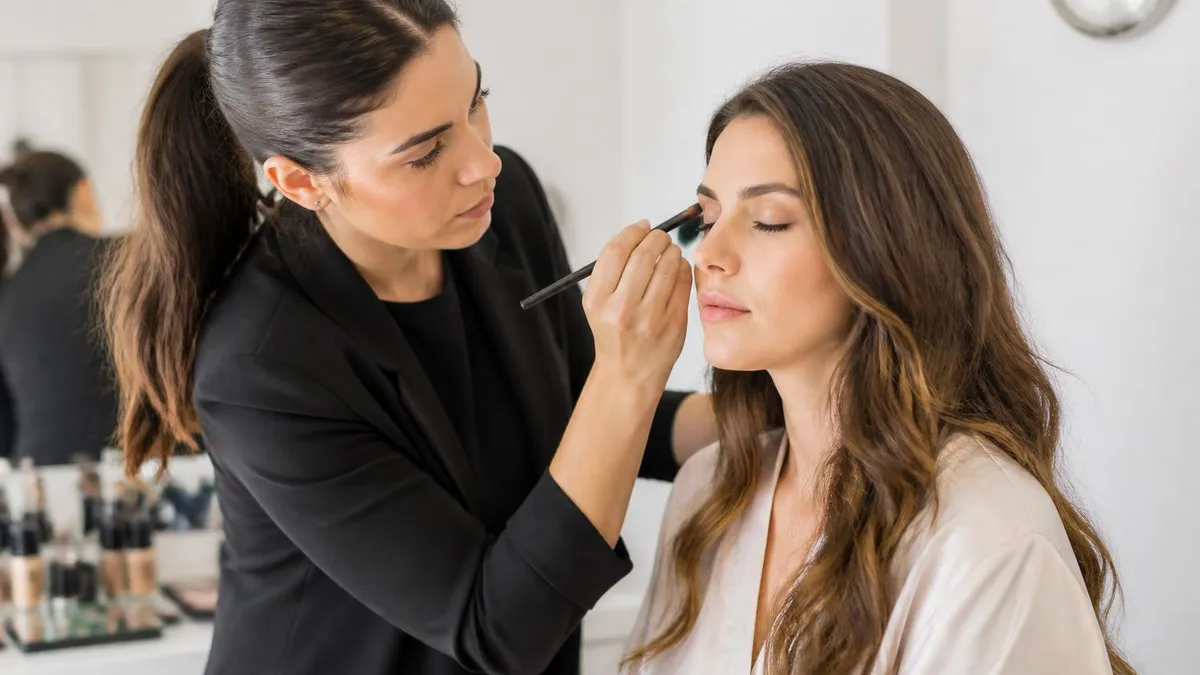
One breach of client confidentiality, one social media post without permission, or one instance of unprofessional behavior can permanently end your celebrity makeup career. Never share details about celebrity clients, their appearance without makeup, personal conversations, or behind-the-scenes information without explicit written consent from their management team.
Transitioning from a working professional to a celebrity-level artist makeup artist requires strategic positioning and deliberate career elevation. This means being selective about the work you accept, investing in higher-quality portfolio content, raising your rates to reflect celebrity-level service, and actively cultivating the perception that you operate at an elite professional level. How others perceive your career status directly influences whether they consider you appropriate for celebrity bookings.
Your professional kit must reflect celebrity-level standards, which means investing in the highest quality products, maintaining impeccable organization and sanitation, and staying current with new formulations and techniques. Celebrity clients and their teams notice everything from the condition of your brushes to the brands in your kit to how efficiently you can locate specific products during time-pressured applications. A well-curated professional kit communicates competence and attention to detail.
Understanding the business side of celebrity makeup artistry is equally important as technical skill development. This includes negotiating day rates, understanding usage rights for advertising campaigns, structuring retainer agreements with regular celebrity clients, managing travel logistics and expenses, invoicing properly, and potentially working with a business manager or accountant to handle the financial complexity of a high-earning freelance career.
Celebrity day rates for established artists typically range from twenty-five hundred to ten thousand dollars depending on the event type, exclusivity requirements, and travel involved. Red carpet events, magazine covers, and advertising campaigns command the highest fees, while regular maintenance appointments and personal styling sessions may be structured as monthly retainers ranging from five thousand to twenty thousand dollars per client.
Building a personal brand as a makeup artist increasingly matters in the celebrity space. Artists like Charlotte Tilbury, Pat McGrath, and Bobbi Brown used their celebrity work into product lines worth hundreds of millions of dollars. While not every celebrity makeup artist will launch a brand, developing a recognizable name, aesthetic identity, and public presence creates additional revenue streams and reinforces your positioning within the industry.
Continuing education remains critical even at the celebrity level. Beauty trends evolve constantly, new products and techniques emerge regularly, and client expectations continue rising. Attend masterclasses, experiment with new formulations, study emerging trends from international fashion weeks, and maintain the hungry student mentality that drove your career growth during earlier stages of professional development.
Geographic flexibility gives you a significant competitive advantage in celebrity makeup artistry. While Los Angeles and New York remain primary markets, celebrity work frequently requires travel to filming locations, vacation homes, international press tours, and destination events. Maintaining a valid passport, being willing to travel on short notice, and having systems in place to manage your life during extended periods away from home are all prerequisites for success.
Practical preparation for celebrity-level work extends beyond artistic skill into the area of personal presentation, communication style, and professional systems. Celebrity clients expect their service providers to present themselves impeccably, communicate concisely and confidently, and operate with military-level punctuality and organization. Developing these professional habits before reaching the celebrity level ensures you are prepared when opportunities arrive unexpectedly.
Your personal appearance as a celebrity makeup artist serves as a walking advertisement for your skills. While you do not need to wear full glam daily, your grooming, skincare, personal style, and overall presentation should communicate that you understand beauty at a sophisticated level. Clients evaluate whether they can trust your aesthetic judgment partly based on how you present yourself professionally in person and across digital platforms.
Communication skills differentiate good artists from great ones at the celebrity level. Learn to read body language, understand when clients want conversation versus silence during application, offer gentle suggestions without being pushy, and navigate the complex dynamics of working with multiple team members including stylists, hairstylists, and publicists who all have opinions about the final look being created.
Building efficient professional systems saves you from chaos as your career scales upward. This includes reliable booking and scheduling software, organized financial tracking for tax purposes, inventory management for your professional kit, contracts and release forms for every booking, and clear communication templates for responding to inquiries from management teams and booking agents professionally.
Developing speed without sacrificing quality is essential for celebrity work where schedules are extremely compressed. Practice achieving your signature looks within thirty to forty-five minutes, because celebrity schedules rarely allow the luxury of extended application time. Efficiency comes from product knowledge, brush technique refinement, and having a systematic approach to every face that eliminates wasted movements and decision fatigue.
Mental health and self-care deserve attention in a career characterized by irregular schedules, intense pressure, frequent rejection, and the emotional labor of managing demanding personalities. Establish boundaries around your availability, maintain relationships outside the industry, invest in therapy or coaching if needed, and recognize that sustainability matters more than any single booking or client relationship in building a decades-long career.
Finally, remember that becoming a celebrity makeup artist is a marathon rather than a sprint. The artists currently working with A-list celebrities spent years perfecting their craft, building relationships one interaction at a time, and demonstrating consistent excellence across hundreds of professional interactions before reaching their current status. Trust the process, stay committed to growth, and recognize that every booking, regardless of how glamorous or humble, contributes to the trajectory that ultimately leads to celebrity-level success.
Sample MUA - Makeup Artist Practice Questions
Try these questions from our free MUA - Makeup Artist practice tests. The correct answer and an explanation follow each question.
In theatrical stage makeup, why is the makeup applied more heavily than in everyday or film makeup?
- A. Stage lighting bleaches out features at a distance, requiring intensified color and definition
- B. Stage actors sweat more and need thicker product
- C. Audiences require natural-looking makeup in theater
- D. Stage makeup must be photographed in extreme close-up
Answer: A. Stage lighting bleaches out features at a distance, requiring intensified color and definition
Strong stage lighting washes out facial features at a distance, so heavily applied, exaggerated makeup ensures features remain visible to the audience.
A makeup artist is selecting a foundation for a client who will be photographed under flash photography. Which formula should be avoided?
- A. Satin-finish liquid foundation
- B. Oil-free matte foundation
- C. Foundation containing SPF or titanium dioxide
- D. Buildable coverage tinted moisturizer
Answer: C. Foundation containing SPF or titanium dioxide
Foundations with SPF or titanium dioxide cause 'flashback' — a white cast captured on camera due to those ingredients reflecting flash light.
A client requests a 'no-makeup makeup' look. Which finish is most appropriate for this style?
- A. Full matte coverage
- B. Heavy glitter and shimmer
- C. Natural satin or skin-like finish
- D. Bold contour with dramatic blush
Answer: C. Natural satin or skin-like finish
A natural satin or skin-like finish mimics the appearance of healthy, bare skin, which is the hallmark of a 'no-makeup makeup' look.
A client wants a smoky eye but has hooded eyelids. What adjustment should the makeup artist make?
- A. Apply all dark shadow on the lid only
- B. Place the dark shadow slightly above the crease so it's visible when eyes are open
- C. Avoid smoky eyes entirely on hooded lids
- D. Apply shadow only on the lower lash line
Answer: B. Place the dark shadow slightly above the crease so it's visible when eyes are open
For hooded lids, placing dark shadow above the natural crease ensures the color is visible when the eyes are open rather than hidden under the hood.
MUA Questions and Answers

About the Author
Licensed Cosmetologist & Beauty Licensing Exam Specialist
Paul Mitchell SchoolsMichelle Santos is a licensed cosmetologist with a Bachelor of Science in Esthetics and Salon Management from Paul Mitchell School. She has 16 years of salon industry experience and 8 years preparing students for state cosmetology board exams in theory, practical skills, and sanitation. She specializes in licensure preparation for cosmetologists, estheticians, and nail technicians.
Join the Discussion
Connect with other students preparing for this exam. Share tips, ask questions, and get advice from people who have been there.
View discussion (7 replies)