
Accredited Online Makeup Artist Schools: Your Complete Training Guide for 2026 October
Find accredited online makeup artist schools, training requirements & career paths. 🎯 Compare programs, costs, and certifications for aspiring MUAs.

Finding accredited online makeup artist schools has never been more accessible — yet the sheer number of programs available can make choosing the right one feel overwhelming. Whether you dream of working as a bridal specialist, a film and television artist, or a versatile freelancer who handles everything from editorial shoots to special events, the foundation you build in school will shape your entire career. The good news is that accredited online makeup artist schools now offer rigorous, hands-on curricula that rival in-person programs in depth and professional relevance, all without requiring you to relocate or quit your current job.
The term "makeup artist and" spans an enormous professional universe. A makeup artist and hair stylist might work together on a television set, while a makeup artist and esthetician might collaborate in a high-end spa. Understanding where you want to specialize is the first step toward choosing the right educational path. Online schools allow you to explore multiple disciplines simultaneously — color theory, skin prep, corrective techniques, and product knowledge — before you commit to a niche. This flexibility is one of the biggest advantages that digital learning offers over traditional brick-and-mortar programs.
Many aspiring professionals search for a "makeup artist near me" when they want hands-on mentorship, but online programs have largely closed this gap through live video critiques, mentor-reviewed photo submissions, and virtual masterclasses led by working industry professionals. Top-rated platforms partner with accrediting bodies such as the Professional Beauty Association and the National Cosmetology Association to ensure that graduates meet real-world employer and client standards. Some programs even include externship placement networks so students can log physical practice hours with local salons, agencies, or production companies.
Cost is always a factor. Tuition for online makeup artist programs ranges from as little as $500 for short certificate courses to upward of $8,000 for full diploma programs that span six to twelve months. Many schools offer payment plans, and some are eligible for federal financial aid — particularly those accredited by agencies recognized by the U.S. Department of Education. Before enrolling, always verify the accreditation status of any program you consider, because your certification will only carry professional weight if the issuing institution is recognized by industry or governmental bodies.
The curriculum at reputable online schools typically covers skin analysis and prep, color theory and correction, bridal and special occasion looks, editorial and avant-garde techniques, special effects, hygiene and sanitation protocols, and business development. Business training is especially valuable for freelancers who want to build a client base, set competitive rates, and manage the administrative side of a self-employed career. Many programs also include modules on social media marketing, portfolio building, and brand development — skills that are essential for attracting clients and standing out among the thousands of makeup artists near me in every major metro area.
Accreditation is not the only quality indicator to look for. Review the instructor roster carefully. Instructors who are actively working in the industry — on film sets, in fashion week backstages, or in bridal suites — bring current, practical knowledge that textbook-only educators simply cannot replicate. Look also at student outcomes: graduation rates, job placement statistics, and alumni testimonials all signal whether a program delivers on its promises. Many schools post these numbers publicly; if they don't, that itself is a red flag worth noting before you invest your time and tuition dollars.
Finally, consider what comes after graduation. Some online programs partner with agencies to help place graduates in assistant roles, while others offer lifetime access to alumni networks, updated course materials, and industry event invitations. A school that stays invested in your success after you complete your coursework is a school that genuinely cares about its professional reputation — and yours.
Online MUA Training by the Numbers
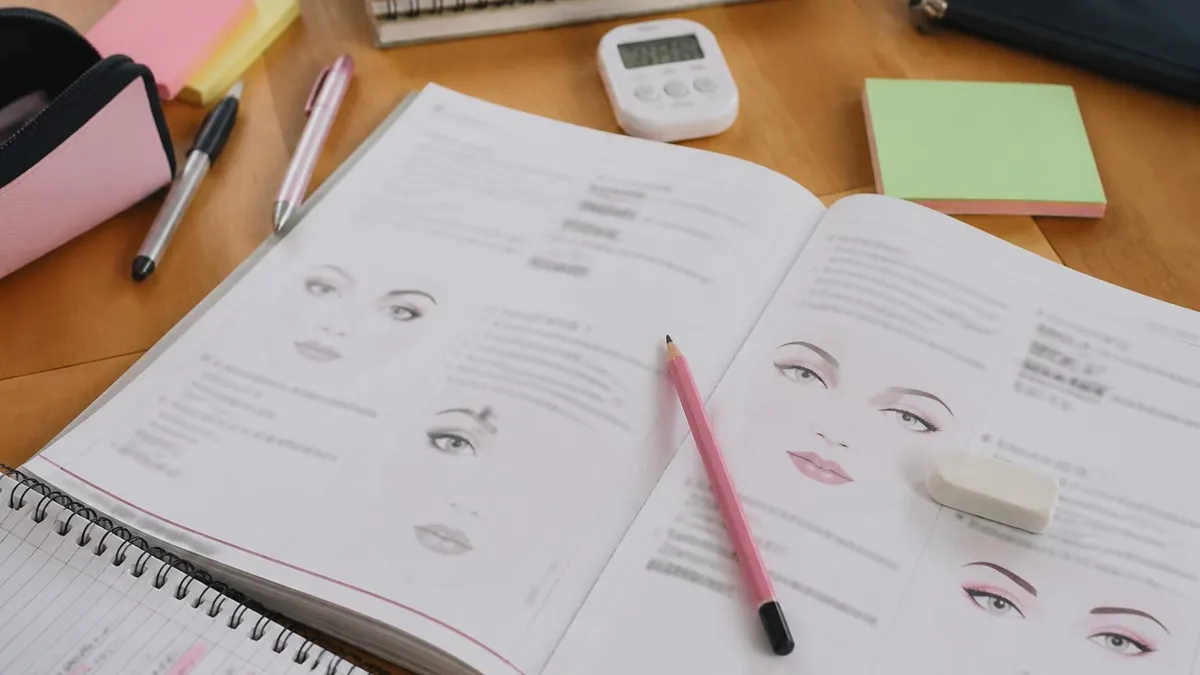
Top Types of Online MUA Programs to Consider
Short-form courses lasting 4–12 weeks that focus on a specific skill set such as bridal makeup, editorial looks, or airbrush technique. Ideal for working professionals seeking to add a specialty without committing to a full diploma program.
Comprehensive 6–12 month programs covering the full makeup artist curriculum, from skin prep and color theory to business development and portfolio building. Usually required for professional licensing in states that regulate cosmetology.
Two-year accredited degrees offered by community colleges and beauty academies that combine makeup artistry with broader cosmetology, esthetics, or theater arts coursework. Eligible for federal financial aid and transferable college credit.
Short workshops and masterclasses for licensed MUAs who want to refresh techniques, learn trending looks, or fulfill renewal credits. Often led by celebrity artists or brand educators and available on-demand at low cost.
One-on-one or small-group training with an established artist who critiques your work, guides your portfolio, and connects you with industry contacts. Highly personalized but typically more expensive than self-paced digital courses.
The curriculum inside a high-quality online makeup artist program is far more rigorous than most newcomers expect. Core modules typically open with skin science — understanding skin types, undertones, pH levels, and how different formulations interact with various skin conditions. This foundational knowledge separates professional makeup artists from hobbyists, because a client who breaks out after a bridal trial or a model who peels under studio lights creates real professional liability. Knowing your ingredients, your tools, and your prep protocols is non-negotiable at the working level.
Color theory is the next major pillar. Aspiring makeup artists learn the color wheel, complementary and analogous palettes, and how to neutralize unwanted tones using color-correcting products. They study how light temperature — whether warm tungsten on a film set or cool daylight at an outdoor wedding — affects how pigments read on camera versus in person. This kind of technical depth is what allows a seasoned artist to adapt a look from the makeup chair to the finished photograph or broadcast screen without a single reshoot.
Technique modules in accredited online programs increasingly include video demonstrations, real-time virtual critiques, and photo-submission assignments that instructors grade against industry rubrics. Students film themselves performing blending techniques, contouring sequences, and lash application, then receive detailed feedback on their execution. This mirrors the apprenticeship model used in professional on-set training, adapted for a digital-first learning environment. Some schools supplement asynchronous lessons with live weekly sessions where students can ask questions and observe demonstrations in real time.
Special effects and character makeup have become increasingly popular elective tracks, partly driven by the explosion of streaming content that demands skilled artists who can age actors, create wounds, and build prosthetic pieces. For students interested in drag artist makeup, theatrical techniques, and significant character work, programs that include at least an introductory SFX module offer significantly broader career options than those limited to fashion and bridal applications. Even freelancers who primarily work weddings benefit from understanding at least the basics of corrective and special-occasion theatrical work.
Sanitation and hygiene training is mandated by every legitimate accredited program and is also tested on state licensing exams in states that require cosmetology or esthetics credentials. Students learn proper disinfection of tools and brushes, single-use product protocols, bloodborne pathogen awareness, and workplace safety regulations enforced by OSHA. Far from being a dry compliance exercise, this content directly protects both artists and clients — and a serious infection incident can end a career permanently, so schools treat it with the seriousness it deserves.
Business development modules are where online MUA programs increasingly outpace traditional cosmetology schools, which historically focused almost entirely on hands-on technique. Online programs, often built by working freelancers, understand that knowing how to apply a flawless foundation means nothing if you cannot attract clients, price your services correctly, write contracts, manage cancellation policies, or present yourself professionally on social platforms. Topics like Instagram content strategy, client consultation scripts, kit building on a budget, and invoice management appear in the best programs and are directly applicable from day one of your professional life.
Portfolio development is typically the capstone of any comprehensive MUA program. Students assemble a curated selection of their best work — usually 10 to 20 images spanning multiple looks — that they will use to pitch to agencies, approach potential clients, and apply for assistant positions with established artists. Online programs often partner with local photographers to help styled shoots, or teach students how to self-direct simple photo sessions that produce professional-quality portfolio images without a large production budget.
Online vs. In-Person vs. Hybrid: Makeup Artist Training Compared
Fully online makeup artist programs deliver instruction through video lessons, downloadable guides, and virtual critique sessions. Students work at their own pace, practicing techniques on themselves, friends, or mannequin heads and submitting photo or video evidence of their work. Tuition is typically 30–50% lower than comparable in-person programs, and students avoid commuting costs entirely. The flexibility makes online study ideal for working adults, parents, or people in rural areas without access to local beauty schools.
The main limitation of purely online training is the absence of immediate, tactile feedback. An instructor cannot physically guide your hand during a blending technique or catch a hygiene error before it becomes a habit. Students must be highly self-motivated and proactive about seeking feedback. That said, top-tier online programs mitigate this through structured assignment deadlines, live virtual office hours, and detailed rubric-based grading that forces students to evaluate their own technique objectively against professional standards.

Pros and Cons of Choosing an Online MUA School
- +Flexible scheduling allows you to study around existing work or family commitments
- +Lower tuition and no commuting costs significantly reduce total investment
- +Access to nationally or globally recognized instructors regardless of your location
- +Self-paced modules let you spend extra time on challenging techniques without falling behind classmates
- +Digital portfolio tools and social media training are often more current than in-person schools
- +Alumni communities and online networking groups provide ongoing professional support after graduation
- −Lack of immediate tactile feedback can slow development of precise blending and application skills
- −Requires strong self-discipline and time management without a fixed class schedule
- −Some state licensing boards do not accept 100% online programs for required practical hours
- −Networking with local industry contacts is less organic than in shared physical studio environments
- −Model access for practice is the student's own responsibility, which can be limiting
- −Quality varies enormously — unaccredited programs with no industry oversight offer little professional value
Pros and Cons at a Glance
| Pros | Cons |
|---|---|
| Flexible scheduling allows you to study around existing work or family commitments | Lack of immediate tactile feedback can slow development of precise blending and application skills |
| Lower tuition and no commuting costs significantly reduce total investment | Requires strong self-discipline and time management without a fixed class schedule |
| Access to nationally or globally recognized instructors regardless of your location | Networking with local industry contacts is less organic than in shared physical studio environments |
| Self-paced modules let you spend extra time on challenging techniques without falling behind classmates | Model access for practice is the student's own responsibility, which can be limiting |
| Digital portfolio tools and social media training are often more current than in-person schools | Quality varies enormously — unaccredited programs with no industry oversight offer little professional value |
Enrollment Checklist: What to Verify Before You Apply
- ✓Confirm the program holds accreditation from a recognized body such as NACCAS, ACCSC, or the Professional Beauty Association.
- ✓Verify that the school's credentials are accepted for any state licensing exam you plan to take after graduation.
- ✓Research the instructor roster and confirm that at least some instructors are actively working in the beauty industry today.
- ✓Request a detailed curriculum outline covering all modules, techniques, and business development content included in tuition.
- ✓Check whether practical hours are included, and if so, how you will complete and document them in your location.
- ✓Review the refund and withdrawal policy carefully before paying any enrollment deposit or tuition installment.
- ✓Ask for graduate employment or certification pass rate statistics and verify them against third-party reviews where possible.
- ✓Confirm what equipment and supply kit is required, what is provided, and the approximate cost of materials you must purchase.
- ✓Investigate financial aid eligibility — check if the school is Title IV eligible for federal student loans or grants.
- ✓Read current student and alumni reviews on independent platforms such as Google, Yelp, or industry forums, not just testimonials on the school's own website.
Accreditation Is Non-Negotiable — Here's Why
Many low-cost online makeup courses sold through general e-learning platforms are not accredited and will not be recognized by state licensing boards, professional agencies, or upscale clients. Before enrolling in any program, verify its accreditation status directly with the issuing body's public registry. An unaccredited diploma may look impressive on paper but carry zero professional weight in competitive markets like New York, Los Angeles, or Chicago, where casting directors and agency bookers routinely ask where artists trained.
Once you complete an accredited online makeup artist program, the career paths available to you are remarkably diverse. The most straightforward route is freelance work — building a client base of brides, portrait clients, event attendees, and corporate headshot subjects who book you for personal appointments. Freelancers set their own rates, manage their own schedules, and build their businesses exactly as large or as boutique as they choose. Median hourly rates for experienced freelance makeup artists range from $50 to $150 per hour depending on the market, specialization, and the artist's portfolio strength.
The bridal market is one of the most reliable income streams for makeup artists in virtually every geographic region of the United States. Makeup artist wedding makeup is a high-value specialty that commands premium pricing — lead artist fees for a wedding morning that includes the bride plus a bridal party can range from $800 to $3,000 or more in major metropolitan markets.
Bridal work also generates consistent referrals, because happy brides recommend their artists to friends and family members who are also planning weddings. A single excellent bridal client can produce a cascade of bookings that sustains a full-time freelance career on its own.
Film and television is the highest-profile segment of the MUA market, though also the most competitive and geographically concentrated.
Production work is heavily clustered in Los Angeles, New York, Atlanta, and to a lesser extent New Orleans, Chicago, and Vancouver (for U.S. productions filmed in Canada). Entry into union work — through IATSE Local 706, the primary union for film and television makeup artists — typically requires accumulating a significant number of non-union production hours, building relationships on set, and passing a portfolio review. Online programs that include film and production modules give students a meaningful head start on this path.
Editorial and commercial makeup is another viable career track, and it is closely tied to the fashion and advertising industries. Editorial artists work with photographers, fashion designers, advertising agencies, and brands to create looks for magazine spreads, product campaigns, catalog shoots, and runway shows. Pay per project varies enormously — an editorial shoot for a major fashion publication might pay $500 to $1,500 per day, while a national advertising campaign could yield $3,000 or more for a single shoot day. Building an editorial portfolio while still in school, even through trade shoots, is essential for breaking into this market.
The beauty industry has also seen explosive growth in digital content creation as a career path for makeup artists. Brand collaborations, YouTube tutorials, Instagram sponsorships, and TikTok partnerships now generate substantial income for artists with significant online followings. MUAs like Nikkie de Jager and James Charles demonstrated that a strong online presence can eclipse traditional industry careers in earning potential. Online makeup artist school programs that include social media strategy modules are directly preparing students for this modern revenue stream, making digital literacy as important as brush technique in today's market.
Retail and brand education is a frequently overlooked but highly stable career path. Counter artists at department stores and standalone boutiques provide beauty consultations, product demonstrations, and makeovers while building brand loyalty for cosmetic companies. Senior counter artists can advance to brand educator roles, traveling regionally or nationally to train retail staff and launch new product lines at industry events. These salaried positions typically come with benefits, consistent hours, and product allowances — a meaningful advantage for artists who prefer structure over the unpredictability of freelance scheduling.
Regardless of which path you pursue, building a professional reputation requires consistent work on your personal brand. Your portfolio, your online presence, your reviews, and your professional network are the four pillars that determine how quickly you advance from beginner to established artist. Experienced MUAs often credit their online education programs not just for the technical skills they learned, but for the business frameworks and industry connections those programs provided at the critical early stage of their careers.

Not all states regulate makeup artistry under the same framework. Some states, including California and New York, have specific licensing requirements for makeup artists who work on clients, while others have minimal or no state-level requirements beyond general business registration. Before enrolling in any online program, research your specific state's cosmetology board rules to ensure the program's curriculum and practical hour requirements will satisfy your local licensure pathway.
Building a compelling portfolio is the single most important thing an online makeup artist student can do while still enrolled — and continuing to do throughout the early years of their career. A portfolio is not just a collection of photographs; it is a curated argument for your taste, your range, your technical precision, and your professional value.
Every image you include should be intentional, well-lit, and representative of the kind of work you want to attract more of. If you want bridal clients, include bridal looks. If you want editorial work, include high-fashion editorial images. Your portfolio should tell potential clients exactly who you are as an artist before you ever speak to them.
The practical challenge for online students is sourcing quality images. Without a school studio or built-in model assignments, students must proactively create their own opportunities. Trade shoots — where you collaborate with a photographer, model, and stylist all working without pay in exchange for portfolio images — are the standard vehicle for building early portfolio content. Finding photographers, models, and stylists to collaborate with is easier than it sounds once you join local photography groups, model registries, and creative networking platforms. The investment is time and creativity, not money, which keeps portfolio building accessible even on a tight student budget.
Makeup artist portfolio platforms have evolved considerably, and your digital presence matters as much as your physical look book. Instagram remains the dominant platform for MUA portfolio presentation, with TikTok and YouTube gaining ground rapidly for tutorial-style content that demonstrates your process as well as your results. A well-maintained Instagram profile with consistent aesthetics, clear before-and-after content, and engaged followers can function as a 24/7 booking engine — many working MUAs report that Instagram generates the majority of their new client inquiries without any additional advertising spend.
For aspiring artists who want to understand how industry leaders built their reputations from the ground up, studying the career trajectories of famous gucci westman makeup artist professionals and other iconic figures provides invaluable perspective. Artists like Pat McGrath, Charlotte Tilbury, and Bobbi Brown all began with foundational training before developing distinctive signatures that made them instantly recognizable. What these artists have in common is not just technical mastery but a clear artistic point of view — a consistent aesthetic philosophy that made their work unmistakable and, ultimately, highly valuable in the marketplace.
Networking remains a cornerstone of career advancement in the makeup industry, even for artists who primarily work online or in markets far from fashion capitals. Industry associations like the Makeup Artists and Hair Stylists Guild, the Professional Beauty Association, and regional cosmetology boards host events, competitions, and continuing education sessions that put working artists in the same room with agents, producers, photographers, and brand representatives. Attending even one or two industry events per year can produce connections that translate directly into bookings or career advancement opportunities.
Certification beyond your initial diploma also matters as your career progresses. Specialty certifications in airbrush application, bridal artistry, theatrical and SFX makeup, permanent cosmetics, and medical makeup (for post-surgical or dermatological clients) all add credibility and allow you to charge premium rates for specialized services. Many of these advanced certifications are available entirely online and can be completed in a matter of days or weeks. Stacking certifications over time builds a credentials profile that signals serious, ongoing professional investment to the agents, producers, and clients who evaluate artists most critically.
Finally, the business infrastructure behind your artistry deserves as much attention as the creative work itself. Professional makeup artists who succeed long-term typically operate with clear contracts, professional invoicing systems, defined cancellation and rescheduling policies, and sound understanding of their tax obligations as self-employed individuals.
Setting up a proper business entity — even a simple sole proprietorship with a dedicated business bank account — protects your personal finances and presents a more professional image to clients. Online MUA programs that include business development modules are actively preparing their graduates for this reality, making the transition from student to professional smoother and more financially sustainable.
Practical preparation for your MUA certification exam, client work, or portfolio review requires structured, consistent practice — not just consuming educational content passively. The most effective students in online programs treat their coursework like a professional training schedule: they allocate specific hours each week to deliberate practice on technique, set measurable goals for each session, and track their progress against defined benchmarks. This level of intentionality produces skill development that passive video-watching simply cannot replicate, no matter how excellent the instruction.
One of the highest-use practices for online MUA students is developing a comprehensive kit over time rather than buying everything at once. Experienced professionals recommend building your kit around versatile, professional-grade products that work across a range of skin tones and types — neutral palettes, skin-prep staples, tool sets that perform reliably under professional conditions. Avoid budget product overload; a smaller kit of genuinely professional tools outperforms a large kit of drugstore products every time. As your income grows, reinvest strategically in expanding and upgrading your kit rather than spending on equipment that won't translate to better client results.
Time management on set or during a booking is a skill that requires as much development as brush technique. Clients and producers have schedules, and an artist who consistently delivers excellent work on time is far more valuable — and far more bookable — than one whose artistry is impeccable but whose pacing is unpredictable.
Practice working to realistic time targets during your training: a wedding day bridal look should take no more than 45–60 minutes; a commercial editorial look should be achievable in 30–40 minutes. Time yourself regularly during practice sessions so that working quickly and cleanly becomes habitual rather than stressful.
Client consultation skills are another area where proactive practice pays dividends. Before your first paid booking, practice the consultation conversation — asking about skin concerns, allergies, desired look, event type, and photo or video considerations — until it feels natural and professional. Online programs often include consultation scripts and role-play assignments for exactly this reason. A confident, thorough consultation builds immediate trust with clients and dramatically reduces the risk of mismatched expectations that lead to unhappy clients and poor reviews.
Staying current with trends is an ongoing professional responsibility, not a one-time educational task. The makeup industry evolves constantly — new formulations, new techniques, new aesthetics popularized by social media, and new equipment like airbrush systems and LED curing lamps all require continuous education. Subscribe to industry publications, follow brand educator accounts, attend virtual masterclasses, and periodically take focused continuing education courses to ensure your skills remain contemporary and competitive. Many MUAs dedicate one weekend per quarter to a workshop or online course purely for professional development.
Mental resilience and professional boundaries are aspects of the MUA career that educational programs sometimes underemphasize. Client-facing work can be emotionally demanding — managing nervous brides, navigating difficult feedback, working long hours on production sets, and maintaining creative enthusiasm when the commercial reality of your schedule feels repetitive all require deliberate attention to your professional wellbeing. Establishing clear working hours, building a support network of fellow artists, and maintaining creative passion projects outside of client work all contribute to a sustainable, long-term career rather than the burnout that sidelines many talented artists within a few years of starting out.
The most successful makeup artists — from those working quiet local markets to those on international editorial teams — share a common characteristic: they never stop being students. They watch other artists' work with analytical eyes, they experiment with new products before client booking days, they study lighting and photography to understand how their work translates on camera, and they ask questions without ego. This growth mindset, cultivated from your very first day in an online program, is ultimately the career skill that matters most — more than any individual technique, certification, or piece of equipment you will ever acquire.
Sample MUA - Makeup Artist Practice Questions
Try these questions from our free MUA - Makeup Artist practice tests. The correct answer and an explanation follow each question.
Which skin undertone is typically described as having greenish or grayish hues?
- A. Warm
- B. Cool
- C. Neutral
- D. Olive
Answer: D. Olive
Olive undertones are characterized by greenish or muted grayish hues mixed with yellow or tan.
Which professional standard must a makeup artist follow regarding patch testing a client for potential product allergies?
- A. Patch tests are optional and only required for clients who request them
- B. A patch test should be performed 24–48 hours before applying any new product near sensitive areas like the eyes
- C. Patch tests are only required for theatrical body paint, not facial products
- D. Clients should patch test themselves at home before arriving
Answer: B. A patch test should be performed 24–48 hours before applying any new product near sensitive areas like the eyes
Industry best practice is to patch test new or potentially reactive products 24–48 hours before a full application to identify allergic reactions before they occur at a critical appointment.
Which setting technique involves applying translucent powder and leaving it on for several minutes before dusting off, to maximize longevity?
- A. Baking (cooking)
- B. Strobing
- C. Buffing
- D. Layering
Answer: A. Baking (cooking)
Baking involves pressing powder onto concealer or foundation, letting body heat set it for 5-10 minutes, then dusting away the excess for a crease-free finish.
Which product is NOT important when purchasing essential makeup for your kit?
- A. Anti-wrinkle skin cream
- B. Shimmer powder
- C. Shimmer cream
- D. Concealer palette
Answer: A. Anti-wrinkle skin cream
While skincare is important, an anti-wrinkle skin cream is generally not considered an essential makeup product for a basic professional makeup kit. Essential items focus on application, color, and coverage, such as shimmer powder, shimmer cream, and a concealer palette. Anti-wrinkle cream is a specialized skincare treatment, not a core makeup item for general application.
MUA Questions and Answers
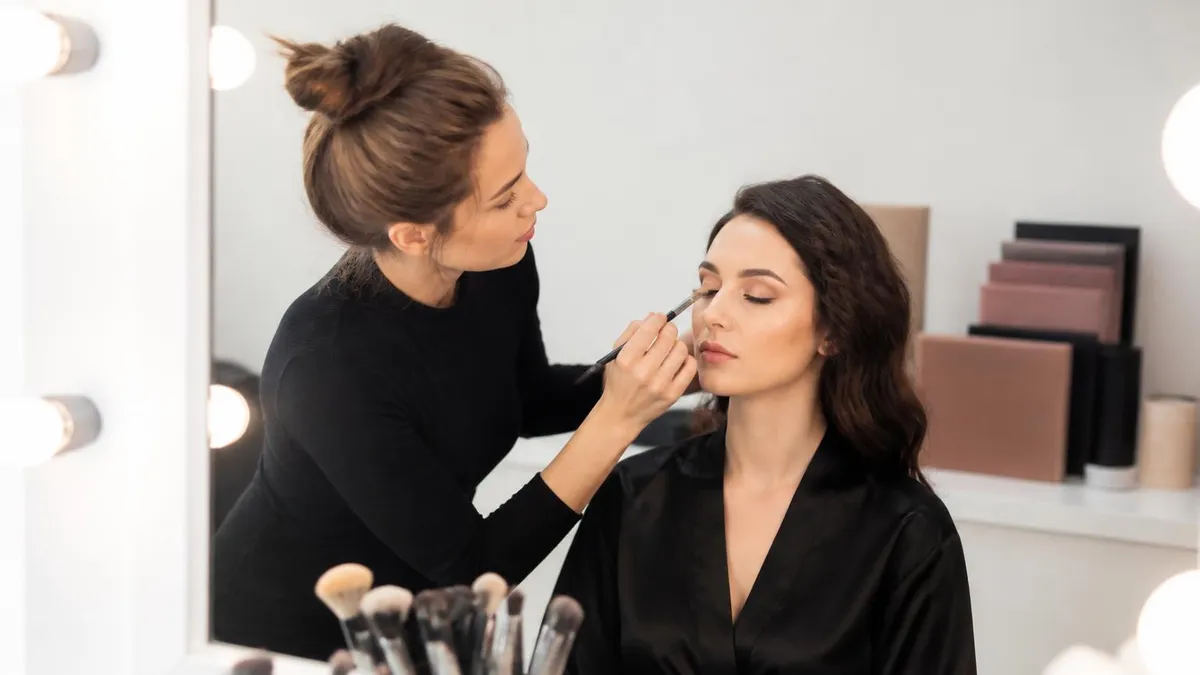
Celebrity Makeup Artist: How to Become One (2026 Career Guide)

Makeup Artist for Film: How to Break Into the Industry and Build a Career

Halloween Makeup Artist: Skills, Career Paths & How to Get Hired

Makeup Artist Names: Famous MUAs, Career Inspirations & How to Build Your Brand

Makeup Artist Portfolio: How to Build, Present, and Land Clients in 2026
About the Author
Licensed Cosmetologist & Beauty Licensing Exam Specialist
Paul Mitchell SchoolsMichelle Santos is a licensed cosmetologist with a Bachelor of Science in Esthetics and Salon Management from Paul Mitchell School. She has 16 years of salon industry experience and 8 years preparing students for state cosmetology board exams in theory, practical skills, and sanitation. She specializes in licensure preparation for cosmetologists, estheticians, and nail technicians.
Join the Discussion
Connect with other students preparing for this exam. Share tips, ask questions, and get advice from people who have been there.
View discussion (7 replies)