
NexGen HVAC & Plumbing: The Complete 2026 September Guide to Modern Home Comfort Systems, Service Standards, and Smart Upgrades
🆕 NexGen HVAC & plumbing explained: modern heating, cooling, water systems, smart controls, service standards, costs, and what to expect from a 2026 September install.
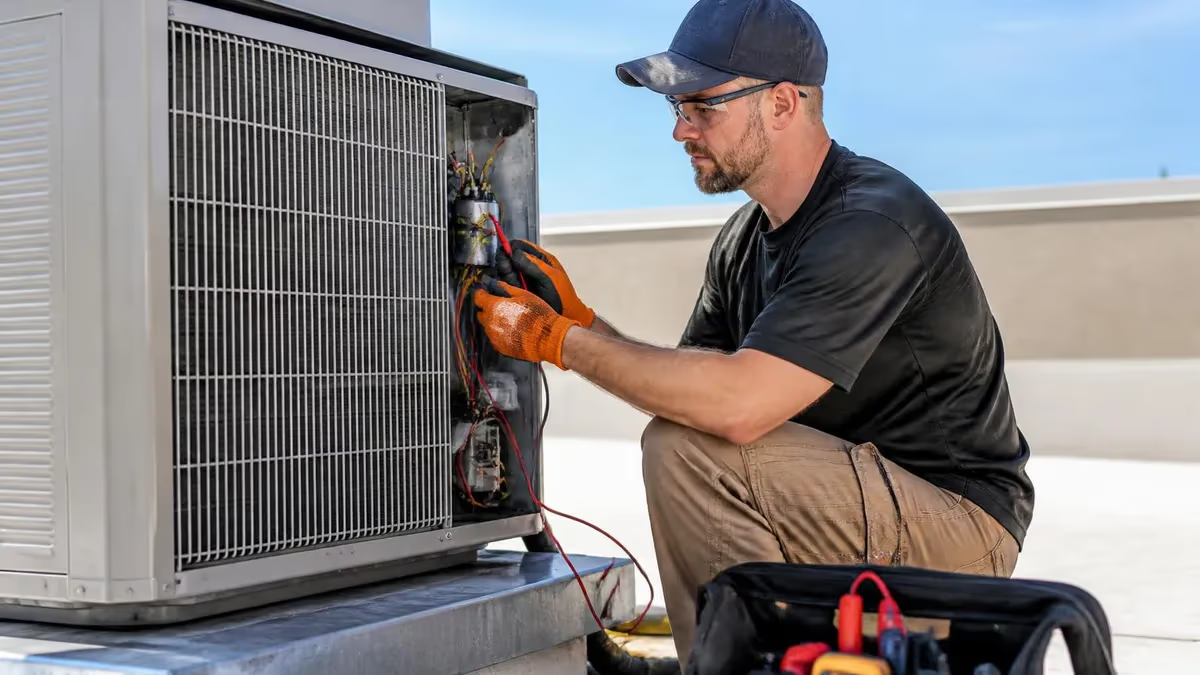
The phrase nexgen hvac & plumbing has become shorthand for a new generation of integrated home comfort systems that blend high-efficiency commercial hvac design water heating, and smart controls into a single coordinated package. Instead of treating the furnace, air conditioner, water heater, and plumbing fixtures as isolated machines, next-generation installers design them as one system that shares sensors, communicates over a home network, and responds dynamically to occupancy, weather, and utility rate signals.
Homeowners considering nexgen hvac & plumbing upgrades in 2026 are typically responding to three pressures at once: rising utility bills, aging equipment installed during the 2005–2015 boom, and new hvac regulations standards that took effect for cooling, water heaters, and refrigerants. The combined result is a market where a simple furnace swap is rarely the right answer, because the building envelope, ductwork, electrical panel, and plumbing risers all influence how well the new equipment will perform over its 15 to 20 year life.
This guide walks through what the next-generation approach actually looks like inside a typical home. You will learn how variable-speed heat pumps, condensing tankless water heaters, smart manifolds, and zoned ductwork work together, what the installation process should include, how to interpret bids, and how to recognize a contractor who genuinely practices integrated design versus one who simply slaps a Wi-Fi thermostat on a 1990s system and calls it modern.
We also cover the diagnostic and service side. Modern equipment has dozens of fault codes, communicating boards, refrigerant sensors, and inverter drives that older technicians may not be trained on. A successful nexgen service call looks very different from a 1990s tune-up, and understanding that difference helps homeowners and apprentice technicians ask the right questions before agreeing to repairs that may cost thousands of dollars.
If you are a technician studying for licensing or certification, the same trends shape what shows up on modern exams. Topics like A2L refrigerants, inverter-driven compressors, low-temperature heat pumps, PEX expansion plumbing, and combined hydronic-air systems now appear on most state hvac vs plumbing tests. Reviewing this material against a structured HVAC air conditioning practice test is one of the fastest ways to bridge the gap between textbook theory and the integrated systems you will actually service.
Throughout the article we focus on practical, verifiable information: equipment categories, efficiency thresholds, code requirements, hvac system service frequency, and realistic price ranges for the United States market in 2026. Where regional variation matters — for example, heat pump sizing in the Pacific Northwest versus the Gulf Coast — we call it out so you can adapt the guidance to your climate zone instead of relying on a single national average.
By the end, you should be able to evaluate any contractor proposal, identify red flags in a service estimate, and understand why integrated nexgen design typically delivers 25 to 45 percent lower energy bills than the equipment it replaces, even when the headline efficiency numbers look only modestly better on paper.
NexGen HVAC & Plumbing by the Numbers
What Defines a Next-Generation System
Heating, cooling, ventilation, water heating, and plumbing are sized and specified together based on a Manual J load calculation, Manual D duct design, and water demand fixture-unit count rather than rules of thumb.
Inverter-driven compressors, modulating gas valves, and ECM blowers ramp output up and down instead of cycling on and off, which reduces wear, noise, humidity swings, and electrical demand peaks.
Thermostats, zone panels, water heater modules, and leak sensors share data over a single bus or Wi-Fi network so the homeowner sees one dashboard and the system can self-diagnose faults before failures.
A2L refrigerants such as R-454B and R-32 replace R-410A in nearly all new equipment, requiring updated leak detection, brazing techniques, and service procedures from the installing contractor.
Panels, breakers, and circuits are sized for future heat pump water heaters, EV chargers, and induction cooking, even when the homeowner installs only some components in the first phase.
The heating and cooling side of a nexgen package almost always centers on a heat pump, even in colder climates where gas furnaces dominated for decades. Cold-climate heat pumps rated for full capacity at 5°F or lower now deliver coefficient-of-performance values above 2.5 in the worst winter conditions, which means they produce roughly two and a half units of heat for every unit of electricity consumed. That changes the economics dramatically compared to electric resistance backup or older two-stage gas systems.
In mixed and southern climates, two-stage and inverter-driven heat pumps dominate new installations because they handle long, humid cooling seasons without the short-cycling that plagues single-stage equipment. A correctly sized inverter system will run at 40 to 60 percent of maximum capacity most of the day, which dehumidifies efficiently, keeps room-to-room temperature differentials small, and uses far less electricity than the nameplate suggests. Pairing this with sealed and insulated ductwork is essential — leaky ducts can erase 25 percent of the efficiency gain.
Dual-fuel systems remain popular in regions with cheap natural gas. In this configuration, the heat pump handles cooling and mild heating loads, while a high-efficiency 95 to 98 percent AFUE condensing furnace takes over below a switchover temperature set by the installer. Done well, this approach delivers the lowest annual operating cost in many northern climates while keeping the backup heat the homeowner is already familiar with.
Ductless mini-split and multi-split systems fill the gap for additions, finished basements, garages converted to offices, and older homes without practical duct runs. Modern multi-splits can serve five or more indoor heads from a single outdoor unit, with each head independently controlled. Installation quality matters enormously: improperly vacuumed line sets, undersized flare connections, and wall penetrations without proper sleeves are the most common warranty issues on otherwise excellent equipment.
Zoning has matured into a standard feature rather than an upgrade. A typical two-story home in 2026 will have at least two zones, often three, with motorized dampers, a communicating bypass-free zone panel, and per-zone temperature and humidity sensors. The result is comfort that finally matches the marketing promises made about central systems decades ago, with the upstairs bedrooms staying within two degrees of the downstairs living areas in both summer and winter.
Air quality is now integrated into the equipment selection rather than added as an afterthought. Media filter cabinets rated MERV 13 or higher, fresh-air dampers tied to CO2 sensors, and whole-house dehumidifiers connected to the return plenum are common line items. For a deeper review of the broader product landscape and how these pieces fit together, see this guide to HVAC solutions for homes and buildings.
The selection process should always begin with a load calculation. Any contractor who proposes equipment based on the size of the existing system or square footage alone is skipping the most important step. Oversized equipment short-cycles, fails to dehumidify, costs more upfront, and wears out faster than properly sized units — a problem that even premium nexgen equipment cannot overcome.
HVAC Practice Test Questions
Prepare for the HVAC - Heating Ventilation and Air Conditioning exam with our free practice test modules. Each quiz covers key topics to help you pass on your first try.
HVAC Air Conditioning
HVAC Exam Questions covering Air Conditioning. Master HVAC Test concepts for certification prep.
HVAC Code Compliance
Free HVAC Practice Test featuring Code Compliance. Improve your HVAC Exam score with mock test prep.
HVAC Electrical Controls
HVAC Test Prep for Electrical Controls. Practice HVAC Quiz questions and boost your score.
HVAC Energy Efficiency
HVAC Questions and Answers on Energy Efficiency. Free HVAC practice for exam readiness.
HVAC Heating Systems
HVAC Mock Test covering Heating Systems. Online HVAC Test practice with instant feedback.
HVAC Load Calculations
Free HVAC Quiz on HVAC Load Calculations. HVAC Exam prep questions with detailed explanations.
HVAC Tools and Equipment
HVAC Practice Questions for HVAC Tools and Equipment. Build confidence for your HVAC certification exam.
HVAC Refrigeration
HVAC Test Online for Refrigeration. Free practice with instant results and feedback.
HVAC Safety Practices
HVAC Study Material on Safety Practices. Prepare effectively with real exam-style questions.
HVAC System Design
Free HVAC Test covering System Design. Practice and track your HVAC exam readiness.
HVAC Thermodynamics
HVAC Exam Questions covering Thermodynamics. Master HVAC Test concepts for certification prep.
Plumbing and Water Heating in NexGen HVAC & Plumbing
Heat pump water heaters now lead new installations in most climate zones, delivering uniform energy factors above 3.5 compared to roughly 0.95 for the electric tanks they replace. A 50 to 80 gallon hybrid unit covers most four-person households, and the dehumidification side effect is welcome in basements and utility rooms during cooling season. Proper installation requires adequate airflow around the unit, condensate drainage, and a 240V circuit.
Condensing tankless gas water heaters remain popular where natural gas is inexpensive. Modern units modulate from roughly 10,000 to 199,000 BTU and reach thermal efficiencies of 95 percent. They require larger gas lines than the storage tanks they replace, dedicated PVC or polypropylene venting, and a condensate neutralizer. When properly sized, a single unit handles two simultaneous showers plus a dishwasher without temperature drop.

Is a Full NexGen Upgrade Worth It?
- +Energy bills typically fall 25 to 45 percent within the first full year
- +Indoor humidity stays in the 40 to 55 percent comfort range year round
- +Communicating equipment self-diagnoses faults before complete failures
- +Smart leak protection prevents catastrophic water damage claims
- +Federal tax credits and utility rebates often cover 20 to 35 percent of cost
- +Resale value increases measurably in most U.S. real estate markets
- +Single dashboard replaces multiple thermostats and apps
- −Upfront cost is 30 to 60 percent higher than basic replacement
- −Fewer technicians are trained on inverter and A2L refrigerant systems
- −Electrical panel upgrades are sometimes required
- −Smart features depend on reliable home Wi-Fi and firmware updates
- −Proprietary communicating controls can lock you to one brand
- −Payback period is 6 to 12 years depending on local utility rates
Pre-Installation Checklist for NexGen HVAC & Plumbing
- ✓Request a written Manual J load calculation, not square-foot sizing
- ✓Confirm the contractor is EPA 608 certified for A2L refrigerants
- ✓Verify the electrical panel has capacity for new heat pump and water heater loads
- ✓Inspect existing ductwork for leakage and have it sealed or replaced as needed
- ✓Ask for Manual D duct design when zoning or new runs are involved
- ✓Get written model numbers and AHRI matched-system certificates in advance
- ✓Confirm permits and inspections are included in the bid price
- ✓Check that the bid lists condensate management, line set covers, and pad mounts
- ✓Verify warranty registration is handled by the installer, not left to you
- ✓Ask which utility rebates and federal tax credits the installer will document
Installation Quality Matters More Than Brand
Independent studies consistently show that installation quality affects long-term performance more than the brand on the equipment. A mid-tier system installed correctly with sealed ducts, proper charge, and accurate sizing routinely outperforms a premium system installed poorly. Vet the crew, not just the catalog.
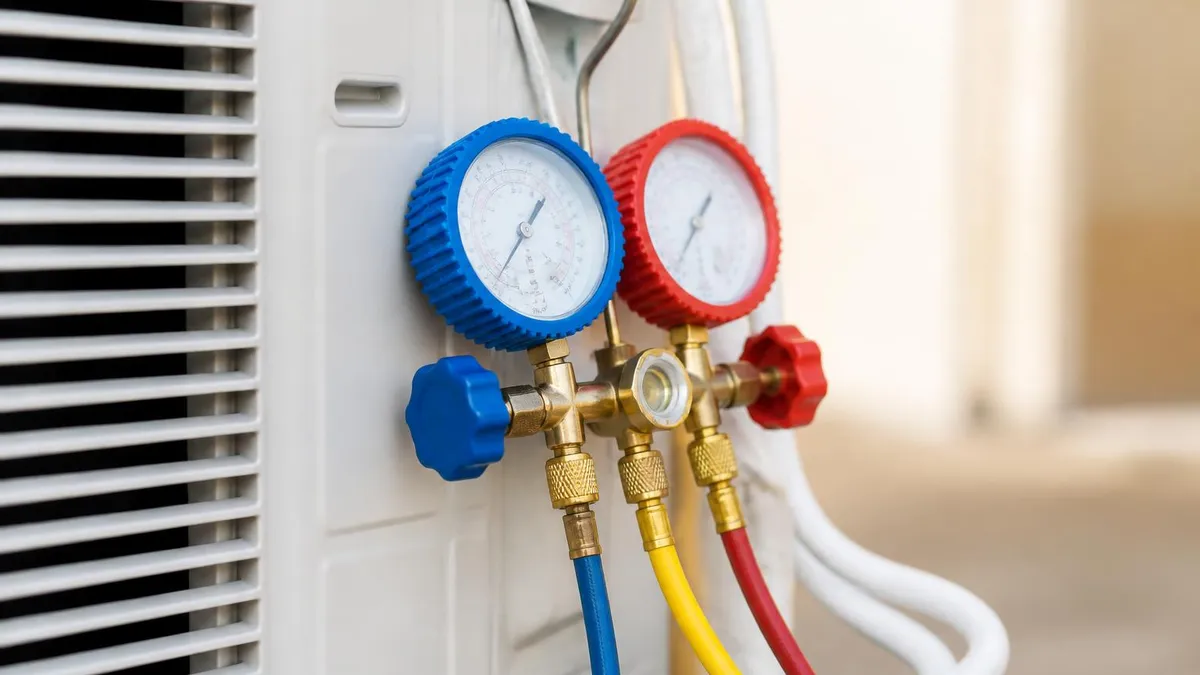
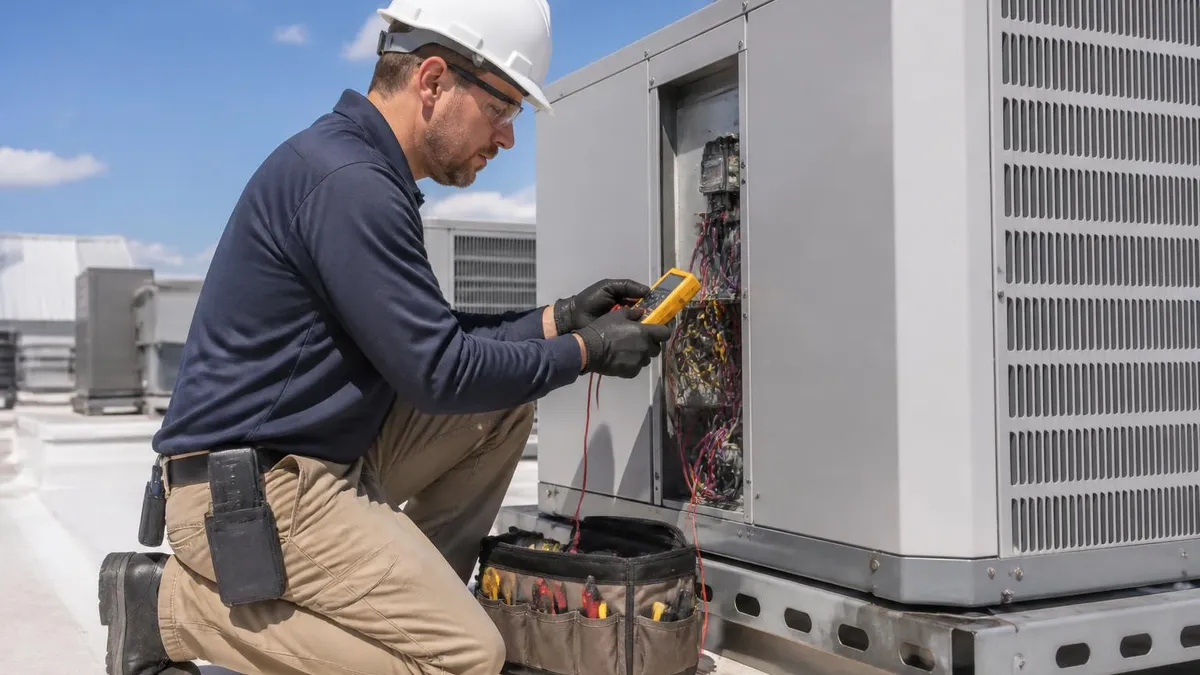
Service expectations have shifted significantly with nexgen equipment. A modern annual maintenance visit on a communicating heat pump and tankless water heater takes 90 minutes to two hours, compared to 45 minutes for a 2005-era furnace and storage tank. The technician should pull live data from the equipment, check inverter board fault history, verify refrigerant subcooling and superheat with calibrated hvac digital gauges, and inspect condensate drains, blower wheels, and outdoor coils for restriction.
Diagnostics rely heavily on the equipment's own self-reporting. Communicating systems store dozens of historical fault codes and runtime statistics in non-volatile memory, which a properly equipped technician can read with a service tool or smartphone app. This data often reveals intermittent problems — a low subcooling hvac that only causes faults on the hottest afternoons, for example — that would be invisible during a normal visit.
Refrigerant work changed substantially when A2L refrigerants became standard in 2025 and 2026. R-454B and R-32 are mildly flammable, which means brazing requires nitrogen purges, the equipment area must meet minimum room-volume requirements, and leak detection sensors are built into many indoor units. Technicians not trained on these protocols can inadvertently void warranties or create safety hazards, so verifying current certification matters more than ever.
Plumbing service on tankless and hybrid water heaters is more involved than on traditional tanks. Annual descaling with a circulation pump and food-grade descaler is required in most hard-water regions to maintain efficiency and warranty coverage. Heat pump water heater filters and evaporator coils need cleaning, and condensate lines must be flushed to prevent overflow. Skipping these visits routinely shortens equipment life by years.
Documentation matters more in the nexgen era. Every service visit should produce a written report listing measured static pressure, temperature splits, refrigerant pressures, gas pressure where applicable, water hardness, and any fault codes cleared. This record becomes essential if a warranty claim arises later and is also useful when the home is eventually sold. For a deeper look at what professional service should include, see this guide to hvac maintenance service.
Between professional visits, homeowners can extend equipment life with simple monthly tasks: replacing or washing filters, clearing leaves and snow from outdoor units, listening for unusual noises, checking that condensate drains are flowing freely, and reviewing the smart dashboard for any flagged events. A 10-minute walk-around once a month catches roughly 80 percent of the problems that escalate into expensive failures.
Finally, plan for component-level replacements over the 15 to 20 year life of the system. Capacitors, contactors, condensate pumps, and igniters are wear items expected to fail at predictable intervals. A nexgen system with proactive replacement of these parts during routine visits avoids the after-hours emergency calls that drive up total cost of ownership on neglected equipment.
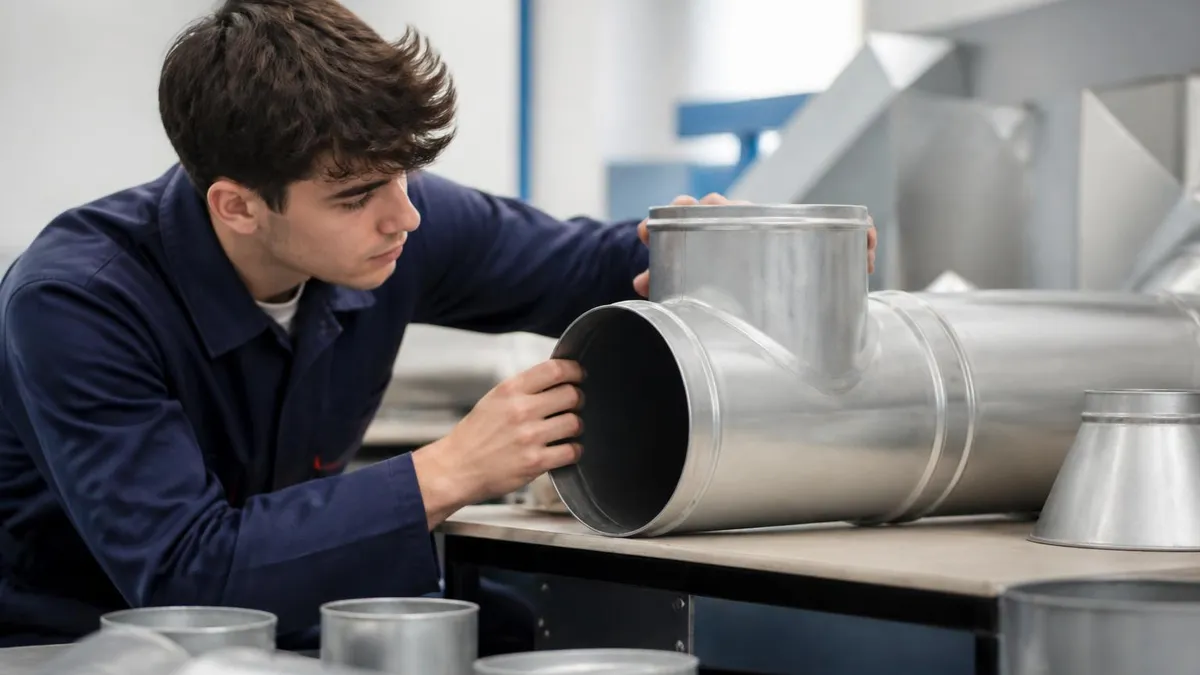
If a contractor offers to install brand-new R-410A equipment in 2026, treat it as a red flag. The phase-down means parts and refrigerant will become progressively more expensive over the 15-year life of the equipment, and many manufacturers have already discontinued R-410A models entirely. Insist on A2L-compliant systems unless you fully understand the trade-off.
Smart controls are where nexgen systems either justify their premium or quietly disappoint. The best implementations integrate thermostat, zoning, water heater, leak sensors, ventilation, and indoor air quality on a single dashboard accessible from one mobile app. The homeowner sees runtime, energy use, indoor humidity, outdoor temperature, and active alerts on one screen instead of juggling five separate apps from different manufacturers.
Demand response and time-of-use rate integration is becoming a major value driver. Utilities in California, Texas, the Northeast, and increasingly the Midwest charge variable rates that can be three to five times higher during peak hours. A nexgen system that pre-cools the home before the peak window, shifts water heater operation to off-peak hours, and modulates rather than cycling can cut the electrical portion of utility bills by an additional 10 to 20 percent on top of the equipment efficiency gains.
Indoor air quality monitoring has moved from optional to expected. Built-in or wall-mounted sensors track CO2, VOCs, PM2.5, humidity, and sometimes radon, then trigger ventilation, filtration, or dehumidification automatically. After wildfire seasons in the western U.S. demonstrated how quickly outdoor air quality can deteriorate, automatic damper closure and high-MERV filtration have become genuinely useful safety features rather than marketing add-ons.
Integration with home electrification planning is the final piece. The nexgen approach assumes the home will eventually run an EV charger, possibly induction cooking, and possibly battery storage and solar. Panel upgrades, conduit runs, and circuit allocation should be planned during the HVAC and plumbing project rather than as a separate disruptive job two years later. Coordinated planning typically saves 20 to 40 percent versus piecemeal upgrades.
Cybersecurity deserves attention that it rarely gets. Smart HVAC and plumbing controls live on the home network, communicate with cloud services, and accept firmware updates. Choose equipment from manufacturers with documented security practices, enable two-factor authentication on the controlling account, segment the equipment onto a guest or IoT network, and disable remote access features you do not actively use. These steps take minutes and prevent most of the realistic threats.
Long-term value comes from choosing a contractor who will be available in year 12 when a control board fails or a firmware bug surfaces. Ask how long the company has been installing the specific equipment line, what their technician training cadence looks like, and whether they keep common parts in stock. The lowest bid frequently comes from a company that will not be servicing your system five years later. For help with the vetting process, this guide on certified HVAC contractors walks through the questions that separate strong installers from weak ones.
When all of these pieces come together — properly sized equipment, sealed and tested distribution, integrated controls, qualified service, and forward-looking electrical planning — the result is a home comfort system that quietly disappears into the background. Owners stop thinking about temperature, humidity, hot water availability, or leak risk. That invisibility is the real product the nexgen approach is selling.
Practical preparation for a nexgen project starts with a clear scope document before any equipment is selected. Walk through the home with a notebook and list every comfort and plumbing complaint: hot upstairs bedrooms, cold basements, slow hot water at the master shower, condensation on supply registers, noisy returns, high summer humidity. These specific complaints drive the load calculation, zone layout, and water heater sizing far more usefully than generic upgrade language.
Get at least three written bids and insist that each one lists model numbers, AHRI certificate references, accessory components, ductwork modifications, electrical work, permits, and labor warranty. Bids that just say "high-efficiency system installed" with a single price are impossible to compare and almost always hide important omissions. The bid format itself is a strong signal of how organized the company is.
Time the project carefully. Spring and fall shoulder seasons are the easiest scheduling windows because emergency call volume is lower and crews are not stretched. Avoid mid-summer and mid-winter installs whenever possible — you will pay more, wait longer, and get a crew that is mentally focused on the next emergency. Planning six to eight weeks ahead also gives time to apply for rebates and tax credit documentation.
Verify rebates and incentives before signing. The federal Energy Efficient Home Improvement Credit, the Inflation Reduction Act heat pump rebates administered by states, and local utility programs can stack to cover 20 to 40 percent of project cost, but each has different paperwork, equipment requirements, and deadlines. A contractor experienced with current incentive programs will provide a list of applicable programs and handle the documentation. One who shrugs at the question is probably leaving thousands of dollars on the table.
Plan for the installation week itself. A full nexgen project on an occupied home typically takes three to five working days and may involve several hours without hvac services phoenix or hot water during transitions. Make arrangements for pets, work-from-home setups, and any temperature-sensitive medications. Clear access to the indoor equipment, electrical panel, water heater, and outdoor unit locations before crews arrive — this alone can save half a day of labor.
After the install, demand a complete commissioning report. This should include refrigerant charge by weigh-in or subcooling, static pressure measurements at multiple points, airflow at each register, gas pressure if applicable, water heater outlet temperature, recirculation loop performance, and screenshots of the configured smart controls. Without commissioning data you cannot prove the system was started correctly, which complicates any future warranty claims.
Finally, schedule the first maintenance visit before the technicians leave the property. Most warranty programs require documented annual service to remain valid, and most homeowners forget until something fails. A standing appointment every spring for cooling and every fall for heating, combined with a tankless or hybrid water heater service every 12 months, keeps both the equipment and the warranty in force for the full 15 to 20 year life the nexgen approach is designed to deliver.
HVAC Questions and Answers
HVAC Repair Portland: The Complete 2026 Homeowner's Guide to Furnace, AC, and Heat Pump Service in the Rose City
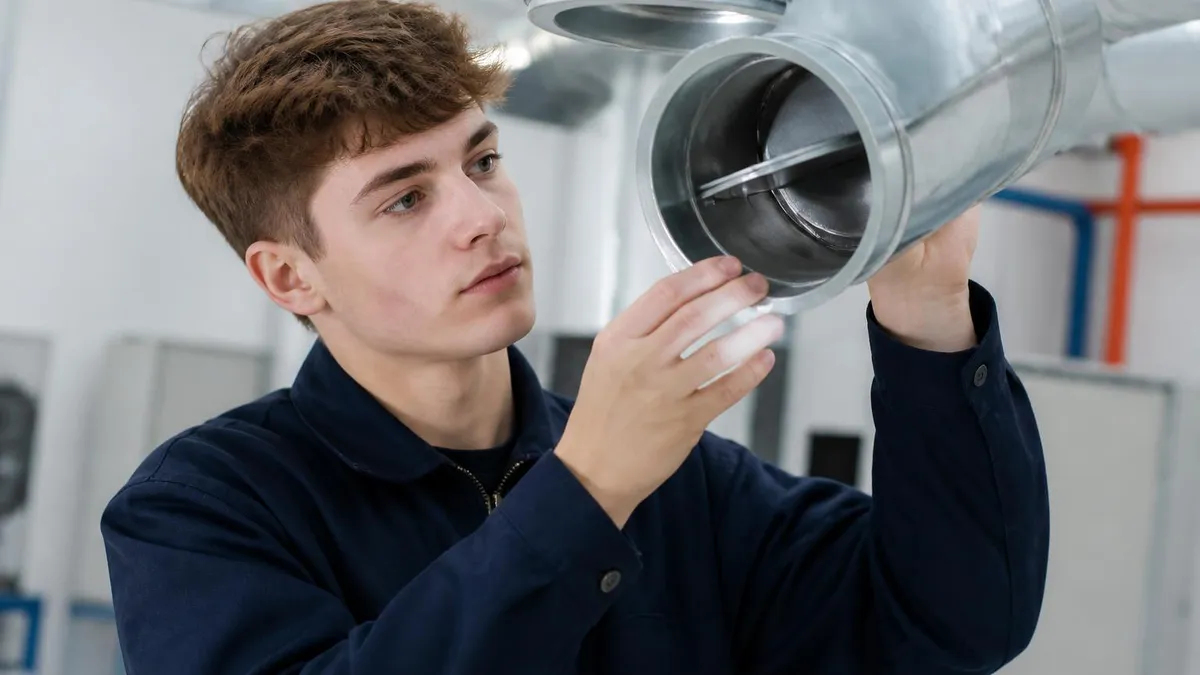
HVAC Tune Up Service: The Complete Guide to Professional HVAC Maintenance and Why It Pays for Itself
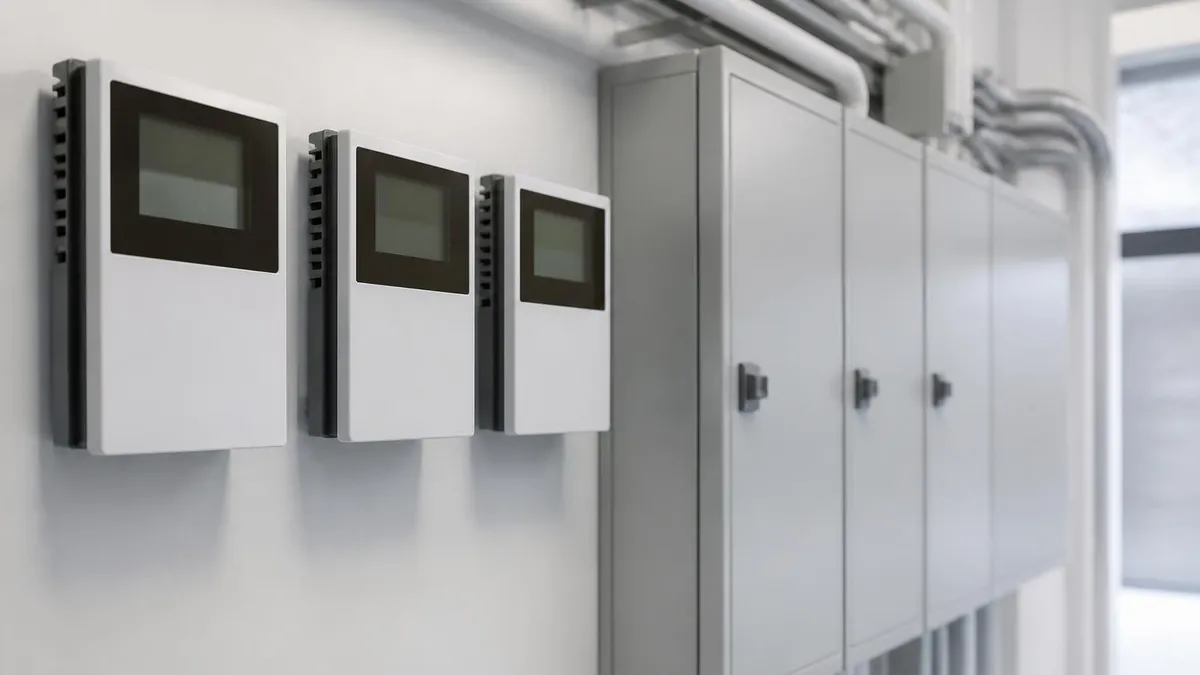
HVAC Solutions: The Complete Guide to Heating, Cooling, and Indoor Air Quality Systems for Homes and Buildings
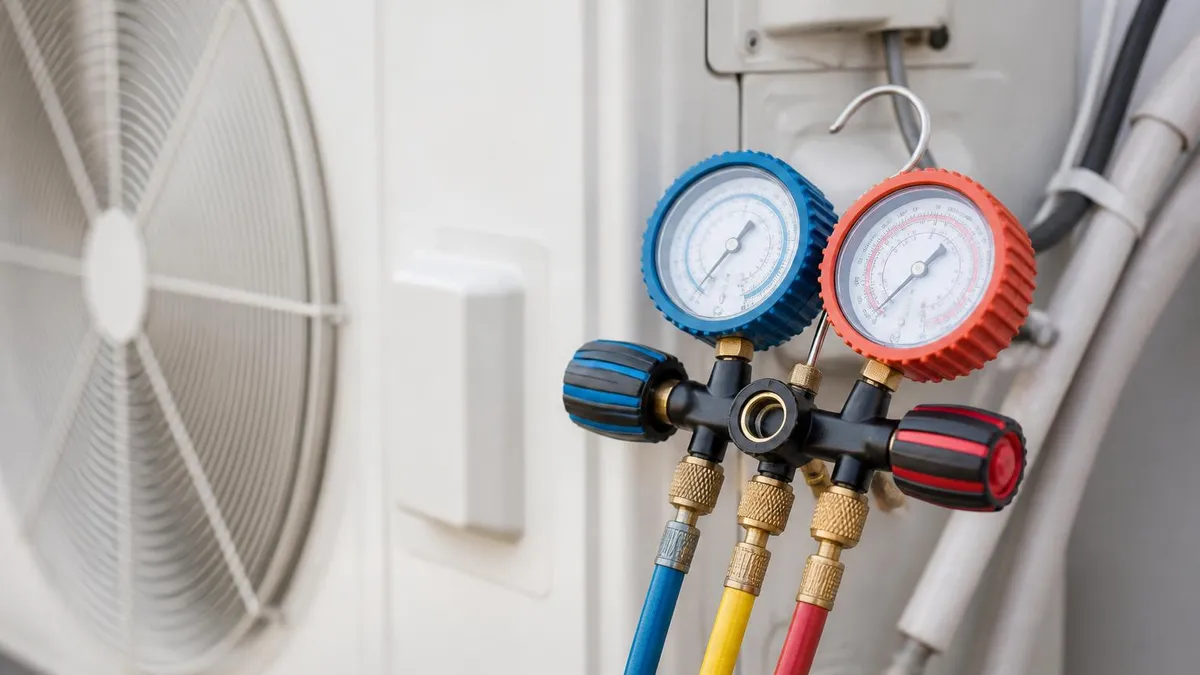
Certified HVAC Contractors: How to Find, Vet, and Hire the Right Professional for Your Home or Business
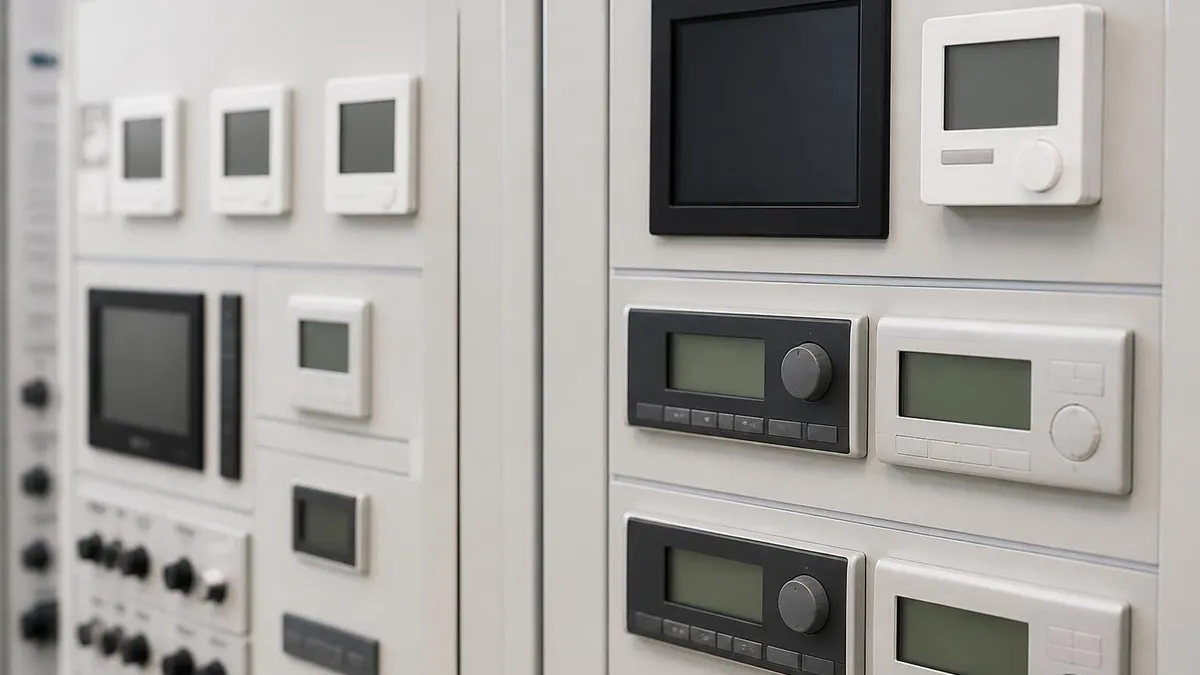
HVAC Parts and Supply: The Complete Guide to Sourcing, Identifying, and Buying Heating and Cooling Components in 2026
About the Author

NATE Certified HVAC Technician & Licensing Exam Trainer
Universal Technical InstituteMike Johnson is a NATE-certified HVAC technician and EPA 608 universal-certified refrigerant handler with a Bachelor of Science in HVAC/R Technology. He has 19 years of commercial and residential HVAC installation and service experience and specializes in preparing technicians for NATE certification, EPA 608, A2L refrigerant safety, and state HVAC contractor licensing examinations.