
HVAC vs Plumbing: Does HVAC Do Water Heaters? The Complete Guide to Understanding Where the Trades Overlap and Diverge
Does HVAC do water heaters? Learn where HVAC and plumbing overlap, who installs tankless units, heat pump water heaters, and which trade to call. 🏆
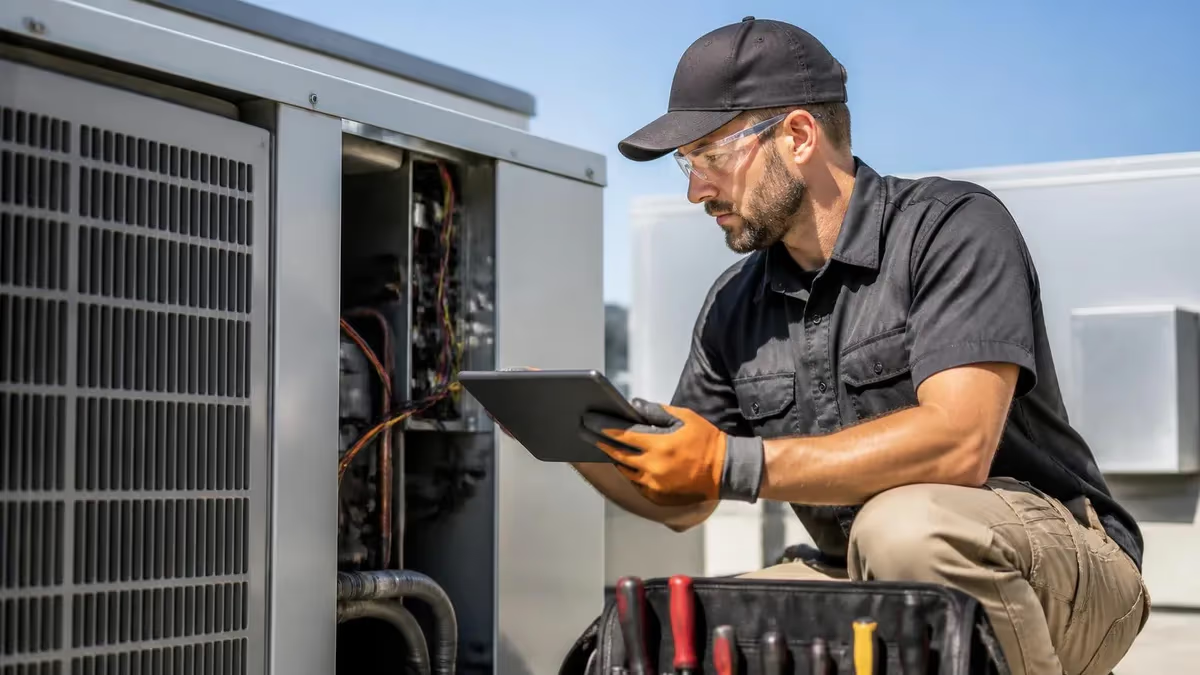
hvac system operation do water heaters? It is one of the most common questions homeowners ask when a tank starts leaking, a pilot light goes out, or a utility rebate suddenly makes a heat pump water heater look attractive. The short answer is that the line between HVAC and plumbing is blurrier than ever, and the right contractor depends on the type of water heater, the fuel source, and the local licensing rules in your state. Understanding the distinction can save you hundreds of dollars and weeks of headaches.
Traditionally, plumbers handled anything that moved water through pipes, and HVAC technicians handled anything that moved air through ducts. Water heaters sat squarely in the plumber's domain because they connect to supply lines, drain lines, and pressure relief valves. But the rise of high-efficiency condensing units, heat pump water heaters, and combination boilers has pulled HVAC contractors into the conversation in a way that did not exist twenty years ago.
Today, HVAC companies routinely install and service heat pump water heaters because the refrigeration cycle inside them is identical to the technology in a central air conditioner or a mini-split. Plumbers still dominate the gas and electric tank market, but the fastest-growing segment of the industry, the hybrid electric water heater, is increasingly an HVAC product. If you are weighing your options, you need to know which trade is best equipped to handle your specific situation.
This guide walks through every angle of the HVAC versus plumbing debate as it applies to water heaters. We will cover licensing requirements, code compliance, warranty implications, rebate eligibility, installation costs, and the practical differences between calling a plumber versus an HVAC tech for water heater work. By the end, you will know exactly who to call, what questions to ask, and how to avoid the common pitfalls that lead to failed inspections or voided warranties.
We will also touch on adjacent topics that confuse homeowners: tankless water heater venting, combi boilers, indirect water heaters tied to boilers, and the new generation of CO2 heat pump water heaters showing up in coastal markets. Each of these technologies sits at a different point on the HVAC-to-plumbing spectrum, and the answer to who should install or service them varies accordingly.
Whether you are a homeowner researching a replacement, a contractor expanding into new service lines, or a student studying for trade licensure, this guide gives you the practical knowledge to navigate the overlap between two of the most important building trades. Let us start with the fundamental question of what each trade actually covers under modern state licensing law and where the gray areas live.
HVAC vs Plumbing by the Numbers
What Each Trade Actually Covers
Plumbers handle potable water supply, drain-waste-vent systems, gas piping in most states, fixtures, and traditional storage tank water heaters. They are licensed for pressure testing, soldering, and code compliance on water lines.
HVAC techs cover heating, ventilation, air conditioning, refrigeration, ductwork, and increasingly heat pump technology. EPA 608 certification lets them handle refrigerants found in heat pump water heaters and mini-splits.
Heat pump water heaters, combi boilers, hydronic heating, and tankless gas units sit in a gray area. Both trades may be qualified depending on state rules, and some contractors hold dual licenses to cover both domains.
Gas line connections for water heaters fall under plumbing in roughly 38 states, but HVAC techs handle gas piping in others. Always verify your jurisdiction before scheduling installation work.
Neither trade typically pulls 240V circuits for electric water heaters without electrical sub-licensure. A licensed electrician usually wires the disconnect while the HVAC or plumbing crew makes final connections.
The type of water heater you own determines which trade is best suited to install or service it. Conventional storage tank water heaters, whether gas or electric, are firmly in the plumber's wheelhouse. These units have been around for a century, and the installation work centers on water connections, gas piping, venting, and pressure relief valves. A licensed plumber will handle the entire job from removal to startup, and most warranty paperwork specifically lists plumbing contractors as the authorized installer.
Tankless gas water heaters complicate the picture. The water connections are still plumbing, but the combustion air requirements, sealed venting, and condensate drainage start to look more like HVAC work. Many tankless units require Category III or IV stainless venting that runs concentrically with intake air, similar to a high-efficiency furnace. Some manufacturers like Rinnai and Navien train HVAC contractors as authorized service techs, while others stick exclusively with plumbing channels.
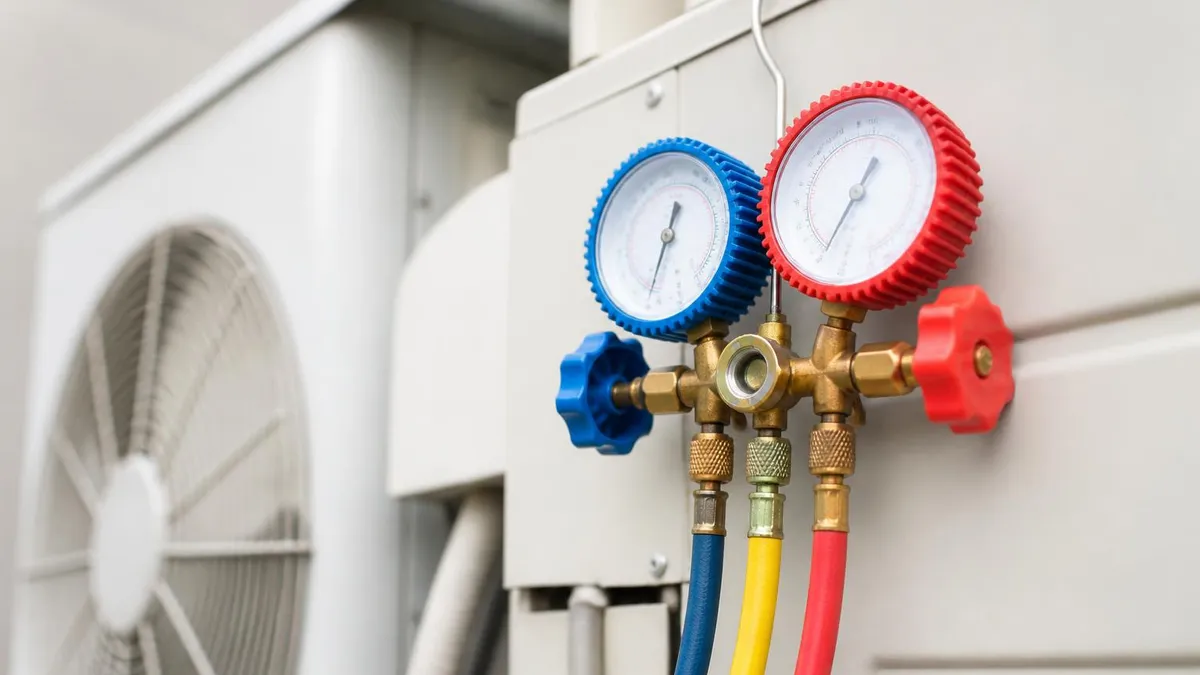
Heat pump water heaters are where HVAC contractors genuinely shine. These hybrid units use a small refrigeration system, typically with R-134a or R-513A refrigerant, mounted on top of an electric storage tank. The compressor, evaporator, and condenser coils pull heat from ambient air and dump it into the water. Diagnosing a low subcooling hvac or a failed compressor requires EPA 608 certification, which plumbers rarely hold. For these systems, an HVAC tech is often the better choice for both installation and long-term service.
Combination boilers and indirect-fired water heaters add another layer. A combi boiler heats both your radiators and your domestic hot water, blending HVAC heating expertise with plumbing fixture work. Indirect water heaters tap into a hydronic boiler loop, which means the boiler tech, almost always an HVAC specialist, takes the lead. These systems are common in the Northeast and require a contractor comfortable with both worlds. For deeper context on whole-home heating equipment that ties into domestic hot water, see our HVAC Solutions guide.
Solar water heating, while a niche in most U.S. markets, also tends to fall to plumbers because the storage tanks, glycol loops, and pressure controls mimic conventional hydronics. However, the solar thermal collectors on the roof and the differential controllers feel more like specialty work, and dedicated solar contractors often handle these jobs end to end. If you have an existing solar system that needs service, ask whether your installer is still in business before defaulting to a general plumber.
CO2-based heat pump water heaters, marketed under brands like SANCO2 and Mitsubishi Ecodan, push the technology even further into HVAC territory. These split systems use a transcritical CO2 refrigeration cycle that can heat water to 175°F efficiently in cold climates. Installation involves a refrigerant line set between an outdoor compressor unit and an indoor tank, almost identical to a mini-split installation. Only HVAC contractors with refrigeration training are realistically qualified to commission these systems.
The lesson is that water heater technology has fragmented, and the correct trade depends on the equipment. Ask your contractor specifically what models they install regularly, what manufacturer training they hold, and whether they handle warranty service in-house or refer it out. That single question separates competent installers from those who will leave you stranded when something goes wrong six months down the road.
HVAC Practice Test Questions
Prepare for the HVAC - Heating Ventilation and Air Conditioning exam with our free practice test modules. Each quiz covers key topics to help you pass on your first try.
HVAC Air Conditioning
HVAC Exam Questions covering Air Conditioning. Master HVAC Test concepts for certification prep.
HVAC Code Compliance
Free HVAC Practice Test featuring Code Compliance. Improve your HVAC Exam score with mock test prep.
HVAC Electrical Controls
HVAC Test Prep for Electrical Controls. Practice HVAC Quiz questions and boost your score.
HVAC Energy Efficiency
HVAC Questions and Answers on Energy Efficiency. Free HVAC practice for exam readiness.
HVAC Heating Systems
HVAC Mock Test covering Heating Systems. Online HVAC Test practice with instant feedback.
HVAC Load Calculations
Free HVAC Quiz on HVAC Load Calculations. HVAC Exam prep questions with detailed explanations.
HVAC Tools and Equipment
HVAC Practice Questions for HVAC Tools and Equipment. Build confidence for your HVAC certification exam.
HVAC Refrigeration
HVAC Test Online for Refrigeration. Free practice with instant results and feedback.
HVAC Safety Practices
HVAC Study Material on Safety Practices. Prepare effectively with real exam-style questions.
HVAC System Design
Free HVAC Test covering System Design. Practice and track your HVAC exam readiness.
HVAC Thermodynamics
HVAC Exam Questions covering Thermodynamics. Master HVAC Test concepts for certification prep.
Licensing and Code Differences for Water Heater Work
A licensed plumber typically holds a journeyman or master plumber credential issued by the state. The scope covers potable water supply, drain-waste-vent, fixtures, and water heaters of all types. Plumbers must pass exams covering the Uniform Plumbing Code or International Plumbing Code, depending on jurisdiction, and most states require thousands of supervised apprentice hours before licensure.
For water heater installation, the plumbing license authorizes pipe sizing, T&P valve placement, expansion tank requirements, drain pan installation, and venting compliance under NFPA 54 for gas appliances. A plumber can pull permits for water heater replacement in nearly every U.S. jurisdiction, and home insurance policies often require a licensed plumber's signature on the installation paperwork.
Hiring an HVAC Contractor vs a Plumber for Water Heater Work
- +HVAC techs hold EPA 608 certification required for heat pump water heaters
- +Better suited for refrigerant diagnostics on hybrid electric units
- +Familiar with sealed combustion venting on high-efficiency tankless units
- +Often qualified to install both space heating and water heating equipment simultaneously
- +Manufacturer training programs increasingly target HVAC channels for hybrid units
- +Can handle ductwork modifications needed for heat pump water heater installations
- −May lack journeyman plumbing license required for gas tank installations in some states
- −Gas piping connections often require plumbing sub-license or partner trade
- −Less experience with traditional tank water heater diagnostics and anode rod service
- −Warranty registration may not list HVAC contractors as authorized installers
- −Drain line modifications and rough plumbing changes need a plumber
- −Some jurisdictions explicitly require plumbing license for water heater permits
Water Heater Contractor Hiring Checklist
- ✓Verify the contractor holds the correct state license for your water heater type
- ✓Confirm EPA 608 certification if installing a heat pump water heater
- ✓Ask whether they handle the permit application or expect you to
- ✓Request proof of liability insurance and workers compensation coverage
- ✓Get a written quote that itemizes labor, materials, permit fees, and disposal
- ✓Check that the quote includes a thermal expansion tank and new shutoff valves
- ✓Confirm warranty registration will be completed in your name within 30 days
- ✓Ask about utility rebate paperwork and federal tax credit documentation
- ✓Verify the venting material matches the appliance category for tankless units
- ✓Confirm the contractor will haul away the old unit and dispose of it legally
Match the trade to the technology, not the appliance category
If the water heater uses refrigerant, call an HVAC contractor first. If it uses combustion or just water and electricity, a plumber is usually the right choice. Hybrid jobs benefit from contractors who hold both licenses or work in tight partnership with the other trade.
Cost differences between HVAC and plumbing contractors for water heater work can be significant, and they depend heavily on the type of equipment. A standard 50-gallon gas tank installed by a plumber typically runs $1,800 to $3,200 including the unit, permit, and disposal. Adding a thermal expansion tank, replacing the shutoff valve, and bringing the venting up to current code can push the total over $4,000 in high-cost metros. Plumbers tend to charge by the job rather than by the hour for these installations.
HVAC contractors installing heat pump water heaters typically quote $4,500 to $7,500 for the equipment, installation, electrical, and condensate routing. The premium reflects the more complex commissioning, longer install time, and specialized tools. However, federal tax credits worth up to $2,000 and utility rebates often exceeding $1,000 can drop the net cost below a comparable gas tank replacement. Many homeowners discover that the hybrid unit pays back the difference through energy savings within four to six years.
Warranty considerations also tilt the calculus. Manufacturers like A.O. Smith, Rheem, and Bradford White offer extended labor warranties when installation is performed by a trained contractor in their network. Some networks include only plumbers, others include HVAC firms, and a growing number include both. Always ask the contractor to show you the registration confirmation before they leave the job site. Without proper registration, you may have only the standard one-year labor warranty rather than the six or ten-year extended coverage advertised on the product page.
Service and repair costs follow similar patterns. A plumber will charge $150 to $400 for routine tank diagnostics, anode rod replacement, or thermocouple swaps. An HVAC tech servicing a heat pump water heater might bill $200 to $500 for refrigerant inspection, fan motor diagnosis, or controller troubleshooting. The difference reflects the specialized refrigeration training and the higher cost of test equipment. If you maintain your home with a regular hvac maintenance service, ask whether your provider can include the heat pump water heater in the annual visit.
Insurance and liability are worth mentioning. Water heater failures cause an estimated $400 million in homeowner insurance claims each year, mostly from tank ruptures and slow leaks. If an unlicensed installer or the wrong trade does the work, your homeowner policy may deny the claim. Verifying licensure with your state board takes about three minutes online and protects you against a worst-case scenario where a failed installation floods your basement.
Energy efficiency rebates further reward homeowners who choose qualified contractors. Programs run by utilities, state energy offices, and the federal Inflation Reduction Act often require participating contractor enrollment. The contractor handles the paperwork, but they have to be on the approved list. Heat pump water heater rebates in particular tend to flow through HVAC channels because the program design borrowed from existing heat pump space heating incentives. Check your utility's website before signing a contract.
Finally, factor in the lifespan economics. A traditional gas tank lasts 10 to 15 years. A heat pump water heater carries a 10 to 12-year tank warranty plus separate compressor coverage. A tankless gas unit can last 20 years with annual descaling. The trade you choose for installation often becomes the trade you call for service over that lifespan, so think about long-term relationships, not just the lowest install bid. A contractor who handles routine maintenance well saves you thousands across the life of the appliance.
Replacing a water heater without a permit is a code violation in nearly every U.S. jurisdiction, and unpermitted work can complicate home sales, insurance claims, and warranty registrations. Always confirm the contractor pulls the permit and schedules the final inspection before final payment.
Knowing when to call an HVAC contractor versus a plumber comes down to recognizing what kind of failure you are dealing with. If your water heater is leaking from the tank, dripping at the T&P valve, making rumbling noises from sediment buildup, or producing rusty water, those are plumbing-side symptoms. A plumber will diagnose and replace the unit faster, source replacement parts from local plumbing supply houses, and handle the water-side connections with confidence.
If your heat pump water heater is short-cycling, producing warm but not hot water, showing fault codes related to the refrigeration system, or failing to dehumidify the surrounding space, those are HVAC-side symptoms. An HVAC tech will recover refrigerant if needed, diagnose evaporator coil icing, check superheat and subcooling, and verify the compressor is operating within manufacturer specs. These tasks are outside the scope of most plumbing training programs.
For a new installation in a major renovation or new construction, the answer often depends on what other work is happening. If you are also installing a heat pump for space heating, having one HVAC contractor handle both the heat pump and the heat pump water heater simplifies project management and refrigerant logistics. If you are replacing a single appliance with a like-for-like swap, a plumber is usually faster and less expensive. The right contractor for your hvac repair portland or any other regional market typically has clear preferences they can explain in plain language.
Some scenarios genuinely require both trades. A new heat pump water heater retrofit in a basement with no existing drain might need a plumber to install a condensate pump and drain line and an HVAC tech to commission the refrigeration system. A combi boiler installation involves gas piping, hydronic loops, and domestic water connections that span both trade scopes. In these situations, hiring a single full-service mechanical contractor who employs both plumbers and HVAC techs eliminates coordination headaches and finger-pointing if something goes wrong.
Emergency situations follow their own logic. A tank that has burst and is flooding your basement at 2 a.m. needs immediate shutoff and water mitigation, both plumbing tasks. A heat pump water heater that simply stopped producing hot water but is not leaking can usually wait until morning for an HVAC service call. Knowing the difference helps you communicate effectively with the dispatcher and ensures the right truck shows up with the right parts.
For homeowners shopping for replacement equipment, the contractor selection process should start before the failure happens. Get quotes from at least two plumbers and one HVAC contractor familiar with hybrid units. Compare the equipment they recommend, the warranty terms, the installation timeline, and the rebate paperwork. The lowest bid is rarely the best deal once you factor in warranty support and long-term service relationships.
Finally, regional differences matter. In hot, humid southern states, heat pump water heaters perform exceptionally well and HVAC contractors dominate the market. In cold northern climates, where basements run colder than the unit's operating range, plumbers still install most water heaters and HVAC involvement is limited to specialty CO2 systems. Ask local contractors what they install most often in your climate, and pay attention to what your neighbors have. Local consensus usually reflects what works best in your specific conditions.
Practical tips for navigating the HVAC versus plumbing question start with documentation. Before any contractor visits your home, photograph the existing water heater, the area around it, the gas line and shutoff valve, the cold and hot water connections, the vent stack, and the electrical disconnect if present. Note the brand, model number, serial number, and any visible fault codes. This information helps the contractor quote accurately over the phone and ensures the truck arrives with the right parts on the first visit.
When you call for quotes, describe the problem in specific terms rather than guessing at causes. Say what you observe, such as no hot water, water on the floor, error code E5, or a popping sound from the tank, rather than diagnosing yourself. Let the contractor ask diagnostic questions. Their first three questions tell you whether they actually know the equipment or are simply trying to upsell a replacement before they understand the failure.
Verify the quote includes everything required by current code, not just a basic swap. Modern installations almost always require a thermal expansion tank on closed plumbing systems, a sediment trap on gas lines, a properly sized drain pan with a discharge line, and seismic strapping in earthquake zones. Some quotes skip these items to look cheaper, but the inspector will catch them, and the contractor will charge for the rework. Insist on a code-compliant quote up front.
For heat pump water heaters specifically, the installation location matters enormously. The unit needs at least 700 to 1,000 cubic feet of ambient air to operate efficiently, and it works best in spaces that stay between 40°F and 90°F. Garages and unfinished basements are ideal. Tight mechanical closets are problematic without ducting. Discuss the location with the HVAC contractor before signing, because relocating later is expensive. Quality hvac contractors will walk through the location requirements during the site visit.
Take the time to understand the warranty terms before paying. Manufacturer warranties on the tank are often 6 to 10 years for parts but only one year for labor. Extended labor warranties from the contractor add real value. Ask whether the contractor offers a 5 or 10-year labor warranty, what it covers, and what it costs. Also confirm the manufacturer warranty registration is completed in your name within the first 30 days, because some warranties default to a shorter period if registration is missed.
If you are dealing with hybrid or specialty equipment, ask the contractor about ongoing maintenance requirements and whether they offer a service agreement. Heat pump water heaters benefit from annual filter cleaning and condensate line flushing. Tankless gas units need annual descaling in hard water areas. A service agreement that bundles these tasks with a tune-up of your space heating system can save 10 to 20 percent versus paying for individual visits. Bundle service contracts are a common offering from full-service mechanical companies.
Finally, document everything for resale value. Keep the installation invoice, the permit and inspection sign-off, the warranty registration confirmation, and any rebate paperwork in a single folder. Future buyers and home inspectors will want to see this documentation, and missing paperwork can reduce your home value or complicate a sale. The few minutes spent organizing the files saves real money down the road, and it ensures the next owner understands what equipment they are inheriting.
HVAC Questions and Answers
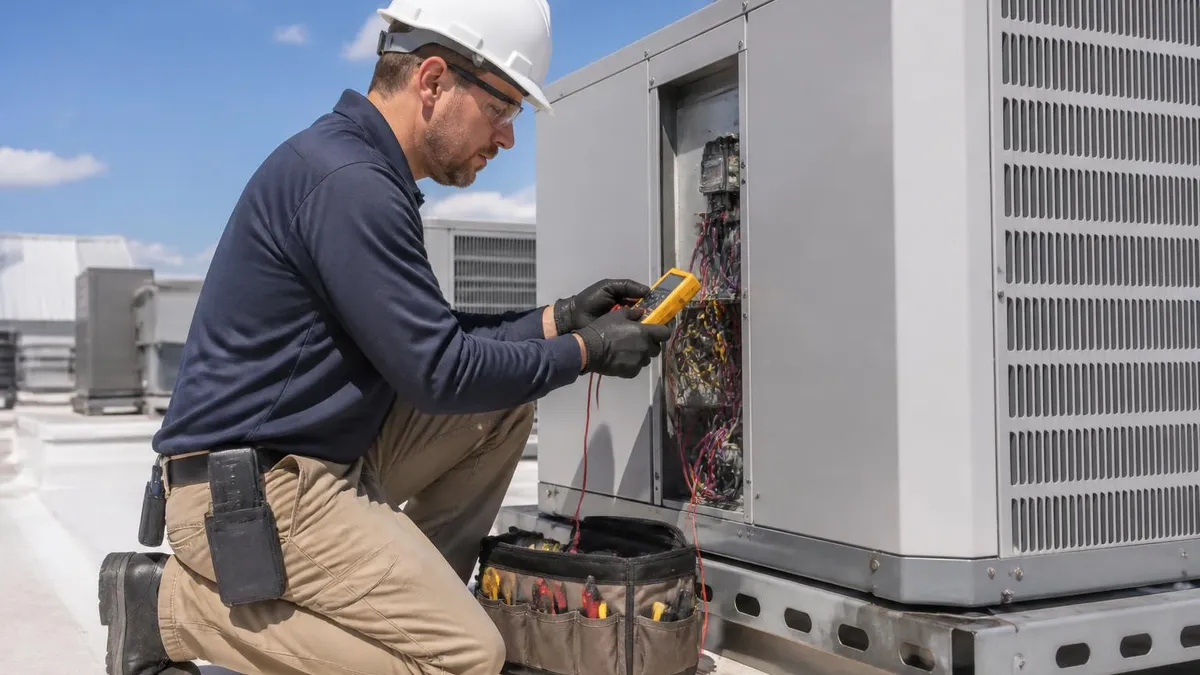
HVAC Repair Portland: The Complete 2026 Homeowner's Guide to Furnace, AC, and Heat Pump Service in the Rose City
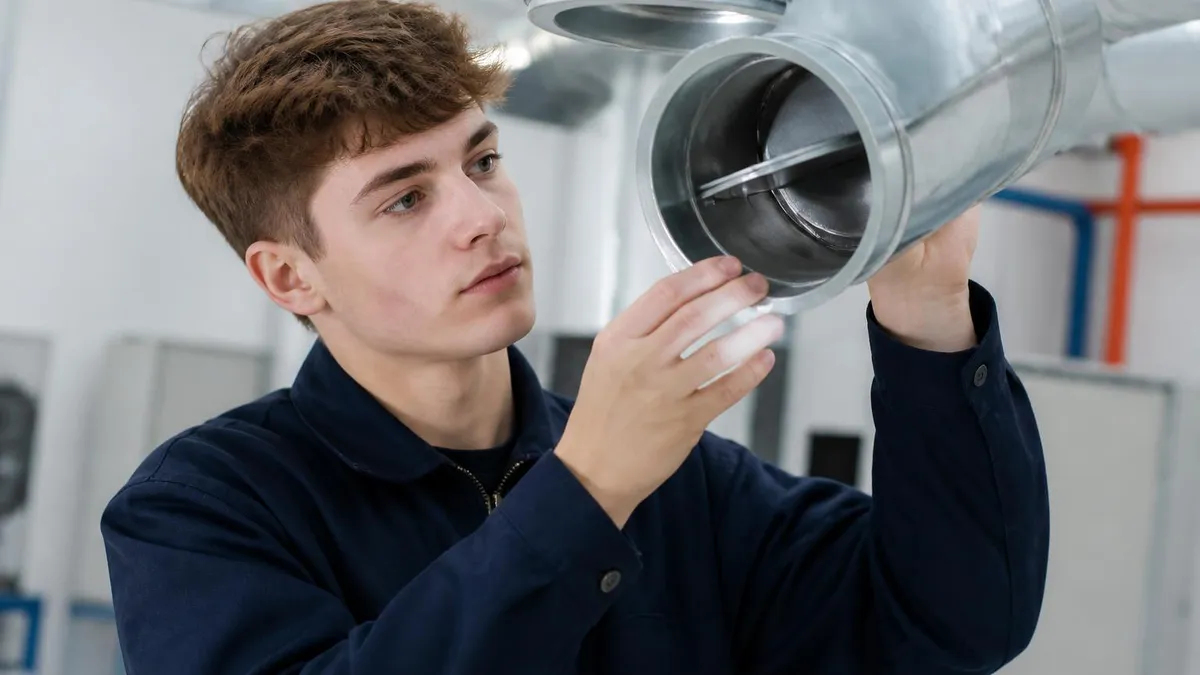
HVAC Tune Up Service: The Complete Guide to Professional HVAC Maintenance and Why It Pays for Itself
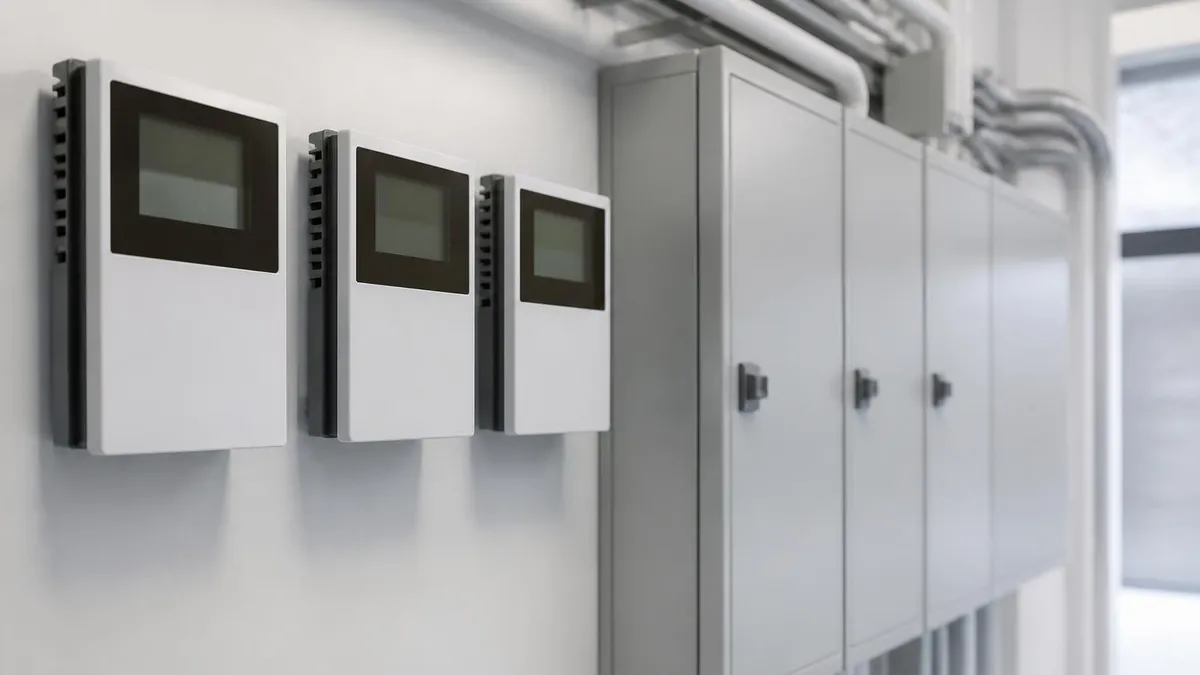
HVAC Solutions: The Complete Guide to Heating, Cooling, and Indoor Air Quality Systems for Homes and Buildings
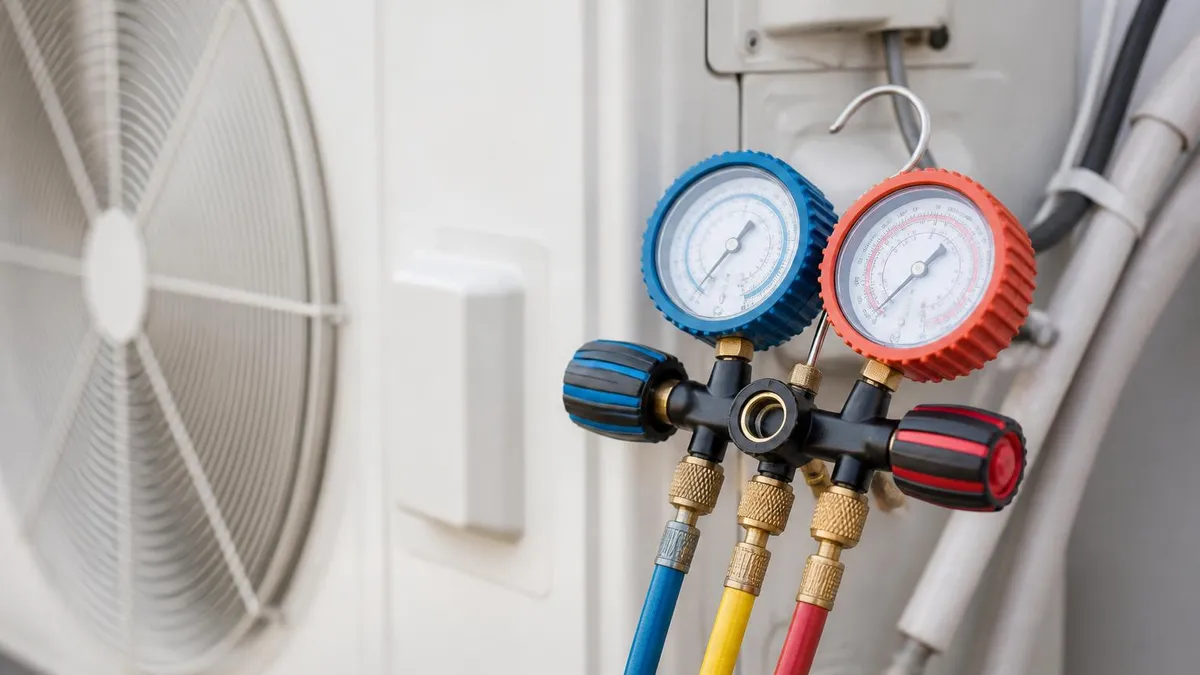
Certified HVAC Contractors: How to Find, Vet, and Hire the Right Professional for Your Home or Business

HVAC Parts and Supply: The Complete Guide to Sourcing, Identifying, and Buying Heating and Cooling Components in 2026
About the Author

NATE Certified HVAC Technician & Licensing Exam Trainer
Universal Technical InstituteMike Johnson is a NATE-certified HVAC technician and EPA 608 universal-certified refrigerant handler with a Bachelor of Science in HVAC/R Technology. He has 19 years of commercial and residential HVAC installation and service experience and specializes in preparing technicians for NATE certification, EPA 608, A2L refrigerant safety, and state HVAC contractor licensing examinations.