
HVAC Zone Dampers: The Complete Guide to Zoned Heating and Cooling Systems for Whole-Home Comfort
📚 HVAC zone dampers explained: how zoned systems work, installation costs, wiring, troubleshooting, and whether zoning is right for your home.

HVAC zone dampers are motorized or manually operated plates installed inside ductwork that open and close to direct conditioned air to specific areas of a building. By dividing a home into independently controlled zones, these dampers solve one of the oldest complaints in residential heating and cooling: rooms that are too hot upstairs while the basement freezes, or a sun-soaked west wing that lags behind shaded north-facing bedrooms by five or six degrees. A properly designed zoning system can cut energy waste by 20 to 35 percent while finally delivering even temperatures.
The fundamental concept is simple. A central control panel receives signals from multiple thermostats, then commands individual dampers to open or close based on which zones are calling for heating or cooling. When the upstairs thermostat wants cool air at 2 p.m. but the basement is already comfortable, only the upstairs damper opens and the air handler runs at a reduced capacity. The result is targeted comfort instead of blasting every room at the same temperature.
Modern zone damper systems range from basic two-zone setups using a single bypass damper to sophisticated four- and six-zone configurations integrated with variable-speed equipment, smart thermostats, and pressure sensors. Manufacturers like Honeywell, EWC Controls, Jackson Systems, and Arzel each offer panels and damper actuators that pair with conventional single-stage furnaces, modulating heat pumps, and high-efficiency communicating systems. Choosing the correct combination depends on duct layout, equipment capacity, and how granular you want temperature control to be.
Homeowners often confuse zone dampers with simple manual register dampers — the small levers on individual supply grilles. Those static dampers help with rough air balancing, but they cannot respond to changing conditions throughout the day. True zoning uses powered dampers, typically 24-volt actuators that rotate a blade 90 degrees in about 30 to 90 seconds. The actuator parks the blade in the fully open, fully closed, or modulating position depending on the panel's logic and the zone's call status.
Before investing in zoning, it helps to understand what a successful project looks like. You can hvac solutions that combine equipment, ductwork, controls, and zoning into a single design package. Retrofitting zone dampers onto an existing duct system is possible, but it requires verifying that supply trunks can be cut, that bypass strategies will protect the air handler from low airflow conditions, and that the thermostat wiring can support a zone panel.
This guide covers everything from how zone dampers physically operate to installation pricing, troubleshooting common failures, comparing brands, and deciding whether zoning makes sense for your home. Whether you are a technician studying for licensing exams, a homeowner researching a comfort upgrade, or a contractor scoping a retrofit, you will find practical answers backed by real specifications and field-tested techniques. Zoning is not a magic fix — but when it is engineered correctly, the comfort improvement is dramatic and immediate.
By the end of this guide, you will know how to size dampers for trunk and branch ducts, the difference between round, rectangular, and slip-in damper styles, how bypass dampers protect static pressure, why some zoned systems fail prematurely, and the maintenance steps that keep actuators reliable for 15 years or more. Let's start with how the components actually work together.
Zone Dampers by the Numbers

How HVAC Zone Dampers Work in a Forced-Air System
Each zone has its own thermostat that sends heating, cooling, or fan calls back to the central zone panel. Modern smart thermostats support scheduling and remote control per zone.
The brain of the system. It receives thermostat calls, decides equipment staging, and energizes damper actuators. Most panels handle two to four zones with optional expansion modules.
Spring-return or power-open/power-close motors that rotate the damper blade between positions. Standard 24V actuators draw less than 1 amp and operate silently during normal cycling.
A pressure-relief damper that opens when too many zones close at once, returning excess air to the return plenum to protect the air handler from high static pressure conditions.
Discharge air temperature sensors prevent the system from delivering air that is too hot or too cold to a single small zone, which would short-cycle the equipment.
Zone dampers come in three primary physical configurations: round dampers for round flex or sheet metal duct, rectangular dampers for trunk lines and large supply branches, and slip-in or insert-style dampers used in retrofit applications where cutting and rebuilding ductwork is impractical. Each style has its own sizing rules, pressure drop characteristics, and installation requirements that affect both system performance and long-term reliability.
Round dampers are the most common in residential applications. They are available in standard sizes from 4 inches up to 18 inches in two-inch increments, with the 6-, 7-, 8-, and 10-inch sizes being the workhorses for branch ducts feeding bedrooms, living rooms, and finished basements. The actuator mounts directly to the damper body via a shaft coupling, and most quality units include a manual override lever that lets technicians test the blade position without applying power.
Rectangular dampers serve trunk applications where a single damper isolates an entire wing or floor. Common sizes range from 8×8 inches up to 24×16 inches, and proper sizing requires matching the damper to the existing duct dimensions rather than guessing. Oversized rectangular dampers create excessive leakage in the closed position, while undersized ones create velocity-induced noise and pressure drops that hammer system static beyond the air handler's design limit. A good rule is to specify dampers that match the trunk within plus or minus one inch.
Slip-in dampers, sometimes called retrofit dampers or insert dampers, slide inside an existing duct through a small cut-out and self-seal with a gasketed flange. These are ideal when access is limited — for example, when running a damper into an attic trunk that you don't want to dismantle. Brands like EWC Controls and Arzel both make excellent slip-in options. Pressure drop is typically slightly higher than a flanged inline damper, but the labor savings are significant.
Sizing for airflow is the next critical step. A damper rated for 400 CFM at 0.1 inches of water column may not be appropriate for a zone calling for 700 CFM during full cooling demand. Manufacturers publish CFM tables at standard pressure drops, and a damper should be selected for the maximum airflow it will see when fully open. Undersized dampers throttle airflow even when commanded open, which manifests as poor cooling in the affected zone despite an otherwise healthy system.
Bypass damper sizing deserves its own discussion. The bypass damper should be sized to handle the difference between full system airflow and the minimum airflow remaining when all but the smallest zone is closed. If your air handler moves 1,200 CFM and the smallest zone only needs 250 CFM, the bypass needs to relieve 950 CFM at the equipment's design static. Many failed zoning installs trace back to undersized bypass dampers that allow plenum pressure to spike, tripping limit switches and shortening blower motor life.
For a deeper look at the duct components themselves, the right damper means little without properly sized and sealed trunks and branches. You can review hvac parts and supply for dampers, take-offs, plenum boxes, and the controls needed to tie everything together. Pairing the correct damper style and size with sealed, insulated duct gives the entire zoning system the foundation it needs to deliver real comfort gains and quiet operation.
HVAC Practice Test Questions
Prepare for the HVAC - Heating Ventilation and Air Conditioning exam with our free practice test modules. Each quiz covers key topics to help you pass on your first try.
HVAC Air Conditioning
HVAC Exam Questions covering Air Conditioning. Master HVAC Test concepts for certification prep.
HVAC Code Compliance
Free HVAC Practice Test featuring Code Compliance. Improve your HVAC Exam score with mock test prep.
HVAC Electrical Controls
HVAC Test Prep for Electrical Controls. Practice HVAC Quiz questions and boost your score.
HVAC Energy Efficiency
HVAC Questions and Answers on Energy Efficiency. Free HVAC practice for exam readiness.
HVAC Heating Systems
HVAC Mock Test covering Heating Systems. Online HVAC Test practice with instant feedback.
HVAC Load Calculations
Free HVAC Quiz on HVAC Load Calculations. HVAC Exam prep questions with detailed explanations.
HVAC Tools and Equipment
HVAC Practice Questions for HVAC Tools and Equipment. Build confidence for your HVAC certification exam.
HVAC Refrigeration
HVAC Test Online for Refrigeration. Free practice with instant results and feedback.
HVAC Safety Practices
HVAC Study Material on Safety Practices. Prepare effectively with real exam-style questions.
HVAC System Design
Free HVAC Test covering System Design. Practice and track your HVAC exam readiness.
HVAC Thermodynamics
HVAC Exam Questions covering Thermodynamics. Master HVAC Test concepts for certification prep.
Wiring and Control Panel Setup for HVAC Zone Dampers
A typical residential zone panel has terminal blocks for each thermostat (R, C, W, Y, G, and sometimes O/B for heat pumps), equipment connections for the air handler and condenser, and damper terminals labeled M1/M2/M3 or similar. The 24-volt transformer inside the panel powers both the thermostats and the damper actuators, so the panel's VA rating must exceed the combined load of all connected devices. Most three-zone panels include a 40 VA transformer, while four-zone systems often use 75 VA.
When wiring the equipment side, the panel intercepts thermostat calls and decides what to energize. If two zones call for cooling, the panel passes the Y signal to the condenser and opens both zone dampers while keeping the third closed. Always confirm the panel's compatibility with your equipment type — heat pump panels require O/B reversing valve logic that single-stage cooling panels lack, and communicating systems often need proprietary panels from the same manufacturer.

Is Zoning Worth It? Pros and Cons of HVAC Zone Dampers
- +Independent temperature control in different rooms or floors eliminates hot and cold spots
- +Energy savings of 20 to 35 percent by conditioning only the spaces that need it
- +Reduced equipment runtime in unoccupied zones extends compressor and blower life
- +Smart thermostats per zone enable per-room scheduling and remote control
- +Works with existing forced-air systems, no need to replace the furnace or AC
- +Improves humidity control by allowing longer, lower-capacity runs in problem zones
- +Quieter operation when variable-speed equipment ramps down for single-zone calls
- −Initial cost of $2,000 to $5,000 for a typical three-zone retrofit
- −Requires bypass damper or modulating equipment to protect static pressure
- −Improperly sized dampers cause noise, short-cycling, or capacity loss
- −Adds complexity — more components mean more potential failure points
- −Older single-stage equipment may not handle zoning loads well without modification
- −Duct modifications during retrofit can create access challenges in finished spaces
Pros and Cons at a Glance
| Pros | Cons |
|---|---|
| Independent temperature control in different rooms or floors eliminates hot and cold spots | Requires bypass damper or modulating equipment to protect static pressure |
| Reduced equipment runtime in unoccupied zones extends compressor and blower life | Improperly sized dampers cause noise, short-cycling, or capacity loss |
| Smart thermostats per zone enable per-room scheduling and remote control | Adds complexity — more components mean more potential failure points |
| Works with existing forced-air systems, no need to replace the furnace or AC | Older single-stage equipment may not handle zoning loads well without modification |
| Improves humidity control by allowing longer, lower-capacity runs in problem zones | Duct modifications during retrofit can create access challenges in finished spaces |
Pre-Installation Checklist for HVAC Zone Dampers
- ✓Confirm air handler can vary airflow between minimum and maximum zone CFM demand
- ✓Measure existing duct trunks and branches to size dampers correctly
- ✓Verify zone panel compatibility with single-stage, two-stage, or heat pump equipment
- ✓Calculate bypass damper size based on smallest zone airflow versus full system CFM
- ✓Plan thermostat locations away from supply registers, direct sunlight, and exterior walls
- ✓Inspect duct integrity and seal all leaks before adding dampers — leaks worsen zoning issues
- ✓Locate accessible spots for each damper that allow future service of the actuator
- ✓Confirm 120V power is available within 6 feet of the zone panel for the transformer
- ✓Label every thermostat wire at both ends before energizing the panel for the first time
- ✓Test each damper individually in manual mode before connecting it to live zone calls
The Smallest Zone Rules the Bypass
When designing a zoned system, the smallest zone determines bypass damper sizing — not the largest. If your equipment moves 1,200 CFM and your smallest zone only needs 250 CFM, the bypass must safely relieve roughly 950 CFM without exceeding the air handler's maximum external static pressure. Undersized bypass dampers are the single most common cause of premature blower motor failure in zoned residential systems.
Even a well-designed zoning system will eventually present problems, and knowing how to diagnose damper failures saves hours of guesswork. The most common complaint technicians hear is that one zone never gets warm or cool enough, even when the thermostat is calling. The cause is usually a damper stuck partially closed, a failed actuator that never received the open command, or a thermostat wiring fault that prevents the call from reaching the panel in the first place.
Start any diagnosis at the zone panel. Most panels include status LEDs that show which zones are calling, which dampers are commanded open, and whether heating or cooling is active. If the LED for the affected zone is dark when the thermostat is calling, the problem is between the thermostat and the panel — usually a broken wire, a loose terminal, or a thermostat that has lost its C-wire power. If the LED is lit but the damper hasn't moved, the issue is downstream at the actuator or its wiring.
Actuators fail in three primary ways. The internal motor burns out from excessive cycling or transformer overvoltage, the gear train strips when forced against a binding blade, or the limit switches stick and the actuator runs continuously until thermal protection trips. Spring-return models add a fourth failure mode — broken return springs that leave the damper stuck open. Replacement actuators run $80 to $200 each and most use a standard shaft size, so swaps take under 30 minutes once the failed unit is accessed.
Bypass damper malfunctions are sneakier. A bypass that fails closed causes catastrophic pressure buildup when zones close, often resulting in loud popping sounds from duct walls flexing under load and limit switches tripping the furnace. A bypass that fails open dumps conditioned air back to the return continuously, killing capacity and wasting energy. Visual inspection of the bypass weight or counterbalance, plus a static pressure measurement at the supply plenum, quickly confirms which mode has failed.
Short-cycling is another zoning-specific complaint. When a small zone calls alone and the equipment delivers far more capacity than that zone can absorb, the supply air temperature climbs rapidly, the high-limit trips, and the system cycles off. The fix may be programming the panel for staged or modulating equipment, adjusting the discharge air temperature limits in the panel, or expanding the smallest zone to handle more airflow. On older single-stage equipment, fitting a modulating gas valve or variable-speed blower retrofit can solve the problem.
Noise complaints often trace back to dampers that close too aggressively, creating velocity-induced whistling as air squeezes through the partially open blade. The remedy can be as simple as adjusting the actuator's stop screws to leave the damper slightly open in its closed position, allowing minimum airflow that prevents noise and protects equipment. Some panels include this minimum-position feature in software; others require mechanical adjustment at each damper.
For homeowners experiencing chronic zoning problems, calling in a qualified contractor is often the fastest path to resolution. You can find hvac contractors who specialize in zoned systems and own the static pressure gauges, manometers, and duct testing tools needed to diagnose airflow problems accurately. A two-hour diagnostic visit often pays for itself by identifying the one undersized component or mis-wired terminal causing months of comfort complaints.

If a zoned system trips the furnace high-limit switch repeatedly, never wire around the safety to keep the system running. High-limit trips signal dangerous heat buildup caused by insufficient airflow, and bypassing them can crack heat exchangers, trigger CO leaks, and void manufacturer warranties. Solve the root cause by sizing the bypass damper correctly, opening the smallest zone wider, or adding modulating equipment that ramps down to match zone demand.
Long-term reliability of an HVAC zone damper system depends on routine inspection and a maintenance schedule that addresses both the mechanical and electrical components. Unlike a furnace that announces problems by refusing to start, dampers often fail silently — a stuck blade or burned-out actuator may go unnoticed for months while one zone runs warmer or cooler than expected. Building inspection into seasonal HVAC service prevents this slow degradation and catches small issues before they become comfort emergencies.
Annual maintenance should include visual verification of each damper's full range of motion. Most actuators have a manual override lever or test button on the panel that lets technicians cycle each damper independently. Listen for grinding, watch for slow or hesitant movement, and confirm the blade actually rotates fully rather than stopping short of the open or closed position. Lubrication is rarely needed on modern actuators, but checking shaft set screws for tightness prevents the blade from slipping on its drive shaft over time.
Electrical connections at the zone panel are the second priority. Vibration, thermal cycling, and the simple passage of time can loosen terminal screws, creating intermittent faults that drive homeowners and technicians crazy. A torque check on every panel terminal each year — combined with visual inspection of wire insulation for chafing or rodent damage — eliminates the most common source of phantom zone failures. Replacing the panel's transformer when output voltage drops below 22VAC under load extends actuator life and prevents nuisance trips.
Duct sealing maintenance pairs naturally with damper inspection. Even small leaks at damper sleeves, take-offs, and joint connections undermine zoning performance by allowing air to bypass closed dampers entirely. Mastic sealant, foil-faced tape rated for HVAC use, or aerosol duct sealing products like Aeroseal all address these leaks. A pressure pan test or duct blaster measurement quantifies leakage and gives a baseline for verifying repair work.
Smart thermostat firmware updates matter more than most homeowners realize. Manufacturers like Ecobee and Nest periodically release updates that improve compatibility with zone panels, fix scheduling glitches, and add new energy reporting features. Setting thermostats to auto-update — and verifying each thermostat shows recent firmware — keeps the entire system performing at its best. For communicating systems, dealer-applied firmware updates may require a service call but deliver similar benefits.
Bypass damper inspection deserves special attention. Whether the bypass is barometric (weight-actuated) or motorized, it must move freely and respond to the pressure differential it was designed to relieve. Manually flexing the blade should confirm smooth rotation without binding, and watching the bypass during a single-zone call should show it opening progressively rather than slamming or sticking. A bypass that never moves during normal operation is a sign of either an oversized smallest zone or a stuck blade — both worth investigating.
Finally, document the system. Keep a folder near the air handler with the zone panel manual, damper specifications, original wiring diagram, and any service notes. When a different technician arrives in three years, that documentation cuts diagnostic time in half and prevents costly mis-diagnoses. Pairing zoning maintenance with broader system care — like the work covered in hvac maintenance service — gives the entire heating and cooling system a coordinated annual checkup that pays dividends for the life of the equipment.
Selecting the right zone damper system for your specific home requires balancing budget, comfort goals, equipment compatibility, and the willingness to accept some duct modification. Two-zone systems with a single bypass damper offer the lowest entry cost — often $1,500 to $2,500 installed — and work well for simple upstairs/downstairs splits in two-story homes. Three- and four-zone systems unlock more granular control but require more careful design to keep airflow balanced and bypass logic correct.
If you live in a sprawling single-story home with a sun-exposed addition, zoning the addition separately from the main house often delivers the biggest comfort improvement for the lowest cost. Add a second thermostat in the addition, a single zone damper at the supply branch feeding it, and a basic two-zone panel — and you have transformed a chronically uncomfortable space into the most comfortable room in the house. Many contractors offer this type of focused upgrade as a starter zoning package.
For new construction or full HVAC replacement, integrating zoning with a variable-capacity heat pump or modulating gas furnace yields the best long-term performance. Variable-capacity equipment ramps down to match a single small zone's demand without needing aggressive bypass relief, which eliminates many of the static pressure headaches that plague retrofitted single-stage systems. Brands like Carrier Infinity, Trane XV, and Lennox SLP have refined their communicating zoning kits to the point where setup and commissioning are remarkably straightforward.
Commissioning a new zone damper installation deserves more time than most contractors budget. After wiring is complete and dampers test correctly in manual mode, the system should run through every reasonable combination of zone calls — heating with one zone, cooling with all zones, fan only with two zones, and so on — while a technician measures static pressure, supply temperatures, and zone airflow. Surprises caught at commissioning are easy to fix; the same problems discovered six months later often require expensive return visits.
Education is another factor that separates successful zoning projects from frustrating ones. Homeowners should understand that zone temperatures may take 15 to 30 minutes to settle after large setpoint changes, that running fan-only mode in summer can move air between zones for passive comfort, and that closing too many manual register dampers downstream of zone dampers undermines the entire design. A 15-minute walkthrough at the end of installation prevents many service calls in the first season.
When evaluating contractors for a zoning project, ask three questions. First, can they show you their static pressure measurements from past zoning installs? Second, do they size dampers using Manual D calculations or rely on rules of thumb? Third, do they include a written commissioning report? Contractors who answer all three confidently are usually the ones whose zoning systems still work well a decade later. Pricing varies, but value almost always tracks design rigor.
Zoning is one of the most powerful comfort upgrades available to homeowners with forced-air HVAC, and when designed and installed correctly, the results are immediate and lasting. Hot bedrooms become comfortable, basements stop freezing, and energy bills drop measurably. The combination of smart thermostats, modulating equipment, and well-sized zone dampers represents the current state of the art in residential comfort — and it will only get better as variable-capacity equipment becomes the industry standard.
Sample HVAC Practice Questions
Try these questions from our free HVAC practice tests. The correct answer and an explanation follow each question.
In a multi-zone mini-split heat pump system, what happens if one indoor unit calls for heating while another calls for cooling simultaneously?
- A. The system defaults to cooling mode for all zones
- B. On a standard multi-split, the system serves the majority mode; on a heat-recovery multi-split (VRF), both can be served simultaneously
- C. The system shuts down to prevent conflicting operations
- D. The reversing valve oscillates rapidly to alternate between modes
Answer: B. On a standard multi-split, the system serves the majority mode; on a heat-recovery multi-split (VRF), both can be served simultaneously
Standard multi-split systems cannot simultaneously heat and cool, but heat-recovery VRF systems can transfer heat from zones needing cooling to zones needing heating at the same time.
When sizing a residential heating system using Manual J, which factor has the greatest impact on the calculated heating load?
- A. Number of occupants in the home
- B. Envelope insulation levels and window U-values
- C. Orientation of the roof pitch
- D. Color of exterior wall surfaces
Answer: B. Envelope insulation levels and window U-values
Manual J calculations are most sensitive to the building envelope — insulation R-values, window U-values, and infiltration rates drive the majority of heat loss.
What is the purpose of a bypass duct or 'dump zone' in a zoned forced-air system?
- A. Provide fresh outdoor air to unconditioned spaces
- B. Relieve excess system pressure when zone dampers close
- C. Connect supply and return plenums for mixing
- D. Increase airflow to the largest zone
Answer: B. Relieve excess system pressure when zone dampers close
A bypass duct diverts excess supply air back to the return plenum when multiple zone dampers close, preventing excessive static pressure on the blower.
When a heat pump switches from cooling to heating mode, which component reverses refrigerant flow direction?
- A. Thermostatic expansion valve
- B. Reversing valve (4-way valve)
- C. Accumulator
- D. Filter drier
Answer: B. Reversing valve (4-way valve)
The reversing valve (four-way valve) redirects refrigerant flow to switch the roles of the indoor and outdoor coils between heating and cooling modes.
HVAC Questions and Answers
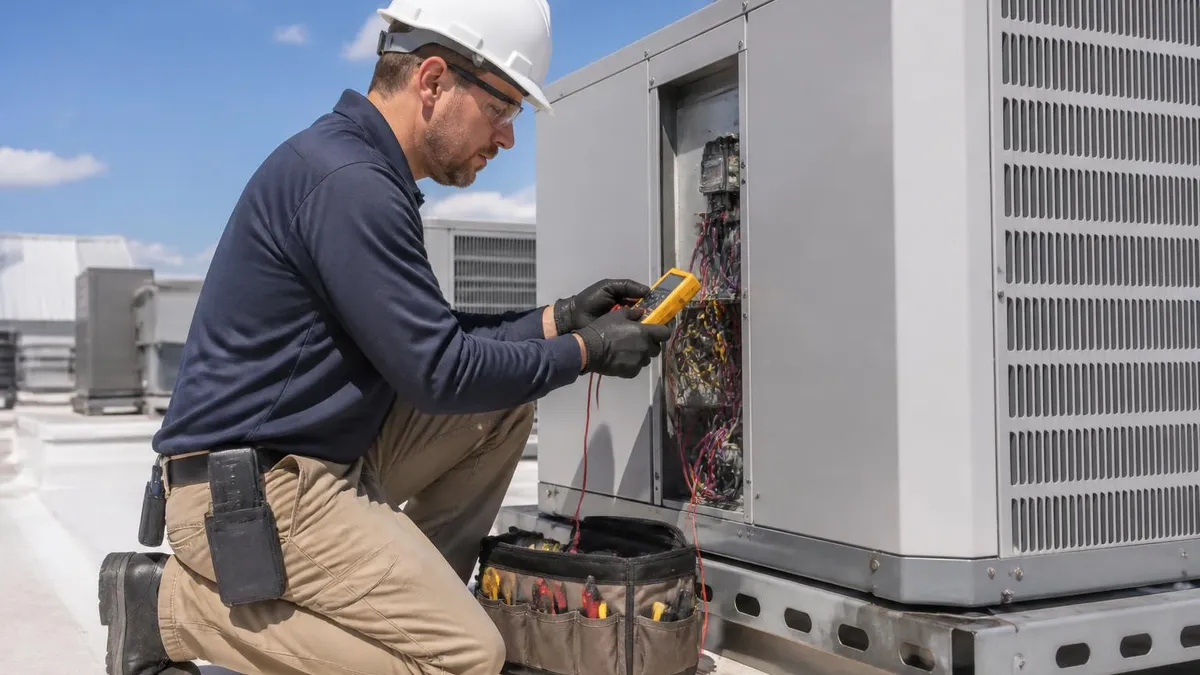
HVAC Repair Portland: The Complete 2026 Homeowner's Guide to Furnace, AC, and Heat Pump Service in the Rose City

HVAC Tune Up Service: The Complete Guide to Professional HVAC Maintenance and Why It Pays for Itself
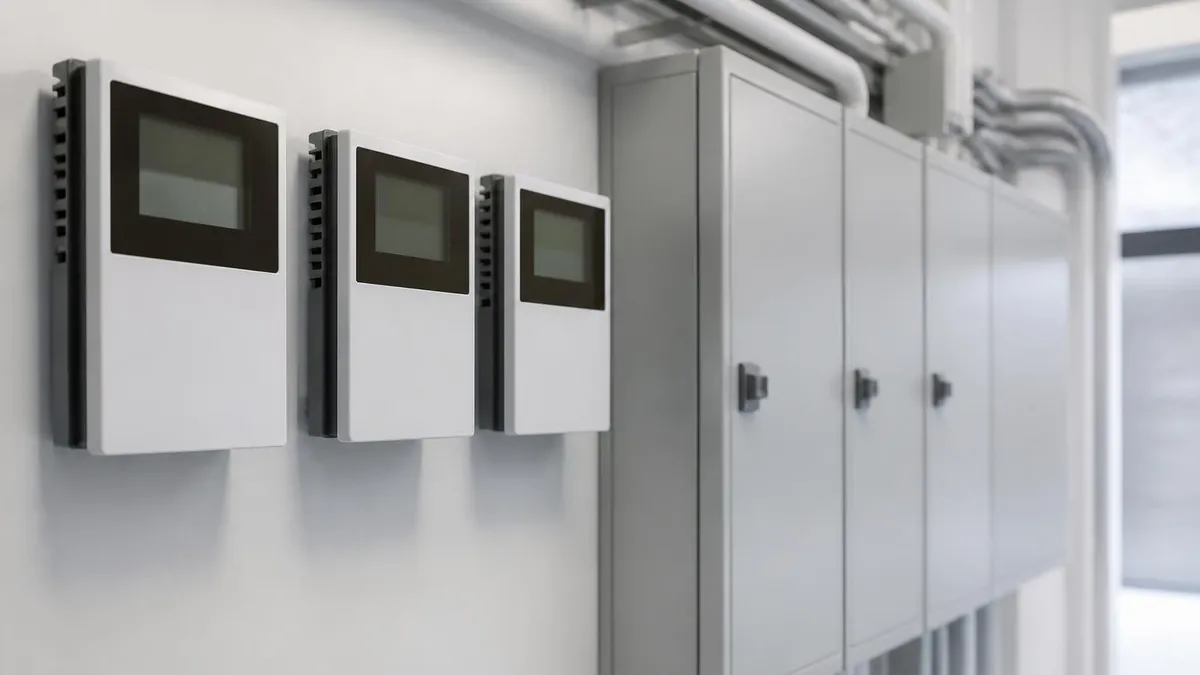
HVAC Solutions: The Complete Guide to Heating, Cooling, and Indoor Air Quality Systems for Homes and Buildings
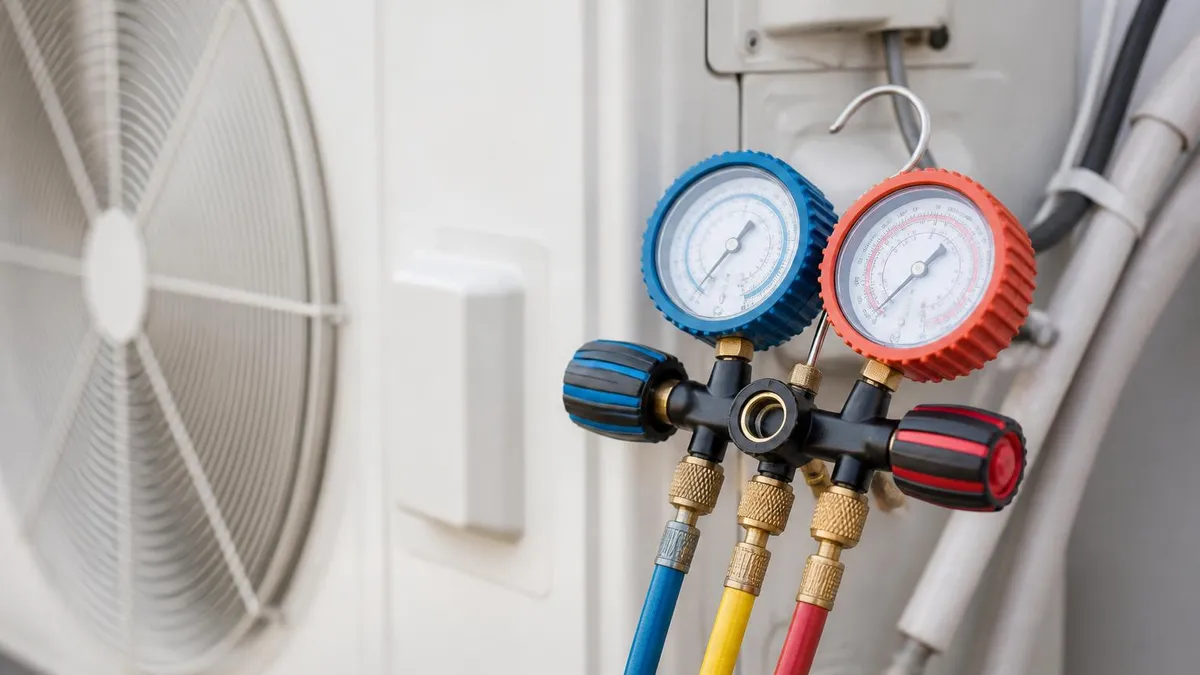
Certified HVAC Contractors: How to Find, Vet, and Hire the Right Professional for Your Home or Business
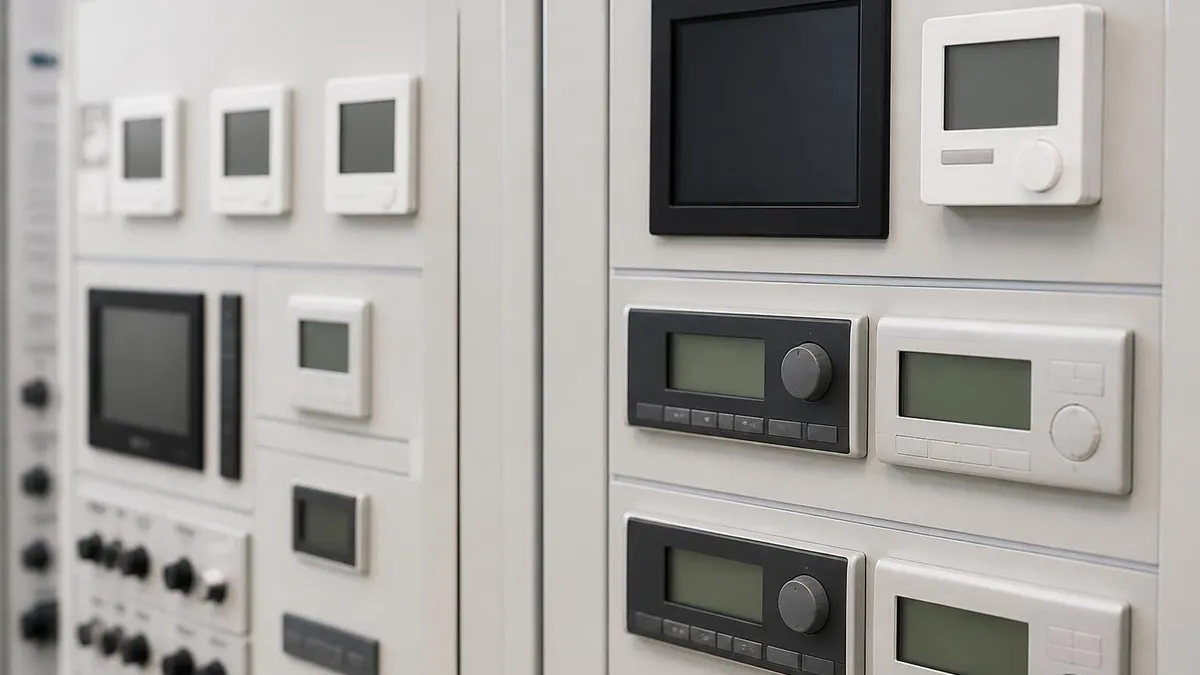
HVAC Parts and Supply: The Complete Guide to Sourcing, Identifying, and Buying Heating and Cooling Components in 2026
About the Author

NATE Certified HVAC Technician & Licensing Exam Trainer
Universal Technical InstituteMike Johnson is a NATE-certified HVAC technician and EPA 608 universal-certified refrigerant handler with a Bachelor of Science in HVAC/R Technology. He has 19 years of commercial and residential HVAC installation and service experience and specializes in preparing technicians for NATE certification, EPA 608, A2L refrigerant safety, and state HVAC contractor licensing examinations.