
HVAC Products: The Complete Guide to Heating, Cooling, and Ventilation Equipment for Homes and Buildings
Explore HVAC products from furnaces to smart thermostats. 💯 Learn what each system does, how to choose the right equipment, and what to expect on the job.
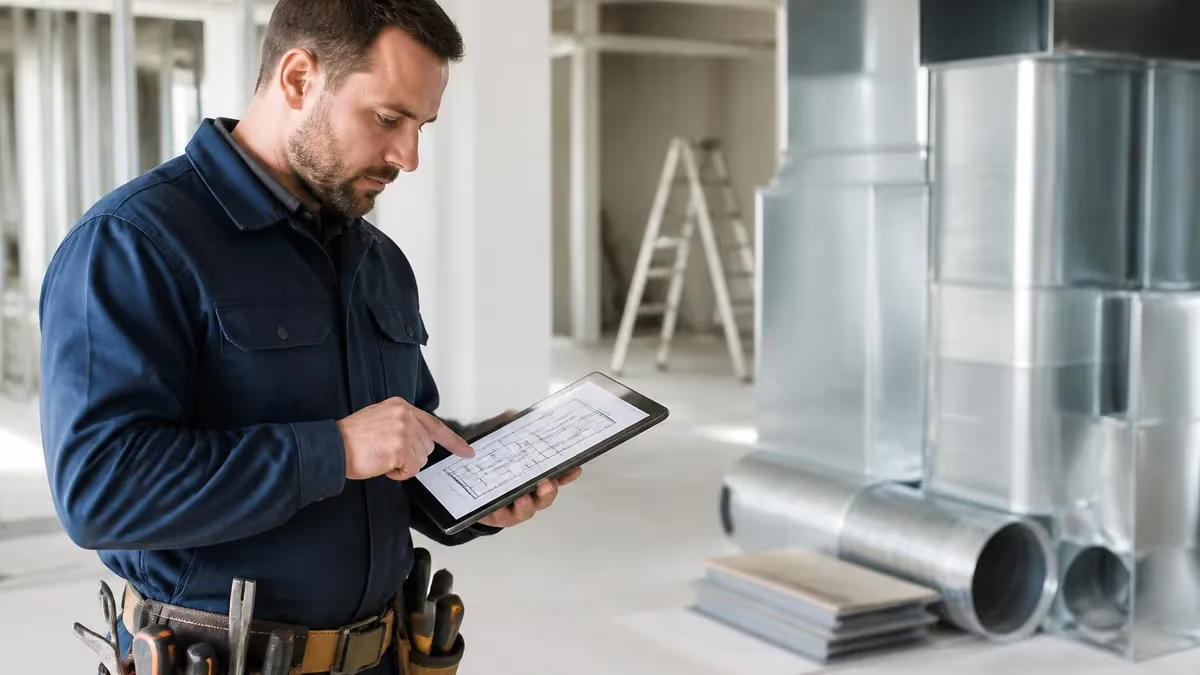
Understanding HVAC products is essential for anyone working in or studying the heating, ventilation, and air conditioning industry. The term covers a broad range of equipment — from gas furnaces and central air conditioners to heat pumps, air handlers, ductless mini-splits, boilers, and the controls that tie them all together.
Whether you are a homeowner evaluating a system replacement, an apprentice preparing for certification, or a technician expanding your product knowledge, getting a solid grip on what each type of equipment does and how it interacts with the rest of a building system will make you far more effective in the field.
The HVAC industry in the United States is one of the most robust segments of the construction and building services trades. Demand for skilled technicians continues to grow year over year, driven by aging housing stock, stricter energy efficiency regulations, and rising consumer expectations for indoor comfort and air quality. New product lines emerge regularly, with manufacturers competing on efficiency ratings, smart connectivity, noise levels, and refrigerant compliance under updated EPA guidelines. Keeping up with this pace of product evolution is a professional responsibility, not an option.
At the most basic level, HVAC products fall into three functional categories: heating equipment, cooling equipment, and ventilation and air quality equipment. Each category contains multiple product types suited to different building sizes, fuel sources, climates, and budgets. A single-family home in Minnesota, for example, has very different product requirements than a commercial office building in Phoenix. Recognizing those differences is the foundation of accurate system design and proper equipment selection — skills that show up repeatedly on licensing exams and in real-world service calls.
One of the most important skills an HVAC professional develops is the ability to match a product to its application. This means understanding not just what a product is, but what load it is designed to handle, what its SEER2, AFUE, or HSPF2 rating means in practical terms, and what installation requirements it imposes on the structure. A high-efficiency condensing furnace, for instance, requires a dedicated condensate drain and specific venting that differs entirely from a standard-efficiency unit. Skipping those details leads to callbacks, code violations, and unhappy customers.
Beyond individual units, modern HVAC systems increasingly rely on integrated product ecosystems — communicating thermostats, variable-speed air handlers, modulating furnaces, and whole-home ventilation systems that share data and adjust output in real time. Understanding how these components interact is no longer a niche specialty; it is a baseline expectation for technicians entering the workforce. Exam prep materials and continuing education courses have shifted to reflect this reality, with more questions focused on system-level behavior rather than single-component function.
Exploring hvac products in depth also means understanding the business side — how equipment is priced, warranted, and distributed. Manufacturers sell through wholesale distributors, who supply contractors, who install for end users. Each link in that chain has expectations around product registration, warranty activation, and technical support. For technicians who eventually move into sales or project management, knowing how that supply chain works is just as valuable as knowing how to braze a copper fitting.
This guide walks through every major category of HVAC product, explains how each type works, highlights the key specifications that matter for selection and installation, and connects the technical knowledge to what you will actually encounter on licensing and certification exams. By the time you finish, you will have a working mental map of the entire product landscape — and a much clearer sense of where to focus your study time.
HVAC Products by the Numbers
Major Categories of HVAC Products
Includes gas and oil furnaces, electric furnaces, boilers, heat pumps, and radiant heating systems. Rated by AFUE (combustion efficiency) or HSPF2 (heat pump efficiency). Correct sizing and venting are critical for safe, code-compliant installation.
Covers central air conditioners, heat pumps (cooling mode), ductless mini-splits, and packaged rooftop units. Rated by SEER2 under updated DOE test procedures. Refrigerant type, line set sizing, and airflow matching drive performance.
Encompasses energy recovery ventilators (ERVs), heat recovery ventilators (HRVs), whole-house dehumidifiers, UV air purifiers, electronic air cleaners, and MERV-rated filter systems. These products address indoor air quality beyond simple temperature control.
Smart thermostats, communicating controls, zone panels, variable-frequency drives, and building automation interfaces. Modern communicating systems allow matched equipment to optimize runtime, staging, and efficiency automatically.
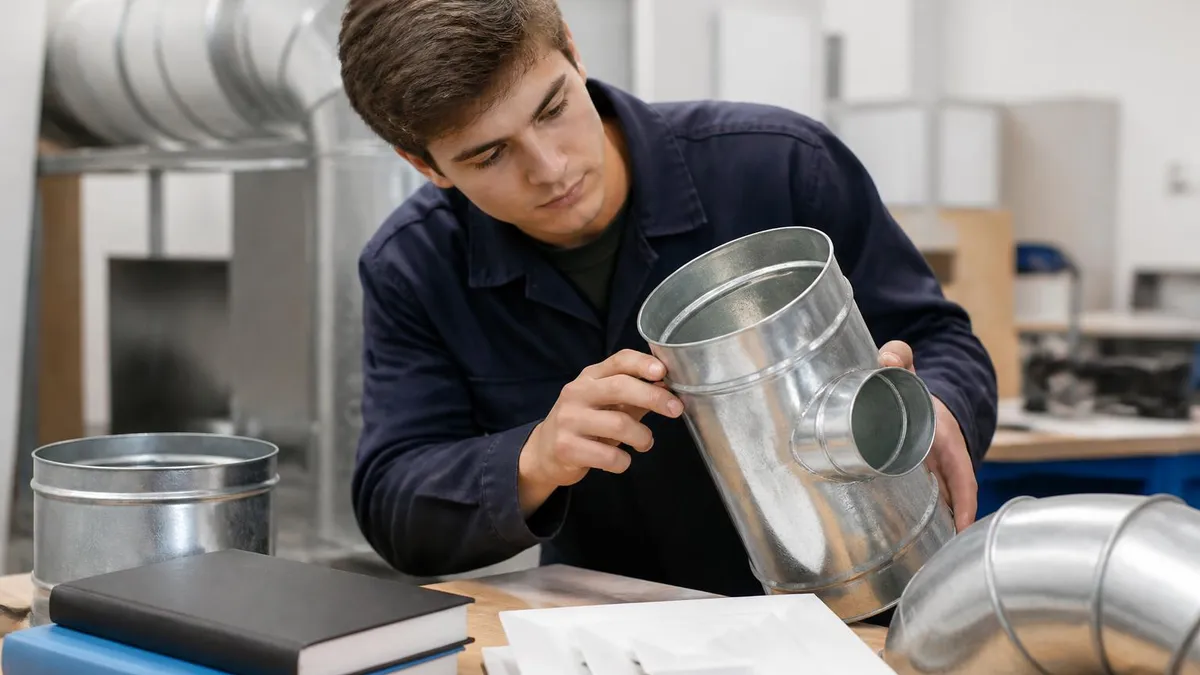
Sheet metal ducts, flex duct, duct board, plenums, registers, grilles, and diffusers. Proper duct design directly affects system efficiency and comfort. Manual D load calculations govern duct sizing for residential systems.
Heating products represent the largest single category within the HVAC product universe, and gas furnaces remain the dominant choice for residential heating across most of the continental United States. A modern gas furnace consists of a heat exchanger, a burner assembly, an inducer motor, a blower, and a control board. High-efficiency condensing furnaces add a secondary heat exchanger that extracts additional heat from flue gases, raising AFUE ratings to 95–98%. That secondary heat exchange produces acidic condensate that must be properly drained — a step that first-time installers occasionally overlook with costly consequences.
Oil furnaces operate on the same general principle as gas units but use a pressure-atomizing nozzle and ignition transformer to burn fuel oil rather than natural gas. They are more common in the northeastern United States where natural gas infrastructure is less prevalent. Oil furnaces require annual cleaning of the nozzle, heat exchanger, and flue to maintain efficiency and prevent carbon monoxide hazards. AFUE ratings for modern oil furnaces range from about 83% to 87% for standard units, with some high-efficiency oil systems reaching the low 90s.
Electric furnaces are simpler mechanically — essentially a blower forcing air across electric resistance heating elements — but they are significantly more expensive to operate in most US markets where electricity costs exceed the equivalent BTU cost of natural gas. They remain popular in mild climates where heating loads are low and in applications where gas service is unavailable. Electric furnaces have no combustion safety concerns, require no flue venting, and have a longer service life than combustion units in comparable operating conditions.
Boilers heat water or produce steam and distribute it through pipes to radiators, baseboard convectors, or radiant floor systems. They are more common in older homes and commercial buildings in the Northeast and Midwest. High-efficiency condensing boilers can achieve AFUE ratings above 90% and are compatible with low-temperature radiant systems that maximize efficiency. Unlike forced-air systems, boilers do not move air through ductwork, which appeals to customers concerned about dust, allergens, or noise. However, they cannot double as the air distribution system for central air conditioning, which means separate cooling equipment is always required.
Heat pumps deserve special attention because they serve as both heating and cooling products within a single refrigerant-cycle machine. In heating mode, a heat pump extracts heat energy from outdoor air (or ground, in the case of geothermal systems) and delivers it indoors. In cooling mode, it reverses the cycle and operates exactly like a central air conditioner.
The efficiency advantage of a heat pump in mild climates is substantial — because it moves heat rather than generating it, a heat pump can deliver two to three BTUs of heat energy for every BTU of electricity consumed, a ratio no resistance heater can match. Cold-climate heat pumps, rated for operation down to -13°F or lower, have expanded the viable range of heat pump technology significantly in recent years.
Mini-split systems — also called ductless systems or ductless mini-splits — are among the fastest-growing product segments in the US residential market. A mini-split consists of an outdoor condensing unit connected by refrigerant lines to one or more indoor air-handling units mounted on walls, ceilings, or floors.
Because they require no ductwork, mini-splits are ideal for room additions, historic buildings, garages, and any application where running new ducts would be impractical. Multi-zone mini-split systems allow a single outdoor unit to serve multiple indoor units, each independently controlled. SEER2 ratings for mini-splits frequently exceed 20, making them among the most efficient cooling options available.
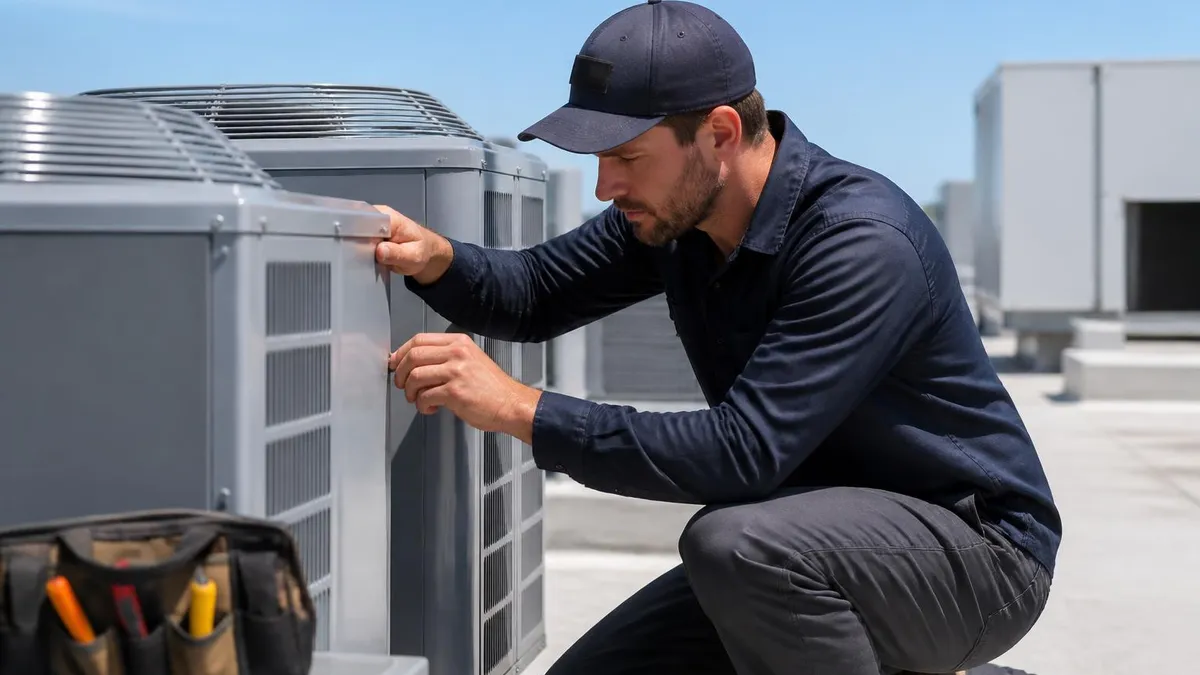
Packaged units combine all system components — compressor, condenser, evaporator, and in some models a furnace or electric heating strips — into a single cabinet installed on the roof or on a ground-level pad beside the building. They are the standard product for small commercial buildings and light commercial applications such as retail stores, restaurants, and small office buildings. Packaged rooftop units (RTUs) simplify installation by keeping all mechanical components outside the conditioned space and make service access straightforward for technicians who would otherwise need to access equipment in tight mechanical rooms.
HVAC Practice Test Questions
Prepare for the HVAC - Heating Ventilation and Air Conditioning exam with our free practice test modules. Each quiz covers key topics to help you pass on your first try.
HVAC Air Conditioning
HVAC Exam Questions covering Air Conditioning. Master HVAC Test concepts for certification prep.
HVAC Code Compliance
Free HVAC Practice Test featuring Code Compliance. Improve your HVAC Exam score with mock test prep.
HVAC Electrical Controls
HVAC Test Prep for Electrical Controls. Practice HVAC Quiz questions and boost your score.
HVAC Energy Efficiency
HVAC Questions and Answers on Energy Efficiency. Free HVAC practice for exam readiness.
HVAC Heating Systems
HVAC Mock Test covering Heating Systems. Online HVAC Test practice with instant feedback.
HVAC Load Calculations
Free HVAC Quiz on HVAC Load Calculations. HVAC Exam prep questions with detailed explanations.
HVAC Tools and Equipment
HVAC Practice Questions for HVAC Tools and Equipment. Build confidence for your HVAC certification exam.
HVAC Refrigeration
HVAC Test Online for Refrigeration. Free practice with instant results and feedback.
HVAC Safety Practices
HVAC Study Material on Safety Practices. Prepare effectively with real exam-style questions.
HVAC System Design
Free HVAC Test covering System Design. Practice and track your HVAC exam readiness.
HVAC Thermodynamics
HVAC Exam Questions covering Thermodynamics. Master HVAC Test concepts for certification prep.
Ventilation and Indoor Air Quality Products
Energy Recovery Ventilators (ERVs) and Heat Recovery Ventilators (HRVs) are whole-home mechanical ventilation products that bring fresh outdoor air into a building while simultaneously exhausting stale indoor air. The key difference is that ERVs transfer both heat and moisture between the two airstreams, making them better suited for humid climates like the Southeast and Gulf Coast. HRVs transfer only heat, making them more appropriate for cold, dry climates where indoor humidity during winter is already low. Both product types help meet ASHRAE 62.2 ventilation requirements in tightly sealed modern homes.
Installation of ERVs and HRVs typically involves connecting the unit to the existing forced-air duct system or running dedicated supply and exhaust duct runs. Properly sized units are rated in CFM (cubic feet per minute) based on house volume and occupancy load. Under-sizing results in insufficient fresh air exchange; over-sizing wastes energy and can create pressure imbalances. Most residential ERV and HRV units are sized between 60 and 200 CFM. Service technicians should inspect and clean the heat exchange core annually to maintain efficiency and prevent mold growth in high-humidity applications.
Pros and Cons of High-Efficiency HVAC Products
- +Significantly lower monthly energy bills due to higher SEER2 and AFUE ratings
- +Reduced carbon footprint and eligibility for federal and state energy tax credits
- +Quieter operation thanks to variable-speed compressors and blowers
- +Better dehumidification performance from variable-speed systems running longer at lower capacity
- +Smart connectivity allows remote monitoring, diagnostics, and energy tracking via mobile apps
- +Longer equipment lifespan in many cases due to reduced mechanical stress from variable-speed operation
- −Higher upfront equipment and installation costs compared to standard-efficiency units
- −More complex electronics and communicating controls require technicians with advanced diagnostic skills
- −Condensing furnaces require a condensate drain that standard-efficiency units do not
- −Variable-speed systems may be harder to source parts for in rural markets with limited distributor access
- −Some high-efficiency products have stricter installation clearance requirements that complicate retrofits
- −Communicating system errors can be misdiagnosed by technicians unfamiliar with the specific product platform
HVAC Product Selection Checklist
- ✓Perform a Manual J load calculation before selecting any heating or cooling equipment.
- ✓Confirm the fuel source availability at the installation site (natural gas, propane, oil, or electric).
- ✓Verify the minimum efficiency requirements for your climate region under current DOE standards.
- ✓Check whether existing ductwork capacity is adequate for the replacement unit's airflow requirements.
- ✓Confirm refrigerant compatibility — new equipment must use approved refrigerants under current EPA rules.
- ✓Review local jurisdiction requirements for permits, inspections, and equipment labeling.
- ✓Register equipment with the manufacturer immediately after installation to activate the full warranty.
- ✓Confirm that the electrical panel capacity supports new equipment, especially high-efficiency electric heat pumps.
- ✓Verify condensate drainage path for any condensing furnace, heat pump, or high-efficiency AC installation.
- ✓Document all product model and serial numbers in the service record and leave a copy at the equipment location.
SEER2 and HSPF2 Replace the Old Ratings — Know the Difference
Starting January 1, 2023, the Department of Energy requires all residential cooling and heat pump products to be rated under the new M1 test procedure, producing SEER2 and HSPF2 ratings rather than SEER and HSPF. SEER2 values are approximately 5% lower than their SEER equivalents for the same equipment, so a unit formerly rated SEER 15 is approximately SEER2 14.3. Technicians and students must understand both systems because older installed equipment still carries SEER labels, while all new products show SEER2. Confusing the two on an exam or a customer quote can lead to significant errors.
Controls and thermostats are the nerve center of any HVAC system, and the product options in this category have expanded dramatically over the past decade. A basic single-stage thermostat simply turns equipment on and off based on a temperature setpoint.
A modern communicating thermostat, by contrast, exchanges data packets with every major component in the system — the furnace or air handler, the outdoor unit, and any zone controllers — adjusting staging, fan speed, and runtime to optimize comfort and efficiency minute by minute. Understanding how these controls work is increasingly important for service technicians, because a system that performs poorly is just as likely to have a control misconfiguration as a refrigerant charge issue.
Smart thermostats from brands like Ecobee, Honeywell Home, and Google Nest introduced Wi-Fi connectivity and machine learning algorithms to residential HVAC control. These devices track occupancy patterns, local weather forecasts, and utility rate schedules to pre-condition spaces and reduce peak-demand energy consumption. For customers enrolled in demand response programs offered by their utility, a smart thermostat can generate credits on the electric bill by allowing the utility to adjust setpoints during grid stress events. Technicians who understand how to configure these features add real value to their installations and generate positive referrals.
Zone control systems divide a building into independently controlled areas, each with its own thermostat and motorized dampers in the ductwork. When only the upstairs bedrooms need cooling at night, a zone system can direct all airflow to that zone, reducing energy consumption and improving comfort. Zone panels coordinate between zone thermostats and the central equipment, managing bypass dampers to prevent excessive static pressure when only one zone is calling. Improper bypass damper setup is a common installation error that causes noise complaints, premature equipment failure, and comfort issues — and it shows up regularly on licensing exam questions.
Variable-frequency drives (VFDs) are motor control products that regulate the speed of blower and pump motors by varying the frequency of electrical power supplied to them. In commercial HVAC applications, VFDs on air handler fans and chilled water pump motors can reduce energy consumption by 50% or more compared to constant-speed motors, because fan and pump power requirements scale with the cube of speed — cutting speed in half reduces power to one-eighth.
VFDs also reduce mechanical stress on motors and extend equipment life. Residential variable-speed blowers use electronically commutated motors (ECMs) that achieve a similar effect within the air handler.
Building automation systems (BAS) — sometimes called building management systems (BMS) — are enterprise-level control platforms used in commercial and institutional buildings to integrate HVAC, lighting, security, and fire systems on a common network. BAS products communicate using open protocols like BACnet, Modbus, and LonWorks, which allow equipment from different manufacturers to be monitored and controlled through a single graphical interface. HVAC technicians working in commercial settings are increasingly expected to navigate BAS interfaces to read fault logs, adjust schedules, and diagnose equipment anomalies remotely. Basic BAS familiarity is tested on commercial HVAC licensing exams in many states.
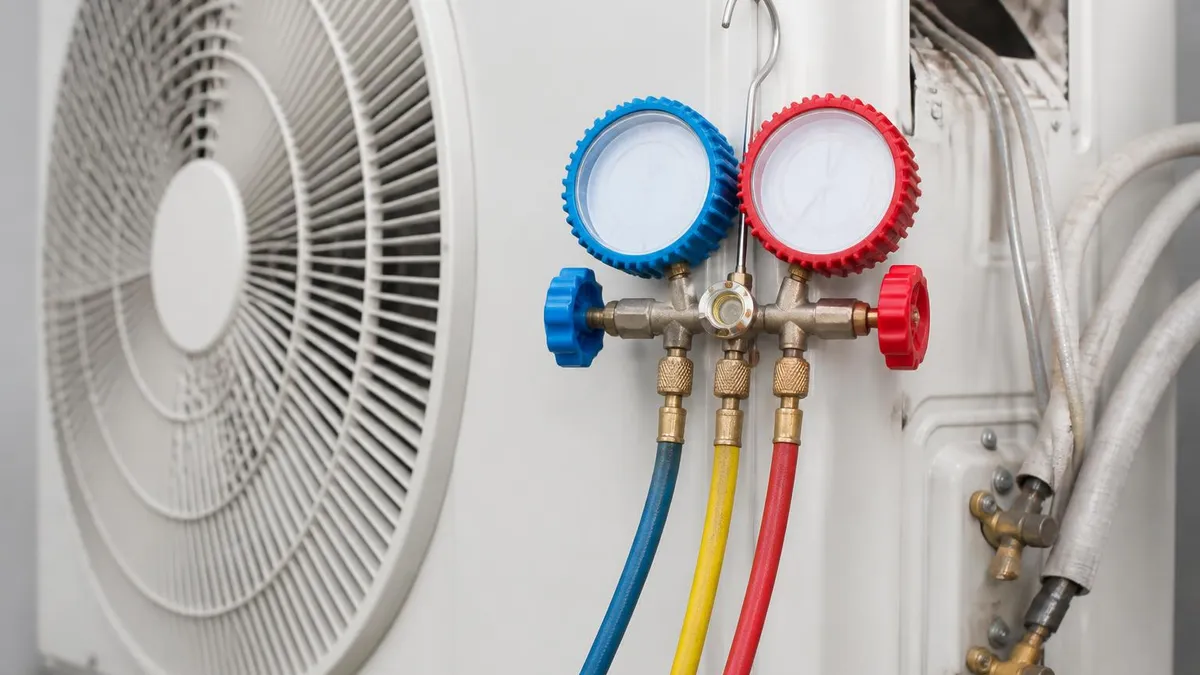
Refrigerant management is a product-adjacent topic that has become central to HVAC practice following the phasedown of R-410A under the American Innovation and Manufacturing (AIM) Act. R-410A, which was the dominant residential refrigerant for two decades, is being replaced by lower global warming potential (GWP) alternatives including R-32, R-454B (marketed as Puron Advance by Carrier), and R-410A blends. New equipment manufactured after January 1, 2025, must use A2L refrigerants, which are mildly flammable. This creates new handling, storage, and leak detection requirements that technicians must understand to work safely and legally with new product lines.
Accessories and ancillary products round out the HVAC product ecosystem: condensate pumps for installations where gravity drainage is not feasible, hard-start kits to assist compressor startup on aging systems, surge protectors to shield control boards from power spikes, and service valves that allow refrigerant recovery without disrupting the entire system. These products may seem minor, but they are the difference between a clean, long-lasting installation and one that generates repeated service calls. Knowing when to recommend an accessory is part of what separates experienced technicians from novices.
New residential HVAC equipment manufactured after January 1, 2025, must use A2L refrigerants, which are classified as mildly flammable under ASHRAE 34. Technicians handling these refrigerants must use compatible leak detectors rated for flammable gases, store cylinders away from ignition sources, and follow updated recovery procedures. Working with A2L systems using tools and practices designed for R-410A can create safety hazards and may void equipment warranties. Verify your equipment and training are current before servicing any new R-454B or R-32 system.
Code compliance and efficiency standards shape which HVAC products can legally be installed in any given location, and understanding this regulatory landscape is non-negotiable for anyone working in the industry. The Department of Energy (DOE) sets minimum efficiency standards for heating and cooling equipment at the federal level, but individual states and local jurisdictions can adopt stricter requirements. California, for instance, has long enforced its own Title 24 energy code, which imposes SEER2 minimums, duct leakage limits, and refrigerant charge verification requirements that exceed federal baselines. Technicians licensed in multiple states must track which standards apply where.
The International Mechanical Code (IMC) and the International Residential Code (IRC) form the model code framework that most US jurisdictions adopt, with local amendments. These codes govern installation clearances, venting requirements, electrical connections, refrigerant quantities in occupied spaces, and dozens of other technical details. For example, the IMC specifies maximum refrigerant concentrations allowed in occupied rooms for each refrigerant classification — a provision that becomes increasingly relevant as A2L refrigerants with mild flammability ratings enter the mainstream product market. Exam questions about code compliance frequently reference specific IMC sections.
AHRI (Air-Conditioning, Heating, and Refrigeration Institute) certification is the industry standard for verifying that HVAC equipment performs as claimed. When a furnace is rated at 96% AFUE or an air conditioner is rated at SEER2 16, those numbers come from AHRI-certified testing procedures conducted at standardized conditions. Contractors are obligated to use AHRI-matched system combinations — pairing a certified outdoor unit with a certified indoor coil — to legitimately claim the rated efficiency of the system. Installing a mismatched coil can reduce real-world efficiency, void the manufacturer's warranty, and create issues with utility rebate qualification.
Energy Star certification, administered by the EPA, is a voluntary program that designates HVAC products meeting efficiency thresholds significantly above the federal minimum. Energy Star-certified heat pumps, furnaces, and central air conditioners are typically eligible for federal tax credits under the Inflation Reduction Act (IRA) of 2022, which provides homeowners with credits of up to 30% of equipment and installation costs, capped at specific amounts per product category. Technicians who can navigate IRA eligibility requirements and help customers claim these credits become trusted advisors rather than commodity service providers.
Local utility rebate programs add another layer to the efficiency incentive landscape. Many electric and gas utilities offer cash rebates for replacing aging equipment with high-efficiency alternatives — a $500 rebate on a qualifying heat pump, for example, or a $200 rebate on an ENERGY STAR-certified furnace. These programs vary widely by utility and change annually based on available funding. Contractors who proactively identify rebate opportunities and assist customers with applications close more replacement sales and build deeper customer relationships. Some states also operate weatherization assistance programs that cover HVAC product upgrades for income-qualified households.
The North American Technician Excellence (NATE) certification and the EPA 608 technician certification are the two most widely recognized credentials in the HVAC industry. EPA 608 certifies technicians to purchase and handle refrigerants — a legal requirement for anyone working on refrigerant-containing systems. NATE certification demonstrates technical competency across specific HVAC product categories, including air conditioning, heat pumps, gas heating, and commercial refrigeration. Most employers prefer or require NATE certification, and it often commands a wage premium. Both exams test product knowledge in depth, including equipment specifications, installation requirements, and troubleshooting procedures.
State contractor licensing requirements also intersect with product knowledge. Most states require HVAC contractors to hold a license that demonstrates competency in the equipment they install and service. Licensing exams vary by state but consistently test knowledge of equipment types, sizing methods, code requirements, refrigerant handling, electrical safety, and combustion analysis.
Preparing for these exams means developing a thorough understanding of the full HVAC product lineup — not just the equipment you encounter most often, but the full range of systems you may be asked about under exam conditions. Practice tests that mirror real exam formats are one of the most effective preparation tools available.
Preparing effectively for HVAC exams requires more than reading product specifications — it demands hands-on familiarity with how equipment behaves in the field combined with a structured approach to studying technical content. The most successful candidates treat exam preparation as a project with milestones: a defined timeline, specific topics covered each week, and regular self-assessment through practice questions. Trying to cram all product knowledge into the final week before an exam is a strategy that reliably produces mediocre results, especially for practical, application-focused questions that appear on NATE and state licensing exams.
Start your study plan by identifying which product categories are most heavily weighted on your specific exam. NATE exams, for example, are organized by specialty — a candidate for NATE Air Conditioning Installation certification will face very different product-level questions than someone pursuing NATE Gas Heating Service. Download the NATE candidate handbook and map every knowledge area to the products and specifications it covers. That mapping exercise alone will reveal gaps in your product knowledge that you can address systematically before exam day rather than discovering them mid-test.
Flashcards remain a powerful tool for memorizing product specifications, efficiency rating thresholds, and code values. The SEER2 regional minimums, the AFUE minimums by product type, the refrigerant safety classifications, the MERV rating scale, the Manual J load calculation inputs — these are all specific values that require memorization, and spaced repetition through flashcard review is one of the most evidence-backed learning methods available. Digital flashcard platforms like Anki allow you to schedule review sessions so that harder material appears more frequently, accelerating retention.
Practice tests are the single most useful preparation resource for most exam candidates. They expose you to the format and difficulty level of real exam questions, identify which product areas need more study, and build the mental endurance needed to sustain focus through a multi-hour exam. High-quality practice tests for HVAC exams should include questions about all major product categories — heating, cooling, ventilation, controls, refrigerants, and code compliance — with detailed answer explanations that teach the reasoning behind each correct answer, not just the answer itself.
Study groups, whether in person or online, offer a dimension that solo study cannot: the ability to discuss ambiguous questions, share field experiences, and explain concepts to peers in your own words. Teaching a topic to someone else is one of the most effective ways to solidify your own understanding. Many HVAC apprenticeship programs include structured study group sessions as part of their exam preparation curriculum. If yours does not, forming an informal group with classmates or coworkers preparing for the same exam is well worth the organizational effort.
Field experience is an irreplaceable complement to classroom and book study. Every service call, installation, and troubleshooting session reinforces product knowledge in ways that passive reading cannot. When you replace a condenser fan motor, you are learning that product's electrical specifications, mechanical mounting requirements, and failure modes from direct experience.
When you commission a new communicating thermostat, you learn the configuration sequence, the error codes, and the airflow calibration procedure. Keeping a personal service journal where you note what you encountered, what you diagnosed, and what you learned on each job creates a rich personal reference and accelerates your transition from apprentice to journeyman.
Finally, stay current with product changes by reading manufacturer training bulletins, attending factory training events, and following industry publications. The HVAC product landscape in 2026 is materially different from what it was in 2020 — new refrigerants, new efficiency standards, new smart home integrations, and new safety requirements have all reshaped what technicians need to know.
Certification bodies update their exams to reflect these changes, so candidates who rely on outdated study materials may encounter questions their resources never covered. Budget time each month to review at least one new product training document or manufacturer update, and treat ongoing education as a professional baseline, not an optional extra.
HVAC Questions and Answers
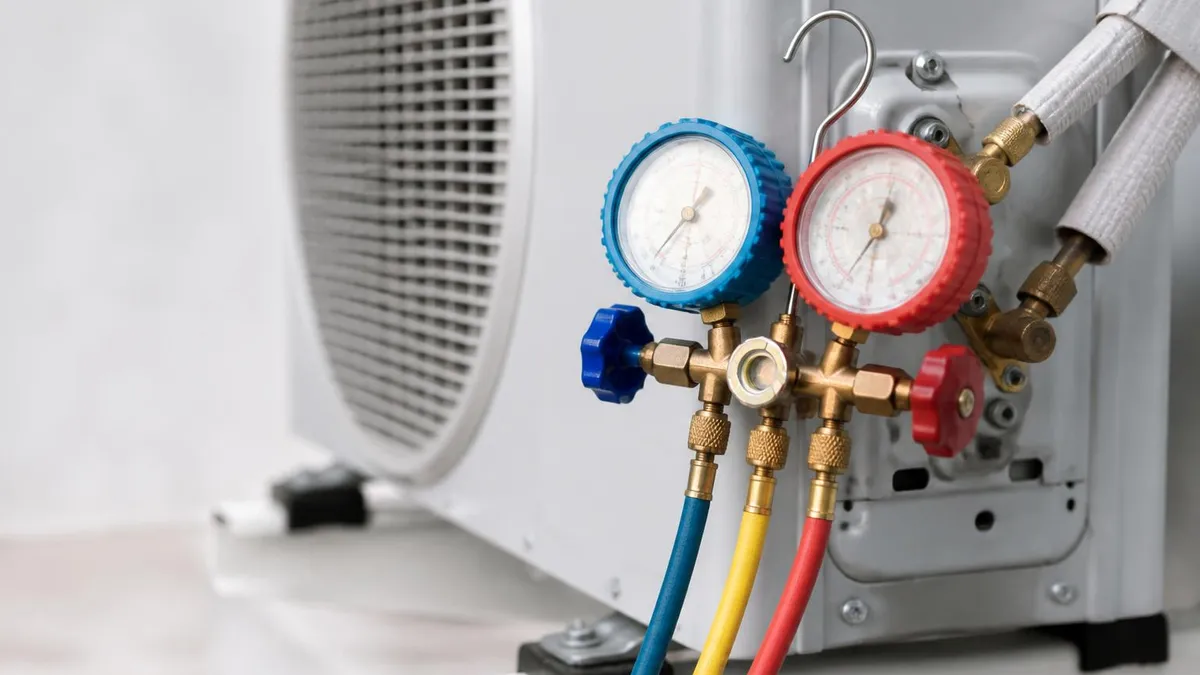
HVAC Sales: The Complete Guide to Selling Heating and Cooling Systems, Building Customer Trust, and Closing More Deals
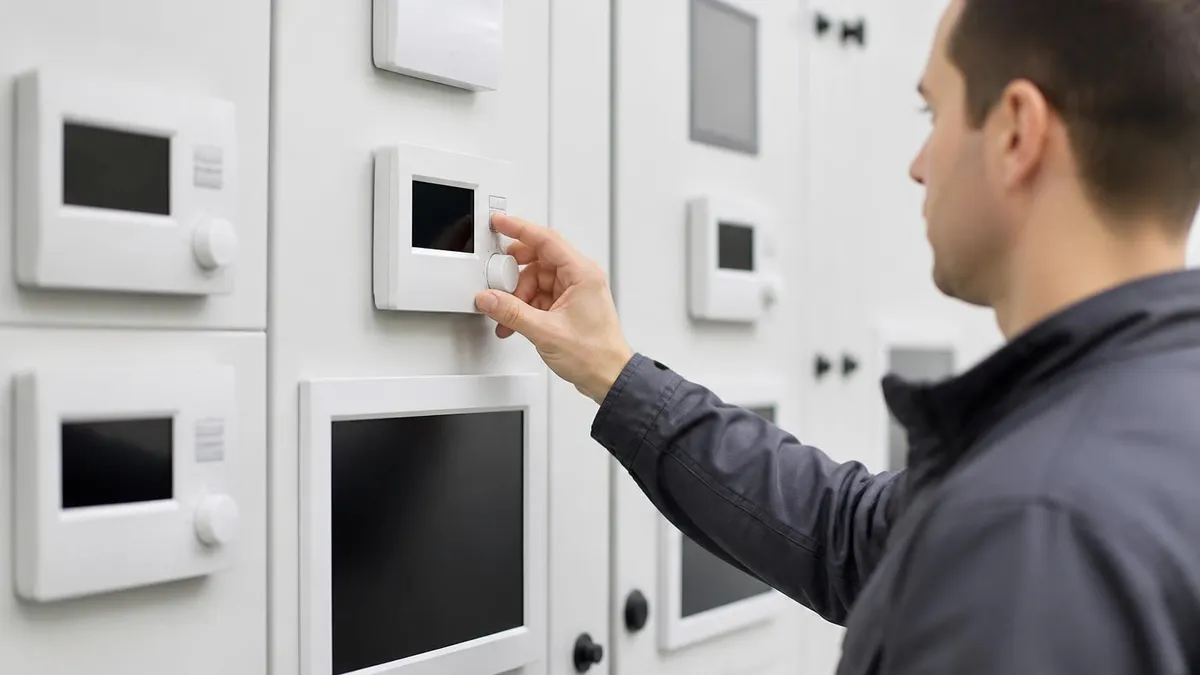
HVAC Air Duct Sealing: The Complete Homeowner and Contractor Guide to Sealing Ductwork for Efficiency, Comfort, and Indoor Air Quality
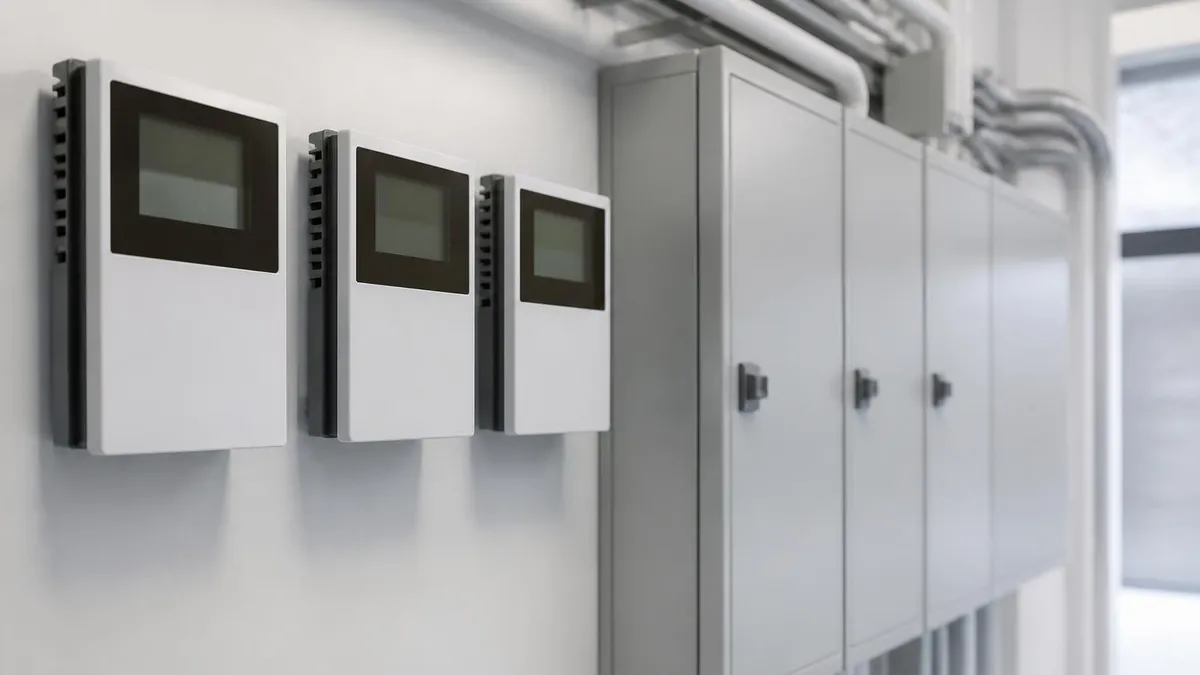
HVAC Solutions: The Complete Guide to Heating, Cooling, and Indoor Air Quality Systems for Homes and Buildings

Commercial HVAC Repair: Systems, Costs, and Service Strategies
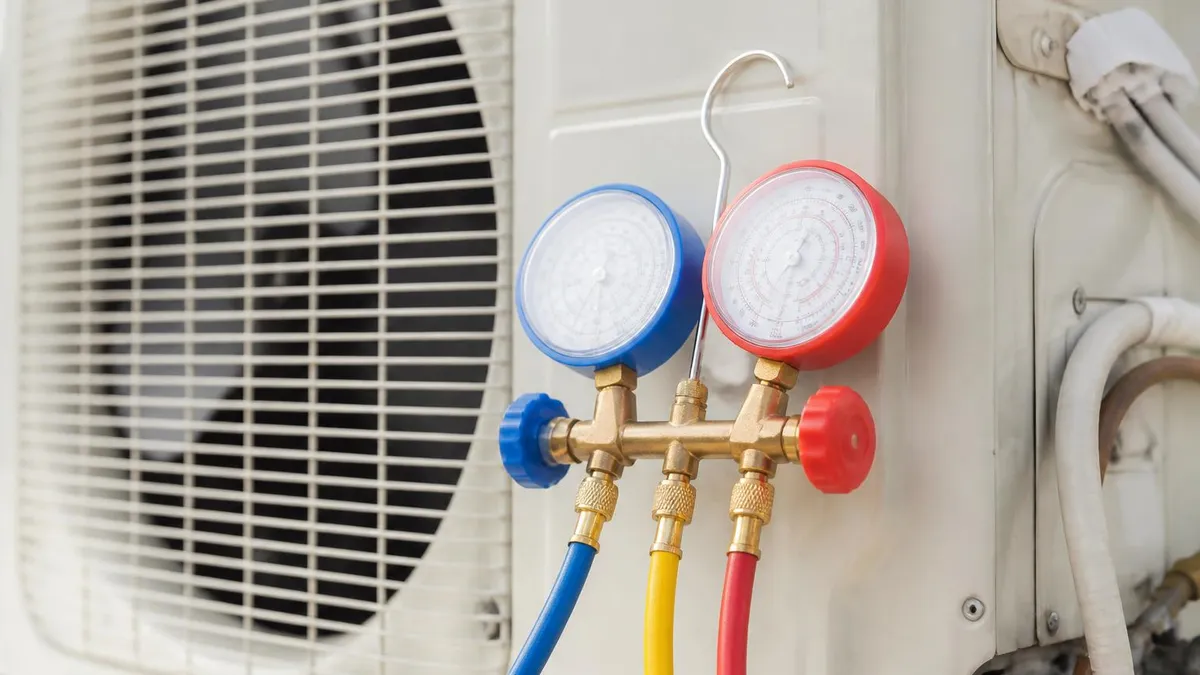
HVAC Apprenticeship Programs: Your Complete Guide to Starting a Hands-On Career in Heating, Ventilation, and Air Conditioning
About the Author

NATE Certified HVAC Technician & Licensing Exam Trainer
Universal Technical InstituteMike Johnson is a NATE-certified HVAC technician and EPA 608 universal-certified refrigerant handler with a Bachelor of Science in HVAC/R Technology. He has 19 years of commercial and residential HVAC installation and service experience and specializes in preparing technicians for NATE certification, EPA 608, A2L refrigerant safety, and state HVAC contractor licensing examinations.