
Trusted Loveland HVAC Repair Experts: Your Complete Guide to Finding, Hiring, and Working With the Best Local Technicians
Find trusted Loveland HVAC repair experts. Compare costs, questions to ask, red flags to avoid, and tips for fast, reliable service. ✅
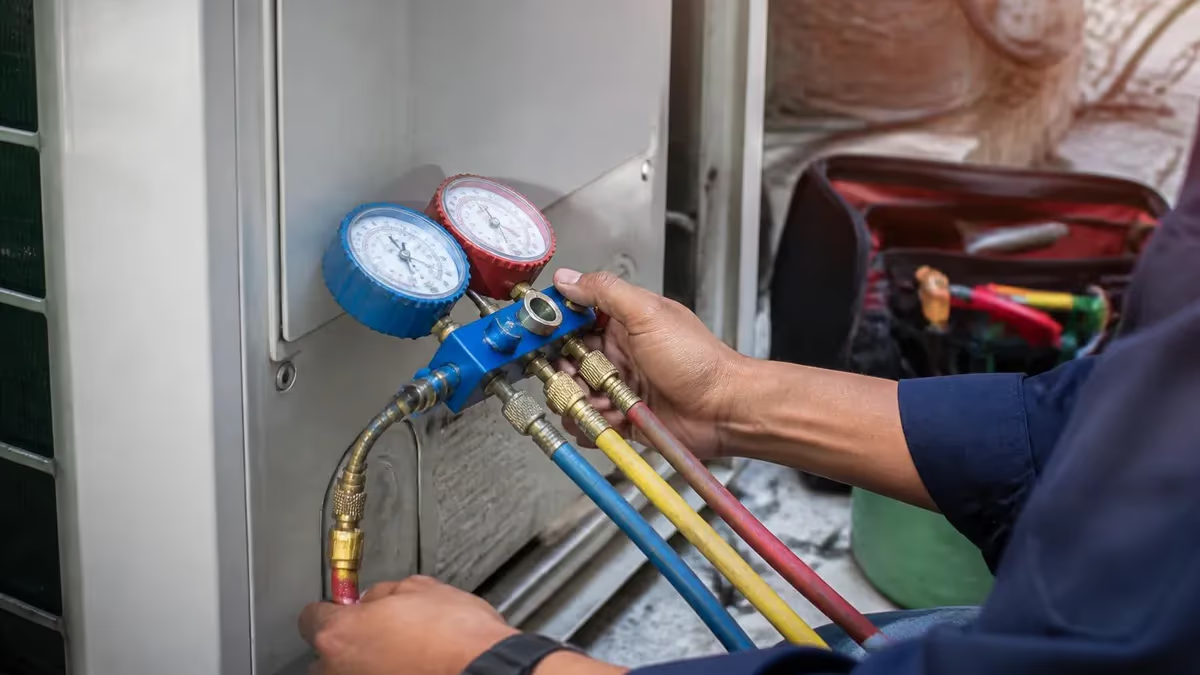
When your heating or cooling system breaks down in the middle of a Colorado summer or a bitter winter night, finding trusted loveland hvac repair experts quickly becomes your top priority.
Loveland sits at roughly 5,000 feet elevation, which means temperature swings are dramatic — summer highs can push past 95°F while winter lows regularly dip below 10°F. That range puts serious mechanical stress on HVAC equipment, and residents cannot afford to go without a functioning system for long. Knowing which contractors to call, what to expect from a service visit, and how to avoid getting overcharged can make an enormous difference in both comfort and cost.
Loveland has grown substantially over the past decade, and with that growth has come an expanding base of HVAC contractors serving the northern Front Range. You will find everything from one-truck owner-operators to regional companies with dozens of technicians. The variety is good for competition, but it also means quality varies widely. Some companies offer factory-authorized service on major brands, while others are generalists who handle residential work across all makes and models. Understanding what credentials and certifications actually mean — and what questions to ask before you schedule — is the first step toward a successful repair.
Colorado's climate adds unique wrinkles to HVAC maintenance that technicians in flatter, warmer states may not encounter as frequently. High-altitude combustion adjustments are essential for gas furnaces; a unit installed at sea level must be re-rated for Loveland's elevation or it will run inefficiently and potentially create carbon monoxide risks. The dry air also shortens the lifespan of certain components like capacitors and fan belts faster than in humid climates. A technician who understands these regional factors is worth more than one who simply swaps parts based on error codes.
For many Loveland homeowners, the biggest barrier to getting good HVAC service is not finding a contractor — it is knowing whether the contractor they found is actually qualified. Colorado requires HVAC contractors to hold a state mechanical license, but individual technicians may hold EPA Section 608 certification for refrigerant handling without necessarily having broader mechanical credentials. Asking to see both the company license number and the individual technician's certifications before work begins is a reasonable and professional request that any reputable shop will accommodate without hesitation.
Cost is always a concern, and HVAC repair pricing in Loveland reflects the regional cost of living, which has climbed notably since 2020. Diagnostic fees typically run between $75 and $150, and most reputable companies apply that fee toward the repair if you proceed with the work. Parts pricing varies by brand and availability — some proprietary components for premium systems like Trane or Carrier can carry markups of 30 to 50 percent over wholesale, which is standard in the industry. Getting a written estimate that itemizes labor and parts separately before authorizing any work protects you from unexpected charges.
The seasonal demand cycle in Loveland means that scheduling an HVAC repair in July or January — the peak months for breakdowns — can result in multi-day waits unless you have an existing relationship with a contractor or are willing to pay emergency rates. Many homeowners discover their system has failed on the first truly hot day of summer, exactly when every other household in the city is making the same discovery. Building a relationship with a local company through annual maintenance visits gives you priority scheduling access and often results in better pricing on unexpected repairs.
This guide covers everything you need to know about navigating hvac repair loveland — from spotting qualified technicians and understanding diagnostic processes to comparing repair versus replacement decisions and making the most of manufacturer warranties. Whether you are dealing with a furnace that will not ignite, an air conditioner that blows warm air, or a heat pump that is running constantly without reaching your set temperature, the information here will help you take control of the situation and get the best possible outcome.
Loveland HVAC Repair by the Numbers
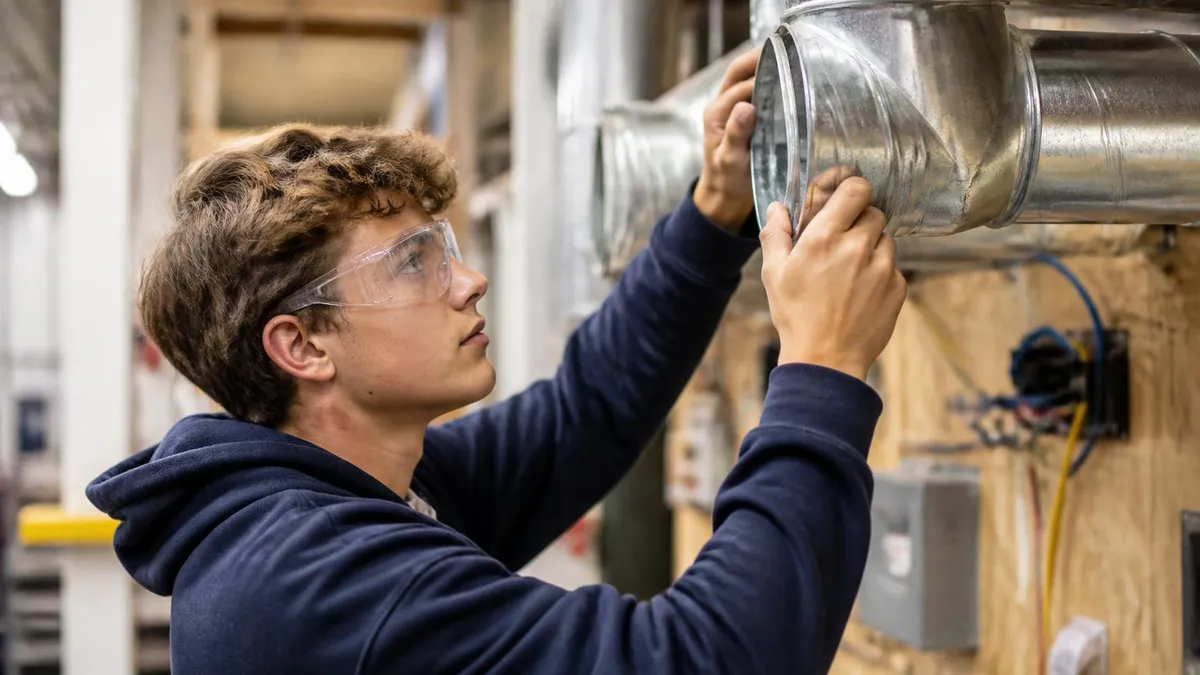
How to Find and Hire a Trusted Loveland HVAC Repair Expert
Verify State Licensing and Insurance
Check EPA Section 608 Certification
Request Written Estimates From Multiple Contractors
Check Reviews on Multiple Platforms
Ask About Brand Authorization and Warranty Coverage
Confirm Emergency Availability and Response Time
Understanding what happens during a professional HVAC service visit helps you evaluate whether a contractor is doing thorough work or simply going through the motions to get to a parts sale. A proper diagnostic visit for a non-functioning air conditioner, for example, should involve more than a visual inspection and a refrigerant check. The technician should measure supply and return air temperatures, check static pressure, inspect the evaporator and condenser coils, test electrical components including capacitors and contactors, measure refrigerant pressures against manufacturer specifications, and verify that the thermostat is communicating correctly with the unit.
For furnace diagnostics, a qualified technician will check the heat exchanger for cracks — a critical safety step that should never be skipped — test the igniter and flame sensor, measure the gas pressure at the manifold, check the flue for proper draft, and run a combustion analysis to verify that the burners are operating at the correct air-to-fuel ratio for Loveland's altitude.
A furnace that passes a visual inspection but has not been tested for altitude-adjusted combustion efficiency is not fully diagnosed. Carbon monoxide is odorless and deadly, and heat exchangers can develop hairline cracks that are only detectable with proper testing equipment.
Once the technician has completed the diagnostic, they should present you with a written finding that explains the root cause of the problem, not just the symptom. A capacitor that has failed, for instance, may have done so because the compressor is drawing excessive amperage — a sign of a larger problem. A good technician will tell you both that the capacitor needs replacement and that the compressor is showing signs of wear, giving you information to make an informed decision about whether to repair or begin planning for replacement.
Parts availability is a real issue in northern Colorado. Loveland is served by several HVAC supply houses, but proprietary components for less common brands can require shipping that adds one to three days to a repair timeline. Technicians who stock a comprehensive van inventory of common consumable parts — capacitors, contactors, igniter assemblies, common valve bodies — can often complete a repair in a single visit. Ask when scheduling whether the company carries common parts on their service vehicles, especially if your system is a common brand like Carrier, Lennox, Trane, or Rheem.
Labor rates in Loveland typically run between $95 and $165 per hour depending on the company's overhead, the complexity of the work, and whether it is a standard or emergency call. Most simple repairs — a failed capacitor, a dirty flame sensor, a clogged condensate drain — can be completed in one to two hours.
More complex work like a refrigerant leak search and repair, a heat exchanger replacement, or a blower motor swap may take three to five hours. Getting an estimate of labor hours before the work begins, in addition to a parts estimate, helps you understand the full cost picture.
After the repair is complete, ask the technician to walk you through what they found, what they repaired, and what they observed about the overall condition of the system. A good contractor uses the service visit as an opportunity to give you a comprehensive picture of system health, including any components that are showing wear and may need attention in the next one to two seasons.
This information helps you budget and plan rather than being surprised by the next breakdown. It also gives you a baseline for evaluating whether future recommendations from any contractor are consistent with what you already know about your system.
Documentation matters more than many homeowners realize. Always ask for a service receipt that includes the technician's name and license number, the date of service, a description of the work performed, the parts installed with model and serial numbers, the warranty on both parts and labor, and the total cost. This documentation is essential for warranty claims, for future technicians who need a service history, and for establishing the condition of your system if you ever sell your home. Reputable companies provide this automatically; if a contractor resists providing written documentation, treat that as a significant red flag.
Common HVAC Problems in Loveland Homes
The most frequent air conditioning complaint Loveland technicians encounter is a system that runs continuously without reaching the thermostat's set temperature. This is often caused by a failing capacitor, low refrigerant from a slow leak, or a dirty condenser coil that cannot reject heat efficiently in high summer temperatures. Capacitor failure is especially common in Colorado because UV radiation and temperature swings accelerate the degradation of the capacitor's dielectric material, typically reducing its effective lifespan to seven to ten years even in well-maintained systems.
Refrigerant leaks deserve particular attention because simply topping off a system without finding and repairing the leak is both environmentally irresponsible and a waste of money — the refrigerant will escape again, usually within one to two seasons. A proper leak repair involves pressure-testing the system, locating the leak with electronic detection equipment or UV dye, repairing or replacing the leaking component, evacuating the system to remove moisture, and recharging to the manufacturer's exact specification. Cutting corners on any of these steps leads to repeat failures and continued energy waste.
Hiring a Local Loveland HVAC Contractor vs. a National Service Chain
- +Local contractors understand Colorado's altitude and climate requirements specific to Loveland
- +Faster emergency response times during peak summer and winter demand periods
- +Relationships with local supply houses mean faster parts procurement for common brands
- +Community reputation creates strong incentives for quality work and customer satisfaction
- +Local owners are often directly accountable and reachable for dispute resolution
- +More likely to offer flexible payment arrangements for long-term customers
- −Smaller inventory and staff may mean longer waits for specialized or rare parts
- −Fewer locations means coverage gaps if your primary technician is unavailable
- −National chains may offer manufacturer-backed pricing programs or bulk parts discounts
- −Local companies may lack factory authorization for premium or newer equipment brands
- −Smaller shops may not have dedicated 24/7 emergency dispatch staffing year-round
- −Fewer technicians can mean inconsistent service if the best tech is on another job
Pros and Cons at a Glance
| Pros | Cons |
|---|---|
| Local contractors understand Colorado's altitude and climate requirements specific to Loveland | Smaller inventory and staff may mean longer waits for specialized or rare parts |
| Faster emergency response times during peak summer and winter demand periods | Fewer locations means coverage gaps if your primary technician is unavailable |
| Relationships with local supply houses mean faster parts procurement for common brands | National chains may offer manufacturer-backed pricing programs or bulk parts discounts |
| Community reputation creates strong incentives for quality work and customer satisfaction | Local companies may lack factory authorization for premium or newer equipment brands |
| Local owners are often directly accountable and reachable for dispute resolution | Fewer technicians can mean inconsistent service if the best tech is on another job |
HVAC Repair Checklist: What to Do Before and After You Call a Technician
- ✓Check and replace your air filter if it has been more than 60 days since the last change — a clogged filter is the cause of many service calls.
- ✓Verify the thermostat is set to the correct mode (heat or cool) and the set point is at least 5 degrees different from the current room temperature.
- ✓Inspect your circuit breaker panel for any tripped breakers labeled for your HVAC system and reset once if tripped.
- ✓Check that the outdoor condenser unit has at least 18 inches of clearance on all sides and is not blocked by vegetation or debris.
- ✓Confirm that all supply and return vents in your home are open and unobstructed by furniture or rugs.
- ✓Look for ice on refrigerant lines or the indoor coil, which indicates airflow restriction or refrigerant issues — shut the system down if you see ice.
- ✓Note any unusual sounds (grinding, squealing, banging, clicking) and document when they occur to help the technician diagnose efficiently.
- ✓Write down the make, model, and serial number of your HVAC equipment before the technician arrives to speed up parts lookup.
- ✓Ask the technician for a written estimate before authorizing any repair that costs more than the diagnostic fee.
- ✓Request a service receipt that includes work performed, parts installed with warranty information, and the technician's license number.
Annual Maintenance Saves More Than It Costs
Industry data consistently shows that homeowners who schedule annual HVAC maintenance visits spend 15 to 25 percent less on emergency repairs over the life of their system. In Loveland, where both heating and cooling systems work hard, a $150 annual tune-up that catches a failing capacitor or a cracked heat exchanger early can prevent a $1,200 emergency breakdown call during the hottest or coldest day of the year — and potentially extend system lifespan by three to five years.
One of the most consequential decisions a Loveland homeowner faces is whether to repair an aging HVAC system or replace it entirely. The calculation involves more variables than just the cost of the current repair, and making the wrong call in either direction can cost thousands of dollars.
A repair that postpones an inevitable replacement by only one season wastes money twice — once on the repair and once on the installation costs that come regardless. On the other hand, replacing a system that had several good years left is an expensive choice that a knowledgeable technician could have helped you avoid.
The most commonly cited rule of thumb is the "5,000 rule": multiply the age of the system in years by the estimated repair cost in dollars. If the result exceeds $5,000, replacement is generally the more economical choice. A 12-year-old system facing a $500 repair yields a score of 6,000, suggesting replacement is worth seriously considering. A 5-year-old system with a $600 repair yields 3,000, making repair the clear choice. This rule is a starting point, not a substitute for a technician's professional assessment of overall system condition.
Efficiency ratings are a critical part of the replacement calculation that many homeowners overlook. A 10-year-old air conditioner with a 10 SEER rating being replaced by a modern 18 SEER unit will reduce cooling energy consumption by roughly 44 percent. At average Colorado electricity rates and typical Loveland cooling season usage, that can translate to $200 to $400 in annual savings.
Over the 15 to 20 year lifespan of the new unit, that efficiency gain offsets a significant portion of the installation cost — especially if you factor in the federal tax credits available for high-efficiency equipment under current energy legislation.
Heat pumps deserve special consideration for Loveland homeowners who are currently using a gas furnace and separate central air system. The economics of dual fuel or all-electric heat pump systems have shifted substantially in recent years as equipment costs have dropped and energy rates have changed.
A cold-climate heat pump paired with a smaller backup gas furnace can deliver both heating and cooling at lower combined operating costs than separate systems in many Loveland utility rate scenarios. The installation complexity is higher, and not every contractor has deep heat pump experience, but the long-term economics can be compelling especially for homeowners planning to stay in their home for ten or more years.
Manufacturer warranties are an important factor that complicates the repair-versus-replace decision in ways that are not always obvious. Many major brands — Carrier, Trane, Lennox, Rheem, and others — offer 10-year parts warranties on new equipment, but these warranties typically require registration within 60 to 90 days of installation and proof that the system was installed by a licensed contractor. If a repair has been performed by an unlicensed technician or an unauthorized dealer, the manufacturer warranty may already be voided. A qualified technician can review your existing warranty status before you decide whether to repair or replace.
The timing of a replacement also affects cost more than most homeowners realize. HVAC contractors in Loveland are typically less busy from October through February and again in April and May — the shoulder seasons when neither heating nor cooling demand is at its peak. Scheduling a non-emergency replacement during these windows often results in better contractor availability, more competitive pricing (since contractors are actively seeking work), and faster installation appointments. Emergency replacements in July or January, by contrast, may cost 10 to 20 percent more simply because demand is overwhelming supply capacity.
Financing options have improved significantly for HVAC replacements. Many manufacturers offer promotional financing through participating dealers, and Colorado's energy efficiency programs through Xcel Energy and Poudre Valley REA offer rebates for high-efficiency equipment that can reduce the out-of-pocket cost of a replacement by $200 to $1,500 depending on the equipment type and efficiency rating. Local contractors who are enrolled in these utility programs can help you navigate the rebate application process and ensure the installed equipment qualifies for the maximum available incentive before the work is completed.
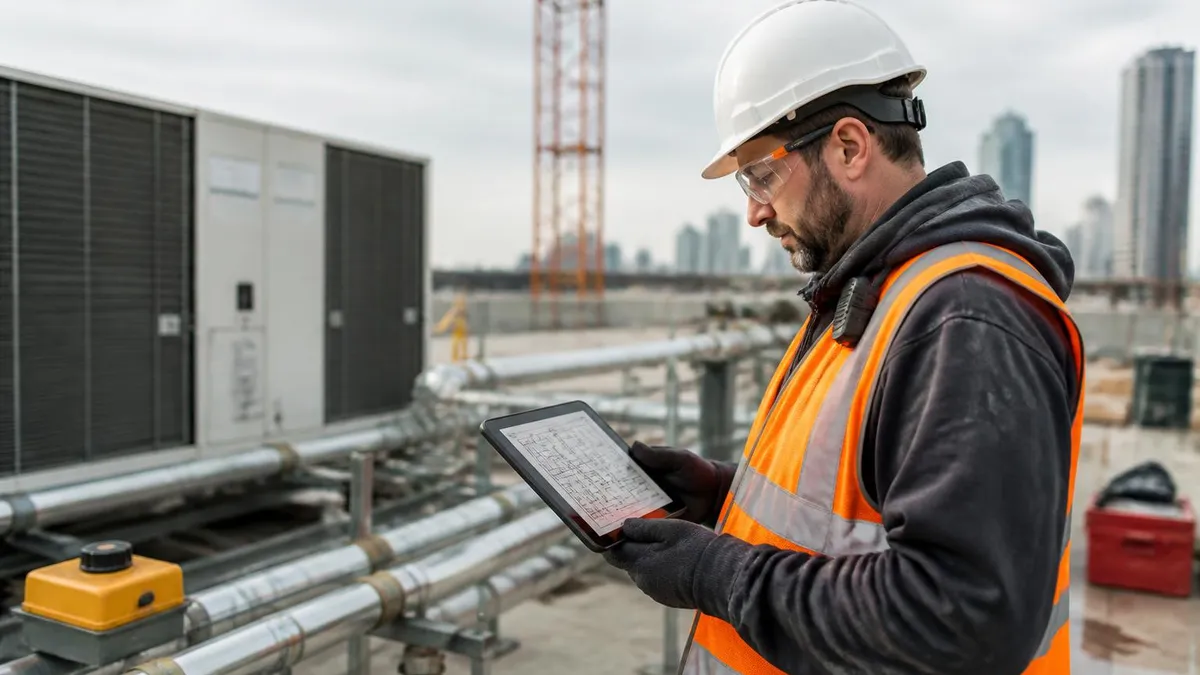
A cracked heat exchanger is a serious safety hazard that can allow carbon monoxide to enter your living space. If a technician identifies a cracked heat exchanger, do not continue operating the furnace — this is not a repair to delay or get a second opinion on before shutting the system down. Similarly, if your carbon monoxide detector alarms, evacuate immediately and call 911 before calling an HVAC company. No repair timeline is worth risking your family's safety from CO exposure.
Maximizing the lifespan of your HVAC system in Loveland requires a proactive maintenance strategy that goes beyond the occasional filter change. The combination of high altitude, low humidity, intense UV radiation, temperature extremes, and the alkaline mineral content in northern Colorado's water supply creates conditions that accelerate wear on specific components faster than in many other regions. Understanding which components are most vulnerable — and scheduling maintenance around those vulnerabilities — is the key to getting the full 15 to 20 year lifespan out of a quality system.
Filter maintenance is the single highest-impact thing a homeowner can do to extend HVAC system life, yet it is also the most consistently neglected. Loveland's dry climate and the significant wildfire smoke events that have become increasingly common in northern Colorado mean that indoor air particulate levels can spike unexpectedly and load up filters faster than the standard 90-day replacement schedule assumes.
During periods of heavy smoke or construction activity nearby, monthly filter checks are prudent. A clogged filter restricts airflow, increases static pressure, stresses the blower motor, reduces heat transfer efficiency at the coil, and can cause the system to overheat and short-cycle — all problems that accelerate component wear.
Coil cleaning is another maintenance task that pays outsized dividends. The outdoor condenser coil accumulates cottonwood debris (a significant issue in Loveland from late May through June), dust, and insect nests that reduce its ability to reject heat.
A coil that is even 20 percent blocked by debris will cause the compressor to work harder, run hotter, and draw more amperage than designed — the primary cause of compressor failures that typically cost $1,200 to $2,500 to replace. An annual coil cleaning with a proper coil cleaner solution, not a pressure washer that bends the delicate aluminum fins, keeps the coil operating at full efficiency.
The blower motor and its bearings deserve attention in Colorado's dry climate. Some older systems use direct drive motors with sealed bearings that require no maintenance, but older systems with belt-driven blowers need annual belt inspection and tension adjustment, and motors with oil ports need annual lubrication.
A dry bearing that begins to fail will first show up as a squealing noise, then as increased motor amperage draw, and finally as a seized motor that causes the system to shut down on thermal overload. Catching and addressing a failing bearing at the squealing stage costs very little; replacing the motor at the seizure stage costs $350 to $800.
The condensate drain system is another area where Loveland's climate creates specific maintenance needs. During cooling season, a central air system removes significant moisture from indoor air — sometimes three to five gallons per day in a typical home. That water drains through a condensate line that can develop algae growth in warm weather and can clog with debris if the line runs through a dusty area.
A clogged condensate drain causes water to back up into the drain pan, potentially overflowing onto ceilings, walls, or flooring and causing significant water damage. Flushing the condensate line with a diluted bleach solution annually and checking the float switch that shuts down the system if the pan fills is simple preventive maintenance that avoids expensive water damage claims.
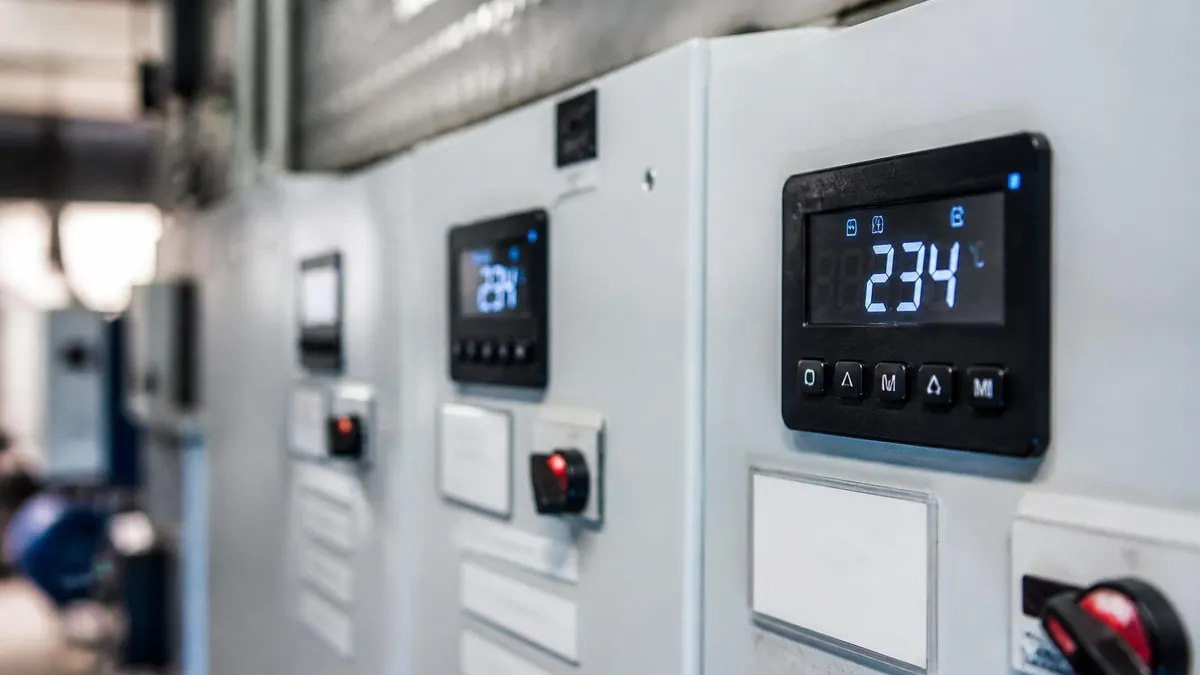
Thermostat calibration and control system checks should be part of every annual maintenance visit. A thermostat that reads two degrees high will cause your system to overheat or over-cool your home, wasting energy and increasing runtime hours. Smart thermostats have added complexity that older programmable units did not have — firmware updates, Wi-Fi connectivity issues, and compatibility problems with multi-stage equipment can all affect system performance. A technician who includes a thermostat check and calibration verification in the annual maintenance scope is providing genuinely valuable service that impacts both comfort and operating cost.
Ductwork condition is often overlooked in a maintenance conversation focused on the mechanical unit, but leaky ducts can undermine even a perfectly maintained HVAC system. Studies by the Department of Energy estimate that the average American home loses 20 to 30 percent of conditioned air through duct leaks before it reaches the living space.
In Loveland's older housing stock — particularly homes built before 1990 — duct systems were often assembled with inadequate sealing and may have developed additional leaks over decades of thermal cycling. A duct leakage test using a blower door or duct pressurization equipment can quantify how much conditioned air you are losing, and professional duct sealing can often be completed in a single day at a cost that pays back within two to three heating seasons.
Practical tips for getting the best possible outcome from every HVAC repair experience in Loveland start with timing and communication. When you first call a contractor, be specific about what the system is doing — or not doing — rather than just saying it is not working.
Tell the dispatcher the make and model of your system, roughly how old it is, what sounds or behaviors you noticed before it stopped working, and whether the problem is intermittent or constant. This information helps the dispatcher determine which technician to send, what parts to potentially pull for the van, and how long to schedule for the call — all of which improve the efficiency of your service appointment.
Never authorize work based on a phone estimate alone. Reputable contractors will give you a range estimate over the phone to help you budget, but the actual diagnostic must be performed on-site before a binding price is given. Be wary of companies that quote a flat price for a repair before seeing the equipment — this is sometimes a sign of a company that has predetermined the solution regardless of what the actual problem turns out to be. Insist on a written estimate after the diagnostic is complete and before any parts are ordered or installed.
Understanding the difference between a service warranty and a parts warranty protects you from unexpected costs if a repair fails. Most reputable Loveland contractors offer a 30-day to 90-day labor warranty on repairs — meaning they will return and fix a failure related to their work at no additional labor charge.
Parts warranties vary by manufacturer, with many common components like capacitors carrying 1-year warranties and compressors carrying warranties of 5 to 10 years. If a part fails within the warranty period, you should owe no more than the cost of the service call to have it replaced, provided the failure is due to manufacturing defect and not a secondary problem that was not addressed in the original repair.
Seasonal maintenance agreements — sometimes called comfort clubs or preventive maintenance contracts — are offered by many Loveland HVAC companies and are worth evaluating if you own a home that you plan to stay in for several years. A typical agreement includes one spring air conditioning tune-up, one fall heating tune-up, priority emergency scheduling, and a discount on parts and labor for any repairs needed between visits.
Annual costs range from $150 to $350 depending on what is included. The value depends heavily on the quality of the maintenance work performed — ask what specific tasks are included in each visit and compare against the manufacturer's recommended maintenance procedures for your equipment.
When a technician recommends a repair that seems unexpectedly expensive, it is entirely reasonable to ask for time to get a second opinion. A trustworthy contractor will not pressure you to make an immediate decision on a large repair, and will be willing to write up their findings in a service report that you can share with another company.
The diagnostic fee you paid is the cost of getting that professional assessment. If a second opinion confirms the diagnosis, you can return to either company for the repair. If it contradicts the first diagnosis, you have learned something important about the quality of the first company's work.
Building a long-term relationship with a single trusted Loveland HVAC contractor has compounding benefits that are easy to undervalue when your system is working fine. A contractor who has serviced your system multiple times builds a maintenance history that helps them diagnose problems faster and more accurately. They know the quirks of your specific installation, whether any modifications were made by previous contractors, and what components have already been replaced. This institutional knowledge about your specific system is genuinely valuable and reduces the chance of misdiagnosis or unnecessary parts replacement during future service visits.
Finally, take advantage of the educational resources available to help you understand your system better. The more you understand about how your HVAC equipment works — how refrigerant cycles carry heat, how combustion systems manage fuel-to-air ratios, how variable-speed equipment adjusts to load conditions — the better equipped you are to have productive conversations with technicians, evaluate their recommendations critically, and spot the difference between a company that is genuinely trying to help you and one that is padding a bill. Investing a few hours in learning the fundamentals pays dividends across every service interaction you will ever have.
HVAC Questions and Answers
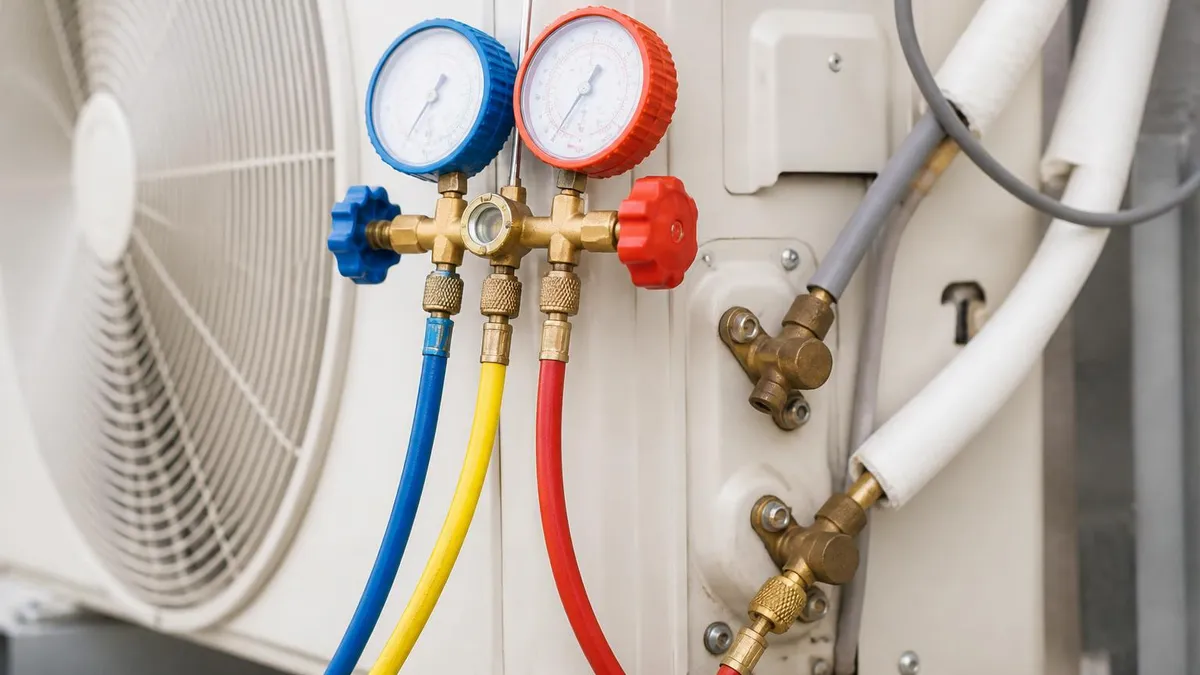
FCU HVAC: The Complete Guide to Fan Coil Units, How They Work, Where They Excel, and How to Choose the Right System
Finance a New HVAC System: 2026 Loans, 0% APR, and Rebates
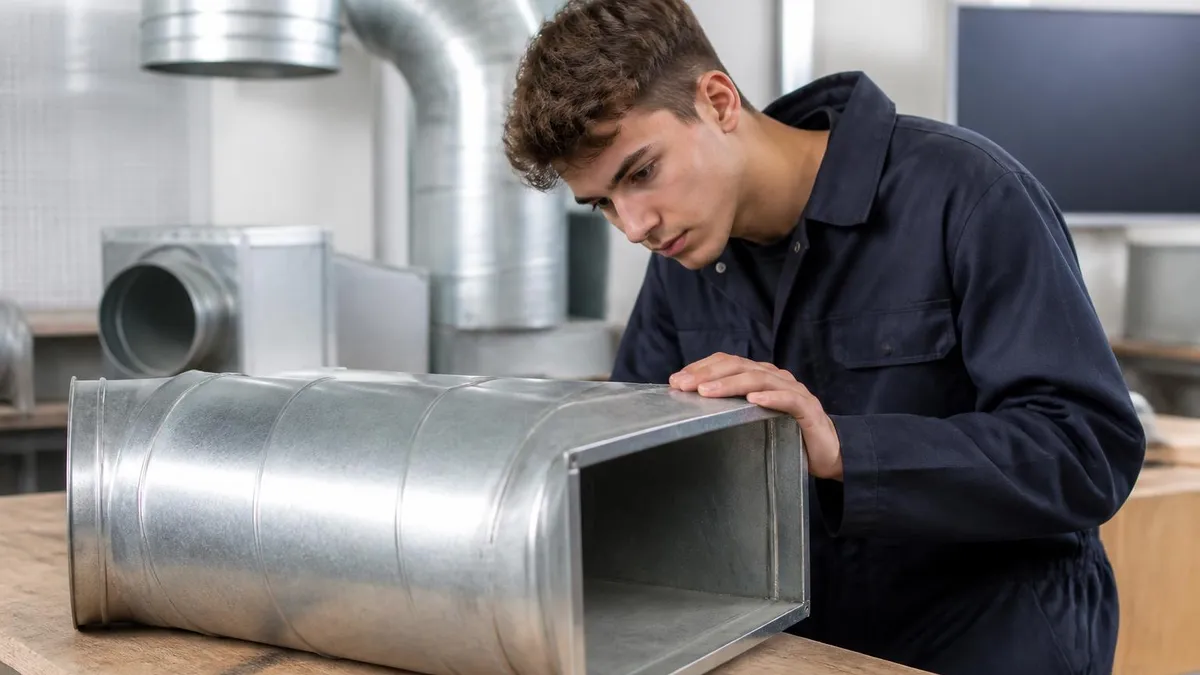
HVAC Duct Repair: Common Issues, Costs, and DIY vs Professional
HVAC School -- Programs, Costs, and Career Paths in 2026
HVAC Advertising: The Complete Playbook for Generating Leads, Booking Calls, and Growing Your Heating and Cooling Business
About the Author

NATE Certified HVAC Technician & Licensing Exam Trainer
Universal Technical InstituteMike Johnson is a NATE-certified HVAC technician and EPA 608 universal-certified refrigerant handler with a Bachelor of Science in HVAC/R Technology. He has 19 years of commercial and residential HVAC installation and service experience and specializes in preparing technicians for NATE certification, EPA 608, A2L refrigerant safety, and state HVAC contractor licensing examinations.