
HVAC Apprentice Jobs Near Me: How to Find, Land, and Grow in Local HVAC Apprenticeships
🎓 Find HVAC apprentice jobs near me with pay ranges, requirements, top employers, and step-by-step tips to land your first paid HVAC apprenticeship.
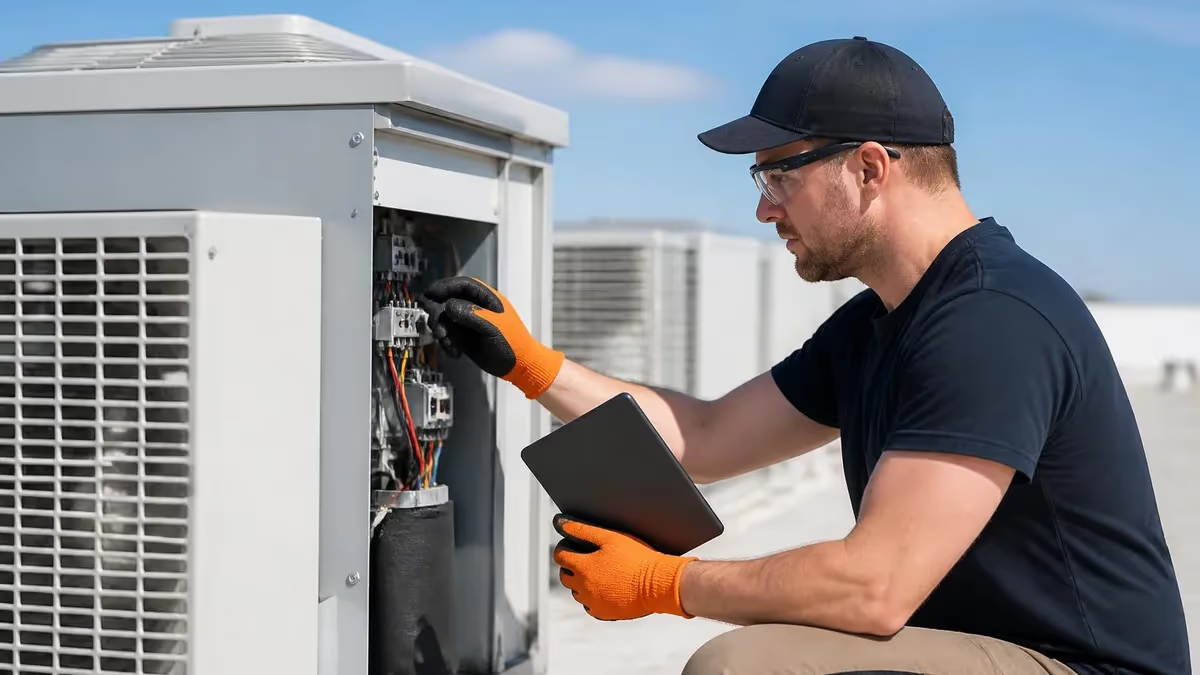
Searching for hvac apprentice jobs near me is one of the smartest career moves a high school graduate, career changer, or trade-curious worker can make in 2026. The U.S. Bureau of Labor Statistics projects HVAC technician roles to grow about 9% through 2033, far faster than the average occupation, and apprenticeships remain the proven on-ramp. You earn while you learn, build hands-on skills under licensed mentors, and walk out debt-free with a credential employers actually trust. The path is structured, paid, and dramatically less risky than four-year degrees.
HVAC apprenticeships typically run three to five years, blending roughly 2,000 hours of paid on-the-job training annually with 144 hours of related technical instruction. You start as a helper carrying tools and learning safety protocols, then progress to installations, diagnostics, electrical controls, and refrigerant work. Most apprentices begin between $16 and $22 per hour, with scheduled raises every six months. By year four, journey-level pay in many metros crosses $32 per hour plus benefits.
Local availability is better than most people realize. Union halls, independent contractors, manufacturers, and large national service brands all post openings. The phrase "near me" matters because HVAC is a service-radius industry — employers want apprentices who can roll a van within their territory, not commute two hours. That gives motivated local candidates a real edge over remote applicants.
This guide covers everything you need: where to find listings, what employers screen for, realistic pay progression, union vs. non-union tradeoffs, common application mistakes, and how to convert an interview into an offer. We'll also point you to free practice questions, because every reputable program tests you on basic math, mechanical reasoning, and safety knowledge before they hand you the apprentice paperwork.
If you want to benchmark your readiness against working professionals, browse our breakdown of HVAC Technician Jobs Near Me to see what your career looks like after you complete the apprenticeship. The pay jump, equipment expectations, and customer-facing duties are very different from helper work, and understanding the endgame helps you ask sharper questions during apprenticeship interviews.
One realistic expectation: applying for HVAC apprenticeships is competitive in major metros. Top union locals see five to ten applicants per slot, and selective non-union shops interview three to five candidates per opening. The difference between an applicant who gets ghosted and one who gets hired usually isn't credentials — it's preparation, professionalism, and the ability to demonstrate that you actually understand what HVAC work involves day to day.
We'll show you how to stand out from the first phone screen to the post-offer drug test, with concrete checklists, pay tables, and pitfall warnings drawn from how real shops actually hire. Whether you're 18 with no experience or 35 transitioning from retail, the apprentice door is genuinely open — you just need to know how to walk through it.
HVAC Apprenticeships by the Numbers
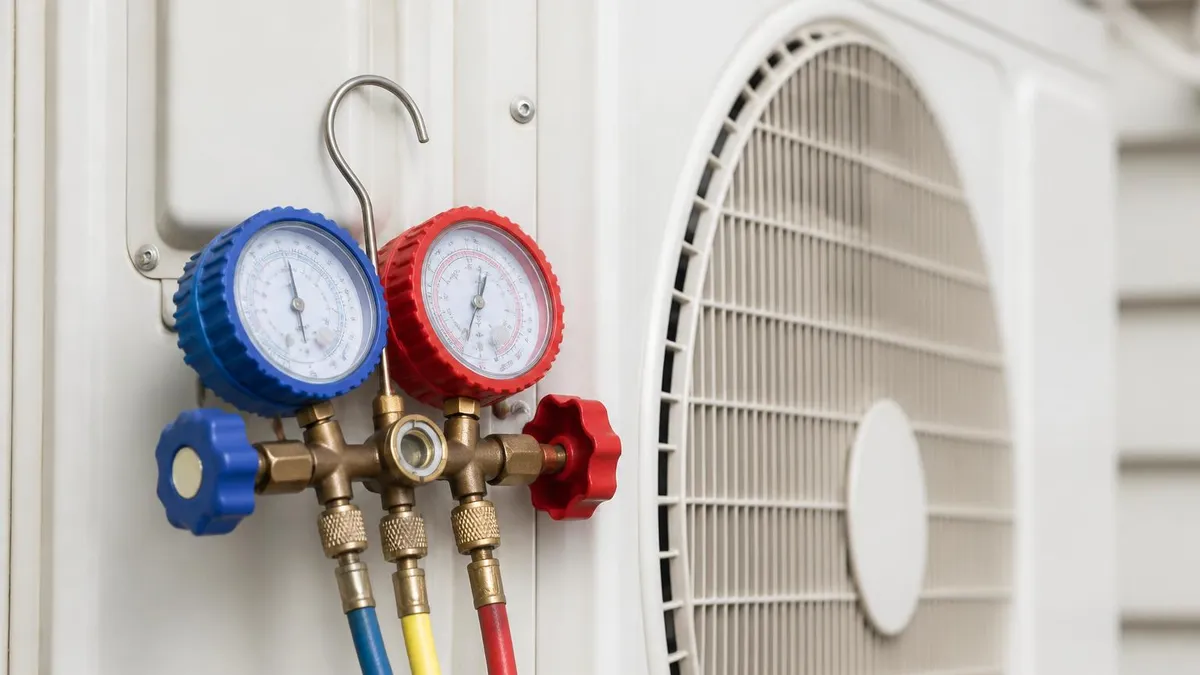
Apprenticeship Pathways & Requirements
Department of Labor–registered programs offer the most portable credential. You graduate with a national journeyworker certificate recognized in all 50 states, plus documented hours that count toward state HVAC licensure.
Run by United Association or SMART locals, these five-year programs offer the highest pay scales, best benefits, and pension contributions. Competitive entry — expect aptitude tests, interviews, and waitlists in major metros.
Independent and franchise shops (One Hour, ARS, Service Experts) hire apprentices directly. Faster entry, more openings, and flexible scheduling. Pay starts lower but advancement can be quicker for high performers.
One-year certificates from accredited community colleges give you EPA 608 certification and basic skills before you apply, dramatically improving acceptance odds at competitive programs.
Carrier, Trane, Lennox, and Daikin partner with regional employers on branded apprenticeships emphasizing their equipment lines. Excellent for technicians targeting commercial or controls specialization later in career.
Finding hvac apprentice jobs near me requires hitting multiple channels in parallel rather than relying on one job board. Indeed, ZipRecruiter, and LinkedIn list the bulk of non-union openings, but the highest-quality apprenticeships often never reach those sites. Union locals post on their own websites, and small family-owned HVAC contractors recruit through word of mouth, technical school career offices, and "Help Wanted" signs on their service vans. Cast a wide net early — three or four channels minimum.
Start with apprenticeship.gov, the official Department of Labor database. Filter by state, zip code, and "HVACR Technician" to surface registered programs within commuting distance. Each listing shows program length, sponsoring employer, classroom partner, and contact information. These are the gold-standard apprenticeships because hours and credentials transfer if you relocate. Many states also run their own apprenticeship portals — search "[your state] apprenticeship registry HVAC" for local pipelines.
Union locals are worth a separate, targeted search. United Association (UA) covers plumbing, pipefitting, and HVAC service. Sheet Metal Workers International (SMART) covers ductwork and air handling. Find your local by zip code on ua.org or smart-union.org. Application windows often open only once or twice per year, so calendar reminders matter. Showing up in person at the union hall during open recruitment is still the most respected way to apply in many trades.
For non-union openings, large national brands hire continuously. ARS/Rescue Rooter, Service Experts, One Hour Heating & Air, Aire Serv, and Horizon Services run formal apprentice programs in most metros. Their career pages update weekly. Local independents — typically the shops with five to thirty trucks — often hire faster but advertise less. Use Google Maps to find every HVAC contractor within twenty miles, then visit websites for "Careers" pages or call directly.
Technical school placement offices are an underused resource. Even if you didn't attend, many community colleges welcome inquiries from local job-seekers and will forward your resume to their employer partners. Lincoln Tech, RSI, NEIT, and regional community colleges all maintain employer relationships built over decades. Some schools host quarterly hiring events where ten to twenty contractors interview students and outside applicants on the same day.
LinkedIn is increasingly valuable even for trades. Search "HVAC apprentice [city]" and connect directly with service managers and operations leaders at target companies. A polite, specific message — "I'm pursuing HVAC apprenticeship and impressed by your company's commercial portfolio; are you accepting applications?" — outperforms blind online forms. Hiring managers consistently say they remember candidates who reach out personally because almost no one does.
Before you read further, consider sharpening your foundational airflow knowledge with our explainer on CFM HVAC Basics. Apprentice interviewers love to ask conceptual questions about airflow, duct sizing, and static pressure, and showing you've already studied the fundamentals signals seriousness no resume bullet can match.
HVAC Practice Test Questions
Prepare for the HVAC - Heating Ventilation and Air Conditioning exam with our free practice test modules. Each quiz covers key topics to help you pass on your first try.
HVAC Air Conditioning
HVAC Exam Questions covering Air Conditioning. Master HVAC Test concepts for certification prep.
HVAC Code Compliance
Free HVAC Practice Test featuring Code Compliance. Improve your HVAC Exam score with mock test prep.
HVAC Electrical Controls
HVAC Test Prep for Electrical Controls. Practice HVAC Quiz questions and boost your score.
HVAC Energy Efficiency
HVAC Questions and Answers on Energy Efficiency. Free HVAC practice for exam readiness.
HVAC Heating Systems
HVAC Mock Test covering Heating Systems. Online HVAC Test practice with instant feedback.
HVAC Load Calculations
Free HVAC Quiz on HVAC Load Calculations. HVAC Exam prep questions with detailed explanations.
HVAC Tools and Equipment
HVAC Practice Questions for HVAC Tools and Equipment. Build confidence for your HVAC certification exam.
HVAC Refrigeration
HVAC Test Online for Refrigeration. Free practice with instant results and feedback.
HVAC Safety Practices
HVAC Study Material on Safety Practices. Prepare effectively with real exam-style questions.
HVAC System Design
Free HVAC Test covering System Design. Practice and track your HVAC exam readiness.
HVAC Thermodynamics
HVAC Exam Questions covering Thermodynamics. Master HVAC Test concepts for certification prep.
Union vs. Non-Union HVAC Apprentice Jobs
Union apprenticeships through UA or SMART locals offer the most structured path. You'll complete five years of training with standardized curriculum, dedicated instructors, and union-funded equipment. Pay scales are negotiated and transparent — typically 50% of journey scale at start, climbing to 95% by the final year. Health insurance, pension, and annuity contributions begin from day one, which non-union shops rarely match.
The tradeoff is competition and timing. Application windows may open only annually, you take a standardized aptitude test (often the Bennett Mechanical Comprehension or a math/reading battery), and interviews can be panel-style. Waitlists in strong metros run six to eighteen months. If you can wait, the long-term financial benefit — pension alone can exceed $40,000 annual retirement income — is substantial.
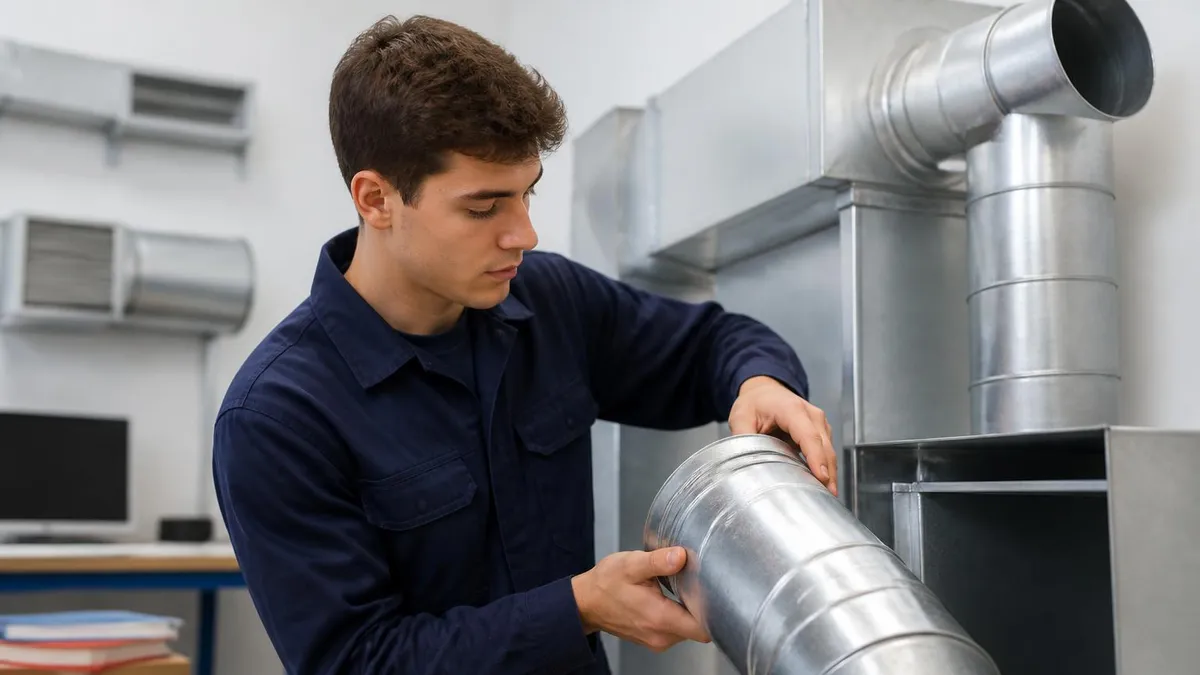
Is an HVAC Apprenticeship Right for You?
- +Earn $35,000–$45,000 in year one with zero student debt
- +Guaranteed pay raises every six months in most programs
- +Portable national credential after completion
- +High job security — HVAC work cannot be offshored
- +Pathway to $80K–$120K journey-level and supervisor roles
- +Health insurance, paid time off, and retirement benefits
- +Hands-on work, daily variety, and tangible problem-solving
- −Physically demanding — attics, crawl spaces, rooftops, heavy lifting
- −Outdoor work in extreme heat and cold year-round
- −On-call rotations and storm-season overtime are common
- −Initial 144-hour classroom time is unpaid in many programs
- −Tool investment of $500–$1,500 expected within first year
- −Refrigerant and electrical exposure requires constant safety vigilance
Pros and Cons at a Glance
| Pros | Cons |
|---|---|
| Guaranteed pay raises every six months in most programs | Physically demanding — attics, crawl spaces, rooftops, heavy lifting |
| Portable national credential after completion | Outdoor work in extreme heat and cold year-round |
| High job security — HVAC work cannot be offshored | On-call rotations and storm-season overtime are common |
| Health insurance, paid time off, and retirement benefits | Refrigerant and electrical exposure requires constant safety vigilance |
HVAC Apprentice Application Checklist
- ✓Obtain a valid state driver's license with a clean three-year MVR
- ✓Earn a high school diploma or GED (required by virtually every program)
- ✓Pass a drug screening and background check (employer-paid in most cases)
- ✓Build a one-page resume highlighting mechanical, customer service, and reliability experience
- ✓Secure two references — former supervisor, teacher, or community leader, never family
- ✓Pre-purchase basic hand tools: tape measure, screwdrivers, work gloves, steel-toe boots
- ✓Complete OSHA 10 online ($69, eight hours) before interviews to stand out
- ✓Practice aptitude tests covering basic algebra, fractions, and mechanical reasoning
- ✓Set up reliable transportation — most programs require you at the shop by 6:30 a.m.
- ✓Prepare 60-second answers for 'Why HVAC?' and 'Where do you see yourself in five years?'
Show up early. Twice.
The single strongest predictor of apprentice success, according to service managers we surveyed, is whether the candidate arrived early to the interview AND followed up within 24 hours. Apprentices who do both have a 73% offer rate; those who do neither sit below 20%. HVAC is a punctuality business — vans roll at dawn, and customers wait. Demonstrating that habit before you're hired tells employers exactly what they need to know.
HVAC apprentice pay follows a remarkably predictable curve, which helps you plan finances and negotiate honestly. Year one wages in 2026 average $16.50 to $19.50 per hour across most U.S. metros, with high-cost cities like Seattle, Boston, and San Francisco starting above $22. Union programs typically pay a defined percentage of journeyman scale — 50% in year one, 60% in year two, 70% in year three, climbing to 95% in the final year. That math makes year-three apprentices in strong locals earn $26–$30 per hour before completion.
Overtime opportunities accelerate income substantially. Summer cooling season and winter heating emergencies generate 10 to 20 hours per week of time-and-a-half pay at most shops. An apprentice earning $19 base can realistically gross $55,000 to $62,000 in year one when overtime is consistent. Storm response — hurricanes in the Southeast, polar vortex events in the Midwest — can layer in double-time premiums that push weekly checks past $2,000 during peak weeks.
Benefits separate good employers from mediocre ones more than base wage. Look for medical insurance kicking in at 60–90 days, dental and vision coverage, paid uniforms, employer-paid EPA 608 certification, and tool stipends or loan programs. Union locals add defined-benefit pensions plus annuity contributions averaging 8–12% of wages — meaning a 22-year-old union apprentice today has a realistic path to a $5,500/month pension at age 62 on top of Social Security.
Career progression after apprenticeship is wide open. Most journey-level technicians earn $55,000 to $85,000 within two years of completion. Specialization commands premiums: commercial refrigeration, VRF systems, controls programming, and chiller mechanics regularly clear $100,000. Service managers and project managers at established contractors hit $90,000 to $130,000. Owners of even modest five-truck residential operations frequently net $150,000+, and many started exactly where you're starting now.
Geographic mobility matters. Apprentices who complete portable Department of Labor–registered programs can relocate to higher-cost regions and immediately command top wages. A technician completing apprenticeship in Tampa at $28 per hour can move to Denver and step into $36–$40 per hour positions within weeks. The credential travels; the demand follows population growth.
Side income and self-employment are realistic long-term options. Many journey-level technicians run small side businesses installing mini-splits, performing system tune-ups, or doing residential service on weekends, adding $20,000 to $50,000 annual income. By year ten, a substantial percentage of apprenticeship graduates own their own one- to three-truck operations. The trade is rare among modern careers in offering this kind of clean, debt-free path from entry to ownership.
Track your total compensation honestly. Headline wage matters less than the full package: base + overtime + medical + dental + retirement + tool allowance + uniform + cell phone + truck/fuel + paid training. Apprentices who only look at hourly base often pick worse jobs. A $17 union apprenticeship with full benefits frequently out-earns a $21 non-union shop without insurance once you price out family coverage and retirement contributions.
Some shops post "HVAC Apprentice" listings that are actually unstructured helper jobs with no classroom component, no curriculum, and no path to licensure. Before accepting, demand a written training agreement specifying classroom hours, OJT competencies, raise schedule, and journey-out criteria. If the employer can't produce one, you're a discount laborer, not an apprentice — and your years won't count toward state licensure exams.
The HVAC apprentice interview is more conversation than test, but preparation still wins offers. Service managers typically run a 30-minute meeting covering three areas: why you want HVAC specifically, what your reliability track record looks like, and whether you understand the physical demands. Have crisp, honest answers ready. "I want a real career, not a job" beats vague enthusiasm. Mentioning a relative or neighbor in the trade who described the work realistically signals that you know what you're signing up for.
Expect basic technical questions even at the apprentice level. Common openers: "What's the difference between conduction and convection?" "Why does refrigerant change state in the evaporator?" "What does CFM stand for?" You're not expected to be an expert, but you are expected to have studied. Spend twenty hours with free YouTube channels — HVAC School, AC Service Tech, Word of Advice TV — and you'll handle these questions confidently. Interviewers care more about effort than perfect answers.
Dress the part. Clean jeans or work pants, a tucked-in collared shirt or company-appropriate polo, work boots (not sneakers, not dress shoes), and minimal jewelry. You're signaling that you understand this is a trades environment, not an office. Bring a printed resume, a notebook, and a basic multi-tool clipped to your belt. The multi-tool is a small detail that hiring managers notice and remember.
Ask sharp questions when invited. "What does the first 90 days look like?" "Who would I be paired with for ride-alongs?" "How does the company support EPA 608 testing?" "What's your typical retention for apprentices through year two?" These questions show you're evaluating fit, not begging for any offer. The best candidates always evaluate the employer simultaneously — interviewers respect it.
Common pitfalls to avoid: showing up late, missing the follow-up email, vaping or smoking outside the building before the interview, asking about pay before they raise the topic, badmouthing previous employers, and exaggerating skills you don't have. Hiring managers screen for character first because skills can be taught in classroom; integrity cannot. If you don't know something, say so and add that you're eager to learn — that answer wins more often than a bluff.
For broader context on the local hiring landscape, our guide to Certified HVAC Contractors explains how customers evaluate the companies you'll work for. Understanding the customer perspective shapes how you should describe your own value during interviews — employers want apprentices who already think about customer experience, not just wrenches and gauges.
Post-interview follow-up is non-negotiable. Send a short, error-free email within 24 hours thanking the interviewer, restating one specific thing you discussed ("Thanks again for explaining how your commercial preventive maintenance program runs"), and confirming your interest. This single email separates serious candidates from casual applicants. Service managers regularly tell us they've broken ties between two finalists based solely on which one followed up.
Once you've landed the apprenticeship, your first six months determine your trajectory more than any other period in your career. Show up fifteen minutes early every single day, keep your truck and tools immaculate, take notes during every service call, and ask one good question per day to your assigned journeyman. The apprentices who get promoted fastest are the ones who treat learning as their actual job — the wrench-turning is just the medium.
Invest in personal tools steadily. Most shops provide major equipment — recovery machines, vacuum pumps, manifolds — but expect you to own hand tools, meters, and personal protective equipment. Budget $100–$150 per paycheck for tools through your first year. By month twelve, you'll have $1,500–$2,000 of personal kit that follows you for decades. Quality matters: Klein, Knipex, Fluke, Yellow Jacket, and Veto Pro Pac justify their prices through reliability over disposable alternatives.
EPA 608 certification should be your first credential goal. It's federally required to handle refrigerant and covers four sections: Core, Type I (small appliances), Type II (high-pressure systems), and Type III (low-pressure systems). Universal certification covers all three types and runs $20 to $150 depending on test provider. Many employers reimburse the fee. Pass it in your first 90 days — it removes a major task limitation and signals seriousness to your mentor team.
Develop documentation discipline early. Most modern shops use field-service software like ServiceTitan, FieldEdge, or Housecall Pro. Apprentices who take photos of every nameplate, log model and serial numbers cleanly, and write clear customer notes get assigned to nicer jobs faster. Sloppy documentation is the single most cited reason apprentices stay stuck on grunt work past year one. Treat the tablet or phone like a precision instrument, not a chore.
Build relationships beyond your direct crew. Get to know the dispatcher, the parts counter staff, the installation team, and the senior service techs. They will save you hours of frustration when you're stuck on a difficult call. The dispatcher in particular controls your daily schedule — a polite apprentice who never complains gets the steady residential routes that build pattern recognition fastest; a difficult one gets the bottom-of-the-barrel calls nobody else wants.
Plan for state licensing from day one. Most states require 2,000 to 8,000 documented OJT hours plus passing a state HVAC contractor or journeyman exam. Track every hour, every job type, and every system you touch in a personal log. When you're eligible to test in year three or four, you'll already have the documentation employers and licensing boards demand. The apprentices who treat their training records like a portfolio always advance fastest.
Finally, protect your body. HVAC work is demanding, and small injuries compound. Wear knee pads, use a proper back-support belt for heavy lifts, hydrate aggressively during summer attic work, and never skip safety glasses during electrical or refrigerant tasks. The journey-level technicians still working strong at 55 are the ones who treated safety as a habit from week one. Career longevity is itself a financial strategy in this trade.
Sample HVAC Practice Questions
Try these questions from our free HVAC practice tests. The correct answer and an explanation follow each question.
Under NFPA 70E electrical safety standards relevant to HVAC, what is the minimum approach boundary for unqualified persons near exposed energized parts at 120V?
- A. Restricted approach boundary
- B. Limited approach boundary
- C. Arc flash boundary
- D. Prohibited boundary
Answer: B. Limited approach boundary
NFPA 70E defines the Limited Approach Boundary as the distance unqualified persons must stay from exposed energized conductors to avoid electrical shock hazard.
In HVAC system design, 'diversity factor' is applied to:
- A. Reduce the total calculated peak load when all zones are unlikely to peak simultaneously
- B. Increase equipment sizing to account for future loads
- C. Adjust for climate uncertainty in ASHRAE design temperatures
- D. Account for part-load efficiency degradation
Answer: A. Reduce the total calculated peak load when all zones are unlikely to peak simultaneously
A diversity factor reduces the sum of individual zone peak loads to reflect that zones rarely all peak at the same time, allowing smaller central plant equipment.
What role does collaboration play in air conditioning for HVAC professionals?
- A. It slows down work unnecessarily
- B. It enhances outcomes through diverse perspectives and shared expertise
- C. It is only needed in emergencies
- D. It reduces individual accountability
Answer: B. It enhances outcomes through diverse perspectives and shared expertise
Collaboration leverages diverse perspectives and combined expertise to achieve better outcomes than any individual could alone.
Which approach best demonstrates mastery of ductwork in HVAC practice?
- A. Following procedures without understanding
- B. Applying principles to novel situations with sound judgment
- C. Relying entirely on technology
- D. Avoiding complex scenarios
Answer: B. Applying principles to novel situations with sound judgment
True mastery involves understanding underlying principles well enough to apply them to new and unfamiliar situations with professional judgment.
HVAC Questions and Answers
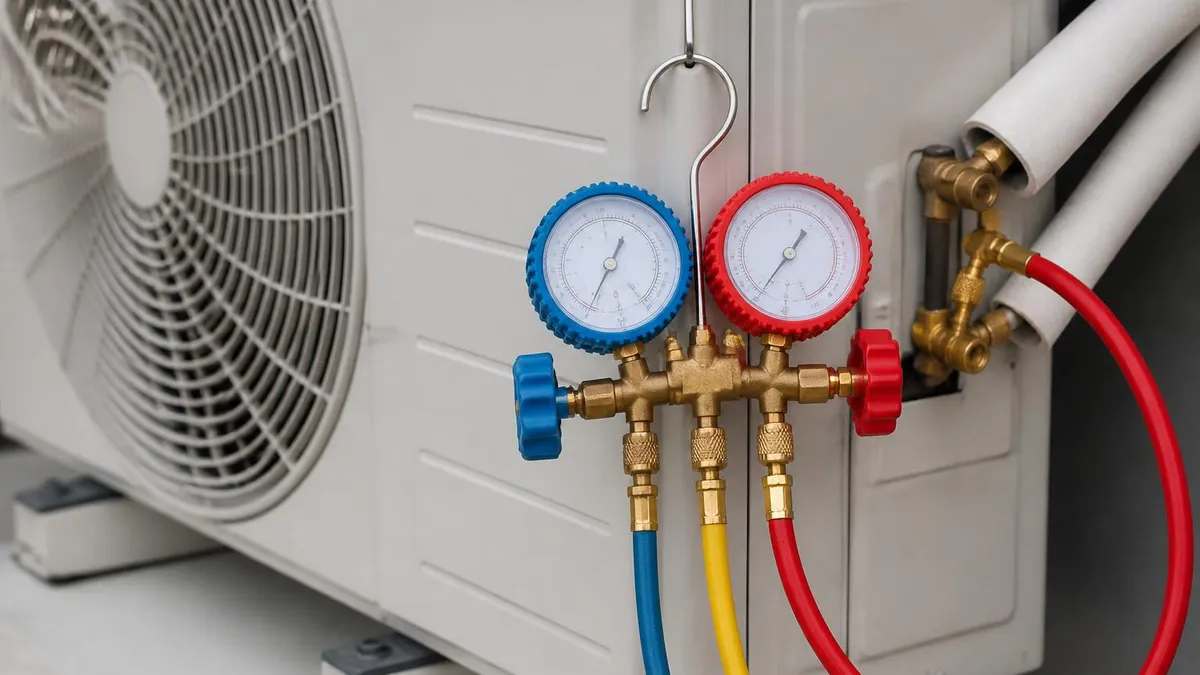
HVAC Technician Jobs Near Me: How to Find, Land, and Grow in Local HVAC Careers
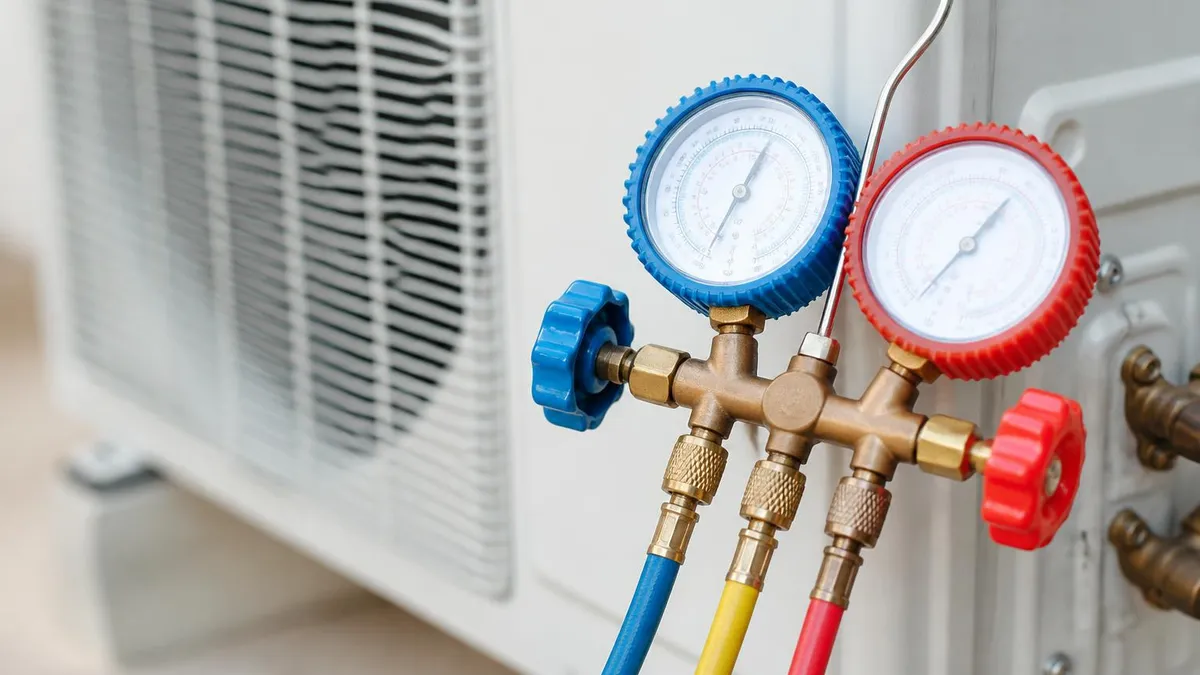
CFM HVAC Basics: How Airflow, Sizing, and System Performance Work Together
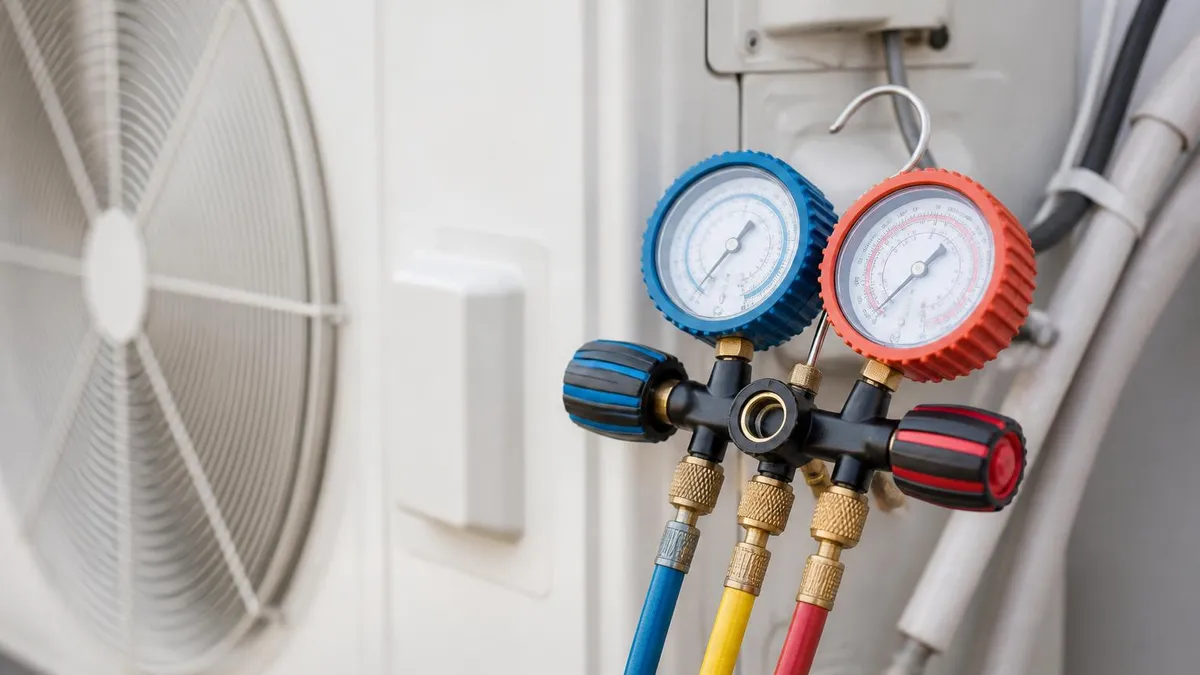
Certified HVAC Contractors: How to Find, Vet, and Hire the Right Professional for Your Home or Business

Ameristar HVAC: Complete Guide to Units, Reliability, Costs, and Buyer Considerations
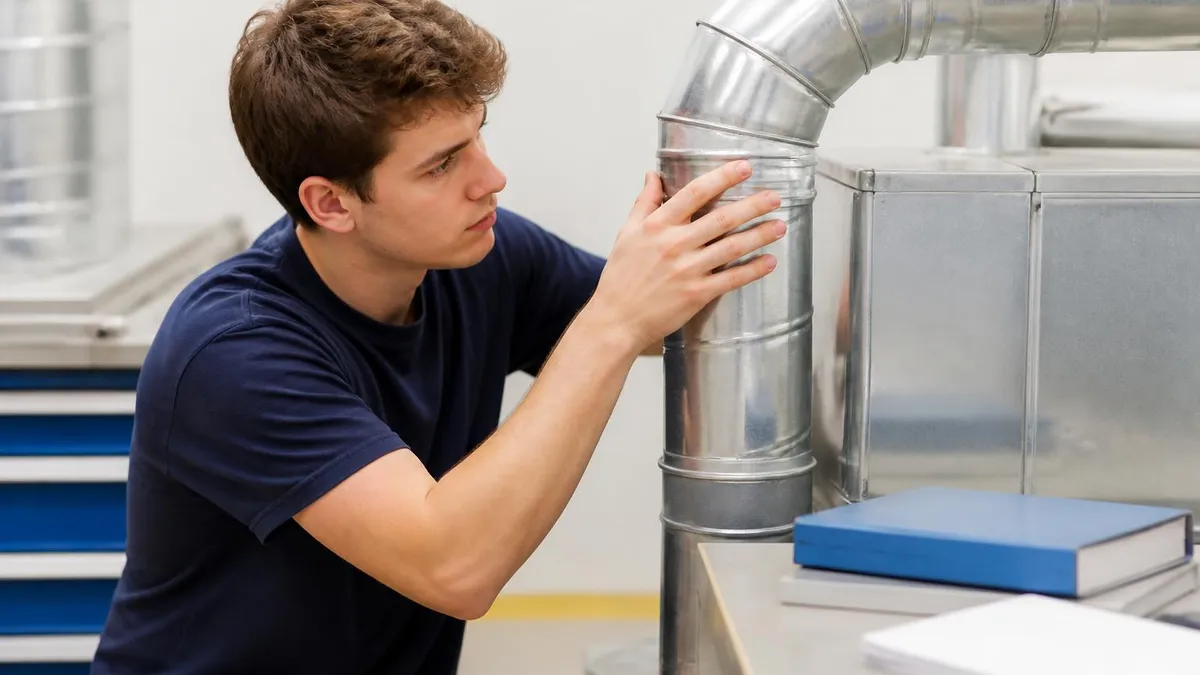
Best HVAC Repair in Bandon, OR: Local Services Near Me Guide
About the Author

NATE Certified HVAC Technician & Licensing Exam Trainer
Universal Technical InstituteMike Johnson is a NATE-certified HVAC technician and EPA 608 universal-certified refrigerant handler with a Bachelor of Science in HVAC/R Technology. He has 19 years of commercial and residential HVAC installation and service experience and specializes in preparing technicians for NATE certification, EPA 608, A2L refrigerant safety, and state HVAC contractor licensing examinations.