
CPR Training for Healthcare Professionals: Complete Guide to ACLS Algorithm, PALS Certification, and Life Support in 2026 September
Master CPR training for healthcare professionals: ⏳ ACLS algorithm, PALS certification, infant CPR, AED use, and life support requirements explained.
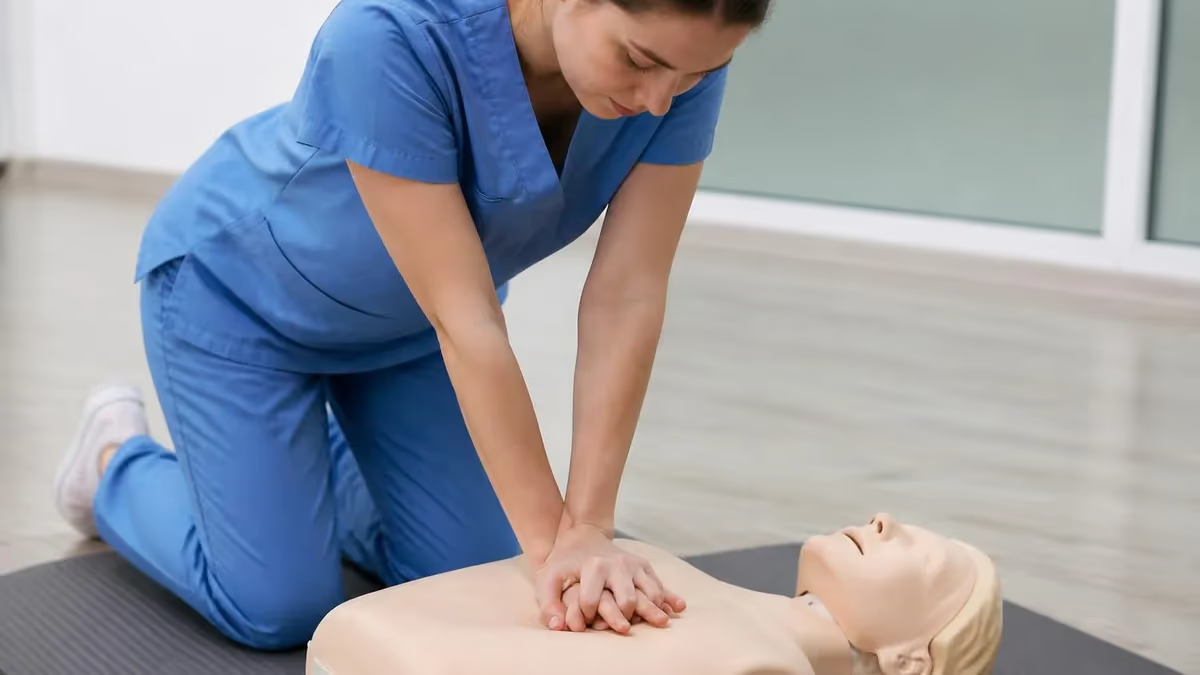
The ACLS algorithm sits at the heart of advanced resuscitation practice, and mastering it is non-negotiable for any clinician who may encounter a cardiac arrest. CPR training for healthcare professionals extends far beyond the basics taught in community courses — it encompasses structured protocols, team dynamics, pharmacological interventions, and the cognitive skills needed to make rapid, high-stakes decisions under extreme pressure. Whether you are a registered nurse, physician, respiratory therapist, or paramedic, your certification level must match both your scope of practice and your facility's requirements.
Unlike lay-rescuer CPR, healthcare-provider training is graded. The American Heart Association (AHA) and the National CPR Foundation both offer tiered curricula that progress from Basic Life Support (BLS) through Advanced Cardiovascular Life Support (ACLS) and Pediatric Advanced Life Support (PALS). Each level builds on the previous one, adding complexity around rhythm interpretation, airway management, medication administration, and post-resuscitation care. Renewal cycles are typically every two years, keeping clinicians current as evidence and guidelines evolve.
A critical concept across all provider-level courses is understanding what does AED stand for — Automated External Defibrillator — and how it integrates into the broader chain of survival. AEDs are no longer solely a layperson's tool; healthcare teams must understand when to apply one immediately versus when advanced rhythm analysis and manual defibrillation are more appropriate. The decision tree differs markedly between a shockable rhythm like ventricular fibrillation and non-shockable rhythms like pulseless electrical activity.
Respiratory rate is one of the earliest warning signs that a patient is deteriorating. Healthcare professionals are trained to recognize abnormal respiratory rate patterns — bradypnea, tachypnea, agonal respirations — and to act before full cardiopulmonary arrest develops. Early intervention, including opening the airway, delivering rescue breaths at the correct rate, and initiating bag-valve-mask ventilation, can prevent a respiratory emergency from escalating into a cardiac one, significantly improving neurological outcomes.
Infant CPR presents unique physiological and technical challenges compared to adult resuscitation. Neonates and infants have proportionally different chest dimensions, higher resting heart rates, and immature airway anatomy. Healthcare professionals caring for pediatric populations must be proficient in both the two-finger technique and the two-thumb encircling technique for chest compressions, and must understand the 15:2 compression-to-ventilation ratio used by two-rescuer teams in pediatric patients versus the standard 30:2 used for adults and solo rescuers.
The position recovery — placing an unconscious but breathing patient on their side — is another foundational skill that bridges basic life support with ongoing monitoring. Although seemingly simple, proper recovery position technique prevents airway obstruction, reduces aspiration risk, and maintains adequate circulation. Healthcare professionals must be fluent in when to use it, when to withhold it (suspected spinal injury), and how to transition a patient back to supine quickly if their condition changes.
This guide covers every tier of healthcare CPR certification: the requirements, the skills tested, the algorithms you must internalize, and the strategies that help busy clinicians retain competency between renewal cycles. From understanding life support fundamentals to navigating PALS certification logistics, you will find actionable, evidence-based guidance throughout every section below.
Healthcare CPR Training by the Numbers
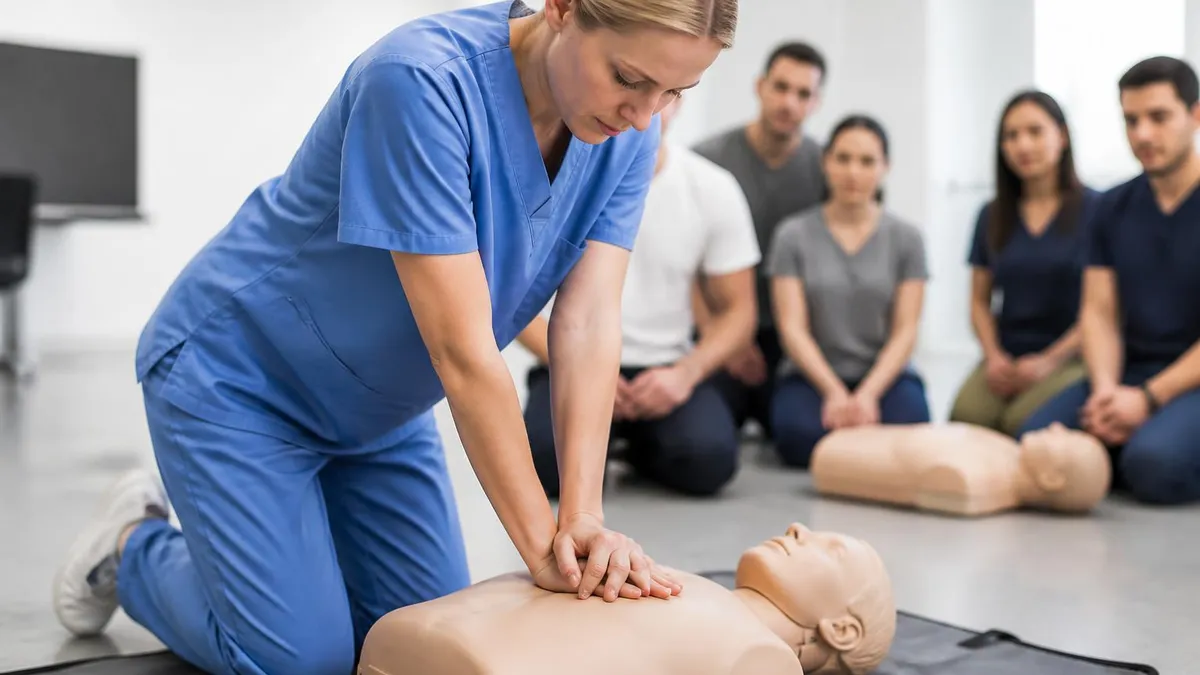
Healthcare CPR Certification Levels Explained
The foundational level for all healthcare providers. Covers high-quality CPR, AED use, and relief of foreign-body airway obstruction for adults, children, and infants. Required for virtually every clinical role in hospitals, clinics, and EMS systems across the United States.
Targets physicians, nurses, and advanced practice providers who respond to cardiac emergencies. Covers ECG rhythm interpretation, the full ACLS algorithm, IV/IO access, advanced airway management, and resuscitation pharmacology including epinephrine and amiodarone dosing.
Designed for providers who care for critically ill or injured children. Covers pediatric assessment triangles, infant CPR techniques, respiratory failure management, shock recognition, and weight-based medication dosing. Renewal every two years alongside BLS recertification.
Specialized program for labor and delivery, NICU, and nursery staff. Focuses on the unique physiology of newborn transition, positive-pressure ventilation, chest compressions in neonates, and epinephrine administration via umbilical venous catheter for non-responding infants.
AHA's online-plus-skills-session format allows busy clinicians to complete cognitive learning at their own pace before a brief hands-on skills check. Accepted at most US healthcare facilities and produces the same two-year card as a traditional classroom course.
The ACLS algorithm is best understood not as a rigid flowchart but as a decision framework that guides teams through high-pressure resuscitation scenarios. The core cardiac arrest algorithm begins the moment a patient is found unresponsive: activate the emergency response system, begin high-quality CPR immediately, apply the AED or monitor, and deliver a shock for shockable rhythms as rapidly as possible. Every two minutes the team pauses for a rhythm check, and the cycle repeats until return of spontaneous circulation (ROSC), a decision to terminate resuscitation, or a transition to advanced interventions.
Shockable rhythms — ventricular fibrillation (VF) and pulseless ventricular tachycardia (pVT) — receive a defibrillation shock followed immediately by resumption of CPR without checking for a pulse. Non-shockable rhythms — pulseless electrical activity (PEA) and asystole — are managed with continued compressions and a systematic search for reversible causes. The "Hs and Ts" mnemonic covers the most common reversible causes: hypovolemia, hypoxia, hydrogen ion excess (acidosis), hypo/hyperkalemia, hypothermia, tension pneumothorax, tamponade, toxins, and thrombosis (pulmonary or coronary).
Epinephrine 1 mg IV/IO is administered every three to five minutes throughout the arrest. For shockable rhythms that persist after three shocks, amiodarone 300 mg IV/IO (with a second dose of 150 mg available) is the preferred antiarrhythmic, though lidocaine remains an acceptable alternative. Understanding the rationale behind each medication — not just the dose — allows providers to adapt when patients present with unusual circumstances such as pre-existing drug toxicity, electrolyte abnormalities, or pregnancy.
Post-resuscitation care, often called the "fifth link" in the chain of survival, is an equally important component of ACLS training. After ROSC is achieved, providers must prevent secondary brain injury by optimizing oxygenation (targeting SpO₂ 92–98%), avoiding hypotension (MAP ≥65 mmHg), controlling ventilation to maintain normal CO₂ (PaCO₂ 35–45 mmHg), and considering targeted temperature management for comatose survivors. These post-ROSC interventions have dramatically improved neurologically intact survival rates over the past decade.
Team dynamics and communication are tested as rigorously as technical skills during ACLS megacodes. The resuscitation team leader is expected to assign roles clearly, close feedback loops by confirming verbal orders, maintain situational awareness, and debrief the team after every event. Closed-loop communication — where a team member repeats back an order before executing it — reduces medication and dosing errors significantly in simulated and real-world resuscitations. Providers who struggle with these communication skills during ACLS simulation are retrained before receiving certification.
The National CPR Foundation offers an alternative pathway for ACLS certification that is increasingly accepted at hospitals and outpatient facilities nationwide. Their online blended-learning platform allows clinicians to complete the didactic components asynchronously, which is particularly valuable for night-shift workers, rural providers, and those in states with limited AHA training center access. The core algorithm content is equivalent across accredited programs, though facilities should verify acceptance of non-AHA cards before enrolling staff through alternative providers.
Megacode testing — the practical skills examination component of ACLS — requires candidates to lead a simulated resuscitation scenario from initial assessment through two cycles of the algorithm. Evaluators assess CPR quality (rate, depth, recoil, minimized interruptions), correct rhythm identification, appropriate medication selection and timing, proper airway management decisions, and team leadership. Candidates who fail a station may remediate and retest; most programs allow one additional attempt within the same course before requiring full re-enrollment.
CPR Practice Test Questions
Prepare for the CPR Cardiopulmonary Resuscitation Practice exam with our free practice test modules. Each quiz covers key topics to help you pass on your first try.
CPR Basic CPR
CPR Exam Questions covering Basic CPR. Master CPR Test concepts for certification prep.
CPR and First Aid
Free CPR Practice Test featuring and First Aid. Improve your CPR Exam score with mock test prep.
CPR (Cardiopulmonary Resuscitation) Adult ...
CPR Mock Exam on (Cardiopulmonary Resuscitation) Adult CPR and AED Usage. CPR Study Guide questions to pass on your first try.
CPR (Cardiopulmonary Resuscitation) Airway...
CPR Test Prep for (Cardiopulmonary Resuscitation) Airway Obstruction and Choking. Practice CPR Quiz questions and boost your score.
CPR (Cardiopulmonary Resuscitation) Cardio...
CPR Questions and Answers on (Cardiopulmonary Resuscitation) Cardiopulmonary Emergency Recognition. Free CPR practice for exam readiness.
CPR (Cardiopulmonary Resuscitation) Child ...
CPR Mock Test covering (Cardiopulmonary Resuscitation) Child and Infant CPR. Online CPR Test practice with instant feedback.
CPR (Cardiopulmonary Resuscitation) High-P...
Free CPR Quiz on (Cardiopulmonary Resuscitation) High-Performance Team Dynamics. CPR Exam prep questions with detailed explanations.
CPR (Cardiopulmonary Resuscitation) Legal ...
CPR Practice Questions for (Cardiopulmonary Resuscitation) Legal and Ethical Considerations. Build confidence for your CPR certification exam.
CPR for Specific Populations
CPR Test Online for for Specific Populations. Free practice with instant results and feedback.
CPR Airway & Breathing Management
CPR Exam Questions covering Airway & Breathing Management. Master CPR Test concepts for certification prep.
CPR Assessment & Recognition of Cardiac Ar...
Free CPR Practice Test featuring Assessment & Recognition of Cardiac Arrest. Improve your CPR Exam score with mock test prep.
CPR Chest Compressions & Defibrillation
CPR Mock Exam on Chest Compressions & Defibrillation. CPR Study Guide questions to pass on your first try.
CPR Post-Resuscitation Care & Recovery
CPR Test Prep for Post-Resuscitation Care & Recovery. Practice CPR Quiz questions and boost your score.
PALS Certification and Infant CPR: What Healthcare Professionals Need to Know
PALS certification is required for pediatric emergency physicians, pediatric intensivists, pediatric nurses, PICU staff, and any provider who may respond to a pediatric code in a hospital setting. The AHA's PALS course runs approximately 14 hours across two days for initial certification and requires a current BLS card as a prerequisite. Candidates must demonstrate proficiency in the pediatric assessment triangle, systematic evaluation of ABCDE, and recognition of respiratory failure, shock, and cardiopulmonary arrest in infants and children.
The practical skills stations in PALS include infant CPR with the two-thumb encircling technique, bag-valve-mask ventilation with age-appropriate masks, intraosseous access simulation, and megacode scenarios covering specific conditions like septic shock, respiratory failure from status asthmaticus, and bradycardia with a pulse. Weight-based epinephrine dosing (0.01 mg/kg) and fluid resuscitation volumes (20 mL/kg isotonic crystalloid) are emphasized throughout, as medication errors in pediatric resuscitation are consistently among the most dangerous and most preventable adverse events.
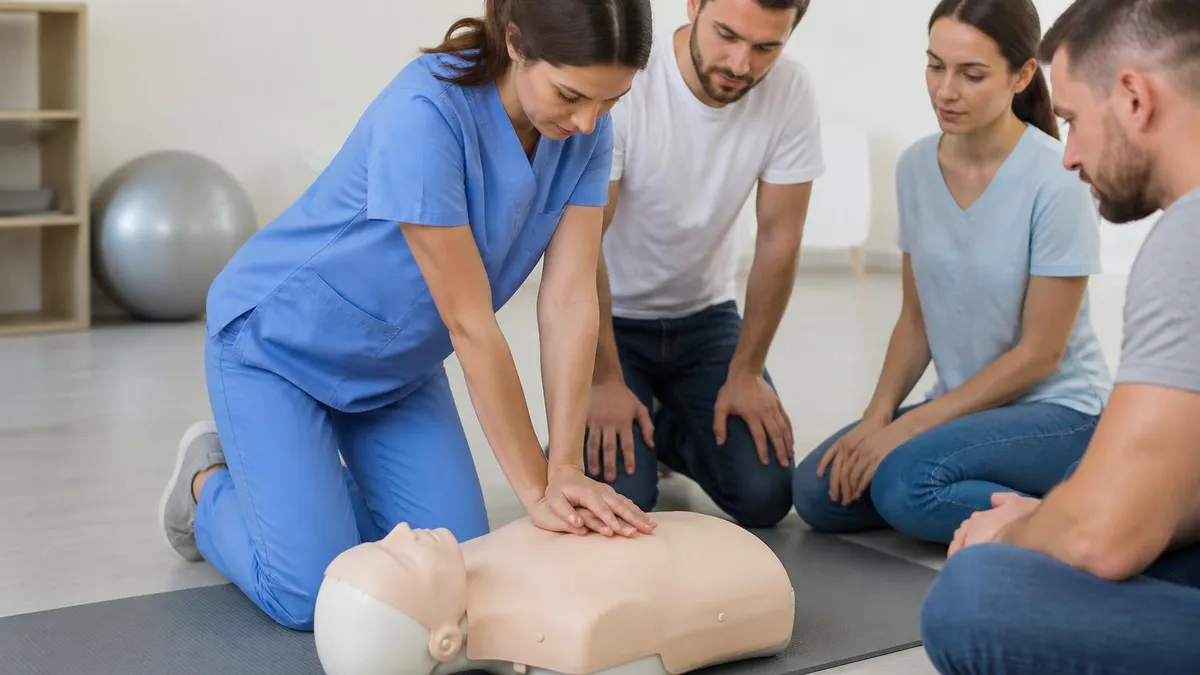
Online vs. In-Person Healthcare CPR Certification: Pros and Cons
- +Complete cognitive coursework at your own pace, ideal for night-shift and per-diem staff
- +Reduced time away from clinical duties — skills check sessions typically run 2–3 hours
- +Lower overall cost compared to full two-day classroom formats at many training centers
- +Immediate access to course materials for review before and after certification
- +Widely accepted at hospitals and healthcare systems that recognize AHA HeartCode blended learning
- +Self-paced modules allow deeper review of challenging topics like rhythm interpretation and the ACLS algorithm
- −Limited real-time instructor feedback during the cognitive learning phase
- −Hands-on practice time is compressed, which may disadvantage novice providers
- −Not all healthcare facilities accept non-AHA or fully online certifications
- −Technology barriers can impede completion for providers with limited digital literacy
- −Skills check sessions must still be scheduled at an authorized training center, reducing scheduling flexibility
- −Some learners retain information better through traditional classroom interaction and group simulation
Healthcare Provider CPR Renewal & Recertification Checklist
- ✓Confirm your current certification expiration date and note it in your employee file and personal calendar 90 days in advance.
- ✓Verify whether your facility requires AHA, National CPR Foundation, or both for your specific role and unit.
- ✓Check that your BLS card is current before enrolling in ACLS or PALS — it is a prerequisite for both advanced courses.
- ✓Choose a renewal format (HeartCode blended learning, traditional classroom, or in-facility simulation) based on your schedule and facility policy.
- ✓Review the current AHA guidelines update — algorithms are revised every five years, and 2025 updates affect several resuscitation protocols.
- ✓Practice hands-on skills with a manikin at least once before your skills check session to reduce testing anxiety and improve performance.
- ✓Study ECG rhythm strips focusing on VF, pVT, PEA, and asystole — the four arrest rhythms tested in every ACLS course.
- ✓Memorize the Hs and Ts reversible causes of cardiac arrest: Hypovolemia, Hypoxia, Hydrogen ion, Hypo/Hyperkalemia, Hypothermia, Tension pneumothorax, Tamponade, Toxins, Thrombosis.
- ✓Practice megacode team leadership out loud — verbally assign roles, give closed-loop orders, and narrate your decision-making process.
- ✓Submit your renewed certification card to your HR or credentialing department immediately upon completion to avoid a lapse in privileges.
CPR Quality Matters More Than Speed
Research consistently shows that compression depth of at least 2 inches in adults, a rate of 100–120 per minute, full chest recoil between compressions, and minimized hands-off time (CPR fraction >80%) are the modifiable factors most strongly associated with survival. Focusing on quality over rushing through the algorithm is the single highest-yield behavioral change any healthcare provider can make during a real resuscitation.
Choosing the right CPR and life support certification program as a healthcare professional requires evaluating several factors beyond simple convenience. The first consideration is regulatory: your state's nursing board, medical licensing authority, or employer credentialing policy may specify acceptable certifying bodies. While AHA programs are universally recognized, the National CPR Foundation and the American Red Cross professional provider programs are accepted by many hospital systems. Confirming acceptance before enrolling prevents the frustration of completing a full course only to discover your facility requires a different card.
Cost is a practical factor, particularly for clinicians renewing multiple certifications simultaneously. BLS renewal through an AHA training center typically runs $50–$80, while ACLS initial certification averages $150–$300 depending on the training center and whether it is employer-sponsored. PALS certification costs are comparable. Some hospital systems offer subsidized or free in-house training as an employee benefit, which dramatically reduces out-of-pocket expense. Per-diem and travel nurses who pay out of pocket should compare institutional pricing with independent training centers and online blended options before committing.
Simulation quality is another differentiating factor among programs. High-fidelity simulation — using manikins that can display real-time CPR feedback, produce physiological responses, and generate dynamic ECG rhythms — produces significantly better skill retention at 90 days compared to low-fidelity training. If your facility offers high-fidelity simulation lab access, supplementing your required renewal course with additional simulation time is among the most evidence-based investments you can make in your resuscitation competency.
Healthcare professionals in rural or underserved areas may face geographic barriers to in-person training. The AHA's online HeartCode platforms and the National CPR Foundation's digital courses have meaningfully expanded access for these providers. Additionally, regional EMS agencies and community colleges frequently offer AHA-authorized BLS and ACLS courses at lower price points than hospital-affiliated training centers, and many accept continuing education credits toward nursing license renewal simultaneously.
Specialty certifications are worth exploring for providers in specific clinical domains. Emergency nurses may pursue Cardiac Medicine Certification (CMC) or Critical Care Registered Nurse (CCRN) credentials that include resuscitation competency evaluation. Flight nurses and transport paramedics often maintain ACLS, PALS, and Neonatal Resuscitation Program (NRP) certifications concurrently. Surgical and anesthesia teams may additionally hold Perioperative Cardiac Arrest management training. Each specialty certification reinforces and extends the foundational CPR skillset in domain-specific ways.
Refresher tools between formal renewal cycles deserve serious attention. Mobile applications from the AHA allow providers to review ACLS and PALS algorithms on demand. Deliberate practice — spending even 10 minutes per month reviewing rhythm strips or walking through a megacode scenario mentally — has been shown to slow skill decay significantly compared to doing nothing between two-year renewal intervals. Many ICUs and emergency departments have implemented monthly mock codes or "just-in-time" CPR refreshers as part of their quality improvement programs with demonstrable survival benefit.
The intersection of ACLS certification and institutional culture matters enormously. Hospitals that conduct regular multidisciplinary mock codes, provide real-time CPR feedback devices on all resuscitation carts, debrief every cardiac arrest using structured tools like the Utstein reporting format, and track ROSC rates as a quality metric consistently outperform those that treat CPR certification as a compliance checkbox. As a healthcare professional, you have both the right and the responsibility to advocate for a resuscitation culture that matches the quality of the training you invest in maintaining.
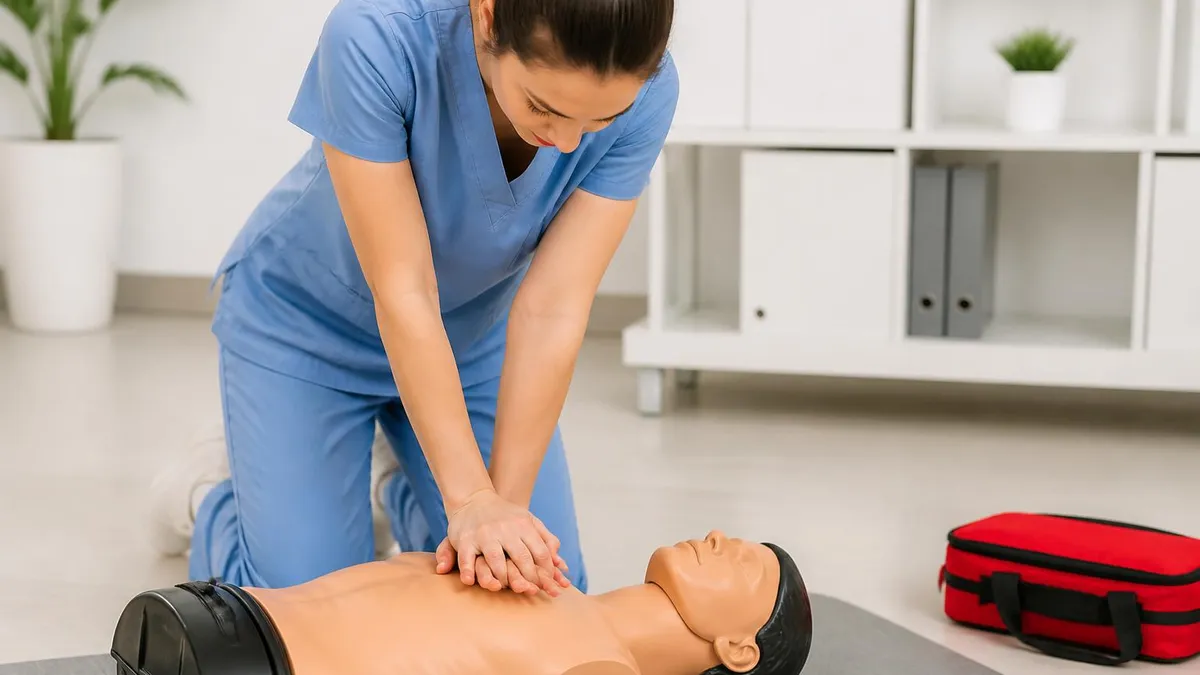
Most US hospitals and healthcare facilities will remove a provider from the clinical schedule if their BLS, ACLS, or PALS certification expires — even by a single day. Credential lapse can also create liability exposure and may delay rehire at new positions. Set calendar alerts 90 and 30 days before expiration, and never wait until the final week to schedule a renewal course, as seats fill quickly at high-demand training centers.
Maintaining year-round CPR competency is one of the most underappreciated challenges in healthcare workforce development. The research on skill decay is unambiguous: untrained providers lose meaningful compression depth accuracy within three to six months of initial training, and retention of the full ACLS algorithm drops measurably by twelve months without reinforcement. The two-year renewal cycle mandated by the AHA was established partly for regulatory consistency, not because it represents the optimal learning interval from a cognitive science perspective.
Just-in-time CPR training — brief, targeted refreshers delivered immediately before a provider encounters a high-risk patient — is an evidence-based strategy increasingly adopted in ICUs and cardiac catheterization labs. A 2022 study published in Resuscitation demonstrated that providers who received a 10-minute hands-on CPR refresher before a high-risk shift performed compressions at target depth and rate significantly more often than the control group during simulated arrests. The refresher effect persisted for approximately four hours, suggesting it is most valuable in settings where arrests are anticipated rather than random.
CPR feedback devices — accelerometers embedded in manikins or placed on real patients during CPR — provide real-time visual and auditory cues about compression rate, depth, and recoil. AHA guidelines recommend their use in both training and clinical settings. Providers trained with feedback devices develop more accurate compression technique and, crucially, maintain accuracy better over time because they have calibrated their proprioceptive sense of what 2-inch depth feels like. Hospitals with feedback devices on every crash cart report higher CPR fraction scores and improved survival-to-discharge rates.
Team-based training amplifies individual competency in ways that solo self-study cannot replicate. When a nurse, physician, pharmacist, and respiratory therapist train together — even in a brief tabletop simulation — they develop shared mental models of their respective roles. This shared understanding reduces the cognitive load on each individual during an actual arrest, freeing up working memory for higher-order decision making. Cross-disciplinary mock codes are particularly effective when they are immediately followed by structured debriefs using video playback, which allows teams to identify communication breakdowns and optimize choreography for future events.
Digital learning platforms have expanded the options available to healthcare professionals for between-cycle maintenance. The AHA's Resuscitation Quality Improvement (RQI) program is one of the most rigorously evaluated: quarterly CPR skill checks completed on a hospital-deployed manikin connected to a cloud platform replace the traditional two-year renewal cycle. Facilities that have implemented RQI report higher sustained CPR quality metrics and eliminate the last-minute renewal scramble that plagues traditional certification models. Several large health systems including Kaiser Permanente and HCA Healthcare have adopted RQI system-wide.
Understanding respiratory rate patterns in the context of early warning systems is a competency that extends beyond formal CPR certification into general clinical surveillance. Early Warning Score (EWS) and Modified Early Warning Score (MEWS) systems weight respiratory rate as one of the highest-sensitivity predictors of impending cardiac arrest. Healthcare professionals who are attuned to subtle respiratory rate changes — a patient moving from 18 to 24 breaths per minute without obvious cause — and who escalate appropriately through rapid response or medical emergency team activation prevent a meaningful proportion of in-hospital cardiac arrests before they occur.
The position recovery technique is reviewed in both BLS and first responder curricula, but its nuances deserve attention in the healthcare context. Patients on anticoagulants, those with suspected spinal injury, and those with active hemoptysis or known esophageal varices all require modified or withheld recovery positioning. Healthcare providers must weigh aspiration risk against spinal precaution needs in real time, often with limited history. Familiarity with these clinical edge cases — built through scenario-based training and case review — is what distinguishes a proficient healthcare CPR provider from one who merely holds a current certification card.
Practical preparation for healthcare CPR certification exams requires a strategy that integrates cognitive review, hands-on practice, and simulated testing under realistic conditions. The written or online knowledge assessment component of ACLS and PALS courses covers algorithm sequencing, drug dosing, rhythm interpretation, and post-resuscitation management. Candidates who score below 84% on the pre-test are typically required to remediate before proceeding to the skills stations, so arriving prepared saves significant time and stress.
Rhythm interpretation is consistently identified as the most challenging component of ACLS for non-cardiology providers. A systematic approach helps: determine rate first (fast, slow, or normal), then regularity, then P-wave presence and morphology, then PR interval, then QRS width. This five-step framework correctly categorizes the vast majority of rhythms encountered in ACLS practice without requiring deep electrocardiographic expertise. Providers should practice with at least 50 rhythm strips before their skills check — free rhythm recognition tools are available through the AHA website and multiple free mobile applications.
Medication dosing errors are the most common correctable mistakes observed during ACLS megacode evaluation. Common pitfalls include giving epinephrine too early in a shockable rhythm scenario (it should follow the third shock, not the first), forgetting to follow IV medications with a 20 mL saline flush and limb elevation to ensure central delivery, and confusing the amiodarone doses (300 mg first dose, 150 mg second dose). Creating a simple mental checklist — shock, resume CPR, next rhythm check, epinephrine timing — helps providers execute the algorithm accurately under stress without over-relying on written reference cards.
Hands-on manikin practice should include deliberate work on the elements most prone to performance degradation: maintaining compression depth of 2 to 2.4 inches without leaning on the chest between compressions, achieving a rate of exactly 100 to 120 compressions per minute (many untrained providers naturally compress too fast at 130+ per minute), and limiting pulse check pauses to less than 10 seconds. Recording yourself on a smartphone while practicing allows you to review technique objectively and identify drift in rate or depth that you cannot perceive in real time.
For providers pursuing PALS certification, spending dedicated time with pediatric weight-based drug dosing tables before the course pays substantial dividends during the megacode. The Broselow tape provides color-coded weight and dosing information, but you must know how to use it efficiently under pressure. Some providers create laminated pocket cards for the three or four pediatric resuscitation scenarios most common in their practice setting — septic shock, respiratory failure, and dysrhythmia — that they review monthly to maintain recall speed.
The final preparation step before any healthcare CPR course is getting adequate sleep. Resuscitation training is cognitively and physically demanding, and sleep-deprived providers perform measurably worse on both written assessments and hands-on skills stations. If you are scheduled for an ACLS or PALS renewal, prioritize sleep the night before over late-night cramming. The cognitive load of a two-day course requires full working memory capacity, and consolidation of algorithm sequences actually occurs during slow-wave sleep — making rest a performance-enhancing strategy, not a luxury.
After certification, integrate your skills into daily clinical practice through intentional awareness. Every time you assess a patient's airway, check a respiratory rate, or review a rhythm on a monitor, you are reinforcing the neural pathways that support rapid, accurate resuscitation performance. Healthcare professionals who treat their CPR skills as a living competency — not a two-year obligation — consistently outperform those who compartmentalize certification training as separate from clinical work. That mindset shift, more than any single technique or algorithm, is the foundation of true resuscitation excellence.
CPR Questions and Answers
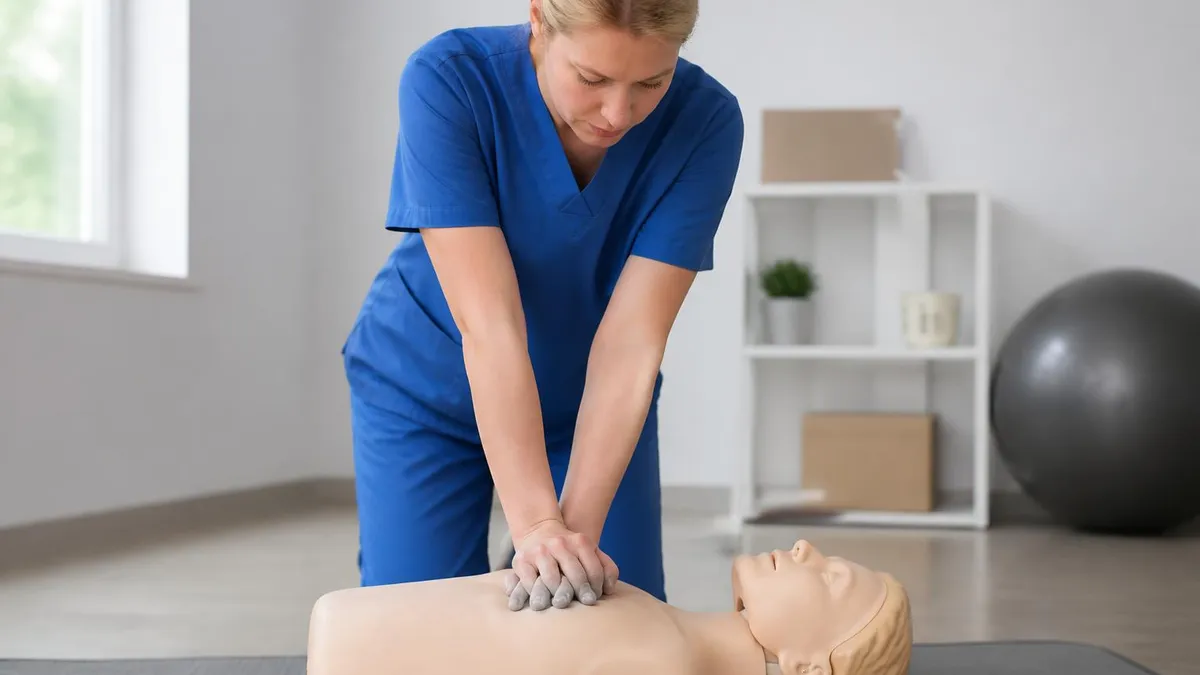
CPR Certification Classes: Complete Guide to ACLS Algorithm, PALS, and Life Support Training in 2026

CPR Courses: Complete Guide to ACLS Algorithm, PALS Certification, and Life Support Training in 2026
CPR Face Shield: Complete Guide to ACLS Algorithm, Infant CPR, and Life Support Barrier Devices in 2026
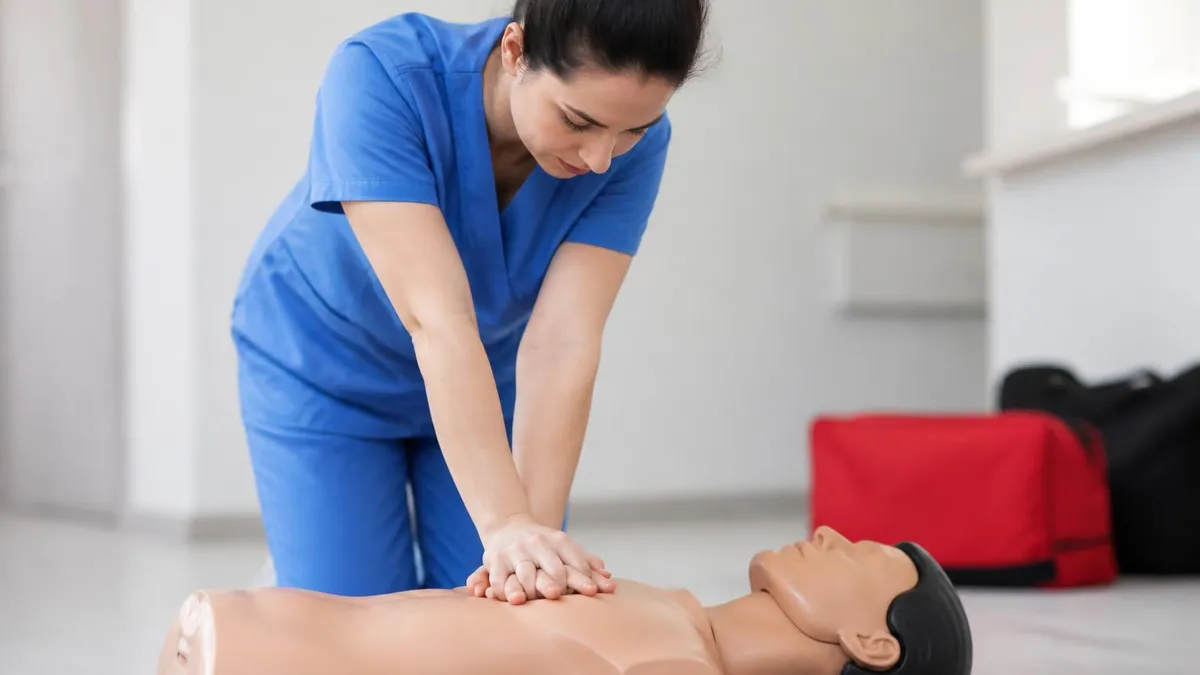
American Heart Association CPR Training: Complete Guide to ACLS Algorithm, PALS Certification, and Life Support in 2026
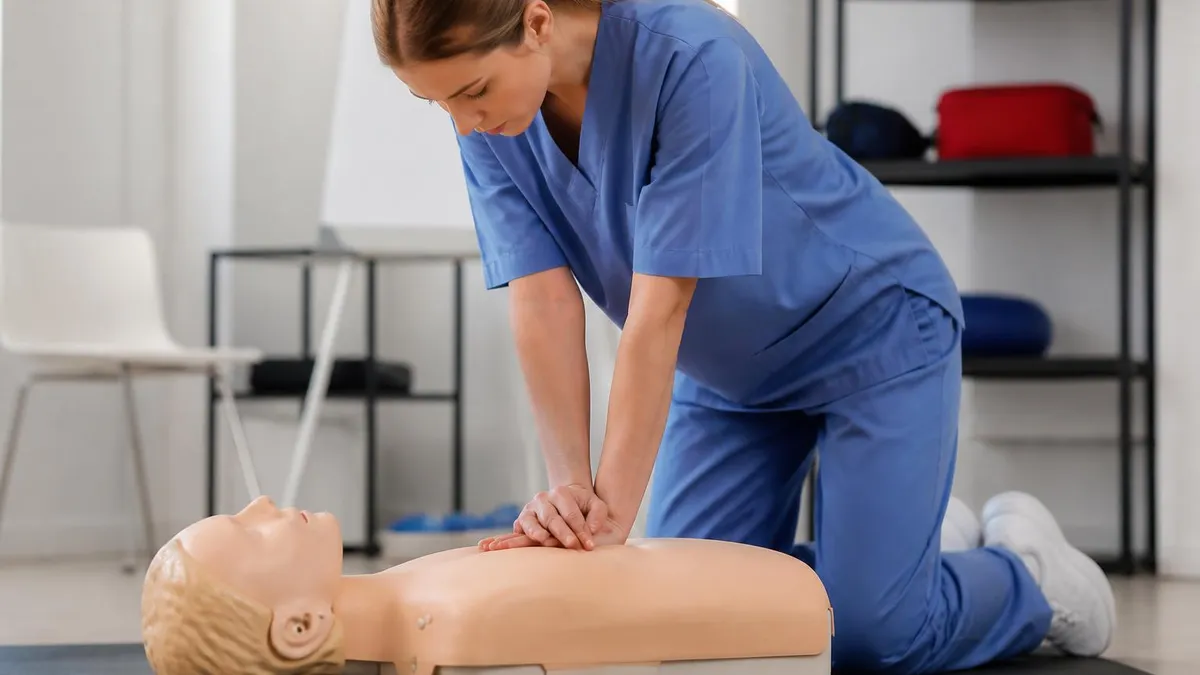
Types of CPR Training: From Basic Life Support to ACLS Algorithm Mastery in 2026
About the Author

Registered Nurse & Healthcare Educator
Johns Hopkins University School of NursingDr. Sarah Mitchell is a board-certified registered nurse with over 15 years of clinical and academic experience. She completed her PhD in Nursing Science at Johns Hopkins University and has taught NCLEX preparation and clinical skills courses for nursing students across the United States. Her research focuses on evidence-based exam preparation strategies for healthcare certification candidates.
Join the Discussion
Connect with other students preparing for this exam. Share tips, ask questions, and get advice from people who have been there.
View discussion (5 replies)