
CPR Depth: The Complete Guide to Compression Depth for Adults, Children, and Infants
Master CPR depth guidelines for adults, children, and infants. 🟢 Learn ACLS algorithm standards, infant CPR technique, and life support compression rules.

Understanding proper CPR depth is one of the most critical skills any rescuer can master, and it sits at the heart of every major life support protocol — from the basic responder course to the advanced ACLS algorithm used by emergency physicians. When cardiac arrest strikes, the quality of chest compressions — not just whether you perform them — determines whether oxygenated blood actually reaches the brain and vital organs.
Depth that is too shallow fails to generate adequate cardiac output; depth that is excessive risks rib fractures and internal injury. Getting this measurement right is the difference between effective resuscitation and well-intentioned harm.
The American Heart Association (AHA) and the National CPR Foundation both publish evidence-based guidelines that specify exact compression depth targets for each patient population.
For adults, the current standard calls for compressions of at least 2 inches (5 cm) but no more than 2.4 inches (6 cm). This narrow window reflects decades of clinical research showing that the "sweet spot" produces the highest coronary perfusion pressure without causing mechanical trauma to the sternum, ribs, or underlying structures. If you are preparing for any certification — from a basic community course to a pals certification exam — knowing this range cold is non-negotiable.
The relationship between compression depth and rate is equally important. Guidelines recommend a rate of 100–120 compressions per minute, delivered to the correct depth, with full chest recoil between each compression. Incomplete recoil — where the rescuer leans on the chest — prevents the heart from refilling and dramatically reduces cardiac output even when depth is technically correct. Effective CPR is a combination of three variables: depth, rate, and recoil, and all three must be optimized simultaneously to maximize survival odds.
Compression depth requirements differ significantly by patient age and size. Infant CPR, for example, calls for a depth of only about 1.5 inches (4 cm), achieved using just two fingers rather than the heel of the hand used for adults. Children between one year of age and puberty require compressions of approximately 2 inches (5 cm), delivered with one or two hands depending on the child's size. Understanding these distinctions is essential for healthcare providers who may encounter patients across the full age spectrum in a single shift.
Modern training programs — whether offered through the Red Cross, the American Heart Association, or an online platform — spend considerable time on compression mechanics because hands-on skill degrades quickly without practice. Research consistently shows that lay rescuers and even trained healthcare professionals overestimate how deep they are compressing. Feedback devices and CPR manikins with depth indicators help bridge this gap during training, and some AED units now include real-time coaching prompts that guide rescuers during actual emergencies. Learning to calibrate your force in training is the best preparation for performing effective compressions under stress.
This guide breaks down everything you need to know about cpr depth requirements across all patient populations, explains why the guidelines are set where they are, covers common mistakes that compromise compression effectiveness, and walks through how CPR depth fits into the broader ACLS algorithm and life support framework. Whether you are a first-time learner, a healthcare professional renewing your pals certification, or someone curious about what does AED stand for and how it integrates with chest compressions, this resource will give you a thorough, evidence-based foundation.
Throughout this article, you will also find practical tips from experienced instructors, data from landmark resuscitation studies, and references to the frameworks used by the national CPR foundation and other leading organizations. By the time you finish reading, you will understand not just the numbers but the physiology behind them — giving you the confidence to perform compressions correctly whether you encounter a cardiac arrest in a hospital hallway or on a city sidewalk.
CPR Depth by the Numbers

CPR Compression Depth Standards by Patient Population
Compress the sternum at least 2 inches (5 cm) but no more than 2.4 inches (6 cm). Use the heel of one hand covered by the other, arms straight, and allow full chest recoil between compressions to maximize cardiac output.
Target a depth of approximately 2 inches (5 cm), or about one-third of the chest's anteroposterior diameter. Use one or two hands depending on the child's size. Full recoil is equally critical to allow the heart to refill between compressions.
Infant CPR requires compressions of roughly 1.5 inches (4 cm). Place two fingers on the center of the chest, just below the nipple line. For two-rescuer infant CPR, the two-thumb encircling technique generates higher pressures and is preferred by AHA guidelines.
For newly born infants, compressions should reach approximately one-third of the anteroposterior chest diameter. The two-thumb encircling technique is standard in neonatal resuscitation and is coordinated with ventilations at a 3:1 compression-to-ventilation ratio.
Pregnant patients in cardiac arrest should receive standard adult CPR depth while an assistant manually displaces the uterus leftward. Obese patients may require greater force to achieve adequate depth, and rescuers should confirm chest movement as a surrogate indicator.
The physiology behind compression depth guidelines is rooted in how the heart generates blood flow during CPR. Two competing theories — the cardiac pump theory and the thoracic pump theory — explain the mechanism, and current evidence suggests both are at play depending on the patient and technique. In the cardiac pump model, direct compression of the heart between the sternum and the spine squeezes blood out of the ventricles. In the thoracic pump model, generalized increases in intrathoracic pressure drive blood forward through the great vessels. Adequate depth is required for both mechanisms to function effectively.
Research published in major resuscitation journals has quantified the relationship between compression depth and outcomes with remarkable precision. A landmark study analyzing data from real cardiac arrests monitored by CPR feedback devices found that survival to hospital discharge increased significantly when compressions reached the 2-to-2.4-inch range compared to shallower compressions. Critically, the data also showed that depths exceeding 2.4 inches did not improve outcomes and were associated with higher rates of rib fractures and hepatic lacerations — injuries that complicate post-resuscitation care and can be fatal in their own right.
Coronary perfusion pressure (CPP) is the key hemodynamic variable that CPR aims to maintain. CPP is the pressure gradient that drives blood through the coronary arteries to keep the myocardium alive during cardiac arrest. Studies in both animal models and human cardiac arrest patients show that CPP must reach approximately 15 mmHg before return of spontaneous circulation (ROSC) becomes likely.
Achieving adequate compression depth is the primary way rescuers can generate sufficient CPP without access to pharmacological support. This is why the ACLS algorithm places high-quality CPR — including correct depth — as the foundation of every resuscitation sequence before epinephrine or defibrillation.
Full chest recoil between compressions is mechanistically as important as depth itself. When the rescuer allows complete recoil, intrathoracic pressure drops, venous blood fills the right heart, and the cardiac chambers refill in preparation for the next compression. If the rescuer leans on the chest — even slightly — residual positive intrathoracic pressure impedes venous return, reduces stroke volume, and cuts CPP.
Studies using real-time feedback devices have found that leaning occurs in a surprisingly high percentage of CPR cycles, even among trained healthcare providers. This is why modern CPR feedback technology monitors not just depth but also the recoil phase.
The respiratory rate and ventilation volume also interact with compression depth in complex ways. Excessive ventilation — too many breaths delivered too forcefully — increases intrathoracic pressure during what should be the passive recoil phase. This is especially problematic when compressions and ventilations are not properly sequenced. In adult cardiac arrest, the AHA recommends a 30:2 compression-to-ventilation ratio for single-rescuer CPR, or continuous compressions with asynchronous ventilations at 10 breaths per minute once an advanced airway is placed. Maintaining the correct respiratory rate prevents ventilation from interfering with the hemodynamic benefits of properly-depthed compressions.
Understanding AED integration with compression technique rounds out the life support picture. What does AED stand for? An Automated External Defibrillator — a device that analyzes cardiac rhythm and delivers an electrical shock to terminate ventricular fibrillation (VF) or pulseless ventricular tachycardia (pVT). During AED analysis and shock delivery, CPR must be paused.
Critically, the period immediately following the shock — before rhythm check results confirm perfusing rhythm — is when high-quality CPR with correct depth should resume immediately. Guidelines emphasize minimizing the pre- and post-shock pauses (together called the perishock pause) to fewer than 10 seconds, because each second without compressions allows CPP to fall and reduces defibrillation success rates.
For healthcare professionals preparing for advanced certification, mastering these physiological principles is just as important as memorizing the numbers. The ACLS algorithm and pals certification exams test not just the "what" of CPR depth but the "why" — and candidates who understand the underlying physiology perform more consistently in both written and skills evaluations. The national CPR foundation, the American Heart Association, and other accrediting bodies design their assessments to reward this deeper understanding, so pairing hands-on practice with conceptual study is the most efficient path to passing and, more importantly, to saving lives.
ACLS Algorithm, PALS Certification & Infant CPR Depth Roles
The ACLS algorithm — Advanced Cardiovascular Life Support — is the systematic protocol used by healthcare providers to manage cardiac arrest and other life-threatening cardiovascular emergencies. At its foundation is the insistence on high-quality CPR, which the algorithm defines explicitly: compression depth of 2–2.4 inches for adults, rate of 100–120 per minute, full chest recoil, and minimal interruptions. Every pharmacological intervention (epinephrine, amiodarone) and every defibrillation attempt is built on top of this CPR foundation. A rhythm check happens every 2 minutes, and CPR resumes immediately after each intervention while the team leader analyzes the monitor.
Providers following the ACLS algorithm divide roles during resuscitation: one rescuer performs compressions while another manages the airway and ventilations. Compressions are switched every 2 minutes to prevent fatigue-induced depth decay — studies show compression depth drops measurably after 90–120 seconds of continuous effort. The team leader calls out depth quality corrections in real time, and many hospitals now use CPR feedback devices that display depth and rate on the defibrillator screen so the entire team can monitor performance simultaneously. Mastering this choreography is a core competency for ACLS certification candidates.

Deeper vs. Shallower Compressions: Tradeoffs Rescuers Must Understand
- +Compressions at 2–2.4 inches generate the highest coronary perfusion pressure in most adult patients
- +Correct depth is associated with significantly higher rates of return of spontaneous circulation (ROSC)
- +Deeper compressions within the safe range improve cerebral perfusion and reduce neurological injury
- +Evidence-based depth targets give rescuers a concrete, measurable goal during high-stress situations
- +Meeting depth standards satisfies ACLS algorithm and pals certification skills assessment criteria
- +Modern CPR feedback devices make it easier than ever to hit and maintain correct depth in real time
- −Depths exceeding 2.4 inches increase risk of rib fractures, sternal fractures, and hepatic lacerations
- −Rescuers tire quickly maintaining correct depth, causing drift below the minimum threshold after 90 seconds
- −Shallow compressions — the most common error — generate insufficient cardiac output and reduce survival odds
- −Providers frequently overestimate compression depth without real-time feedback, believing they are hitting 2 inches when they are not
- −Excessive depth in infants and children is easier to achieve accidentally due to higher chest compliance
- −Leaning between compressions negates depth benefits by preventing full cardiac refilling and dropping CPP
CPR Depth Checklist: 10 Steps to Correct Compression Technique
- ✓Position the patient on a firm, flat surface — never a soft bed or mattress where energy is absorbed.
- ✓For adults, place the heel of your dominant hand on the center of the chest on the lower half of the sternum.
- ✓Cover your dominant hand with your other hand and interlace fingers, keeping them lifted off the ribs.
- ✓Position your shoulders directly above your hands and keep your arms straight and elbows locked.
- ✓Push down at least 2 inches but no more than 2.4 inches for adult patients on every single compression.
- ✓Allow complete chest recoil after each compression — do not lean or rest weight on the chest between pushes.
- ✓Maintain a rate of 100–120 compressions per minute, using a metronome or mental beat to stay on pace.
- ✓Switch compressors every 2 minutes to prevent fatigue-related depth decay without pausing CPR for more than 10 seconds.
- ✓For children, use one or two hands to achieve a 2-inch depth; for infants, use two fingers to achieve 1.5 inches.
- ✓If a CPR feedback device is available, use it — real-time depth and rate data measurably improve performance.
The 10-Second Rule: Never Pause CPR Longer Than This
Every time CPR is interrupted — for a rhythm check, AED shock, airway management, or rescuer switch — coronary perfusion pressure begins to drop within seconds. AHA guidelines specify that all CPR pauses should be kept under 10 seconds. Minimizing interruptions is as important to survival as achieving the correct compression depth, because even perfectly-depthed compressions cannot compensate for frequent long pauses.
Common errors in CPR compression depth fall into two broad categories: insufficient depth and excessive depth. Of the two, shallow compressions are far more prevalent and cause more preventable deaths. Multiple studies using instrumented manikins and real-arrest feedback devices consistently find that untrained bystanders and even certified healthcare providers average compression depths well below the 2-inch minimum when no feedback is present. The phenomenon is partly perceptual — applying force to a human chest with bent elbows feels more significant than it actually is — and partly physical, as fear of hurting the patient unconsciously restrains the rescuer's effort.
Excessive depth, while less common, carries its own set of serious consequences. Rib fractures occur in a meaningful percentage of resuscitated patients who received vigorous CPR, and while a fractured rib is generally preferable to death, severe fractures can puncture a lung (pneumothorax), cause a flail chest segment that impairs breathing post-resuscitation, or lacerate the liver when the xiphoid process is displaced.
These injuries are particularly likely when rescuers use the xiphoid — the cartilaginous tip at the bottom of the sternum — as a hand placement landmark rather than the lower half of the sternum proper. Correct hand placement is the first line of defense against excessive-depth injury.
Fatigue is one of the most insidious causes of depth errors. Research measuring compression depth over time consistently shows that depth begins declining after approximately 90 seconds of continuous compressions, even in physically fit rescuers. By the 2-minute mark — the standard interval for rescuer rotation during team CPR — average depth has often dropped below the 2-inch minimum threshold. This is precisely why ACLS algorithm protocols mandate rescuer rotation every 2 minutes, and why every CPR training course should include practice sets long enough for trainees to personally experience fatigue-related depth decay.
Body mechanics play a critical role in sustaining adequate depth across multiple compression cycles. Rescuers who lock their elbows and use their body weight — leaning directly over the patient with shoulders stacked above the hands — are biomechanically more efficient than those who bend their elbows and use arm strength alone.
The locked-arm technique allows the rescuer to transfer gravitational force into each compression rather than relying purely on muscular effort, which fatigues far more quickly. Tall rescuers working on low surfaces, or short rescuers working on high surfaces, often need to adjust the patient height or their own stance to maintain proper body mechanics throughout a resuscitation.
Surface compliance is a frequently overlooked variable in compression depth. CPR performed on a hospital mattress — even a standard, non-foam mattress — can absorb a significant proportion of the force that should be transmitted to the sternum.
Studies have quantified this effect, finding that mattress compliance can reduce effective compression depth by as much as 0.5 to 1 inch, meaning a rescuer who appears to be compressing 2 inches is actually only moving the sternum 1 to 1.5 inches. This is why AHA guidelines recommend placing patients on a firm surface or using a backboard in hospital settings. In the field, placing the patient on the ground rather than leaving them on furniture achieves the same goal.
The position recovery (lateral recovery position) is sometimes confused by new learners with CPR positioning, but the two serve entirely different purposes. Position recovery is used for unresponsive patients who are breathing adequately — it keeps the airway patent and reduces aspiration risk. The CPR position, by contrast, is supine (on the back) with the patient on a firm surface.
Confusing these two positions is a common knowledge gap that CPR certification exams test explicitly, and candidates should be able to articulate the distinction clearly. No compressions are performed when a patient is in the recovery position, because that position is reserved for patients with a pulse and spontaneous respirations.
Feedback technology has transformed both CPR training and real-time performance. CPR feedback devices — integrated into AEDs, standalone puck-style devices, or built into hospital monitors — measure compression depth using accelerometers and provide audio or visual prompts when depth is insufficient, rate is off, or incomplete recoil is detected. Studies of real cardiac arrests with feedback-guided CPR show significant improvements in guideline adherence and, in some analyses, improved survival. The national CPR foundation and other training organizations now recommend incorporating feedback devices into skills training sessions, not just for professional providers but for community responders as well.

Research analyzing thousands of cardiac arrests with CPR feedback data found that compressions fall below the 2-inch (5 cm) minimum in a significant proportion of cycles — even among certified providers. If you are not using a feedback device, err on the side of compressing slightly harder rather than softer. A patient in cardiac arrest has no pulse to protect; inadequate depth is the greater danger.
Earning and maintaining CPR certification is the most reliable way to ensure your compression technique — including depth — meets current evidence-based standards. Certification courses offered through accredited organizations such as the American Heart Association, the American Red Cross, and the national CPR foundation combine didactic content with hands-on manikin practice evaluated by a qualified instructor.
During skills evaluations, instructors assess compression depth directly, either by observation or through instrumented manikins that display depth metrics on a connected screen. Candidates who consistently fall short of 2 inches on adult manikins or 1.5 inches on infant manikins are required to repeat the skills station before passing.
Certification levels vary in their depth of coverage, literally and figuratively. A basic CPR/AED course covers adult, child, and infant compression depth alongside AED operation. A BLS (Basic Life Support) course for healthcare providers adds two-rescuer dynamics, bag-mask ventilation, and team coordination. PALS certification goes further, incorporating pediatric depth nuances, airway management specific to children, and recognition of pediatric arrhythmias. At the top of the certification ladder, ACLS algorithm training integrates advanced pharmacology, advanced airway management, and the systematic decision trees used in hospital resuscitation — all built on the foundation of correct CPR depth.
Certification renewal intervals matter because CPR skills — especially motor skills like compression depth calibration — decay without practice. The AHA recommends renewal every 2 years for BLS, ACLS, and PALS certifications. Some healthcare employers require annual skills checks even between formal recertification cycles. For a complete overview of renewal timelines and what to expect, resources covering cpr depth and certification duration are valuable references that complement hands-on training.
Online CPR certification has grown significantly in popularity, particularly since 2020. Pure online courses deliver the cognitive content — guidelines, rationale, depth targets, rate requirements — effectively and conveniently. However, the skills component of CPR (calibrating compression depth on a real manikin, feeling proper recoil, managing fatigue) cannot be replicated digitally. Hybrid courses that pair online learning with an in-person skills check represent the best of both worlds, and many accrediting organizations now offer this format. Purely online-only certificates that require no hands-on component are generally not accepted by healthcare employers or institutional credentialing bodies.
Instructor-led courses remain the gold standard for a specific reason: real-time feedback from a qualified instructor catches depth errors that self-guided practice misses. A skilled CPR instructor can observe hand placement, elbow angle, shoulder position, and the subtle visual cues of incomplete recoil simultaneously, then provide corrective guidance that the learner can immediately apply.
This immediate feedback loop is especially valuable for the depth calibration skill, because proprioceptive sense (feeling how deep you are compressing) is unreliable without external reference. Practicing on a feedback-equipped manikin under instructor supervision is the single highest-value activity for anyone preparing for a CPR skills evaluation.
For those preparing for ACLS or PALS certification specifically, scenario-based practice is the recommended supplement to didactic study. In scenario practice, a facilitator presents a clinical situation (e.g., a 45-year-old in ventricular fibrillation) and the candidate must manage the entire resuscitation — directing team members, calling for correct compression depth and rate, timing rhythm checks, and integrating AED or defibrillator use — while the facilitator evaluates performance.
These scenarios expose gaps that written study alone cannot reveal, particularly around team communication about CPR quality, recognizing when depth is falling due to compressor fatigue, and managing the cognitive load of the full ACLS algorithm without losing focus on compression fundamentals.
Practice tests and quizzes are a time-efficient way to identify knowledge gaps before your certification exam. The free resources available through PracticeTestGeeks.com cover CPR depth targets, ACLS algorithm sequence, infant CPR technique, and the full range of BLS and PALS content across multiple quiz formats. Combining regular quiz practice with hands-on manikin sessions creates a training regimen that addresses both the cognitive and motor skill components of compression depth mastery, giving you the best possible preparation for certification success and, ultimately, for performing confidently in a real emergency.
Putting CPR depth knowledge into practice requires more than memorizing a number. Experienced instructors offer several concrete strategies that help rescuers consistently hit the 2-to-2.4-inch window under real-world conditions. First, visualize the target before you begin. Before placing your hands, mentally picture compressing the sternum down by 2 inches — roughly the length from the first to the second knuckle on your index finger. This brief mental rehearsal primes your proprioceptive system and reduces the tendency to compress too shallowly out of instinctive caution.
Second, use an external rhythm anchor. Singing or mentally reciting a song with a tempo close to 100–120 beats per minute — the classic example is "Stayin' Alive" by the Bee Gees at approximately 103 bpm — helps maintain both rate and, indirectly, depth consistency. When rate drifts too slow, rescuers often simultaneously decrease their force output; anchoring rate to a mental beat keeps both variables in the correct range without requiring conscious dual-tracking.
Third, manage fatigue proactively. Do not wait until you feel tired to call for a compressor switch — fatigue-induced depth decay begins before the subjective sensation of tiredness. In team settings, establish a rotation schedule from the first compression: every 2 minutes, the compressor switches. In solo bystander CPR, commit to maintaining depth even as your arms fatigue by switching to body-weight mechanics (locked elbows, shoulders over hands) if you started with a less efficient arm-dominant technique.
Fourth, use every available feedback resource. If the scene has an AED that offers real-time CPR coaching, follow its prompts. If the hospital defibrillator displays depth metrics, assign a team member to monitor and verbally communicate feedback to the compressor. If no technology is available, have a team member use a stopwatch to call out the 2-minute rotation mark and verbally coach depth based on visual observation of sternum excursion. The human eye can distinguish between 1-inch and 2-inch compressions with reasonable reliability when the observer is focused specifically on that variable.
Fifth, practice specifically for infant CPR if your role includes pediatric patients. The two-finger technique for infant compressions requires deliberate calibration of force because the infant chest responds very differently from an adult manikin. Infant CPR manikins with depth indicators are widely available and should be part of any pediatric provider's regular skills maintenance practice. PALS certification candidates in particular should log sufficient manikin time on both child and infant simulators before their skills evaluation to ensure muscle memory supports the correct depth without active mental calculation under the stress of the exam.
Sixth, understand how CPR depth fits into the broader picture of position recovery, AED use, and the full chain of survival. The chain of survival — early recognition and call for help, early CPR, early defibrillation, advanced life support, and post-cardiac arrest care — is only as strong as its weakest link.
High-quality CPR with correct depth is the link that sustains the chain from the moment of collapse until the AED or defibrillator can be used. Every second of low-quality or absent CPR during this window allows CPP to fall and myocardial tissue to die, reducing the probability that defibrillation will restore a perfusing rhythm.
Finally, teach what you know. Research on the psychology of learning consistently shows that teaching a skill to others deepens and consolidates one's own mastery. If you are a certified CPR provider, consider taking a CPR instructor certification course so you can train colleagues, family members, and community members in correct compression technique.
The multiplier effect of each instructor training multiple learners is how communities build the density of bystander responders needed to meaningfully improve out-of-hospital cardiac arrest survival rates. Organizations like the national CPR foundation, the American Red Cross, and the AHA all have instructor pathways that make this transition accessible to motivated providers at every experience level.
CPR Questions and Answers
How Long Does CPR Certification Last? 2026 Renewal Guide
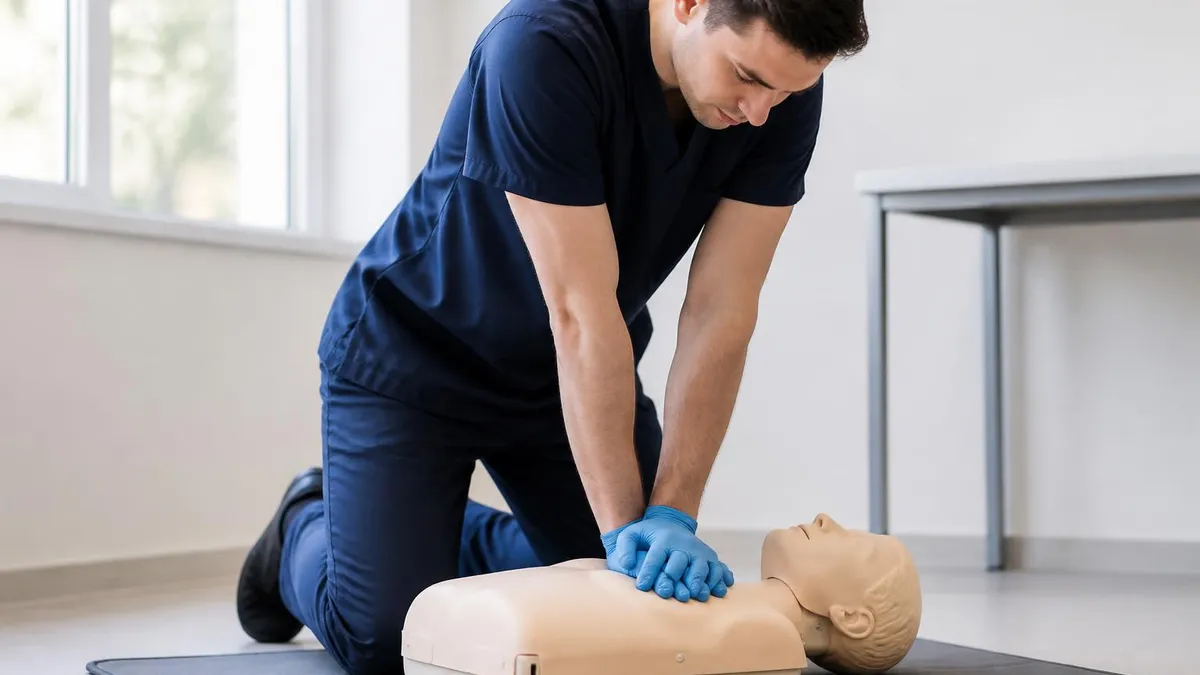
CPR Training Providers 2026: How to Choose a Course That Counts
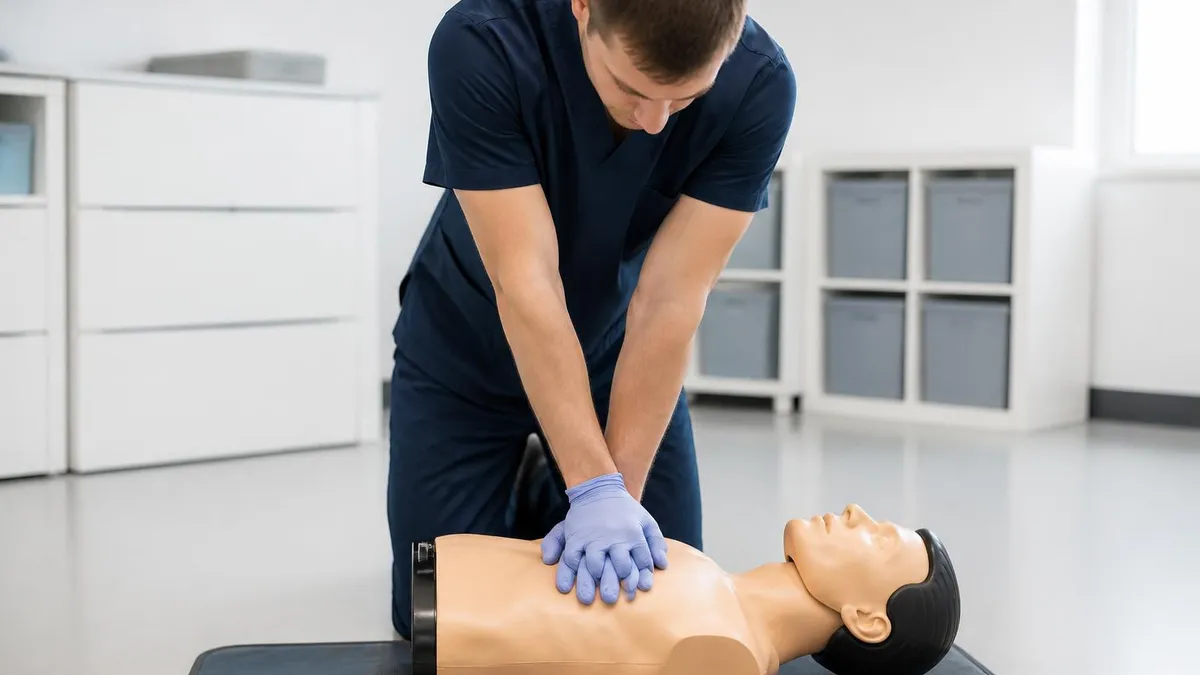
Free Online CPR Certification: Complete Guide to Legitimate Courses, Costs, and Workplace Acceptance in 2026
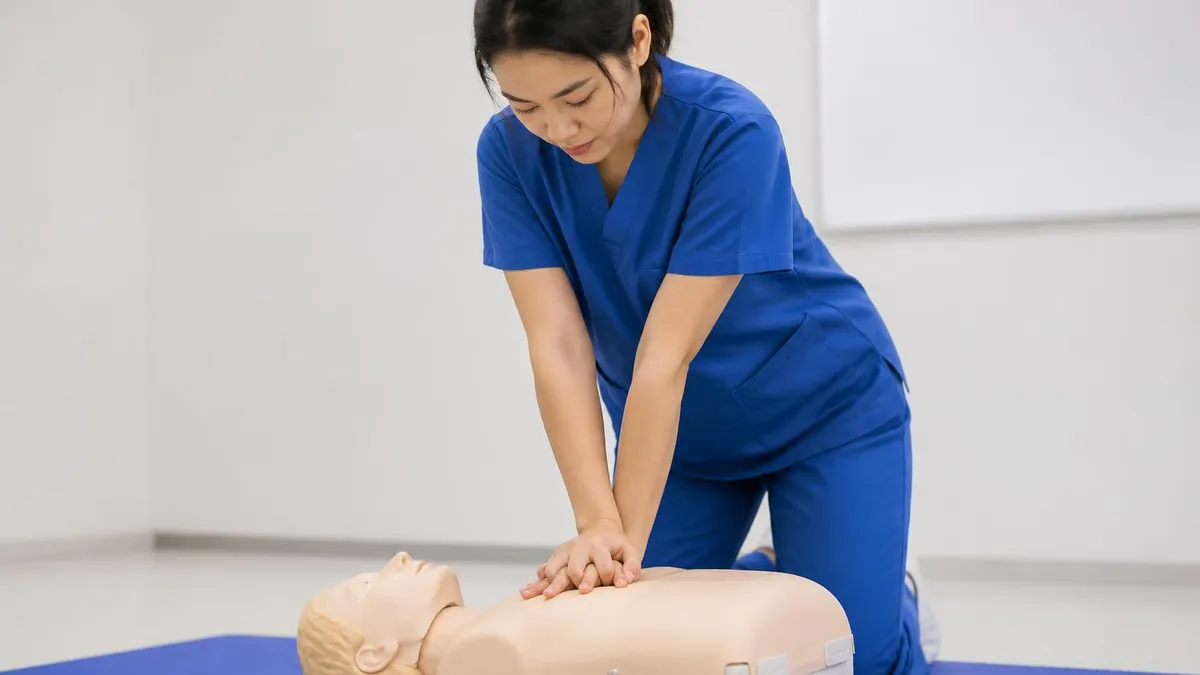
CPR Instructor Certification 2026: Complete Path to Teaching CPR
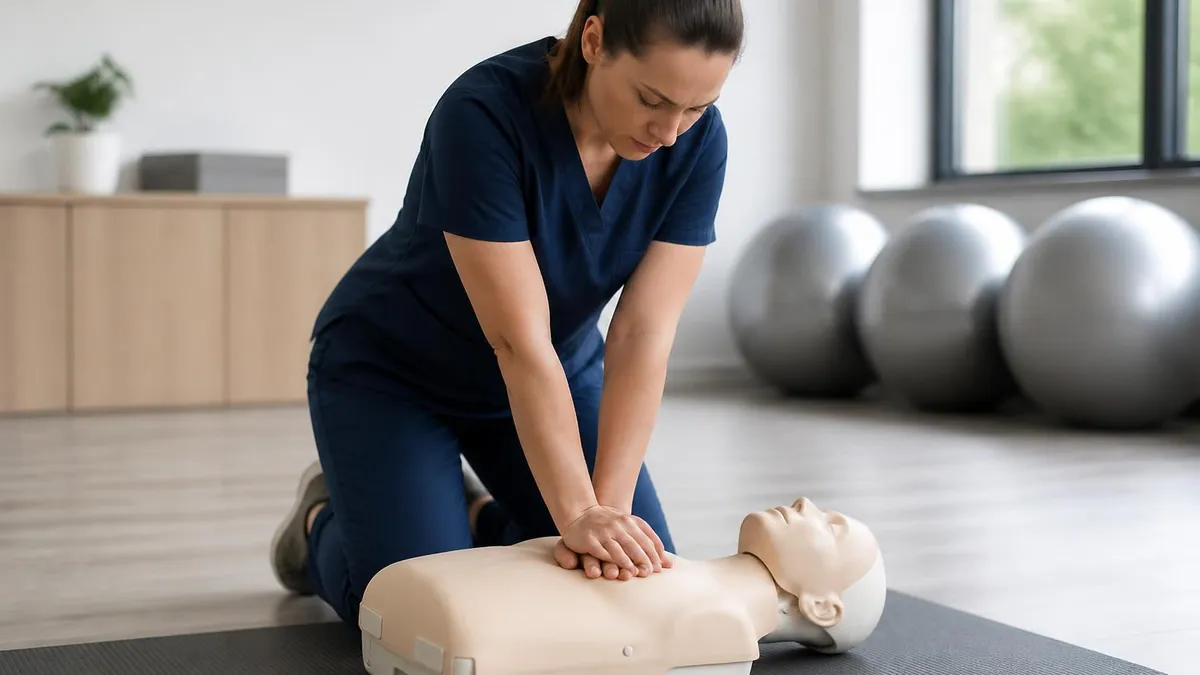
Red Cross CPR Class: Complete Guide to Courses, Certification, and What to Expect in 2026
About the Author

Registered Nurse & Healthcare Educator
Johns Hopkins University School of NursingDr. Sarah Mitchell is a board-certified registered nurse with over 15 years of clinical and academic experience. She completed her PhD in Nursing Science at Johns Hopkins University and has taught NCLEX preparation and clinical skills courses for nursing students across the United States. Her research focuses on evidence-based exam preparation strategies for healthcare certification candidates.
Join the Discussion
Connect with other students preparing for this exam. Share tips, ask questions, and get advice from people who have been there.
View discussion (5 replies)