
How to Register for CPR: Complete Training Guide for All Certification Levels
Learn how to register for CPR, ACLS algorithm courses, PALS certification & infant CPR training. Step-by-step guide for all levels. 🎓

When you decide to register for CPR, you are taking one of the most important steps a person can take toward protecting human life in an emergency. CPR — cardiopulmonary resuscitation — is a critical life support skill that can double or even triple a cardiac arrest victim's chance of survival when performed promptly.
Whether you are a healthcare professional pursuing advanced credentials like the ACLS algorithm or a layperson looking for a basic community course, understanding how the registration process works saves you time, money, and confusion. This guide walks you through every step, from choosing the right certification level to showing up on your first day of class fully prepared.
The landscape of CPR training in the United States is broad and sometimes bewildering. Organizations like the American Heart Association (AHA), the American Red Cross, and the National CPR Foundation each offer multiple course tracks designed for different audiences. A high school student who wants to help in an emergency has different needs than a pediatric nurse who must master PALS certification before working in an intensive care unit. Understanding which organization and which course level aligns with your professional requirements or personal goals is the foundation of a successful registration experience, and this article provides that clarity in detail.
One of the first decisions you will make is whether to attend an in-person class, a blended learning course (also called HeartCode), or a fully online program. Each format has advantages depending on your schedule, learning style, and whether your employer or licensing board requires a hands-on skills evaluation. Healthcare providers who need certification recognized by hospital credentialing departments almost always need an in-person skills check, while community members may find that online or blended courses fit their lifestyle better. We break down all three formats later in this article so you can make an informed choice.
Cost is another factor that keeps many people from acting on their intention to get certified. CPR courses range from completely free community sessions offered through fire departments and local health organizations to multi-day professional programs that can cost several hundred dollars. Your employer may reimburse the fee, and some states require coverage for certain professions. Understanding what drives the price — and how to find legitimate low-cost options — can remove the financial barrier that delays so many would-be rescuers. We cover typical price ranges, hidden costs, and how to verify that a low-cost course still meets industry standards.
Once you have selected your course, the actual registration process is straightforward, but there are several logistical details worth knowing in advance. Most major providers allow you to register online through their website or through an authorized training center locator tool.
You will typically need to provide your name, contact information, and sometimes proof of a prerequisite certification — for example, you generally must hold a current BLS (Basic Life Support) credential before you can register for an ACLS or PALS course. Having these documents ready before you begin the registration process ensures a smooth experience and prevents last-minute surprises on class day.
This article also addresses several related topics that come up frequently during the registration journey, including what an AED is and why AED training is bundled into most modern CPR courses, how the recovery position is used after successful resuscitation, and what respiratory rate targets guide rescuers during CPR. You may also register for cpr renewal courses on a schedule that depends on which organization issued your original card — typically every one or two years. Understanding the full certification lifecycle from the start helps you plan accordingly and keeps your credentials continuously valid throughout your career.
By the end of this guide, you will know exactly how to find a course, what to expect when you arrive, how to prepare for the skills evaluation, and how to maintain your certification over the long term. Whether your goal is basic readiness for a family emergency, compliance with a workplace requirement, or advancement toward an advanced clinical credential, the path begins with a single registration step — and this article makes that step as clear and actionable as possible.
CPR Registration & Training by the Numbers

CPR Course Levels: Which One Should You Register For?
Designed for general public, parents, teachers, coaches, and workplace responders. Covers adult, child, and infant CPR plus AED use. No medical background required. Available from AHA, Red Cross, and National CPR Foundation. Duration: 3–4 hours.
The professional-grade standard required by most hospitals and healthcare employers. Covers high-quality CPR for all age groups, team-based resuscitation, and AED integration. Prerequisite for ACLS and PALS. Duration: 4–5 hours in-person.
For physicians, nurses, paramedics, and advanced practitioners. Built around the ACLS algorithm for managing cardiac arrest, stroke, and acute coronary syndrome. Requires current BLS as a prerequisite. Typically a 2-day course with simulation.
Targets healthcare providers who care for critically ill infants and children. Emphasizes systematic pediatric assessment, infant CPR techniques, and team dynamics. Requires current BLS. Duration: 2 days including skills stations.
Qualifies you to teach and certify others. Requires current provider-level certification, a monitored teaching practicum, and course-specific instructor training. Widely offered through AHA authorized training centers and the National CPR Foundation.
The step-by-step process to register for CPR begins with confirming your certification level need. If you are a layperson or a non-medical professional such as a teacher, daycare worker, or gym trainer, the Heartsaver CPR/AED course is almost certainly the right starting point.
If your employer is a hospital, clinic, or emergency medical service, they will likely specify BLS as the minimum acceptable credential, and your human resources or credentialing department should be able to tell you precisely which organization's certification they recognize. Taking a few minutes to clarify this before you register prevents you from completing a course that does not satisfy your employer's requirements.
Once you know which level you need, visit the course locator tool provided by the certifying organization. The American Heart Association's website offers a searchable map of authorized training centers across the country. The American Red Cross has a similar tool.
The National CPR Foundation, which is popular for its affordable online options, allows you to register directly on its website and choose between fully online and blended formats. When using these locators, filter by course type, zip code, and available dates. Most tools also let you filter by format — classroom only, blended learning, or skills-check only if you completed the online portion already.
After selecting a class, you will proceed to an online registration form. Provide accurate contact details, since your certification card or e-card will be sent to the email address you enter. Some courses require advance payment in full; others hold your seat with a deposit. Read the cancellation policy before completing payment — many training centers charge a fee if you cancel within 24 to 48 hours of the class. If your employer is paying for the course, ask whether they need an invoice before you can proceed, as this is common in healthcare organizations with formal reimbursement processes.
If you are registering for an advanced course such as ACLS or PALS, you will need to show proof of a current BLS certification. Scanned copies of your card or a digital credential stored in an app like the AHA's training portal are typically acceptable. Some training centers verify this electronically when you register; others check on the day of the course.
Either way, ensure your BLS card is not expired. If it is close to expiring or already lapsed, register for a BLS renewal first — attempting an ACLS course without valid BLS is not allowed and will result in being turned away on class day.
For blended or HeartCode courses, your registration includes access to an online learning module that you must complete before attending the in-person skills session. This module typically takes two to three hours and covers the cognitive content — compressions-to-ventilation ratios, respiratory rate targets during CPR, how to operate an AED, and the recovery position for breathing patients. Complete the online portion at least 24 hours before your skills session to allow time for any technical issues. Print or save your course completion certificate, which you will bring to the skills session as proof of online completion.
On the day of your class, arrive 10 to 15 minutes early. Wear comfortable, loose-fitting clothing since you will be kneeling and performing compressions on a manikin for extended periods. Bring a photo ID and any prerequisite certificates if they were not verified online. Most courses provide all necessary materials — manikins, pocket masks, AED trainers — but confirm with the training center beforehand.
Some providers offer optional personal protective face shields for purchase if you prefer your own equipment for manikin practice. Throughout the class, instructors will evaluate your compression depth, rate, and hand placement, so focus on technique rather than speed during practice rounds.
After successfully completing the skills evaluation, you will receive your certification card, either as a physical card mailed within a few business days or as an immediate digital e-card accessible online. Store this credential carefully and note the expiration date. Most AHA and Red Cross certifications are valid for two years, after which you must complete a renewal course. Setting a calendar reminder 90 days before expiration gives you ample time to find and schedule a renewal class without any gap in your certified status — a gap that could create compliance issues for healthcare professionals or CPR instructors.
ACLS Algorithm, PALS Certification & Advanced CPR Tracks
The ACLS algorithm is the structured decision-making framework used by advanced healthcare providers during cardiac arrest, stroke, and other life-threatening emergencies. Published and regularly updated by the American Heart Association, the algorithm guides providers through a sequence of assessments and interventions — including rhythm identification, defibrillation timing, medication dosing, and airway management — that must be executed rapidly and in the correct order. Mastering the ACLS algorithm requires both cognitive preparation through study and kinesthetic practice through simulation-based training.
To register for an ACLS course, you must hold a current BLS provider certification. Most AHA-authorized training centers offer ACLS over two days, with the first day focused on didactic content and rhythm interpretation and the second day dedicated to simulation stations where teams manage cardiac arrest scenarios in real time. The AHA's HeartCode ACLS blended option lets you complete the cognitive portion online before attending a condensed one-day skills session. Course fees typically range from $150 to $300 depending on the provider, location, and whether materials are included.

In-Person vs. Online CPR Registration: Which Format Is Right for You?
- +In-person courses provide hands-on manikin practice that builds real muscle memory for compressions and ventilations
- +Instructor feedback during skills stations corrects bad habits before they become ingrained emergency responses
- +Most hospital credentialing departments and state licensing boards accept in-person certification without question
- +Simulation scenarios in ACLS and PALS courses cannot be replicated in a fully online format
- +Networking with other healthcare providers during class builds professional relationships and team familiarity
- +Immediate skills evaluation and same-day certification card issuance reduces administrative waiting time
- −In-person classes require travel to an authorized training center, which may be inconvenient in rural areas
- −Fixed class schedules may conflict with rotating shift work common among nurses and paramedics
- −In-person courses are generally more expensive than online-only options, often by $50 to $150 or more
- −Classroom courses typically require a full day or two days off work, adding indirect cost through lost wages or PTO
- −Online-only certifications are not accepted by most hospitals and healthcare employers for clinical credentialing
- −COVID-19 and similar health concerns have periodically disrupted in-person class availability and scheduling
CPR Registration Checklist: Everything You Need Before You Sign Up
- ✓Confirm with your employer or licensing board exactly which organization's CPR certification they accept (AHA, Red Cross, or National CPR Foundation)
- ✓Identify the correct certification level for your role — Heartsaver, BLS, ACLS, or PALS
- ✓Check that any prerequisite certifications (such as BLS for ACLS or PALS) are current and will not expire before your class date
- ✓Use the official AHA or Red Cross training center locator to find an authorized provider near you
- ✓Compare in-person, blended, and online formats and select the one your employer or credentialing body will accept
- ✓Review the course cost, cancellation policy, and payment options before entering your credit card information
- ✓Prepare your photo ID and any prerequisite certification cards or e-cards to bring on class day
- ✓For blended courses, complete the online module at least 24 hours before your in-person skills session
- ✓Wear comfortable, loose-fitting clothing suitable for kneeling and performing physical compressions during manikin practice
- ✓Note the certification expiration date immediately after class and set a calendar reminder 90 days before it expires
The National CPR Foundation Offers Fast, Affordable Certification
The National CPR Foundation is one of the most widely searched CPR training organizations in the United States, known for affordable online courses that can be completed in under two hours. While convenient for community members and non-clinical workplaces, healthcare employers should verify acceptance before enrolling, as some hospital credentialing departments require AHA or Red Cross certification specifically.
Walking into your first CPR class — whether it is a basic Heartsaver session or a two-day ACLS simulation course — is a more structured and skills-intensive experience than many first-time registrants expect. Most courses begin with a brief orientation that outlines the day's schedule, introduces the equipment you will use, and reviews any cognitive content you may have covered during a pre-course online module.
Your instructor will demonstrate proper hand placement for adult chest compressions, the correct depth of approximately two to two and a half inches, and a rate of 100 to 120 compressions per minute — a pace often described as matching the beat of the song Stayin' Alive by the Bee Gees, which research has shown helps rescuers maintain the correct rhythm under stress.
After the demonstration, participants practice on manikins in small groups while the instructor circulates to observe and correct technique. This hands-on portion is where most learning consolidates, and it is worth focusing intensely during practice rather than waiting for the formal evaluation.
Common errors that instructors identify include insufficient compression depth (many people are surprised by how hard they need to press), allowing the chest to fully recoil between compressions rather than keeping hands in contact, and tilting the manikin's head at the wrong angle when performing rescue breaths. Each of these errors reduces the effectiveness of CPR significantly, so accept correction readily and adjust immediately.
For courses that include AED training, you will learn what does AED stand for — automated external defibrillator — and how to operate one safely on an adult victim. AEDs are designed to be used by untrained bystanders, but formal training makes you significantly faster and more confident during an actual emergency.
You will practice attaching the electrode pads to the correct positions on the chest, following audio and visual prompts, delivering a shock safely while keeping bystanders clear, and resuming CPR immediately after the shock is delivered. Understanding that AED use and CPR work together — the AED addresses abnormal heart rhythm while CPR maintains circulation — helps learners understand why both skills are always taught as a pair.
Courses that include airway management will teach you the recovery position, which is used when a patient regains spontaneous breathing and a pulse but remains unconscious. The recovery position — lying on one side with the top knee bent forward to stabilize the body — keeps the airway open and reduces the risk of aspiration if the patient vomits.
You will practice rolling a manikin into the recovery position and will learn the specific signs that indicate it is appropriate: confirmed breathing, palpable pulse, and continued unresponsiveness. Knowing when to transition from active CPR to the recovery position is an important cognitive skill that is tested in both written and practical evaluations.
Advanced courses like ACLS include rhythm recognition exercises where participants interpret electrocardiogram (ECG) strips and identify rhythms such as ventricular fibrillation, pulseless ventricular tachycardia, asystole, and pulseless electrical activity. Each rhythm has a corresponding branch of the ACLS algorithm that guides the team's response. During simulation stations, participants rotate through team leader and team member roles, practicing clear communication, closed-loop confirmation, and task delegation under time pressure. These simulation scenarios are deliberately stressful because stress inoculation during training improves performance during actual emergencies — a finding supported by decades of medical simulation research.
The respiratory rate is another clinical parameter that features prominently in both BLS and advanced CPR courses. During CPR with an advanced airway in place, rescuers deliver one breath every six seconds — a rate of approximately ten breaths per minute — while continuous chest compressions are performed without pause.
Without an advanced airway, the 30:2 ratio applies: thirty compressions followed by two rescue breaths delivered over one second each. Understanding the physiological reason for these ratios — preventing hyperventilation, which increases intrathoracic pressure and reduces venous return — helps providers internalize the guidelines rather than simply memorizing numbers that can be forgotten under pressure.
By the time you reach the final skills evaluation, you should feel reasonably confident in your ability to demonstrate each required skill. Instructors are not looking for perfection — they are looking for competency, which means performing each element correctly and in the right sequence consistently enough that they are satisfied you could help a real patient.
If you fail a skill station, most courses allow one or two remediation attempts before requiring you to repeat the full course. Approach the evaluation as a learning experience rather than a high-stakes test, stay calm, and trust the hours of practice you completed during the session.

A lapsed CPR certification can create serious compliance problems for healthcare professionals, including loss of hospital privileges, inability to work clinical shifts, and potential licensing issues with state boards. Set a reminder at least 90 days before your expiration date. If your card has already lapsed, most organizations require a full course rather than a renewal — which is longer and more expensive than renewing on time.
Maintaining your CPR certification over the long term requires understanding the renewal cycle specific to your certifying organization and course level. The American Heart Association certifies providers for exactly two years from the date of course completion. The American Red Cross follows the same two-year standard for most certifications, with some specialized courses expiring at different intervals.
The National CPR Foundation also issues two-year certifications for its online and blended courses. If you hold multiple certifications — for example, both BLS and ACLS — be aware that they may have different expiration dates if you obtained them at different times, and track each deadline separately to avoid an inadvertent lapse in either credential.
Renewal courses are generally shorter than initial certification courses because they assume you already have baseline knowledge and skills. A BLS renewal, for example, typically takes two to three hours compared to four to five hours for an initial BLS course. An ACLS renewal is usually completed in one day rather than two.
These shorter formats make it practical to renew during a single shift break or on a day off, which healthcare workers appreciate given the scheduling complexity of clinical work. Many hospitals and medical centers host on-site renewal classes for staff, which eliminates the need to travel to an external training center and often reduces or eliminates the course fee.
If you are a healthcare provider who moves to a new employer or state, confirm that your current certification is accepted before assuming continuity of coverage. While AHA and Red Cross certifications are recognized nationally, some employers have specific preferences — for instance, some academic medical centers prefer AHA credentials specifically for standardization purposes. State boards for nursing, pharmacy, emergency medicine, and other professions may specify which organizations' certifications satisfy continuing education or licensure requirements. Checking these details proactively prevents the inconvenience of needing to recertify immediately after starting a new position.
For CPR instructors, the renewal and maintenance process is more complex than for providers. Instructor certifications typically require not only renewed provider-level credentials but also a minimum number of teaching hours during each certification period, along with an instructor renewal course or monitored teaching session. Falling short of the teaching-hour requirement — which varies by organization and course type — may result in the instructor credential lapsing even if the renewal fee is paid. Instructors should track their teaching hours throughout the certification period rather than attempting to reconstruct the record at renewal time.
Some employers offer CPR training as a workplace benefit, providing both initial certification and renewal at no cost to the employee as part of occupational health and safety programs. This is common in settings where CPR competency is a regulatory requirement, such as schools, childcare centers, fitness facilities, and food service establishments in jurisdictions that mandate first aid certification for staff. If you are an employer evaluating training options for your team, bulk registration through an authorized training center often reduces per-person cost significantly, and some organizations offer on-site group sessions that eliminate travel time for your entire workforce.
The digital transformation of certification management has made it easier to track and maintain credentials than ever before. The AHA's Training Network allows providers to access their certification history, download e-cards, and locate renewal classes through a single online portal. The Red Cross offers a similar digital card system.
Some third-party credential management platforms used by hospitals can automatically import certification data and send renewal reminders to both the employee and the credentialing department. Taking a few minutes to set up these digital tools when you first receive your certification creates a systematic reminder infrastructure that protects you from the career and compliance consequences of an expired card.
If you are approaching renewal and are uncertain whether your current certification satisfies a new employer's requirements, the most efficient approach is to contact the employer's credentialing or human resources department directly and ask for their accepted certification list in writing.
Armed with that information, you can either confirm your current credential is sufficient or register for the specific course the employer requires before your start date. Proactive communication of this kind demonstrates professionalism and prevents the last-minute scrambling that occurs when credentialing issues surface during onboarding — a situation that is entirely avoidable with a single phone call or email made weeks in advance.
Preparing effectively for your CPR course — regardless of the level — significantly improves both your in-class performance and your long-term retention of the skills. The most valuable preparation step for any CPR course is reviewing the current guidelines published by the American Heart Association.
The AHA's Guidelines for CPR and Emergency Cardiovascular Care are publicly available and updated every five years, with focused updates published in between. Reading the summary recommendations for your course level — basic life support, ACLS, or PALS — gives you a cognitive framework that makes the in-class instruction much easier to absorb because you arrive with vocabulary and concepts already in place.
Watching video demonstrations of the skills you will practice is another high-yield preparation strategy. The AHA, Red Cross, and numerous medical education platforms have published high-quality video content showing correct CPR technique, AED operation, infant CPR, and advanced airway management. Watching these videos repeatedly before class activates procedural memory circuits in your brain, which means your hands will feel less foreign when you first touch the manikin. This is the same principle behind mental rehearsal in athletic training — visualizing a movement in detail before performing it physically reduces the cognitive load of learning and accelerates skill acquisition.
For ACLS candidates, pre-reading the ACLS provider manual — available for purchase through the AHA or through your training center — is strongly recommended. The manual covers the complete ACLS algorithm for each cardiac arrest rhythm, the pharmacology of resuscitation medications including epinephrine and amiodarone, and the team dynamics principles that simulation stations will test.
Many candidates also use ECG rhythm recognition apps or flashcard sets to develop fluency with rhythm interpretation before class. Arriving at an ACLS course without this preparation is possible but makes the two days significantly more stressful, as the volume of material is substantial and the simulation expectations are high.
Physical preparation matters more than many registrants realize. CPR compressions require sustained physical effort — performing two minutes of continuous compressions at the correct depth and rate is genuinely tiring, particularly for people who are not accustomed to this type of exertion.
If your class is several weeks away, doing some light upper-body strengthening and cardiovascular conditioning will help you maintain technique quality throughout long practice sessions. On the day of the class, eat a solid meal beforehand, stay hydrated, and avoid scheduling the course on a day when you are sleep-deprived or unwell. Fatigue degrades both cognitive performance and fine motor skills, both of which are required for successful CPR training.
After completing your course, reinforce your learning by reviewing your course materials within the first 48 hours while memory consolidation is still active. Research on skill retention in CPR specifically has shown that compression quality and recall of algorithm steps decline significantly within months of initial training without reinforcement.
Using practice test questions — like the ones available on PracticeTestGeeks — to quiz yourself on key concepts helps identify gaps that additional study can address. Some healthcare professionals also participate in CPR skills booster sessions offered by their employers between certification renewals, which research consistently shows improve retention and performance during actual cardiac arrest events.
Consider extending your training beyond basic CPR certification if your personal or professional circumstances warrant it. If you work with children or elderly individuals, adding a first aid certification to your CPR credential creates a more complete emergency response skill set.
If you are a healthcare provider interested in teaching others, pursuing instructor certification through an AHA-authorized instructor training center is a natural next step that also typically comes with reduced-cost certification for yourself going forward. Community CPR instructors play a vital role in the public health ecosystem — every person they train represents a potential bystander rescuer who might save a life in your neighborhood, school, or workplace.
Finally, remember that CPR certification is not a one-time achievement but an ongoing commitment to preparedness. Emergency situations do not announce themselves, and the window for effective intervention is measured in minutes.
The combination of regular skills refreshment, staying current on guideline updates, and maintaining uninterrupted certification ensures that when the moment comes — whether in a hospital corridor, at a family gathering, or on a public street — you will act with the speed, confidence, and competence that give another person the best possible chance of surviving. That readiness is the real goal of every CPR registration, and it is worth every hour of preparation you invest.
CPR Questions and Answers
How Long Does CPR Certification Last? 2026 Renewal Guide

CPR Certification License Number: Complete Guide to ACLS Algorithm, Credentials, and Certification Logistics
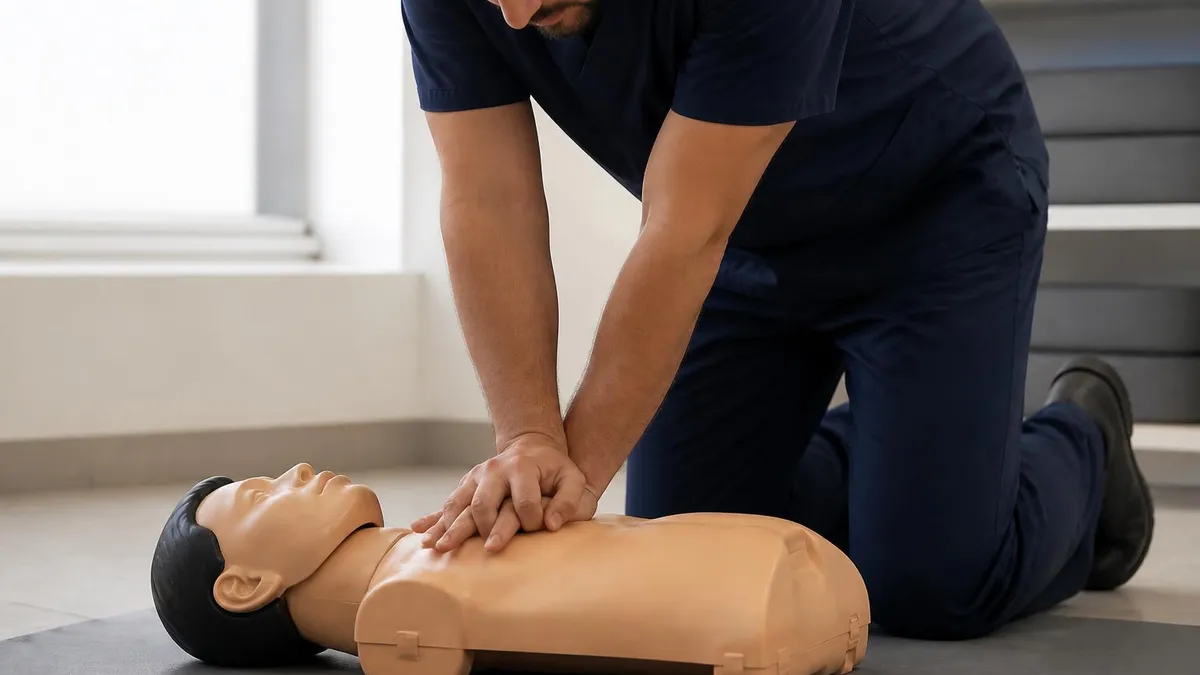
Extracorporeal CPR (ECPR): Complete Guide to Mechanical Circulatory Support During Cardiac Arrest in 2026
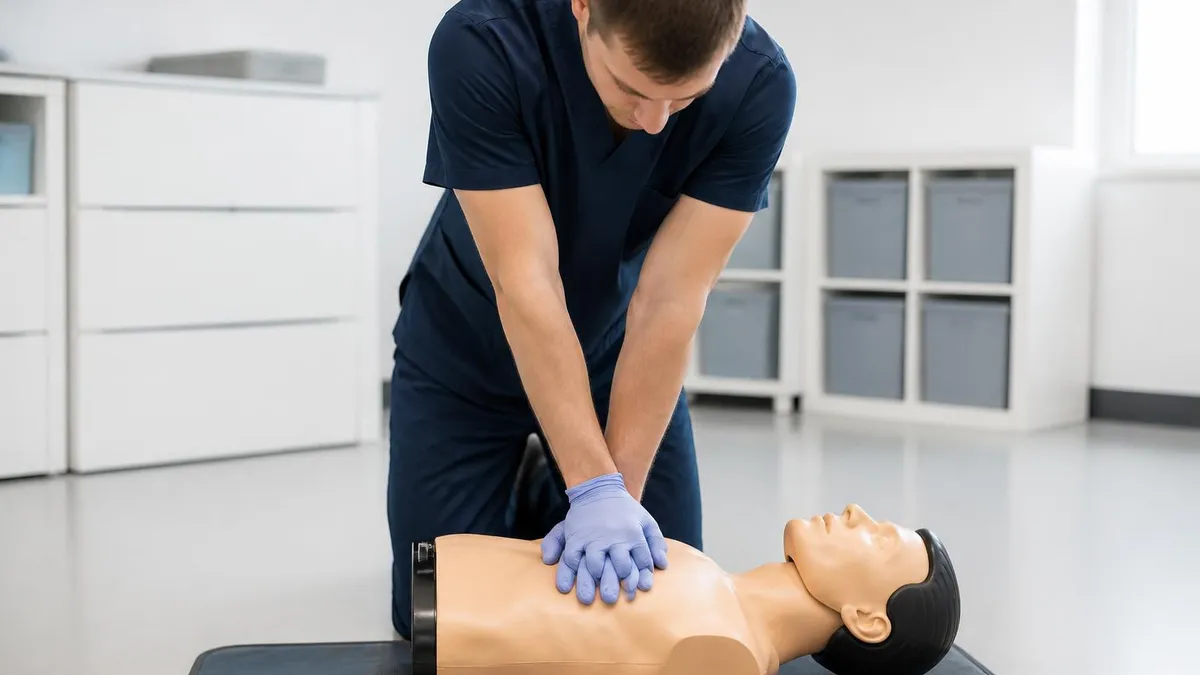
Free Online CPR Certification: Complete Guide to Legitimate Courses, Costs, and Workplace Acceptance in 2026
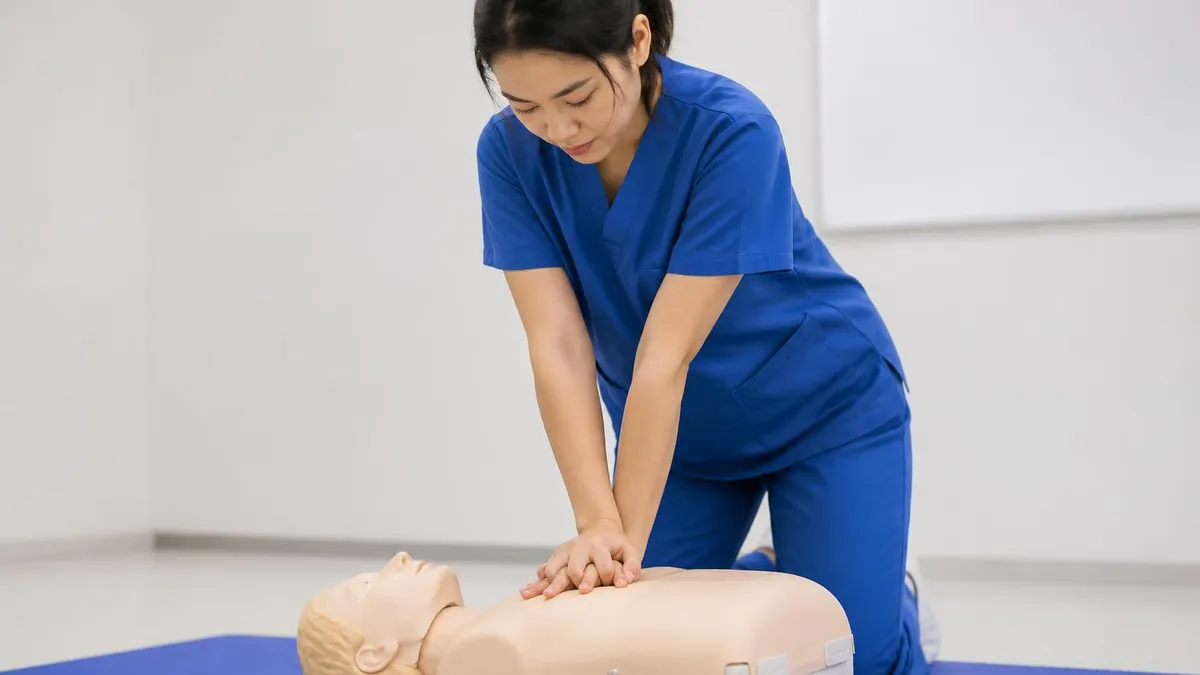
CPR Instructor Certification 2026: Complete Path to Teaching CPR
About the Author

Registered Nurse & Healthcare Educator
Johns Hopkins University School of NursingDr. Sarah Mitchell is a board-certified registered nurse with over 15 years of clinical and academic experience. She completed her PhD in Nursing Science at Johns Hopkins University and has taught NCLEX preparation and clinical skills courses for nursing students across the United States. Her research focuses on evidence-based exam preparation strategies for healthcare certification candidates.
Join the Discussion
Connect with other students preparing for this exam. Share tips, ask questions, and get advice from people who have been there.
View discussion (5 replies)