
CPR Chest Compressions: How Many Should Be Given and Why It Matters
How many chest compressions in CPR? Learn the ACLS algorithm, infant CPR rates, AED use & life support basics. ✅ Free practice tests included.

Understanding how many chest compressions should be given in CPR is one of the most critical pieces of knowledge any bystander, caregiver, or healthcare professional can possess. According to the American Heart Association, rescuers should deliver 100 to 120 chest compressions per minute during adult CPR, pressing down at least 2 inches but no more than 2.4 inches with each compression. This specific rate and depth are not arbitrary — they are determined by decades of resuscitation science and form the backbone of both basic life support and the advanced ACLS algorithm used in hospital settings nationwide.
When cardiac arrest occurs, the heart stops pumping oxygenated blood to the brain and vital organs. Every second without circulation increases the likelihood of irreversible brain damage and death. Effective chest compressions manually circulate blood by compressing the heart between the sternum and the spine, maintaining some degree of perfusion until a defibrillator or advanced life support team can restore normal rhythm. The quality of those compressions — rate, depth, recoil, and interruption time — directly determines whether a victim survives neurologically intact.
Many people confuse the compression-to-ventilation ratio with the overall compression rate. For adult CPR performed by a single rescuer, the standard ratio is 30 compressions followed by 2 rescue breaths. However, if you are untrained or unwilling to perform mouth-to-mouth ventilation, hands-only CPR with continuous compressions at 100 to 120 per minute is still highly effective and strongly recommended by the National CPR Foundation and major cardiac organizations. Bystander CPR of any kind dramatically improves survival odds compared to no action.
The ACLS algorithm extends these principles for advanced providers, incorporating vasopressors like epinephrine, antiarrhythmics, and airway management into a coordinated resuscitation effort. But even in a hospital code, the foundation remains the same: high-quality chest compressions with minimal interruptions. Studies consistently show that compression fraction — the percentage of cardiac arrest time during which compressions are actually being delivered — is a strong predictor of return of spontaneous circulation. Providers are trained to keep interruptions under 10 seconds whenever possible.
Compression technique matters just as much as rate and depth. Rescuers should place the heel of one hand on the center of the victim's chest, interlace the fingers of the second hand on top, and keep arms straight with shoulders directly above the hands. Locking the elbows and using body weight rather than arm strength reduces fatigue and maintains consistent depth throughout the resuscitation. Allowing full chest recoil between compressions is equally important — leaning on the chest prevents the heart from refilling with blood, undermining the entire purpose of the compression cycle.
For anyone studying for CPR certification, PALS certification, or an ACLS recertification exam, mastering the specifics of chest compression guidelines is non-negotiable. Exam questions frequently test compression rate, depth, ratio, and the differences across adult, child, and infant scenarios. Knowing that infant CPR uses two fingers or a two-thumb encircling technique with 1.5-inch depth, for example, distinguishes a passing score from a failing one. Familiarizing yourself with cpr chest compressions standards and how often certifications must be renewed is an essential first step before sitting any life support exam.
This article covers everything from the precise compression numbers mandated by current guidelines to the differences between adult, pediatric, and infant CPR protocols, the role of AEDs, recovery position, and how tools like the ACLS algorithm guide systematic resuscitation. Whether you are preparing for a certification exam, refreshing your skills as a healthcare provider, or simply want to be ready to act in an emergency, the information here will equip you with confident, evidence-based knowledge.
CPR Chest Compressions by the Numbers

Step-by-Step CPR: From Recognition to Compressions
Recognize Cardiac Arrest
Call 911 and Get an AED
Position Hands Correctly
Deliver 30 Compressions
Give 2 Rescue Breaths
Continue Until Help Arrives
The ACLS algorithm — Advanced Cardiovascular Life Support — represents the next tier of resuscitation beyond basic CPR, and it is built entirely on the foundation of high-quality chest compressions. Developed and regularly updated by the American Heart Association, the ACLS algorithm provides a structured decision tree for managing cardiac arrest, covering shockable rhythms like ventricular fibrillation and pulseless ventricular tachycardia, as well as non-shockable rhythms like pulseless electrical activity and asystole. Regardless of the rhythm, the algorithm mandates uninterrupted high-quality CPR as the constant thread running through every branch of treatment.
In a hospital or advanced prehospital setting, ACLS-trained providers work in coordinated teams to maximize compression quality while simultaneously managing the airway and preparing medications. One provider delivers compressions while another manages the bag-valve mask or advanced airway, and a third prepares epinephrine or amiodarone as indicated. Team dynamics and clear communication are integral to the ACLS curriculum because research shows that even a few seconds of confusion during a handoff causes compression pauses that reduce perfusion pressure and worsen outcomes.
The respiratory rate during CPR is another critical variable addressed in the ACLS algorithm. When an advanced airway — such as an endotracheal tube or supraglottic device — is in place, ventilations are delivered at a rate of 10 breaths per minute (one every 6 seconds) without pausing compressions. This asynchronous approach maintains continuous chest compression fraction while still providing adequate ventilation. Before an advanced airway is established, the 30:2 ratio with brief pauses for ventilation remains standard. Misunderstanding the respiratory rate protocols is a common source of errors on ACLS certification exams.
Epinephrine administration is another cornerstone of the ACLS algorithm. For non-shockable rhythms, epinephrine 1 mg IV/IO is given as soon as possible and repeated every 3 to 5 minutes. For shockable rhythms, it is administered after the second defibrillation attempt and continued at the same interval. Amiodarone or lidocaine may be considered for refractory ventricular fibrillation or pulseless ventricular tachycardia. All drug interventions, however, are adjuncts — they do not replace effective chest compressions. A well-oxygenated, well-perfused cardiac muscle is more likely to respond to defibrillation and pharmacotherapy.
PALS certification — Pediatric Advanced Life Support — applies analogous algorithmic thinking to infants and children. The pediatric ACLS algorithm differs from the adult version in several important ways: compression depth targets, energy doses for defibrillation based on weight, medication dosing scaled to kilograms, and an increased emphasis on respiratory causes of arrest (since pediatric cardiac arrest is more often preceded by respiratory failure than primary cardiac events). Healthcare professionals working in pediatric emergency medicine, the PICU, or neonatal care are typically required to maintain current PALS certification alongside their basic life support credentials.
Understanding how the ACLS algorithm integrates with hands-on CPR technique also clarifies why compression quality metrics have become increasingly important in modern resuscitation education. Many training centers now use manikins equipped with real-time feedback devices that measure rate, depth, and recoil, alerting learners when they deviate from guidelines. These feedback tools have been shown to significantly improve both skill acquisition and skill retention. Whether you are completing your first certification or renewing for the fifth time, practicing with feedback is far more effective than drilling without it.
For those preparing for certification exams, the overlap between ACLS algorithm knowledge and basic CPR mechanics is substantial. Questions on rate, depth, ratio, medication dosing, rhythm recognition, and post-cardiac arrest care appear across all levels of CPR and ACLS testing. Pairing thorough study of the guidelines with timed practice questions — like those found in our free quiz library — is the most reliable way to build both the confidence and the accuracy needed to pass on the first attempt and apply that knowledge effectively in real emergencies.
AED Use, Life Support Levels, and Recovery Position
AED stands for Automated External Defibrillator — a portable, battery-powered device designed to analyze the heart's electrical rhythm and deliver a therapeutic shock when a shockable rhythm such as ventricular fibrillation is detected. Modern AEDs are engineered for use by untrained bystanders, with clear visual and audio prompts guiding every step. When cardiac arrest is suspected, the AED should be retrieved and powered on immediately while CPR continues without interruption. The device's analysis phase requires that compressions be paused briefly, so minimizing that pause before and after the shock is critical to maintaining perfusion pressure in the victim's coronary arteries and brain.
AEDs are now widely available in airports, shopping centers, schools, gyms, and many workplaces, making public access defibrillation a realistic option for bystanders. After the shock is delivered, the AED will prompt the rescuer to immediately resume CPR and will re-analyze the rhythm in approximately 2 minutes. Studies show that for every minute defibrillation is delayed in ventricular fibrillation, survival rates drop by roughly 7 to 10 percent — making early AED use combined with continuous chest compressions the single most effective intervention available outside a hospital setting.

Hands-Only CPR vs. Conventional CPR with Rescue Breaths
- +Easier for untrained bystanders to perform correctly without hesitation
- +Eliminates concern about disease transmission through mouth-to-mouth contact
- +Maintains higher chest compression fraction by removing ventilation pauses
- +Strongly recommended by AHA for adult witnessed cardiac arrest in public settings
- +Studies show comparable short-term survival rates to conventional CPR in adults
- +Reduces bystander reluctance, increasing the overall rate of bystander CPR initiation
- −Provides no ventilation, making it less effective for respiratory-cause arrests
- −Not recommended for infant CPR or pediatric cardiac arrest, where oxygenation is critical
- −Blood oxygen levels decline over time, reducing effectiveness after the first few minutes
- −Less effective for drowning victims, drug overdose, or other hypoxic cardiac arrests
- −Not appropriate when the arrest was witnessed by a trained healthcare provider
- −Does not prepare responders for the full range of emergencies requiring airway management
CPR Quality Checklist: What to Verify Before, During, and After
- ✓Confirm the scene is safe before approaching the victim — do not put yourself at risk.
- ✓Check for responsiveness by tapping shoulders and shouting; look and listen for breathing.
- ✓Call 911 or direct a specific bystander to call and retrieve an AED immediately.
- ✓Position the victim on their back on a firm, flat surface before starting compressions.
- ✓Place heel of hand on the lower half of the sternum, not on the ribs or abdomen.
- ✓Maintain a compression rate of exactly 100 to 120 compressions per minute throughout.
- ✓Compress to a depth of at least 2 inches but no more than 2.4 inches for adults.
- ✓Allow full chest recoil after every compression — do not lean on the chest between compressions.
- ✓Limit all interruptions in chest compressions to less than 10 seconds.
- ✓Switch compressor roles every 2 minutes if a second rescuer is available to prevent fatigue-related depth decline.
Compression Fraction Is a Life-or-Death Metric
Research published in major resuscitation journals consistently shows that a chest compression fraction below 60% is associated with significantly worse survival outcomes. This means compressions should be actively delivered for at least 60% of the total cardiac arrest time — every unnecessary pause costs perfusion. Even a 10-second interruption for an ill-timed ventilation attempt or equipment check can drop mean arterial pressure to near zero, requiring 20 or more subsequent compressions to rebuild it. Train yourself to protect compression time as fiercely as any other resuscitation variable.
Infant CPR follows a distinct set of guidelines that differ substantially from adult and child protocols, and knowing these differences is essential for anyone pursuing PALS certification or working in a pediatric or neonatal clinical environment. For infants — defined as children under one year of age — the recommended compression rate remains 100 to 120 per minute, identical to the adult standard. However, the technique, depth, and ratio change significantly based on the infant's smaller anatomy and physiology. Compression depth for infants should be approximately 1.5 inches, or roughly one-third the anterior-posterior diameter of the chest.
The hand position for infant CPR also differs from the adult technique. A single rescuer uses two fingers placed just below the nipple line on the center of the chest. When two or more rescuers are present, the preferred technique is the two-thumb encircling method, in which both thumbs are placed side by side on the lower half of the sternum while the fingers wrap around the infant's back. This two-thumb technique generates higher peak systolic pressures and is strongly preferred in healthcare settings where a second rescuer is always available.
The compression-to-ventilation ratio also changes for infant and child CPR performed by healthcare providers trained in PALS. In the two-rescuer scenario, the ratio drops from 30:2 to 15:2, increasing the relative proportion of ventilations compared to adult CPR. This adjustment reflects the higher likelihood of respiratory etiology in pediatric cardiac arrests — hypoxia rather than primary arrhythmia is the more common precipitating factor in children, making adequate oxygenation proportionally more important than in adult resuscitation. Lay bystanders without PALS training use the 30:2 ratio for children of all ages.
The National CPR Foundation emphasizes that recognition of cardiac arrest in infants requires the same approach as in adults: tap the foot or shoulder, look for absence of normal breathing, and check for a brachial pulse (the preferred site for infants, as opposed to the carotid in adults). If no pulse is felt within 10 seconds, or if the pulse rate is below 60 beats per minute with signs of poor perfusion, chest compressions should begin immediately.
Waiting for certainty wastes critical minutes — the resuscitation guidelines explicitly accept the possibility of starting compressions on a victim whose heart is still beating but at a dangerously slow rate.
Pediatric AED use is another area where specifics matter. Standard adult AED pads and energy doses should not be used on infants or children under 8 years old or weighing less than 55 pounds. Pediatric attenuator pads, which reduce the delivered energy to a child-appropriate dose, should be used when available.
If a standard AED is the only device on hand and no pediatric option exists, it is still appropriate to use the standard pads on a child — the risk of using a potentially high-energy shock is outweighed by the near-certain death from untreated ventricular fibrillation. Modern AEDs increasingly include pediatric mode features that automatically adjust energy output based on pad type selection.
For PALS exam preparation, candidates should be thoroughly familiar with the pediatric cardiac arrest algorithm, the respiratory distress and failure recognition pathway, and the shock management sequence for unstable tachyarrhythmias and bradyarrhythmias. The PALS written exam tests both algorithm knowledge and the clinical reasoning behind dosing and intervention decisions. Combining systematic study of the PALS provider manual with timed practice quizzes helps candidates identify knowledge gaps before the exam and builds the processing speed needed to navigate complex scenario-based questions under time pressure.
Beyond formal certification, understanding infant CPR and pediatric resuscitation is increasingly valued in non-clinical settings. Parents, teachers, daycare workers, coaches, and camp counselors all benefit from pediatric-specific CPR training. Several organizations, including the National CPR Foundation, offer family and friends CPR programs that teach recognition and response for pediatric emergencies without the full rigor of a PALS provider course. These abbreviated programs still cover the essential rate, depth, and ratio differences that define infant and child CPR, giving community members the foundation to act confidently in a pediatric emergency before EMS arrives.

A common and deadly bystander mistake is to stop performing chest compressions while waiting for someone to retrieve an AED or for the device to power up. Every second without compressions allows perfusion pressure to drop toward zero. Continue uninterrupted compressions until the AED pads are physically being placed on the victim's chest — then pause only for the analysis and shock delivery itself. Immediately resume compressions after the shock. Do not wait to see if a pulse returns before restarting compressions.
Preparing for a CPR, BLS, ACLS, or PALS certification exam requires more than reading through the guidelines once. The exams are designed to test both declarative knowledge — facts, numbers, ratios — and procedural understanding — the reasoning behind protocols, the sequencing of interventions, and the ability to adapt to scenario variations. Candidates who study only the summary tables often struggle with the nuanced scenario questions that make up a substantial portion of modern certification exams. Building a comprehensive mental model of how and why each intervention works leads to more durable and flexible knowledge than memorizing isolated facts.
One highly effective study strategy is to work through practice questions under timed conditions from the earliest stages of preparation. Rather than saving practice tests for the end of your study plan, integrate them from the beginning to identify knowledge gaps early. For example, if you consistently miss questions about the respiratory rate during CPR with an advanced airway in place, you know to devote additional study time to ventilation protocols specifically. This targeted approach is far more efficient than re-reading entire chapters when only one or two specific concepts are causing errors.
Understanding the difference between a CPR certification and other credentials like ACLS or PALS is also important for exam candidates and healthcare professionals navigating credentialing requirements. Basic CPR and BLS certifications are typically required for all direct-care healthcare workers and are issued through organizations like the American Heart Association, American Red Cross, and the National CPR Foundation.
ACLS certification is additionally required for most emergency medicine, critical care, and anesthesia providers. PALS is required for those working in pediatric emergency departments, PICUs, or transport medicine. Each credential has its own renewal cycle and renewal format — check with your employer or licensing board for the specific requirements that apply to your role.
Many certification candidates also wonder about the validity and workplace acceptance of online CPR courses. The American Heart Association and most hospital systems require in-person skills verification as part of BLS and ACLS certification — online-only courses may satisfy the knowledge component but do not fulfill the skills testing requirement without a hands-on session.
Some platforms offer hybrid courses that combine online didactic content with an in-person skills check, which can be a time-efficient option for busy healthcare professionals seeking renewal. For workplace CPR certification — such as for childcare providers or fitness instructors — online courses may be acceptable depending on state regulations and employer policy.
The physical demands of prolonged CPR are underappreciated by many first-time certification candidates. Research has shown that even trained providers experience significant declines in compression depth after just 1 to 2 minutes of continuous compressions, as muscular fatigue sets in faster than perceived. This is the primary reason that switching compressors every 2 minutes is an explicit component of the ACLS algorithm and BLS team protocols.
During exam skills stations, evaluators specifically assess whether candidates call for a switcher at the 2-minute mark during simulated resuscitation scenarios. Knowing this requirement and building it into your practice sessions before the skills assessment is a simple way to earn points that candidates who only studied the written material often miss.
Feedback-enabled CPR training devices have transformed the quality of certification preparation over the past decade. Devices that measure compression rate, depth, and recoil in real time provide immediate corrective feedback that accelerates skill acquisition far more effectively than instructor observation alone. Many CPR training centers now incorporate these devices as standard equipment, and some AEDs include built-in CPR coaching features that provide real-time feedback during actual cardiac arrests. If your certification course offers feedback-device practice, take full advantage of every repetition — the muscle memory built with accurate feedback transfers directly to effective performance in an emergency.
Finally, it is worth emphasizing that certification is not the end goal — readiness is. The purpose of CPR training is to ensure that when someone collapses in front of you, you act immediately, correctly, and confidently without freezing or second-guessing. Regular refreshers, skills practice between certification cycles, and familiarity with the AEDs in your home, workplace, and community all contribute to genuine readiness.
Review the current AHA guidelines periodically, especially after major guideline updates (which occur approximately every 5 years), and do not wait until your certification expires to revisit the material. Building and maintaining a high level of CPR competence is an ongoing commitment, not a box to check once every two years.
One question that comes up frequently among both lay rescuers and certification candidates is whether CPR guidelines differ for victims who are pregnant. The answer is yes, with important modifications. Pregnant patients beyond approximately 20 weeks of gestation have an enlarged uterus that compresses the inferior vena cava when lying flat, reducing venous return to the heart and impairing the effectiveness of chest compressions.
To counteract this, a manual left uterine displacement technique — using one hand to push the uterus to the left — is performed continuously during CPR while maintaining the supine position. Simply tilting the patient on a wedge is no longer recommended, as it compromises compression quality and stability.
The compression rate, depth, and ratio for pregnant victims follow the same adult guidelines — 100 to 120 per minute, at least 2 inches deep, in a 30:2 ratio. The primary modifications are the uterine displacement technique and the higher priority placed on calling for an obstetric team and considering perimortem cesarean delivery if resuscitation is unsuccessful after 4 minutes. Perimortem cesarean has been shown to improve maternal resuscitation success by relieving aortocaval compression and reducing oxygen demand. This is a hospital-level intervention, but awareness of its existence and rationale is tested in ACLS courses that include obstetric emergency content.
For those whose certification pathway includes the American Heart Association's Heartsaver program — commonly pursued by teachers, coaches, and community members rather than healthcare professionals — the curriculum is less detailed than BLS or ACLS but still covers the essential compression mechanics. Heartsaver CPR AED courses teach adult and child CPR, infant CPR basics, AED use, and relief of choking, providing a comprehensive foundation for non-clinical responders. The National CPR Foundation offers a comparable community-level curriculum and frequently partners with employers and organizations to deliver group training sessions at reduced cost.
Another practical tip for exam success and real-world readiness is to practice calling the rhythm of compressions aloud. When performing CPR, counting out loud — "one, two, three...twenty-eight, twenty-nine, thirty" — serves two purposes: it maintains your pace at the correct rate and communicates to team members where you are in the compression cycle so they can time ventilations precisely.
Many candidates who are comfortable performing compressions silently during practice freeze or lose count during the stress of a skills station when an evaluator is watching. Incorporating verbal counting as a default habit during all practice sessions eliminates this as a source of error in high-stakes moments.
Post-cardiac arrest care is a component of the ACLS algorithm that extends beyond the resuscitation itself and is frequently tested on ACLS written exams. After return of spontaneous circulation is achieved, providers must manage targeted temperature management (also called therapeutic hypothermia), hemodynamic optimization, coronary angiography when appropriate, and neuroprognostication.
These post-resuscitation interventions have been shown to significantly improve neurological outcomes in survivors of out-of-hospital cardiac arrest, and a well-organized post-cardiac arrest care protocol is as important as the resuscitation itself. Understanding the goals of targeted temperature management — maintaining core body temperature between 32 and 36 degrees Celsius for 24 hours — and the contraindications to its use is tested content in ACLS provider courses.
For anyone interested in deepening their understanding of resuscitation beyond basic certification, the Resuscitation Academy and similar advanced training programs offer intensive workshops on high-performance CPR, dispatcher-assisted CPR, and community-wide cardiac arrest survival programs. These programs teach the systems-level thinking needed to improve cardiac arrest outcomes not just for individual victims but across entire communities. The science of CPR is evolving rapidly, with ongoing research into compression-only CPR, feedback technology, machine learning-assisted rhythm recognition, and extracorporeal life support expanding the boundaries of what is possible in resuscitation medicine.
Whether your goal is passing a certification exam, responding confidently in a community emergency, or delivering expert resuscitation as a healthcare professional, the principles are the same: learn the guidelines thoroughly, practice the skills to physical competence, and commit to ongoing education. The 100 to 120 compressions per minute that define effective CPR are not just a number to memorize — they represent the rhythm that can keep a human being alive long enough for definitive treatment to save them. That knowledge, practiced and ready, is one of the most valuable things any person can carry.
CPR Questions and Answers
How Long Does CPR Certification Last? 2026 Renewal Guide

CPR Certification License Number: Complete Guide to ACLS Algorithm, Credentials, and Certification Logistics
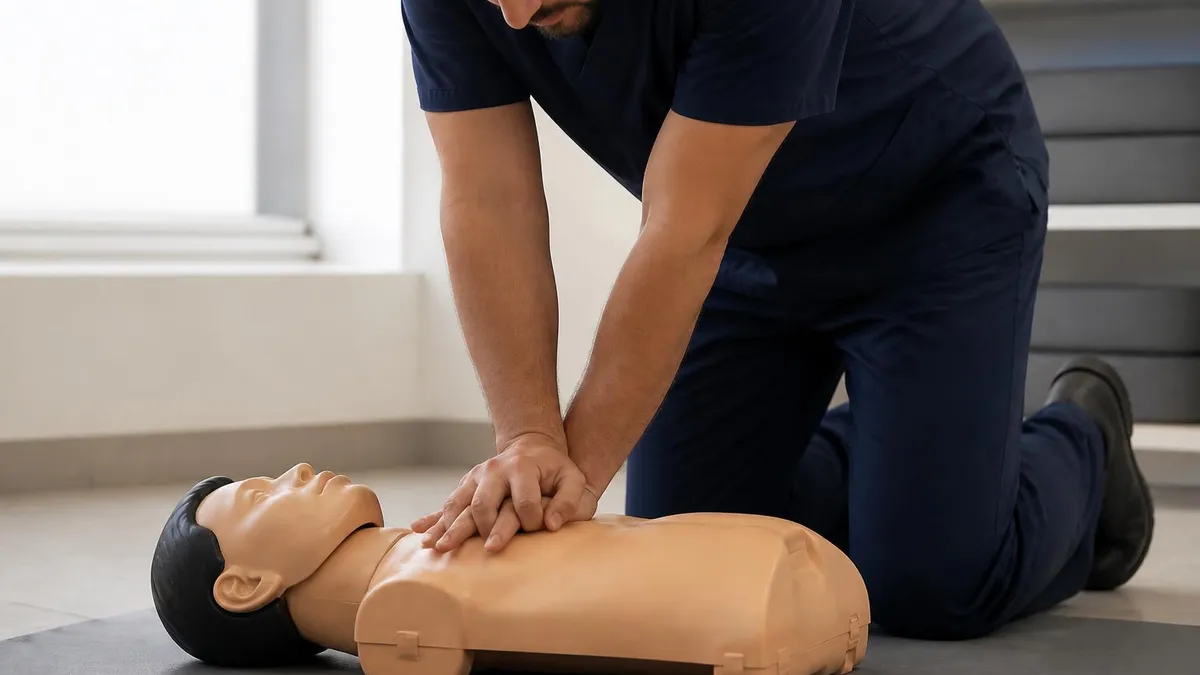
Extracorporeal CPR (ECPR): Complete Guide to Mechanical Circulatory Support During Cardiac Arrest in 2026
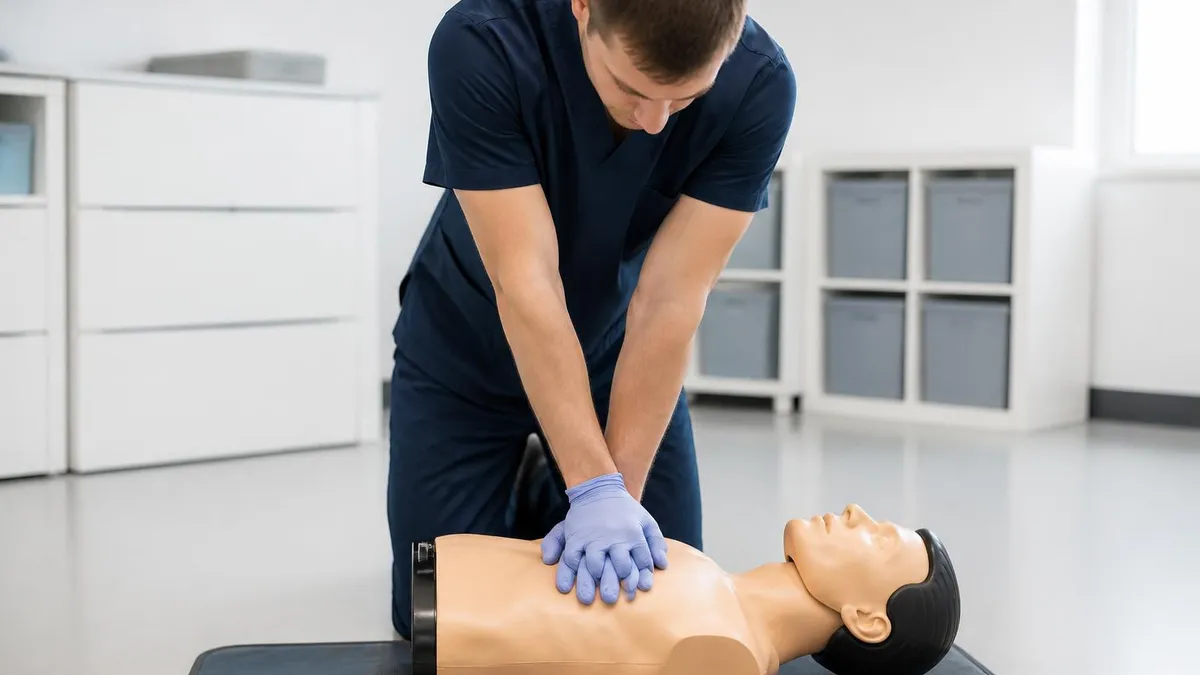
Free Online CPR Certification: Complete Guide to Legitimate Courses, Costs, and Workplace Acceptance in 2026
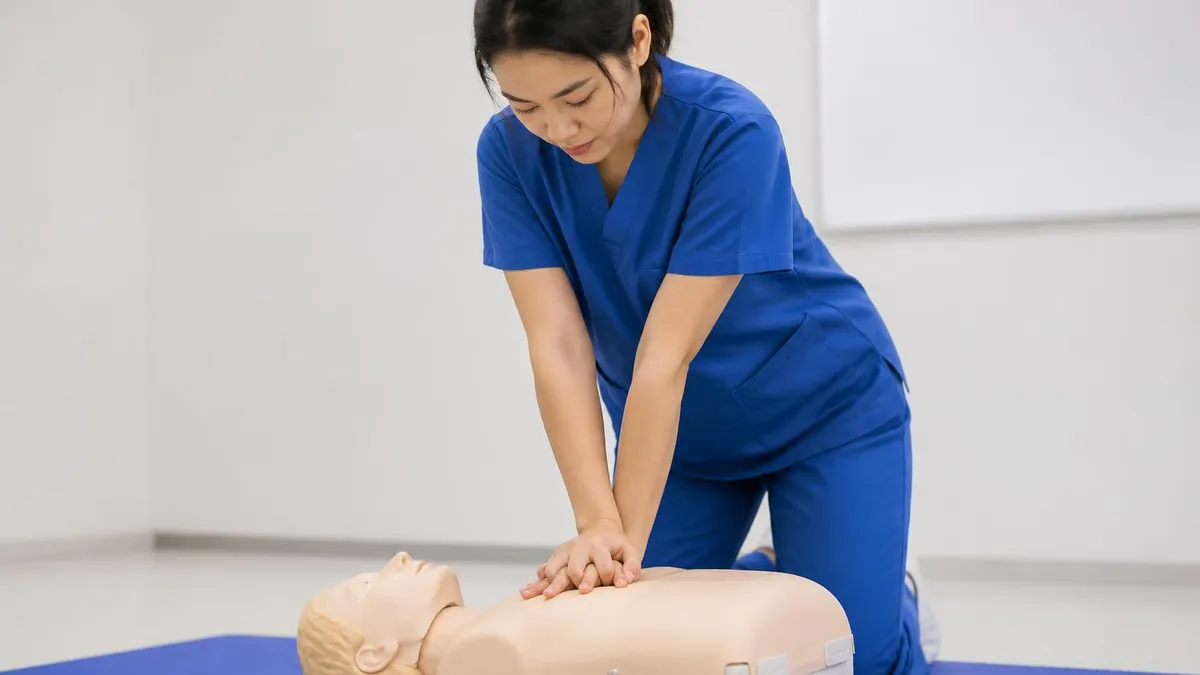
CPR Instructor Certification 2026: Complete Path to Teaching CPR
About the Author

Registered Nurse & Healthcare Educator
Johns Hopkins University School of NursingDr. Sarah Mitchell is a board-certified registered nurse with over 15 years of clinical and academic experience. She completed her PhD in Nursing Science at Johns Hopkins University and has taught NCLEX preparation and clinical skills courses for nursing students across the United States. Her research focuses on evidence-based exam preparation strategies for healthcare certification candidates.
Join the Discussion
Connect with other students preparing for this exam. Share tips, ask questions, and get advice from people who have been there.
View discussion (5 replies)