
Become a CPR Instructor in 2026 October: Complete Certification, Cost, and Career Guide
Become a CPR instructor in 2026 October: requirements, costs, ACLS algorithm prep, AHA vs Red Cross paths, salary data, and step-by-step certification roadmap. 📝
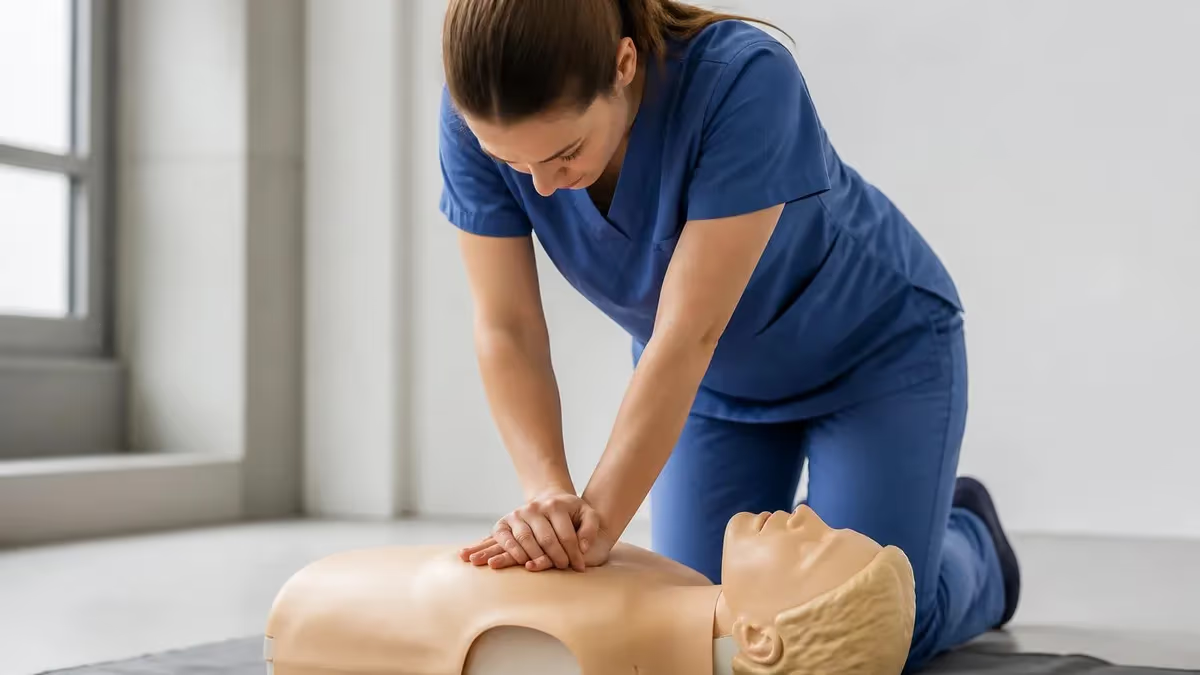
If you want to become a CPR instructor in 2026, you are entering a profession that pairs clinical competence with classroom leadership, and the path is more structured than most people expect. Instructors teach lay rescuers, healthcare providers, and corporate teams the skills that determine whether a cardiac arrest victim survives the next ten minutes. Before you sign up for a course, it helps to understand which credential issuer suits your goals, how the acls algorithm and BLS skill stations are evaluated, and what a typical year of teaching actually looks like financially and logistically.
The American Heart Association (AHA), American Red Cross, Health and Safety Institute (HSI), and the leather cpr ecosystem of provider-level programs each have their own instructor pipelines. AHA dominates hospital contracts and requires a current provider card plus an Instructor Essentials course aligned to a specific discipline (BLS, Heartsaver, ACLS, or PALS). Red Cross instructors teach community audiences through a more flexible online-blended model. Knowing which audience you want to serve drives every decision that follows, including which manikins, AED trainers, and video lessons you'll buy.
Eligibility is straightforward but not trivial. You must hold a current provider-level certification in the discipline you intend to teach, be at least 18 years old in most states, and align with a Training Center (TC) that sponsors your monitoring session. Healthcare licensure is not required for Heartsaver or community CPR instruction, but ACLS and PALS instructors typically need an active clinical license because the content includes pharmacology, rhythm interpretation, and post-arrest care decisions far beyond lay rescuer scope.
The financial picture is reasonable for a side career. New instructors usually invest $400 to $900 in initial training, manikins, and faculty fees, then recover that cost within four to six classes. Per-student pricing ranges from $35 for community CPR to $225 for ACLS renewal, and most working instructors run two to four classes per month. The flexibility appeals to nurses, paramedics, firefighters, and physical therapists who want supplemental income that fits around shift work.
This guide walks through every step in order: choosing your discipline, completing Instructor Essentials, finding a Training Center, passing the monitored teach, ordering equipment, marketing your classes, and renewing every two years. We'll cover infant CPR considerations, AED protocols, respiratory rate assessment during instruction, and how to handle the recovery position teaching station so students leave class confident. You'll also see realistic salary numbers, common career pivots, and the mistakes that derail new instructors in their first six months.
By the end you'll have a concrete plan with timelines, dollar figures, and a checklist of the exact paperwork your TC will request. If you already teach informally at work, this is the framework to formalize that experience and start billing properly. If you are starting fresh, the roadmap below assumes zero prior teaching experience and builds you up to a fully credentialed, insured, and bookable instructor within roughly eight to twelve weeks.
CPR Instructor Career by the Numbers
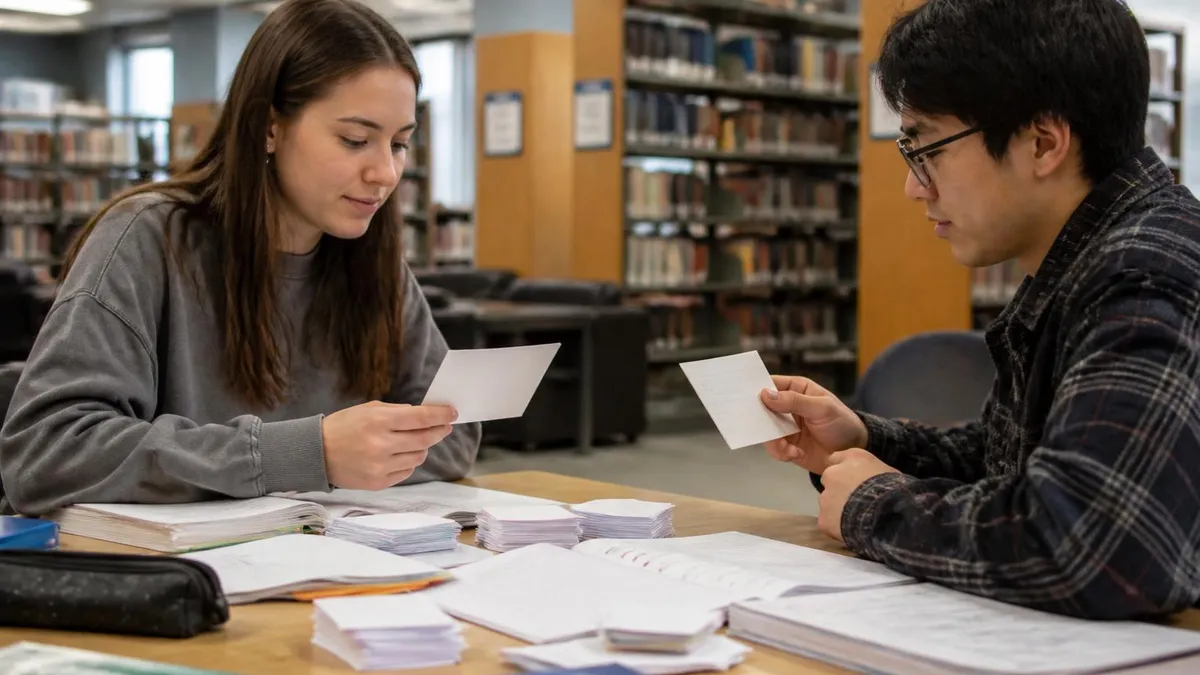
Your Path to Becoming a CPR Instructor
Earn a Current Provider Card
Align With a Training Center
Complete Instructor Essentials
Pass Your Monitored Teach
Receive Instructor Card
Build Your Class Schedule
Eligibility begins with your provider-level credential, and this is where most aspiring instructors stumble. You cannot teach BLS if your BLS card expired last month, and you cannot teach ACLS unless you hold a current ACLS provider card plus, in most states, an active clinical license. The national cpr foundation and similar online-only issuers are not accepted as instructor prerequisites by AHA-aligned Training Centers, so verify the issuer's recognition status with your TC before paying any course fees.
Age and identification requirements are uniform across major issuers. You must be 18 or older, present government-issued ID at the monitored teach, and provide proof of any clinical license required by your discipline. Some states add fingerprinting or background checks for instructors who will teach in school districts, daycares, or correctional facilities. If you plan to teach pediatric audiences, your TC may also require a current child abuse reporter training certificate, which is typically free and takes under two hours.
Beyond paperwork, you need legitimate fluency in the skills you will teach. That means clean two-rescuer BLS choreography, accurate compression depth and rate, confident bag-mask ventilation, and the ability to demonstrate AED pad placement on adult, child, and infant manikins without hesitation. If you stumble on the basics during your monitored teach, the TCF will halt the session and ask you to remediate before recertifying. Practice with a peer for at least four hours before your first observation.
Teaching experience helps but is not required. Many strong instructors come from clinical backgrounds where they have never formally taught a class. The Instructor Essentials course is designed for this audience and walks you through lesson maps, video timing, station rotation, and debriefing scripts. If you have prior teaching experience in any field, you'll find the pedagogy familiar and can focus your prep on the discipline-specific content rather than classroom management techniques.
Equipment expectations vary by TC. Some Training Centers loan manikins and AED trainers to new instructors, especially for the first year. Others require you to own your equipment before being issued a card. A starter kit for BLS instruction includes four adult manikins, two infant manikins, an AED trainer, lung bags, face shields, and a video device. Expect to spend $1,200 to $2,800 on a complete starter set if your TC does not provide loaner equipment.
Insurance is the final eligibility consideration and the one new instructors most often overlook. General liability and professional liability policies for CPR instructors cost $200 to $450 annually through providers like HPSO or CM&F. Many TCs require proof of coverage before issuing your instructor card, and any venue contract with a corporation or school district will demand a certificate of insurance naming them as additional insured. Buy the policy before your monitored teach so the certificate is ready when needed.
If you intend to work with hospital systems or contract through staffing agencies, also check whether they require an FBI fingerprint card, a current TB test, or annual competencies. These take weeks to process, so initiate them in parallel with your Instructor Essentials enrollment rather than waiting until your card arrives.
CPR Practice Test Questions
Prepare for the CPR Cardiopulmonary Resuscitation Practice exam with our free practice test modules. Each quiz covers key topics to help you pass on your first try.
CPR Basic CPR
CPR Exam Questions covering Basic CPR. Master CPR Test concepts for certification prep.
CPR and First Aid
Free CPR Practice Test featuring and First Aid. Improve your CPR Exam score with mock test prep.
CPR (Cardiopulmonary Resuscitation) Adult ...
CPR Mock Exam on (Cardiopulmonary Resuscitation) Adult CPR and AED Usage. CPR Study Guide questions to pass on your first try.
CPR (Cardiopulmonary Resuscitation) Airway...
CPR Test Prep for (Cardiopulmonary Resuscitation) Airway Obstruction and Choking. Practice CPR Quiz questions and boost your score.
CPR (Cardiopulmonary Resuscitation) Cardio...
CPR Questions and Answers on (Cardiopulmonary Resuscitation) Cardiopulmonary Emergency Recognition. Free CPR practice for exam readiness.
CPR (Cardiopulmonary Resuscitation) Child ...
CPR Mock Test covering (Cardiopulmonary Resuscitation) Child and Infant CPR. Online CPR Test practice with instant feedback.
CPR (Cardiopulmonary Resuscitation) High-P...
Free CPR Quiz on (Cardiopulmonary Resuscitation) High-Performance Team Dynamics. CPR Exam prep questions with detailed explanations.
CPR (Cardiopulmonary Resuscitation) Legal ...
CPR Practice Questions for (Cardiopulmonary Resuscitation) Legal and Ethical Considerations. Build confidence for your CPR certification exam.
CPR for Specific Populations
CPR Test Online for for Specific Populations. Free practice with instant results and feedback.
CPR Airway & Breathing Management
CPR Exam Questions covering Airway & Breathing Management. Master CPR Test concepts for certification prep.
CPR Assessment & Recognition of Cardiac Ar...
Free CPR Practice Test featuring Assessment & Recognition of Cardiac Arrest. Improve your CPR Exam score with mock test prep.
CPR Chest Compressions & Defibrillation
CPR Mock Exam on Chest Compressions & Defibrillation. CPR Study Guide questions to pass on your first try.
CPR Post-Resuscitation Care & Recovery
CPR Test Prep for Post-Resuscitation Care & Recovery. Practice CPR Quiz questions and boost your score.
AHA vs Red Cross vs HSI: Which Instructor Path Fits You
The American Heart Association is the gold standard for healthcare settings. AHA instructor cards are required by virtually every U.S. hospital, nursing school, and EMS agency. The discipline ladder runs Heartsaver, BLS, ACLS, PALS, and PEARS, and you must hold a current provider card in each discipline you teach. The acls algorithm content is rigorous and demands clinical fluency in rhythm interpretation, pharmacology, and post-arrest care that goes well beyond basic life support.
AHA instructors align with a Training Center that handles eCard issuance, faculty oversight, and roster submission. TCs typically charge instructors $35 to $60 per student eCard, which you mark up to your class fee. The structure offers credibility and steady demand, but it also locks you into one TC's policies, pricing, and quality assurance audits. Expect annual updates, periodic monitoring, and required minimum class counts to maintain alignment.

Is Becoming a CPR Instructor Worth It?
- +Flexible schedule that fits around clinical shifts or a primary job
- +Strong recurring revenue from corporate contracts and renewals
- +Low overhead once initial equipment is purchased
- +Meaningful work that directly improves community survival rates
- +Networking access to hospitals, schools, and safety officers
- +Tax-deductible equipment, mileage, and continuing education expenses
- +Pathway to higher-paid disciplines like ACLS and PALS instruction
- −Initial $1,500 to $3,000 investment in equipment and training
- −Manikin cleaning, transport, and storage logistics are real work
- −Marketing yourself is essential and not taught in Instructor Essentials
- −Insurance and liability concerns require active management
- −Renewal requirements include minimum class counts every two years
- −Income is inconsistent unless you secure corporate or hospital contracts
Pre-Course Checklist Before Instructor Essentials
- ✓Verify your provider-level card is current and within the issuer's accepted timeframe
- ✓Contact two or three Training Centers in your area and confirm sponsorship availability
- ✓Review the latest ILCOR guidelines and your discipline's lesson maps before class
- ✓Complete any prerequisite online modules at least 72 hours before in-person session
- ✓Purchase or borrow a starter manikin set so you can practice station setup at home
- ✓Obtain general and professional liability insurance with a $1M aggregate minimum
- ✓Print or download the official skills testing checklists for each station you'll teach
- ✓Confirm your TB test, background check, and any state-specific clearances are current
- ✓Set up a simple business entity (LLC or sole prop) and an EIN before billing clients
- ✓Open a separate business bank account to track instructor income and expenses cleanly
Your Monitored Teach is a Performance, Not an Exam
The Training Center Faculty observer is not looking for perfection. They want to see that you follow the lesson map, manage time, give specific corrective feedback, and remediate students who fail a skills check. Candidates who fail typically do so by skipping video segments, allowing compressions outside the 100-120 per minute range without correction, or rushing students through the AED station. Slow down, stick to the script, and you will pass.
The economics of CPR instruction are favorable for anyone willing to market themselves and run a tight operation. A typical community BLS class with eight students billed at $75 each generates $600 in gross revenue. Your variable costs are roughly $40 per student in eCards and consumables, leaving about $280 in profit for a four-hour class. Run two classes a week and you've built a $25,000 per year side income with minimal overhead beyond your initial equipment investment.
Healthcare contracts pay better and book more reliably. Hospitals and skilled nursing facilities often pay $1,200 to $2,400 per on-site BLS class for groups of 12, with the facility supplying space and refreshments. Once you land two or three facility contracts on a quarterly renewal cycle, your annual revenue from those alone can exceed $40,000. The cpr index of demand has trended upward every year since 2020 as hospitals expand competency requirements and reshore training from large national vendors to local instructors.
ACLS and PALS instruction roughly doubles your hourly rate. ACLS renewal classes priced at $225 per student with six students yield $1,350 per class, and the curriculum runs five to six hours. The acls algorithm content does require ongoing study to keep current, but most ACLS instructors find the higher revenue more than compensates for the prep time. Adding PALS or PEARS to your instructor portfolio opens pediatric clinical contracts that pay similar premiums.
Specialty markets pay even better. Corporate executive training, film set medical standby contracts, oil and gas remote site training, and maritime crew certification command $150 to $300 per student. These contracts usually require additional credentials like Wilderness First Responder or Maritime Medical Care, and they often involve travel, but the per-day revenue can hit $2,000 or more. Some experienced instructors transition into respiratory arrest response training for hospital code teams, blending instruction with clinical consulting.
The fastest path to profitability is securing a recurring corporate or healthcare contract within your first 90 days. Identify three to five target accounts: a daycare chain, a construction firm, a dental group, a fitness studio chain, and a regional staffing agency. Send a one-page proposal with pricing, your insurance certificate, and three professional references. One out of five typically converts. After your first contract renews, you have a case study to use in pitches to the next round of prospects.
Don't ignore the renewal market. Every student you certify owes you another class in two years, and most will stay with the same instructor if you remind them. Build a simple spreadsheet or CRM with expiration dates and send a renewal email 60 days before each card expires. Instructors who diligently manage renewal lists report that 60 to 75 percent of past students rebook with them, which dramatically reduces marketing costs over time.
Track every expense from day one. Manikin replacements, AED trainer batteries, eCard purchases, vehicle mileage to class sites, professional development courses, and marketing all reduce your tax liability. Many instructors operating as sole proprietors deduct $4,000 to $7,000 annually in legitimate business expenses, and an LLC structure can additionally protect personal assets if a liability claim ever arises.
AHA Training Centers require class rosters within 20 days of every course. Late rosters can invalidate student eCards, trigger TC audits, and put your instructor alignment at risk. Set a recurring reminder for the day after every class you teach, and submit rosters before you leave the venue when possible. Repeat offenders lose their instructor status.
Effective instruction is a skill that compounds over time. New instructors tend to over-lecture and under-coach, talking through video segments instead of letting the curriculum do the heavy lifting. The AHA and Red Cross video-based methodology was specifically designed so that even brand-new instructors can produce consistent outcomes by following the lesson map exactly. Trust the videos, focus your energy on observing compressions, and provide specific corrective feedback during the practice-while-watching segments.
Skills evaluation is where your judgment matters most. The official checklists for adult, child, and infant CPR define what passing looks like, but real students will surprise you. Some will have textbook compressions but freeze on the AED. Others will deliver perfect bag-mask ventilation but forget to call for help. Score against the checklist literally, remediate the specific gap, and re-test only that skill rather than re-running the whole sequence. Document everything because some employers audit your rosters.
Pace and time management separate good instructors from great ones. A standard BLS Provider class runs 4 hours and 15 minutes including breaks. If you fall behind by station three, you'll be tempted to shorten station four, which is exactly where most evaluations focus on respiratory rate, pulse check timing, and AED pad placement. Keep a visible class clock, build buffer into the early stations, and never sacrifice the testing stations to recover lost time elsewhere.
Adult learners need relevance. A nurse renewing BLS for the fifth time will tune out if you treat the class like a first-timer's experience. A daycare worker has never heard of pulseless electrical activity and needs the content framed around children. Read the room in the first ten minutes, adjust your examples accordingly, and reference scenarios your students will actually encounter. The same skills look different in a daycare versus a cardiac catheterization lab, and your storytelling should reflect that. Even cpr songs like Stayin' Alive work for community classes but feel patronizing in a hospital setting.
Renewal happens every two years. AHA instructors must teach a minimum of four classes (two for some disciplines), complete an update course aligned to the current ILCOR guidelines, and remain in good standing with their Training Center. Red Cross requires similar teaching minimums plus an instructor refresher. Mark your renewal deadline 90 days early and book the update course before the rush in the final 30 days when seats fill up and prices may increase.
Continuing professional development pays off. Add a second discipline once your first is humming. Many BLS instructors add Heartsaver within their first year because it opens daycare, fitness, and corporate contracts without requiring clinical licensure. From Heartsaver and BLS, the natural next step is ACLS or PALS for instructors with clinical backgrounds. Each added discipline expands your bookable hours and your hourly rate.
Finally, build a peer network. Join local instructor groups, attend regional faculty updates, and follow the AHA Instructor Network forums. Other instructors share venue leads, equipment deals, marketing tactics, and lesson refinements that no manual will ever capture. The instructors who plateau usually work in isolation; the ones who keep growing surround themselves with peers who challenge their practice.
Practical setup matters as much as the curriculum. Arrive at every class 45 minutes early to inspect manikins, test the AED trainer, lay out face shields, queue the video, and verify the projector or monitor is working. A class that starts ten minutes late because of equipment problems sets a tone that's hard to recover. Keep a pre-class checklist taped inside your equipment case and run it every single time, regardless of how many classes you've taught.
Manikin hygiene is non-negotiable and increasingly scrutinized by clients. Use single-use lung bags, individual face shields for each student, and clean manikin faces between practice attempts with EPA-registered hospital-grade disinfectant. After class, full disassembly and reassembly takes about 20 minutes per six manikins. Build that time into your billing, document your cleaning protocol, and be ready to show it to any healthcare facility that requests it. Some hospitals now audit this in writing.
Student comfort drives outcomes. Adults learn better when the room temperature sits between 68 and 72 degrees, when seating allows clear sightlines to both the screen and the instructor, and when breaks land every 75 to 90 minutes. If you're teaching in a venue you don't control, ask about thermostat access, water availability, and bathroom locations before students arrive. Small logistical wins compound into better evaluations, more referrals, and higher repeat booking rates.
Feedback should be specific, behavioral, and immediate. Instead of saying "good job," say "your compression depth was right at 2.2 inches and your rate stayed at 112 per minute." Instead of "that wasn't quite right," say "you placed the AED pad too far inboard on the chest, slide it about two inches toward the shoulder." Specific feedback builds skill faster and demonstrates your competence to anyone observing, including the corporate decision-maker who hired you.
Handle anxious students deliberately. A surprising number of healthcare workers carry trauma from real codes they've worked, and a manikin scenario can trigger genuine distress. Watch for shaking hands, flushed faces, or sudden quietness, and offer a private moment outside the room if needed. Never call attention to it publicly, never grade the student down for needing a pause, and follow up at the end of class. Your reputation in healthcare communities depends on these moments more than on perfect lesson delivery.
Document, document, document. Keep digital copies of every roster, every skills sheet, every email confirming class details, and every certificate of insurance you've sent to a venue. If a student later disputes a card or a venue claims you didn't appear, your records are your protection. Cloud storage with two-factor authentication is cheap insurance against the day a TC, attorney, or client asks you to produce evidence from a class you taught 18 months ago.
Plan your second year before your first year ends. Identify which disciplines you'll add, which markets you'll target, and what equipment upgrades you'll fund from year-one profits. Instructors who treat the work as a real business outpace those who treat it as a hobby by a factor of three to five within five years. The credential is just the starting line; the business you build around it determines whether you stay an occasional weekend instructor or grow into a regional training operation.
CPR Questions and Answers
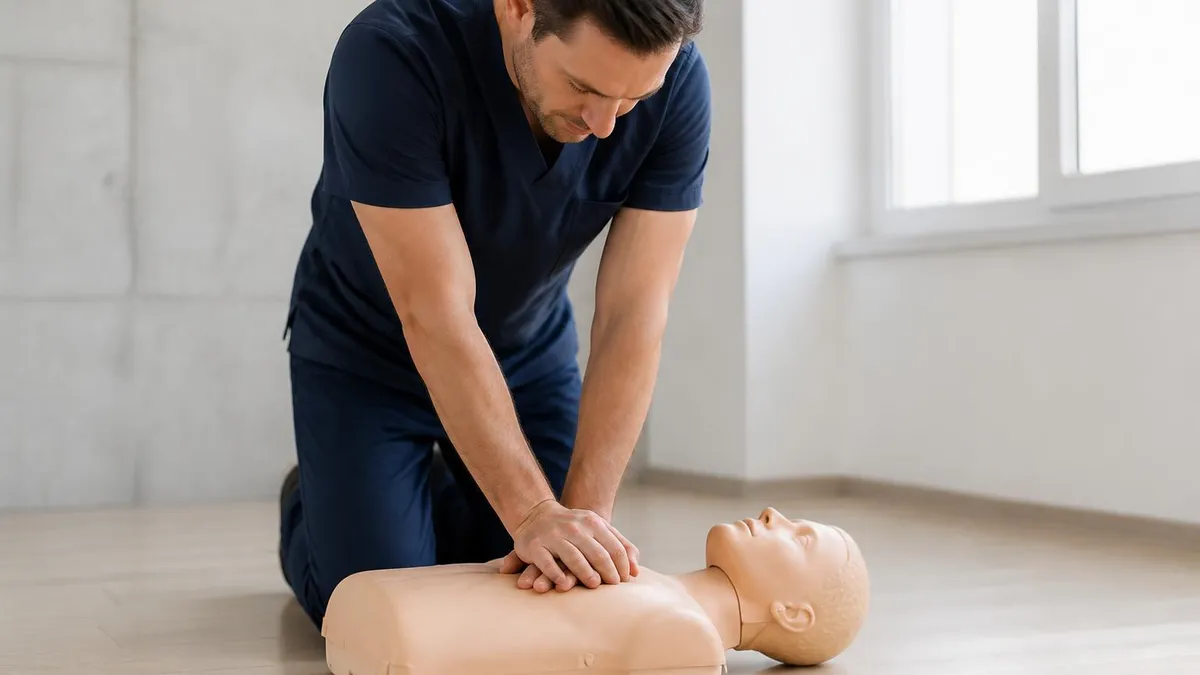
CPR vs BLS: Complete Comparison Guide for 2026 — Which Certification Do You Need?
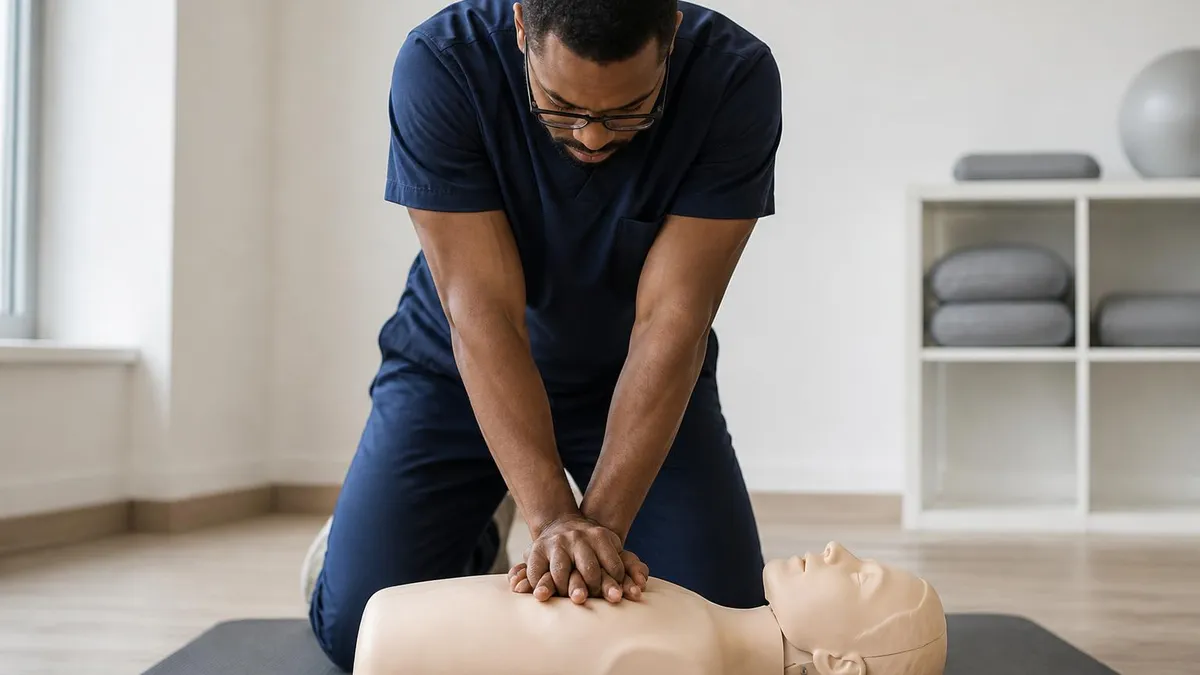
CPR Card Lookup: How to Verify, Replace, and Access Your CPR Certification in 2026
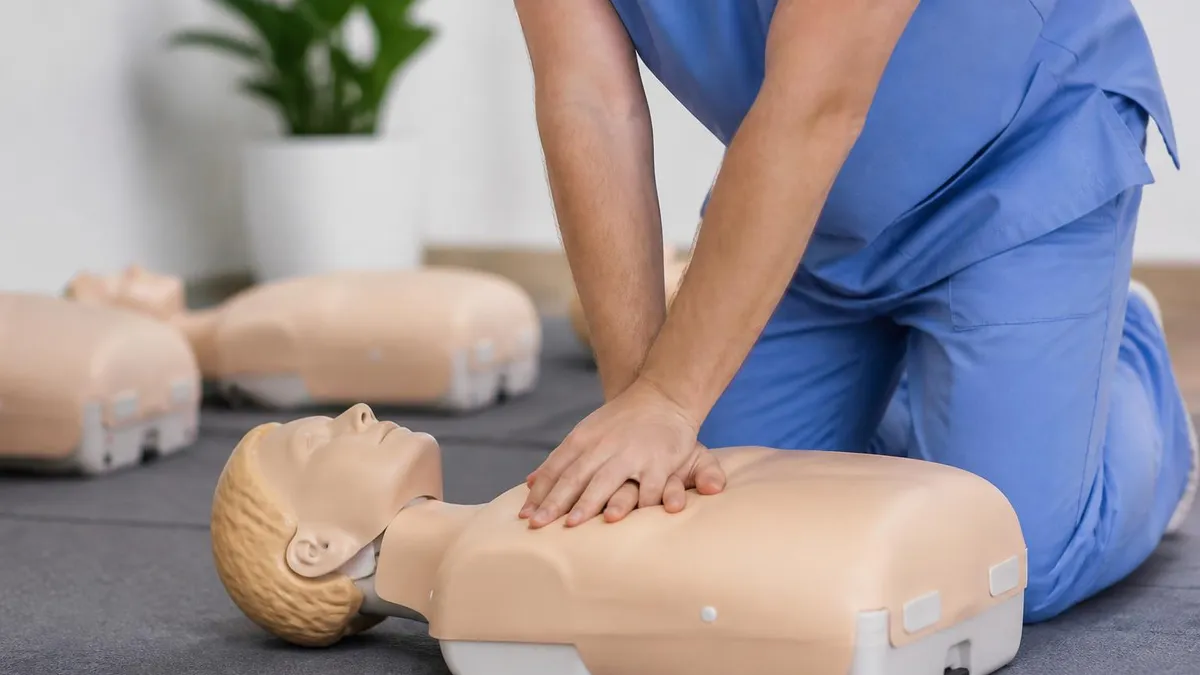
AHA CPR: What It Is, Which Course You Need, and How to Get Certified
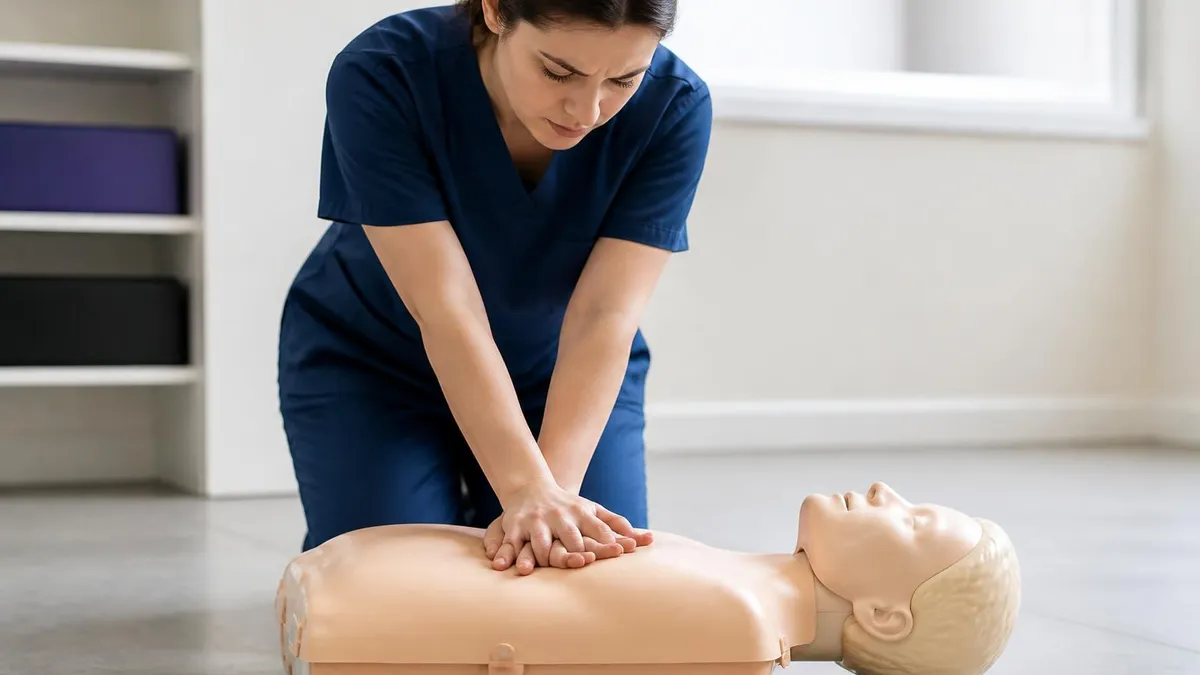
CPR Instructor Jobs 2026: How to Become a Certified Instructor, Salary Expectations, and Career Pathways
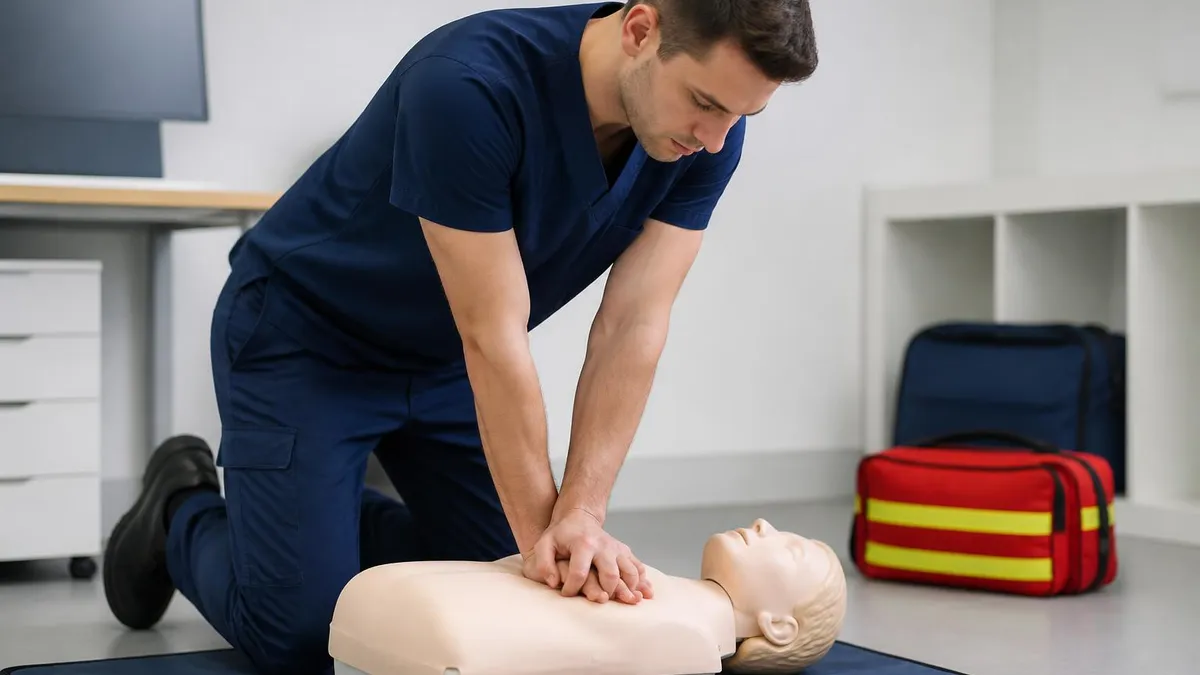
Adult CPR: Complete Step-by-Step Guide to Hands-Only and Standard CPR in 2026
About the Author

Registered Nurse & Healthcare Educator
Johns Hopkins University School of NursingDr. Sarah Mitchell is a board-certified registered nurse with over 15 years of clinical and academic experience. She completed her PhD in Nursing Science at Johns Hopkins University and has taught NCLEX preparation and clinical skills courses for nursing students across the United States. Her research focuses on evidence-based exam preparation strategies for healthcare certification candidates.
Join the Discussion
Connect with other students preparing for this exam. Share tips, ask questions, and get advice from people who have been there.
View discussion (5 replies)