
Wound Care Course: Everything You Need to Know to Start Your Career
Explore wound care courses, certification paths, wound care products, dressings, and specialist roles. 🎯 Everything you need to launch your wound care career.

Wound care wound care is one of the most specialized and rapidly growing disciplines in healthcare today. Whether you are a registered nurse, a licensed practical nurse, a physical therapist, or a physician's assistant, completing a structured wound care course gives you the clinical foundation to assess, treat, and manage complex wounds with confidence. The demand for skilled wound care professionals continues to rise alongside an aging population, increasing rates of diabetes, and a growing prevalence of chronic conditions that delay healing. Understanding the full scope of wound care is no longer optional — it is essential.
A wound care course typically covers a broad range of topics, from the basic biology of wound healing to advanced interventions involving negative pressure wound therapy, compression bandaging, and biofilm management. Students learn to distinguish between acute and chronic wounds, identify wound bed preparation principles, and apply the right wound care dressings for each clinical scenario. Courses vary in length and format — some are weekend intensives, others span several weeks online, and some combine didactic instruction with supervised clinical hours in a certified wound care center.
One of the most important decisions you will make when pursuing wound care education is choosing a program that aligns with your certification goals. The major credentialing bodies in the United States — including the American Board of Wound Management (ABWM), the Wound, Ostomy and Continence Nursing Certification Board (WOCNCB), and the National Alliance of Wound Care and Ostomy (NAWCO) — each have specific educational prerequisites. A well-designed wound care course will map its curriculum directly to one or more of these exams, helping you study smarter rather than harder.
Beyond formal certification, many clinicians pursue wound care education to improve patient outcomes in their current roles. Bedside nurses who understand wound staging, moisture-associated skin damage, and pressure injury prevention protocols can dramatically reduce hospital-acquired wounds on their units. Home health aides and visiting nurses who complete a wound care course are better equipped to manage post-surgical incisions, venous leg ulcers, and diabetic foot wounds in outpatient settings. The knowledge translates directly into measurable improvements in patient care quality.
The financial case for completing a wound care course is also compelling. Certified wound care nurses and specialists earn significantly higher salaries than their non-certified peers, and many hospitals and outpatient wound clinics provide tuition reimbursement or continuing education stipends to cover course costs. Employers increasingly list wound care certification as a preferred or required credential, particularly for positions in long-term care, home health, and hospital-based wound care programs. Investing in your wound care education is one of the clearest paths to career advancement in clinical nursing and allied health.
It is also worth noting that wound care extends beyond human patients. Veterinary professionals and pet owners regularly search for guidance on dog wound care, recognizing that the principles of wound assessment, cleaning, and dressing apply across species. While the focus of this article is on human clinical wound care courses and certification, the underlying science — controlling infection, supporting granulation tissue, maintaining moisture balance — is universal and worth understanding in its broadest context.
This guide will walk you through every aspect of wound care education: the types of courses available, what they cover, how they connect to certification, the tools and wound care products you will work with, and how to prepare for your credentialing exam. Whether you are just beginning to explore this specialty or are ready to register for your first course, this comprehensive resource will help you make informed decisions at every step of your wound care journey.
Wound Care by the Numbers

Types of Wound Care Courses Available in the US
Flexible, asynchronous programs offered by universities, wound care boards, and private educators. Ideal for working clinicians. Typically 20–40 hours of video lectures, reading modules, and quizzes completed on your own schedule over 4–12 weeks.
Compressed in-person or hybrid formats covering core wound care competencies in 2–3 days. Best suited for experienced clinicians who need certification exam prep quickly. Often include hands-on dressing application labs and case study reviews.
Accredited programs at nursing schools and allied health colleges. Range from 3-credit single courses to 12-credit post-graduate certificates. Provide the deepest educational foundation and may qualify for academic credit toward advanced degrees.
Hospital systems, long-term care networks, and wound care clinics frequently offer internal training programs. Often paired with a mentorship component, these employer-sponsored courses prepare staff directly for their facility's wound care protocols.
Targeted review courses offered by ABWM, WOCNCB, NAWCO, or approved providers. Focus exclusively on exam content domains, practice questions, and test-taking strategy. Recommended as a final review layer after foundational training.
Wound care certification is the formal recognition that a clinician has demonstrated competency in wound assessment, treatment planning, and evidence-based management. In the United States, three primary boards issue wound care credentials: the American Board of Wound Management (ABWM), which offers the Certified Wound Specialist (CWS) and Certified Wound Specialist Physician (CWSP) credentials; the WOCNCB, which issues the Wound Care Certified (WCC) credential; and NAWCO, which offers the Wound Care Associate (WCA) and Wound Care Certified (WCC) designations. Each board has distinct eligibility requirements regarding education, clinical experience, and professional licensure.
Before choosing a wound care course, you need to identify which certification you intend to pursue and confirm that the course aligns with that board's approved education requirements. The ABWM, for example, requires applicants to demonstrate clinical hours in wound care practice in addition to completing approved educational programming. The WOCNCB requires applicants to hold an active RN license and complete an accredited wound care education program. Understanding these distinctions early prevents you from investing time and money in a course that does not satisfy your target board's prerequisites.
The content domains tested across all major wound care certifications overlap considerably. You can expect questions on wound etiology (pressure injuries, venous ulcers, arterial ulcers, diabetic foot wounds, surgical wounds), wound assessment tools (Wagner scale, Bates-Jensen Wound Assessment Tool, PUSH score), wound bed preparation (the TIME framework: Tissue, Infection/Inflammation, Moisture, Edge), and selection of appropriate wound care dressings. Most exams also include questions on nutrition, patient education, documentation standards, and wound care ICD-10 coding — a critical administrative skill for clinical practice.
Documentation and coding deserve special attention in any wound care course. Accurate wound care icd 10 coding directly affects reimbursement for both facilities and individual practitioners. ICD-10-CM codes for wounds are organized by wound type, anatomical location, laterality, and healing stage. For example, pressure ulcers require coding that specifies the stage (Stage 1 through 4, unstageable, or deep tissue injury), the anatomical site, and whether the wound is on the right or left side of the body. Errors in wound coding can trigger claim denials, audits, and compliance issues that affect the entire care team.
Advanced wound care courses go beyond basic coding and dressing selection to cover complex interventions. These include negative pressure wound therapy (NPWT), hyperbaric oxygen therapy (HBOT) indications, biological skin substitutes, and advanced debridement techniques including sharp, enzymatic, autolytic, mechanical, and biological (maggot) debridement. Clinicians who complete advanced training are qualified to work in specialized outpatient wound care centers, hospital-based wound teams, and academic medical centers where the most challenging wound cases are referred.
Manuka honey wound care is one example of an advanced topical therapy covered in comprehensive wound care programs. Derived from the nectar of the New Zealand manuka tree, medical-grade manuka honey has documented antimicrobial properties due to its high concentration of methylglyoxal (MGO). It is used in the management of infected wounds, sloughy wounds, and wounds that have failed to respond to conventional treatment. Understanding the evidence base for therapies like manuka honey — including appropriate indications, contraindications, and available wound care products containing manuka honey — is increasingly tested on certification exams.
Continuing education is a non-negotiable component of maintaining wound care certification. All three major US certification boards require credential holders to complete a specified number of continuing education units (CEUs) during each renewal cycle, typically every five years. These CEUs must be earned through approved providers and must cover wound care-specific content. Most clinicians satisfy CEU requirements through a combination of conferences, online modules, journal-based learning activities, and advanced wound care workshops. Staying current with the rapidly evolving evidence base in wound care is both a certification requirement and a professional obligation to your patients.
Wound Care Dressings, Products & Specialty Therapies
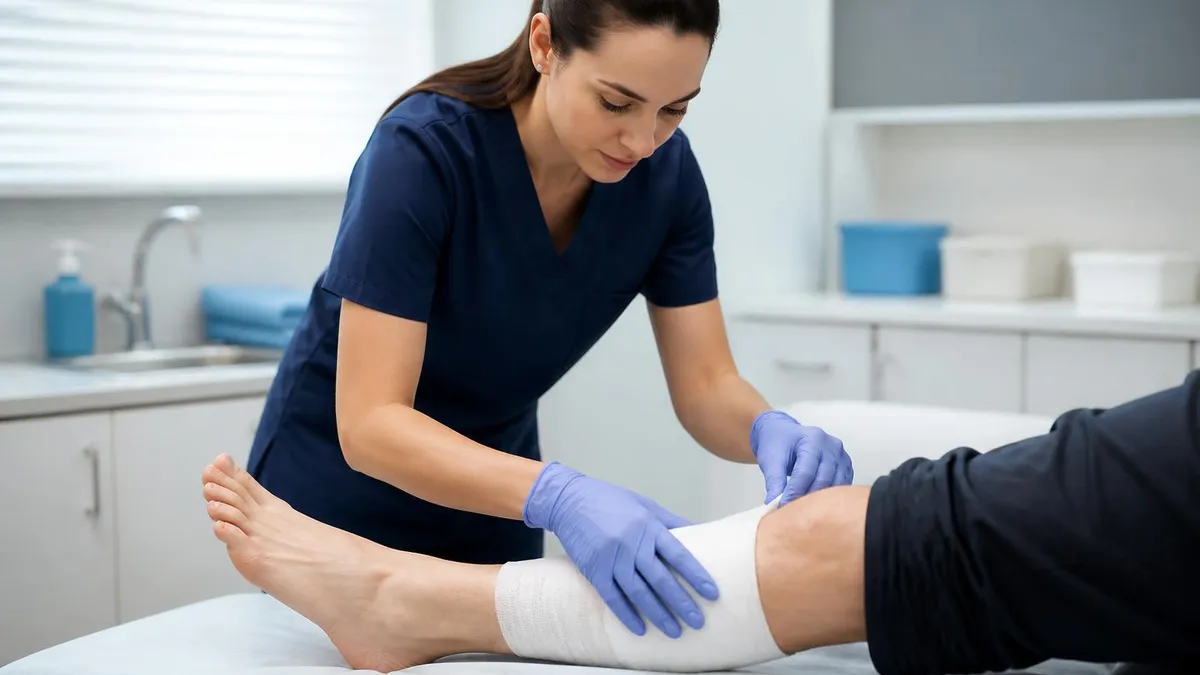
Selecting the correct wound care dressings is one of the most critical skills taught in any wound care course. Dressing categories include hydrocolloids, foams, alginates, hydrogels, transparent films, silver-impregnated dressings, and composite dressings. Each type serves a specific wound environment: alginate dressings are ideal for heavily exudating wounds, while hydrogels are used to rehydrate dry, necrotic tissue and support autolytic debridement. Foam dressings manage moderate to heavy exudate while maintaining a moist healing environment, and silver dressings are reserved for wounds with confirmed or suspected infection.
Choosing the wrong dressing can stall healing, macerate periwound skin, or increase infection risk. Wound care courses teach a systematic approach: assess exudate level, wound depth, infection status, and patient tolerance before selecting any dressing. The frequency of dressing changes varies by product — some modern advanced dressings can remain in place for up to seven days, reducing nursing time and patient discomfort. Understanding the science behind each dressing category allows clinicians to adapt their selections as wound status evolves through the healing continuum.

Online vs. In-Person Wound Care Courses: Which Is Right for You?
- +Online courses offer maximum scheduling flexibility for working clinicians
- +Self-paced formats allow deeper review of difficult concepts without time pressure
- +Lower cost — no travel, lodging, or facility fees required
- +Access to high-quality instructors nationwide regardless of your geographic location
- +Digital modules can be revisited as many times as needed before the exam
- +Many online courses include interactive case studies and video demonstrations of dressing techniques
- −Limited hands-on practice with actual wound care dressings and wound care products
- −No direct feedback from instructors during dressing application or wound assessment exercises
- −Self-discipline required — procrastination is a real risk without scheduled class meetings
- −Networking opportunities with peers and mentors are reduced compared to in-person formats
- −Some certification boards require a supervised clinical component that online courses alone cannot fulfill
- −Technology issues (poor internet, incompatible software) can disrupt learning momentum
What to Look for When Choosing a Wound Care Course
- ✓Verify the course is approved by or aligned with your target certification board (ABWM, WOCNCB, or NAWCO).
- ✓Confirm the curriculum covers all content domains tested on your chosen certification exam.
- ✓Check that wound care dressings, wound care products, and advanced therapies are included in the syllabus.
- ✓Look for ICD-10 coding instruction — this is tested on most certification exams and essential in practice.
- ✓Ensure the course includes wound care documentation standards and legal/ethical considerations.
- ✓Ask whether the program includes clinical hours or supervised practice components if required by your board.
- ✓Review instructor credentials — instructors should be certified wound care specialists with active clinical experience.
- ✓Evaluate the course's pass rate data for the certification exam it prepares students for.
- ✓Confirm CEU credits are available and that the provider is recognized by your state licensing board.
- ✓Assess whether the course includes access to a question bank or mock exam for final exam preparation.
The TIME Framework Is the Foundation of Every Wound Care Exam
The TIME framework — Tissue, Infection/Inflammation, Moisture, Edge — appears in some form on virtually every wound care certification exam. Master this framework first, and you will have a logical structure for answering clinical scenario questions even when the specific wound type or dressing is unfamiliar. Build all your other wound care knowledge around TIME and your exam performance will improve dramatically.
The wound care nurse is often the cornerstone of any hospital's wound management program. Functioning as both a direct care provider and an educator, the wound care nurse assesses patients with complex wounds, develops individualized care plans, trains floor staff on wound prevention and basic wound care protocols, and tracks wound healing outcomes across the facility. In larger academic medical centers, wound care nurses may also conduct research, participate in performance improvement projects, and serve on multidisciplinary skin and wound teams alongside physicians, dietitians, and physical therapists.
The role of the wound care specialist is distinct from that of the wound care nurse in scope and depth. A wound care specialist typically holds an advanced certification — such as the CWS from the ABWM or the WCC from the WOCNCB — and may have additional training in ostomy care, continence management, or hyperbaric oxygen therapy.
Specialists often serve as consultants, seeing the most complex cases in a facility or wound care clinic and making recommendations that direct care nurses then implement. To explore the full scope of this role, visit our article on wound care specialist knowledge and practice domains.
Finding a wound care center or wound care clinic near you is an important step for both patients who need treatment and clinicians who want to complete supervised clinical hours. Wound care centers exist in most mid-sized and large US cities, often affiliated with hospital systems or operating as independent outpatient clinics. They provide services ranging from basic wound assessment and dressing changes to advanced procedures like sharp debridement, NPWT management, and HBOT. For patients searching for wound care near me, these centers offer access to specialized expertise that is not available in primary care settings.
The multidisciplinary nature of wound care means that professionals from many backgrounds pursue wound care education. Physicians, particularly those in primary care, general surgery, podiatry, and internal medicine, benefit from wound care training to improve management of patients with chronic wounds in their practice panels. Physical and occupational therapists who work with patients recovering from strokes, amputations, or orthopedic injuries often encounter wounds that require assessment and basic management. Even healthcare administrators and case managers benefit from understanding wound care fundamentals to make informed decisions about staffing, product procurement, and program development.
Nutrition is a topic that distinguishes comprehensive wound care courses from superficial ones. The connection between nutritional status and wound healing is well-established in the literature. Protein deficiency impairs collagen synthesis and immune function, directly slowing wound healing. Micronutrient deficiencies — particularly vitamin C, zinc, and vitamin A — also compromise healing at the cellular level. A thorough wound care course will teach clinicians to screen patients for malnutrition using validated tools like the Malnutrition Universal Screening Tool (MUST) or the Mini Nutritional Assessment (MNA), and to collaborate with registered dietitians to optimize nutritional support for patients with complex wounds.
Infection control is another major domain in wound care education. Wound biofilm — a structured community of bacteria embedded in a protective matrix — is present in the majority of chronic wounds and is a primary driver of healing failure. Unlike planktonic bacteria, biofilm bacteria are highly resistant to both topical antimicrobials and systemic antibiotics.
Wound care courses teach clinicians to recognize biofilm through clinical signs (wound that fails to progress, dull appearance, easily bleeding friable tissue), and to use a combination of aggressive debridement and antimicrobial dressings to disrupt biofilm and restore healing momentum. This knowledge directly informs dressing selection and debridement frequency in clinical practice.
Patient and caregiver education is the final piece of the wound care specialist's skill set. A wound can be expertly managed in the clinic, but if the patient or family caregiver does not understand how to change dressings at home, recognize signs of infection, manage offloading devices, or follow a wound-appropriate diet, outcomes will suffer.
Wound care courses that include a dedicated module on patient education — including health literacy principles, teach-back methodology, and culturally competent communication — produce clinicians who are equipped to close the gap between clinical care and home management, significantly improving healing rates and reducing hospital readmissions.

Certification exam windows and application deadlines vary by board and change annually. Before enrolling in a wound care course, confirm the next available exam date, the application deadline, and the minimum time required between course completion and exam eligibility. Missing a deadline can delay your certification by months. Always verify current dates directly on the certification board's official website rather than relying on third-party sources.
Preparing for a wound care certification exam requires more than simply completing a course — it demands an active, structured study strategy that builds both conceptual understanding and test-taking confidence. The most effective approach combines content review with consistent practice question work, spaced over a period of at least eight to twelve weeks before the exam date. Trying to cram wound care knowledge into the final week before an exam almost universally produces suboptimal results, because the content domains are broad, interconnected, and require clinical reasoning rather than simple memorization.
Begin your study plan by obtaining the candidate handbook from your target certification board. Every major wound care certification board publishes a detailed content outline or blueprint that specifies exactly which topics will be tested and what percentage of the exam each domain represents. This blueprint is your primary study guide. Use it to create a week-by-week schedule that allocates the most study time to the highest-weight content domains. For most wound care certification exams, wound assessment, wound etiology, and wound management (including dressing selection) collectively account for 50 to 65 percent of exam content.
Practice questions are non-negotiable in effective wound care exam preparation. The format of wound care certification exams is multiple-choice, and many questions are written as clinical scenarios that require you to apply knowledge rather than recall isolated facts. Working through hundreds of practice questions before the exam helps you recognize the structure of well-written clinical questions, identify your weak content areas, and build comfort with the pacing required to complete the exam within the allotted time. Use our wound care center exam prep resources to access free practice questions across all major content domains.
Create a personal error log as you work through practice questions. Every time you answer a question incorrectly, write down the question topic, why you got it wrong (knowledge gap vs. misread the question vs. careless error), and the correct concept. Review your error log weekly to identify patterns. If you consistently miss questions about pressure injury staging, dedicate an additional study session specifically to that topic. If you are consistently misreading clinical scenario questions, practice slowing down and underlining key patient details before selecting your answer.
Study groups can significantly accelerate wound care exam preparation when structured effectively. A group of three to five clinicians who are preparing for the same certification can divide content domains, create teaching presentations, and quiz each other using case studies.
Teaching a concept to a peer is one of the most effective ways to solidify your own understanding of that concept. However, study groups are only beneficial if all members come prepared and the sessions remain focused. Establish ground rules at the outset: each member teaches one topic per session, sessions last no more than two hours, and phones are silenced.
Simulation exercises are particularly valuable for hands-on learners preparing for wound care certification. If your course did not include a skills lab component, seek out opportunities to practice wound assessment and dressing application on simulation mannequins, wound care task trainers, or in a supervised clinical setting. Many wound care conferences and professional associations offer skills workshops that are open to students and practicing clinicians. Hands-on practice reinforces the conceptual knowledge from your course and builds the muscle memory that will serve you both on the exam and in clinical practice.
In the final two weeks before your exam, shift your focus from content review to exam simulation. Take full-length practice exams under timed conditions, mimicking the actual exam environment as closely as possible. After each simulated exam, review every question — not just the ones you missed. Understanding why a correct answer is right is just as important as understanding why an incorrect answer is wrong. This disciplined review process will sharpen your clinical reasoning, reduce test anxiety, and ensure you walk into your wound care certification exam fully prepared to demonstrate your competence and earn your credential.
Career advancement in wound care is one of the most rewarding trajectories available to clinical nurses and allied health professionals. Once you have completed your initial wound care course and earned your first certification, multiple pathways open up. Some wound care nurses move into wound care center leadership roles, managing a team of nurses and aides, overseeing quality improvement initiatives, and acting as the primary liaison between the wound care program and hospital administration. Others pursue additional certifications in ostomy care or continence nursing to become Triple Board certified — a distinction that commands the highest salaries in the specialty.
Academic and education roles are another option for experienced wound care specialists. Universities, nursing schools, and healthcare organizations regularly seek certified wound care professionals to develop and deliver wound care curricula, train new staff, and serve as clinical preceptors. These roles allow seasoned specialists to share their expertise with the next generation of wound care clinicians while enjoying the intellectual stimulation of an academic environment. Many wound care educators maintain a part-time clinical practice to stay current with evolving best practices and technologies.
Research is a frontier opportunity for wound care specialists with advanced degrees. The wound care field is still working to establish high-quality evidence for many commonly used interventions. Randomized controlled trials comparing wound care dressings, debridement techniques, and adjunct therapies are needed to elevate the evidence base from expert consensus to Level 1 evidence. Wound care specialists who partner with academic medical centers, industry sponsors, or government research programs can make meaningful contributions to the scientific foundation of the specialty while advancing their own careers.
Entrepreneurial paths are also increasingly available to wound care specialists. Telehealth wound care services, consulting practices that advise long-term care facilities on wound prevention and management, and product development roles at wound care companies are all viable options for experienced clinicians who want to extend their impact beyond direct patient care. Several wound care product companies actively recruit certified wound care specialists as clinical educators, medical science liaisons, and product development consultants who can bridge the gap between clinical realities and product design.
International opportunities exist for wound care specialists as well. Global health organizations and international NGOs working in low-resource settings often need wound care expertise to address the enormous burden of chronic wounds, burn injuries, and post-surgical complications in underserved communities. Wound care specialists who are willing to work internationally — whether on short-term mission trips or longer placements — can apply their skills in a profoundly impactful way while gaining clinical experience with wound types and patient populations rarely encountered in US practice.
Salary growth in wound care closely tracks certification level and years of experience. Entry-level wound care nurses with basic certification typically earn between $65,000 and $75,000 annually. Mid-career wound care specialists with advanced certifications and five or more years of specialized experience commonly earn $80,000 to $95,000. Senior wound care program directors and triple-board certified specialists at major academic medical centers can earn $100,000 or more, particularly in high cost-of-living metropolitan areas. The return on investment for completing a wound care course and earning certification is among the strongest available in nursing specialty education.
Ultimately, a career in wound care offers the rare combination of intellectual depth, clinical challenge, meaningful patient impact, and strong financial reward. Patients with chronic wounds often feel overlooked by a healthcare system that struggles to allocate adequate time and resources to their complex needs.
A skilled wound care specialist who takes time to understand the full context of a patient's wound — their nutrition, their comorbidities, their home environment, their emotional state — and develops a truly individualized management plan can transform a patient's quality of life in ways that few other healthcare roles can match. That combination of science, skill, and human connection is what makes wound care one of the most fulfilling specialties in modern healthcare.
Wound Care Questions and Answers
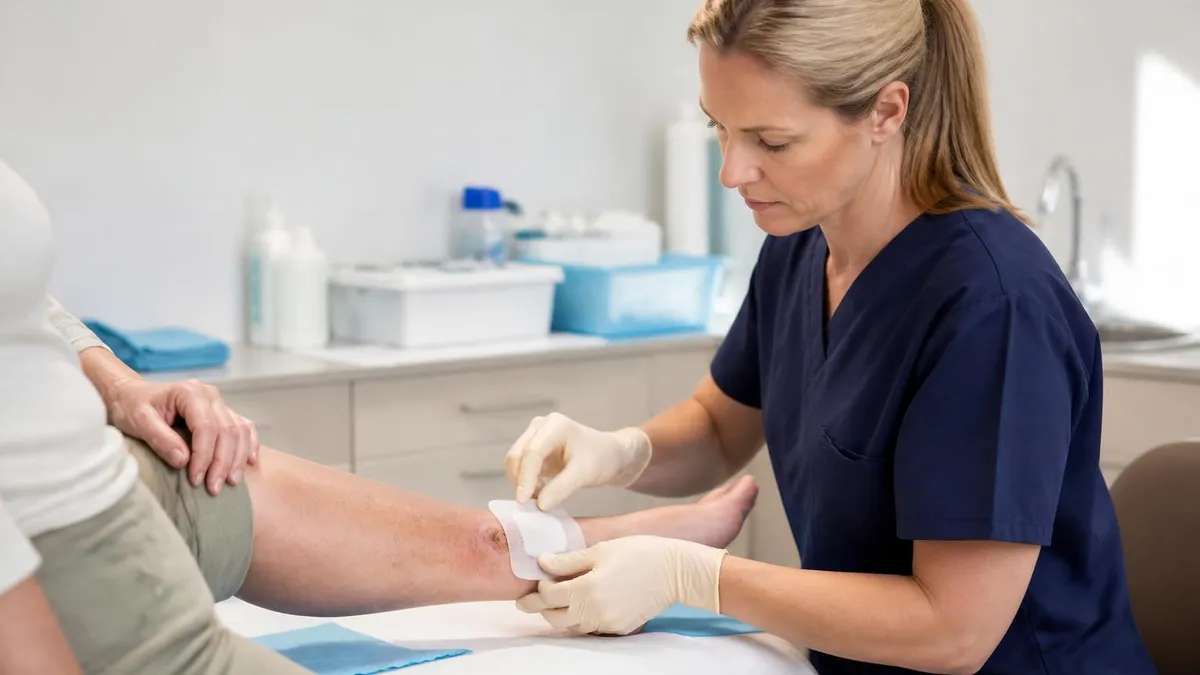
Wound Care Products: Types, Selection, and Clinical Use
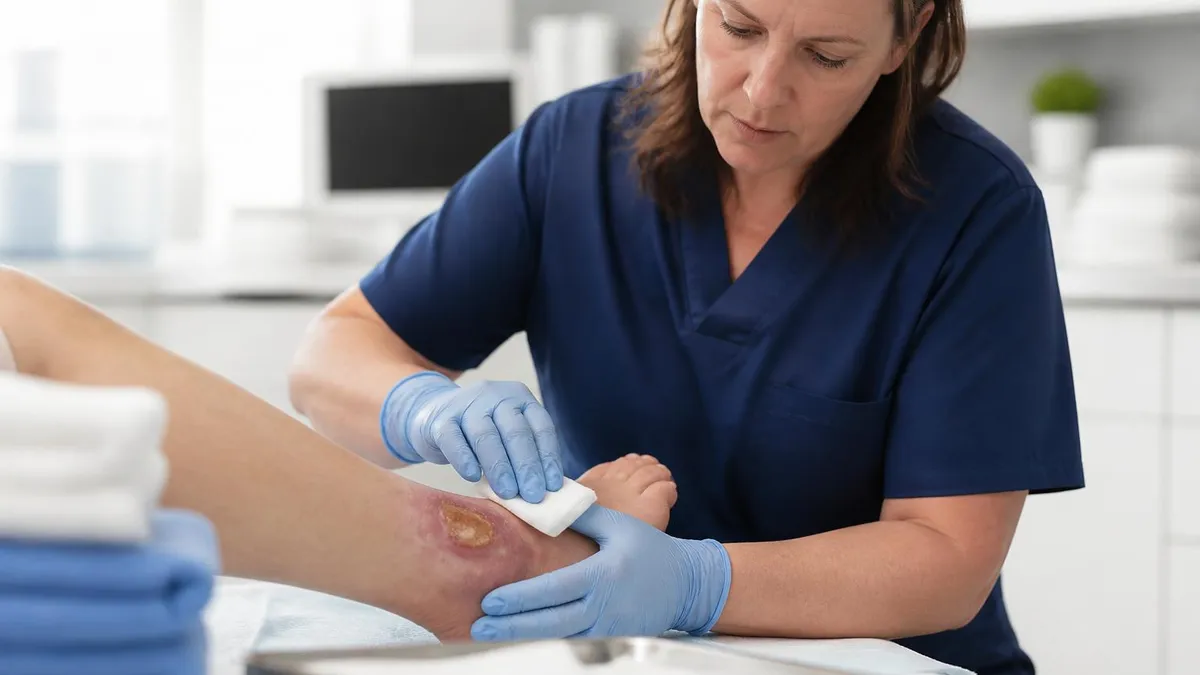
Wound Care Home: Complete Guide to Home Wound Care Services in 2026
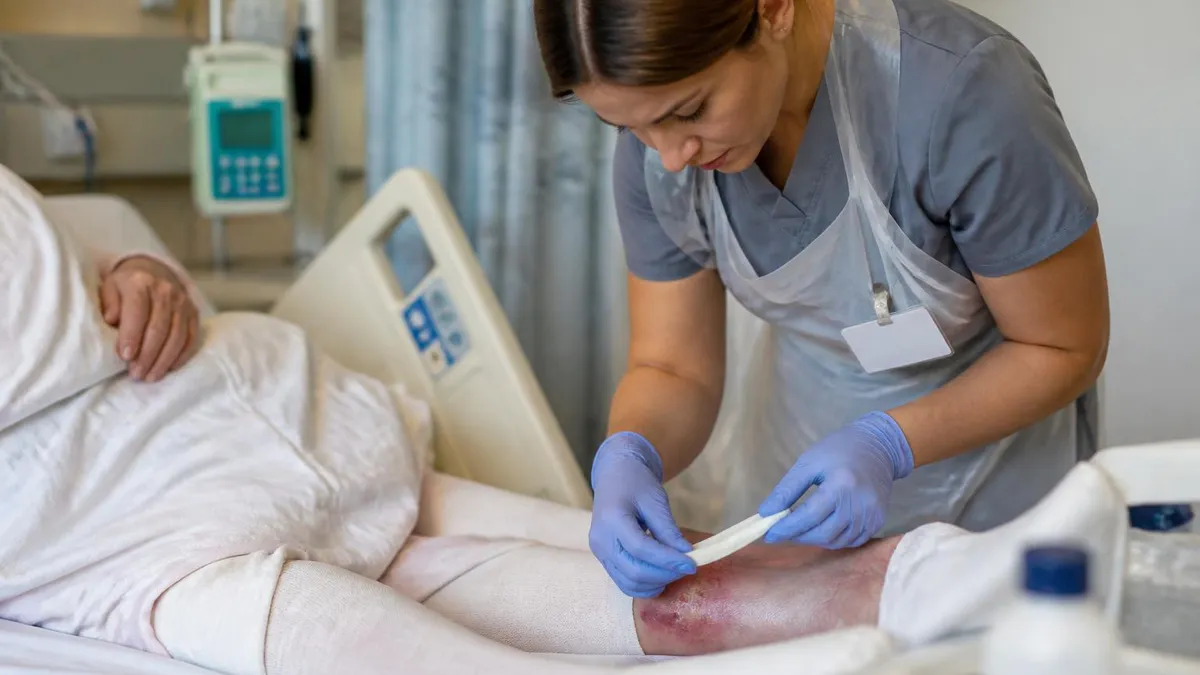
Diabetic Wound Care: Why Wounds Are Different, Treatment, and Prevention in 2026
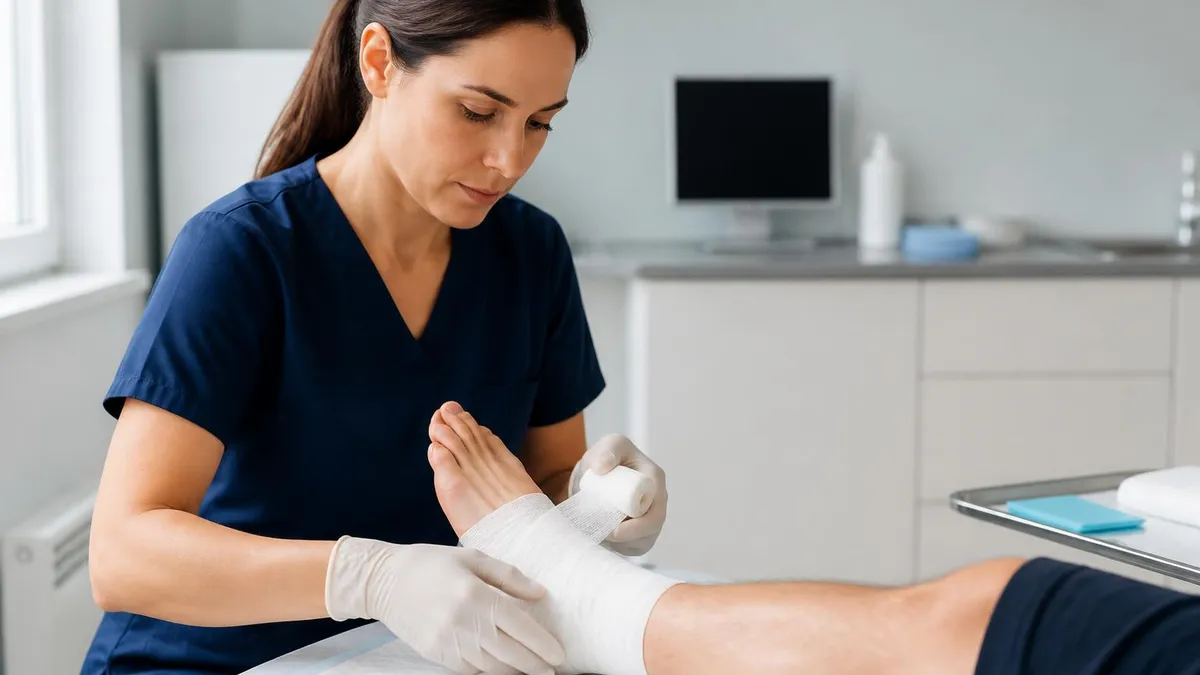
Wound Care General Knowledge: Dressings, DSD & Drain Care
Wound Care Supplies: Essential Items for Effective Healing
About the Author

Registered Nurse & Healthcare Educator
Johns Hopkins University School of NursingDr. Sarah Mitchell is a board-certified registered nurse with over 15 years of clinical and academic experience. She completed her PhD in Nursing Science at Johns Hopkins University and has taught NCLEX preparation and clinical skills courses for nursing students across the United States. Her research focuses on evidence-based exam preparation strategies for healthcare certification candidates.