
Phlebotomy Duties and Responsibilities: Complete Guide to the Role, Skills & Daily Tasks
Explore phlebotomy duties and responsibilities, daily tasks, ✏️ required skills, salary expectations, and certification paths for aspiring phlebotomists.
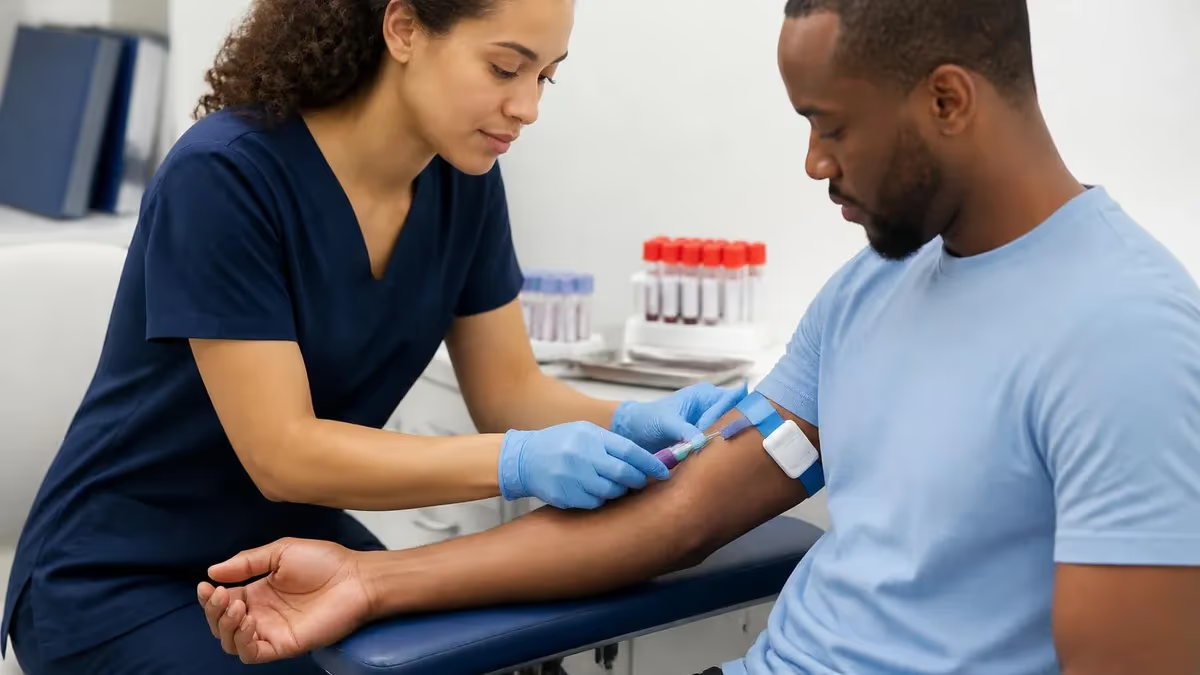
Understanding phlebotomy duties and responsibilities is the first step toward a rewarding healthcare career that combines technical skill with compassionate patient care. Whether you are searching phlebotomy classes near me to begin training or already working in a clinical lab, knowing exactly what the job demands helps you prepare for certification exams, interviews, and the daily realities of drawing blood. Phlebotomists are the frontline professionals responsible for collecting blood samples that drive nearly 70 percent of all medical diagnoses made in the United States today.
A phlebotomy technician works in hospitals, outpatient labs, blood donation centers, nursing homes, and physician offices, performing venipunctures, capillary punctures, and arterial draws when permitted. The role requires accuracy, empathy, and strict adherence to safety protocols because each tube of blood represents a patient depending on a correct diagnosis. Phlebotomists also verify patient identity, label specimens, document procedures, and maintain sterile technique throughout every interaction with patients of all ages and conditions.
Beyond the needle, the position carries significant responsibility for specimen integrity, infection control, and patient comfort. A small mistake such as mislabeling a tube or hemolyzing a sample can delay treatment, force a redraw, or even produce inaccurate test results that affect clinical decisions. That is why employers increasingly require certification through bodies like the NHA, ASCP, or AMT, and why structured training matters so much. You can explore an accredited phlebotomy program near me to find programs that align with national standards.
This guide walks through every major duty a phlebotomist performs during a typical shift, from morning rounds in inpatient units to outpatient draw stations and mobile collection vehicles. We cover technical responsibilities like the order of draw, equipment preparation, and quality control. We also explore the softer skills that separate good phlebotomists from great ones, including communication with anxious patients, conflict de-escalation, and teamwork with nurses, physicians, and laboratory scientists across the care continuum.
By the end of this article you will understand what is phlebotomy at a practical level, what daily tasks look like in different settings, how phlebotomy salary expectations align with responsibility levels, and how to position yourself for certification and advancement. We also include practice quizzes from major credentialing bodies so you can test your knowledge as you read. Bookmark this page as a reference while you study or evaluate the career.
Phlebotomy training specialists emphasize that the role is far more than drawing blood. It is a structured profession built on standards published by the Clinical and Laboratory Standards Institute, OSHA, and CDC. Mastering these standards is non-negotiable, and that mastery begins with knowing exactly what your responsibilities will be on day one of clinical practice. Let us break down the duties piece by piece so nothing is left to surprise.
Whether you plan to enroll in phlebotomy courses near me or self-study before sitting a certification exam, this comprehensive resource will give you the structure you need. We have organized everything by typical workflow, technical skill set, regulatory framework, and career path so you can find what you need quickly and return to it as you progress through training and into your first clinical role.
Phlebotomy Duties by the Numbers

Core Duties of a Phlebotomy Technician
Verify patient identity using at least two identifiers such as full name and date of birth before any draw. Match the requisition to the patient and confirm any fasting, medication, or timing requirements specified by the ordering physician.
Perform venipuncture using vacuum tubes, syringe, or butterfly technique depending on vein quality and patient age. Conduct capillary heel sticks on infants and fingersticks on adults for point-of-care tests like glucose or hemoglobin A1C.
Label tubes immediately at the bedside with patient identifiers, date, time, and collector initials. Invert tubes the correct number of times, maintain proper temperature, and deliver samples to the lab within stability windows for accurate results.
Record every draw in the laboratory information system including time, site, tubes collected, and any complications. Maintain logs for blood culture contamination rates, redraws, and equipment maintenance as required by accreditation bodies.
Follow standard precautions including hand hygiene, gloves, and proper sharps disposal. Use safety-engineered needles, never recap, and respond appropriately to needlestick injuries by reporting and seeking post-exposure prophylaxis when warranted.
Technical responsibilities form the backbone of phlebotomy practice, and mastering them is what separates a certified phlebotomy technician from someone who simply knows how to insert a needle. The most fundamental technical duty is selecting the correct site for venipuncture, typically the median cubital vein in the antecubital fossa, followed by the cephalic and basilic veins when the median is unavailable. Phlebotomists must palpate veins, assess for sclerosis or scarring, and avoid arteries, tendons, and nerves with every stick they perform.
Equipment preparation is equally critical. Before each draw, the phlebotomist gathers tubes in the correct order, selects an appropriate needle gauge based on patient age and vein size, prepares antiseptic, and lays out gauze, tape, and a sharps container within arm's reach. A 21-gauge needle is standard for adults with healthy veins, while a 23-gauge butterfly is preferred for pediatric, geriatric, or hand draws. Vacuum tube holders must be assembled correctly to prevent needle dislodgment during the draw.
The order of draw is one of the most tested concepts on every certification exam and one of the most consequential responsibilities in daily practice. Drawing tubes out of sequence can cause additive carryover that invalidates results, particularly for coagulation studies and trace element testing. Memorizing the phlebotomy order of draw in the CLSI-recommended sequence is essential before you ever touch a real patient on the clinical floor.
Therapeutic phlebotomy is a specialized technical duty performed for patients with conditions like hereditary hemochromatosis or polycythemia vera. In these procedures, the phlebotomist removes a unit of blood under physician order to reduce iron load or red cell mass. The technique requires larger-bore needles, careful volume measurement, and vital sign monitoring before, during, and after the procedure to ensure patient safety and prevent vasovagal complications.
Specimen processing duties extend beyond the draw itself. Phlebotomists centrifuge serum and plasma samples within the manufacturer's stability window, typically 30 to 60 minutes after collection, and aliquot samples for distribution to chemistry, hematology, microbiology, and reference labs. They also recognize when a specimen is hemolyzed, clotted, or quantity-not-sufficient and initiate redraws promptly to avoid delays in patient care.
Point-of-care testing has expanded the technical scope of phlebotomy in many settings. Phlebotomists now perform fingerstick glucose, hemoglobin A1C, lipid panels, INR for anticoagulation clinics, and rapid strep or COVID-19 antigen tests. Each device requires calibration, quality control documentation, and competency verification, adding layers of technical responsibility that did not exist in the role two decades ago.
Finally, technical duties include equipment maintenance and inventory. Phlebotomists check expiration dates on tubes, antiseptic, and bandages daily. They calibrate centrifuges, document refrigerator temperatures, and report broken or recalled equipment to supervisors. This quality assurance work happens in the background but is essential to maintaining laboratory accreditation under CLIA, CAP, and Joint Commission standards.
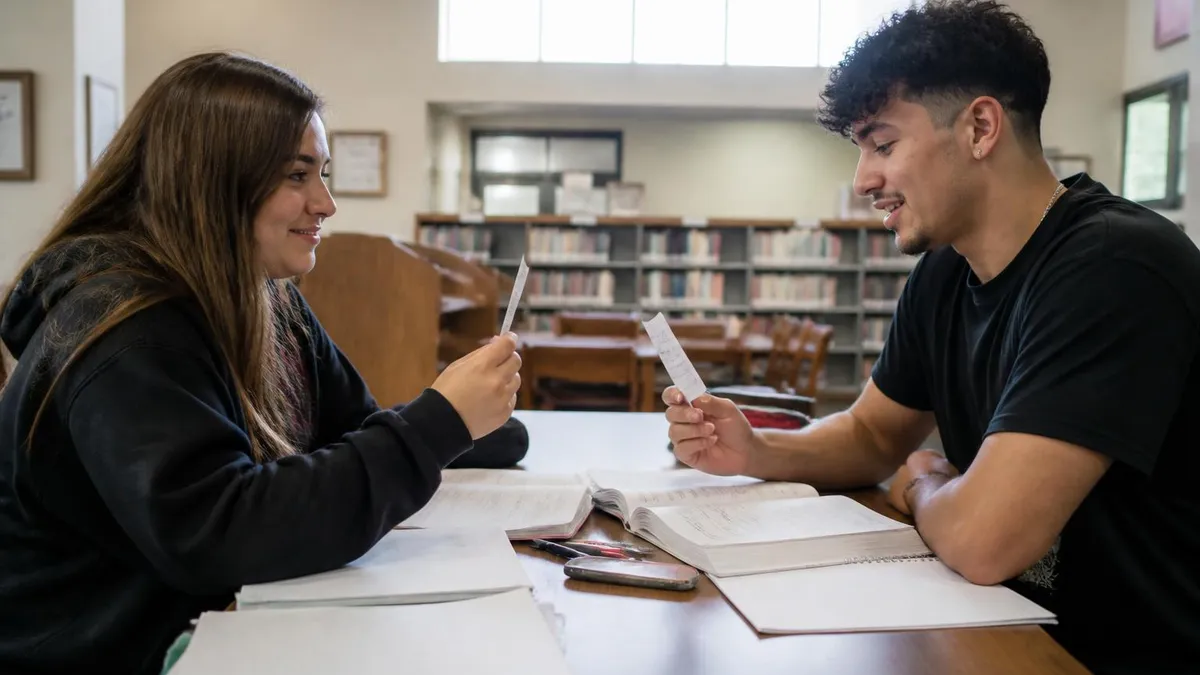
Phlebotomy Practice Test Questions
Prepare for the Phlebotomy Test exam with our free practice test modules. Each quiz covers key topics to help you pass on your first try.
Phlebotomy American Medical Certification ...
Phlebotomy Exam Questions covering American Medical Certification Association Phlebotomy. Master Phlebotomy Test concepts for certification prep.
Phlebotomy American Medical Technologists ...
Free Phlebotomy Practice Test featuring American Medical Technologists Phlebotomy. Improve your Phlebotomy Exam score with mock test prep.
Phlebotomy American Society for Clinical P...
Phlebotomy Mock Exam on American Society for Clinical Pathology Phlebotomy. Phlebotomy Study Guide questions to pass on your first try.
Phlebotomy Association of Phlebotomy Techn...
Phlebotomy Test Prep for Association of Phlebotomy Technicians. Practice Phlebotomy Quiz questions and boost your score.
Phlebotomy National Center for Competency ...
Phlebotomy Questions and Answers on National Center for Competency Testing Phlebotomy. Free Phlebotomy practice for exam readiness.
Phlebotomy National Healthcareer Associati...
Phlebotomy Mock Test covering National Healthcareer Association Phlebotomy. Online Phlebotomy Test practice with instant feedback.
Phlebotomy Order of Draw and Additives
Free Phlebotomy Quiz on Order of Draw and Additives. Phlebotomy Exam prep questions with detailed explanations.
Phlebotomy Legal and Ethics
Phlebotomy Practice Questions for Phlebotomy Legal and Ethics. Build confidence for your Phlebotomy certification exam.
Phlebotomy Safety and Infection Control
Phlebotomy Test Online for Safety and Infection Control. Free practice with instant results and feedback.
Phlebotomy Special Collection Procedures
Phlebotomy Study Material on Special Collection Procedures. Prepare effectively with real exam-style questions.
Phlebotomy Specimen Processing and Handling
Free Phlebotomy Test covering Specimen Processing and Handling. Practice and track your Phlebotomy exam readiness.
Phlebotomy Test Arterial Blood Gas Collection
Phlebotomy Exam Questions covering Test Arterial Blood Gas Collection. Master Phlebotomy Test concepts for certification prep.
Phlebotomy Test Capillary and Dermal Puncture
Free Phlebotomy Practice Test featuring Test Capillary and Dermal Puncture. Improve your Phlebotomy Exam score with mock test prep.
Phlebotomy Test Pediatric Blood Collection
Phlebotomy Mock Exam on Test Pediatric Blood Collection. Phlebotomy Study Guide questions to pass on your first try.
Phlebotomy Test Phlebotomy Anatomy and Phy...
Phlebotomy Test Prep for Test Phlebotomy Anatomy and Physiology. Practice Phlebotomy Quiz questions and boost your score.
Phlebotomy Test Phlebotomy Exam Simulation
Phlebotomy Questions and Answers on Test Phlebotomy Exam Simulation. Free Phlebotomy practice for exam readiness.
Phlebotomy Test Phlebotomy Patient Identif...
Phlebotomy Mock Test covering Test Phlebotomy Patient Identification and Communication. Online Phlebotomy Test practice with instant feedback.
Phlebotomy Test Point of Care Testing
Free Phlebotomy Quiz on Test Point of Care Testing. Phlebotomy Exam prep questions with detailed explanations.
Phlebotomy Technician Duties Across Work Settings
Hospital phlebotomists begin shifts before dawn collecting morning labs ordered by physicians during overnight rounds. They draw from 40 to 100 patients per shift, navigating isolation precautions, intensive care lines, and bedside emergencies. Phlebotomy technician duties in this setting include drawing from central lines when trained, performing blood culture collections with strict aseptic technique, and coordinating with nursing staff to time draws around medications.
Inpatient phlebotomists also respond to stat orders, code blue events when blood gases are needed, and transfusion type-and-screen requests. They carry handheld scanners that match patient wristbands to printed labels, eliminating mislabeling errors that previously caused transfusion reactions. Shifts typically run 12 hours, with rotating weekends and holidays expected as part of the hospital staffing model required to keep labs running continuously around the clock.
Pros and Cons of a Career in Phlebotomy
- +Short training timeline of 4 to 8 months means quick entry into healthcare
- +Strong job growth projected at 8 percent through 2033
- +Flexible work settings from hospitals to mobile units to donor centers
- +Foundation for advancement into nursing, MLT, or PA programs
- +Direct patient contact provides meaningful daily work
- +Competitive entry-level wages with overtime opportunities
- +Certification portable across all 50 states with reciprocity
- −Physical demands include standing for long shifts and repetitive motion
- −Exposure risk to bloodborne pathogens requires constant vigilance
- −Emotional toll from pediatric, geriatric, and oncology patients
- −Early morning shifts standard in hospital inpatient settings
- −Salary plateaus without additional certifications or education
- −High-pressure environment with stat orders and difficult draws
- −Some states require additional licensure beyond national certification

Daily Safety and Compliance Checklist for Phlebotomists
- ✓Perform hand hygiene before donning gloves and after every patient encounter
- ✓Verify patient identity using two identifiers matched to the requisition
- ✓Inspect needle and tube expiration dates before assembling equipment
- ✓Apply tourniquet for no more than 60 seconds to prevent hemoconcentration
- ✓Cleanse venipuncture site with 70 percent isopropyl alcohol in a circular motion
- ✓Engage safety device on needle immediately after withdrawal
- ✓Dispose of sharps directly into approved puncture-resistant container
- ✓Label all tubes at the bedside before leaving the patient
- ✓Document collection time, site, and any complications in the LIS
- ✓Report needlestick injuries immediately and initiate post-exposure protocol
- ✓Maintain centrifuge and refrigerator temperature logs daily
- ✓Complete annual bloodborne pathogen and HIPAA refresher training
Mislabeling is the single most preventable phlebotomy error
Studies in the Journal of Clinical Pathology show that specimen mislabeling occurs in approximately 1 in 1,000 draws nationally, and roughly 80 percent of these errors are traced to bedside labeling shortcuts. Always label tubes in front of the patient, never in advance and never in the hallway after the draw. This single habit prevents transfusion reactions, missed diagnoses, and the most common cause of phlebotomist termination across hospital systems.
Patient care and soft skills are responsibilities that rarely appear in job descriptions but determine whether a phlebotomist thrives or burns out within the first year. Communication begins the moment you greet the patient, introducing yourself by name and role, explaining what you are about to do, and confirming consent. For pediatric patients, you may kneel to eye level and use age-appropriate language. For geriatric patients, you may speak more slowly and check hearing. These small adaptations build trust and reduce procedural anxiety dramatically.
Anxiety management is a daily duty. An estimated 10 percent of adults experience needle phobia, and another 20 percent feel significant discomfort about blood draws. Phlebotomists learn distraction techniques, controlled breathing coaching, and the option of supine positioning for patients prone to vasovagal syncope. Recognizing the early signs of fainting such as pallor, sweating, or yawning allows the phlebotomist to abort the draw or lower the patient safely before injury occurs from a sudden fall.
Cultural competence is increasingly recognized as a core responsibility. Phlebotomists encounter patients from every background, language, religion, and health literacy level. They must work effectively with interpreters, respect modesty preferences, understand religious considerations around blood, and avoid assumptions about pain tolerance or compliance. Hospitals now include cultural competence in annual competency assessments alongside technical skills, reflecting how integral these abilities are to safe, equitable care.
Teamwork extends in every direction. Phlebotomists coordinate with nurses about timing of medications relative to draws, with physicians about add-on tests or critical values, with laboratory scientists about specimen quality concerns, and with patient transport about scheduling. Strong working relationships built over time make difficult shifts manageable and prevent the small communication breakdowns that escalate into safety events or formal complaints filed through hospital risk management systems.
Conflict de-escalation is an underrated skill. Patients sometimes refuse draws, become verbally aggressive, or accuse the phlebotomist of incompetence after a difficult stick. Maintaining composure, offering choices, validating frustration, and knowing when to call a charge nurse for assistance are all part of professional practice. Documentation of refusals and incidents protects both the patient and the phlebotomist legally and clinically, and forms part of the medical record reviewed during quality audits.
Ethical responsibilities sit at the foundation of the role. Phlebotomists handle protected health information with every requisition and must follow HIPAA rules about discussion in elevators, charting in public spaces, and sharing information with family members. They also encounter situations involving suspected abuse, suicidal ideation, or unsafe discharge plans, and must know reporting pathways through social work and case management to ensure patient safety beyond the immediate draw.
Finally, self-care is a professional responsibility. Phlebotomists who skip meals, work through injuries, or ignore needlestick exposures put themselves and future patients at risk. Healthy boundaries, ergonomic awareness, and timely use of employee assistance programs sustain a long career. Programs that teach online phlebotomy classes increasingly include modules on resilience, burnout prevention, and career development alongside the traditional clinical curriculum.
Drawing blood above an active IV infusion contaminates the sample with IV fluid and produces dangerously inaccurate results. Always draw from the opposite arm. If both arms have IVs, ask the nurse to pause the infusion for at least two minutes, then draw below the IV site. Document the situation clearly in the LIS so the laboratory and ordering physician understand the collection conditions and can interpret results appropriately.
Certification is the gateway from training to professional practice, and understanding the credentialing landscape is itself a career responsibility. The major US certifications include the NHA Certified Phlebotomy Technician, ASCP Phlebotomy Technician, AMT Registered Phlebotomy Technician, NCCT National Certified Phlebotomy Technician, and ASPT Certified Phlebotomy Technician. Each carries similar weight with employers, though specific hospitals or states may prefer one over another based on regional recognition and historical hiring patterns.
Eligibility requirements vary by certifying body but typically include completion of an approved training program with classroom and clinical components, a minimum number of successful venipunctures and capillary punctures, and a high school diploma or equivalent. California, Washington, Nevada, and Louisiana add state licensure requirements on top of national certification. Researching your state's specific rules before enrolling in any program protects you from completing training that does not qualify you to work locally.
The certification exam itself tests duties and responsibilities across multiple domains. NHA CPT exams include approximately 100 scored questions covering safety, patient prep, collection, processing, and non-blood specimens. ASCP PBT exams contain 80 questions in similar domains. Phlebotomy training specialists recommend at least 40 hours of dedicated review including practice exams, anatomy memorization, and order-of-draw drills before sitting for any national credentialing assessment to maximize your first-attempt pass rate.
Phlebotomy salary expectations correlate directly with certification, experience, and setting. Entry-level certified phlebotomists earn approximately 17 to 20 dollars per hour in most metropolitan areas. Experienced phlebotomists in trauma centers or specialized settings such as donor apheresis can reach 25 to 30 dollars per hour. The current phlebotomy technician salary data published by the Bureau of Labor Statistics shows steady annual increases tied to healthcare demand and credential recognition.
Continuing education is a permanent responsibility once certified. Most credentials require 6 to 10 continuing education units every two years to maintain active status. Topics include new safety devices, updated CLSI guidelines, emerging point-of-care technologies, and case studies in difficult draws. Many phlebotomists complete CEUs through online modules, professional conferences, or in-house hospital training programs that document completion electronically for renewal submissions.
Career advancement opens multiple pathways. Some phlebotomists move into lead positions managing schedules and training new hires. Others specialize in donor apheresis, therapeutic phlebotomy, or research blood banking. Many use phlebotomy as a foundation for medical laboratory technician training, nursing school, physician assistant programs, or medical school. The hands-on patient experience gained at the bedside translates powerfully into every clinical role you might pursue across the broader healthcare ecosystem.
Documentation of competencies follows you throughout your career. Maintain a personal log of training certificates, continuing education records, employer evaluations, and clinical hours. This portfolio becomes essential when changing jobs, applying for advanced programs, or pursuing leadership roles. Many phlebotomists also join professional organizations like ASCLS or ASPT for networking, advocacy on scope-of-practice issues, and access to job boards that prioritize certified candidates over general healthcare applicants.
Practical preparation for taking on phlebotomy duties begins long before your first paid shift. Start by mastering anatomy of the upper extremity including the venous network, surface landmarks, and underlying nerves and arteries you must avoid. Use anatomical models, online videos, and palpation practice on willing friends or family to build the tactile memory that no textbook can substitute. The faster you can locate a viable vein on a stranger in poor lighting, the more confident you will feel during clinical rotations and your first weeks on the job.
Order of draw drills should become daily habits during training. Write the sequence on flashcards, recite it during commutes, and practice mock draws with empty tubes until the order becomes automatic. Most certification exams include at least three to five questions specifically on this topic, and a real-world error can mean clinically significant additive carryover. Many programs use mnemonic devices, but understanding the why behind the order builds deeper retention than memorization alone for both exams and bedside practice.
Simulator practice with synthetic veins helps build needle control before you stick real patients. Most accredited programs require at least 25 successful venipunctures and 10 capillary punctures during clinical rotations, though many employers prefer candidates with 100 or more documented sticks. Track your numbers carefully in a clinical log signed by preceptors, since this documentation supports both your certification application and your future job interviews where employers verify hands-on experience claims.
Build a study routine that mixes content review with timed practice questions. Aim for at least two weeks of focused exam prep before your certification test date, with daily question sets of 25 to 50 items followed by detailed review of every missed answer. Identify weak domains early such as non-blood specimens, special collections, or quality assurance, and target additional study to those areas. Use multiple question banks rather than a single source to expose yourself to varied question styles and difficulty levels.
Mock interviews and resume preparation deserve as much attention as the technical exam itself. Practice explaining your clinical hours, certifications, and approach to difficult draws in clear, confident sentences. Hiring managers commonly ask behavioral questions about challenging patients, errors you have made and corrected, and how you handle high-volume shifts. Prepare two or three concrete stories from your training that demonstrate composure, technical skill, and teamwork to bring those abstract qualities to life for interviewers.
Once hired, the first 90 days set the tone for your career. Arrive early, observe experienced colleagues, ask questions about uncommon procedures, and never label specimens away from the bedside even if you see others taking shortcuts. Build relationships with the nurses, lab scientists, and physicians on your unit since they will become your most valuable allies when difficult situations arise. Maintain a small notebook to record new procedures, equipment quirks, and lessons learned during each shift for personal reference.
Finally, plan your continuing education from day one. Schedule your CEU completion in the months immediately after certification rather than scrambling near renewal deadlines. Subscribe to a professional journal, attend at least one conference or webinar annually, and consider adding specialty certifications such as point-of-care testing or donor phlebotomy within your first two years. Each addition strengthens your resume, supports salary negotiations, and positions you for the leadership and clinical advancement opportunities that define long, fulfilling phlebotomy careers.
Phlebotomy Questions and Answers
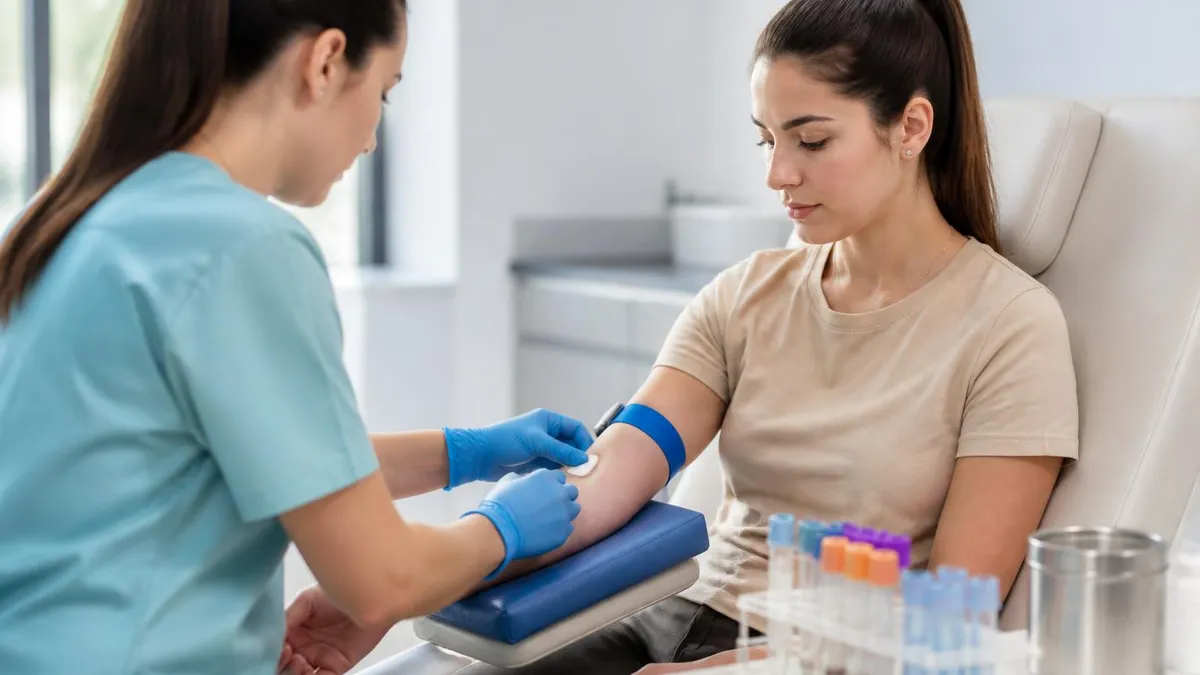
Phlebotomy Exam 2026: Complete Certification Study Guide & Practice
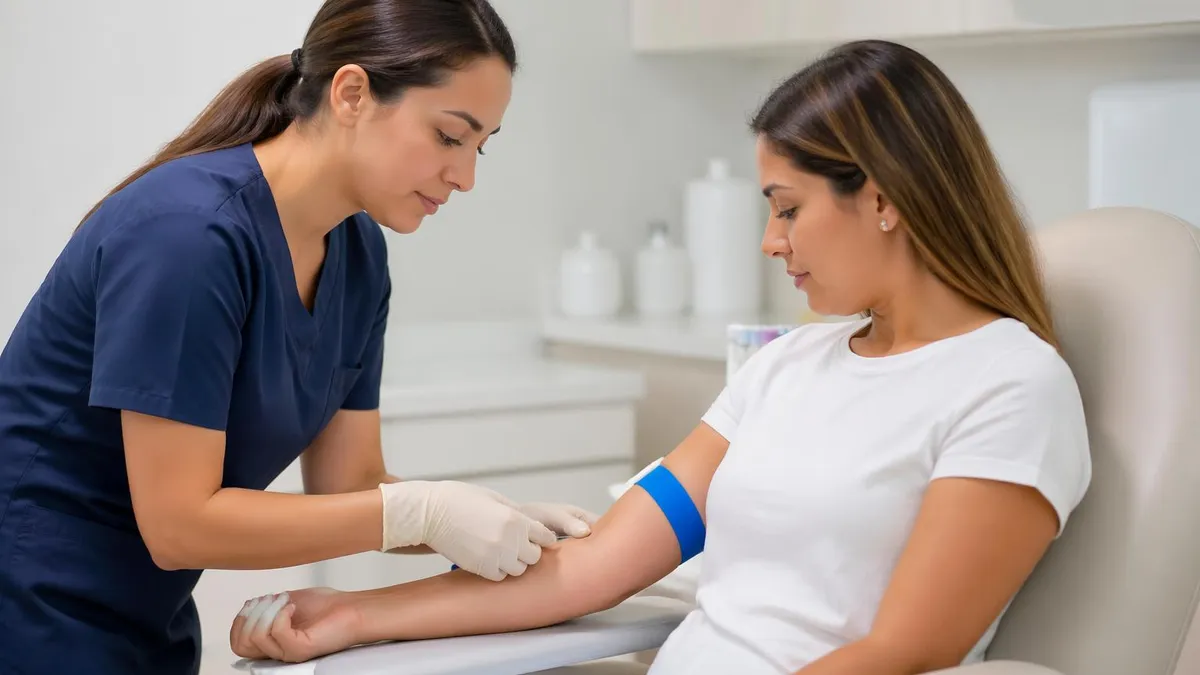
Phlebotomy: Classes, Certification, Salary & Career Guide
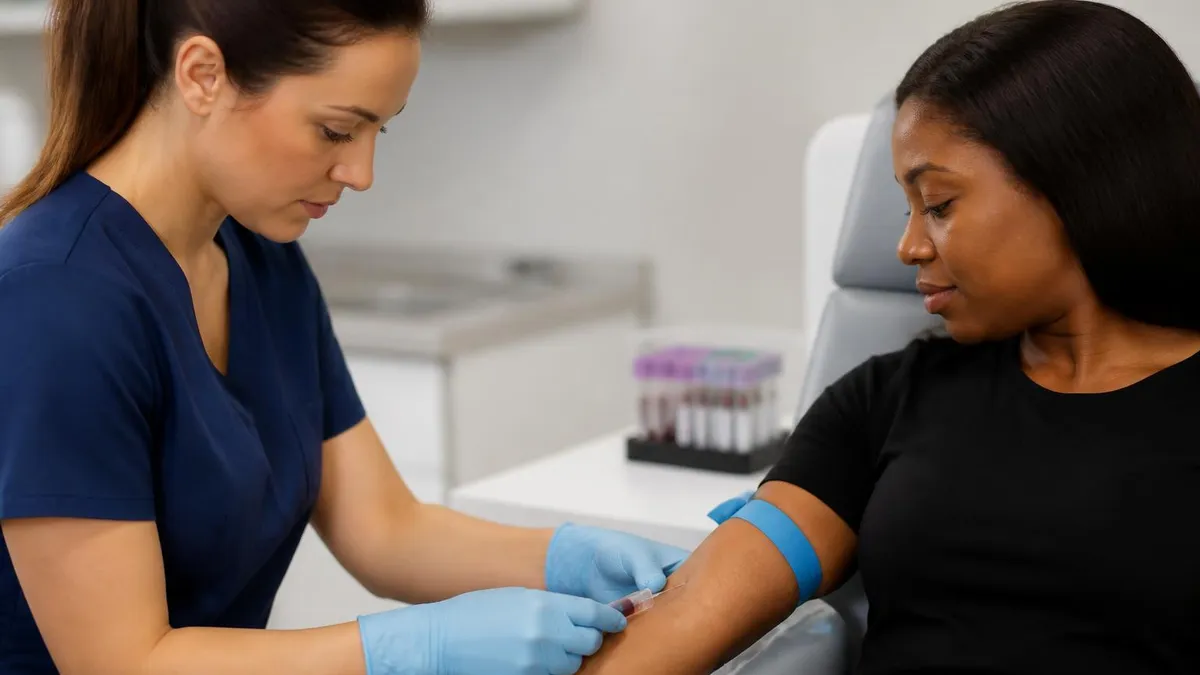
Phlebotomy Certification Exam 2026: Complete Guide to NHA CPT, ASCP PBT, AMT, NCCT & ASPT
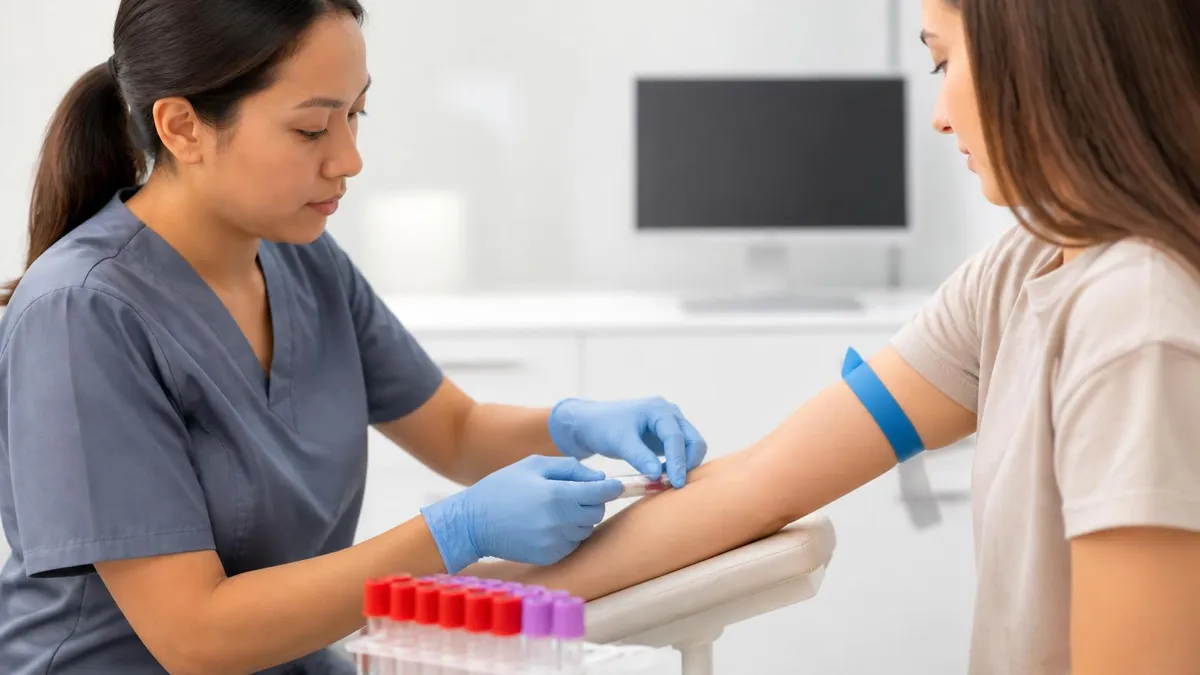
Phlebotomy Test 2026: Complete Practice Exam Prep Guide
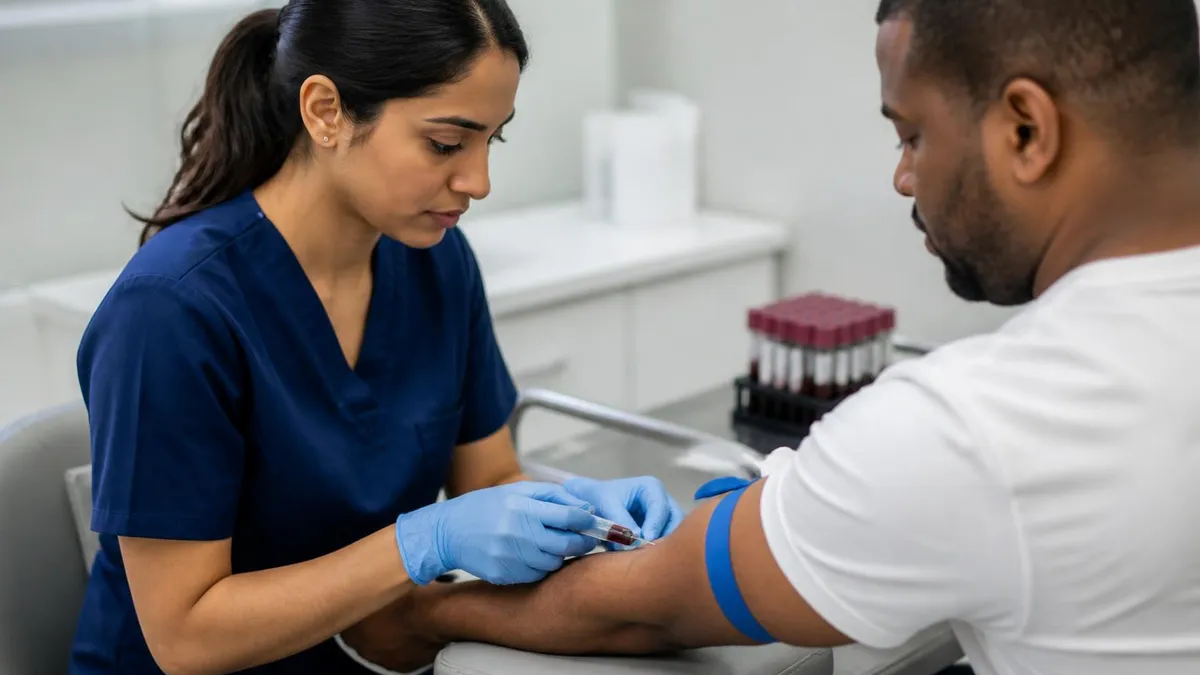
Phlebotomy Tube Colors: Complete Guide to the Order of Draw, Additives & Lab Tests
About the Author

Registered Nurse & Healthcare Educator
Johns Hopkins University School of NursingDr. Sarah Mitchell is a board-certified registered nurse with over 15 years of clinical and academic experience. She completed her PhD in Nursing Science at Johns Hopkins University and has taught NCLEX preparation and clinical skills courses for nursing students across the United States. Her research focuses on evidence-based exam preparation strategies for healthcare certification candidates.