
Phlebotomy Jobs: Where to Find Work as a Phlebotomy Technician 2026 September
Pass your Phlebotomy Jobs: ✍🏼 Where to Find Work as exam on the first attempt. Practice questions with detailed answer explanations, hints, and instant
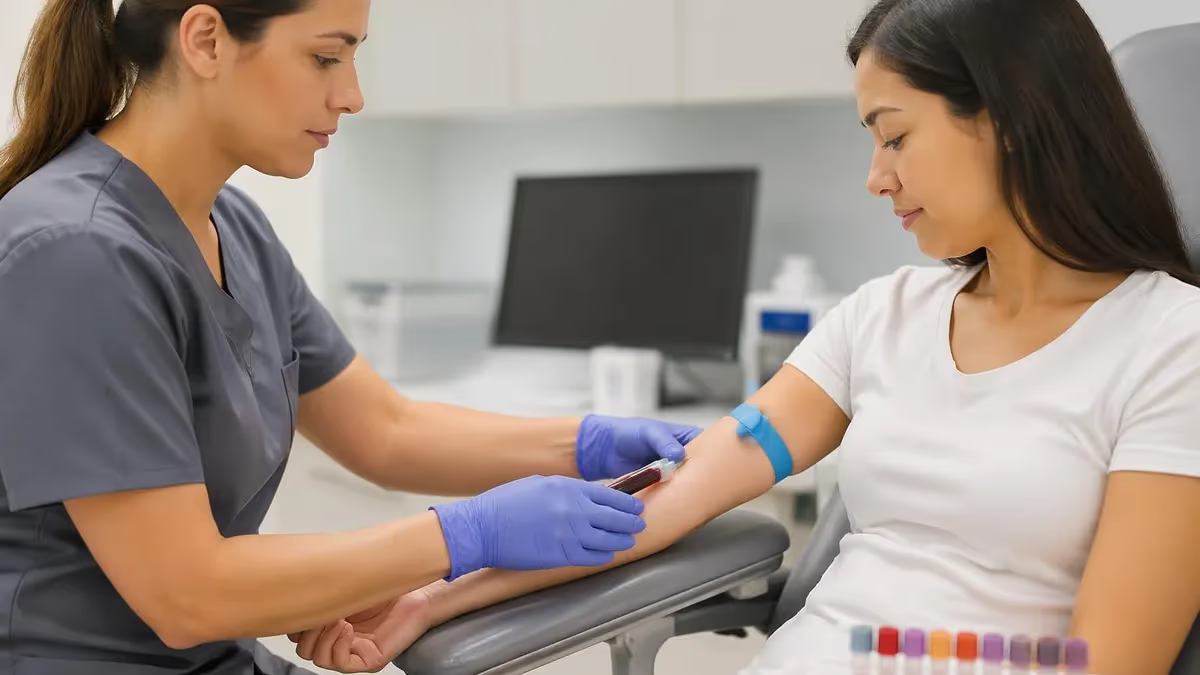
Phlebotomy jobs are everywhere right now. Hospitals, urgent care clinics, blood banks, and private labs all need skilled blood draw professionals. The demand hasn't slowed down, either -- it's actually picking up speed as healthcare systems expand and aging populations require more routine testing. If you've been thinking about entering the field, you're looking at one of the fastest entry points in all of healthcare.
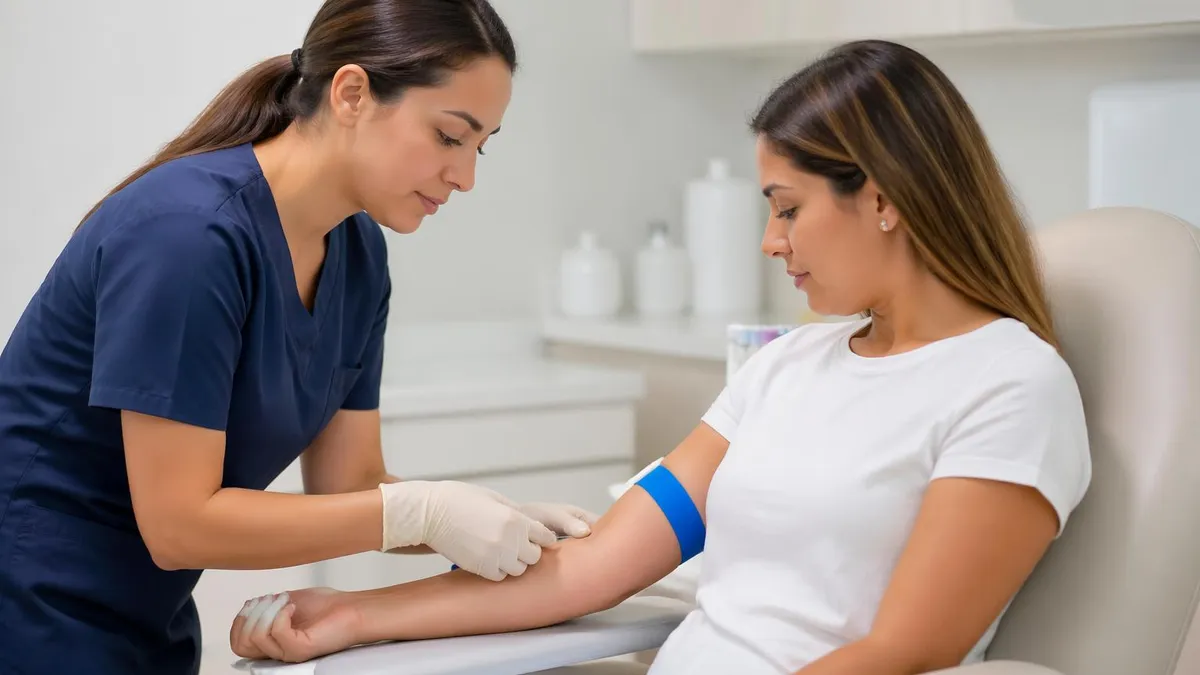
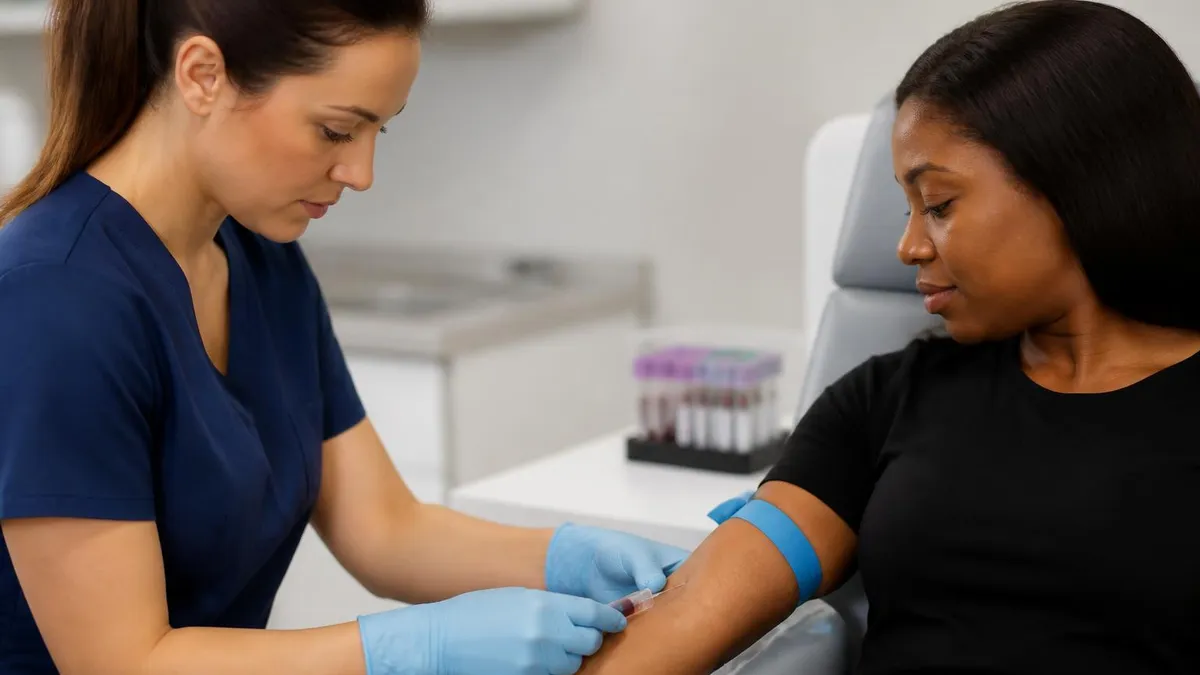
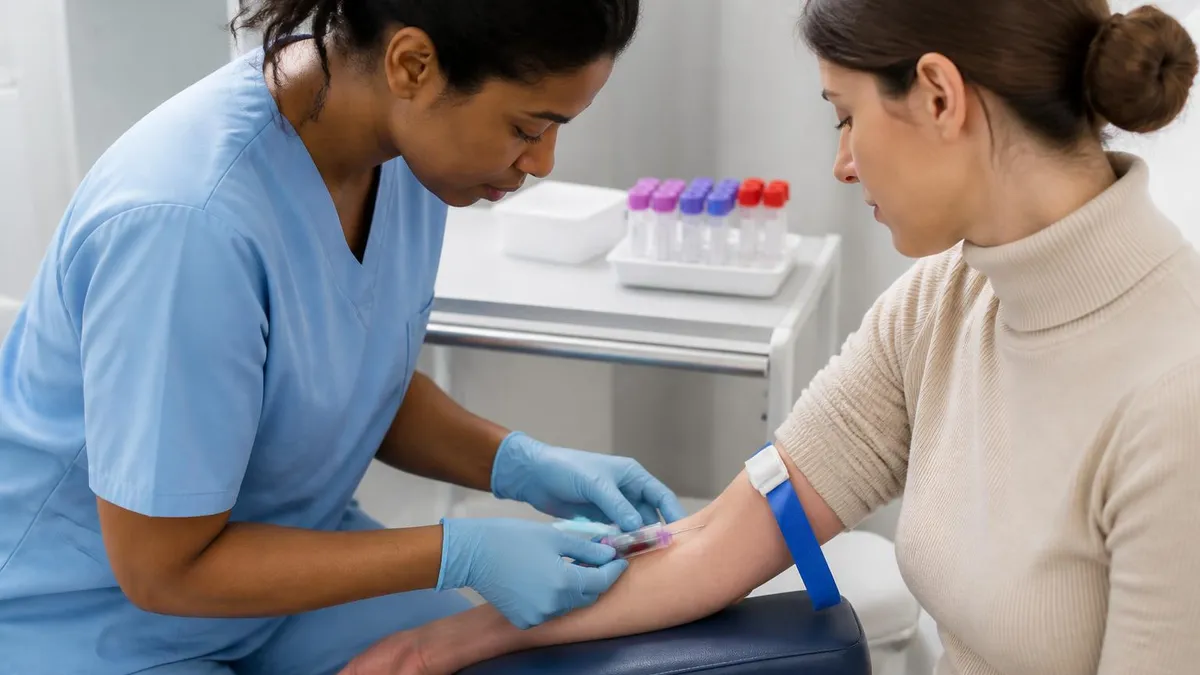
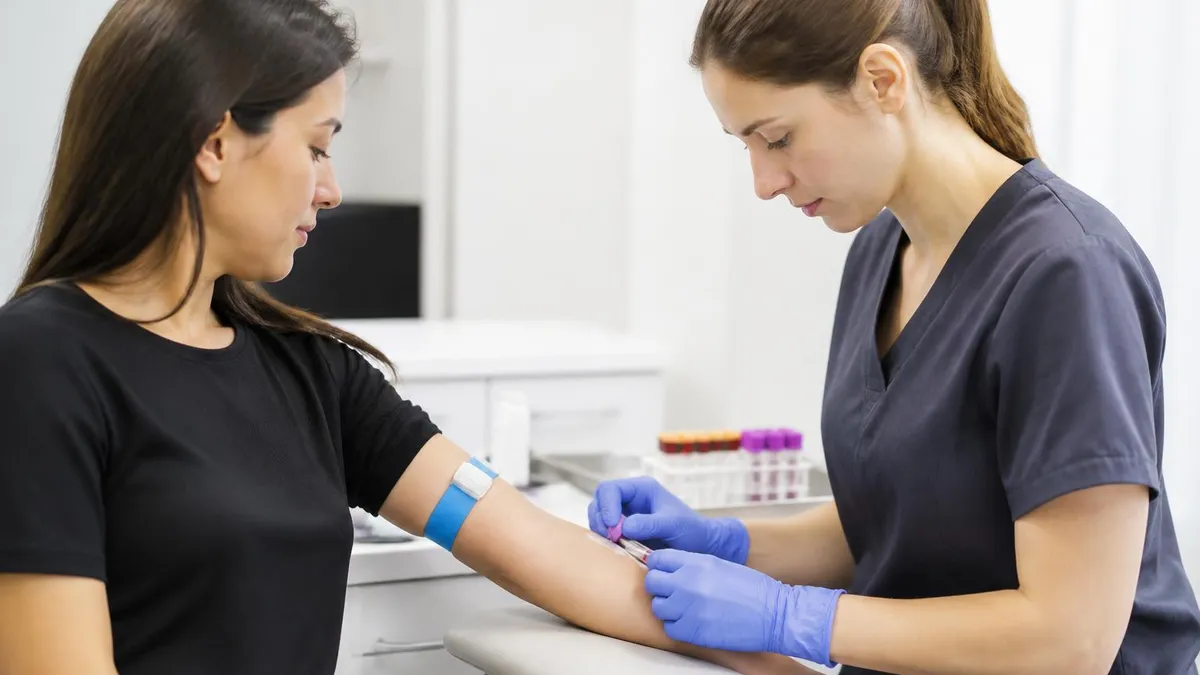
A phlebotomy technician collects blood samples from patients for lab analysis, transfusions, donations, and research. That's the short version. The longer version involves mastering venipuncture technique, understanding order of draw protocols, labeling specimens correctly, and -- honestly -- calming nervous patients who'd rather be anywhere else. It's a hands-on career that rewards precision and people skills in equal measure.
What makes phlebotomy careers near me searches spike every year? Simple math. Training takes weeks, not years. Certification exams are straightforward with proper preparation. And starting salaries beat most entry-level positions that require similar training time. Whether you're fresh out of high school, switching careers at 35, or looking for a stable healthcare role without a four-year degree, phlebotomy delivers. This guide breaks down everything -- from job types and salary ranges to resume tips and volunteer paths that get your foot in the door.

When people search for phlebotomy careers near me, they usually mean "where can I actually work once I'm certified?" The answer might surprise you with its variety. Hospitals employ the largest share of phlebotomists -- around 40% of all positions. But that's barely half the picture. Diagnostic laboratories, outpatient clinics, physician offices, and blood donation centers each maintain their own phlebotomy teams.
Phlebotomy careers span settings you might not expect. Mobile phlebotomy services send technicians directly to patients' homes or nursing facilities. Research institutions hire phlebotomists for clinical trials. Insurance companies employ them for paramedical exams. Some phlebotomists even work on cruise ships. Each setting comes with different pace, patient volume, and pay structure -- so it's worth exploring phlebotomy careers near me to understand which environment fits your personality.
Travel phlebotomy is another growing niche. Agencies place certified technicians in short-term assignments across different states, often with housing stipends and higher hourly rates. It's not for everyone -- you'll need flexibility, fast adaptability, and comfort working in unfamiliar facilities with new teams and equipment setups. But if you want to see new places while building clinical experience across multiple healthcare systems, travel assignments can accelerate your career in ways a single hospital posting simply can't match.
Your phlebotomy skills for resume matter more than you'd think. Hiring managers scan applications fast. They want proof you can perform venipuncture safely, handle capillary collections, and operate centrifuge equipment. But technical ability alone won't land the job. Communication skills, bilingual fluency, and electronic health records experience -- these details separate a good application from a forgettable one.
A phlebotomy technician/phlebotomist (the terms are interchangeable in most job postings) needs both hard and soft skills listed clearly. Hard skills include specimen processing, order of draw knowledge, infection control protocols, and quality assurance procedures. Soft skills? Patient interaction, time management under pressure, and attention to detail when labeling tubes. Spell them out on your resume. Don't assume the recruiter knows what your certification covers.
Tailor every application to the specific posting. If a hospital emphasizes pediatric experience, highlight any clinical rotations or volunteer hours with children. If a lab wants someone comfortable with high-volume draws, mention your speed and accuracy metrics from training. Generic resumes get generic results. The phlebotomists who land interviews are the ones who show they've read the job description and responded to it directly -- not just listed credentials and hoped for the best.
Phlebotomy Work Environments Compared
Hospital phlebotomists handle the highest patient volume -- often 30 to 50 draws per shift. You'll rotate between floors, work with diverse patient populations (from newborns to geriatric), and sometimes draw blood in emergency situations. Shifts include nights, weekends, and holidays. The trade-off? Hospitals typically offer the best benefits, tuition reimbursement, and advancement pathways into lab tech or nursing roles. Union positions are common at larger facilities.
Every phlebotomy technician phlebotomist role requires some form of credentialing, though requirements vary by state. Some states mandate certification before you can draw blood legally. Others allow you to work under supervision while pursuing your credential. Either way, getting certified opens more doors -- and usually comes with a pay bump of $2 to $4 per hour over uncertified techs.
Certified phlebotomy technician jobs typically require credentials from one of several recognized bodies. The American Society for Clinical Pathology (ASCP) offers the PBT certification, widely considered the gold standard. The National Healthcareer Association (NHA) provides the CPT credential. Other options include certifications from AMT, NCCT, and the Association of Phlebotomy Technicians. Each has slightly different prerequisites -- some require clinical hours, others accept a combination of training and work experience.
Here's what matters most: pick one and get it done. Employers rarely care which organization issued your certification. They care that you have it. The exam content overlaps significantly across all certifying bodies -- venipuncture procedures, safety protocols, specimen handling, and anatomy. Your training program will prepare you for whichever exam you choose. Don't overthink the decision. Just make sure you're studying with current materials and practicing with real equipment whenever possible.
Phlebotomy training jobs exist, and they're more common than most people realize. Many hospitals and large lab networks run paid training programs where you learn on the job. You won't earn full phlebotomist wages during training -- expect something closer to minimum wage or a modest stipend. But you'll gain clinical hours, mentorship, and often a guaranteed position upon completion. It's worth asking about these programs directly, since they don't always show up on job boards.
A phlebotomy job description at the entry level typically includes: performing venipuncture and capillary puncture on patients of all ages, processing and preparing specimens for laboratory testing, maintaining equipment and supplies, following infection control procedures, and entering data into laboratory information systems. Senior roles add responsibilities like training new hires, quality assurance oversight, and coordinating with pathologists on special collection requirements.
What you won't see in most job descriptions -- but should know -- is the emotional labor involved. You'll draw blood from people having their worst days. Cancer patients, frightened children, combative individuals. The technical part of phlebotomy you can learn in weeks. The human part takes longer. Empathy isn't optional in this field. The technicians who last and advance are the ones who genuinely care about making a stressful experience a little less terrible for each patient they see.
Pros and Cons of Phlebotomy Careers
- +Fast entry -- training programs take 4 to 8 weeks
- +Strong job growth exceeding most healthcare roles
- +No bachelor's degree required for certification
- +Multiple work settings from hospitals to mobile services
- +Clear advancement paths into lab tech and nursing
- +High demand means competitive benefits at larger employers
- −Starting pay sits below national median for healthcare workers
- −Exposure to bloodborne pathogens despite safety protocols
- −Shift work including nights, weekends, and holidays common
- −Repetitive physical motions can cause wrist strain over time
- −Difficult patients add emotional stress to routine tasks
- −Some states require additional licensing beyond certification
Phlebotomy hiring picks up at predictable times throughout the year. January sees a surge as hospitals fill budgeted positions. Summer brings openings when staff take vacations. Fall ramps up as flu season and annual wellness testing drive patient volume higher. If you're timing your job search, graduating from a training program in November or December positions you perfectly for the January hiring wave.
Phlebotomy volunteer opportunities offer a strategic path for anyone struggling to land that first paid position. Blood banks like the American Red Cross regularly accept volunteers, and while you won't perform draws as a volunteer, you'll gain familiarity with collection environments and build professional references. Some community health fairs and free clinics allow certified phlebotomists to volunteer their skills directly -- these experiences look excellent on applications and demonstrate commitment beyond the paycheck.
Networking matters in phlebotomy more than most entry-level fields, and it's something new graduates consistently underestimate. Clinical instructors often have direct connections to hiring managers at local hospitals and labs. Former classmates share job leads. Professional organizations like the American Society of Phlebotomy Technicians host events where you'll meet people making hiring decisions. Don't underestimate informal channels. A significant percentage of phlebotomy positions fill through internal referrals before they ever hit Indeed or LinkedIn. Make yourself known in your local healthcare community, and opportunities will find you.
Your Phlebotomy Job Search Checklist
- ✓Complete an accredited phlebotomy training program (4-8 weeks)
- ✓Log required clinical hours -- most certifying bodies need 30-100 draws
- ✓Pass a national certification exam (ASCP, NHA, AMT, or NCCT)
- ✓Build a targeted resume highlighting phlebotomy skills and clinical rotations
- ✓Create profiles on healthcare job boards (Indeed, Health eCareers, hospital sites)
- ✓Apply to hospital systems, reference labs, and blood banks in your area
- ✓Prepare for interviews by reviewing common venipuncture scenarios
- ✓Gather professional references from instructors and clinical supervisors
- ✓Check your state's specific licensing requirements before accepting offers
- ✓Follow up on applications within one week -- persistence gets callbacks
A phlebotomy technician career overview wouldn't be complete without talking about money and advancement. Entry-level positions start around $34,000 to $37,000 annually in most markets. Experienced phlebotomists with specialized skills -- pediatric draws, difficult-access patients, point-of-care testing -- earn $42,000 to $48,000. Lead phlebotomists and supervisors push past $50,000 in high-cost areas. Travel phlebotomy contracts frequently pay $25 to $30 per hour before housing stipends.
Phlebotomy technician hiring trends favor candidates with additional credentials. CPR certification, HIPAA training completion, and electronic medical records experience make your application stronger. Bilingual phlebotomists -- especially Spanish-English -- command premium rates in many markets. Some employers also value experience with point-of-care testing devices, drug screening protocols, and insurance company paramedical exam procedures. Every additional skill you bring narrows the competition.
Long-term, phlebotomy serves as a launchpad. Many registered nurses, medical laboratory scientists, and physician assistants started with a phlebotomy certification. The clinical exposure, patient interaction experience, and medical terminology knowledge you gain transfer directly into advanced healthcare education. If you're unsure about committing to a four-year program, phlebotomy lets you test healthcare from the inside without massive financial risk. Work for a year, see if the environment suits you, then decide your next move with real information -- not guesswork.
So what do phlebotomy technicians do on a daily basis? It depends on the setting, but the core remains consistent. Morning shifts in hospitals start with reviewing the day's draw list -- patients who need fasting labs, pre-surgical bloodwork, or routine monitoring. You'll organize your supplies, verify patient identifiers, perform draws, label specimens, and transport them to the lab. Repeat that cycle 30 to 50 times per shift.
People searching for phlebotomy joba (a common search variation) often want to know if the job is boring. Honestly? Some days, yes. The core task itself is repetitive by its nature. But the patients aren't. Every arm is different -- vein depth, elasticity, patient anxiety level, medical history affecting access points. Experienced phlebotomists develop an almost intuitive ability to find veins that challenge newer techs. That expertise takes time to build, and it's what separates adequate technicians from exceptional ones.
Beyond the draws themselves, phlebotomists handle equipment maintenance, inventory management, and quality control procedures. You'll run control samples through analyzers, document lot numbers, and flag any irregularities. In smaller facilities, you might also process specimens -- spinning blood in centrifuges, pipetting serum into transfer tubes, and preparing samples for shipment to reference laboratories. The role expands or contracts based on where you work, and that variety keeps many phlebotomists engaged for years.
California, Nevada, Washington, and Louisiana require specific state licensure for phlebotomists beyond national certification. Other states have no phlebotomy-specific regulations at all. Before relocating or accepting a position in a new state, verify the exact requirements through that state's department of health or laboratory licensing board. Working without proper credentials can result in fines for both you and your employer.
Putting phlebotomy skills on resume documents takes more thought than listing "venipuncture" and calling it done. Hiring managers want specifics. How many draws per shift did you average during clinicals? What patient populations did you work with? Did you handle any special collections -- arterial blood gases, blood cultures, glucose tolerance tests? Quantify your experience wherever possible. Numbers make abstract skills concrete.
Legacy healthcare careers phlebotomy roles -- positions at established hospital systems that have been around for decades -- often come with better benefits and pension plans compared to newer facilities. These legacy employers value loyalty and promote from within. If you can land a position at a well-established healthcare system early in your career, you'll benefit from structured advancement, continuing education support, and union protections that smaller operations simply can't match.
Format your resume cleanly. One page. Put your certification and training at the top -- that's what gets you past the initial screening. Follow with clinical experience, including facility names and draw counts. List relevant skills in a dedicated section: venipuncture, capillary puncture, specimen processing, EHR systems (name the specific ones you've used), and any special competencies. End with education. Skip the objective statement -- nobody reads them. A well-structured resume gets you 15 seconds of attention from a hiring manager scanning dozens of applications. Make those seconds count with the information that matters most to the role you're targeting.
Phlebotomy Practice Test Questions
Prepare for the Phlebotomy Test exam with our free practice test modules. Each quiz covers key topics to help you pass on your first try.
Phlebotomy American Medical Certification ...
Phlebotomy Exam Questions covering American Medical Certification Association Phlebotomy. Master Phlebotomy Test concepts for certification prep.
Phlebotomy American Medical Technologists ...
Free Phlebotomy Practice Test featuring American Medical Technologists Phlebotomy. Improve your Phlebotomy Exam score with mock test prep.
Phlebotomy American Society for Clinical P...
Phlebotomy Mock Exam on American Society for Clinical Pathology Phlebotomy. Phlebotomy Study Guide questions to pass on your first try.
Phlebotomy Association of Phlebotomy Techn...
Phlebotomy Test Prep for Association of Phlebotomy Technicians. Practice Phlebotomy Quiz questions and boost your score.
Phlebotomy National Center for Competency ...
Phlebotomy Questions and Answers on National Center for Competency Testing Phlebotomy. Free Phlebotomy practice for exam readiness.
Phlebotomy National Healthcareer Associati...
Phlebotomy Mock Test covering National Healthcareer Association Phlebotomy. Online Phlebotomy Test practice with instant feedback.
Phlebotomy Order of Draw and Additives
Free Phlebotomy Quiz on Order of Draw and Additives. Phlebotomy Exam prep questions with detailed explanations.
Phlebotomy Legal and Ethics
Phlebotomy Practice Questions for Phlebotomy Legal and Ethics. Build confidence for your Phlebotomy certification exam.
Phlebotomy Safety and Infection Control
Phlebotomy Test Online for Safety and Infection Control. Free practice with instant results and feedback.
Phlebotomy Special Collection Procedures
Phlebotomy Study Material on Special Collection Procedures. Prepare effectively with real exam-style questions.
Phlebotomy Specimen Processing and Handling
Free Phlebotomy Test covering Specimen Processing and Handling. Practice and track your Phlebotomy exam readiness.
Phlebotomy Test Arterial Blood Gas Collection
Phlebotomy Exam Questions covering Test Arterial Blood Gas Collection. Master Phlebotomy Test concepts for certification prep.
Phlebotomy Test Capillary and Dermal Puncture
Free Phlebotomy Practice Test featuring Test Capillary and Dermal Puncture. Improve your Phlebotomy Exam score with mock test prep.
Phlebotomy Test Pediatric Blood Collection
Phlebotomy Mock Exam on Test Pediatric Blood Collection. Phlebotomy Study Guide questions to pass on your first try.
Phlebotomy Test Phlebotomy Anatomy and Phy...
Phlebotomy Test Prep for Test Phlebotomy Anatomy and Physiology. Practice Phlebotomy Quiz questions and boost your score.
Phlebotomy Test Phlebotomy Exam Simulation
Phlebotomy Questions and Answers on Test Phlebotomy Exam Simulation. Free Phlebotomy practice for exam readiness.
Phlebotomy Test Phlebotomy Patient Identif...
Phlebotomy Mock Test covering Test Phlebotomy Patient Identification and Communication. Online Phlebotomy Test practice with instant feedback.
Phlebotomy Test Point of Care Testing
Free Phlebotomy Quiz on Test Point of Care Testing. Phlebotomy Exam prep questions with detailed explanations.
Phlebotomy employment numbers tell a clear story. The Bureau of Labor Statistics projects 22% job growth for phlebotomists through 2032 -- far exceeding the average across all occupations. That translates to roughly 19,500 new positions created over the decade, on top of openings from retirements and turnover. You're not entering a shrinking field. You're entering one that can't fill roles fast enough.
Phlebotomy jobs with training included are worth seeking out if you want to skip the upfront tuition costs. Hospital systems like HCA Healthcare, Kaiser Permanente, and Veterans Affairs medical centers periodically offer paid phlebotomy training cohorts. Community colleges partner with local health systems to create programs where clinical hours are built into the curriculum -- and graduates often receive job offers before completing their final exams. Check with workforce development boards in your county, too. Many offer free or subsidized phlebotomy training for qualifying residents.
The bottom line? Phlebotomy isn't glamorous work. Nobody grows up dreaming about drawing blood. But it's meaningful, stable, and accessible. You can go from zero healthcare experience to employed and certified in under three months. You'll earn a livable wage, gain clinical skills that transfer to dozens of other health professions, and work in environments where your contribution directly impacts patient care. For a career that asks for weeks of training instead of years of school, that's a remarkable return on investment.
Start with certification. Everything else follows from that first credential. Once you're working, keep building -- add specialties, earn continuing education credits, and explore adjacent roles. The healthcare industry rewards people who show up prepared and keep improving. Phlebotomy gives you the foundation. What you build on top of that solid foundation is entirely up to you.
Phlebotomy Questions and Answers
About the Author

Registered Nurse & Healthcare Educator
Johns Hopkins University School of NursingDr. Sarah Mitchell is a board-certified registered nurse with over 15 years of clinical and academic experience. She completed her PhD in Nursing Science at Johns Hopkins University and has taught NCLEX preparation and clinical skills courses for nursing students across the United States. Her research focuses on evidence-based exam preparation strategies for healthcare certification candidates.