
EKG Phlebotomy Technician Jobs: Your Complete Career Guide for Dual-Credential Healthcare Roles
Explore ekg phlebotomy technician jobs, salary data, training paths & certification tips. 🎯 Land dual-credential healthcare roles faster.

If you've been searching for phlebotomy classes near me and wondering how to maximize your earning potential in allied health, combining phlebotomy with EKG (electrocardiogram) technician skills is one of the smartest career moves you can make. EKG phlebotomy technician jobs are among the fastest-growing dual-credential roles in hospitals, urgent care centers, and diagnostic labs across the United States, and employers actively seek candidates who can perform both blood draws and cardiac monitoring without hiring two separate staff members. This guide breaks down everything you need to know to pursue this rewarding path.
What is phlebotomy, exactly? At its core, phlebotomy is the clinical practice of drawing blood from patients for laboratory analysis, transfusions, or therapeutic purposes. A certified phlebotomy technician uses venipuncture and capillary puncture techniques to collect specimens accurately and safely, following strict infection-control and patient-care protocols. When you layer EKG skills on top, you become capable of attaching electrodes, recording cardiac rhythms, and flagging abnormal tracings — turning yourself into a versatile single-hire solution that most modern healthcare facilities desperately need.
The demand for dual-trained technicians has accelerated sharply over the past decade. As outpatient clinics expand to handle patients who once required hospital stays, staffing models have shifted toward cross-trained employees who can rotate between the specimen collection station and the cardiac monitoring suite within the same shift. This cross-utilization reduces overhead and keeps wait times down for patients, which is why HR managers specifically list EKG proficiency as a preferred qualification on phlebotomy job postings in virtually every major metro area.
Salary is another compelling reason to pursue both credentials simultaneously. A standalone phlebotomy technician salary averages around $38,000–$42,000 per year at entry level, but adding EKG certification routinely bumps that figure by $5,000–$12,000 annually depending on the employer and geographic market. In high-cost-of-living states like California, New York, and Washington, dual-trained technicians frequently earn $55,000–$65,000 with overtime, making this one of the highest-return short-term training investments in all of healthcare.
Training timelines are surprisingly short. Most phlebotomy training specialists offer programs that run four to eight weeks for phlebotomy alone, and many community colleges bundle an EKG module into the same semester-length course.
That means you can walk out the door fully credentialed in as little as three to five months, pass a national certification exam, and be employed in a clinically meaningful role — all without the four-year degree burden that other healthcare careers require. If you are already enrolled and preparing for your exam, a solid phlebotomy practice test is one of the best ways to lock in your knowledge before test day.
Geographic availability of these jobs is broad. While large hospital systems in metropolitan areas post the most openings, rural critical-access hospitals and federally qualified health centers are equally hungry for dual-trained staff because they operate on leaner budgets and cannot justify specialized-only hires. Remote and traveling technician positions have also grown, with some staffing agencies paying premium hourly rates — plus housing stipends — to place certified professionals in underserved communities for contract periods of thirteen weeks or longer.
This article will walk you through the specific job types available, the step-by-step path to dual certification, realistic salary benchmarks by region, and the practical strategies that help new technicians land their first position even without prior clinical experience. Whether you are a career-changer, a recent high school graduate, or a healthcare worker looking to upskill, the EKG phlebotomy technician track offers an accessible, high-value runway into the medical field.
EKG Phlebotomy Technician Jobs by the Numbers

Types of EKG Phlebotomy Technician Jobs and Work Settings
Large hospital systems are the largest single employer of dual-trained technicians. You rotate through nursing floors, the emergency department, and cardiac care units, drawing specimens and running 12-lead EKGs on the same patient visit — a major efficiency win for nursing staff.
Independent and hospital-affiliated outpatient labs process hundreds of specimens daily. Dual-credentialed technicians handle morning draws and cardiac monitoring appointments simultaneously, reducing the number of visits patients must schedule and boosting the lab's revenue per patient encounter.
Urgent care chains like CityMD, FastMed, and Concentra explicitly recruit dual-trained staff to cover all clinical support needs with a lean team. These settings offer convenient daytime hours, competitive pay, and fast-paced environments ideal for building broad clinical experience quickly.
Cardiology, internal medicine, and family practice offices rely on technicians who can draw blood for lipid panels and simultaneously capture an EKG during the same appointment. These roles often feature the most predictable schedules and a smaller patient volume per day.
Staffing agencies place dual-certified technicians in contract roles across the country. Assignments typically run 13 weeks, include housing stipends and travel reimbursement, and pay $20–$28 per hour — a significant premium for flexibility and willingness to relocate temporarily.
Becoming a certified dual-trained technician begins with choosing the right program. When evaluating phlebotomy courses near me, look specifically for curricula that include both venipuncture technique and EKG interpretation basics in the same enrollment. Some programs separate these into two sequential courses, which can extend your timeline, while others offer an integrated clinical support technician track that covers both disciplines in a single eight-to-sixteen week block. Either path is valid, but the integrated approach saves money on duplicate enrollment fees and clinical externship hours.
The core phlebotomy curriculum covers anatomy of the vascular system, specimen collection procedures, the order of draw for phlebotomy, infection control under OSHA's bloodborne pathogen standard, and proper labeling and chain-of-custody documentation. The order of draw is particularly important — drawing tubes in the wrong sequence causes cross-contamination of additives and can produce inaccurate lab results that harm patients. Mastering this sequence is not only a clinical necessity but also a heavily tested topic on every major certification exam. You can deepen your understanding by reviewing the order of draw for phlebotomy before sitting for your credential.
EKG training adds a complementary layer to your skill set. You will learn how to prepare patients for cardiac monitoring, place the ten electrode leads correctly on the chest and limbs, operate a standard 12-lead EKG machine, recognize basic normal and abnormal rhythms, and communicate findings to supervising clinicians. While you will not be expected to diagnose arrhythmias as a technician, the ability to identify a clearly abnormal tracing and escalate promptly is a critical patient safety skill that employers test during interviews with scenario-based questions.
Externship hours are mandatory for most certification pathways. The National Healthcareer Association (NHA) requires a minimum of 100 venipuncture and 10 capillary puncture hours completed under supervision before you can sit for the certified phlebotomy technician exam. EKG certifications through bodies like AMCA or the National Center for Competency Testing (NCCT) similarly require documented hands-on practice. Some phlebotomy training specialists negotiate externship placements directly with local hospitals or clinics, so ask prospective schools whether externship placement is included before you enroll.
Certification exam preparation deserves serious attention. The six major credentialing bodies — AMCA, AMT, ASCP, NHA, APT, and NCCT — each administer their own written exam with slightly different content emphases and question formats. Most exams contain between 100 and 200 multiple-choice questions covering specimen collection, safety procedures, anatomy, and medical terminology. Pass rates vary by organization but generally hover between 65% and 80% for first-time test takers, which means that roughly one in four candidates fails on the first attempt. Structured practice testing is the single most effective preparation strategy according to program completion data.
Phlebotomy training specialists at accredited institutions typically align their curriculum with the content outlines published by the major certification bodies. When comparing programs, verify that the school holds programmatic accreditation from the National Accrediting Agency for Clinical Laboratory Sciences (NAACLS) or is recognized by the credentialing body you plan to test with. Attending a non-accredited program may disqualify you from sitting for the exam at all, wasting both your time and your tuition dollars.
Online coursework has become increasingly available for the didactic (classroom) portion of phlebotomy and EKG training, though clinical hours must always be completed in person. Hybrid programs that combine asynchronous online lectures with scheduled in-person lab days offer maximum scheduling flexibility for working adults. If you plan to test with the NHA, their nha phlebotomy practice test resources align directly with the exam blueprint and are an excellent supplement to any program's official study materials.
Phlebotomy Salary: What Dual-Credential Technicians Actually Earn
New graduates entering their first EKG phlebotomy technician job typically earn between $17 and $21 per hour, translating to $35,000–$44,000 annually for full-time positions. Hospital systems that offer shift differentials can push effective hourly pay above $23 for evening and overnight shifts, which is a meaningful boost for technicians willing to work non-traditional hours during their first year in the field.
Geographic location has an outsized impact on starting wages. Entry-level technicians in California, Massachusetts, and Washington state routinely start at $21–$25 per hour due to higher minimum wage floors and strong union presence in hospital settings. By contrast, technicians in the Southeast and Midwest typically start at $15–$18 per hour, though the lower cost of living in those regions partially offsets the wage gap when evaluating real purchasing power.

Is Pursuing Dual EKG and Phlebotomy Certification Worth It?
- +Earn $5,000–$12,000 more annually compared to phlebotomy-only certified technicians
- +Complete both credentials in as little as three to five months with integrated programs
- +Enjoy broader job market access — employers prefer dual-trained hires to reduce staffing costs
- +Build clinical versatility that makes you more competitive for promotions and leadership roles
- +Access traveling technician contracts with housing stipends and premium pay rates
- +Qualify for a wider range of healthcare settings including cardiology, urgent care, and hospitals
- −Higher upfront tuition cost when enrolling in a dual-credential program versus phlebotomy alone
- −Must complete externship hours for both credentials, which extends clinical placement time
- −Two separate certification exams to pass, each requiring distinct preparation and exam fees
- −Entry-level positions may only pay a modest premium until you accumulate documented EKG experience
- −Physical demands of the role — standing for long shifts and frequent patient interaction — can cause fatigue
- −Some smaller clinics only pay the phlebotomy-only rate even when hiring dual-trained technicians
Phlebotomy Certification Checklist: Steps to Land Your First Dual-Credential Job
- ✓Research accredited programs offering combined phlebotomy and EKG training in your area.
- ✓Verify the program holds NAACLS accreditation or is recognized by your target certification body.
- ✓Complete all required classroom hours covering venipuncture, infection control, and EKG electrode placement.
- ✓Log the minimum supervised venipuncture hours required by your chosen certification body (typically 100+).
- ✓Complete a 12-lead EKG competency sign-off with a supervising clinician or instructor.
- ✓Register and sit for your primary phlebotomy certification exam (AMCA, AMT, ASCP, or NHA).
- ✓Obtain EKG technician certification through AMCA, NCCT, or another approved credentialing body.
- ✓Build a professional resume that lists both certifications prominently alongside clinical externship hours.
- ✓Apply to hospital, urgent care, and outpatient lab positions listing 'dual-trained' or 'multi-skilled' in the posting.
- ✓Prepare scenario-based answers for common interview questions about difficult venipuncture and EKG escalation procedures.
Dual Certification Doubles Your Interview Callbacks
According to healthcare staffing surveys, job postings for phlebotomy technicians that specifically request EKG skills receive 40% fewer qualified applicants than standard phlebotomy-only roles — meaning dual-credentialed candidates face significantly less competition. Earning both credentials before applying puts you in a small, highly sought-after talent pool that most employers actively recruit from rather than simply posting and waiting.
Finding EKG phlebotomy technician jobs requires a slightly different search strategy than hunting for standard phlebotomy-only roles. Start by using job board filters to search simultaneously for titles like 'multi-skilled technician,' 'clinical support technician,' 'EKG/phlebotomy technician,' and 'patient care technician with phlebotomy.' Many employers list dual-role positions under umbrella titles that would not surface in a simple 'phlebotomy' keyword search, so casting a broader net is essential for capturing the full opportunity set.
Hospital career portals are among the most productive sources of dual-credentialed openings. Large health systems like HCA Healthcare, CommonSpirit Health, Ascension, and Tenet Healthcare post hundreds of phlebotomy and EKG-related positions annually across their facility networks. Creating candidate profiles directly on these systems' career sites — and setting up email alerts for new postings — ensures you see openings the moment they go live rather than discovering them days later when the best slots may already be filled.
Staffing agencies that specialize in allied health and clinical support are another high-yield channel. Companies like AMN Healthcare, Aya Healthcare, Cross Country Medical Staffing, and Soliant Health maintain active rosters of dual-trained technicians for both permanent and temporary placement. Registering with two or three of these agencies simultaneously maximizes exposure to unlisted positions and gives you access to a recruiter who actively advocates for your placement rather than leaving you to apply cold to job boards alone.
Networking within your phlebotomy externship site is one of the most underused job search strategies among new graduates. Supervisors who observe your performance during externship hours have direct hiring authority or personal connections to colleagues who do. Make it a point to introduce yourself professionally to department managers, demonstrate above-average attendance and initiative, and ask explicitly about full-time openings at the completion of your externship. A significant percentage of phlebotomy externship students receive job offers from their placement site before they even finish the program.
LinkedIn has become an increasingly important platform for allied health job seekers. Building a profile that lists your certifications, externship hours, clinical skills, and specific equipment familiarity (e.g., 'proficient with Welch Allyn MAC 5500 EKG machine' or 'experienced with BD Vacutainer system') signals a level of specificity that generic resumes miss. Recruiters at hospital systems actively search LinkedIn for candidates with phlebotomy certification near me or similar regional queries, so optimizing your profile with location-specific keywords significantly increases your chances of being found proactively.
Phlebotomy salary negotiation is an area where many new technicians leave money on the table. When you receive a job offer, research market rates for your specific metro area using Bureau of Labor Statistics data, Glassdoor salary reports, and salary surveys published by the ASCP. If the offer comes in below the midpoint for your market, present the data calmly and ask whether the employer can meet a specific target figure.
Many hospital HR departments have built-in flexibility of $1–$3 per hour, especially for dual-credentialed candidates who save the organization from making two separate hires. To benchmark your target number accurately, review current phlebotomy technician salary data by region before your negotiation conversation.
Benefits packages deserve as much scrutiny as base pay. Full-time hospital positions typically include health, dental, and vision insurance, paid time off accrual, 401(k) or 403(b) retirement matching, and tuition reimbursement for continuing education. Some systems offer student loan repayment assistance or free access to online continuing education platforms. When comparing two offers with similar base pay, the employer offering tuition reimbursement can be worth thousands of dollars more in total compensation annually — particularly if you plan to pursue a medical laboratory scientist degree, nursing, or a physician assistant program in the future.

Most phlebotomy and EKG certifications require renewal every two years and mandate a set number of continuing education units (CEUs) — typically six to twelve per cycle. Failing to renew on time can result in lapsed credentials that require you to retest rather than simply reapply, adding cost and delay to your employment eligibility. Set a calendar reminder six months before your certification expiration date to begin gathering CEUs and processing your renewal application well ahead of the deadline.
Preparing effectively for your phlebotomy certification exam is the most direct thing you can do to accelerate your entry into EKG phlebotomy technician jobs. The content domains tested across all major certification bodies are broadly similar: pre-examination procedures, venipuncture and capillary puncture technique, post-collection handling and processing, infection control and safety, and professional standards. Carving out a dedicated four-to-six week study period before your exam date — rather than cramming in the final week — produces measurably better pass rates according to program outcome data compiled by accredited schools.
Practice testing is the cornerstone of effective exam preparation. Answering bank questions under timed, test-like conditions activates active recall — a memory consolidation mechanism far more powerful than rereading notes or highlighting textbook passages. Research in cognitive psychology consistently shows that students who test themselves frequently on material retain it significantly better than those who use passive review strategies alone, and this effect is especially pronounced for procedural knowledge like venipuncture sequencing and specimen labeling rules that must be retrieved automatically in a clinical setting.
Content weighting varies by certification body, so reviewing the official exam blueprint from your chosen organization before you begin studying is essential. For example, the NHA NCPT exam weights pre-examination procedures at 20%, collection procedures at 45%, and post-collection at 35% — meaning more than half the exam focuses on what you do at the patient's side and immediately after. Understanding these weights lets you allocate your study time proportionally rather than spending equal time on every topic regardless of how heavily it is tested.
Therapeutic phlebotomy is one topic that surprises many exam candidates because it is tested more heavily than most students expect relative to how briefly it is covered in class. This specialized procedure, used to treat iron overload conditions like hemochromatosis and polycythemia vera, involves removing a therapeutic volume of whole blood — typically 450–500 mL — under a physician's order. The exam may ask about contraindications, monitoring parameters, documentation requirements, and patient education for therapeutic procedures, so reviewing these details specifically adds points where many candidates lose them.
Anatomy and medical terminology questions account for a meaningful share of every phlebotomy certification exam. You should be able to identify the median cubital, cephalic, and basilic veins as primary venipuncture sites; know when to use the dorsal hand veins as an alternative; and understand why certain patient conditions — anticoagulant therapy, lymphedema, dialysis fistulas, or mastectomy on that side — require site modification or physician consultation before drawing. Memorizing the Latin and Greek roots of common medical terms significantly reduces the cognitive load of encountering unfamiliar terminology on exam day.
Study groups formed with classmates from your phlebotomy program are an underrated preparation tool. Explaining a procedure aloud to a peer forces you to organize your knowledge more systematically than solo study does, and hearing a classmate's explanation of something you got wrong often clarifies concepts more effectively than rereading the textbook answer. If your program does not have a formal study group, the phlebotomy communities on Reddit (r/phlebotomy) and Facebook provide active peer discussion and can connect you with others studying for the same exam in your region.
On exam day itself, manage your pacing carefully. Most certification exams allow between 90 minutes and three hours for 100–200 questions, giving you roughly one minute per question. If a question stumps you, mark it and move on rather than spending four or five minutes on a single item and leaving easier questions unanswered at the end.
Answer every question even if uncertain — no major phlebotomy certification exam penalizes for wrong answers, so an educated guess is always better than a blank. After completing the exam, you will typically receive your pass/fail result immediately for computer-based tests, with official score reports and digital credentials arriving within five to ten business days.
Once you have secured your first EKG phlebotomy technician job, the learning curve continues well beyond the classroom. Clinical environments move faster than any training simulation can replicate, and your first weeks on the floor will surface procedural situations — rolling veins, pediatric draws, difficult IV patients, patients on blood thinners — that require judgment calls developed through direct supervised experience. Lean heavily on your preceptor and senior colleagues during this period rather than guessing your way through challenging sticks, as patient safety always outweighs any concern about appearing inexperienced.
Building your EKG competency on the job is equally important. Even if you completed EKG training in your program, the variety of cardiac rhythms you will encounter in a real patient population expands dramatically once you start working. Keep a pocket reference guide to arrhythmia recognition on your person during your first six months, and review any tracing your supervising clinician flags as abnormal so that you understand what pattern triggered the concern. Many hospitals offer free in-service education sessions on EKG interpretation — attending every one you can access will compound your expertise rapidly.
Continuing education and credential maintenance should be built into your professional routine from day one. Set aside a small monthly budget for CEU courses, which are widely available online for $15–$50 per module through platforms like CE Solutions, Relias, and the certification bodies themselves. Completing your renewal requirements gradually over your two-year cycle is far less stressful than scrambling to accumulate twelve CEUs in the final month before expiration, and it ensures you stay current with evolving best practices in specimen collection and cardiac monitoring technology.
Professional association membership is another investment that pays dividends throughout your career. The American Society of Phlebotomy Technicians (ASPT), the American Society for Clinical Laboratory Science (ASCLS), and the Association of Phlebotomy Technicians (APT) all offer networking events, job boards, discounted certification renewals, and access to published clinical guidelines. Membership fees are typically modest — under $100 per year — and the connections and resources you gain can accelerate both your job search and your long-term career advancement in ways that are difficult to replicate independently.
Advanced career pathways become accessible after three to five years of dual-credential experience. Medical laboratory technician (MLT) programs, cardiovascular technologist (CVT) training, and even nursing school all build directly on the clinical foundation you establish as a phlebotomy and EKG technician. Many employers offer tuition reimbursement specifically for employees pursuing these credentials, making the financial barrier to advancement lower than most people assume. Mapping your five-year career trajectory early — even as a new technician — helps you make smarter choices about which employers to join, which departments to seek experience in, and which continuing education topics to prioritize.
Mentorship from experienced clinicians in your workplace is the single most undervalued career accelerant available to new technicians. Identifying a phlebotomy supervisor, laboratory director, or cardiovascular tech who is willing to invest time in your professional development can open doors to committee involvement, cross-training opportunities, and informal references that formal job applications cannot replicate. Approach potential mentors with specific questions rather than a vague request for guidance, and follow through consistently on any advice they give — building a track record of reliability is what transforms a casual professional acquaintance into a true advocate for your career.
The EKG phlebotomy technician career path is one of the most accessible, financially rewarding, and clinically meaningful short-training career tracks in American healthcare. Whether your goal is a stable local hospital role, a high-earning traveling position, or a stepping stone toward a more advanced clinical credential, investing in dual certification positions you to achieve it faster and with greater confidence than single-credential training alone. Start with the fundamentals, master your craft in the early months on the job, and let your clinical reputation build the career that no job board posting alone could ever secure for you.
Phlebotomy Questions and Answers

No Experience Phlebotomy Jobs Near Me: How to Break Into the Field and Build Your Career
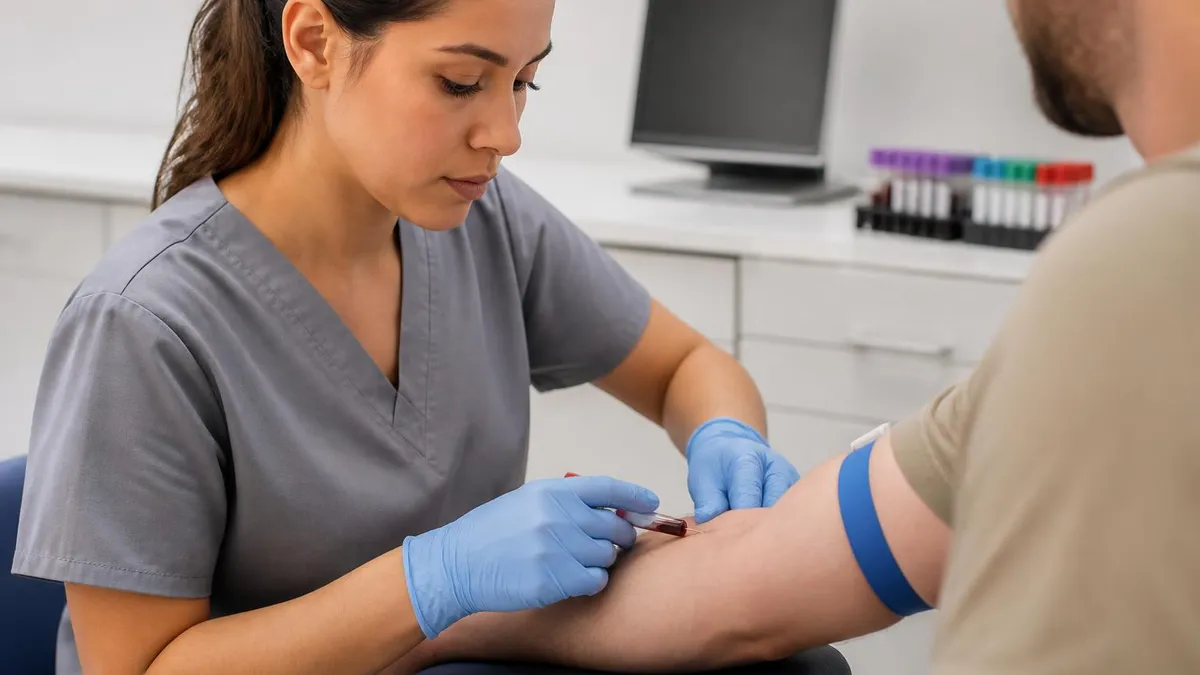
Phlebotomy Class: Cost, Length, and How to Pick the Right Program
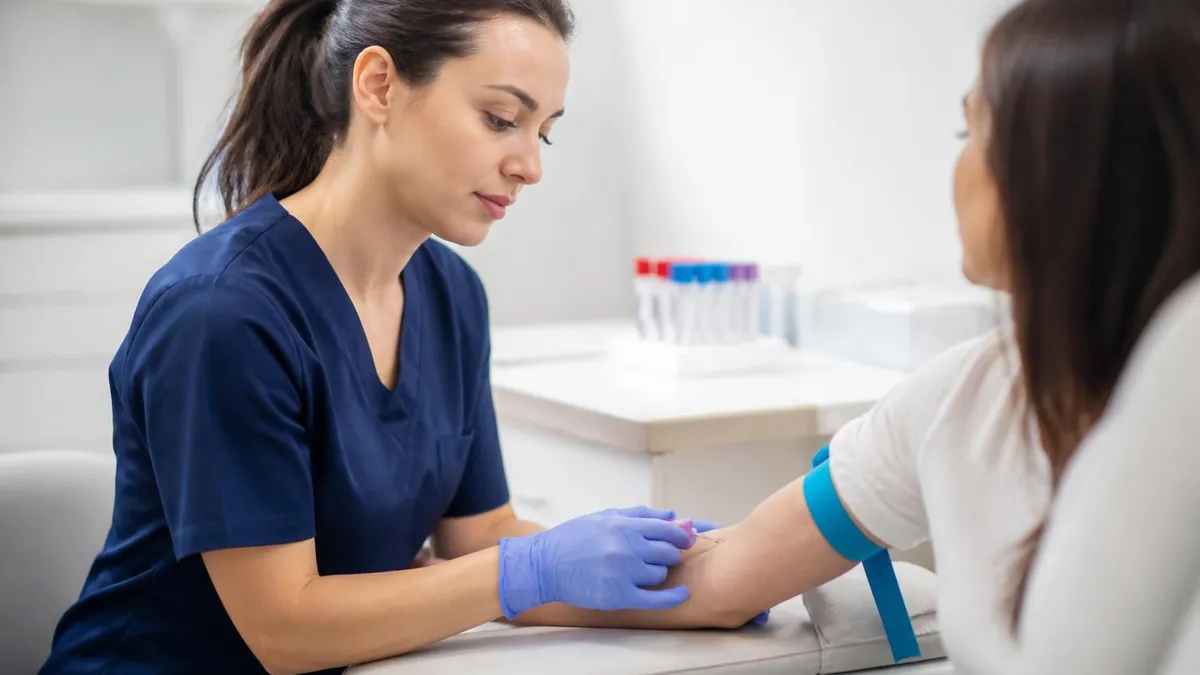
American Red Cross Phlebotomy Training: Complete Program Guide
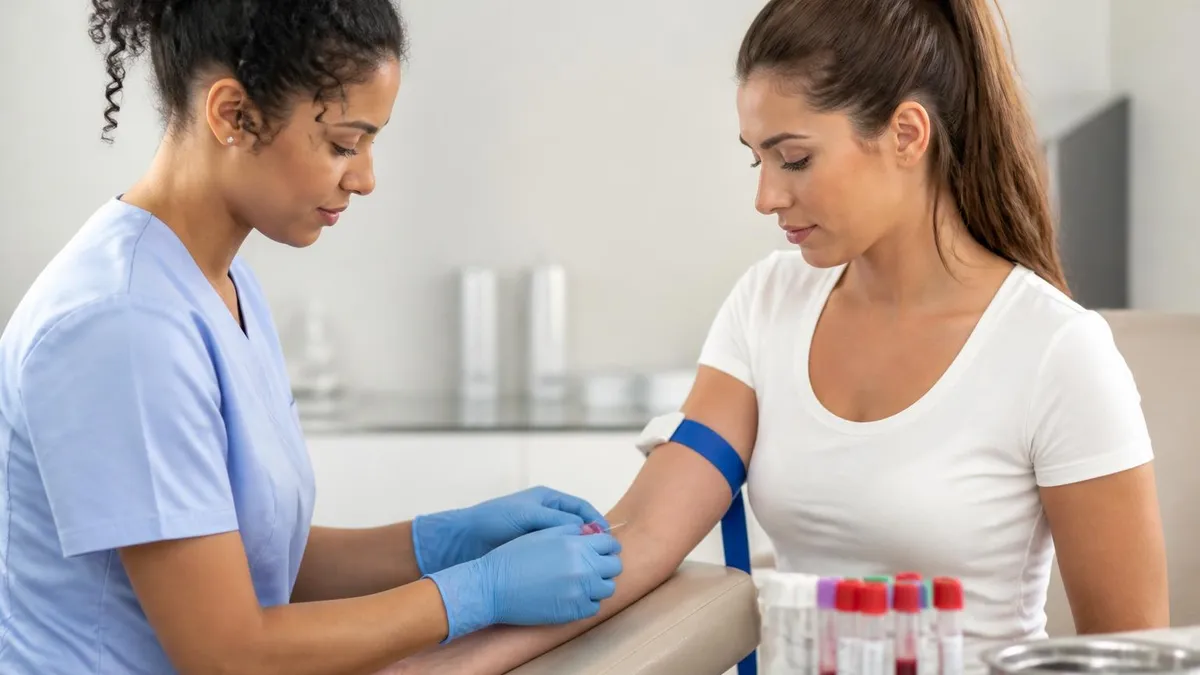
Phlebotomy Course: Curriculum, Cost, Length & How to Choose
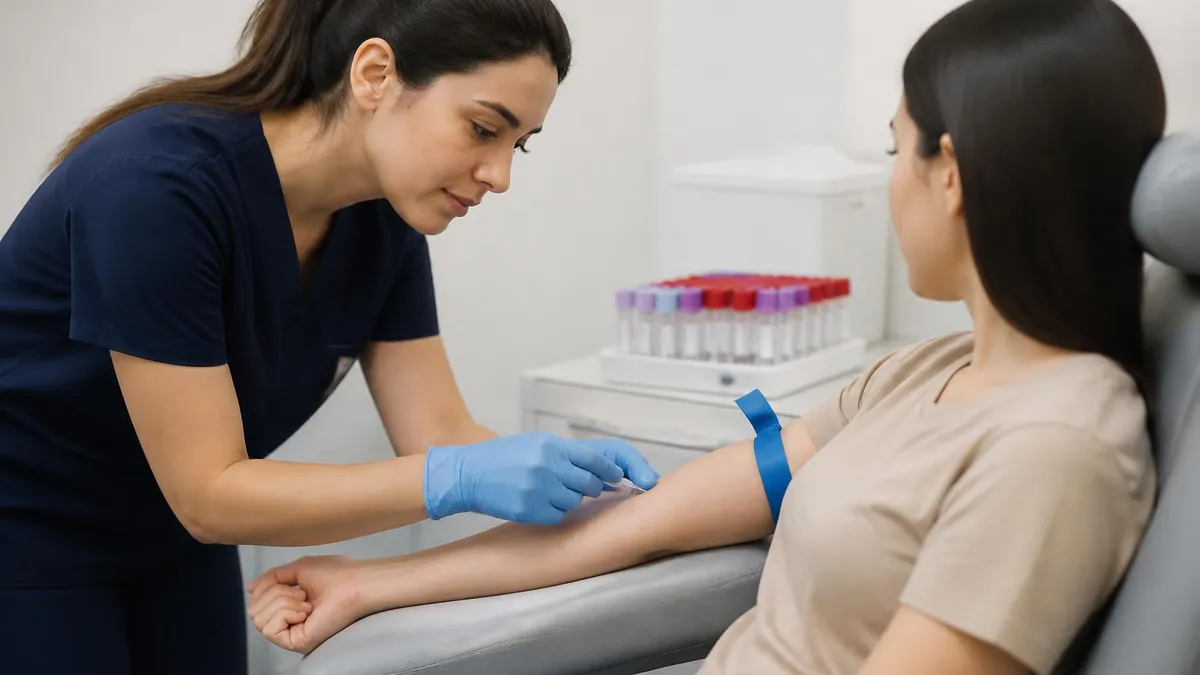
Phlebotomy Classes Chicago: 2026 Guide to Training Programs, Costs & Certification in Illinois
About the Author

Registered Nurse & Healthcare Educator
Johns Hopkins University School of NursingDr. Sarah Mitchell is a board-certified registered nurse with over 15 years of clinical and academic experience. She completed her PhD in Nursing Science at Johns Hopkins University and has taught NCLEX preparation and clinical skills courses for nursing students across the United States. Her research focuses on evidence-based exam preparation strategies for healthcare certification candidates.