
LPN vs LVN: Complete 2026 September Guide to Differences, Salary, and Career Paths
⏳ LPN LVN comparison: discover the real differences, identical scope of practice, salary ranges, and which title applies in your state for 2026 September.

If you have been researching nursing careers, you have almost certainly run into the confusing question of lpn lvn titles and whether there is any meaningful difference between the two. The short answer is that Licensed Practical Nurse and Licensed Vocational Nurse describe the exact same nursing role, the same scope of practice, the same licensing exam, and the same daily responsibilities. The only meaningful distinction is geography, with California and Texas using LVN while every other state uses LPN.
That single-word difference creates an outsized amount of confusion among prospective students, employers, and even patients who hear two different titles used interchangeably in healthcare settings. Both LPNs and LVNs complete the same 12-to-18-month practical nursing program, sit for the identical National Council Licensure Examination for Practical Nurses (NCLEX-PN), and work under the supervision of registered nurses and physicians in nearly every clinical environment imaginable.
Despite the regulatory equivalence, the choice of program, state of practice, and employer can dramatically affect your salary, your day-to-day duties, your patient population, and your long-term career trajectory. Understanding these nuances is essential before enrolling in a program or relocating across state lines. A nurse trained as an LVN in California can move to Ohio and practice as an LPN with only minor paperwork, but salary expectations and demand can swing by twenty thousand dollars or more.
This guide unpacks every meaningful detail of the LPN versus LVN comparison, including historical reasons behind the dual naming, scope-of-practice rules that vary at the state level, salary data from the 2024 Bureau of Labor Statistics, and the real-world differences you will notice depending on where you work. We pull together licensure requirements, transferability rules, and practical advice for students choosing a program in 2026.
You will also see how the two titles fit into the broader nursing hierarchy, how they compare with Certified Nursing Assistants and Registered Nurses, and what bridge programs exist for those wanting to advance from LPN or LVN to RN. By the end, you will know exactly which credential applies in your state, what your earning potential looks like, and how to position yourself for the strongest possible launch into licensed practical nursing.
Whether you are a high school student weighing fast-track healthcare careers, a career changer looking for stable employment, or a healthcare worker hoping to advance from a CNA role, understanding the lpn lvn relationship is the foundation for every decision that follows. The good news is that the practical nursing pathway remains one of the fastest, most affordable, and most accessible routes into clinical nursing in the United States.
Before we dig into the specifics, keep one fact in mind: when an employer, school, or state board references one of these acronyms, they almost certainly mean the same thing. The license is portable, the training is equivalent, and the career outcomes hinge far more on individual specialization than on which letters appear after your name.
LPN vs LVN by the Numbers

Core Differences Between LPN and LVN
LVN is used exclusively in California and Texas, while LPN is the legal designation in the other 48 states plus the District of Columbia. The distinction is purely historical naming, not a difference in role or training.
Both LPNs and LVNs take the NCLEX-PN, administered by Pearson VUE under the National Council of State Boards of Nursing. The exam is identical in content, format, and passing standard regardless of which state issues the license.
Daily duties are functionally identical: vital signs, wound care, medication administration where permitted, patient education, and assistance with activities of daily living. State-level scope rules occasionally vary on IV therapy and supervision authority.
Both pathways require completion of a state-approved practical or vocational nursing program lasting 12 to 18 months, typically at a community college, technical school, or hospital-based program. Curricula are essentially identical.
Both titles earn the same median pay according to BLS, around $59,730 per year in 2024. California LVNs tend to earn higher absolute wages, but adjusted for cost of living the differences narrow significantly across states.
The naming distinction between LPN and LVN traces back to the post-World War II expansion of practical nursing programs in the 1940s and 1950s. As states scrambled to create formal credentials for practical nurses, California and Texas independently chose the title Licensed Vocational Nurse, while every other state standardized around Licensed Practical Nurse. The terminology stuck, and despite multiple efforts at unification by the National Council of State Boards of Nursing, both states have maintained their original designation for branding, regulatory, and institutional continuity reasons.
In California, the Board of Vocational Nursing and Psychiatric Technicians regulates LVN licensure, while in Texas the Board of Nursing oversees LVN credentialing alongside RN licensure. Both states issue licenses that are fully transferable to LPN states through reciprocity or endorsement procedures, meaning a California LVN can apply for an Ohio LPN license without retesting, provided they meet continuing education and background check requirements. The reverse is also true: an LPN moving to Texas applies to become an LVN.
The Nurse Licensure Compact (NLC) adds another layer of complexity. The compact allows nurses to hold a multistate license valid in any compact member state, which now includes more than 40 states. California is not yet a compact state, so LVNs there must obtain individual licenses for each additional state where they practice. Texas joined the compact, which simplifies cross-border practice for Texas LVNs working in border regions or via telehealth platforms that span jurisdictions.
For employers and patients, the title difference is largely invisible. A hospital in Dallas advertises LVN positions; a hospital in Phoenix advertises LPN positions; the actual job descriptions are nearly identical. National staffing agencies, travel nursing firms, and federal employers like the Veterans Health Administration recognize both credentials as equivalent and simply ask for documentation of state licensure during the hiring process. Software systems used in healthcare credentialing flag the two titles as interchangeable.
If you are choosing where to attend school, the title matters most for matching your educational pathway to your intended state of practice. Enrolling in a vocational nursing program in California prepares you specifically for the California LVN exam application and state-mandated curriculum requirements. Enrolling in a practical nursing program in any other state prepares you for that state's LPN licensure process. The underlying clinical training and NCLEX-PN preparation are equivalent, but state-specific paperwork differs.
Career mobility remains strong in both directions. Roughly 12 percent of US LPNs and LVNs relocate or hold multistate licenses, often following spouses in military families, pursuing seasonal travel positions, or moving to states with stronger demand. Common relocation routes include LVNs from Texas moving to nearby southern states like Louisiana or Oklahoma, and LPNs from the Midwest relocating to higher-paying western states for short-term contract assignments.
Understanding which title your future state uses is essential before signing up for a program, because mismatched applications can delay licensure by months. Always verify with your target state's Board of Nursing that your program is approved or that endorsement is straightforward. The National Council of State Boards of Nursing maintains an up-to-date directory of state-approved programs that streamlines this verification.
LPN Practice Test Questions
Prepare for the LPN - Certified Practical Nurse exam with our free practice test modules. Each quiz covers key topics to help you pass on your first try.
LPN - Certified Practical Nurse Basic Care...
LPN Exam Questions covering - Certified Practical Nurse Basic Care and Comfort. Master LPN Test concepts for certification prep.
LPN - Certified Practical Nurse Coordinate...
Free LPN Practice Test featuring - Certified Practical Nurse Coordinated Care. Improve your LPN Exam score with mock test prep.
LPN - Certified Practical Nurse Health Pro...
LPN Mock Exam on - Certified Practical Nurse Health Promotion and Maintenance. LPN Study Guide questions to pass on your first try.
LPN - Certified Practical Nurse Pharmacolo...
LPN Test Prep for - Certified Practical Nurse Pharmacological Therapies. Practice LPN Quiz questions and boost your score.
LPN - Certified Practical Nurse Physiologi...
LPN Questions and Answers on - Certified Practical Nurse Physiological Adaptation. Free LPN practice for exam readiness.
LPN - Certified Practical Nurse Psychosoci...
LPN Mock Test covering - Certified Practical Nurse Psychosocial Integrity. Online LPN Test practice with instant feedback.
LPN - Certified Practical Nurse Reduction ...
Free LPN Quiz on - Certified Practical Nurse Reduction of Risk Potential. LPN Exam prep questions with detailed explanations.
LPN - Certified Practical Nurse Safety and...
LPN Practice Questions for - Certified Practical Nurse Safety and Infection Control. Build confidence for your LPN certification exam.
LPN Ethical, Legal & Professional Standards
LPN Test Online for Ethical, Legal & Professional Standards. Free practice with instant results and feedback.
LPN Health Evaluation & Monitoring
LPN Study Material on Health Evaluation & Monitoring. Prepare effectively with real exam-style questions.
Scope of Practice for LPN LVN Roles
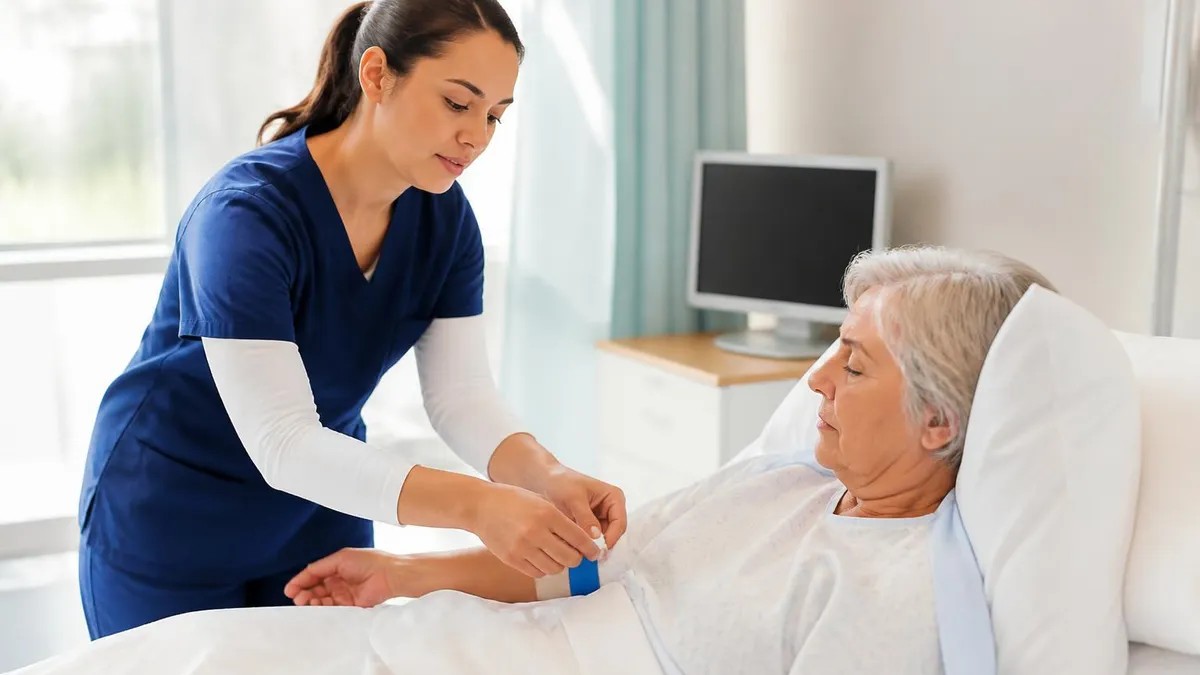
The daily work of an LPN or LVN revolves around direct patient care under the supervision of an RN or physician. Typical tasks include taking vital signs, monitoring intake and output, administering oral and injectable medications where state law permits, performing wound care and dressing changes, inserting and maintaining urinary catheters, and assisting patients with bathing, toileting, and mobility. These responsibilities form the backbone of bedside nursing across long-term care, hospitals, and outpatient clinics.
Beyond hands-on care, LPNs and LVNs document patient assessments in electronic health records, communicate changes in condition to supervising nurses, provide patient and family education, and assist with admissions and discharges. In long-term care settings, LPNs frequently serve as charge nurses, delegating tasks to certified nursing assistants and coordinating shift handoffs. The role demands strong observation skills, time management, and the ability to escalate concerns promptly.
Pros and Cons of Becoming an LPN or LVN
- +Shorter training timeline of 12 to 18 months gets you working sooner
- +Lower tuition costs typically range from $5,000 to $15,000 total
- +Strong job demand across long-term care, home health, and clinic settings
- +Direct hands-on patient care without extensive paperwork or administrative overhead
- +Clear pathway to bridge into RN programs through LPN-to-RN options
- +License is portable across nearly every state with simple endorsement procedures
- +Wide range of shift options including evenings, nights, weekends, and per diem
- −Lower salary ceiling compared with RNs, BSNs, and advanced practice nurses
- −Limited career advancement without returning to school for additional credentials
- −Scope of practice varies by state, creating confusion when relocating
- −Some hospitals have reduced LPN hiring in favor of all-RN nursing staff models
- −Physically demanding work with long shifts on your feet and frequent lifting
- −IV therapy and other advanced skills require additional state-specific certification
- −Emotional toll of long-term care and end-of-life nursing can lead to burnout
LPN LVN Licensing Checklist
- ✓Graduate from a state-approved practical or vocational nursing program
- ✓Submit a license application to your state Board of Nursing
- ✓Complete fingerprinting and a criminal background check
- ✓Register for the NCLEX-PN exam through Pearson VUE
- ✓Pay the NCLEX-PN exam fee (currently $200 for US testing)
- ✓Receive your Authorization to Test (ATT) email
- ✓Schedule and pass the NCLEX-PN computerized adaptive exam
- ✓Complete any state-specific jurisprudence or ethics exam if required
- ✓Submit proof of CPR/BLS certification from the American Heart Association
- ✓Renew your license every 1-2 years and complete continuing education requirements
Plan your state strategy early
If you anticipate relocating during your nursing career, choose a program in a Nurse Licensure Compact state. Compact membership streamlines multistate practice and gives you maximum flexibility. As of 2026, more than 40 states participate, but California remains outside the compact, so LVNs there face additional steps when working across state lines.
Salary expectations for LPNs and LVNs are remarkably consistent at the national median, but they vary dramatically by region, employer type, and shift differential. The Bureau of Labor Statistics reported a 2024 median annual wage of $59,730 for LPNs and LVNs combined, with the top 10 percent earning more than $77,870 and the bottom 10 percent earning less than $44,690. These figures cover all 50 states without distinguishing between the LPN and LVN titles, reinforcing the equivalence of the two credentials at the federal data level.
State-level differences are significant. California consistently leads in absolute wages, with LVNs earning a 2024 median of roughly $70,800, followed by Washington, Massachusetts, Rhode Island, and Alaska. Lower-paying states tend to be in the southeast and Appalachian regions, with West Virginia, Mississippi, and Alabama medians falling closer to $46,000 annually. When you adjust for cost of living, however, the gap narrows: a Texas LVN earning $54,000 in Dallas often has more disposable income than a California LVN earning $72,000 in San Francisco.
Employer type also drives meaningful pay differences. Government facilities, particularly the Veterans Health Administration and state correctional systems, tend to offer the highest LPN and LVN wages along with strong benefits and pension programs. Skilled nursing facilities and long-term care companies offer the lowest base wages but frequently provide sign-on bonuses, shift differentials, and tuition reimbursement to address staffing shortages. Home health agencies pay in the middle, with hourly rates that can rise significantly for evening and weekend shifts.
Job outlook remains exceptionally strong heading into 2030. The BLS projects 54,400 annual openings for LPNs and LVNs through 2033, driven primarily by an aging US population requiring long-term and chronic care, replacement of retiring nurses, and ongoing expansion of home-based care models. While hospitals have slowly shifted toward all-RN staffing, long-term care, assisted living, hospice, dialysis centers, and outpatient clinics continue to rely heavily on LPN and LVN labor.
Travel nursing has emerged as a high-paying option for experienced LPNs and LVNs willing to relocate temporarily. Contracts typically last 8 to 13 weeks and offer weekly pay packages of $1,400 to $2,200, including housing stipends, travel reimbursement, and bonuses. Although travel nursing is more competitive at the RN level, the LPN and LVN travel market has expanded significantly since 2021, with agencies actively recruiting practical nurses for skilled nursing facilities and correctional health.
Specialty certifications can boost earnings by $3,000 to $8,000 annually. Common high-value certifications include IV therapy, wound care, gerontology, hospice and palliative care, pharmacology, and developmental disabilities nursing. These credentials require continuing education hours and a specialty exam, but they signal expertise to employers and frequently unlock charge nurse or lead positions. Many employers reimburse certification fees, so investigate available benefits before paying out of pocket.
Career growth potential is strong for those willing to invest in further education. LPN-to-RN bridge programs typically take 12 to 18 months and can boost annual earnings by $20,000 to $35,000. From there, RN-to-BSN online programs add another 9 to 15 months and open doors to leadership, education, and advanced practice roles. The lpn lvn pathway remains one of the most cost-effective entry points into nursing, with strong return on investment whether you stay practical or advance to RN.
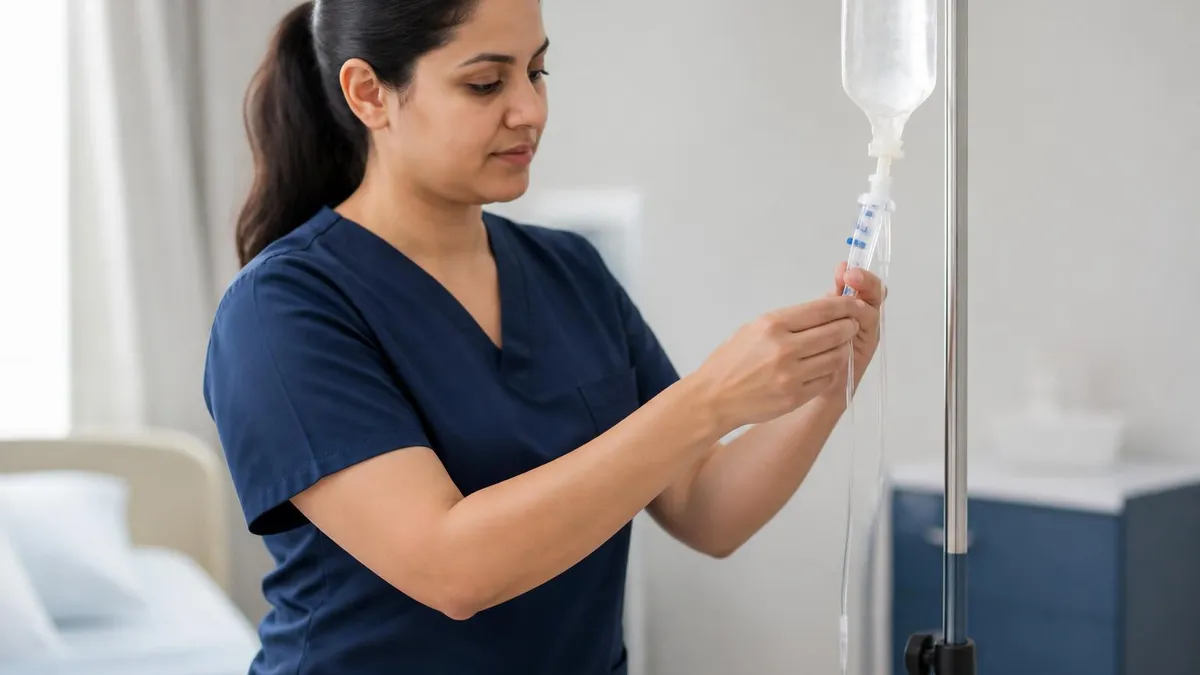
Each state Board of Nursing maintains unique program approval lists, exam requirements, and endorsement procedures. Always verify your chosen program is approved by your intended state of practice before paying tuition. Mismatched programs can require additional coursework or repeat licensing exams.
Choosing the right practical or vocational nursing program requires balancing cost, accreditation, NCLEX-PN pass rates, clinical placement quality, and your personal scheduling needs. With more than 1,200 approved LPN programs and roughly 150 LVN programs nationwide, the options can feel overwhelming. The single most important filter is state Board of Nursing approval, since enrolling in an unapproved program will prevent you from sitting for the NCLEX-PN no matter how high quality the instruction.
Accreditation by the Accreditation Commission for Education in Nursing (ACEN) is an additional quality signal, though it is not required in every state. ACEN-accredited lpn programs tend to have higher NCLEX-PN pass rates, more rigorous clinical hour requirements, and stronger employer reputations. If you plan to bridge into an RN program later, ACEN accreditation can also ease credit transfer and meet prerequisite requirements at most associate-degree and bachelor-degree lpn online programs.
Cost varies widely. Community college LPN programs are typically the most affordable, with total tuition between $4,000 and $12,000 for in-district students. Private vocational schools and for-profit institutions can charge $20,000 to $40,000 for an equivalent program, often financed through federal student loans. Before committing, calculate the total cost including fees, books, uniforms, background checks, and licensing exam expenses. The lpn lvn return on investment is strongest when total program cost stays below 50 percent of expected first-year earnings.
NCLEX-PN pass rates are publicly reported by every state Board of Nursing and serve as a reliable indicator of program quality. National first-time pass rates hover around 83.45 percent for US-educated test takers. Programs with pass rates above 90 percent typically have strong curriculum, dedicated remediation, and effective NCLEX preparation built into the final term. Avoid programs with pass rates below 70 percent for three consecutive years, since they may be on probation with the state board.
Clinical placement quality often matters more than classroom instruction. Strong programs partner with local hospitals, skilled nursing facilities, rehabilitation centers, and outpatient clinics to provide diverse clinical rotations across at least four or five settings. Ask program directors specifically where clinicals occur, how many hours you will spend in each setting, and whether you can request specific specialties such as pediatrics, mental health, or hospice. The most graduates are hired into facilities where they trained as students.
Schedule flexibility is increasingly important as many practical nursing students work full-time or care for family while in school. Evening, weekend, and hybrid options are widely available, though clinical rotations almost always require daytime availability for at least a portion of the program. Some programs offer accelerated 12-month tracks for highly motivated students with no work obligations, while others spread coursework across 18 to 24 months to accommodate working adults.
Finally, talk to recent graduates before enrolling. Online forums, LinkedIn searches, and informal coffee meetings with current LPN or LVN employees can reveal whether a program lives up to its marketing. Ask about instructor quality, clinical site organization, NCLEX preparation resources, and job placement support after graduation. The right program prepares you not just to pass the licensing exam but to thrive in your first nursing role and beyond.
Practical strategy makes the difference between a stressful, costly nursing journey and a smooth, well-planned transition into licensed practice. The first piece of advice for anyone choosing between LPN and LVN paths is to anchor your decision in the state where you plan to live and work for at least the first three to five years. If California or Texas is home, enroll in an LVN program; otherwise, pursue an LPN program in your state of residence. This single decision streamlines licensure, clinical placement, and post-graduation employment.
Build a realistic financial plan before enrolling. Calculate total program cost, including indirect expenses like child care, transportation, and lost wages from reduced work hours. Federal financial aid covers most lpn schools and many states offer scholarships specifically for nursing students from underserved or high-need communities. Employers in long-term care frequently sponsor tuition for CNAs willing to commit to a service period after licensure, which can cut your out-of-pocket cost to nearly zero.
Invest heavily in NCLEX-PN preparation throughout your program rather than waiting until graduation. Use a structured question bank like UWorld, Kaplan, or Saunders for daily practice starting in your second semester. Aim for 75 to 100 NCLEX-style questions per day for the final 6 to 8 weeks before testing, focusing on rationales rather than memorization. Strong test takers consistently report that question practice is the single most predictive activity for first-time NCLEX-PN success.
Develop clinical judgment alongside content knowledge. The NCLEX-PN increasingly emphasizes the Clinical Judgment Measurement Model, which tests how nurses analyze situations, prioritize actions, and evaluate outcomes. Practice case-based scenarios that mirror real clinical decision-making, and use clinical rotations as opportunities to verbalize your reasoning to instructors. The ability to think systematically about patient situations will serve you well on the exam and in your first job.
Network actively during your program. Connect with classmates, clinical instructors, and floor nurses at your rotation sites. Many LPNs and LVNs land their first jobs through direct referrals or job offers extended at the end of a clinical placement. Update your resume early, attend job fairs hosted by your school, and apply broadly during your final semester. Most employers are happy to hire you contingent on passing the NCLEX-PN, which gives you a head start on the post-graduation employment hunt.
Plan for long-term career growth from day one. Even if you intend to remain an LPN or LVN forever, completing a few prerequisite college courses such as anatomy, microbiology, and English composition during slow periods opens the door to bridge programs later. Many LPN-to-RN programs require these prerequisites, and tackling them while you are still in study mode is far easier than starting fresh after years in practice. Future-you will thank present-you for the preparation.
Finally, prioritize self-care from the start. Nursing is physically demanding and emotionally taxing, and burnout among new graduates is common. Develop healthy sleep, exercise, and stress management habits during school so they become automatic when you enter full-time clinical work. Find a mentor in your first job who can guide you through difficult patients, complicated workplace dynamics, and the inevitable rough shifts. Strong personal habits and supportive relationships are the foundation of a long, satisfying nursing career.
LPN Questions and Answers




About the Author

Registered Nurse & Healthcare Educator
Johns Hopkins University School of NursingDr. Sarah Mitchell is a board-certified registered nurse with over 15 years of clinical and academic experience. She completed her PhD in Nursing Science at Johns Hopkins University and has taught NCLEX preparation and clinical skills courses for nursing students across the United States. Her research focuses on evidence-based exam preparation strategies for healthcare certification candidates.
Join the Discussion
Connect with other students preparing for this exam. Share tips, ask questions, and get advice from people who have been there.
View discussion (7 replies)