
Accredited LPN Programs 2026 October: Complete Guide to Approved Schools, Costs & Career Paths
Find accredited LPN programs in 2026 October. Compare approved schools, tuition costs, NCLEX-PN pass rates, and admission requirements for licensed practical 🔎

Choosing among accredited LPN programs is the single most important decision you will make on the path to becoming a licensed practical nurse, because accreditation determines whether you can sit for the NCLEX-PN, qualify for federal financial aid, and have your credits transfer if you decide to bridge to an RN later. In 2026, more than 1,200 practical nursing programs operate across the United States, but only those approved by a state board of nursing and accredited by ACEN or CNEA carry the recognition employers and licensing boards demand.
The Accreditation Commission for Education in Nursing (ACEN) and the National League for Nursing Commission for Nursing Education Accreditation (CNEA) are the two specialized agencies that evaluate practical nursing curricula. Both require rigorous evaluation of faculty credentials, clinical site quality, student outcomes, and NCLEX-PN pass rates above 80 percent. State board approval is separate but mandatory in all 50 states. Without it, your transcript is essentially worthless when you apply for licensure.
Most accredited LPN programs run 12 to 18 months full-time and combine roughly 1,500 hours of classroom theory with supervised clinical rotations in hospitals, long-term care facilities, and community health settings. You will study anatomy and physiology, pharmacology, maternal and pediatric nursing, mental health, and medical-surgical nursing. Clinical hours are non-negotiable for accreditation; the National Council of State Boards of Nursing recommends a minimum of 400 supervised clinical hours, though many programs require 600 or more.
Tuition for accredited LPN programs in 2026 ranges from $4,000 at community colleges to $35,000 at private career schools. Public technical colleges in states like Texas, Florida, and Wisconsin remain the most affordable option, often charging under $10,000 for the full program. Hospital-based diploma programs and HBCU practical nursing tracks frequently offer additional scholarships that bring net costs even lower. Cost should always be weighed against NCLEX-PN pass rate and clinical site quality.
Before you commit to any school, verify accreditation directly through the ACEN website (acenursing.org) or your state board of nursing directory. Predatory unaccredited schools have proliferated since 2020, particularly online-only models promising 9-month completion with no clinical placement. These programs leave graduates unable to test, unable to refinance loans, and unable to work. A legitimate accredited LPN program will publish its NCLEX-PN pass rate, retention rate, and employment outcomes openly on its website.
This guide walks you through every meaningful dimension of choosing accredited LPN programs: how accreditation actually works, what admission requirements you must meet, realistic timelines, total costs including hidden fees, online and hybrid options, NCLEX-PN preparation built into curricula, and what your first year as a working LPN looks like. By the end, you will know exactly which questions to ask each program coordinator before signing an enrollment agreement.
The labor market strongly favors LPN graduates. The Bureau of Labor Statistics projects 5 percent growth in LPN employment through 2032, with roughly 54,000 openings annually due to retirements and expanded home health demand. Median wages reached $59,730 in 2024, with top earners in nursing homes and government facilities exceeding $77,000. Graduates from accredited programs report job offers an average of 11 days after passing NCLEX-PN, often with sign-on bonuses between $2,000 and $7,500 in high-demand markets.
Accredited LPN Programs by the Numbers

Accreditation Standards & Approval Bodies
The Accreditation Commission for Education in Nursing accredits roughly 70 percent of practical nursing programs. ACEN requires programmatic NCLEX-PN pass rates above 80 percent over three years, qualified faculty with MSN degrees, and rigorous student outcome reporting on graduation, retention, and job placement.
The NLN Commission for Nursing Education Accreditation is the newer specialized agency, accrediting programs since 2016. CNEA emphasizes values-based education, evidence-based practice, and continuous quality improvement. Programs must demonstrate sustained excellence across six accreditation standards before approval.
Every state nursing board independently approves practical nursing programs within its borders. Approval is mandatory and separate from national accreditation. Without state board approval, graduates cannot sit for NCLEX-PN regardless of how well the program is otherwise accredited or marketed.
Beyond nursing-specific accreditation, the parent institution should hold regional accreditation from agencies like SACSCOC, HLC, or WSCUC. Regional accreditation ensures your credits transfer to RN bridge programs and qualifies the school for Title IV federal financial aid eligibility.
Admission to accredited LPN programs is competitive but achievable for most applicants who plan ahead. The baseline requirement is a high school diploma or GED with a cumulative GPA of at least 2.5, though selective community college programs in metropolitan areas regularly admit only applicants with 3.0 or higher. Some private career colleges accept lower GPAs but compensate with higher tuition and lower NCLEX-PN pass rates, which is exactly the trade-off you want to avoid when evaluating program quality and long-term return on investment.
Most schools require completion of prerequisite coursework before formal enrollment. The standard prerequisite bundle includes anatomy and physiology I and II, basic chemistry, college-level English composition, and introductory psychology. A few programs add medical terminology, nutrition, and developmental psychology. These prerequisites can usually be completed at any regionally accredited community college and transfer in with grades of C or better. Knock these out before applying to dramatically strengthen your application.
Standardized testing is nearly universal. The TEAS (Test of Essential Academic Skills) from ATI is the dominant entrance exam, used by roughly 70 percent of accredited LPN programs. Competitive programs expect composite TEAS scores of 65 to 75 percent, with reading and math sections weighted most heavily. The HESI A2 is the second most common entrance test. Both exams cost around $115 and can be retaken, typically after a 30 to 60 day waiting period imposed by individual schools.
Beyond academics, you must clear several non-negotiable health and background requirements. Programs require current immunizations including hepatitis B series, MMR, varicella, Tdap, annual flu, and increasingly COVID-19. A two-step PPD or QuantiFERON Gold tuberculosis screening is mandatory. CPR certification at the Basic Life Support healthcare provider level from the American Heart Association is required before clinical rotations begin, not just on graduation day.
Criminal background checks and drug screens are screened through providers like Castle Branch or American DataBank. A felony conviction does not automatically disqualify you, but you should disclose proactively and consult the state board of nursing about character and fitness review before investing tuition. Misdemeanors involving violence, theft, or controlled substances may delay licensure even after program completion. Many states allow petitions for review prior to enrollment, removing uncertainty before you commit financially.
Personal interviews and essays are increasingly common as programs try to assess soft skills like communication, empathy, and stress tolerance that academic metrics miss. Be prepared to discuss why you want to be an LPN specifically rather than an RN, how you handle conflict, and a specific example of caring for someone in difficulty. Programs are looking for genuine motivation grounded in patient care, not students who view LPN as a fallback after failing to gain RN admission elsewhere.
Application timelines vary dramatically. Community college LPN programs typically accept applications January through March for August start dates, with rolling admission rare. Hospital-based diploma programs may admit twice yearly. Private career colleges often have monthly start dates with shorter application windows. Submit complete applications, including transcripts, test scores, immunization records, and references, at least 60 days before deadline to allow time for processing errors and missing document requests.
LPN Practice Test Questions
Prepare for the LPN - Certified Practical Nurse exam with our free practice test modules. Each quiz covers key topics to help you pass on your first try.
LPN - Certified Practical Nurse Basic Care...
LPN Exam Questions covering - Certified Practical Nurse Basic Care and Comfort. Master LPN Test concepts for certification prep.
LPN - Certified Practical Nurse Coordinate...
Free LPN Practice Test featuring - Certified Practical Nurse Coordinated Care. Improve your LPN Exam score with mock test prep.
LPN - Certified Practical Nurse Health Pro...
LPN Mock Exam on - Certified Practical Nurse Health Promotion and Maintenance. LPN Study Guide questions to pass on your first try.
LPN - Certified Practical Nurse Pharmacolo...
LPN Test Prep for - Certified Practical Nurse Pharmacological Therapies. Practice LPN Quiz questions and boost your score.
LPN - Certified Practical Nurse Physiologi...
LPN Questions and Answers on - Certified Practical Nurse Physiological Adaptation. Free LPN practice for exam readiness.
LPN - Certified Practical Nurse Psychosoci...
LPN Mock Test covering - Certified Practical Nurse Psychosocial Integrity. Online LPN Test practice with instant feedback.
LPN - Certified Practical Nurse Reduction ...
Free LPN Quiz on - Certified Practical Nurse Reduction of Risk Potential. LPN Exam prep questions with detailed explanations.
LPN - Certified Practical Nurse Safety and...
LPN Practice Questions for - Certified Practical Nurse Safety and Infection Control. Build confidence for your LPN certification exam.
LPN Ethical, Legal & Professional Standards
LPN Test Online for Ethical, Legal & Professional Standards. Free practice with instant results and feedback.
LPN Health Evaluation & Monitoring
LPN Study Material on Health Evaluation & Monitoring. Prepare effectively with real exam-style questions.
Curriculum & Clinical Hours in Accredited LPN Programs
Accredited LPN programs deliver approximately 700 to 900 didactic theory hours across four core domains. Foundational sciences cover anatomy, physiology, microbiology, and pharmacology. Nursing fundamentals teach assessment, vital signs, infection control, documentation, and basic procedures. Medical-surgical nursing represents the largest single block, integrating cardiovascular, respiratory, gastrointestinal, endocrine, and neurological care across the lifespan.
Specialty content modules address maternal-newborn nursing, pediatrics, mental health and psychiatric nursing, gerontology, and community health. Pharmacology is woven throughout but typically receives a dedicated 60 to 90 hour course covering drug classifications, calculations, administration routes, side effects, and patient education. Expect weekly exams, dosage calculation tests with strict 90 percent passing requirements, and comprehensive end-of-semester exit exams using ATI or HESI predictor tools.

Pros and Cons of Accredited LPN Programs vs Unaccredited Alternatives
- +Eligible to sit for NCLEX-PN licensing exam in any state
- +Qualifies for federal financial aid, Pell Grants, and loan forgiveness programs
- +Credits transfer to LPN-to-RN bridge programs and BSN tracks
- +Employer recognition with full hiring eligibility at hospitals and nursing homes
- +Higher NCLEX-PN first-time pass rates averaging 83 percent versus 41 percent at unaccredited schools
- +Standardized curriculum ensures comprehensive clinical preparation
- +Faculty credentialed at MSN level or higher with active clinical experience
- −More rigorous admission requirements and competitive applicant pools
- −Longer waitlists at affordable community college programs, often 12 to 24 months
- −Stricter attendance, GPA, and clinical performance standards
- −Mandatory standardized entrance exams like TEAS or HESI A2
- −Limited evening and weekend scheduling at some traditional programs
- −Less flexibility in program length compared to accelerated unaccredited options
- −Higher upfront documentation burden including background checks and immunizations
Evaluation Checklist for Accredited LPN Programs
- ✓Verify ACEN or CNEA accreditation directly on the agency website, not just program brochures
- ✓Confirm state board of nursing approval through the official board directory
- ✓Request the three-year NCLEX-PN first-time pass rate in writing
- ✓Ask for program completion and retention rates over the last three cohorts
- ✓Tour campus facilities, simulation labs, and at least one clinical site if possible
- ✓Verify faculty credentials including MSN degrees and current clinical practice
- ✓Review the full clinical rotation schedule and partner facility list
- ✓Get total cost of attendance in writing including books, uniforms, and fees
- ✓Confirm Title IV federal financial aid eligibility and complete a FAFSA
- ✓Read the entire enrollment agreement before signing including refund policies
- ✓Speak with at least two current students and one recent graduate about their experience
- ✓Confirm placement support services and the average time-to-employment after graduation
Always verify accreditation status before paying any deposit
Schools sometimes claim accreditation that has lapsed, is under review, or never existed. Visit acenursing.org and nln.org directly to confirm current status. Check your state board of nursing website for an approved program list dated within the current year. If a school resists providing direct verification links, treat that hesitation as a serious red flag and walk away.
The financial reality of accredited LPN programs varies enormously depending on institution type. Public community colleges remain the most affordable path, with average total tuition between $4,000 and $12,000 for the full 12 to 18 month program. Technical colleges in Wisconsin, Texas, Florida, and Georgia routinely offer LPN programs under $8,000 including books and fees. These public programs are heavily subsidized but typically have the longest waitlists, often 12 to 24 months from application to start date.
Private career colleges and proprietary schools occupy the middle and upper tier of pricing. Schools like Fortis College, Pima Medical Institute, Brookline College, and Carrington College charge $25,000 to $40,000 for accredited LPN programs. Tuition includes books, uniforms, and exam preparation, but the total cost of attendance often runs 3 to 5 times higher than community college equivalents. Pay close attention to NCLEX-PN pass rates and post-graduation employment data before assuming the convenience justifies the premium.
Hospital-based diploma programs are increasingly rare but offer exceptional value when available. Programs run by health systems like Mercy, AdventHealth, and some Catholic hospital networks frequently offer reduced or fully subsidized tuition in exchange for one to two year employment commitments after graduation. These deals can effectively pay you to learn, with starting wages around $26 to $32 per hour beginning immediately after NCLEX-PN passage. Search for hospital-sponsored LPN tracks in your region as a priority option.
Financial aid for accredited LPN programs is strong because of the Title IV qualification accreditation enables. Federal Pell Grants provide up to $7,395 annually for the 2025-2026 award year for students with demonstrated need. Direct Subsidized and Unsubsidized Stafford Loans cover most of the remaining cost. Many states offer additional grant programs targeting nursing shortages, including Texas TEACH, California Cal Grant, and New York TAP, that stack with federal aid to reduce or eliminate out-of-pocket costs.
Employer tuition assistance has expanded rapidly. Major employers including Walmart, Starbucks, Amazon, Aldi, and CVS now offer free or heavily subsidized LPN programs through corporate education benefit partnerships. Long-term care chains like Genesis HealthCare, Brookdale, and Sunrise Senior Living offer earn-while-you-learn LPN sponsorships with payback agreements of 12 to 24 months of post-licensure employment. These employer programs are accredited, legitimate, and often debt-free when completed in good standing.
Beyond tuition, budget realistically for ancillary costs that catch students off guard. Books and learning resources average $1,200 to $2,500 total. Uniforms, clinical shoes, and a stethoscope run $400 to $700. Background checks, drug screens, immunizations, CPR certification, and clinical site fees add another $500 to $900. The NCLEX-PN exam fee is $200, and most states charge an additional $100 to $200 licensure application fee. ATI or Kaplan NCLEX-PN prep packages cost $300 to $600 if not bundled.
Total realistic out-of-pocket cost for an accredited LPN program in 2026 ranges from $6,000 at well-aided community colleges to over $45,000 at private career schools without significant aid. The return on investment remains exceptional at the lower end and questionable at the higher end. A graduate earning $59,730 median salary recoups a $10,000 community college investment in approximately three months of after-tax earnings. The same graduate from a $40,000 private school may take three years to break even.
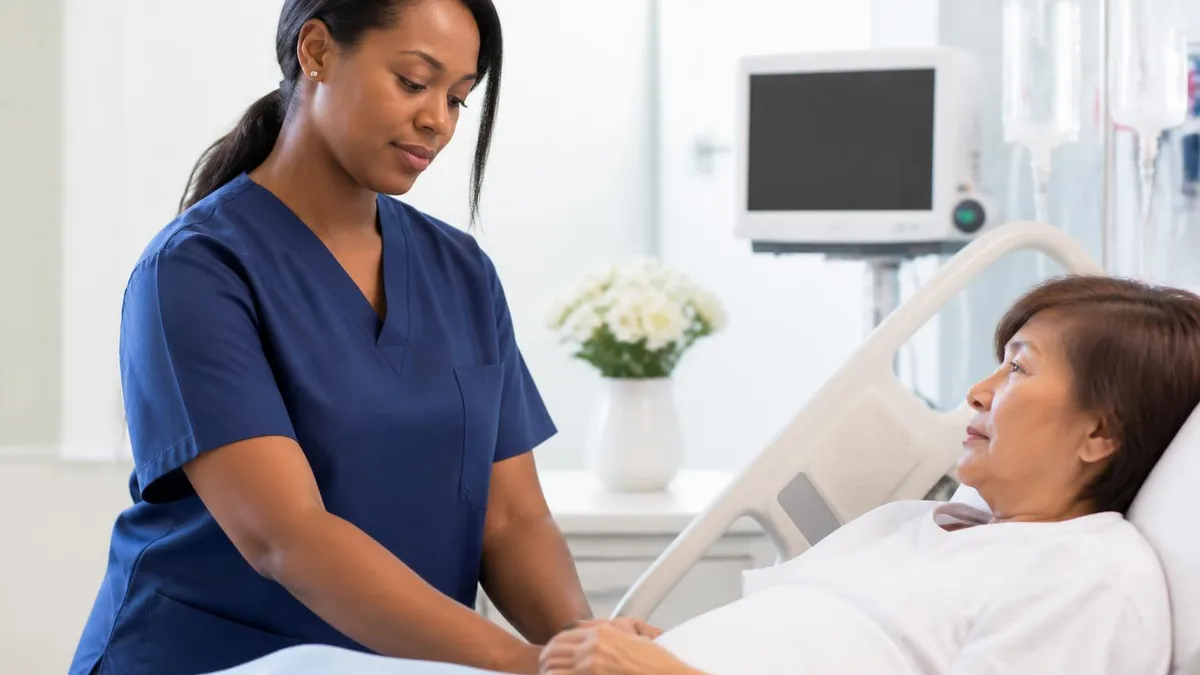
A wave of online programs promising LPN completion in 6 to 9 months entirely online has emerged since 2022. Almost none provide the supervised clinical hours required by state boards of nursing for NCLEX-PN eligibility. Students discover they cannot test only after spending $15,000 to $25,000 in tuition. Always confirm clinical placement is included and that the program appears on your state board approved list before enrolling.
Career outcomes for graduates of accredited LPN programs in 2026 are exceptionally strong, driven by an aging US population, expanding home health services, and persistent registered nurse shortages that push more direct patient care responsibility onto LPNs. The Bureau of Labor Statistics reports median annual wages of $59,730 with the top 10 percent earning over $77,870. Nursing homes, government facilities, and home health agencies pay the highest premiums, while physician offices and outpatient clinics offer the most predictable schedules and benefits packages.
Geographic variation in LPN compensation is substantial. California, Massachusetts, Washington, Alaska, and Rhode Island lead the country with median wages above $69,000. Mississippi, West Virginia, Alabama, and Arkansas anchor the lower end at $46,000 to $52,000. Cost of living should be factored against headline wages. A LPN earning $58,000 in San Antonio often has greater purchasing power than a counterpart earning $72,000 in San Francisco after housing, taxes, and transportation are considered.
NCLEX-PN preparation is built into the final term of every accredited LPN program through structured exit exams, comprehensive review courses, and computerized adaptive practice testing using ATI, HESI, or Kaplan platforms. National first-time pass rates from accredited programs averaged 83 percent in 2024 according to NCSBN data, with the strongest programs reaching above 95 percent. Schools below 80 percent risk losing accreditation, which is why their performance metrics deserve careful scrutiny during your evaluation process.
The exam itself uses computer adaptive testing with a minimum of 85 and maximum of 150 questions over five hours. Pass-fail is determined by demonstrated competency above the passing standard rather than a fixed percentage. Content covers four major client needs categories: safe and effective care environment, health promotion and maintenance, psychosocial integrity, and physiological integrity. Preparation through quality NCLEX-PN question banks, ideally completing 2,000 to 3,000 practice questions before testing, consistently predicts first-attempt success.
Career advancement opportunities open quickly after licensure. LPN-to-RN bridge programs accept credits from accredited LPN programs, typically requiring 12 to 18 additional months for an ADN or 24 to 30 months for a BSN. Many hospitals offer tuition reimbursement up to $5,250 annually tax-free, fully covering RN bridge costs. Specialty certifications in IV therapy, gerontology, wound care, and pharmacology technician roles command $2 to $5 hourly premiums and expand scope of practice in most states.
For a deeper look at the broader role and educational pathway, see our complete guide on what LPN stands for and the complete career roadmap. Understanding the full LPN scope of practice helps you choose specializations strategically rather than reactively. Long-term care administrators, occupational health coordinators, surgical assistants, and clinic supervisors frequently begin as LPNs and progress through experience-based pathways rather than additional formal education, providing flexibility unique among healthcare professions.
Job placement statistics from accredited LPN programs consistently exceed 90 percent within 90 days of NCLEX-PN passage. The strongest programs report 95 to 100 percent placement with average starting wages of $24 to $29 per hour and sign-on bonuses common in long-term care and home health. New graduates should target facilities offering structured nursing residency or orientation programs of at least 12 weeks, which dramatically reduce first-year burnout and improve clinical confidence during the critical transition from student to practicing nurse.
Practical preparation strategies for succeeding in accredited LPN programs separate students who graduate on time from those who fall behind or drop out. The single highest predictor of academic success is dedicated weekly study time of 25 to 35 hours outside class. Most students dramatically underestimate this requirement, especially those balancing work and family. Building a realistic schedule before classes start, with non-negotiable study blocks protected like work shifts, is the foundation that everything else rests upon during the demanding 12 to 18 month program.
Active learning techniques outperform passive review by wide margins in nursing education research. Replace highlighting and rereading with practice questions, concept mapping, and teaching content aloud to a study partner. Aim for at least 50 NCLEX-style practice questions daily from the first week of pharmacology onward. The Saunders Comprehensive Review for the NCLEX-PN remains the most cited supplemental text, and ATI or HESI question banks usually come bundled with tuition. Use them deliberately rather than passively.
Dosage calculation proficiency is non-negotiable. Most accredited LPN programs require 90 to 100 percent passing scores on dosage calculation exams each semester, with three attempts maximum before dismissal. Practice 10 calculations daily using dimensional analysis or ratio-proportion methods consistently. The most common failure points are pediatric weight-based dosing, IV drip rate calculations, and unit conversions between milligrams, grams, and milliequivalents. Master these mechanically before adding speed pressure on timed exams.
Clinical rotation success depends as much on professionalism as clinical knowledge. Arrive 15 minutes early, dress in regulation uniforms with hair restrained and minimal jewelry, and bring required supplies including stethoscope, penlight, scissors, and pocket reference cards. Ask intelligent questions but never pretend to know skills you have not practiced. Honest acknowledgment of learning needs is universally respected by preceptors, while bluffing risks patient harm and immediate dismissal from the program without refund.
Mental health and stress management directly affect program completion rates. Accredited LPN programs are intentionally demanding to prepare students for high-stakes patient care responsibilities. Build a support system including family, classmates, and faculty mentors. Use campus counseling services proactively rather than waiting for crisis. Maintain physical exercise, sleep hygiene, and basic nutrition even during exam weeks. Students who treat self-care as optional consistently perform worse academically and clinically across every measured outcome.
NCLEX-PN preparation should begin no later than your final term, not after graduation. Schedule a structured 6 to 8 week study plan immediately after your final clinical rotation. Take the ATI Comprehensive Predictor or Kaplan Diagnostic exam to identify weakness areas, then concentrate 60 percent of study time on those gaps while maintaining 40 percent on strengths. Schedule the actual NCLEX-PN within 45 days of graduation while program content remains fresh. Delaying significantly correlates with lower pass rates and prolonged unemployment.
Finally, build your professional identity from day one. Join the National Association of Licensed Practical Nurses, attend state nursing association meetings, and create a polished LinkedIn profile reflecting your clinical rotations and skills. Network actively with preceptors and clinical instructors who often become job references or direct hiring contacts. The healthcare hiring market rewards visible engagement and professional initiative far more than test scores alone, and the relationships you build during clinical rotations frequently lead to your first job offer before you even sit for NCLEX-PN.
LPN Questions and Answers



About the Author

Registered Nurse & Healthcare Educator
Johns Hopkins University School of NursingDr. Sarah Mitchell is a board-certified registered nurse with over 15 years of clinical and academic experience. She completed her PhD in Nursing Science at Johns Hopkins University and has taught NCLEX preparation and clinical skills courses for nursing students across the United States. Her research focuses on evidence-based exam preparation strategies for healthcare certification candidates.
Join the Discussion
Connect with other students preparing for this exam. Share tips, ask questions, and get advice from people who have been there.
View discussion (7 replies)